
Review · KYOTO TOURS
Kyoto; Craft Your Unique Japanese Name! Fun & Easy Keepsake
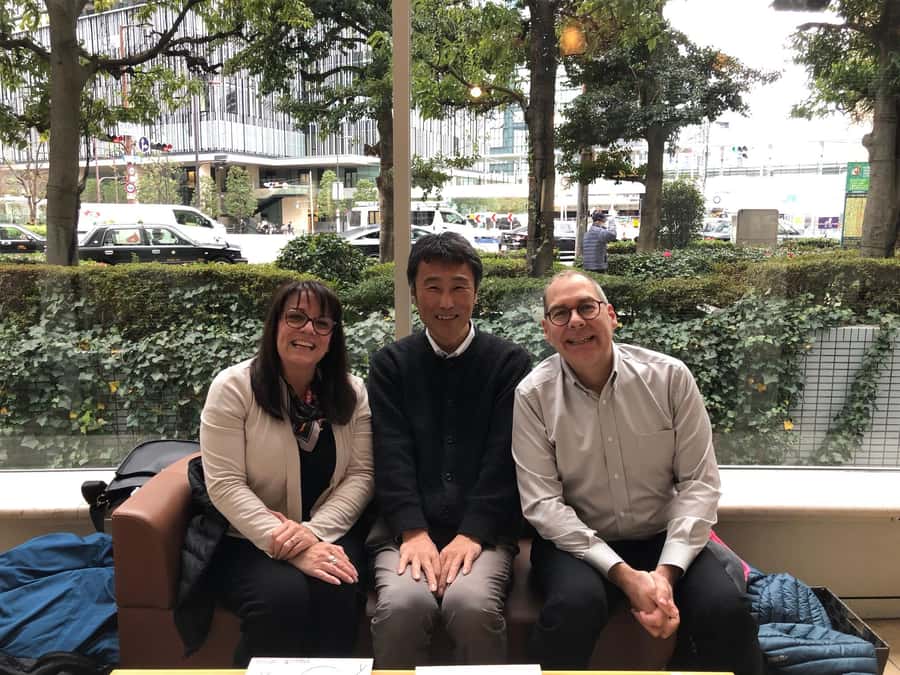
Your name becomes Japanese Kanji fast. In Kyoto, this casual workshop turns your name into a take-home piece of art, and you do it with a real instructor who mixes writing practice with quick Japanese self-introductions. I like the personal souvenir factor, and you’ll like that the guide, Kazuhisa Ashida (many people call him Kazu), works in both English and Japanese so you are not stuck guessing.
One thing to consider: this is not traditional brush-and-ink shodō. You’ll write with felt-tip pens, and because Kanji for foreign names is tricky, you should expect a best-fit match rather than a perfect, universal translation.
In This Review
- Key highlights worth your time
- Kyoto meet-up at Takashimaya, then a relaxed café start
- Greetings and self-introductions, before you write a single character
- Writing your name in Kanji on shikishi paper
- Kanji for foreign names: what to expect when it is not perfect
- What makes this workshop feel worth $33
- Casual writing, not formal shodō, and who should book it
- Practical tips so your name looks great
- Should you book this Kyoto name-writing workshop?
- FAQ
- What scripts will I practice during the workshop?
- Is this traditional shodō with brushes and ink?
- How does the instructor choose the Kanji for my name?
- What’s included in the $33 price?
- What languages are used, and can the workshop be done in other languages?
- Where do I meet, and can I pay later?
Key highlights worth your time
- Personalized name in Kanji (plus Hiragana and Katakana practice)
- Instructor-led greetings and self-introduction basics
- Cafe start with a complimentary drink (coffee, tea, or soft drink)
- All materials included, including shikishi paper (色紙) and felt-tip pens
- A smooth, English-friendly experience with Kazuhisa Ashida
Kyoto meet-up at Takashimaya, then a relaxed café start
The experience begins right where it is easy to orient yourself: the clock in front of the Takashimaya main entrance. It sits on the southwest corner of the big intersection of Shijo-dori and Kawaramachi-dori. Look for your Japanese instructor holding a red handkerchief or a red sign.
This matters more than it sounds. Kyoto can feel like a maze when you are looking for a small storefront, so having a major landmark plus a visible red prop is a big help. The group then starts at a cozy local café, not in a formal classroom, so you ease into the lesson before you touch any paper.
It also ends back at the meeting point. That is useful if you want to keep your day simple, grab lunch afterward, or hop back to sightseeing without a long commute.
A few more Kyoto days to weigh up
- PERFECT KYOTO 1-Day Bus Tour
★ 5.0 · 13,518 reviews - Kyoto: Fushimi Inari, Kinkakuji, Bamboo Grove 1 Day Bus Tour
★ 4.8 · 4,316 reviews - Kyoto: Tea Ceremony in a Traditional Tea House in Kiyomizu
★ 4.9 · 3,519 reviews
Greetings and self-introductions, before you write a single character
You start with a friendly warm-up: basic Japanese greetings and self-introductions. The instructor teaches simple phrases and pronunciation tips, and it is not theory-heavy. It is more like, you learn just enough to feel confident using the words in real life.
In practice, this is the part that makes the workshop feel cultural instead of purely craft-based. When you write your name in Japanese, it helps to also understand how people ask for it, how you say it back, and how you introduce yourself without sounding stiff.
Since the workshop runs in English and Japanese, you can also ask questions when you get stuck. One common win here is that Kazu is fluent in both languages, so your confidence stays intact even if your Japanese is brand-new. The vibe is casual and welcoming, which is exactly what you want for a quick, low-pressure language moment.
Writing your name in Kanji on shikishi paper
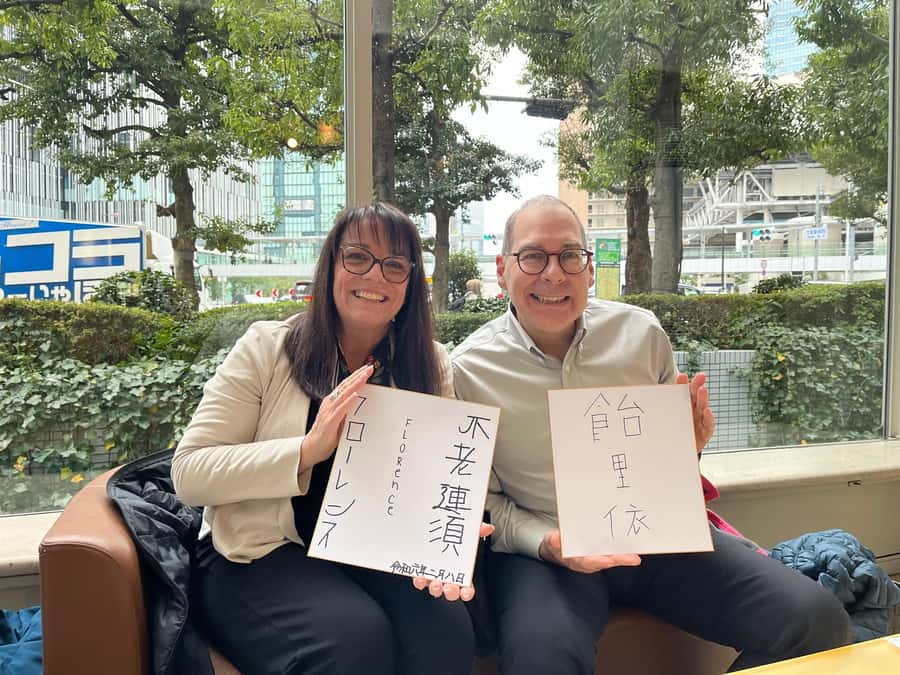
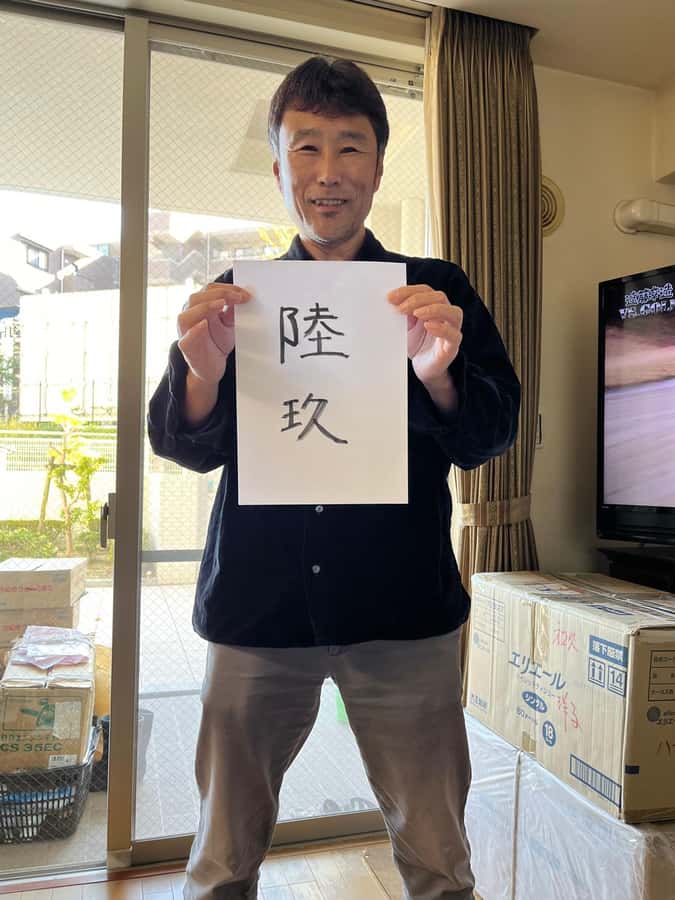
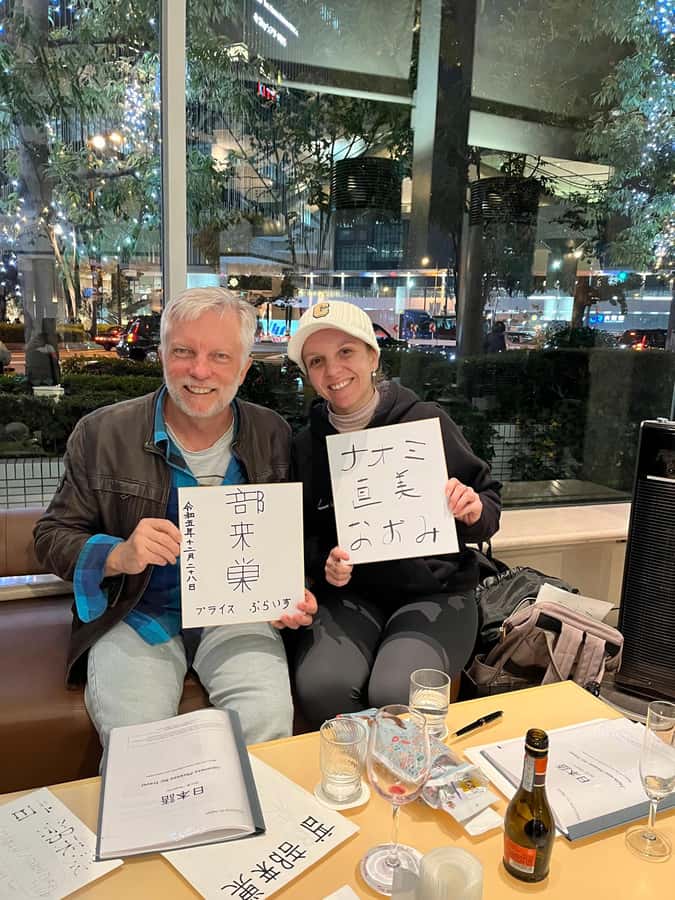
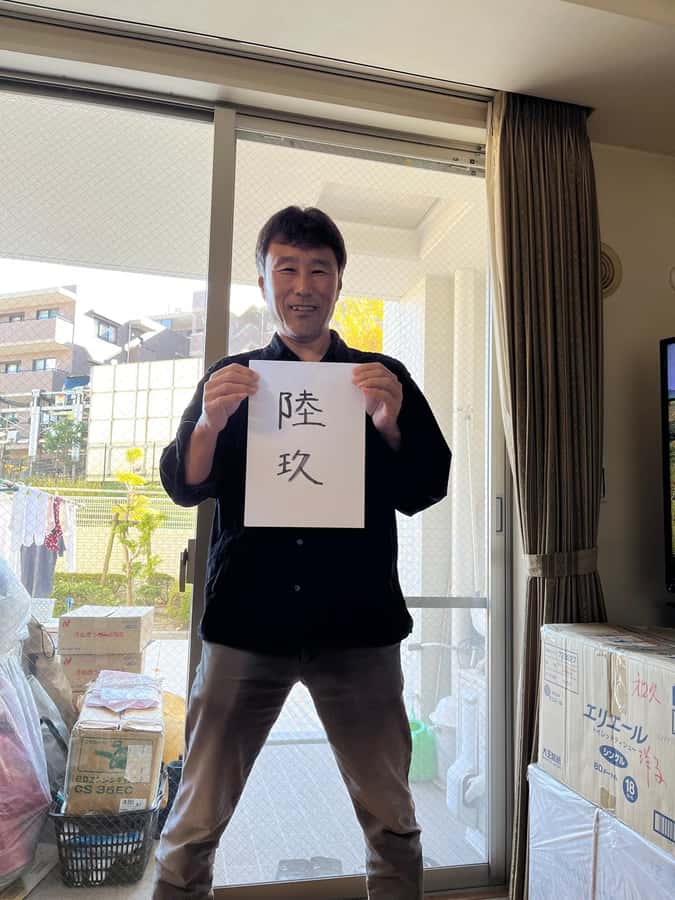
Now for the main event: crafting your name in Japanese characters. You’ll practice writing using felt-tip pens, and your instructor helps you shape the characters so they look right on the traditional shikishi paper (色紙).
You are not just copying one line. You’ll practice your name in Kanji, and the lesson also covers Hiragana and Katakana. That is a smart mix because it gives you a full snapshot of how Japanese writing systems work in day-to-day life.
Here is what you actually get to walk away with: a personalized, handwritten souvenir of your name. It is designed to be the kind of keepsake you can display or gift, not something you make and immediately forget.
The instructor also teaches how to write Japanese-style dates and place names, including an example like Kyoto. That might sound like small stuff, but it is practical. Even if you never become fluent, being able to recognize and write dates and location names the Japanese way helps you feel more at home while traveling.
Kanji for foreign names: what to expect when it is not perfect
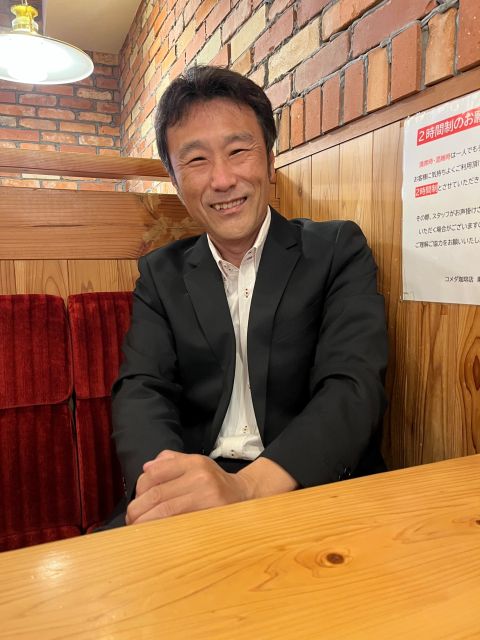
Kanji is where the workshop gets interesting, and also where expectations need a little adjustment. For many foreign names, there is no single, guaranteed Kanji spelling that matches both sound and meaning the way it does for Japanese names.
So the instructor picks Kanji characters based on the pronunciation of your name and, as possible, related meaning. You will make your best effort with what the instructor assigns, and the goal is a close match rather than a perfect one-to-one conversion.
This is also why the instructor’s role matters. Without guidance, beginners often end up with characters that look cool but do not read well or do not match the sound they are aiming for. With Kazu and the writing guidance, you get a version that actually works as a named keepsake.
A different sort of day in Japan:
- Kyoto Geisha Walking Tour: Gion District & Hidden Gems
★ 4.7 · 3,273 reviews - Kyoto: Tea Ceremony Ju-An at Jotokuji Temple
★ 4.9 · 3,207 reviews - Kyoto: 45-Minute Tea Ceremony Lesson Experience
★ 4.3 · 2,378 reviews - Kyoto: Gion Geisha District Walking Tour – Stories of Geisha
★ 4.7 · 2,187 reviews
What makes this workshop feel worth $33
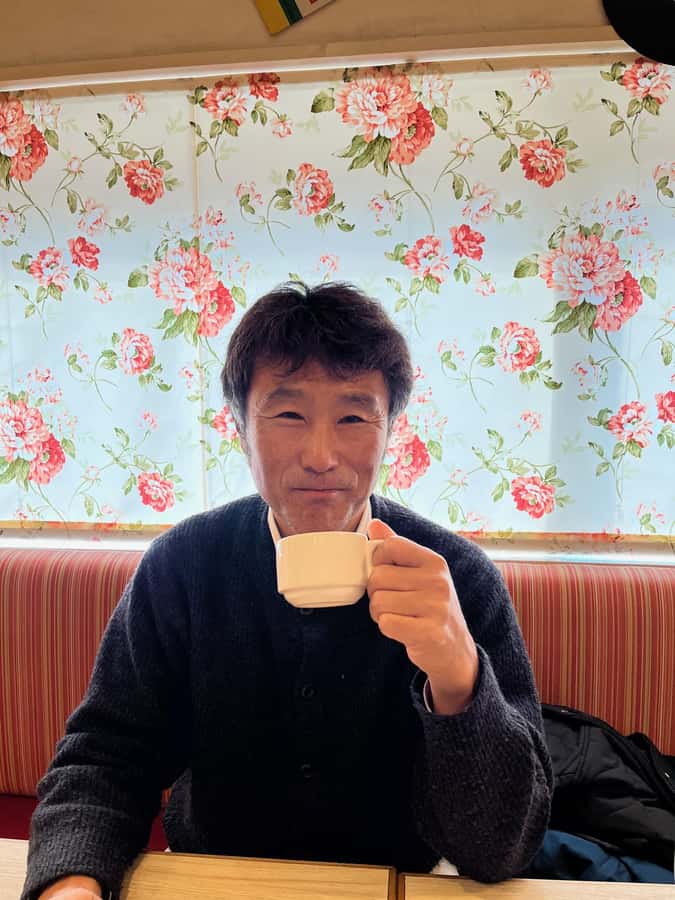
At $33 per person, this is priced like a simple, accessible cultural activity, and it earns its value because you get more than one item. You’re paying for:
- instruction that connects writing with short spoken phrases
- a complimentary drink at the start
- all the supplies, including the traditional shikishi paper and felt-tip pens
- a personalized souvenir you take home
The big advantage is that you do not have to buy supplies, hunt for a class, or manage a language barrier on your own. If you have ever priced out buying a shikishi set and then trying to learn the characters by yourself, you usually end up spending time and money without getting the guidance that makes the final result look right.
One practical note: transportation to and from the meeting point is not included. That is normal for Kyoto walking and transit plans, but it is worth factoring in so there are no surprises.
Casual writing, not formal shodō, and who should book it
This workshop is friendly and beginner-ready, but it has a clear identity. You’re doing Kanji writing with felt-tip pens, which makes it lighter and easier than brush calligraphy. You’ll also cover kana scripts and basic conversation, so it feels like a cultural intro that moves fast.
If you want something formal and traditional, with brushes, ink, and strict shodō method, this might not match your goal. The workshop itself uses felt-tip tools and is described as art of Kanji writing rather than traditional calligraphy practice.
Who it suits best:
- First-time visitors who want a short Kyoto activity that does not require prior Japanese
- People who enjoy crafts but want the cultural context, not just decoration
- Travelers who like small, personal souvenirs they can make themselves
Who might feel less satisfied:
- Anyone who specifically wants brush-and-ink shodō as the main experience
- Anyone who insists on a single correct Kanji spelling for a foreign name, guaranteed in every context
Practical tips so your name looks great
You can improve your odds of loving your final keepsake with a few simple moves.
First, be ready with your name as you pronounce it. Since Kanji is assigned based on pronunciation, the clarity of how you say your name helps the instructor choose characters that fit.
Second, pay attention while the instructor demonstrates how to place characters on the shikishi. With felt-tip pens, it is easy to rush, but the charm of the souvenir comes from getting the spacing and shape right.
Third, arrive on time. Late arrivals may not be accommodated, and because the workshop starts in a café near a landmark intersection, being a few minutes late can make you miss the setup and first instructions.
Finally, keep your belongings secure. The organizers note that participants are responsible for their personal items, so treat it like any small activity where you want your bag close.
Should you book this Kyoto name-writing workshop?
If you want a low-pressure way to take home something personal, this is an easy yes. I like experiences where the main output is something you can hold, and this delivers: a handwritten name on shikishi paper, plus a quick boost in basic Japanese greetings and self-introduction.
Book it if:
- you want a personalized Kanji souvenir
- you value an instructor who can explain in both English and Japanese
- you prefer casual, guided practice over formal brush calligraphy
Skip it if:
- traditional shodō is your exact target and you want brushes and ink
- you are looking for a guaranteed, official Kanji spelling for your foreign name in every possible interpretation
FAQ
What scripts will I practice during the workshop?
You’ll practice writing your name in Kanji, and you’ll also learn writing using Hiragana and Katakana.
Is this traditional shodō with brushes and ink?
No. This workshop focuses on Kanji writing using felt-tip pens, so it is not the traditional brush-and-ink calligraphy style.
How does the instructor choose the Kanji for my name?
Because Kanji for foreign names can be challenging, the instructor assigns Kanji characters based on your name’s sound, aiming for a close match in pronunciation and meaning when possible.
What’s included in the $33 price?
The price includes the hands-on workshop, guidance from the instructor, all materials (shikishi paper and felt-tip pens), a personalized souvenir of your name, and a complimentary drink at the café. Transportation and any extra food or drinks are not included.
What languages are used, and can the workshop be done in other languages?
The workshop is conducted in English and Japanese. Other languages cannot be accommodated.
Where do I meet, and can I pay later?
Meet at the clock in front of the Takashimaya main entrance at the southwest corner of the intersection of Shijo-dori and Kawaramachi-dori. You can reserve and pay later, and you can cancel up to 24 hours in advance for a full refund.
Newly listed around Kyoto
- Kyoto: Enjoy Sushi & Market Tour! Best for Family & Couple!★ 4.8 · 20 reviews
- Kyoto: Early Bird E-Bike Tour with Lunch★ 5.0 · 14 reviews
- Kyoto Early Bird English Tour: Fushimi-Inari and Arashiyama★ 4.8 · 40 reviews
- Kyoto: Discover Every Bit of Kyoto Imperial Palace★ 4.4 · 21 reviews
- Kyoto: Nishiki Market Food Tour★ 4.9 · 21 reviews
- Kyoto: Guided Tour in UNESCO Site, Kiyomizu-dera – 90 Min.★ 5.0 · 7 reviews
- Kyoto: Lunch or Dinner with Maiko★ 4.2 · 52 reviews
- Kyoto: Customizable Full-Day Tour with Privarte Transfers★ 3.5 · 13 reviews
Kyoto Tours, compared.
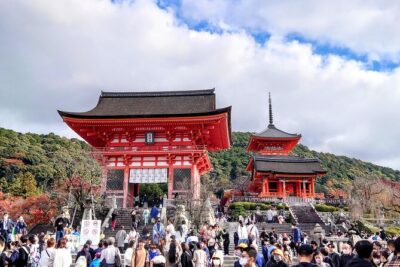
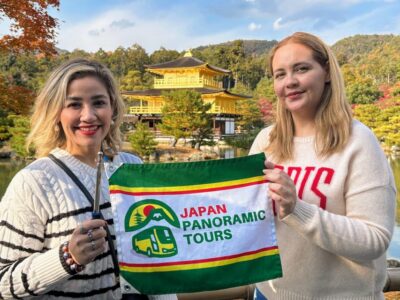
Fushimi Inari, Kinkakuji, Bamboo Grove 1 Day Bus Tour
Read our review →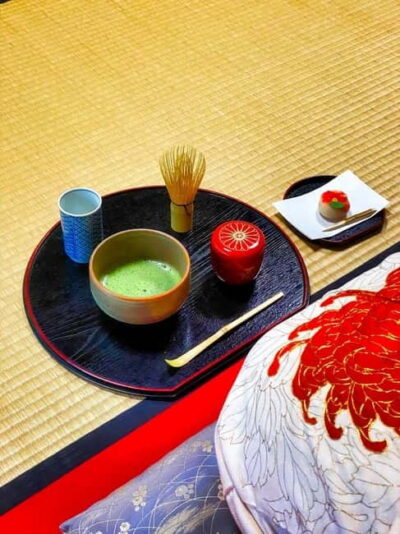
Tea Ceremony in a Traditional Tea House in Kiyomizu
Read our review →
Kyoto Geisha Walking Tour: Gion District & Hidden Gems
Read our review →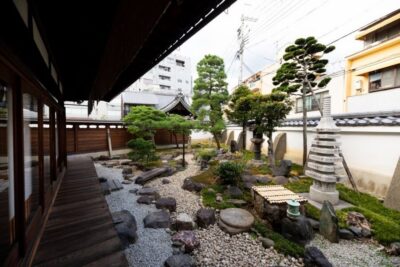

Gion Geisha District Walking Tour – Stories of Geisha
Read our review →
Best of Kyoto: Gion, Geisha, Pagodas & Cobblestones
Read our review →Browse the lists this tour appears in