Review · KYOTO TOURS
Kyoto Cultural IKEBANA Experience@SEKKA FLOWERS
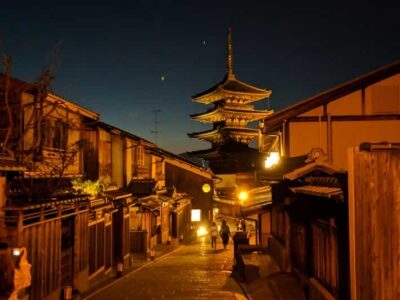
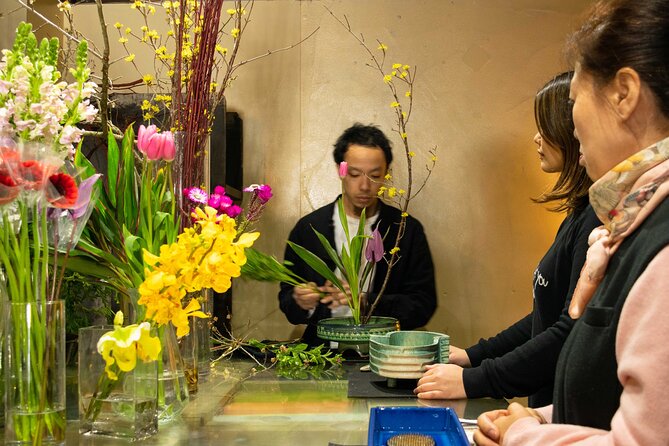
Kyoto is loud, then suddenly quiet. This ikebana workshop trades the city rush for a calm flower lesson in a renovated, traditional townhouse near Kinkaku-ji and Daitoku-ji. You’ll make your own arrangement while learning the basics and the why behind classical Japanese flower design.
What I liked most is how beginner-friendly the class feels, even when it is grounded in tradition. The guidance is real, but it leaves room for your choices, and you end with your work shown in a tokonoma in a traditional room. One thing to consider: it is about 40 minutes, so you are not looking for a long, slow art retreat, you are getting a focused, hands-on workshop.
In This Review
- Key things to know before you go
- A 100-year-old townhouse near Kinkaku-ji and Daitoku-ji
- 40 minutes of classical Ikebana, wabi-sabi style
- Learning the principles, not copying a template
- Small group calm, with instructors like Taro-san and Chiaki-san
- Your arrangement gets a tokonoma moment in a traditional room
- Delivery to your accommodation, so you travel lighter
- Price and value: why $65.15 can make sense in Kyoto
- What to expect on the ground (and how to make it easier)
- Who should book this Kyoto Ikebana experience
- Should you book Kyoto Cultural Ikebana at SEKKA Flowers?
- FAQ
- Where is the meeting point for the ikebana workshop?
- How long is the Ikebana experience?
- How much does it cost?
- What kind of ticket do I receive?
- Is the workshop beginner-friendly?
- How many people are in the group?
- Where is the final arrangement displayed?
- Does the activity offer delivery of the flowers?
- Is confirmation provided after booking?
- What is the cancellation policy?
Key things to know before you go
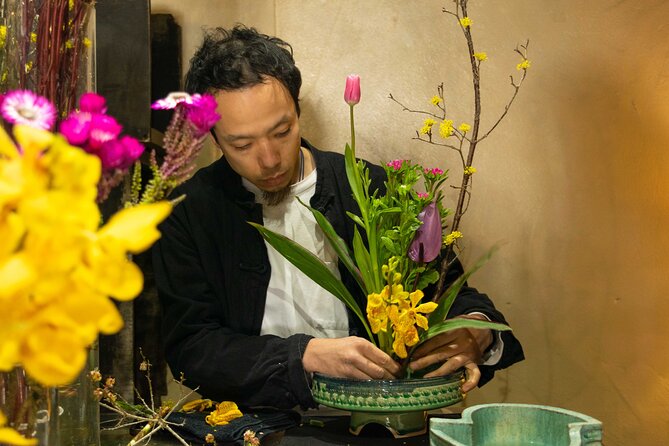
- Renovated 100-year-old townhouse setting near Kinkaku-ji and Daitoku-ji
- Small group size (max 6) for more attention and calmer pacing
- Wabi-sabi inspired approach that respects flowers and branches as they are
- Classical ikebana forms with instruction that helps beginners succeed
- Your arrangement shown in a tokonoma in a traditional room
- Delivery to your accommodation is described in the reviews, making it easier to travel
A 100-year-old townhouse near Kinkaku-ji and Daitoku-ji
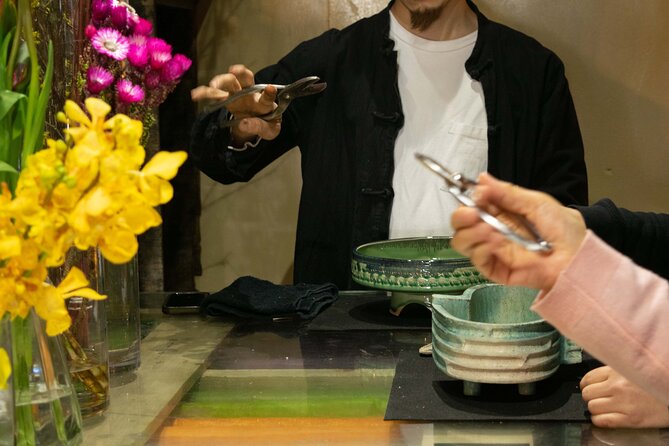
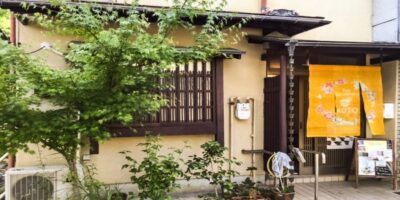
The biggest win here is the location vibe. The workshop runs in a flower shop inside a renovated townhouse that is around 100 years old. That matters because ikebana is not just about flowers. It is about the room, the stillness, and the way the season’s materials are treated with respect.
You will meet at 44-4 Murasakino Kamimonzenchō in Kyoto’s Kita Ward, and the class ends back at the meeting point. Being near major temple areas means you can pair this with a morning or afternoon of sightseeing, then switch gears to something quieter.
Also, this area is close enough to public transportation that you should not feel forced into long taxi rides. It’s a practical detail, because Kyoto can eat time when you bounce between neighborhoods.
A few more Kyoto days to weigh up
- PERFECT KYOTO 1-Day Bus Tour
★ 5.0 · 13,518 reviews - Kyoto: Fushimi Inari, Kinkakuji, Bamboo Grove 1 Day Bus Tour
★ 4.8 · 4,316 reviews - Kyoto: Tea Ceremony in a Traditional Tea House in Kiyomizu
★ 4.9 · 3,519 reviews
40 minutes of classical Ikebana, wabi-sabi style
The class is about 40 minutes, give or take. That short window shapes everything: you get a structured lesson, and you finish with a finished arrangement, not a project you carry unfinished.
The style is rooted in classical forms, but the teaching focuses on drawing out the beauty of the flowers and branches while keeping their natural character. In other words, you are not trying to make everything look identical or overly engineered. The workshop uses a wabi-sabi mindset, which is basically the aesthetic of appreciating natural simplicity, texture, and imperfections.
That approach is especially helpful if you worry about doing “the right” arrangement. The tone you want is thoughtful, not stressed. The reviews reflect that the instructors encourage creativity and explain principles without making people feel wrong.
Learning the principles, not copying a template
Here is how I’d frame it for your planning: you are learning enough technique to make an arrangement that feels intentional. You also learn the history and art side of ikebana, so your creation has context, not just a list of steps.
The workshop uses flowers that reflect Japan’s seasons. That is a key part of the experience, because ikebana is often about timing. You are not just arranging stems, you are responding to what is available and how it changes through the year.
If you are a beginner, this is one of the calmer ways to try ikebana in Kyoto. The instruction style sounds like a solid mix of guidance plus freedom. You get enough direction to avoid frustration, then you are allowed to make decisions that feel like yours.
Small group calm, with instructors like Taro-san and Chiaki-san
The group is capped at a maximum of 6 travelers, which is a big deal in a hands-on art class. With fewer people, you are more likely to get the kind of quick correction that keeps your arrangement from turning into a tangle.
The reviews mention instructors Taro-san and Chiaki-san, described as welcoming and knowledgeable, and also encouraging. That combination is important. You want clarity, but you also want permission to experiment a little instead of treating every stem like it is on trial.
Because this is a small group, the room tends to feel peaceful rather than classroom-like. That contrast matters if you are already feeling saturated by Kyoto crowds.
A different sort of day in Japan:
- Kyoto Geisha Walking Tour: Gion District & Hidden Gems
★ 4.7 · 3,273 reviews - Kyoto: Tea Ceremony Ju-An at Jotokuji Temple
★ 4.9 · 3,207 reviews - Kyoto: 45-Minute Tea Ceremony Lesson Experience
★ 4.3 · 2,378 reviews - Kyoto: Gion Geisha District Walking Tour – Stories of Geisha
★ 4.7 · 2,187 reviews
Your arrangement gets a tokonoma moment in a traditional room
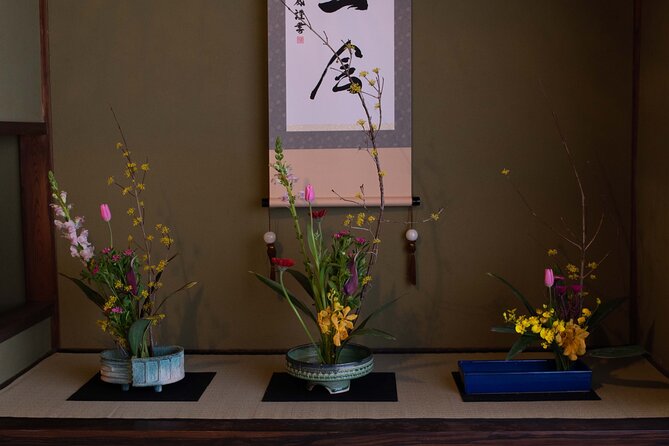
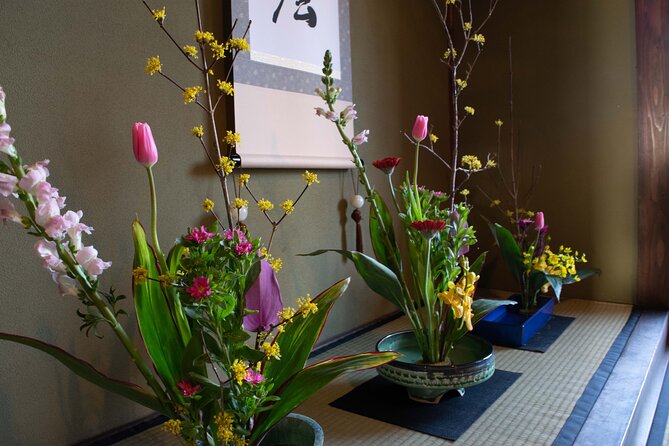
You will create your own masterpiece, and then it is displayed in a tokonoma. A tokonoma is the alcove in a traditional Japanese room where something beautiful is shown, typically arranged with care as a focal point.
This is more meaningful than it sounds. When your work gets placed in that setting, it is not just a souvenir photo opportunity. It’s an experience of how ikebana is meant to be appreciated, in a specific atmosphere, with intention.
The workshop guidance also emphasizes respecting the natural state of what you use. So you are aiming for balance and expression, not for a stiff, symmetrical look at all costs. That aligns with the wabi-sabi feel, where quiet character is part of the goal.
Delivery to your accommodation, so you travel lighter
Kyoto day-to-day can be a logistics headache. That is why the arrangement delivery mentioned in the reviews is such a practical perk.
The reviews describe the flowers being delivered to accommodation afterward, which means you can keep walking and exploring without carrying delicate stems around. It also means you arrive back at your room with a finished piece ready to be enjoyed.
A quick practical note: confirm the delivery details when you book, since exact timing and coverage are not spelled out in the main info you provided. But based on the experiences shared, it is a real part of the value here.
Price and value: why $65.15 can make sense in Kyoto
At $65.15 per person, this is not the cheapest activity in Kyoto. But it is also not just a quick show-and-tell craft.
You are paying for:
- a guided ikebana workshop in a traditional setting
- instruction that works for beginners
- a final arrangement that gets displayed in a tokonoma
- and, based on reviews, likely delivery afterward
For many travelers, the real value is time well spent. You get a creative cultural experience without needing advanced skills, and you leave with something you made plus the context behind it. Compared with the cost of many guided tours that end in a photo stop, this feels more personal and more repeatable, since you learn principles you can practice later.
One more budgeting thought: this class is short at around 40 minutes. If you are trying to fit meaningful activities between temple visits, that can be a plus, not a drawback.
What to expect on the ground (and how to make it easier)
The activity starts at the meeting point at 44-4 Murasakino Kamimonzenchō and returns there. You’ll have a mobile ticket, and you should receive confirmation at the time of booking.
It helps to show up a little early so you can settle in. Since the setting is a renovated townhouse, you’ll likely want a few minutes to take in the room before you start arranging. Also, since this is near public transportation, plan on using transit for the easiest arrival.
If you bring a service animal, that is supported. And the class notes say most travelers can participate, so you should be able to join without special prep.
Who should book this Kyoto Ikebana experience
Book this if you want a calm cultural break from Kyoto’s busiest streets. It is ideal when you want hands-on learning, not a lecture, and you want the experience to feel personal in a small group.
It also fits a range of travelers:
- Couples who want a peaceful shared activity
- Families looking for a structured, beginner-friendly craft
- Solo travelers who want calm attention and a unique souvenir with meaning
- Anyone interested in Japanese aesthetics, especially wabi-sabi
If you are the kind of person who enjoys making something with your hands, this will likely click. If you only want quick, flashy photos, you might find it too quiet and too focused. But if you like process and principles, this is a strong match.
Should you book Kyoto Cultural Ikebana at SEKKA Flowers?
I’d book it if you want one Kyoto activity that feels like culture you can touch. The combination of a traditional townhouse setting, classical forms, and a tokonoma display makes it more than a craft workshop. Add the small group size and the encouraged beginner approach, and it becomes a low-pressure way to learn.
Skip it only if you need a long experience, more free-form exploration, or a schedule packed with multiple stops. This is focused on one thing: guided ikebana done well, in time to enjoy your rest of your day.
If you are deciding between this and another Kyoto activity, consider the value of leaving with an arrangement that is meant to be seen, not just carried.
FAQ
Where is the meeting point for the ikebana workshop?
The meeting point is at 44-4 Murasakino Kamimonzenchō, Kita Ward, Kyoto, 603-8217, Japan.
How long is the Ikebana experience?
The workshop is approximately 40 minutes.
How much does it cost?
It costs $65.15 per person.
What kind of ticket do I receive?
You receive a mobile ticket.
Is the workshop beginner-friendly?
Yes. Beginners are welcome.
How many people are in the group?
The maximum group size is 6 travelers.
Where is the final arrangement displayed?
Your arrangement is displayed in a tokonoma (alcove) in a traditional Japanese room.
Does the activity offer delivery of the flowers?
The reviews describe delivery of the arrangement to your accommodation after the class.
Is confirmation provided after booking?
Yes. Confirmation is received at the time of booking.
What is the cancellation policy?
Free cancellation is available up to 24 hours in advance for a full refund.
Newly listed around Kyoto
- Zen Meditation for Life in Kyoto★ 5.0 · 10 reviews
- Kyoto: Zen Meditation at a Private Temple with a Monk★ 5.0 · 25 reviews
- Kyoto Private Customizable Day Tour with Guide and Vehicle★ 5.0 · 52 reviews
- Private Wagyu Beef Tour with a Local Guide★ 5.0 · 6 reviews
- Kyoto: Gion Geisha District & Sake-in-Hand Walking Tour★ 5.0 · 37 reviews
- Your Private Vacation Photography Session In Kyoto★ 5.0 · 110 reviews
- Private Guided Traditional Buddhist Cooking in Japan★ 5.0 · 16 reviews
- Private Pewter Sake Cup Experience with a Kyoto Artisan★ 5.0 · 31 reviews
Kyoto Tours, compared.
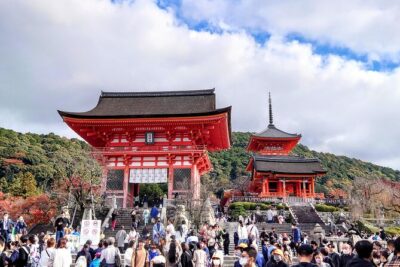
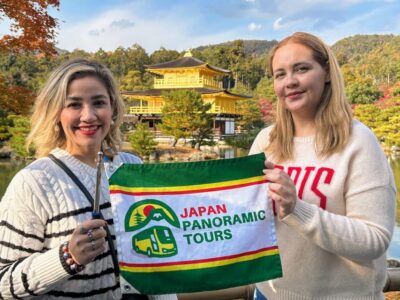
Fushimi Inari, Kinkakuji, Bamboo Grove 1 Day Bus Tour
Read our review →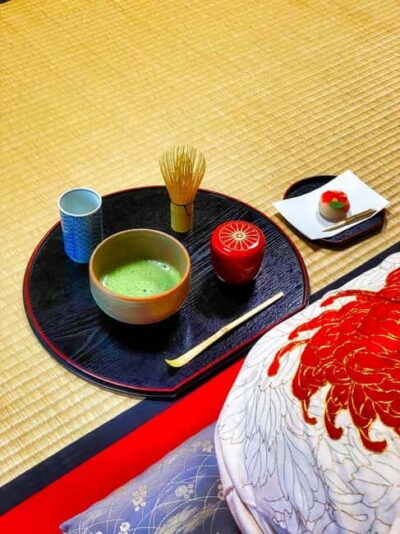
Tea Ceremony in a Traditional Tea House in Kiyomizu
Read our review →
Kyoto Geisha Walking Tour: Gion District & Hidden Gems
Read our review →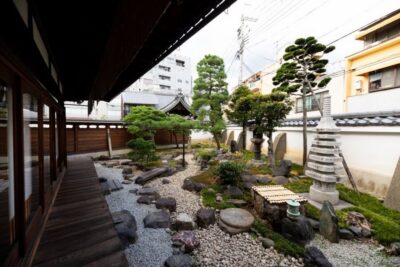
Gion Geisha District Walking Tour – Stories of Geisha
Read our review →