
Review · JAPANESE COOKING WORKSHOPS
Kyoto Family Kitchen Cooking Class
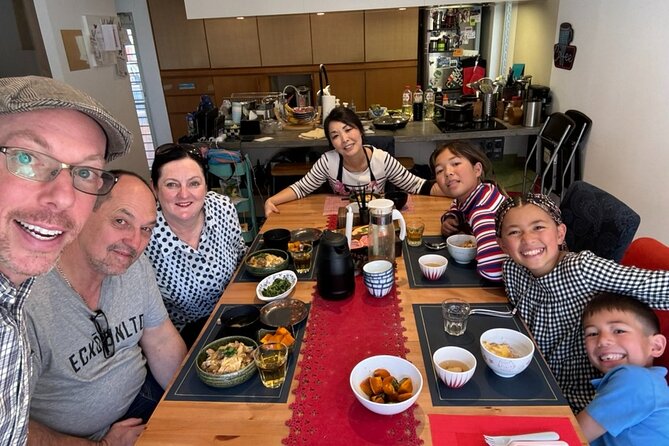
This class feels like dinner at home. You get a hands-on evening cooking Japanese staples, then you actually sit down and eat together. I also love how informal it is, with tea, chatting, and real family life in a suburban Kyoto kitchen.
One heads-up: this is not a polished, stand-in-a-kitchen-lab setup. You come into a lived-in home, with kids and pets around, and the experience can feel more like helping family cook than following a tight lesson plan.
In This Review
- Key things that make Kyoto Family Kitchen worth your time
- A Suburban Kyoto Home Where the Evening Starts With Tea
- What You Learn: Dashi, Soy, Mirin, and the Everyday Staples
- The Evening Plan, Step by Step, From Arrival to the First Bite
- Family, Pets, and Kids: The Atmosphere You Should Actually Expect
- Menu Highlights You Might Cook, and Why They Matter
- Price and Value: Is $96.84 a Fair Deal?
- Practical Tips to Make the Night Smooth and Fun
- Who Should Book Kyoto Family Kitchen, and Who Might Skip It
- Should You Book It? My Straight Answer
- FAQ
- What time does the class run in Kyoto?
- How long is Kyoto Family Kitchen?
- What is included in the price?
- Are alcoholic beverages included?
- Is this a private experience?
- Is there a minimum number of guests?
Key things that make Kyoto Family Kitchen worth your time
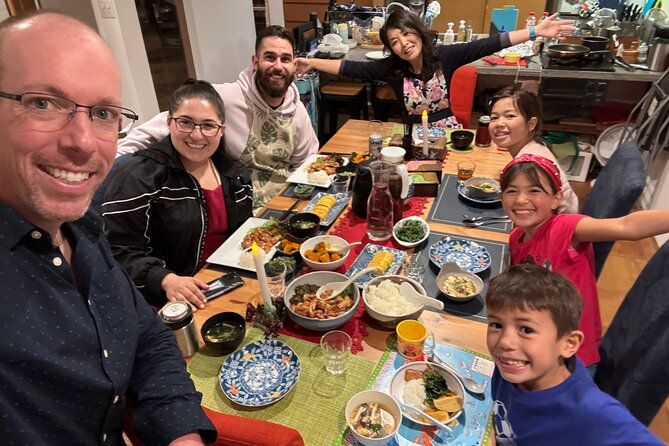
- Meet the family in their home, not in a studio. The setting feels normal, not staged.
- Learn the core building blocks of Japanese flavor, like dashi, soy sauce, mirin, and sake.
- Hands-on prep at the counter with aprons, slicing, dicing, and mixing.
- Dinner included, so the activity ends with a shared meal, not just tasting bites.
- Designed for families, where kids can participate and pets are part of the atmosphere.
- English-speaking instructor plus help with explanations as you cook.
A Suburban Kyoto Home Where the Evening Starts With Tea
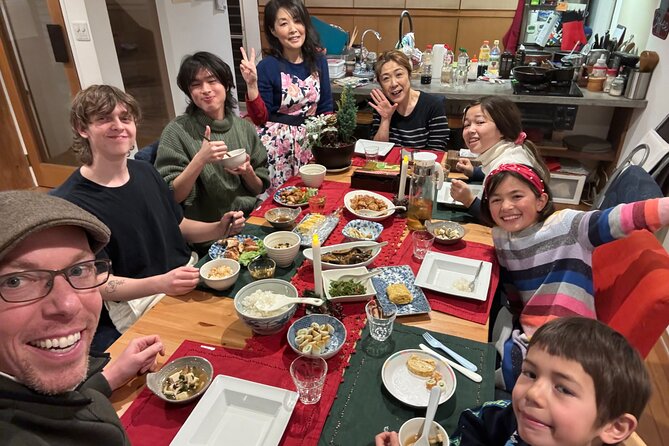
Kyoto can feel like a string of temples and photo stops. This experience changes the rhythm. Instead of chasing sights, you trade your day of walking for an evening in a real home on a hill just outside the city center.
You start by settling in, usually with tea or coffee, and you get time to talk about your trip before the cooking begins. That first chunk matters more than it sounds. It lowers the pressure, especially for families, and it helps you understand what you are about to cook. The instructor is English-speaking, and the vibe is relaxed, not lecture-heavy.
I also like that it’s structured enough to feel guided, but loose enough that conversation keeps flowing. One person can ask questions about ingredients, another can help chop, and kids often find something to do without feeling like they are interrupting.
More Cooking Classes in Kyoto
- Ramen Cooking Class at Ramen Factory in Kyoto
★ 5.0 · 1,937 reviews - Kyoto: Ramen Cooking Class at a Ramen Factory with Souvenir
★ 4.9 · 532 reviews - Kyoto: Ramen, Gyoza, and Onigiri Cooking Class
★ 5.0 · 445 reviews
What You Learn: Dashi, Soy, Mirin, and the Everyday Staples
Japanese cooking gets easier the moment you understand a few staples. This class focuses on those everyday foundations, the same way many families cook on normal nights.
You will work with ingredients that show up across a lot of Japanese food:
- Dashi, the umami base that creates depth.
- Soy sauce, for salty and savory flavor.
- Mirin, a sweet, aromatic ingredient that balances dishes.
- Sake, used for aroma and flavor layering.
Instead of treating these as mysterious labels on a grocery shelf, you connect them to what you are making. That is the payoff for anyone who wants to do more than eat a meal, especially if you plan to cook back home later.
In practical terms, understanding these staples helps you read Japanese recipes without panic. You stop thinking, I do not know what this ingredient does, and you start thinking, this is the flavor engine. That is why a class like this can feel more useful than a more basic cooking demo where you only watch.
The Evening Plan, Step by Step, From Arrival to the First Bite
The class runs in the evening, Monday through Friday, from 6:00 PM to 8:30 PM, with about 2 hours 30 minutes for the full experience. Your day in Kyoto is likely full, so this timing is a nice way to end it without stretching late into the night.
Here is how the night typically unfolds once you arrive near your meeting point in Sakyo Ward:
- Welcome, tea, and trip talk
You take a load off, have coffee or tea, and get a chance to chat. This is when you also get a preview of what you will cook.
- A menu preview and ingredient groundwork
The instructor walks you through the dishes you will prepare that night and the key Japanese staples behind them. This is where the class becomes more than cooking, because you learn why flavors work together.
- Aprons on, then hands-on cooking at the kitchen counter
Everyone gathers around the workspace. You slice, dice, mix, and combine. The goal is shared effort, not perfection. Kids usually get tasks that fit their comfort level, and adults still have room to learn.
- Sit down for the meal you cooked
After cooking, you all eat together. That is a big reason this class gets high ratings. Many cooking classes end with a couple bites and a polite thank-you. Here, you get a full dinner and actual conversation at the table.
Transportation is part of the package to the Kokusaikaikan subway station, which helps you keep the night smooth. You also return back to the meeting point when it ends. The experience is private, so it is only your group, not a large mixed crowd.
Family, Pets, and Kids: The Atmosphere You Should Actually Expect
This is a family-style setup, so you should expect the home to feel lived in. You may meet kids, and pets are part of the environment. For many families, that is the charm.
I think this is best if you want authentic daily life instead of a quiet museum feeling. One common highlight is how quickly people relax once they are inside the home and sitting at the table. Conversations tend to be easy because everyone is doing something together: cooking, tasting, asking questions, and chatting.
That said, it is fair to consider your preferences. If you want a strictly controlled class atmosphere, with no distraction, this may not match your expectations. One less enthusiastic experience described it as more like assisting and cooking alongside the host family than getting a tightly structured lesson. If you are the type who needs a formal curriculum, you might be happier choosing a different style of class.
Still, the warm, accommodating nature of the hosts is consistently mentioned in positive feedback. For example, when someone in a group needed vegetarian options, the family made sure there was plenty to eat.
More Cooking Workshops in Kyoto
- Kyoto: Japanese Washoku Bento Small Group Cooking Class
★ 5.0 · 380 reviews - Kyoto: Afternoon Japanese Izakaya Cooking Class
★ 4.9 · 241 reviews - Izakaya Style Cooking Class
★ 5.0 · 219 reviews - Gyoza Cooking Class in Kyoto: Traditional Japanese Dumplings
★ 5.0 · 210 reviews
Menu Highlights You Might Cook, and Why They Matter
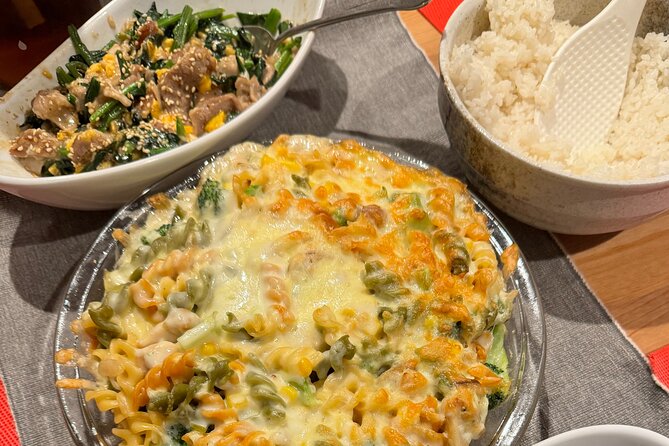
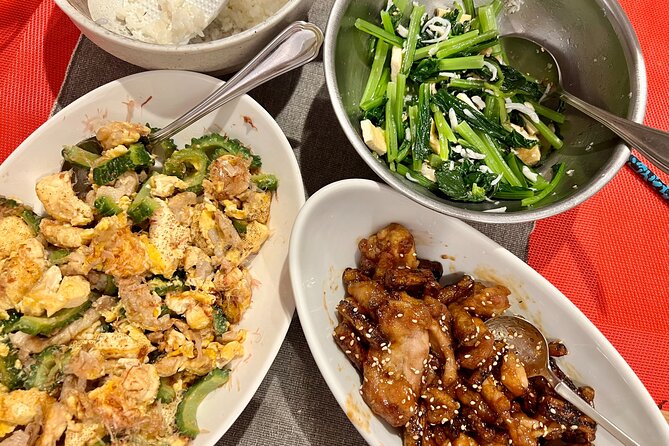
The class includes dinner, but the exact menu depends on the night, and you get a preview after you arrive. From past experiences in this format, dishes that come up include Japanese classics like:
- Gyoza
- Tamago yaki
- Okonomiyaki
- Teriyaki chicken
- Sautéed vegetables as part of the meal
What I like about dishes like gyoza and okonomiyaki is that they teach practical technique. You learn how Japanese flavors balance with aromatics and sauces, and you see how a few staple ingredients create recognizable results.
Tamago yaki is another good signal. It often feels simple on the surface, but it teaches attention to texture and timing. If you want something you can reproduce later, eggs and sauce balance are a great learning target.
Also, some groups mention learning a few Japanese phrases during the evening. Even a small pocket of language can turn dinner conversation into a real memory instead of just a nice meal.
Price and Value: Is $96.84 a Fair Deal?
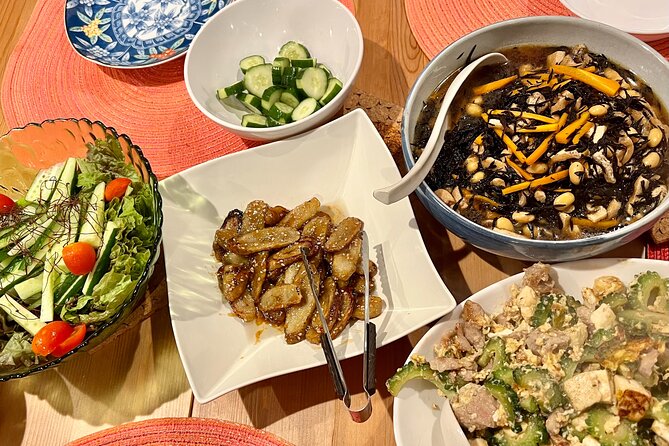
At $96.84 per person, this is not a bargain cooking class. But it can still be good value if you compare it to what you get.
You are paying for:
- Dinner included, plus coffee or tea.
- All seasonings and ingredients for cooking.
- An English-speaking instructor to guide you through the staples and cooking steps.
- All fees and taxes included.
- Transportation support to the Kokusaikaikan subway station.
When a cooking class includes the meal, it changes the math. You are not just buying instruction, you are buying a full dinner experience and the cultural context around it. And the biggest value is intangible: eating with a family in their home, in a part of Kyoto that feels less like a stage.
One more detail: the class is often booked around 43 days in advance on average. That is a sign of demand. If your dates are fixed, do not wait too long.
Alcoholic beverages are not included, and tips are not included either. That is typical for this kind of private family-hosted experience.
Practical Tips to Make the Night Smooth and Fun

Here are the choices that help you enjoy the evening without stress:
- Arrive on time for the meeting window. This class has a clear evening pace.
- Come with an open mindset about the home setting. Kids and pets are part of the atmosphere, so plan to go with the flow.
- Tell the instructor about dietary needs upfront. Food preferences come up in real life, and the family has shown they can accommodate at least some special needs, including vegetarian diets.
- Expect collaboration over culinary perfection. You will slice, dice, mix, and taste, but the point is learning the way families cook, not producing a plated photo.
- Ask questions about the staples. If you want to cook later at home, focus on why dashi, soy sauce, mirin, and sake are used and what changing one ingredient does.
If you want to get the most from it as a family, think of the meal as a shared project. Kids often enjoy tasks that are simple and safe, like mixing or helping assemble. Adults get the benefit of context, not just a recipe.
Who Should Book Kyoto Family Kitchen, and Who Might Skip It
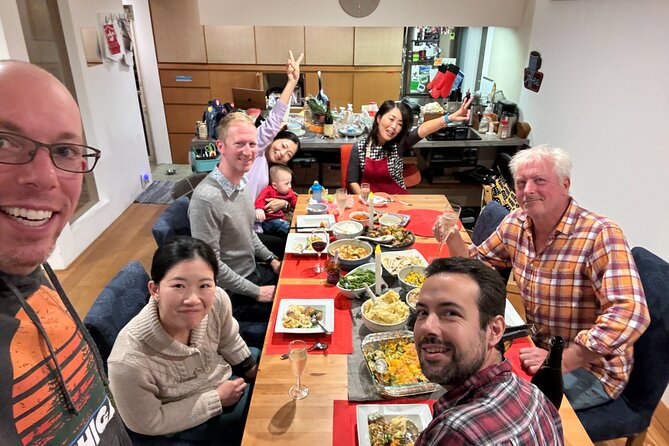
I would put this on your short list if you want:
- A family-friendly experience that does not feel awkward with kids.
- Real Japanese home cooking, built around everyday staples.
- A relaxed evening with conversation, not just technique drills.
- A private group setting where you can ask questions and move at a comfortable pace.
You might consider skipping it if:
- You need a highly formal, classroom style cooking lesson with strict instruction flow.
- You are uncomfortable with a home environment where kids and pets are present.
- You want mostly tasting and watching, not participating.
In terms of booking timing, remember the weekday evening hours and the fact that demand is strong enough to average a 43-day booking lead time.
Also, if you like flexibility, the experience offers free cancellation up to 24 hours before start time for a full refund, which helps if your Kyoto plans shift.
Should You Book It? My Straight Answer
If your goal is cultural connection through food, I think this is a top pick. You get hands-on cooking, dinner included, and the kind of casual warmth that makes Kyoto feel personal instead of scripted.
Book Kyoto Family Kitchen if you can handle the idea of a lived-in family home with kids and pets, and if you are happy to cook alongside real people. You will leave with more than recipes. You will understand how staple flavors work, and you will have a story that feels like you were let in, not like you paid for a performance.
FAQ
FAQ
What time does the class run in Kyoto?
It runs Monday through Friday from 6:00 PM to 8:30 PM.
How long is Kyoto Family Kitchen?
Plan for about 2 hours 30 minutes.
What is included in the price?
Dinner is included, along with coffee and/or tea, an English-speaking instructor, and all seasonings and ingredients. Fees and taxes are included too.
Are alcoholic beverages included?
No, alcoholic beverages are not included.
Is this a private experience?
Yes. It is a private tour or activity, so only your group participates.
Is there a minimum number of guests?
Yes. The minimum is 2 guests.
Newly listed around Kyoto
- Zen Meditation for Life in Kyoto★ 5.0 · 10 reviews
- Kyoto: Zen Meditation at a Private Temple with a Monk★ 5.0 · 25 reviews
- Kyoto Private Customizable Day Tour with Guide and Vehicle★ 5.0 · 52 reviews
- Private Wagyu Beef Tour with a Local Guide★ 5.0 · 6 reviews
- Kyoto: Gion Geisha District & Sake-in-Hand Walking Tour★ 5.0 · 37 reviews
- Your Private Vacation Photography Session In Kyoto★ 5.0 · 110 reviews
- Private Guided Traditional Buddhist Cooking in Japan★ 5.0 · 16 reviews
- Private Pewter Sake Cup Experience with a Kyoto Artisan★ 5.0 · 31 reviews
Japanese Cooking Workshops, compared.
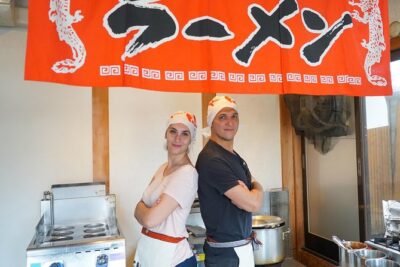
Ramen Cooking Class at Ramen Factory in Kyoto
Read our review →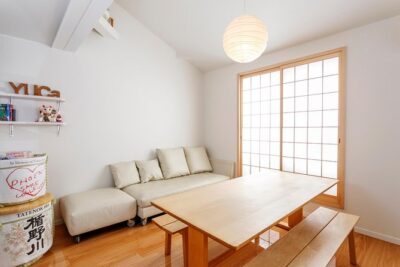
Ramen & Gyoza Cooking Class in Tokyo with Local Supermarket Visit
Read our review →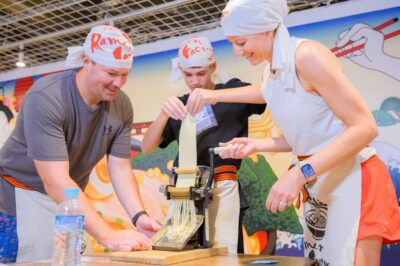
Ramen Cooking Class at a Ramen Factory with Souvenir
Read our review →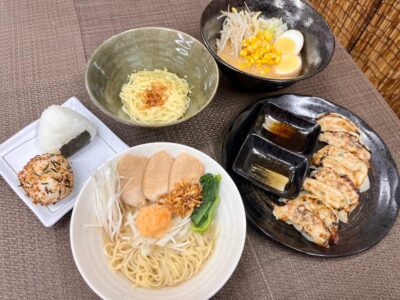
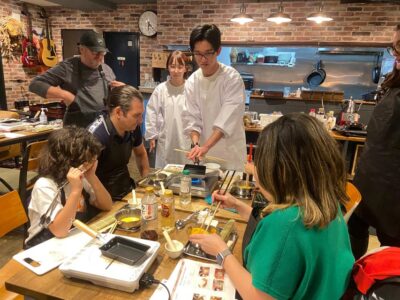
Japanese Washoku Bento Small Group Cooking Class
Read our review →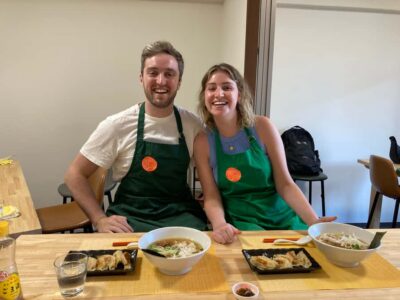

Sumo Stage Show with Bento or Snack + Fight & Photo
Read our review →
Ramen and Sushi Cooking Class with Sake Pairing Set in Tokyo
Read our review →Browse the lists this tour appears in