Review · KYOTO TOURS
Kyoto Full-Course Tour: Explore 10 Must-Sees & Hidden Gems
Kyoto in one packed day can feel wild, until it is planned. This small-group tour runs a tight circuit across the city, pairing famous stops with lesser-known street moments so you learn how Kyoto works, not just what to photograph. I particularly love the 10-person limit and the way the guides handle the city like a local, including public transport and etiquette. One thing to consider is the day is long and active, with a lot of walking.
You will start in Arashiyama, hop on the classic Randen tram, and keep moving through temples and torii gates, with lunch at Kura Sushi and a finish in Gion near Minamiza Theater. The guides I have seen leading these tours, like Megumi, Masa, and Masako, repeatedly get praised for energy, pacing, and answering questions without rushing people along. If you want Kyoto at first-day speed, this one-day format can be a strong way to do it, just plan your feet accordingly.
In This Review
- Key highlights worth planning for
- Why this one-day Kyoto circuit is such good value
- Getting started at JR Saga-Arashiyama, and what to prep before you go
- Arashiyama Bamboo Forest and the Randen tram, Kyoto’s opening act
- Ryoan-ji rock garden: minimal Zen with a lot to look at
- Kura Sushi for lunch: a modern cultural break that does not feel like a detour
- Golden Pavilion at Kinkaku-ji: what to watch for when it is crowded
- Fushimi Inari Taisha: walking the torii route without burning out
- Kiyomizu-dera and Ninenzaka: Kyoto’s wood-and-stone storytelling in motion
- Yasaka Pagoda photo spot and Gion at dusk near Minamiza
- Pace, transport, and why the guide matters more than you think
- Price and budget reality for $96
- Who should book this Kyoto full-course day, and who should skip it
- Should you book this Kyoto full-course tour?
- FAQ
- How long is the tour?
- Where do we meet the guide?
- What is included in the $96 price?
- What costs are not included?
- Is the tour small group size?
- Is there an English-speaking guide?
- How much walking should I expect?
- Is this tour suitable for kids or people with mobility needs?
Key highlights worth planning for
- Small-group pace with a guide who keeps you on schedule without feeling chased
- Multiple transit modes (bus, train, and the Randen tram) so you do not fight Kyoto routes
- Big visual hits in smart timing, like Kinkaku-ji and torii at Fushimi Inari
- Lunch at Kura Sushi as a fun, modern slice of Japanese daily life
- Gion at dusk near Minamiza Theater, when the streets look their best
- Practical Japan etiquette tips, including shrine and temple manners and daily-life context
Why this one-day Kyoto circuit is such good value
For a first day in Kyoto, the biggest challenge is not the sights. It is the spacing between them, plus Kyoto’s bus and rail logic, which can feel like a puzzle when you are tired. This tour is designed to solve that, with a local expert guide leading you on foot and by transit so you spend less time figuring out logistics and more time enjoying the moments.
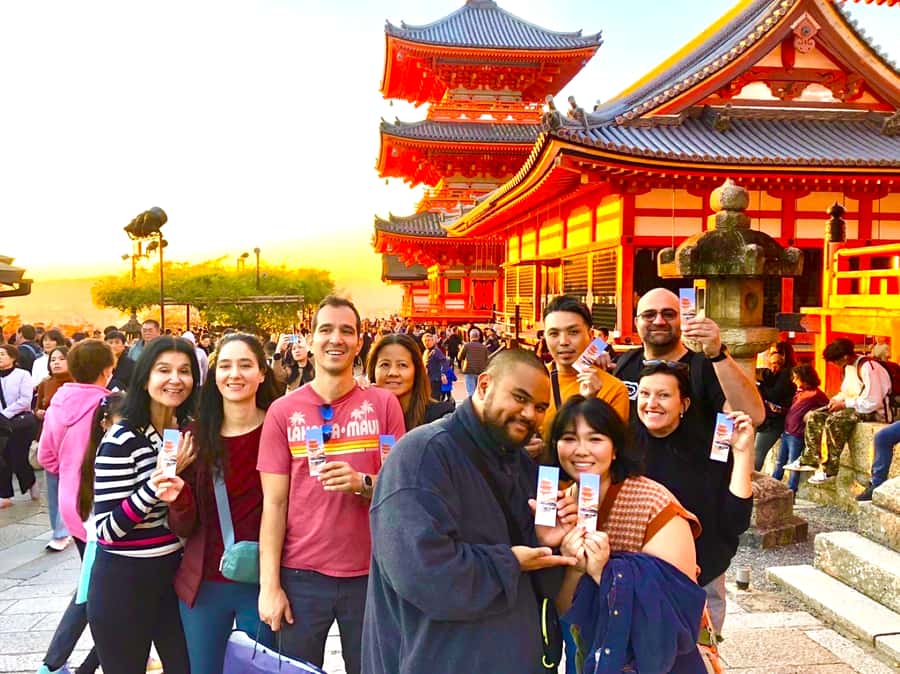
I also like that the day is structured around variety. You get classic icons like Kinkaku-ji and Kiyomizu-dera, but you also get the in-between street views that make Kyoto feel like a real city, not a museum route. And with a maximum of 10 participants, the group stays manageable enough for the guide to check in and adjust the flow.
The main drawback is physical. You should expect roughly 20,000 steps and comfortable shoes matter more than anything else. If you come in with low fitness or a sensitive back, this day can feel like a marathon in temple sandals.
A few more Kyoto days to weigh up
- PERFECT KYOTO 1-Day Bus Tour
★ 5.0 · 13,518 reviews - Kyoto: Fushimi Inari, Kinkakuji, Bamboo Grove 1 Day Bus Tour
★ 4.8 · 4,316 reviews - Kyoto: Tea Ceremony in a Traditional Tea House in Kiyomizu
★ 4.9 · 3,519 reviews
Getting started at JR Saga-Arashiyama, and what to prep before you go
The meeting point is specific: you meet your guide on the 2nd floor of JR Saga-Arashiyama station, past the ticket gate, with a paging board that says Beautiful day tours. Arriving on time matters because the tour leaves on schedule and late arrivals cannot join.
Bring cash, because some shops and places accept it only. You also want a transportation IC card such as Suica, Pasmo, or Icoca, since the tour uses public transport and these cards make the ride smoother. And yes, bring rain gear if the forecast is iffy, because the day does not stop just because the sky decides to help.
Comfort is not optional. The tour guidance is clear about needing sporty shoes and easy-to-move clothes. If you do one thing for comfort, do this.
Arashiyama Bamboo Forest and the Randen tram, Kyoto’s opening act

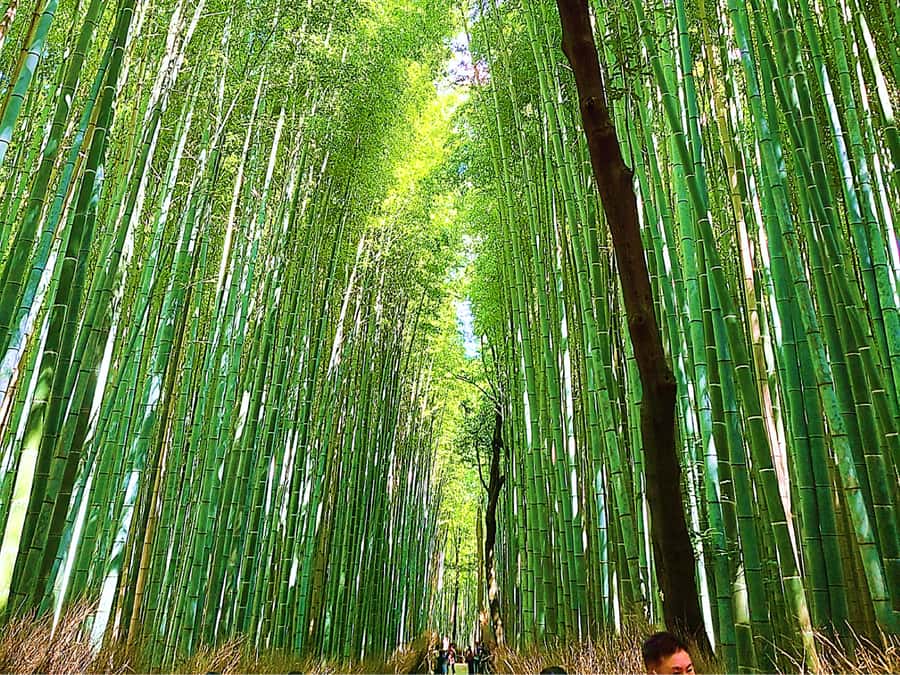
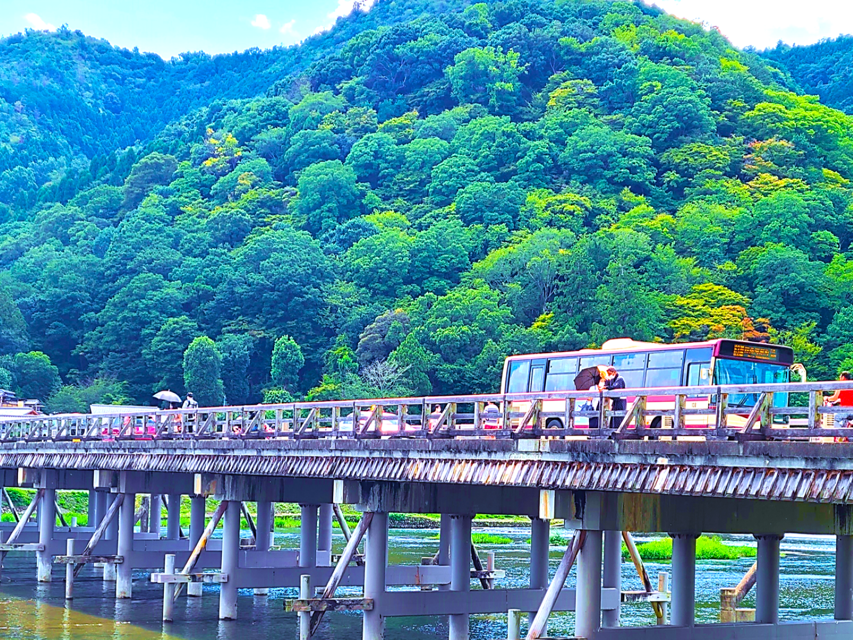
The day starts at Arashiyama Bamboo Forest, where you get 45 minutes to walk through towering stalks and settle into that instantly recognizable Kyoto mood. It is one of those places where the photos are real, but the experience is even better when you slow down for a few minutes and listen to the soundscape.
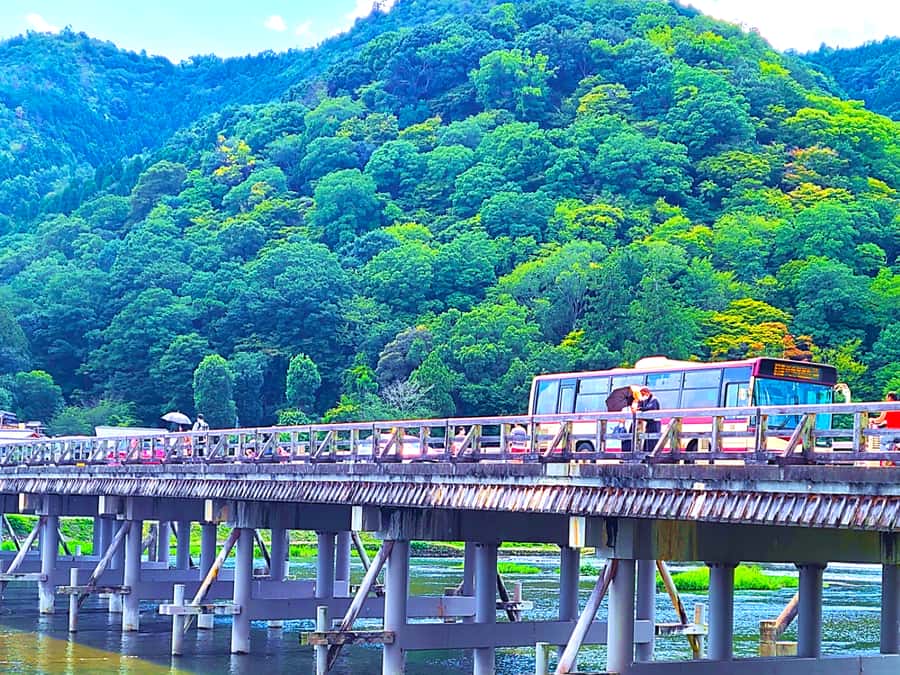
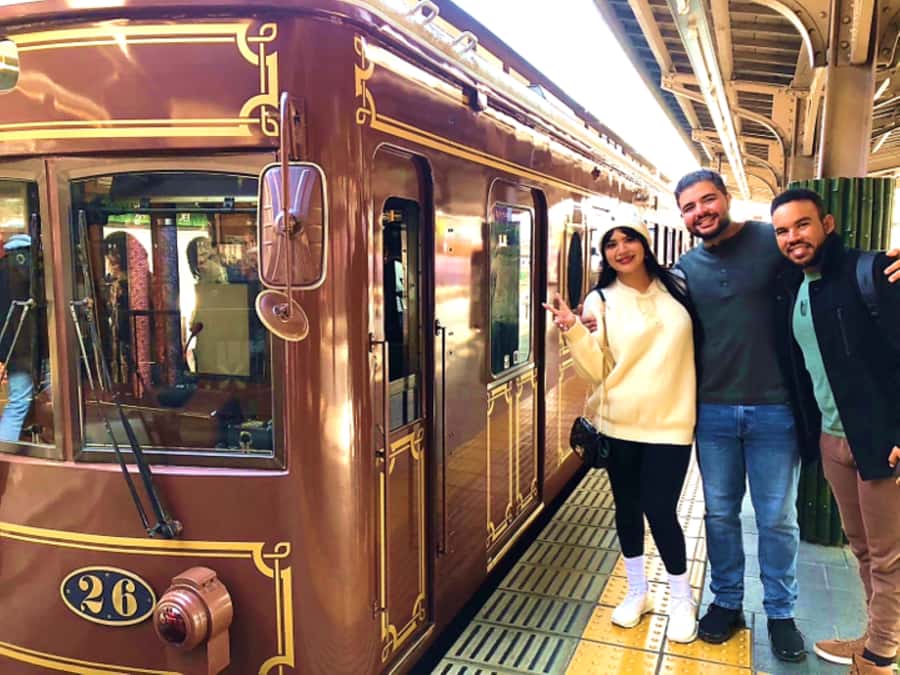
After that, you hop on the Randen Tram line for about 15 minutes. This is not just transport, it is part of the charm. Riding a vintage-style tram through neighborhood streets helps you see Kyoto at a human speed, not a tourist-bus speed.
A practical caution: Arashiyama can be crowded. A timed, guided flow helps, but you still might feel the later-day crowd depending on conditions. If you want quiet, you can still find it, but it takes patience and a willingness to walk through the buzz.
Ryoan-ji rock garden: minimal Zen with a lot to look at
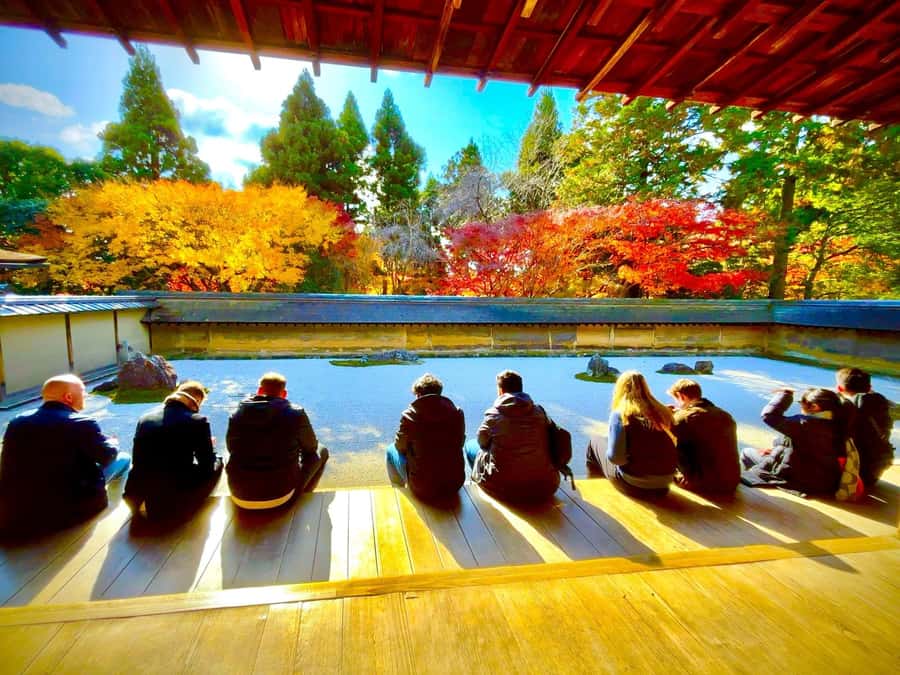
Next comes Ryoan-ji, another 45-minute stop centered on the famous Zen rock garden. This is where the tour’s culture-and-etiquette guidance really earns its keep. You get context for how Japanese Buddhist and Zen traditions shape what you are seeing, including what people are meant to notice and how restraint is part of the design.
This is also a good stop for slowing down. The walking is still there, but the environment encourages you to focus. If you like spiritual sites that are more about observation than performance, this one hits the sweet spot.
The main consideration is crowd behavior and time pressure. In popular Zen spots, you can feel the line pressure. The best way to make it work is to use your time deliberately, not just stand and hope for the perfect angle.
A different sort of day in Japan:
- Kyoto Geisha Walking Tour: Gion District & Hidden Gems
★ 4.7 · 3,273 reviews - Kyoto: Tea Ceremony Ju-An at Jotokuji Temple
★ 4.9 · 3,207 reviews - Kyoto: 45-Minute Tea Ceremony Lesson Experience
★ 4.3 · 2,378 reviews - Kyoto: Gion Geisha District Walking Tour – Stories of Geisha
★ 4.7 · 2,187 reviews
Kura Sushi for lunch: a modern cultural break that does not feel like a detour
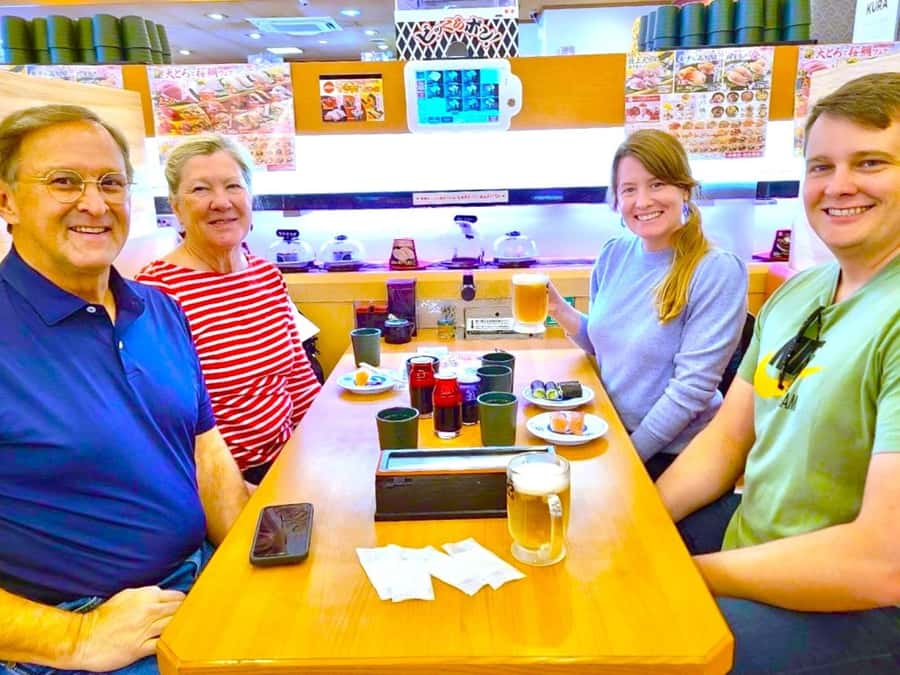
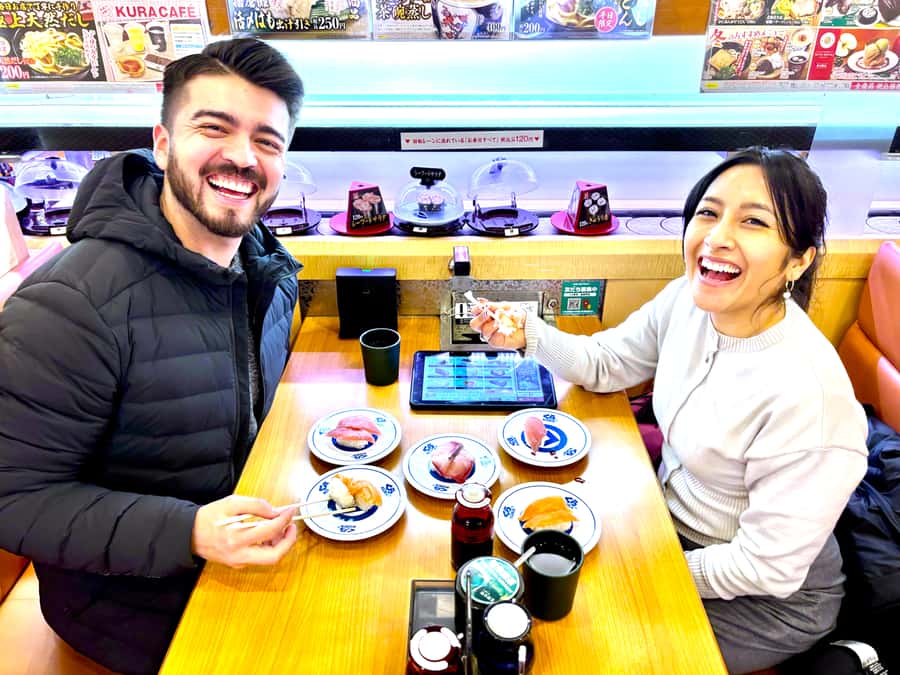
Lunch is Kura Sushi, scheduled for about 45 minutes. This is a fun choice because it is not a special-occasion restaurant. It is part of Japanese everyday life, and that matters if you want your day to feel authentic, not just curated.
Kura Sushi is described as a revolving sushi chain experience, and you choose what you eat. That means you should budget for lunch as an extra cost, since lunch and personal snacks are not included in the tour price.
One small planning trick: if you are visiting in warm months, hydration is key. In the feedback I have seen, people repeatedly mention drinking water often during the day. You can grab drinks frequently, but you will feel better if you treat water like a priority, not an afterthought.
Golden Pavilion at Kinkaku-ji: what to watch for when it is crowded
Kinkaku-ji, the Golden Pavilion, gets 45 minutes in the program. The gold-leaf look is the obvious draw, but the real point is how the structure connects to its surroundings, including the calm mirror-pond vibe you get to see from the right viewpoints.
Because it is one of Kyoto’s headline sights, you should expect crowds. The value here is that you are not left to guess where to stand or how to time your stroll. A guide keeps the day moving so you spend your energy seeing, not wandering in circles.
If you are someone who hates peak crowds, aim to take in the pavilion itself first, then enjoy the quieter walking edges where possible. Even within a busy site, you can find a pocket of calm if you stay flexible.
Fushimi Inari Taisha: walking the torii route without burning out

The tour hits Fushimi Inari Taisha for about 45 minutes. This is where you get the legendary trail of vermilion torii gates, and it is one of Kyoto’s signature visual sequences. The main tip is pacing, because the route can be deceptively tiring if you rush.
This stop is also a good place to practice the tour’s etiquette basics. Kyoto shrines have their own rhythm, and the guide’s Japan manners tips help you move through the space respectfully and confidently, even if it is your first time in the city.
Practical note: wear shoes that handle uneven ground, and keep an eye on your energy. If you feel the pace slipping, pause and take in the gates like a walk-through story, not a checklist.
Kiyomizu-dera and Ninenzaka: Kyoto’s wood-and-stone storytelling in motion
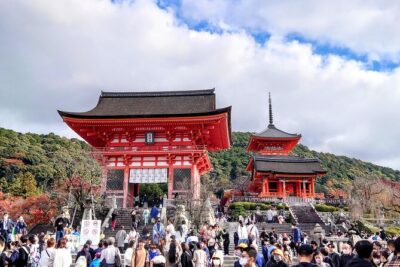
Next you get Kiyomizu-dera, another 45-minute highlight. Kiyomizu-dera is famous for its wooden stage, and the tour helps you understand why it has mattered for centuries. This is a great stop for linking architecture to cultural meaning, which is exactly what you want from a guided day instead of just walking up, taking a photo, and leaving.
After Kiyomizu-dera, the route continues to the slopes at Ninenzaka for about 30 minutes. This area is known for stone-paved lanes and traditional shop streets. It is a good place to slow down, browse for small souvenirs, and pick up snacks if you want them, as long as you are paying attention to cash-only spots.
Drawback: this portion can get busy and slippery depending on weather. Bring your best walking shoes and keep your balance. If rain hits, your umbrella might become your temporary third wheel.
Yasaka Pagoda photo spot and Gion at dusk near Minamiza
For photos, you get Yasaka Pagoda (Hokan-ji) as a 15-minute stop, timed for the best skyline view you can manage. This is short by design, because the real magic comes next.
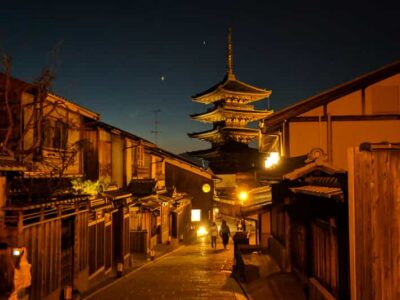
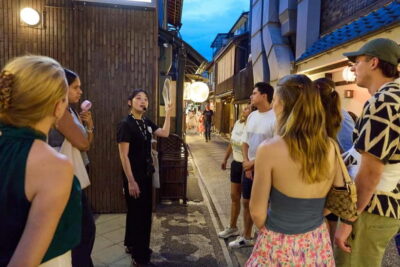
Then you finish with Gion for about 30 minutes, and you wrap up near Minamiza Theater. Gion is the heart of geisha culture, and the timing matters. The tour format helps you arrive when the streets start shifting toward evening mood, when you can actually feel the historic neighborhood atmosphere rather than just fight crowds in daylight.
In the feedback I have read, many people mention a special kind of inspiration from learning about geiko and maiko culture. One person specifically said the tour sparked them to watch a Kyomai dance performance later at Gion Kagai Art Museum. That is not part of the tour schedule, but it is a great example of what a guided day can do: it can turn sightseeing into a deeper curiosity.
Pace, transport, and why the guide matters more than you think
This is a full-day tour, about 570 minutes. That means you are not dropping into each place for a quick look. You will move from Arashiyama into central Kyoto zones and keep traveling by foot, bus, and train, with the Randen tram included.
In the reviews tied to this tour format, guides like Megumi and Masa get praised for handling complex routes smoothly. You can feel the difference when someone knows when to move and when to slow down, especially with a group of 10. People also mention the guide checking in, keeping the group together, and making sure you do not feel rushed even when the schedule is full.
The other hidden value is confidence. When you see how to use transit like locals, and when someone explains shrine and temple manners before you walk in, you stop second-guessing yourself. The day feels easier, and you enjoy it more.
Price and budget reality for $96
The price is $96 per person, and it includes the professional guide fee plus taxes. What is not included is important for planning: transportation fares are listed around 1,500 JPY (about $10), and entrance fees are also around 1,500 JPY (about $10). Lunch is not included, even though the tour brings you to Kura Sushi, where you choose what to eat.
So your budget is really split into three buckets:
- Tour cost for the guide and structure
- Transit and temple/shrine entries for access
- Your lunch and personal snacks
Is it worth it? For me, it is when you have limited time and you want Kyoto end-to-end without the stress of route planning. If you already know exactly how you will travel and you are okay with a self-guided pace, you might save some money. But if you want your day to run smoothly and learn the meaning behind the places, the guide structure is where the value lands.
Who should book this Kyoto full-course day, and who should skip it
This tour is best for you if:
- You are in Kyoto for a short time and want the big-name sites plus key city atmosphere
- You are comfortable with a long walking day and lots of steps
- You like learning cultural context, not just taking photos
- You prefer a small group over large tour buses
Skip it if you:
- Are under 13 (under 13 requires a private tour)
- Need wheelchair access, have mobility issues, or have back problems
- Are pregnant (the tour is not suited for pregnant guests)
- Are traveling with a cold or you have low fitness
Also, you should be ready for strict group flow. You are expected to stay with your guide at all times, because the guide cannot leave the group to help with missing individuals. No alcohol is part of the rules too, which is actually a good sanity check for a day like this.
Should you book this Kyoto full-course tour?
I think you should book it if you want the best shot at seeing a lot of Kyoto in one day while learning how to do it properly. The 10-person limit, the use of multiple transit modes, and the way the tour ends in Gion near Minamiza are practical reasons this works.
I would not book it if your plan is to take things slow. This is an active day, and the pacing only feels good if you show up ready to walk and keep moving.
If you do book, do two prep things that pay off immediately: pack cash for small stops and temple/shrine fees, and wear shoes that you trust for 20,000 steps. Do that, and you will have a Kyoto day that feels like more than a photo run.
FAQ
How long is the tour?
The tour runs for 570 minutes, which is about a full day.
Where do we meet the guide?
Meet your guide on the 2nd floor of JR Saga-Arashiyama station, past the ticket gate. The guide will be holding a paging board that says Beautiful day tours.
What is included in the $96 price?
The price includes the professional guide fee and all taxes.
What costs are not included?
Transportation fares (about 1,500 JPY), entrance fees (about 1,500 JPY), and lunch and personal snacks are not included.
Is the tour small group size?
Yes. It is limited to 10 participants.
Is there an English-speaking guide?
Yes, it is a live tour guide in English.
How much walking should I expect?
You should be ready for about 20,000 steps, so comfortable shoes and easy-to-move clothes are strongly recommended.
Is this tour suitable for kids or people with mobility needs?
Under 18s must be accompanied by an adult, and under 13 requires a private tour. The tour is not for wheelchair users, and it is also not suitable for people with mobility issues or back problems.
Newly listed around Kyoto
- Taste of Nishiki Market Walking Food Tour with Local guide★ 5.0 · 17 reviews
- Kyoto: Sushi Making Class with Sushi Chef★ 4.8 · 64 reviews
- Simple Plan with Maiko★ 4.4 · 10 reviews
- Shibori Furoshiki Course at Kyoto Shibori Museum★ 5.0 · 21 reviews
- Kyoto: City Secrets eBike Tour★ 4.9 · 196 reviews
- Sacred Pathways: Discover the Philosopher’s Path of Kyoto★ 4.9 · 20 reviews
- Private Tour to Monkey Park and Arashiyama Highlights★ 5.0 · 22 reviews
- Private Nara Tour from Osaka – Meet at Your Hotel★ 5.0 · 22 reviews
Kyoto Tours, compared.

Fushimi Inari, Kinkakuji, Bamboo Grove 1 Day Bus Tour
Read our review →
Tea Ceremony in a Traditional Tea House in Kiyomizu
Read our review →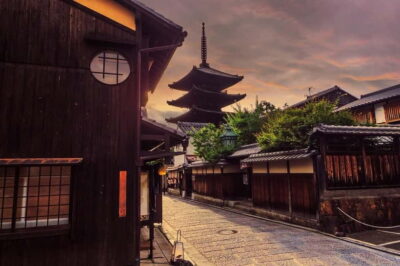
Kyoto Geisha Walking Tour: Gion District & Hidden Gems
Read our review →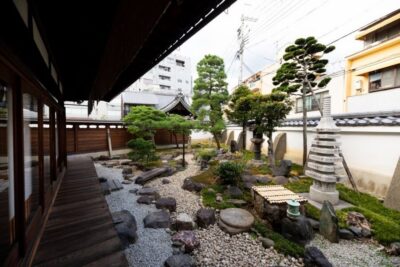
Gion Geisha District Walking Tour – Stories of Geisha
Read our review →