
Review · GEISHA DISTRICT WALKS
Kyoto: Gion Geisha District with Souvenir and Snack
Kyoto at night has a special hush, and Gion is where you feel it. This Kyoto Gion Geisha district walking tour guides you through famous lanes and quieter back streets, starting with a Kamo River crossing and ending with local know-how and small, satisfying extras. I like that you’re not just looking at sights, you’re learning how the neighborhood fits together after dark.
I also like the way the tour teaches you to read what you see: the difference between Geiko and Maiko, plus the history behind Kyoto tea houses. And I love the human touch, with English-speaking guides like Simon, Cameron, and Joshua repeatedly praised for patient explanations and practical recommendations.
One thing to consider is physical comfort. This is a walking experience with lots of steps and hills, and it is not suitable for people with mobility impairments, so plan accordingly.
In This Review
- Key highlights you should care about
- Night in Gion: why this walking tour works
- Meeting at Shijo Dori, crossing Kamo River, and setting the mood
- Tea houses, Kyoto tradition, and what you’re really seeing
- Geiko vs Maiko: turning confusion into confident street reading
- The Edo period story, and how it shapes Gion’s present
- Snack and omiyage: small extras that feel worth it
- Local restaurant recommendations that keep the night going
- Price and value: what $12 buys in a Kyoto night
- Who should book, and who should rethink it
- Practical tips so your night feels smooth
- Should you book this Gion night walking tour?
- FAQ
- Where does the tour start?
- Does the tour end somewhere else?
- What’s included in the tour?
- Is food included?
- What should I bring and wear?
- Is it suitable for people with mobility impairments or baby carriages?
Key highlights you should care about
- Kamo River start: a scenic crossing that sets the mood right away.
- Geiko vs Maiko clarity: learn what makes these roles different in daily life and tradition.
- Tea house and Edo period context: stories that help you understand why Gion looks the way it does.
- Real neighborhood pace: route changes may happen with weather, season, and access.
- Included snack and omiyage: a traditional treat plus a souvenir in the package.
- Local restaurant pointers: guide recommendations aimed at where locals actually go.
Night in Gion: why this walking tour works
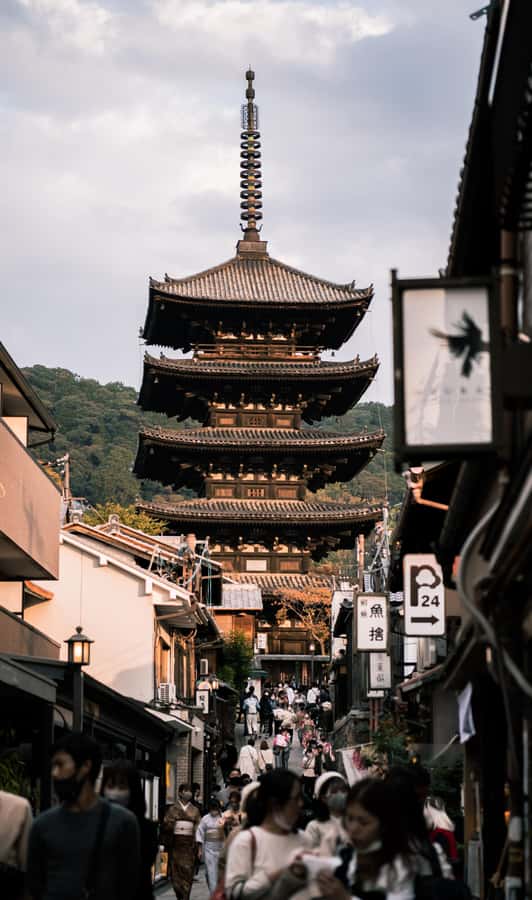
Gion is famous in daylight, but at night it becomes something else. The streets feel more intimate. The pace slows. Shopfront lights reflect off wood and stone, and the whole area starts to make sense as a living community, not a photo set.
This tour is built around that idea. You get a local guide who can translate the neighborhood into plain language. Instead of only pointing at famous corners, the guide helps you notice patterns: how tea houses fit into the area, what you might be seeing when you spot traditional details, and how Gion’s systems evolved over time. Guides like Simon and Cameron are repeatedly noted for answering questions clearly and staying engaged, which matters because Geiko and Maiko culture can feel confusing if nobody explains the basics.
You also get a practical benefit: a smart nighttime route. Even if you know Kyoto well, Gion foot traffic can be intense. Walking with someone who understands timing and crowd flow makes your night feel easier and more rewarding.
Compare these Geisha District walks in Kyoto:
- Kyoto Geisha Walking Tour: Gion District & Hidden Gems
★ 4.7 · 3,273 reviews - Kyoto: Gion Geisha District Walking Tour – Stories of Geisha
★ 4.7 · 2,187 reviews - Best of Kyoto: Gion, Geisha, Pagodas & Cobblestones
★ 4.9 · 2,058 reviews
Meeting at Shijo Dori, crossing Kamo River, and setting the mood
The tour begins at a very specific spot: meet in front of the Disney store on the corner of Shijo Dori and Kawaramachi. Your guide will be holding a sign. It is a good meeting point because it’s easy to orient yourself, and it puts you right where you can start moving into the older parts of town.
From there, the first big moment is the Kamo River crossing. Kyoto’s Kamo River is more than scenery. At night, it acts like a divider between the city’s everyday bustle and Gion’s calmer rhythm. Crossing it early helps you understand where the neighborhood begins, and you get a chance to take in the view before the lantern-like feeling of Gion really takes over.
What you should expect here:
- A short intro so you know what to look for.
- A move into the river area, where the atmosphere shifts.
- Guide context that makes the rest of the walk easier to follow.
A small practical note: since this is a nighttime walking tour, you will want comfortable shoes and clothes you can move in without thinking. Reviews also flag that there can be steps and hills, so treat this as a real walk, not an easy stroll.
Tea houses, Kyoto tradition, and what you’re really seeing
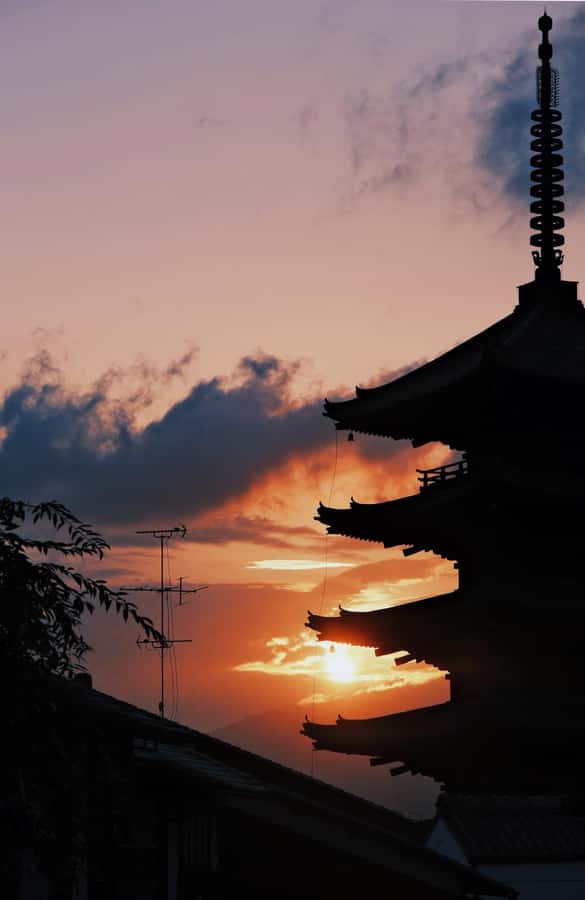
Gion’s reputation comes from its traditional arts, and tea houses are a key part of that story. One of the tour’s strengths is that it doesn’t treat tea houses like background scenery. You’ll learn about their history and why they became linked with Kyoto’s traditions.
At night, tea house architecture and the feel of the lanes can look mysterious, even if you’ve seen photos in the daytime. This tour helps you connect the dots. You’ll hear about how historical systems shaped the neighborhood, and how those influences still show up today.
A few things the guide focuses on that make this section valuable:
- How Kyoto’s traditional spaces connect to social life, not just aesthetics.
- Why the area’s layout matters, especially when you’re walking through narrow lanes.
- Stories that explain what people mean when they talk about Kyoto tradition.
This is also where the guide’s personality shows. Simon is repeatedly praised for being passionate and caring, and that tone matters in a place like Gion where the details can feel subtle. If your guide is willing to answer questions without rushing you, your walk feels less like a lecture and more like learning with a friend who actually lives the subject.
Geiko vs Maiko: turning confusion into confident street reading
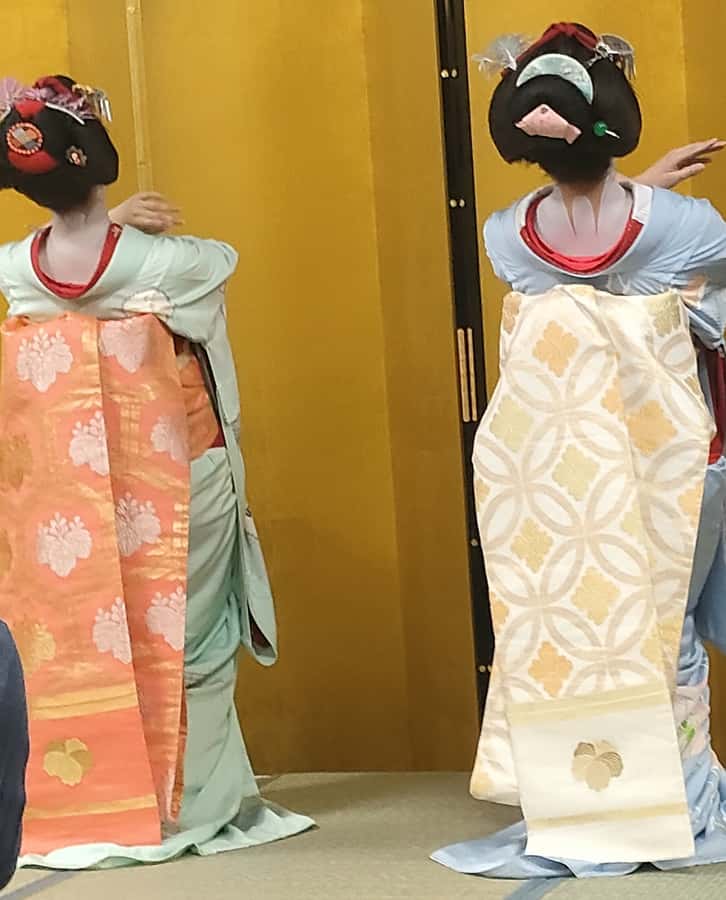
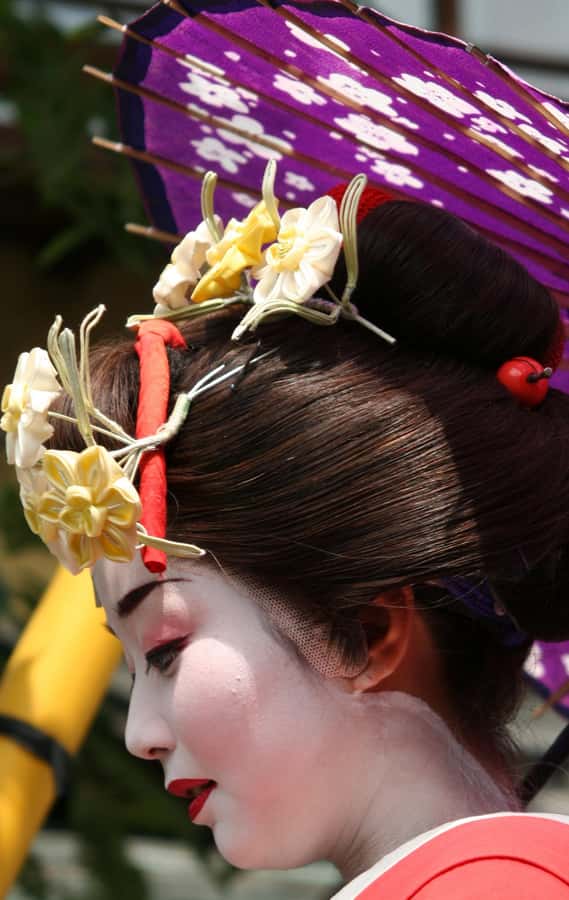
If you remember only one lesson from this kind of tour, let it be the basics of Geiko vs Maiko. The difference can be confusing at first because the words sound similar in English, but on the street you’ll often spot visual cues and role differences that only make sense after you’ve been taught.
This tour sets you up with clear explanations and then uses the neighborhood itself as the classroom. You’ll learn about the difference between Geiko and Maiko, and you’ll also see how modern Geiko and Maiko live and work today.
Why this matters for you: Gion is full of symbolism. Without context, you might miss what makes a sight meaningful. With context, you start noticing details like how people move through the area, what kinds of places you pass, and why certain traditions are visible in specific settings. Even if you do not see performers directly, you’ll understand the logic of the district.
It’s also useful for photography. You may still get photos, but your goal shifts from capturing a generic street scene to capturing the feeling of place with meaning behind it.
A few more Kyoto days to weigh up
- PERFECT KYOTO 1-Day Bus Tour
★ 5.0 · 13,518 reviews - Kyoto: Fushimi Inari, Kinkakuji, Bamboo Grove 1 Day Bus Tour
★ 4.8 · 4,316 reviews - Kyoto: Tea Ceremony in a Traditional Tea House in Kiyomizu
★ 4.9 · 3,519 reviews - Kyoto: Tea Ceremony Ju-An at Jotokuji Temple
★ 4.9 · 3,207 reviews
The Edo period story, and how it shapes Gion’s present
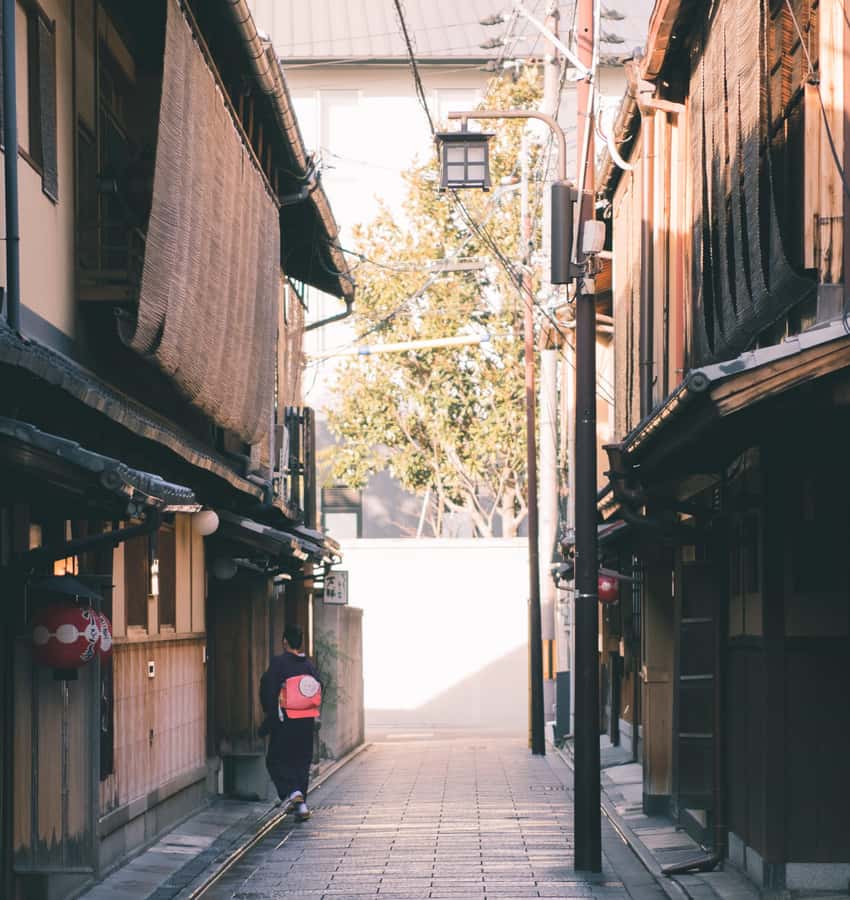
Another thread running through the walk is history, specifically the Edo period and the most famous shogun clan in Japanese history. You do not need to be a Japan history expert. The guide’s job is to translate history into how the neighborhood developed.
I like this approach because it makes the walk feel less like a checklist. You understand that Kyoto’s traditions did not pop into existence for tourists. Systems changed over centuries. Gion’s role in city life evolved with those shifts, and tonight’s atmosphere is part of that long timeline.
You’ll hear the story as you move through the district, which helps it stick. History works best when it’s tied to what your eyes can see.
Snack and omiyage: small extras that feel worth it
This tour includes a traditional Japanese snack along the way and also includes a Japanese omiyage (souvenir). These are not just nice-to-haves. They make the walk feel complete, like you did something, not just walked past sights.
One careful point for your expectations: the “not included” list says food is not included, but the highlights clearly say you receive a snack. So think of this as a snack, not a full meal. If you want dinner, use your guide’s local restaurant recommendations before you finish the evening.
The omiyage piece is also a smart value move. Souvenirs in Kyoto can add up fast, and getting one included removes decision fatigue. It also gives you an easy takeaway that matches the theme of the night.
Local restaurant recommendations that keep the night going
A big reason people rate this kind of tour highly is what happens after the walking portion. Guides often recommend their favorite local restaurants, specifically the kind where locals eat. That’s not about hiding food from visitors. It’s about saving you time and steering you away from places that are only optimized for quick tourist consumption.
I also like that the guide will help you plan the next step. After dark in Kyoto, it’s easy to end up hungry and stressed because everything looks similar and you’re not sure where to start. A guide who knows what’s nearby and what’s worth it can turn a good tour into a great evening.
A couple of review-based details you can use:
- Guides are praised for giving multiple restaurant options.
- Some guides even take extra time after the tour to help people find souvenirs.
That’s the kind of service that costs a lot more than $12 in many cities.
Price and value: what $12 buys in a Kyoto night
At $12 per person, this is priced like a smart add-on rather than a big-ticket Kyoto experience. What makes it feel like good value is the combination of:
- A local English-speaking guide
- A guided nighttime route
- Included snack and omiyage
The tour is also a walking format, which keeps costs down compared to rides or multi-stop excursions. But value is not just price. The guide quality matters, and the strong ratings reflect that many people felt they got real answers, useful guidance, and a more confident understanding of Gion.
There are no public transportation tickets included, so you’ll still handle your own way to the meeting point. But once you’re there, you’re paying for someone to explain the neighborhood while you walk. For many visitors, that’s the most efficient way to learn Gion quickly.
Who should book, and who should rethink it
This tour fits best if you:
- Want an easy-to-follow introduction to Gion at night
- Care about cultural context, not only famous landmarks
- Enjoy walking and can handle some steps and hills
- Prefer English explanations with room for questions
It may not be ideal if you:
- Have mobility challenges, since it is not suitable for people with mobility impairments
- Need long breaks or frequent restrooms, since reviews mention the walk can be active and there may not be convenient stops
Also, if you’re the kind of traveler who hates spontaneity, know that the itinerary may change depending on weather, time of year, and access. That flexibility can be a positive, especially at night, but it’s good to know up front.
Practical tips so your night feels smooth
Bring:
- Comfortable shoes
- Comfortable clothes
Plan around:
- Nighttime walking time and uneven surfaces in older neighborhoods
- A pace that can be brisk, since some reviews mention the guide may walk faster
If you want to get the most out of the Geiko vs Maiko portion, come with one question in mind. For example: what role differences actually mean for someone trying to understand the district respectfully. A good guide like Simon, Cameron, or Joshua will happily answer, and you’ll get more out of the street-level observations.
If you’re worried about crowding, a guide who knows where foot traffic builds helps a lot. One review notes that routes can avoid busier areas at night, which can mean better views and less stress.
Should you book this Gion night walking tour?
Yes, you should book it if you want a quick, guided way to understand why Gion looks and feels the way it does after dark. The included snack and omiyage are a bonus, and the strongest proof of value is the repeated praise for guides who explain with patience, answer questions, and share practical local restaurant recommendations.
Skip it or choose another option if walking uphill and steps are hard for you, or if you need an experience that is more static and less active. For everyone else, this is a solid $12 way to turn Kyoto’s most famous district into something you can actually read, not just photograph.
FAQ
Where does the tour start?
You meet in front of the Disney store on the corner of Shijo Dori and Kawaramachi. The guide will be holding a sign.
Does the tour end somewhere else?
No. The activity ends back at the meeting point.
What’s included in the tour?
A local guide and a walking tour are included. You also receive a traditional Japanese snack and a Japanese omiyage (souvenir) as part of the experience.
Is food included?
A traditional Japanese snack is included. Public transportation tickets and full food service are not listed as included.
What should I bring and wear?
Bring comfortable shoes and comfortable clothes, since it is an active walking experience at night.
Is it suitable for people with mobility impairments or baby carriages?
It is not suitable for people with mobility impairments, and baby carriages are not allowed.
Newly listed around Kyoto
- Taste of Nishiki Market Walking Food Tour with Local guide★ 5.0 · 17 reviews
- Kyoto: Sushi Making Class with Sushi Chef★ 4.8 · 64 reviews
- Simple Plan with Maiko★ 4.4 · 10 reviews
- Shibori Furoshiki Course at Kyoto Shibori Museum★ 5.0 · 21 reviews
- Kyoto: City Secrets eBike Tour★ 4.9 · 196 reviews
- Sacred Pathways: Discover the Philosopher’s Path of Kyoto★ 4.9 · 20 reviews
- Private Tour to Monkey Park and Arashiyama Highlights★ 5.0 · 22 reviews
- Private Nara Tour from Osaka – Meet at Your Hotel★ 5.0 · 22 reviews
Geisha District Walks, compared.
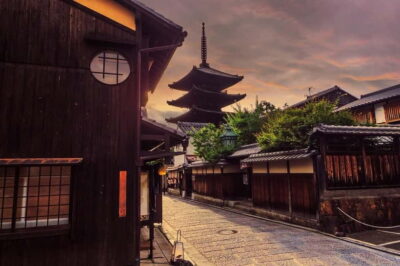
Kyoto Geisha Walking Tour: Gion District & Hidden Gems
Read our review →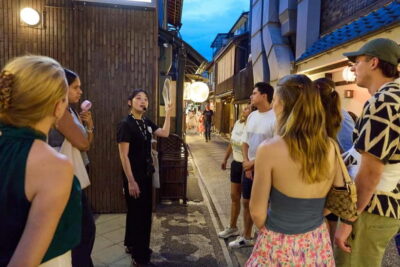
Gion Geisha District Walking Tour – Stories of Geisha
Read our review →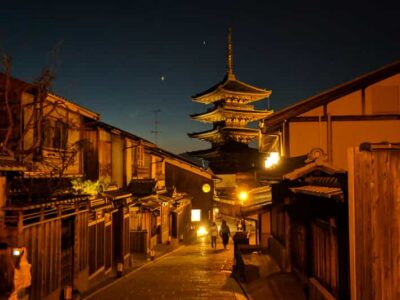
Best of Kyoto: Gion, Geisha, Pagodas & Cobblestones
Read our review →

Kyoto Night Foodie Tour in Gion (9+ dishes + 6 Sake tastings)
Read our review →
Kyoto Gion Geisha District Walking Tour – The Stories of Geisha
Read our review →
Gion Magical Night Walking Tour with Geisha Insights
Read our review →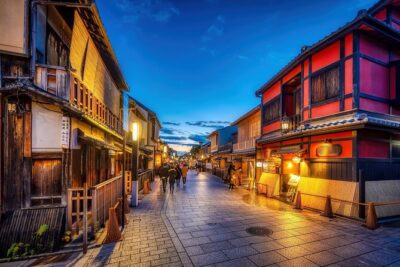
Kyoto Gion Night Walk & Geisha District Guided Tour
Read our review →Browse the lists this tour appears in