
Review · JAPANESE COOKING WORKSHOPS
Kyoto Home Cooking Class &Supermarket tour near Fushimiinari
A home-cooked Kyoto meal beats most plans. This hands-on class lets you cook in an authentic Japanese room with garden views, then finish with a local supermarket walk that teaches you what to buy and why.
I like how intimate it is, max 6 people, with English instruction from licensed guide interpreters. One thing to plan for: you’ll eat and cook in traditional style and bring socks, and the activity is not suitable for wheelchair users.
In This Review
- Key things I’d block time for
- A traditional Kyoto home, not a studio line
- Dashi: the secret that explains most Japanese food
- The hands-on menu: about 5 dishes, guided demos first
- Cooking in a small group of 6, with English you can actually follow
- Lunch in the guest room, with what you actually cooked
- The supermarket walk near Fushimiinari: learn what to buy and how to spot it
- Vegetarian and vegan-friendly options with dashi planning
- Price and logistics: what $127 buys you
- Who should book this cooking class near Fushimiinari
- Should you book it?
- FAQ
- How long is the Kyoto home cooking class and supermarket tour?
- What is the group size?
- Is the class taught in English?
- What should I bring?
- Is lunch included?
- Can I get the recipes?
- Is the class suitable for vegetarian or vegan guests?
- Is hotel pick-up or drop-off included?
- What ages are allowed?
Key things I’d block time for
- Traditional room, real garden view, and a calm place to eat what you make
- Dashi first, then building dishes from a Japanese pantry logic that makes sense
- Hands-on cooking of about 5 dishes, with instructor demos before you take over
- Small group of 6, so instructions stay clear and personal
- Supermarket tour included, so you can shop with confidence after the class
A traditional Kyoto home, not a studio line
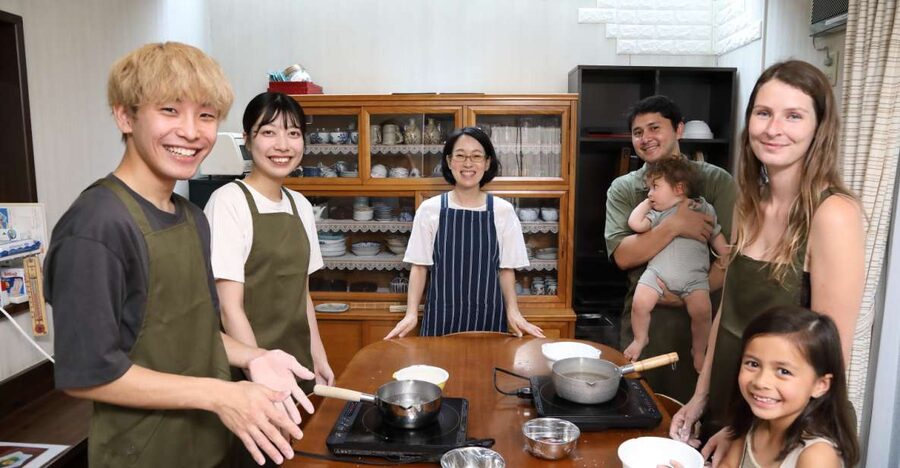
The setting is the first reason this class feels special. You’re welcomed into a traditional Japanese room with a garden view, so it feels less like a lesson in a rented space and more like you were invited over for lunch. Even the pace feels calmer, like you’re stepping into someone’s everyday rhythm.
You’ll also appreciate the small group size. With a maximum of 6 participants, you get enough attention to correct small mistakes while still moving through a full 4-hour experience. In a busy city like Kyoto, that matters, because you don’t want cooking time to feel rushed or confusing.
The one practical catch is that this is “Japanese home style.” Expect to move around in socks and sit on traditional flooring. The class also isn’t listed as wheelchair friendly, so if mobility is an issue, check with the provider before you book.
More Cooking Classes in Kyoto
- Ramen Cooking Class at Ramen Factory in Kyoto
★ 5.0 · 1,937 reviews - Kyoto: Ramen Cooking Class at a Ramen Factory with Souvenir
★ 4.9 · 532 reviews - Kyoto: Ramen, Gyoza, and Onigiri Cooking Class
★ 5.0 · 445 reviews
Dashi: the secret that explains most Japanese food
Your first lesson is Dashi, Japanese soup stock. It shows up in nearly all Japanese cuisine, so learning it early is like getting the key to the whole pantry. Instead of memorizing a recipe that works once, you learn a foundation that makes sauces, soups, and seasonings click together.
Why this matters for you when you cook at home: dashi gives Japanese dishes their depth without needing heavy flavors. Once you understand how it works, you’ll find it easier to swap ingredients and still keep the dish tasting right. It also helps you understand how Japanese cuisine builds flavor layer by layer, not by piling on spice.
Also note the vegetarian approach. The class uses Dashi for vegetarian options, so it’s designed to welcome vegetarian and vegan guests when you let them know in advance. If you’ve ever struggled to make Japanese food without fish-based stock, this setup is a big deal.
The hands-on menu: about 5 dishes, guided demos first
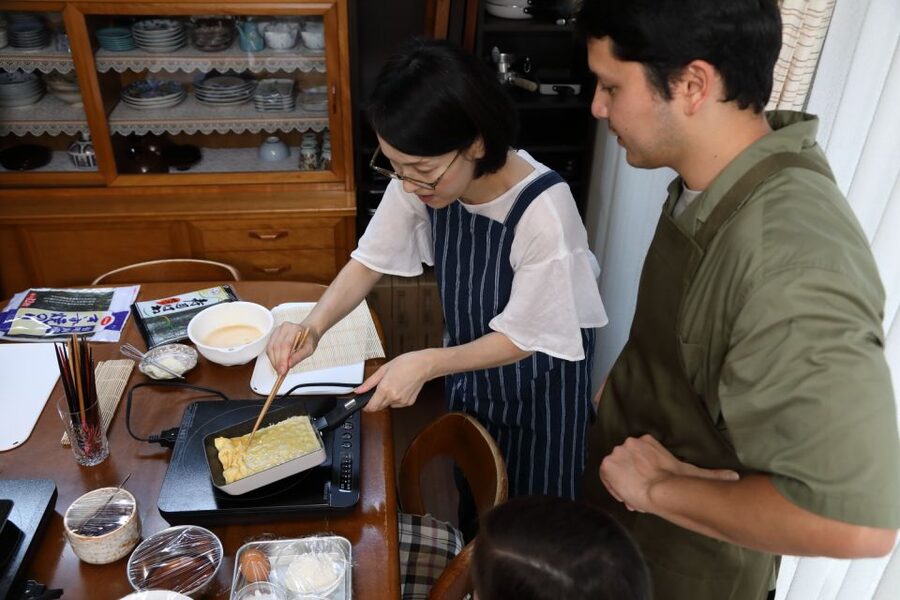
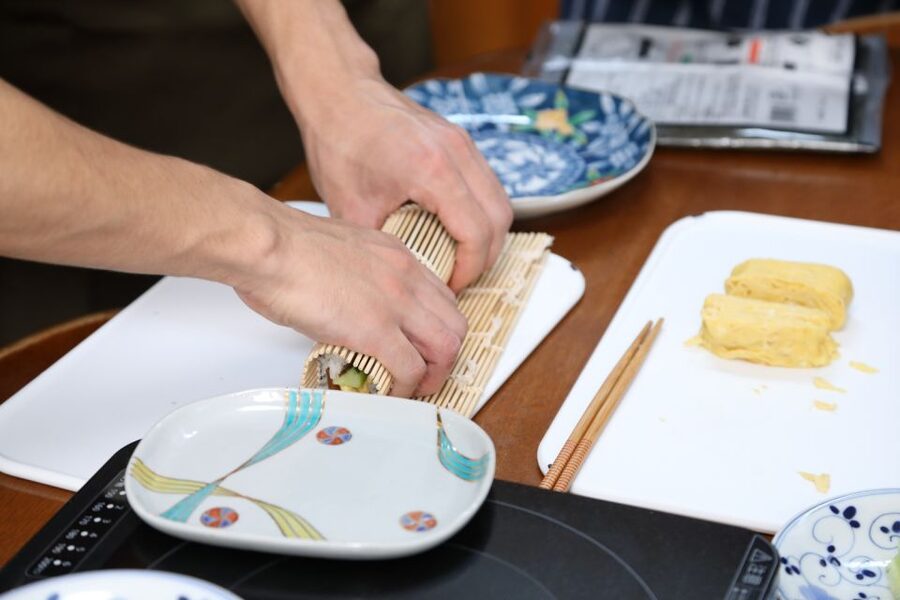
You should expect to cook roughly 5 dishes during the class. That’s a sweet spot: enough variety to learn techniques, but not so many dishes that you never get comfortable with the basics. The instructor demonstrates some steps in front of you first, then you and your partner take over.
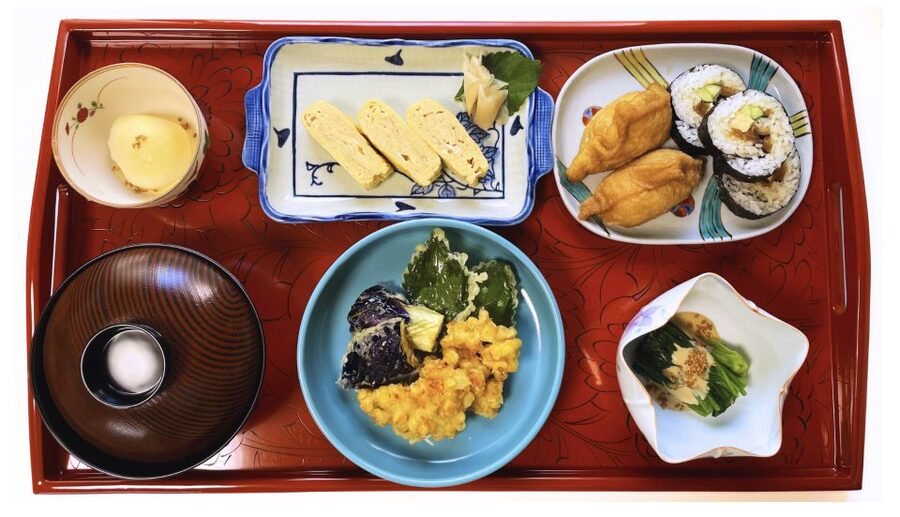
The menu can change by season, but several dish types show up in recent iterations. Depending on when you go, you might make items like Japanese omelet (often taught as tamagoyaki style), tempura, sushi, rolled egg, miso soup, a salad, and even dessert like mochi. You’ll also be using dashi across the meal, which ties everything together.
Here’s what I like about the way the class is described: you’re not just watching someone cook and then eating. You learn how to make the components, which is what you’ll need later if you want to reproduce the results at home.
A small-group teaching style also helps with technique questions. When you get stuck on something specific, you’re more likely to get direct correction instead of waiting your turn. And since instruction is in English, you’re less likely to miss the “why” behind a step.
Cooking in a small group of 6, with English you can actually follow
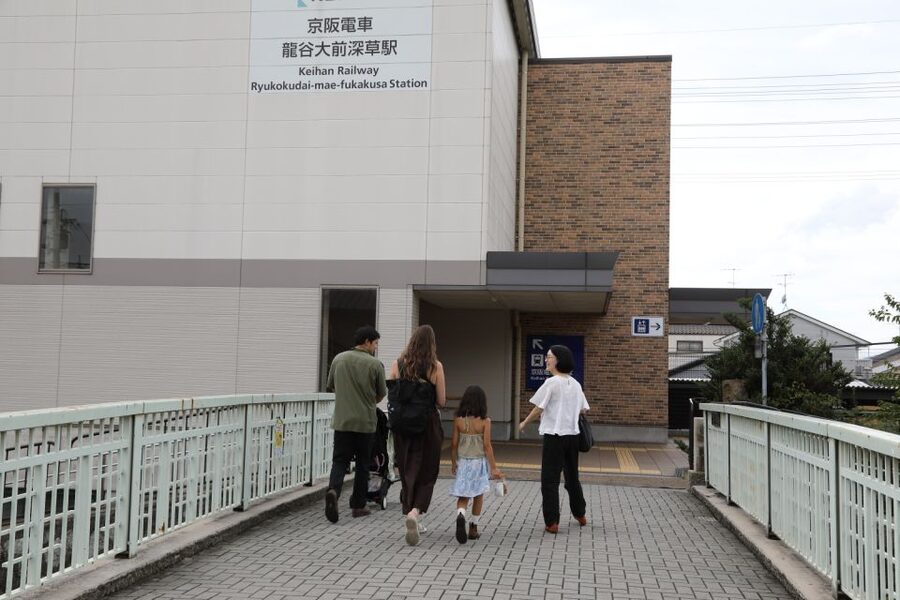
The class is limited to 6 participants, and everything is conducted in English. Even if your Japanese is basic, you can still understand what’s going on because the instructors are licensed guide interpreters. That’s a big quality signal, since food classes can get shaky when language gaps lead to missed details.
If you come alone, you’re still set up for a good experience. The format supports solo guests, and the instructors are described as friendly and accommodating. In a cooking class, that translates to less awkwardness and more practical help, especially if you’re new to Japanese ingredients.
One more thing I’d plan around: cooking time can feel physical even though it’s only 4 hours. Bring energy for hands-on prep, and don’t assume it will feel like a passive walking tour.
More Cooking Workshops in Kyoto
- Kyoto: Japanese Washoku Bento Small Group Cooking Class
★ 5.0 · 380 reviews - Kyoto: Afternoon Japanese Izakaya Cooking Class
★ 4.9 · 241 reviews - Izakaya Style Cooking Class
★ 5.0 · 219 reviews - Kyoto: Morning Japanese Bento Cooking Class
★ 5.0 · 149 reviews
Lunch in the guest room, with what you actually cooked
After you finish cooking, everyone sits together and eats the meal in a very traditional Japanese room. The garden view is still part of the mood here, so your lunch feels like a reward instead of an afterthought. You’ll also be eating dishes you made yourself, which is the fastest way to understand what you did right and what you might tweak next time.
This is a class where lunch isn’t just included, it’s integrated. The idea is that cooking teaches you technique, and eating teaches you balance. If you can taste the difference between components while it’s still fresh, you’ll remember the lessons later.
Another practical perk: you get the recipes for the dishes you prepare. That’s what turns the experience from a one-day event into something you can use when you’re back home and want to repeat the meal.
The supermarket walk near Fushimiinari: learn what to buy and how to spot it
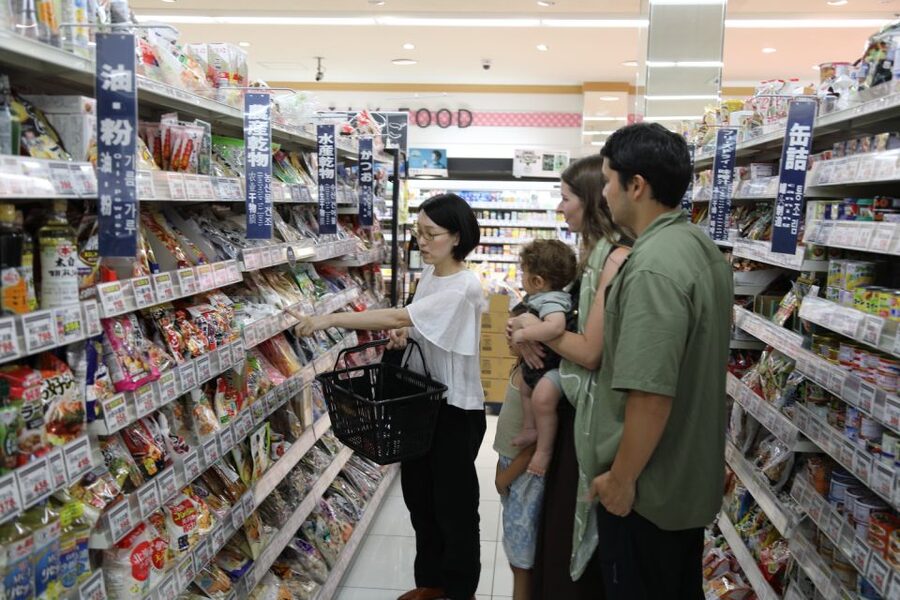
The class doesn’t stop after lunch. You head to a local supermarket together to find the ingredients used in your cooking. If you want, you can buy them so you can recreate the dishes for family and friends later.
This part is valuable because Japanese cooking is ingredient-driven. Without learning what to look for, you can end up with “similar” items that change flavor and texture. The supermarket walk helps you connect the recipe names to real products in the real world.
You’ll also learn how to interpret labels and basics of what matters, not just where it is. For example, you might learn how Japanese pantry items differ from what you’re used to buying abroad. Even if you only purchase a few ingredients, you’ll leave with a shopping map and fewer surprises next time you cook Japanese food.
It’s also a fun change of pace. After hands-on cooking, a guided ingredient hunt feels like a payoff, and it helps you understand how Japanese people actually stock a kitchen.
Vegetarian and vegan-friendly options with dashi planning
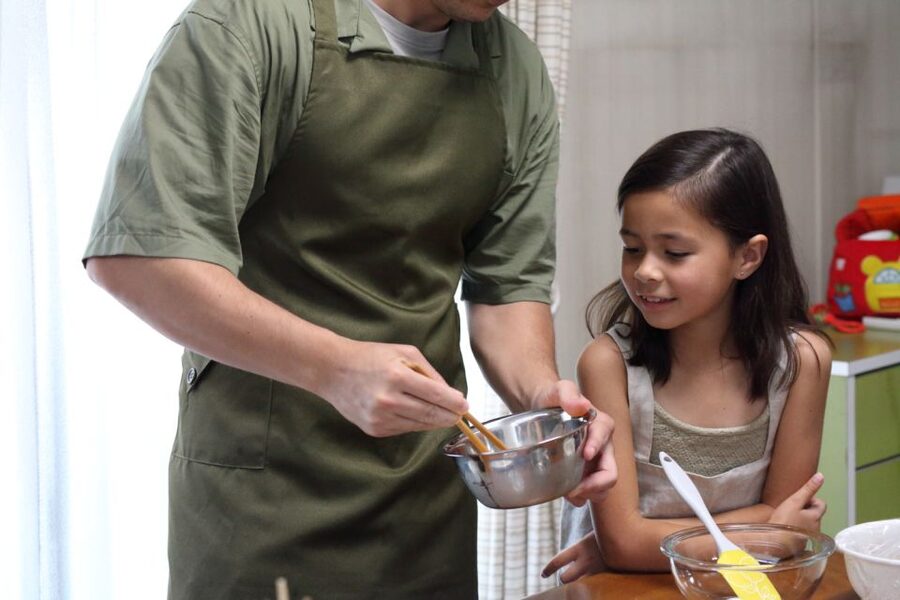
If you’re vegetarian or vegan, this class has a built-in advantage. Dashi is used for vegetarian preparation, so you can participate without having to build an entirely separate meal plan from scratch. Just make sure you communicate your dietary needs ahead of time so the instructor can adapt the approach.
This matters because many Japanese dishes rely on fish-based flavors. When you have a class that plans for vegetarian diners, you avoid the usual situation where you’re stuck with plain sides while others get the full experience.
Price and logistics: what $127 buys you
At about $127 per person for a 4-hour experience, you’re paying for more than a meal. Lunch is included, and all seasonings and ingredients are covered, which reduces the typical cost shock of “ingredient-based” cooking classes. You’re also getting English instruction, small-group teaching, and a supermarket walk after lunch.
When I look at value, I focus on output. Here, you cook around 5 dishes, eat them right away, and receive recipes to take home. That is a lot of learning for a half-day slot, especially in a city where paying for tours can otherwise feel like paying only for scenery.
A few logistics details to keep in mind: hotel pick-up and drop-off isn’t included, gratuity isn’t included, and the menu may differ by season. Those are normal for classes like this, but they do affect planning. Think of it as a hands-on local experience, not a chauffeured activity.
Who should book this cooking class near Fushimiinari
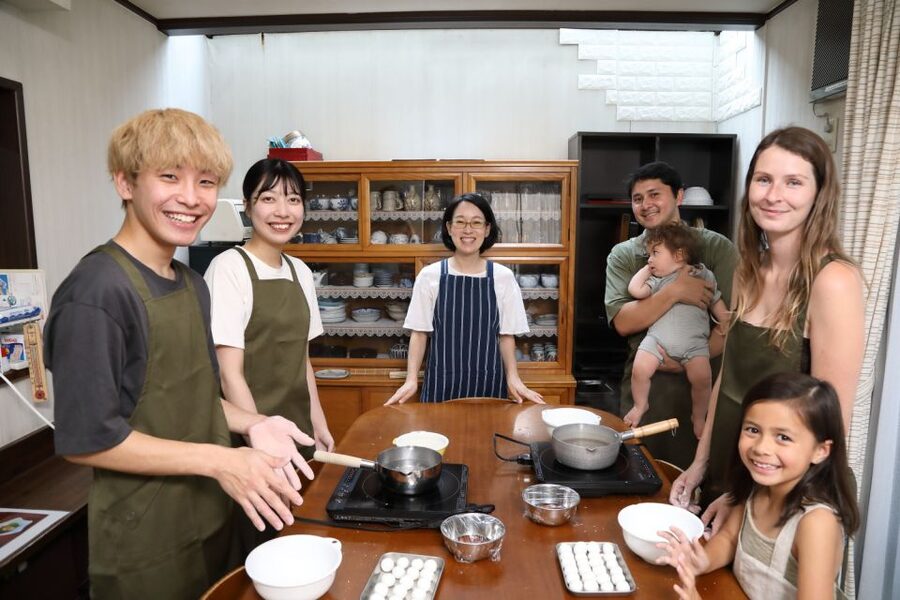
This is a great match if you want practical skills, not just a single taste of Japanese food. If you’ve cooked before and want to upgrade how you think about Japanese seasoning, this class is built for you.
It also suits food lovers who like cultural context. The combination of a Japanese home setting and a supermarket walk connects technique to daily life. You’ll learn how ingredients are chosen, which is exactly what makes home cooking work.
It’s less ideal if you want a fast sightseeing sprint. This is a focused, seated, cooking-centered experience that trades city views for kitchen time.
And families should note the child guidance: children aged 12 and below need a guardian, and it’s not suitable for children under 6. Also, wheelchair users aren’t listed as suitable.
Should you book it?
Yes, if your goal is to leave Kyoto with real cooking skills you can repeat. The dashi lesson, hands-on work on about 5 dishes, and the supermarket walk give you a complete loop, cook, eat, then shop.
I’d especially book if you care about ingredient confidence. If you’ve ever bought a “Japanese sauce” and then wondered why it didn’t taste right at home, this is the shortcut you want.
Skip it only if you need wheelchair accessibility or prefer a sightseeing-first schedule over a cooking-first one. Otherwise, this is the kind of class that makes Kyoto feel personal, not packaged.
FAQ
How long is the Kyoto home cooking class and supermarket tour?
The experience runs for 4 hours.
What is the group size?
It is a small group with a maximum of 6 participants.
Is the class taught in English?
Yes. Instruction is in English, and the instructors are licensed guide interpreters.
What should I bring?
You should bring socks.
Is lunch included?
Yes. Lunch is included, along with all seasonings and ingredients used for the dishes.
Can I get the recipes?
Yes. You receive the recipes for all the dishes you prepare together.
Is the class suitable for vegetarian or vegan guests?
It’s described as being happy to welcome vegetarian and vegan guests, with dashi used for vegetarian options. Let the instructor know in advance.
Is hotel pick-up or drop-off included?
No. Hotel pick-up and drop-off service isn’t included.
What ages are allowed?
Children under 6 are not suitable. Children aged 12 and below need to participate with a guardian.
Newly listed around Kyoto
- Taste of Nishiki Market Walking Food Tour with Local guide★ 5.0 · 17 reviews
- Kyoto: Sushi Making Class with Sushi Chef★ 4.8 · 64 reviews
- Simple Plan with Maiko★ 4.4 · 10 reviews
- Shibori Furoshiki Course at Kyoto Shibori Museum★ 5.0 · 21 reviews
- Kyoto: City Secrets eBike Tour★ 4.9 · 196 reviews
- Sacred Pathways: Discover the Philosopher’s Path of Kyoto★ 4.9 · 20 reviews
- Private Tour to Monkey Park and Arashiyama Highlights★ 5.0 · 22 reviews
- Private Nara Tour from Osaka – Meet at Your Hotel★ 5.0 · 22 reviews
Japanese Cooking Workshops, compared.
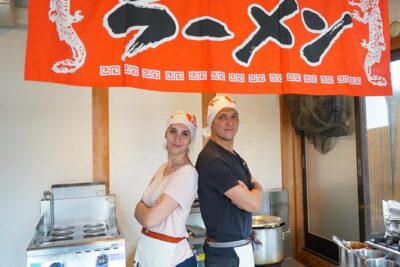
Ramen Cooking Class at Ramen Factory in Kyoto
Read our review →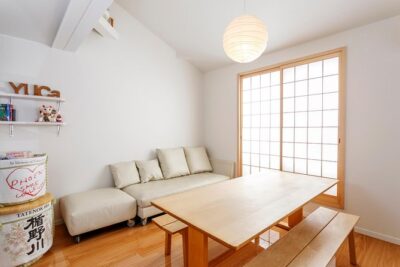
Ramen & Gyoza Cooking Class in Tokyo with Local Supermarket Visit
Read our review →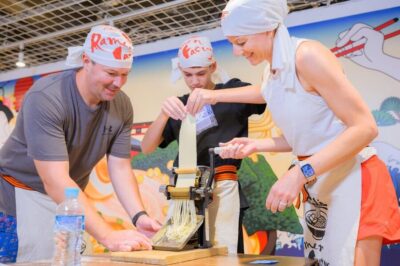
Ramen Cooking Class at a Ramen Factory with Souvenir
Read our review →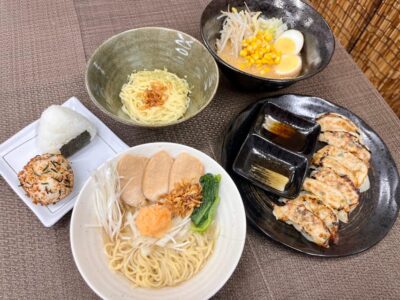
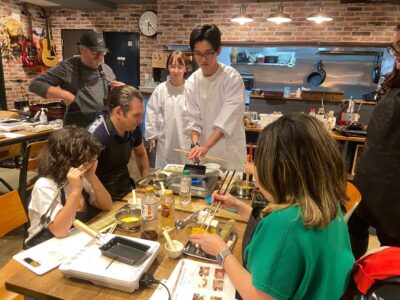
Japanese Washoku Bento Small Group Cooking Class
Read our review →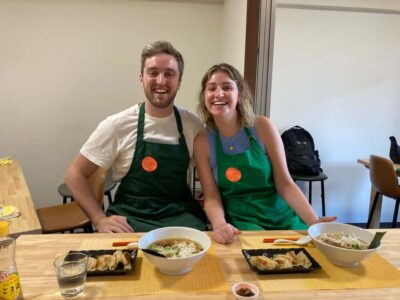
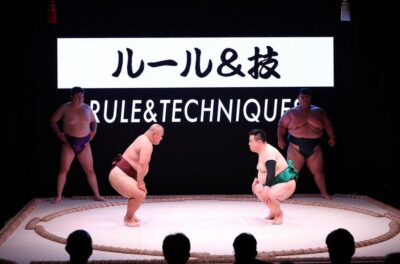
Sumo Stage Show with Bento or Snack + Fight & Photo
Read our review →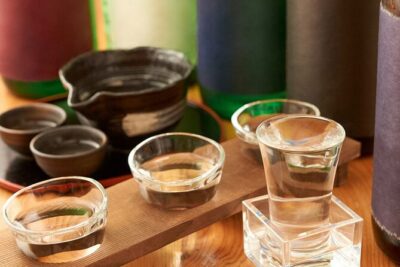
Ramen and Sushi Cooking Class with Sake Pairing Set in Tokyo
Read our review →Browse the lists this tour appears in