Review · KYOTO TOURS
Kyoto: Ikebana (Japanese Flower Arrangement)
Sculpting space with flowers changes how you see Kyoto. This 90-minute beginner ikebana class is interesting because you learn from an ikebana master, then you carry your skills into a real cultural space in a machiya. I like that you are not just watching, you meet and converse with the instructor while building your own arrangement. I also like that your finished work gets displayed in front of the garden so you can photograph it at the end. One possible drawback is that this is a beginner-focused, hands-on lesson, so if you want lots of deep theory or strict, detailed rules, you will want to ask more questions during the session.
You start at Tondaya – Nishijin Japanese Cultural Experience Museum at 697 Ishiyakushichō, Kamigyo Ward, where you’ll explore the house and its collections after the flowers. Practical tip: bring socks only, no bare feet, and expect that support may include interpretation or a translation device if needed for English comfort.
In This Review
- Key Things That Make This Ikebana Lesson Worth Your Time
- Entering The Tondaya Machiya: Where Kyoto’s Living Heritage Shows Up
- The 90-Minute Ikebana Lesson: Seasonal Flowers, Tools, and a Beginner Roadmap
- Meet the Ikebana Master: How Conversation, Translation, and Guidance Work
- Your Finished Arrangement, the Garden Backdrop, and Photo Time
- The Nishijin Lifestyle Museum Part: Why the 140-Year-Old Machiya Is More Than a Bonus
- Price and Time: Is $122 Per Person Good Value for 90 Minutes?
- Practical Tips That Make the Class Go Smoothly
- Who This Experience Is For (and Who Might Want a Different Style of Lesson)
- Should You Book This Ikebana at Tondaya?
- FAQ
- Where is the meeting point?
- How long is the experience?
- How much does it cost?
- What is included in the fee?
- Do I need to bring anything?
- Are bare feet allowed?
- What languages are available during the lesson?
- Is this a private group experience?
- Is there a minimum number of participants?
- What is the cancellation policy, and can I pay later?
Key Things That Make This Ikebana Lesson Worth Your Time
- A true beginner-friendly structure built around making an arrangement step by step
- Time with an ikebana master, including conversation, not just a one-way talk
- Seasonal flowers and included tools, so you are not scrambling to figure anything out
- Your arrangement gets displayed for photos in front of the garden
- A 140-year-old machiya tour inside a historically significant townhouse setting
- Optional add-on kimono moments may be available for an extra cost, depending on timing and offerings
Entering The Tondaya Machiya: Where Kyoto’s Living Heritage Shows Up
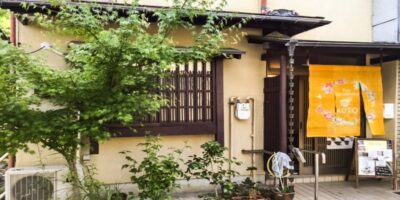
Your visit begins at Tondaya – Nishijin Japanese Cultural Experience Museum. This is a 140-year-old machiya, the traditional Kyoto townhouse style that still shapes how locals think about rooms, entrances, and everyday movement through a home.
Machiya matter because they are not just architectural decoration. They are built for real life, with spaces that guide you from public to private, from work areas to calmer corners. When you do something artistic here, like ikebana, the setting helps the art make more sense, because the house already teaches you about balance and restraint.
After the flower lesson, you are guided through the Nishijin Lifestyle Museum Tondaya. The house is described as a culturally significant landmark by the Kyoto City Government, and you’ll get a fuller picture of what makes it special, including historically valuable artifacts and the stories connected to them.
A few more Kyoto days to weigh up
- PERFECT KYOTO 1-Day Bus Tour
★ 5.0 · 13,518 reviews - Kyoto: Fushimi Inari, Kinkakuji, Bamboo Grove 1 Day Bus Tour
★ 4.8 · 4,316 reviews - Kyoto: Tea Ceremony in a Traditional Tea House in Kiyomizu
★ 4.9 · 3,519 reviews
The 90-Minute Ikebana Lesson: Seasonal Flowers, Tools, and a Beginner Roadmap
The ikebana portion is designed around one big idea: you can create something elegant even if you are starting from zero. You’ll get seasonal flowers plus all the necessary tools, which removes a lot of the stress that can come with arts classes in a foreign language.
Ikebana’s origin is tied to Kyoto, when a flower arrangement was admired in 1462 for its beauty and elegance. The key difference from religious offerings is that this approach is meant to express harmony between nature and human space. In your lesson, that goal shows up in how you arrange, how you leave negative space, and how you think about the lines you create with stems.
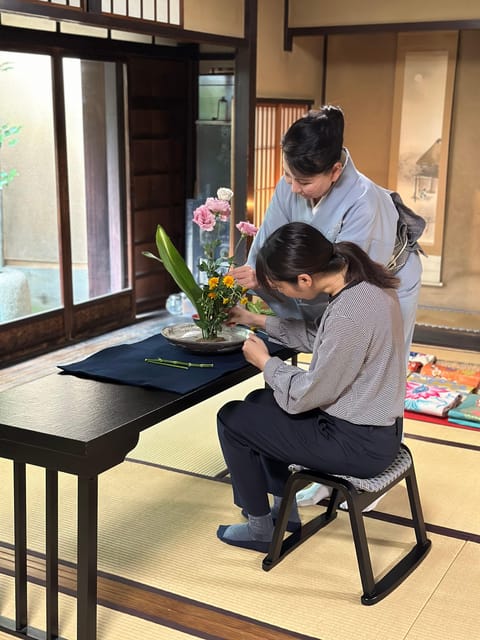
The session is guided by an ikebana master, and you’ll build an arrangement while receiving direction. Expect it to be practical: your hands do the work, and the instructor helps you shape the design so it looks balanced and intentional, not random.
One small reality check: because this is focused on beginners, the class may not feel like a long lecture full of rules. If you are the type who wants every concept named and explained in depth, treat your questions like part of the lesson, and speak up when something feels unclear.
Meet the Ikebana Master: How Conversation, Translation, and Guidance Work
One of the highlights here is meeting and conversing with an ikebana master. That matters because ikebana is subtle, and the difference between an arrangement that looks pretty and one that looks right often comes down to small decisions.
The instructor language is listed as English and Japanese. Still, it’s smart to know that not all staff members speak English, and an interpreter may be arranged. A translation device may also be used when necessary, so you are not left completely alone if language becomes a barrier.
What I’d recommend for best results is to go in with at least one question ready. For example, ask what the instructor is prioritizing in your arrangement, or what you should remember if you try ikebana again later. You’ll get more value if you use the conversation time, instead of only listening and hoping it clicks.
Also, be aware of teaching style. Some people prefer total independence, but ikebana instruction often includes adjustments to help the composition land correctly. If you notice the instructor moving stems or refining placement, that is usually part of guiding the final result.
Your Finished Arrangement, the Garden Backdrop, and Photo Time
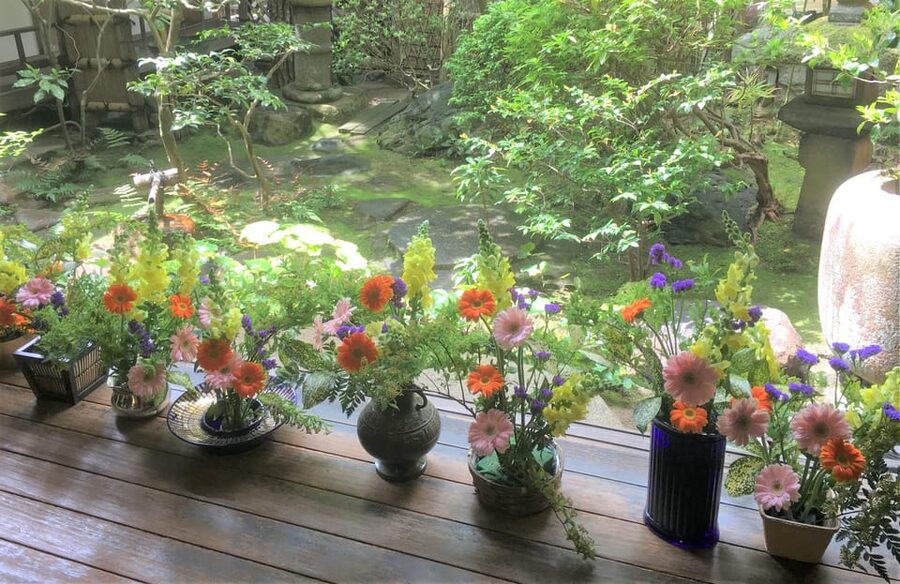
After you create your arrangement, your completed work is displayed in front of the garden. This is a simple detail with big impact. It turns the class from something you do and then forget, into something you can actually document in a setting that fits the art.
For photos, the garden display helps because it gives you a natural, Kyoto-appropriate background. You are not trying to photograph flowers indoors under harsh lighting or against a random wall. The arrangement is meant to be seen as a composed moment, and the timing at the end gives you the chance to capture it after the full guidance is done.
If you care about good pictures, give yourself a few minutes to pause and look before you shoot. In ikebana, the whole point is how the lines and spaces work together, so slight camera angle changes can make the arrangement look more graceful.
A different sort of day in Japan:
- Kyoto Geisha Walking Tour: Gion District & Hidden Gems
★ 4.7 · 3,273 reviews - Kyoto: Tea Ceremony Ju-An at Jotokuji Temple
★ 4.9 · 3,207 reviews - Kyoto: 45-Minute Tea Ceremony Lesson Experience
★ 4.3 · 2,378 reviews - Kyoto: Gion Geisha District Walking Tour – Stories of Geisha
★ 4.7 · 2,187 reviews
The Nishijin Lifestyle Museum Part: Why the 140-Year-Old Machiya Is More Than a Bonus
The ikebana class flows into a guided tour of the Nishijin Lifestyle Museum Tondaya. This is not just wandering around a pretty building. You are learning within the rooms, which makes the cultural context feel connected to what you already did with the flowers.
A machiya is a real Kyoto identity marker, and Tondaya is described as a cultural landmark. When the guide shares what the house is, what it held, and what the artifacts represent, you get a sense of why Japanese arts like ikebana grew in specific spaces and social rhythms, not in a vacuum.
This is also where the visit earns its “two-for-one” feeling. Even if you already know what ikebana is, the machiya tour is where you see the living environment that supports the art’s mindset: subtle beauty, respect for space, and a focus on harmony rather than loud effect.
Price and Time: Is $122 Per Person Good Value for 90 Minutes?
At $122 per person for 90 minutes, you are paying for three things: instruction, materials, and entry into the machiya museum experience. That matters because materials are included, so you are not paying extra for flowers or tools at the end.
The value question is really about expectations. If you want a short, friendly beginner class where you leave with a made arrangement and a guided cultural add-on, this price can feel fair. If you want a long, deeply explained course with heavy theory, or a big demonstration time, then 90 minutes may feel tight.
My best practical advice is to decide what kind of learning you want. For many first-timers, hands-on instruction plus a chance to ask questions is exactly what you need. For others, the session can feel less satisfying if they expected a longer lecture or a more extended demonstration from an experienced practitioner.
If you fall into the second group, go in ready to request extra explanation during the arranging portion. Since you are with an instructor in a private setting, you have more chances to steer the lesson toward what you want to understand.
Practical Tips That Make the Class Go Smoothly
Here are the small details that can make or break your comfort during a flower class in Kyoto.
First, wear socks. Bare feet are not allowed, and you should avoid stockings or tights. This is not just a rule for neatness. It helps you move comfortably inside the museum spaces where you will be seated, standing, and handling tools.
Second, arrive on time. The lesson has a set rhythm, and being late can compress the time you need to learn, ask questions, and finish your arrangement properly.
Third, plan for communication support. If you prefer English explanations, tell your guide what you want clarified. With an interpreter and translation device possible, you should be able to get your questions answered, but you will get better results if you ask rather than wait.
Who This Experience Is For (and Who Might Want a Different Style of Lesson)
This experience fits best if you:
- Want a beginner ikebana start with seasonal flowers and included tools
- Enjoy meeting artists and asking questions in a guided setting
- Care about Kyoto culture beyond the street photos, and want a machiya museum visit too
- Like that your finished work is displayed for photos in a garden setting
It may not be the best match if you:
- Need a very long, lecture-heavy theory format
- Want a long demonstration by a top practitioner before you touch anything
- Are very sensitive to having stems adjusted for balance, because teaching often includes corrections
If you are unsure which category you fall into, treat this like a “make something and learn the basics” class. You will still walk away with a real arrangement and a Kyoto setting that helps you understand why ikebana is not just decoration.
Should You Book This Ikebana at Tondaya?
If your goal is a hands-on beginner ikebana experience paired with a meaningful machiya museum visit, I think this is a strong choice. The combination is practical: you get instruction, supplies, and an end-to-end cultural experience in one place.
I’d book it if you are happy learning by doing, want a chance to talk with an instructor, and value the garden display that makes your effort worth photographing. I’d pause if you specifically want a longer theory breakdown or extended demonstration time, because 90 minutes will be geared toward creating and finishing, not spending the whole session on lectures.
FAQ
Where is the meeting point?
Meet at Tondaya – Nishijin Japanese Cultural Experience Museum, 697 Ishiyakushichō, Kamigyo Ward, Kyoto, Japan.
How long is the experience?
The experience lasts 90 minutes.
How much does it cost?
The price is $122 per person.
What is included in the fee?
Materials (flowers and tools) and an entrance fee are included.
Do I need to bring anything?
Yes. You should bring socks.
Are bare feet allowed?
No. Bare feet are not allowed, and socks are required. Please also refrain from wearing stockings or tights.
What languages are available during the lesson?
The instructor is listed as English and Japanese. If needed, an interpreter may be arranged, and a translation device may be used.
Is this a private group experience?
Yes, it is a private group.
Is there a minimum number of participants?
Yes. Reservations must be made for a minimum of two participants.
What is the cancellation policy, and can I pay later?
You can cancel up to 24 hours in advance for a full refund. You can also reserve now and pay later.
Newly listed around Kyoto
- Taste of Nishiki Market Walking Food Tour with Local guide★ 5.0 · 17 reviews
- Kyoto: Sushi Making Class with Sushi Chef★ 4.8 · 64 reviews
- Simple Plan with Maiko★ 4.4 · 10 reviews
- Shibori Furoshiki Course at Kyoto Shibori Museum★ 5.0 · 21 reviews
- Kyoto: City Secrets eBike Tour★ 4.9 · 196 reviews
- Sacred Pathways: Discover the Philosopher’s Path of Kyoto★ 4.9 · 20 reviews
- Private Tour to Monkey Park and Arashiyama Highlights★ 5.0 · 22 reviews
- Private Nara Tour from Osaka – Meet at Your Hotel★ 5.0 · 22 reviews
Kyoto Tours, compared.
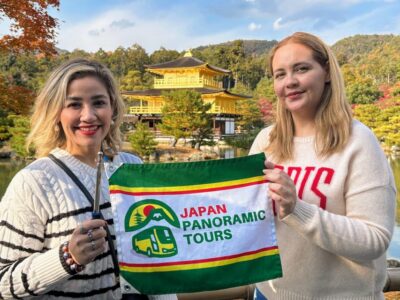
Fushimi Inari, Kinkakuji, Bamboo Grove 1 Day Bus Tour
Read our review →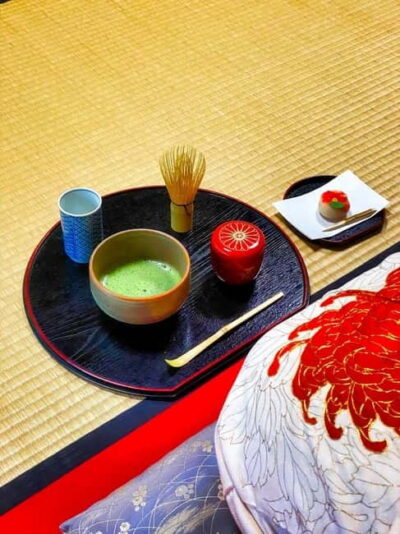
Tea Ceremony in a Traditional Tea House in Kiyomizu
Read our review →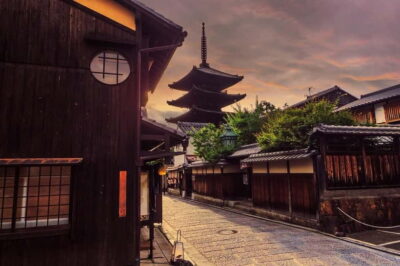
Kyoto Geisha Walking Tour: Gion District & Hidden Gems
Read our review →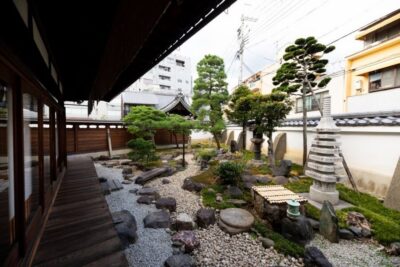
Gion Geisha District Walking Tour – Stories of Geisha
Read our review →