Review · KYOTO TOURS
Kyoto Private 7-Hour Hidden Gems Tour with a Local – Unscripted
Kyoto can feel like one long line of temples, but this private tour changes the rhythm. It’s built around a fully customized route and real flexibility, so you can steer toward what you care about most. I especially like the pre-trip questionnaire and direct back-and-forth with your host, which helps the day feel personal instead of pre-packaged.
One thing to think about before you book: this is primarily walking, and food plus attraction tickets are not included, so you’ll want comfy shoes and a plan for meals along the way.
In This Review
- Key Points Worth Your Time
- How a private Kyoto route gets tailored to you
- Sanjo-ohashi Bridge and the old Tokaido road connection
- Machiya alleys, quiet lanes, and teahouse traditions explained
- A bright-lantern Shinto shrine with practical etiquette moments
- A locals’ public garden pause with seasonal timing
- A preserved cobblestone alley where old Kyoto still breathes
- Walking logistics, what’s included, and how to plan meals
- Price and value: is $251.52 per person worth it?
- Who should book this Kyoto local 7-hour tour?
- Should you book?
- FAQ
- How long is the Kyoto private tour?
- Is this a private tour or a shared group tour?
- Do you pick up from hotels?
- Is the tour mostly walking?
- Are food, drinks, or attraction tickets included?
- Where does the tour start and end?
- What is the cancellation policy?
Key Points Worth Your Time
- Tailor-made for your interests: You share must-sees and preferences, then your host shapes the day around them.
- Private, only your group: No mixed crowds, no waiting for strangers to find the meeting point.
- Flexibility built in: Your itinerary can shift as you discover what you actually like.
- A strong start at Sanjo-ohashi Bridge: You ease into Kyoto’s east-side story right away.
- A pacing mix of streets, shrines, gardens, and alleys: It avoids the all-temples-on-repeat feeling.
- You get local context, not just photos: Stops come with explanations and practical guidance.
How a private Kyoto route gets tailored to you
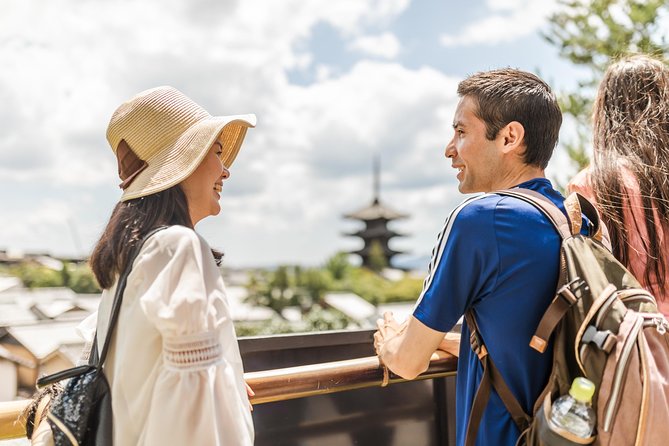
This tour works because the day is not locked in stone. After booking, you fill out a short questionnaire about your interests and “must-sees,” then your host reaches out to craft a route that fits your style. If you lean more historical, they’ll likely push you toward the city’s roads and old landmarks. If you care more about everyday Kyoto, you’ll spend more time in neighborhoods, side streets, and places with slower energy.
You also get what I call the anti-rigid benefit. Typical group tours move like clockwork, even when the interesting part is happening a few minutes farther down a quiet lane. With this setup, your host can adjust the order, slow down where you want, and skip what is not grabbing you that day.
It is also a nice value formula for the time you’re spending. At $251.52 per person for about 7 hours, you are paying for a private local guide, customization work, and direct planning support. If you have ever tried to “wing it” across Kyoto with multiple neighborhoods and lots of transit, you know that costs time and energy fast. This takes that friction out.
A few more Kyoto days to weigh up
- PERFECT KYOTO 1-Day Bus Tour
★ 5.0 · 13,518 reviews - Kyoto: Fushimi Inari, Kinkakuji, Bamboo Grove 1 Day Bus Tour
★ 4.8 · 4,316 reviews - Kyoto: Tea Ceremony in a Traditional Tea House in Kiyomizu
★ 4.9 · 3,519 reviews
Sanjo-ohashi Bridge and the old Tokaido road connection
You meet at Starbucks Coffee at the Kyoto Sanjo-ohashi Bridge area, so the day starts with an easy landmark. From there, your host takes you through a route shaped around your interests, beginning with a historic crossing over the Kamo River. This bridge is more than a photo stop. You’ll likely hear how it fit into travel patterns back in the Edo period, including its connection to the old Tokaido Road, Kyoto’s long-standing link in the larger Japan story.
That context matters because it turns “a bridge and river” into a way to read the city. Kyoto is full of small clues like that, and a good guide helps you notice them instead of just scanning for the next big gate.
A practical consideration: this bridge-and-east-side start is great for orientation, but it can also mean early walking in daylight or weather depending on your start time. Bring the basics. Comfortable shoes, a hat if it is sunny, and a compact umbrella if the forecast looks shaky. Kyoto weather loves to change its mind.
Machiya alleys, quiet lanes, and teahouse traditions explained
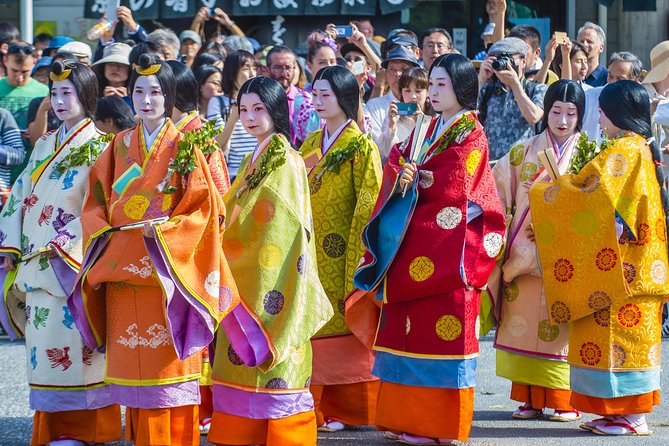
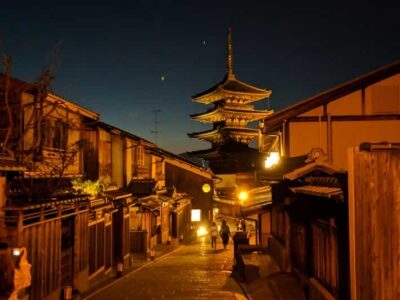
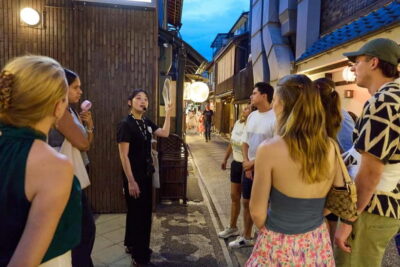
One of the most rewarding parts of Kyoto is the texture, the details you only get when you slow down. Your tour includes an atmospheric neighborhood known for wooden machiya townhouses, quiet stone alleys, and traditional teahouses. Your host can guide you through lesser-known paths, the kind that feel like Kyoto after you stop chasing major sights.
You’re not just walking past beautiful architecture. You get cultural context too. Depending on your interests, your host may explain geiko traditions and how they fit into the local world. That’s useful even if you’re not planning to attend any performance. Understanding the cultural “why” helps you stop treating these places like set dressing.
Potential drawback: the charm here is also the challenge. Narrow alleys and stone lanes can mean uneven footing, and popular teahouse areas can draw visitors. Your host can adjust your path based on what you like and what the streets are like that day, but you should still expect a true walking vibe, not a slow roll in a vehicle.
What to do with this stop: if you enjoy photography, this is a great time to ask your host where the street angles feel most Kyoto. If you prefer history, ask how the neighborhood’s old house style relates to the city’s layout and daily life. You’ll get more out of it than simply taking pictures.
A bright-lantern Shinto shrine with practical etiquette moments
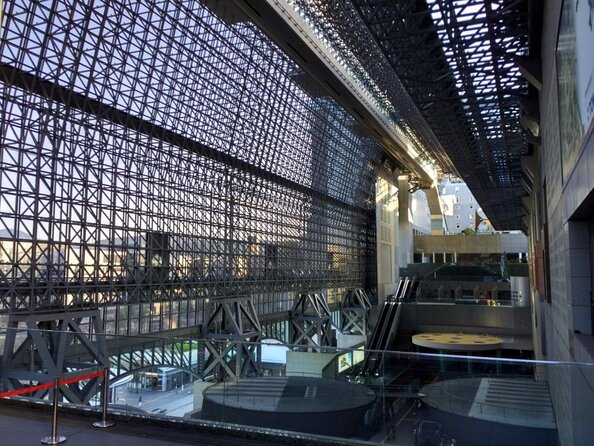
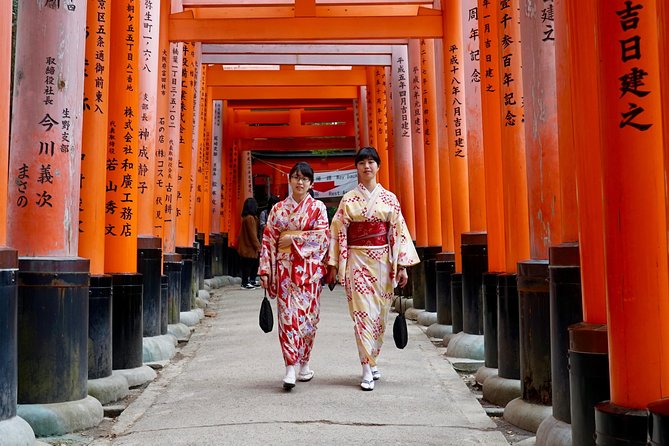
Next comes a Shinto shrine that’s open to all and known for bright lanterns and seasonal festivals. This stop has an inviting energy, and your host may show you how purification rituals work. Even if you’ve seen shrine steps in other cities, doing it here with a guide is different. Kyoto tends to do etiquette with extra care, and a quick lesson helps you feel confident rather than awkward.
You may also visit tranquil sub-shrines, which is one of those subtle benefits of having a local steer the day. Big shrines get attention. Sub-shrines often feel like the city taking a quiet breath.
A note on expectations: shrine time can be as short or as long as you want. If you’re the kind of traveler who likes reading and pausing, you’ll probably linger. If you want to keep the pace and move on, your host can help you hit the key areas without turning the tour into a long sit.
If you want the best experience here, lean into questions. Ask what the lanterns symbolize, when festivals typically feel busiest, or how purification fits into a visitor’s first steps. Your host can tailor the explanations to your curiosity level.
A different sort of day in Japan:
- Kyoto Geisha Walking Tour: Gion District & Hidden Gems
★ 4.7 · 3,273 reviews - Kyoto: Tea Ceremony Ju-An at Jotokuji Temple
★ 4.9 · 3,207 reviews - Kyoto: 45-Minute Tea Ceremony Lesson Experience
★ 4.3 · 2,378 reviews - Kyoto: Gion Geisha District Walking Tour – Stories of Geisha
★ 4.7 · 2,187 reviews
A locals’ public garden pause with seasonal timing
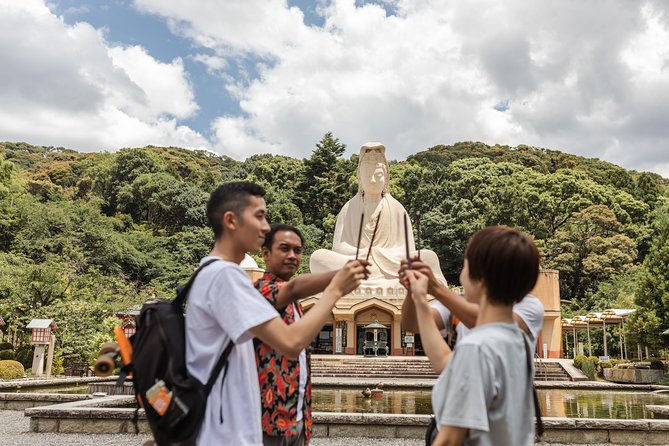
Kyoto has official gardens, and it also has public spaces locals actually enjoy. This tour includes a spacious public garden beloved by locals, especially during cherry blossom season. You’re guided through tree-lined walkways, reflective ponds, and shaded benches, which gives you a real mental reset in the middle of a walking day.
I like garden stops on city days because they break the “eyes only” mode. Shrines and alleys ask you to look and learn. Gardens ask you to breathe and regroup. It also helps if you’re traveling with anyone who needs breaks, because the garden naturally slows the pace without feeling like you’re abandoning the trip.
Since your host knows your interests, this is also where the tour can turn practical. You might plan a casual snack stop here (food is not included, but the garden’s layout usually makes it easy to take a breather). Even if it is not cherry blossom season, reflective ponds and shaded paths still do their job.
Potential drawback: public gardens can mean crowds during peak seasons. The value of a private tour is that you can shift your timing slightly if your host can see the flow of people, and you’re not stuck in a rigid group schedule.
A preserved cobblestone alley where old Kyoto still breathes
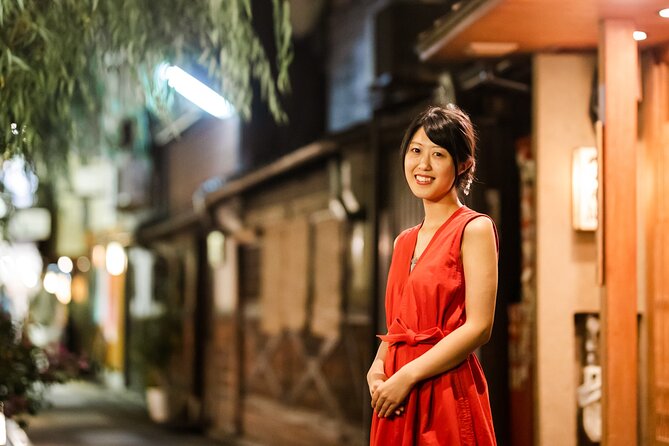
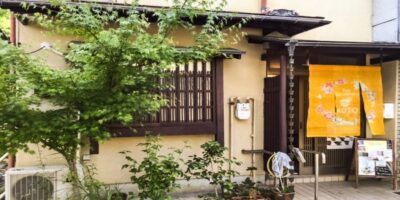
To close out the “Kyoto texture” part of the day, your tour includes a beautifully preserved cobblestone alley hidden in central Kyoto. It’s lined with traditional inns (ryokan) and features secluded gardens, giving you a glimpse into the city’s old-world charm without the pressure of doing a checklist.
This stop is great because it feels like a Kyoto transition zone. After you’ve learned about travel history, shrine etiquette, and neighborhood architecture, the alley gives you a quieter “now” view of how that old style still exists. It’s also a strong place to slow down, because alleys like this reward patience more than speed.
A practical tip: keep your camera ready but don’t block foot traffic. Cobblestones can be slippery when wet, and narrow lanes make it easy to get in other people’s way. Your host can help you find spot-by-spot angles without turning the visit into a photo traffic jam.
Walking logistics, what’s included, and how to plan meals
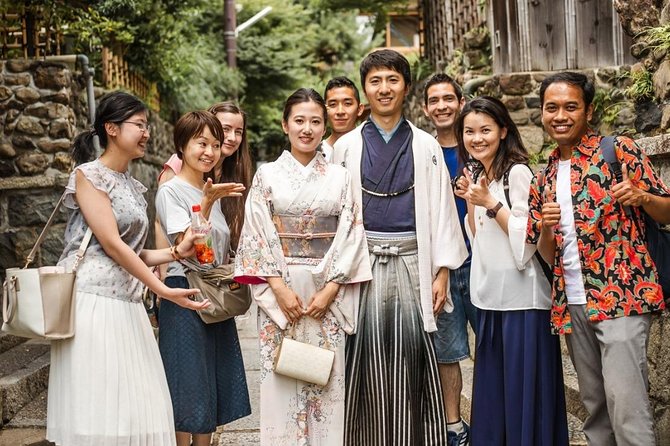
This is a walking experience, and a private vehicle is not included. Your tour includes hotel pickup if you stay in a centrally located hotel, and your host can also use public transportation or local taxis to transfer between sites if needed. If transit or taxi costs come up, you can discuss exact transportation costs with your host after reservation details are finalized.
What this means for you is simple: wear the shoes you trust. Kyoto streets can be uneven, and stone alleys do not forgive flimsy soles. If you plan to do this tour on top of other sightseeing, don’t stack back-to-back long days unless your legs are feeling brave.
Here’s what you should expect to cover yourself:
- Food and drinks are not included
- Attraction tickets are not included
- Gratuities are optional
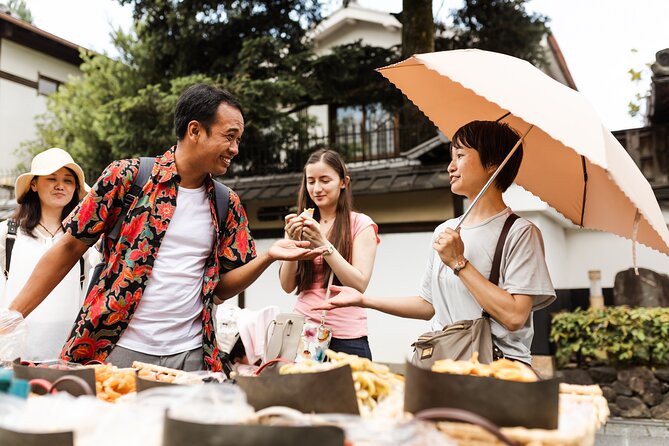
That is not a deal breaker. In fact, it gives you flexibility. You can stop for what you actually want, not what the tour operator assumes you should eat. If you have a dietary need, tell your host early so they can steer you toward easier options nearby, then you can handle ordering yourself.
One more practical detail: the tour uses mobile tickets and confirmation comes at booking. Start times are flexible, too, so if you prefer a morning start to beat the day’s heat, you can often choose it when booking.
Price and value: is $251.52 per person worth it?
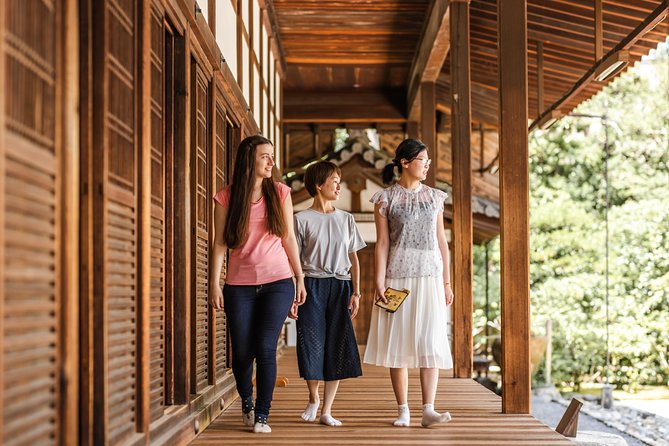
Let’s do the honest math in travel terms. You are paying for:
- A private guide for about 7 hours
- Tailoring through a pre-tour questionnaire and direct communication
- Flexibility to adjust as you explore
- Hotel pickup from a centrally located hotel
- Insider tips during the walking route
If you love structure, you might think you can get by cheaper with self-guided transit and a guidebook. You can, but you’ll spend more time figuring out “what next” and more energy navigating across neighborhoods. In Kyoto, that planning work adds up.
If you love conversation, context, and pacing you control, this price starts to make sense fast. A private host can also save you from wasting time in the wrong place for your mood. And that’s the real value. The tour is not just about seeing sites. It is about seeing the right things in the right order for you.
Also consider the demand signal: this tour is booked about 106 days in advance on average. That usually means people like the format, and guides get booked. If Kyoto is busy during your dates, plan early.
Who should book this Kyoto local 7-hour tour?
I think this tour is a great match if:
- You want a private day and hate the feeling of being rushed
- You like local context, not just landmark photos
- You want a mix of big-name Kyoto atmosphere and quieter streets
- You enjoy flexibility, especially in a city as layered as Kyoto
It may not be the best fit if:
- You need lots of scheduled sitting time
- You want a car-based itinerary with minimal walking
- You expect food and attraction tickets to be covered
One more thought. A recent group was guided by Masaya, and the feedback highlighted his personalized approach, extensive knowledge, and excellent English. That kind of guide quality is exactly what makes the custom part work. The tailoring only matters if your host can explain what you’re seeing clearly.
Should you book?
Book it if you want Kyoto to feel like a day with a smart local friend who can read your interests and adjust on the fly. The walking format also makes the day feel real, because you see how neighborhoods connect at street level, not just from a bus window.
Skip it if you’re planning a tight itinerary with limited mobility, or if you want a tour that handles food, tickets, and transport costs for you.
If you do book, do two things. Share your interests honestly in the questionnaire, and tell your host your walking comfort level. That combination usually turns a good Kyoto day into a memorable one.
FAQ
How long is the Kyoto private tour?
It’s about 7 hours.
Is this a private tour or a shared group tour?
This is a private tour, so only your group participates.
Do you pick up from hotels?
Hotel pickup can be arranged from centrally located hotels, and pickup is offered.
Is the tour mostly walking?
Yes, it’s primarily a walking experience. A private vehicle is not included, though public transportation or local taxis may be used between sites for an additional cost.
Are food, drinks, or attraction tickets included?
No. Food, drinks, and tickets to attractions are not included.
Where does the tour start and end?
It starts at Starbucks Coffee at Kyoto Sanjo-ohashi Bridge, and it ends back at the same meeting point.
What is the cancellation policy?
Free cancellation is available up to 24 hours in advance for a full refund. If you cancel less than 24 hours before the start time, the amount paid is not refunded.
Newly listed around Kyoto
- Zen Meditation for Life in Kyoto★ 5.0 · 10 reviews
- Kyoto: Zen Meditation at a Private Temple with a Monk★ 5.0 · 25 reviews
- Kyoto Private Customizable Day Tour with Guide and Vehicle★ 5.0 · 52 reviews
- Private Wagyu Beef Tour with a Local Guide★ 5.0 · 6 reviews
- Kyoto: Gion Geisha District & Sake-in-Hand Walking Tour★ 5.0 · 37 reviews
- Your Private Vacation Photography Session In Kyoto★ 5.0 · 110 reviews
- Private Guided Traditional Buddhist Cooking in Japan★ 5.0 · 16 reviews
- Private Pewter Sake Cup Experience with a Kyoto Artisan★ 5.0 · 31 reviews
Kyoto Tours, compared.
Fushimi Inari, Kinkakuji, Bamboo Grove 1 Day Bus Tour
Read our review →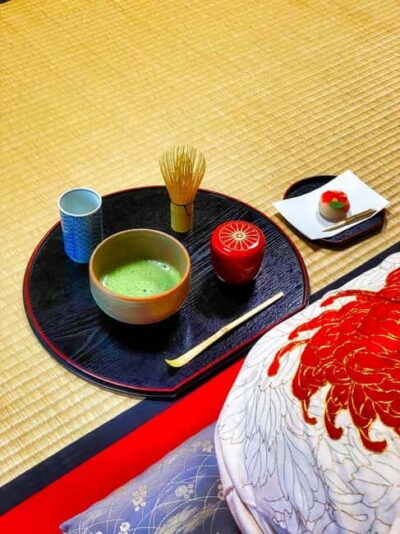
Tea Ceremony in a Traditional Tea House in Kiyomizu
Read our review →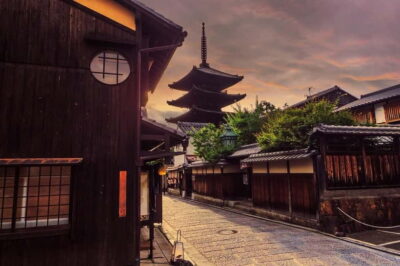
Kyoto Geisha Walking Tour: Gion District & Hidden Gems
Read our review →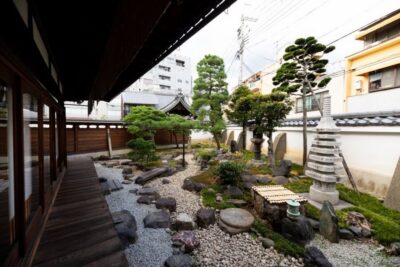
Gion Geisha District Walking Tour – Stories of Geisha
Read our review →