
Review · GEISHA DISTRICT WALKS
KYOTO: Tempio Kiyomizu Pagode Gion “Geisya” (Guida Italiana)
Kiyomizu-dera feels personal with the right guide. This 5-hour walk in Italian takes you along ancient pilgrimage streets up to Kiyomizu-dera and then through Gion, with the guide explaining what you are seeing as you go. I like that the price includes transport plus entrance tickets, so you spend less time figuring out logistics and more time looking around.
Main thing to consider: the streets near the temples and in old-town areas can get crowded, and you are on your feet for a good chunk of the day. If you are sensitive to crowds or want lots of quiet time, you may want to plan your pace carefully.
In This Review
- Key Highlights You’ll Enjoy
- Italian Guidance for Kiyomizu-dera and Gion, It Makes Kyoto Make Sense
- Kyoto Station Meeting Point and How the 5 Hours Really Work
- The Trip Up to Kiyomizu-dera, and Why the Route Matters
- Kiyomizu-dera Area Strolls: Sannenzaka and Ninenzaka
- Gion and the Kyōto Minami-za Pass: From Temple to Old-Geisha District Mood
- Ending at Pontocho: Where Your Half Day Naturally Transitions
- Price and Value: Is $117 Worth It?
- Who Should Book This Tour, and Who Might Want Another Option
- Should You Book the Kiyomizu-dera and Gion Geisya Walk?
- FAQ
- What is the duration of the tour?
- What language is the guide speaking?
- Where do I meet the guide?
- What does the price include?
- How long do I spend at Kiyomizu-dera and Gion?
- Is the itinerary flexible?
- Where does the tour end?
- Is there free cancellation?
Key Highlights You’ll Enjoy
- Italian live guidance for questions as you walk
- Transport and entrance tickets included in the $117 price
- Ancient pilgrimage route feel, from the 8th century to today
- Short, timed stops that keep the visit moving without feeling rushed
- Gion + Pontocho finale, so you end where Kyoto nightlife starts
- Flexible pacing on request, as far as possible
Italian Guidance for Kiyomizu-dera and Gion, It Makes Kyoto Make Sense
Kyoto can be confusing fast if you do not speak the language or know the basics. This tour uses a native Italian guide, and that changes everything. You are not just walking from landmark to landmark. You are getting historical, cultural, and religious context along the pilgrimage route, then asking questions while you are still standing in the exact spot where the story matters.
I especially like that the guide is described as both friendly and accurate, with Italian that is proper and easy to follow. In other words, you are not stuck with vague commentary. You get explanations you can actually use, and you can react in real time.
One more practical win: the itinerary includes time for walking between areas, so you are not trapped in a bus the whole time. You cover Kiyomizu-dera, then you shift into the old-street mood of Sannenzaka and Ninenzaka, and finally you move into Gion and end at Pontocho.
Compare these Geisha District walks in Kyoto:
- Kyoto Geisha Walking Tour: Gion District & Hidden Gems
★ 4.7 · 3,273 reviews - Kyoto: Gion Geisha District Walking Tour – Stories of Geisha
★ 4.7 · 2,187 reviews - Best of Kyoto: Gion, Geisha, Pagodas & Cobblestones
★ 4.9 · 2,058 reviews
Kyoto Station Meeting Point and How the 5 Hours Really Work
You start at Kyoto Station, North Entry (Karasuma-Guchi). The meeting spot is very specific, which is great once you know what to look for: it is in the space between the four escalators in front of the cab terminal, toward the east just outside the central north entrance. From there you can see Kyoto Tower at the top left, which is an easy visual anchor if you arrive a bit early.
You also get an email confirmation by the day before the tour, detailing the meeting point. That helps a lot because Kyoto Station is big, and you do not want to waste your only good walking morning searching around.
Timing-wise, the tour is 5 hours with a simple flow:
- a short bus ride (about 15 minutes) to begin the temple area,
- then a walking sequence with multiple brief segments,
- and finally a pass-by and finish near Pontocho.
If you want a slower pace, the tour offers flexible itineraries and schedules on request, as far as possible. That means you can ask, not just hope.
The Trip Up to Kiyomizu-dera, and Why the Route Matters
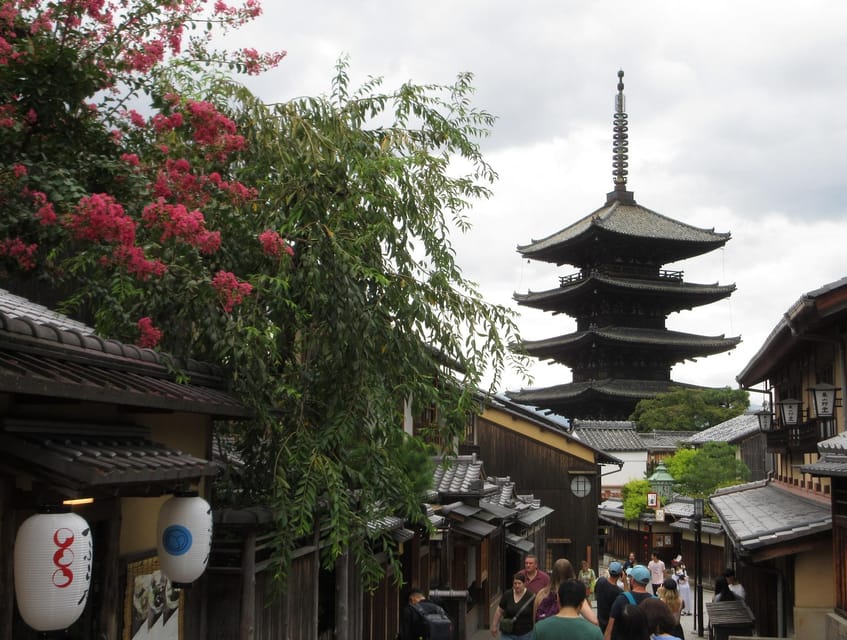
You do not just reach Kiyomizu-dera and leave. The experience is built around the ancient pilgrimage route that developed from the 8th century to the present. That matters because the area is not only the temple itself. It is the approach: the streets, the shopfront energy, and the way the city funnels you toward a spiritual focal point.
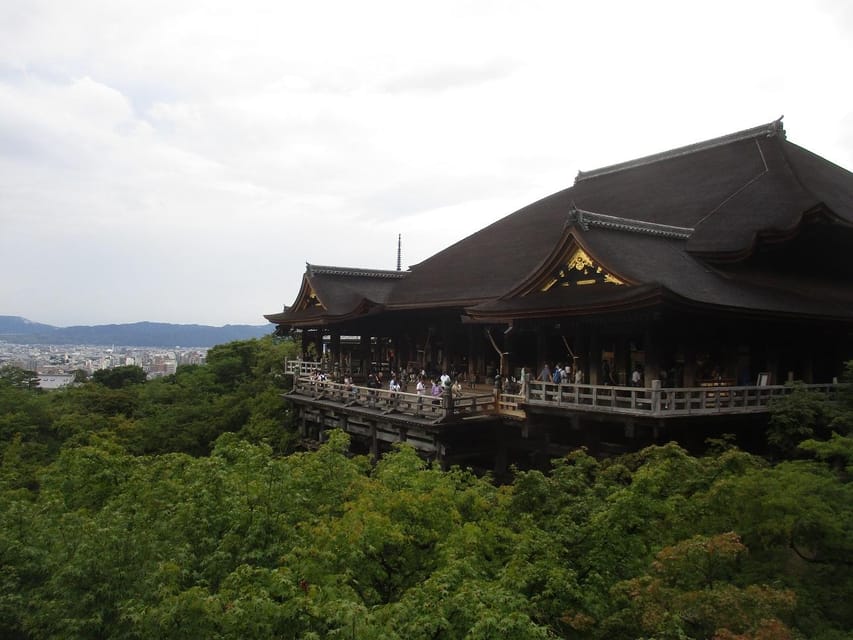
After the bus ride, you get your main guided visit at Kiyomizu-dera for about 1 hour. This is your core temple time, with sightseeing and a guided walkthrough so you can connect the details to the setting. Even if you have read about the site before, having it explained in Italian while you are there tends to make the visit click faster.
You are also walking through streets lined with souvenir and sweet shops and cafes. That is part of the atmosphere here. It is a place where visitors are meant to browse and pause, not just rush to photos.
Practical tip: wear comfortable shoes. You will cover several short walking stretches throughout the day, and the temple approach areas can feel busy.
Kiyomizu-dera Area Strolls: Sannenzaka and Ninenzaka
After the Kiyomizu-dera time, you shift into two famous pedestrian lanes: Sannenzaka and Ninenzaka. These are short stops in the itinerary, but they still make a strong impression because the streets are designed for slow walking, browsing, and quick breaks.
Your schedule is tight but not frantic:
- Sannenzaka: about 3 minutes of walking,
- then Ninenzaka: about 2 minutes of walking,
- followed by a longer on-foot segment of about 15 minutes before you reach Gion.
That structure helps. You get just enough time to take in the old-street look, then you keep moving so you do not end up stuck in one area. If your goal is to see more than one “Kyoto face” in a single half day, this pacing fits well.
What I like about these stops is the variety. You go from temple context to old-street browsing culture, with shops and cafes along the way. Even if you do not buy anything, you still get the sensory sense of place that comes from walking the route.
Expect crowds at peak times, though. If you want quieter photos, you will have to use your timing and your guide’s pace.
A few more Kyoto days to weigh up
- PERFECT KYOTO 1-Day Bus Tour
★ 5.0 · 13,518 reviews - Kyoto: Fushimi Inari, Kinkakuji, Bamboo Grove 1 Day Bus Tour
★ 4.8 · 4,316 reviews - Kyoto: Tea Ceremony in a Traditional Tea House in Kiyomizu
★ 4.9 · 3,519 reviews - Kyoto: Tea Ceremony Ju-An at Jotokuji Temple
★ 4.9 · 3,207 reviews
Gion and the Kyōto Minami-za Pass: From Temple to Old-Geisha District Mood
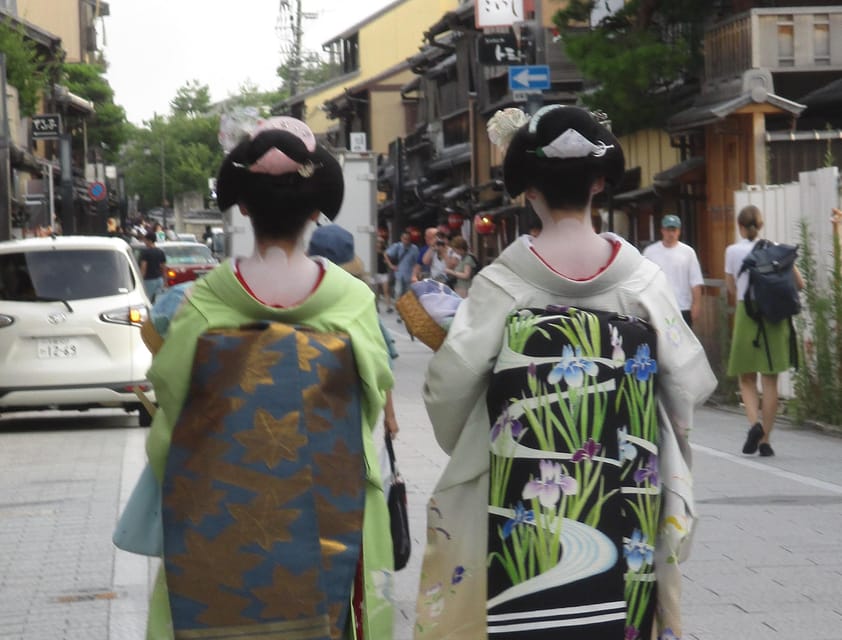
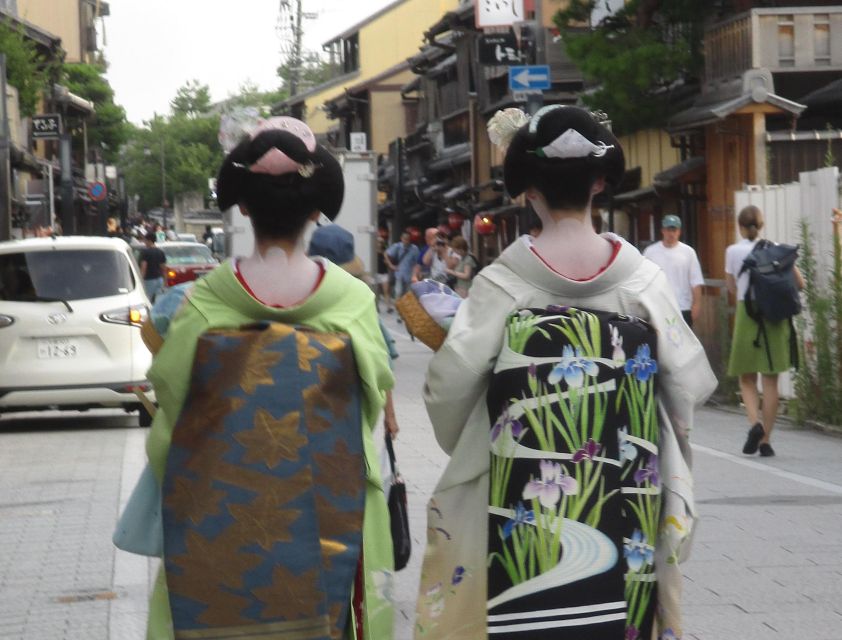
Next comes Gion, where the vibe changes from temple approach to historic district atmosphere. Your guided time in Gion is about 30 minutes, then you finish with a short pass by Kyōto Minami-za (about 3 minutes) before ending at Pontocho.
Even in a short stop, Gion can feel like Kyoto’s most recognizable layer. You get the feeling of tradition in the street layout and the way the neighborhood is used by visitors. The guide helps connect what you see to cultural context, so it is more than just pretty streets.
Kyōto Minami-za is passed by, not visited at length, so think of it as a “spot and move” moment. But it still helps you understand how much performing arts and culture sit alongside the sightseeing scene.
Practical travel advice: keep your phone charged. This part of the day is when you will want quick photos, and you will likely use maps and translation apps while you walk, even with a guide.
Also, because the tour is live-guided in Italian, you can ask for clarifications on what you see in Gion without waiting until the end.
Ending at Pontocho: Where Your Half Day Naturally Transitions
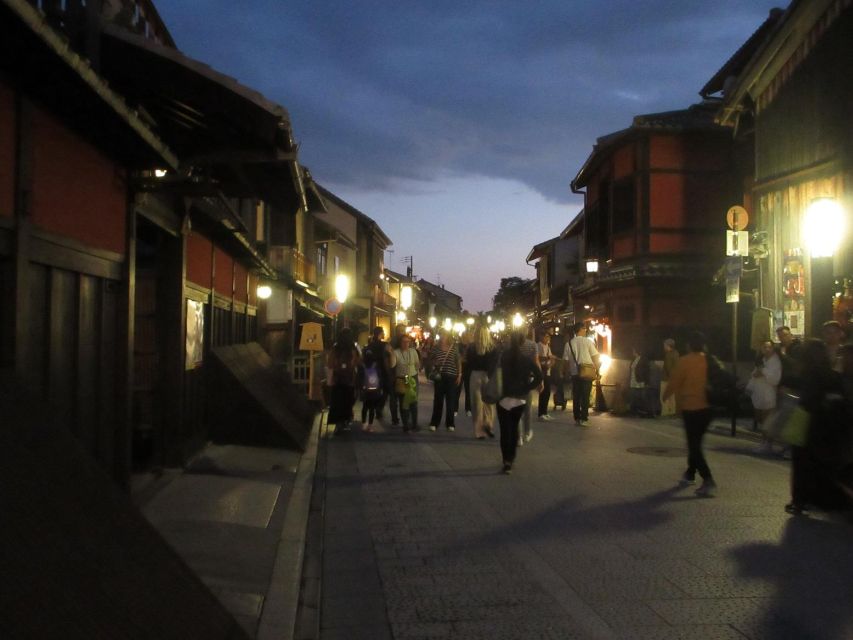
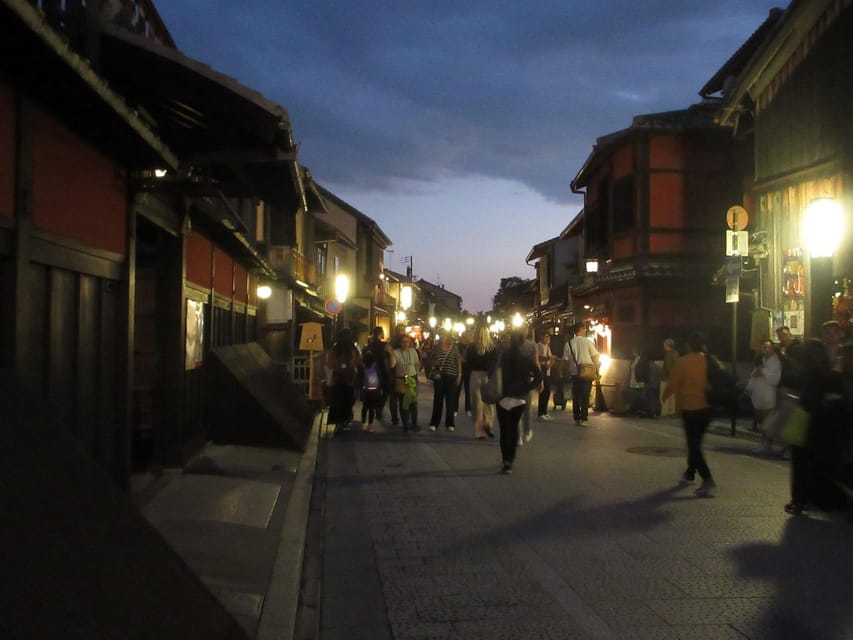
The tour finishes at Pontocho. That is a smart landing spot because Pontocho is known for its lively atmosphere, with lots of places to eat and wander after your tour ends.
You will not leave with a long lecture. You leave at the start of the evening mood. That means you can continue exploring on your own immediately, or you can stop for dinner nearby without having to travel again.
To keep your day easy, I suggest you come with a simple plan: decide in advance whether you want a casual bite or a sit-down meal. Since the tour ends in the middle of where you would want to be anyway, you do not need to waste time repositioning.
If you are the type who likes to keep momentum, Pontocho gives you that. If you prefer a slower evening, you can still use it as a base while you browse the area at your own pace.
Price and Value: Is $117 Worth It?
At $117 per person for a 5-hour experience, the value depends on what you would otherwise pay and how much you want help translating and interpreting. Here, the price includes transport and entrance tickets for the scheduled sites, which is a big deal in a city where “just one more train ride” can add time and cost.
What you are buying is not only access. You are buying:
- guided explanations in Italian,
- time efficiency with an organized route,
- and built-in walking segments that cover multiple neighborhoods.
If you plan to visit Kiyomizu-dera and then also spend time in Gion, doing it alone often means piecing together directions, paying separate entrance fees, and losing some of the context that makes temple sites meaningful. Paying for a guide can be worth it when the schedule is tight and the information gap is real.
I also like that the tour can be group or individual, depending on what you book. That can make the experience feel more personal if you get a smaller setup.
Bottom line: if you want a structured half day with less guesswork, this pricing looks reasonable for what you get.
Who Should Book This Tour, and Who Might Want Another Option
This is a great choice if you:
- prefer guidance in Italian rather than relying on app translations,
- want to see Kiyomizu-dera and Gion in one connected outing,
- like the idea of walking an approach route, not only standing at the main temple photo spot,
- and appreciate that the tour offers flexible pacing on request, as far as possible.
It may be less ideal if you:
- want an unstructured, slow temple day with lots of quiet time,
- have trouble with steady walking for several segments,
- or dislike busy tourist streets during peak hours.
If you are traveling as a couple, a small group, or solo, the live guide format still works well. And because the tour is listed as wheelchair accessible, it is worth considering if you need that support.
Should You Book the Kiyomizu-dera and Gion Geisya Walk?
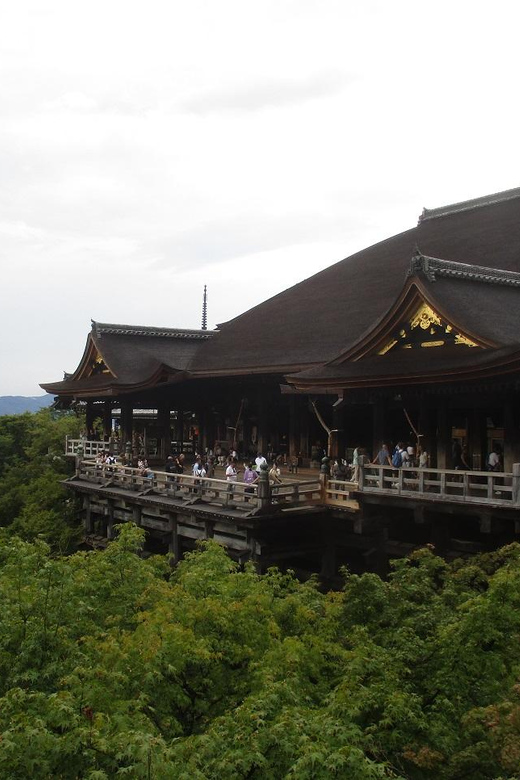
I would book this if you want a smooth half-day route with real context and minimal friction. The Italian guide is the star here. You are not just collecting photos, you are learning what the places mean as you move through them.
Book it if your priority is value and understanding. With transport and entrance tickets included, plus a guided plan that ends in Pontocho, you get a complete arc from temple pilgrimage streets to old-town atmosphere.
If your top priority is total quiet or deep time in one single site, then you might prefer a longer, slower visit on your own. But for many visitors, especially first-timers, this hits the sweet spot.
FAQ
What is the duration of the tour?
The tour lasts 5 hours.
What language is the guide speaking?
The live tour guide speaks Italian.
Where do I meet the guide?
Meet at Kyoto Station, North Entry (Karasuma-Guchi), in the space between the four escalators in front of the cab terminal, toward the east just outside the central north entrance.
What does the price include?
The price includes transport and entrance tickets for the monuments scheduled in the itinerary, plus the guided experience.
How long do I spend at Kiyomizu-dera and Gion?
Kiyomizu-dera is included with about 1 hour for visit and guided sightseeing. Gion includes about 30 minutes for visit and guided sightseeing.
Is the itinerary flexible?
The tour offers itineraries and flexible times on request, as far as possible, plus assistance if you need it during the itinerary.
Where does the tour end?
The tour ends in Pontocho.
Is there free cancellation?
Yes, free cancellation is offered up to 24 hours in advance for a full refund.
Newly listed around Kyoto
- Taste of Nishiki Market Walking Food Tour with Local guide★ 5.0 · 17 reviews
- Kyoto: Sushi Making Class with Sushi Chef★ 4.8 · 64 reviews
- Simple Plan with Maiko★ 4.4 · 10 reviews
- Shibori Furoshiki Course at Kyoto Shibori Museum★ 5.0 · 21 reviews
- Kyoto: City Secrets eBike Tour★ 4.9 · 196 reviews
- Sacred Pathways: Discover the Philosopher’s Path of Kyoto★ 4.9 · 20 reviews
- Private Tour to Monkey Park and Arashiyama Highlights★ 5.0 · 22 reviews
- Private Nara Tour from Osaka – Meet at Your Hotel★ 5.0 · 22 reviews
Geisha District Walks, compared.
Kyoto Geisha Walking Tour: Gion District & Hidden Gems
Read our review →
Gion Geisha District Walking Tour – Stories of Geisha
Read our review →
Best of Kyoto: Gion, Geisha, Pagodas & Cobblestones
Read our review →
Kyoto Night Foodie Tour in Gion (9+ dishes + 6 Sake tastings)
Read our review →
Kyoto Gion Geisha District Walking Tour – The Stories of Geisha
Read our review →
Gion Magical Night Walking Tour with Geisha Insights
Read our review →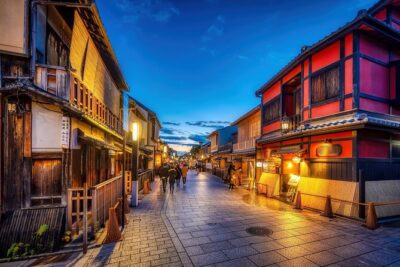
Kyoto Gion Night Walk & Geisha District Guided Tour
Read our review →Browse the lists this tour appears in