Review · KYOTO TOURS
Making Fresh To-fu from soybeans in Kyoto
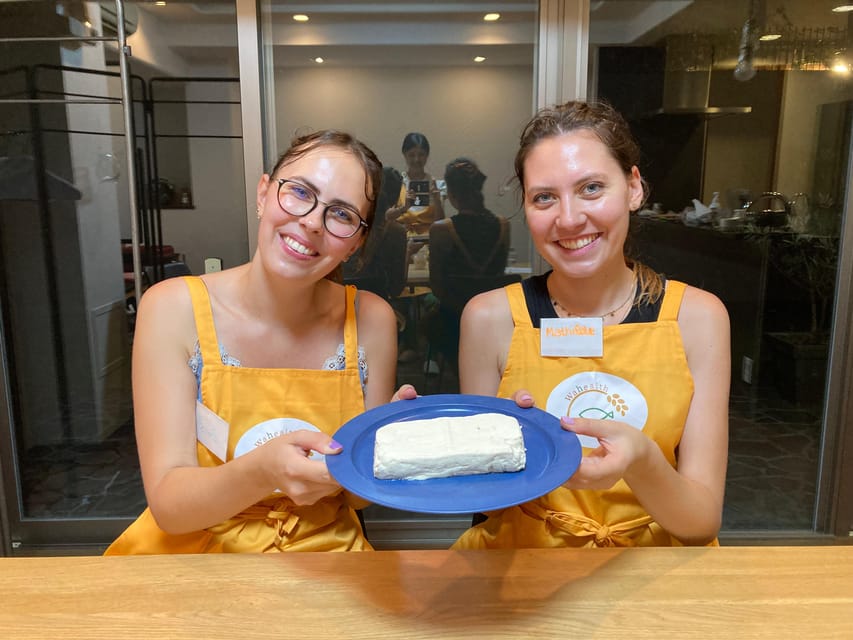
Kyoto has a way of making food feel personal. A tofu masterclass from soybeans to the table is one of the most hands-on, small-group ways to see how Japanese tofu really tastes.
What I like most is that you start with soybeans and follow the steps closely enough to understand why Japanese tofu feels different. You also get to eat it right away, including tasting it plain before anything else gets involved. One thing to consider, though: it is not a big show. Expect a compact setting and a serious, practical workflow over a fancy spectacle.
The class is 90 minutes and capped at 6 people, so you are not lost in a crowd. You’ll have time for questions, and you’ll get guided through the differences you’ll notice between machine-made tofu and hand-made tofu. The main drawback is simple logistics: the meeting point is specific (an elevator, third floor, doorbell 302), so arrive a few minutes early and plan to slow down at the start.
In This Review
- Key things to know before you go
- Why Japanese tofu feels different, and why this class matters
- Your 90 minutes in Kyoto: what the flow really looks like
- Soybeans to tofu: the core production lesson
- Tasting plain tofu first, then four ways to eat it
- Soymilk and oboro-dofu: snacks that teach you the process
- Price and value: is $56 worth 90 minutes?
- Where to meet and how to show up smoothly near Shijo or Karasuma
- Who this workshop is best for
- Dietary needs: gluten-free, vegan, halal-friendly, and allergy-aware
- The practical takeaway for your future Kyoto meals
- Should you book this Kyoto tofu workshop?
- FAQ
- How long is the Kyoto tofu-making class?
- How much does it cost?
- Where do I meet the instructor?
- How close is it to public transit?
- What languages are used during the class?
- How many people are in a group?
- What is included in the experience?
- What else will I taste during the process besides tofu?
- Are meals and drinks included?
- Can dietary restrictions be accommodated?
- What is the cancellation policy and payment option?
Key things to know before you go
- You make tofu from soybeans, not from a ready mix, so you learn the core process and flavor origin.
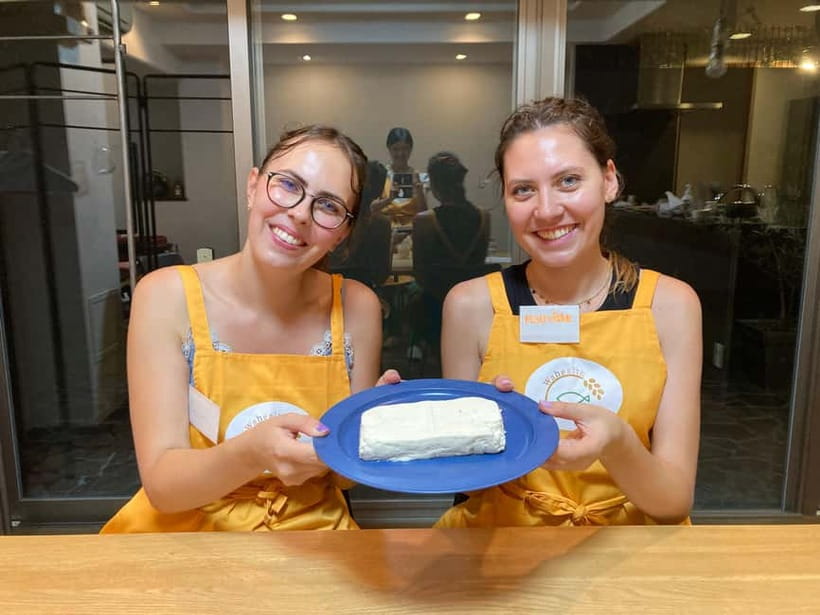
- First taste is plain, so you can actually notice what makes Japanese chilled tofu different.
- Soymilk and oboro-dofu are part of the production process and get included for tasting.
- Four tofu dishes are prepared using the tofu you make, so you get multiple eating styles.
- Small group size (up to 6) keeps it interactive, not like a lecture.
- Easy access from Shijo or Karasuma makes it a realistic add-on to a busy Kyoto day.
Why Japanese tofu feels different, and why this class matters
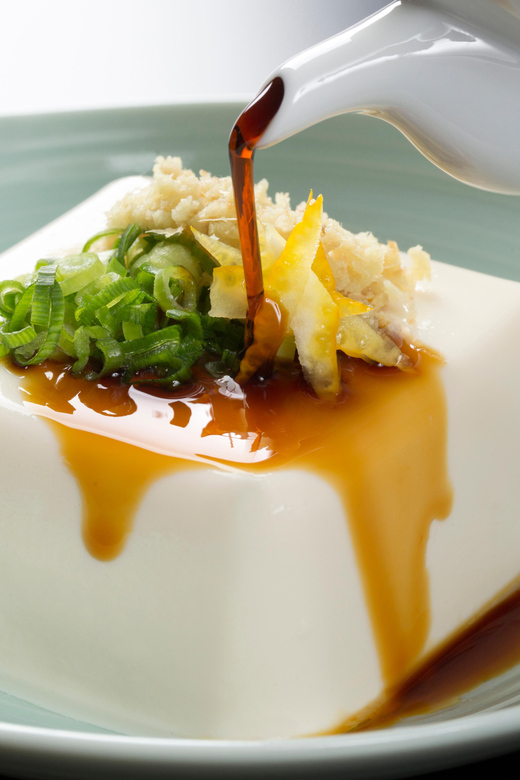
If you’ve tried tofu in many countries, you probably know it as a cooking ingredient. It often shows up in stir-fries and stews, where it plays its supporting role. Japanese tofu is different. In Japan, tofu is commonly eaten chilled as is, or used in places like miso soup where the texture matters.
This workshop connects the dots the right way. You’re not just tasting a finished product. You’re learning why the tofu ends up thicker and tastier when it’s made by hand. That matters for your meals after the class, because you’ll start to understand what to look for when you’re shopping, and how to treat tofu on your own plate.
And the value is not only educational. The first bite is meant to be honest. You taste your tofu without extra seasoning so you can map the flavor to the process. That plain taste is where the lesson really clicks. If you only eat tofu dressed up, you miss the signal.
A few more Kyoto days to weigh up
- PERFECT KYOTO 1-Day Bus Tour
★ 5.0 · 13,518 reviews - Kyoto: Fushimi Inari, Kinkakuji, Bamboo Grove 1 Day Bus Tour
★ 4.8 · 4,316 reviews - Kyoto: Tea Ceremony in a Traditional Tea House in Kiyomizu
★ 4.9 · 3,519 reviews
Your 90 minutes in Kyoto: what the flow really looks like
The class is designed to feel like a guided production run, not a performance. You’ll spend about 90 minutes learning how soybeans turn into tofu, and how Japanese people eat it. The instructor guides you through differences between soybeans and the way tofu is made from them.
Here’s what that usually means in practice. You’ll go step by step, with enough explanation that you can follow along, but not so much theory that you lose the thread. The pace also leaves room for questions, which is important in a food class because everyone’s curious about something different, like texture, timing, or ingredient choices.
A nice detail in the format is that you aren’t only waiting for tofu to finish. The process itself creates tasting moments, including soy milk and oboro-dofu. Those additions help you understand tofu as a family of related foods, not a single bland block.
And yes, it is hands-on. This is the kind of workshop where you learn by doing, so you end up with a stronger memory than you would from watching a video.
Soybeans to tofu: the core production lesson
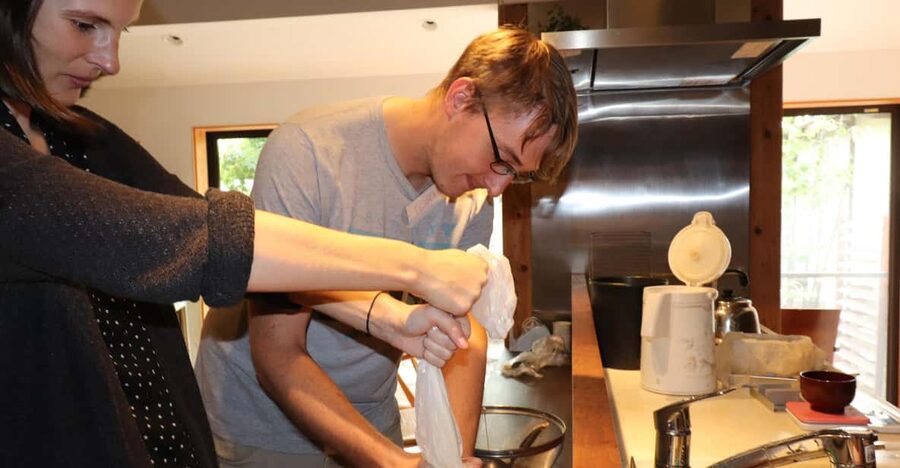
Tofu starts with soybeans, but that’s not just a starting point for marketing. In a Japanese tofu context, the soybean choice and the process steps influence how the final curds set and how the tofu holds together.
In this masterclass, you’ll learn about the soybean differences and the method used to make tofu from soybeans. The goal is to help you recognize the flavor you get from a more traditional, thicker, hand-made style. That is the contrast that people notice immediately when they compare machine-made tofu to what’s made by hand.
Why this matters for your trip: Kyoto has plenty of tofu shops and set meals, but it can be hard to tell what you’re tasting. After this class, you’ll be more likely to notice texture and subtle flavor differences. You’ll also have a better sense of what “chilled tofu” is really about, since you’ve experienced that plain, immediate taste once already.
Also, since you’ll be making it yourself, you’ll understand that tofu is not instant. You can’t rush it without noticing. That makes the food feel more respectful when you order it later.
Tasting plain tofu first, then four ways to eat it
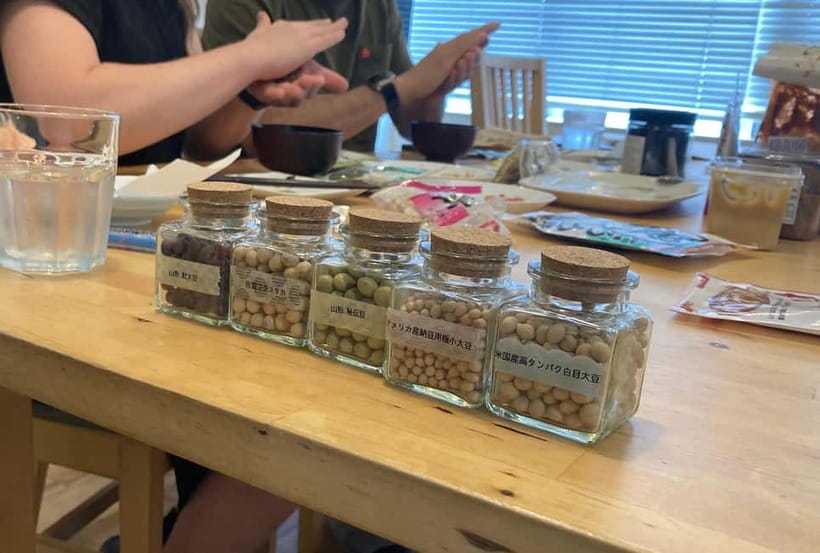
The class is built around a simple but smart idea: taste your tofu in stages. First, you try the tofu without seasoning. That gives you the baseline taste.
Once you know the base, the workshop moves into four different tofu dishes made with the tofu you produced. That is where Kyoto food literacy kicks in. Japanese cuisine often treats ingredients with care, letting the ingredient speak. These dishes are designed to show you that tofu can be handled in multiple ways, not only as a bland side.
What I like about this approach is that it prevents the common food-tour problem where you only taste sauces and never learn the ingredient. Here, you taste the tofu itself, then you taste it in context.
You also get a better feel for texture. Fresh tofu can be firm, creamy, and delicate at the same time, depending on how it’s prepared. When you taste multiple dishes using the same batch, you can connect the dots fast.
A different sort of day in Japan:
- Kyoto Geisha Walking Tour: Gion District & Hidden Gems
★ 4.7 · 3,273 reviews - Kyoto: Tea Ceremony Ju-An at Jotokuji Temple
★ 4.9 · 3,207 reviews - Kyoto: 45-Minute Tea Ceremony Lesson Experience
★ 4.3 · 2,378 reviews - Kyoto: Gion Geisha District Walking Tour – Stories of Geisha
★ 4.7 · 2,187 reviews
Soymilk and oboro-dofu: snacks that teach you the process
If you like food that rewards curiosity, this part is a highlight. As the tofu is produced, you get to enjoy soymilk and oboro-dofu that are made during the production process.
So should you skip this class if you only care about tofu blocks? You shouldn’t. The reason is that soymilk and oboro-dofu show you other outcomes of the same raw materials. They help you understand how tofu-making can stretch beyond one final form.
It’s also a practical, tasty break in the workflow. You’re not waiting for the end to enjoy the experience. You keep learning through what you eat along the way.
Price and value: is $56 worth 90 minutes?
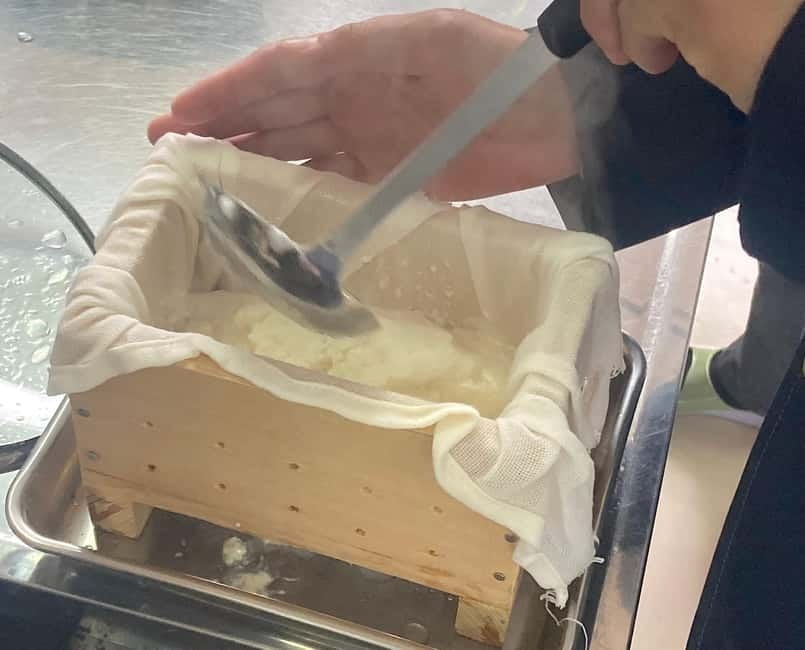
At $56 per person for a 90-minute, small-group hands-on masterclass, you’re paying for more than food. You’re paying for a guided process that turns soybeans into multiple tasting experiences, including fresh tofu, soymilk, oboro-dofu, and four tofu dishes.
For value, here’s the key question: do you want to understand tofu, or just eat tofu? This class is for the first crowd. If you’re the kind of traveler who likes to buy ingredients in markets, cook sometimes, or simply wants to order with confidence later, the value makes sense.
You also get a limited group size, which usually means more attention. That matters in a hands-on class, because you’ll benefit from being able to ask questions and follow steps without guessing.
One cost consideration: meals and drinks other than the tofu tasting are not included. So plan your day accordingly. This works best as a structured food activity, not something you do while expecting a full meal outcome.
Where to meet and how to show up smoothly near Shijo or Karasuma
Location is Honshu, Japan, and access is simple. You’re within about a 10-minute walk from Shijo Station or Karasuma Station. That makes it easy to pair with other Kyoto stops, especially if you’re already around central districts.
The meeting point is specific: take the elevator to the third floor, then press the doorbell for 302. This is one of those details that can feel easy until you arrive. Give yourself a few minutes extra. If you are the type who arrives right on time and then hunts, this workshop will punish that habit. Arrive early, check you have the right doorbell, and then relax.
Also, the class is taught in English and Japanese. If you speak only English, you should still be comfortable. It’s not presented as a language-only activity.
Who this workshop is best for
This is a great fit if you want:
- a deeper connection to Kyoto food beyond temple snacks
- a hands-on workshop where you learn by doing
- a chance to taste tofu plain, then in Japanese-style dishes
- dietary-friendly planning, since gluten-free, vegan, halal-friendly, and allergy-aware options are supported when you share needs in advance
It may be less ideal if you only want a quick, casual experience with zero structure. This class is practical. You’ll focus on steps, ingredients, and technique, not on sightseeing from a bus window.
It is also a strong option for food-minded couples or solo travelers who want interaction without the chaos of a large group.
Dietary needs: gluten-free, vegan, halal-friendly, and allergy-aware
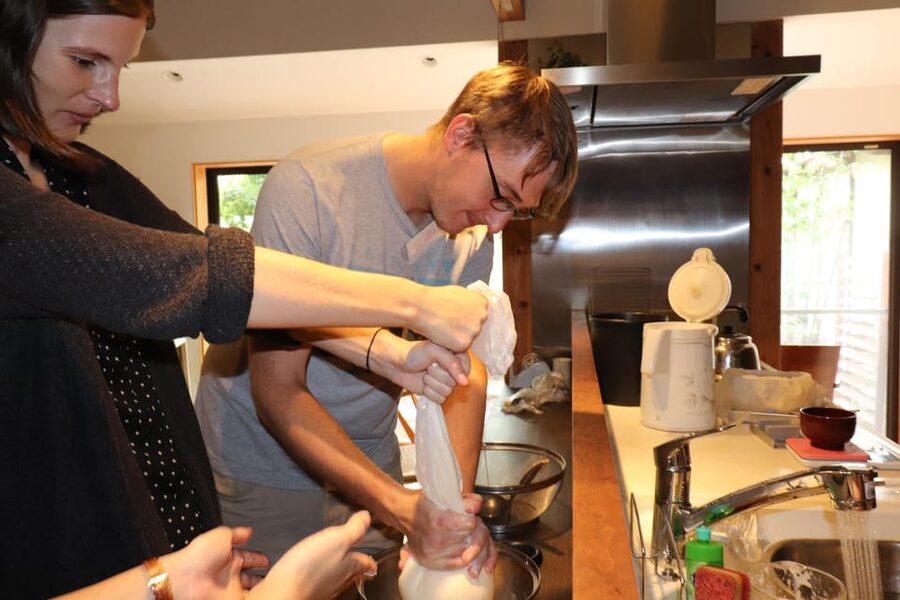
A big plus for modern travel planning: the workshop states it can accommodate gluten-free, vegan, halal-friendly, and allergy-related needs as long as you let them know your restrictions.
That means you should write down what you need before you go, then communicate it when booking. The class will prepare ingredients accordingly. You’ll likely feel more comfortable once you do that, because you are not trying to improvise around a kitchen you do not fully understand.
If you have serious allergies, treat this step with care. Share the details early, and be clear about what you cannot have. The workshop specifically mentions allergy-free support, but your accuracy helps everything work smoothly.
The practical takeaway for your future Kyoto meals
The lasting value of this kind of class is what happens after it ends. Kyoto is full of tofu dishes, miso soup, and chilled tofu. Once you’ve tasted fresh hand-made tofu plain, your eyes and nose will start working differently.
You’ll be more likely to notice:
- how texture changes when tofu is made in different ways
- how simple preparations let the ingredient flavor come through
- how Japanese eating styles treat tofu as a star, not just a filler
And you’ll probably shop with more confidence. You’ll know what to ask for when you want that thicker, fresh style that feels more satisfying than the tofu you might know from abroad.
Should you book this Kyoto tofu workshop?
Book it if you want a real food skill, not just a snack stop. The hands-on process from soybeans, the plain tasting that teaches you the baseline flavor, and the chance to enjoy soymilk and oboro-dofu all add up to a memorable, repeatable lesson.
Skip it if your schedule is too tight for a 90-minute block, or if you prefer large-group, passive experiences. Also, if you dislike compact meeting points and precise doorbell logistics, plan extra time so the start is calm.
For most travelers who care about food and want something more authentic than another tasting flight, this is an easy yes.
FAQ
How long is the Kyoto tofu-making class?
It lasts 90 minutes.
How much does it cost?
The price is $56 per person.
Where do I meet the instructor?
Take the elevator to the third floor and press the doorbell for 302.
How close is it to public transit?
It is within about a 10-minute walk from Shijo Station or Karasuma Station.
What languages are used during the class?
The instructor speaks English and Japanese.
How many people are in a group?
The class is limited to a small group of up to 6 participants.
What is included in the experience?
You get an introduction to the instructor, learning about tofu from soybeans and how Japanese people eat it, tasting freshly made tofu, and enjoying four different tofu dishes made with your tofu.
What else will I taste during the process besides tofu?
You can enjoy soymilk and oboro-dofu, which are made during the production process, along with fresh tofu tastings.
Are meals and drinks included?
Meals and drinks are not included other than the tofu tasting.
Can dietary restrictions be accommodated?
Yes. Gluten-free, vegan, halal-friendly, and allergy-free options are listed as available if you let them know your restrictions so ingredients can be prepared accordingly.
What is the cancellation policy and payment option?
Free cancellation is available up to 24 hours in advance for a full refund, and you can reserve now and pay later.
Newly listed around Kyoto
- Half Day Matcha Tour in Uji, home of culture, with a local★ 4.8 · 14 reviews
- Let’s make only one original onigawara in the world!!★ 4.9 · 21 reviews
- Kyoto:Private Tour/Luxury Vehicle with Guide & photographer★ 4.8 · 35 reviews
- Kyoto/Osaka: Kyoto Coast, Amanohashidate & Ine Bay Day Trip★ 4.4 · 7 reviews
- Kyoto/Osaka: Kyoto and Nara World Heritage Day Tour★ 4.5 · 12 reviews
- Kyoto/Osaka: Kobe & Himeji Journey Through Culture & History★ 3.7 · 18 reviews
- kyoto:Experience creating one-of-a-kind special fragrances★ 4.8 · 8 reviews
- Kyoto: Kimono/Yukata Rental 5 Minute from Kiyomizu-dera★ 4.7 · 89 reviews
Kyoto Tours, compared.
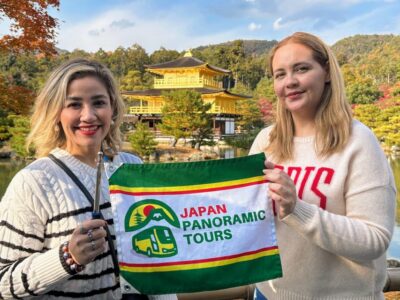
Fushimi Inari, Kinkakuji, Bamboo Grove 1 Day Bus Tour
Read our review →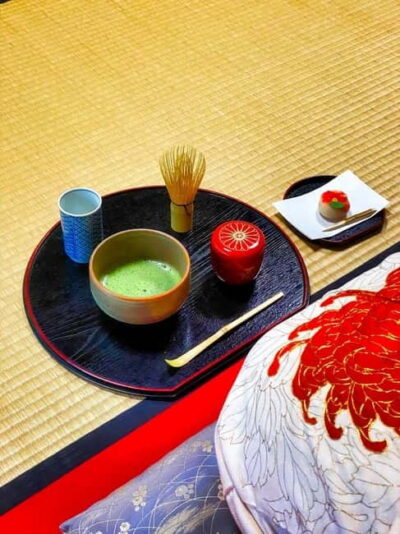
Tea Ceremony in a Traditional Tea House in Kiyomizu
Read our review →
Kyoto Geisha Walking Tour: Gion District & Hidden Gems
Read our review →
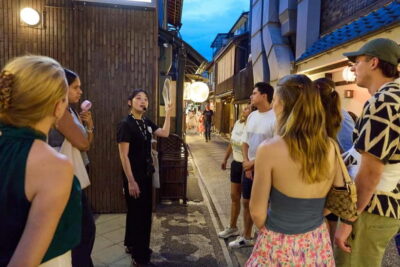
Gion Geisha District Walking Tour – Stories of Geisha
Read our review →