
Review · MATCHA & TEA CEREMONY SESSIONS
Matcha Tea Bowl Experience in Osaka
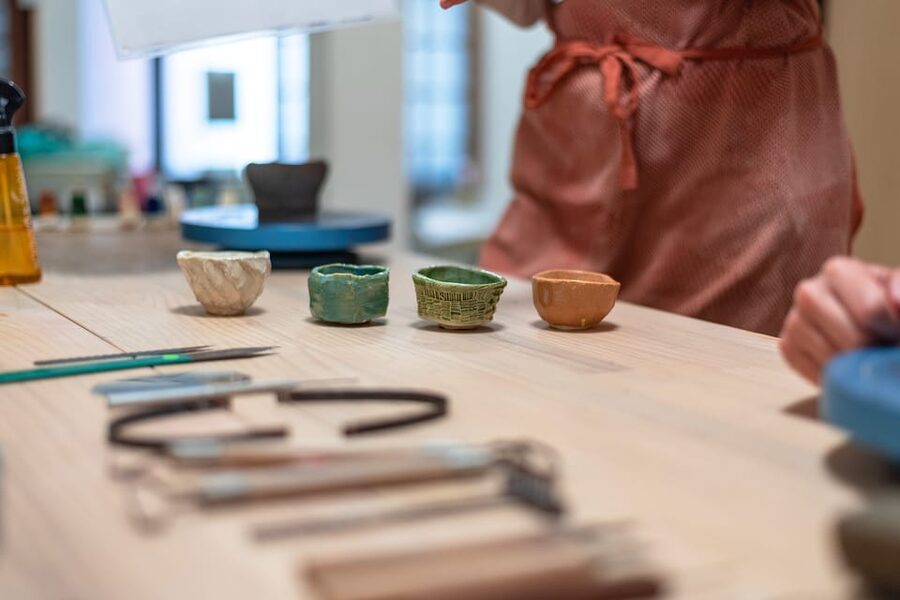
Carve your own matcha bowl in Osaka. This workshop is a hands-on route into Japanese craft, where you learn kurinuki carving and get a bowl with real wabi-sabi character, plus cultural context for using it in tea ceremony. I really like the personal touch, because you shape something you will actually use later at home, not just something you pose with for photos.
Two things I like most are the guidance from Anna (she fixes small mistakes and keeps you moving through the process) and the cultural walkthrough tied directly to the tools and choices you make. One drawback to weigh: your bowl is shipped about two months later, and shipping costs are not included, so the final price depends on where you live.
In This Review
- Key points to know before you go
- Matcha and Clay in Osaka: what you’re really doing
- Getting to the workshop: Teradacho Station and pickup
- The main event: kurinuki carving and shaping your chawan
- Signing your bowl and choosing the color at the end
- Learning the tea ceremony culture, plus matcha and Japanese sweets
- Optional add-on: the tea ceremony basics with Kiyomi and Masako
- What you take home: ceramic gift now, finished bowl shipped later
- Value for $83: what you’re paying for and what makes it worth it
- Who should book this experience, and who might pass
- Should you book the Matcha Tea Bowl Experience in Osaka?
- FAQ
- How long is the matcha tea bowl workshop?
- Where do I meet the instructor?
- Is it private, and do I get picked up?
- What languages is the workshop available in?
- Do I need prior experience?
- When will my finished matcha tea bowl arrive, and what about shipping?
- What’s included in the price of $83?
Key points to know before you go
- Kurinuki carving: carve your clay with tools to create a fully unique design.
- Anna teaches the full process: from shaping and carving to signing and color choice.
- Tea ceremony context with your hands busy: you learn why a chawan matters and how it fits the ritual.
- Make it practical for home: take a ceramic gift today, then get your finished bowl later.
- Optional add-on with Kiyomi and Masako: learn basics of the tea ceremony and enjoy matcha plus Japanese sweets.
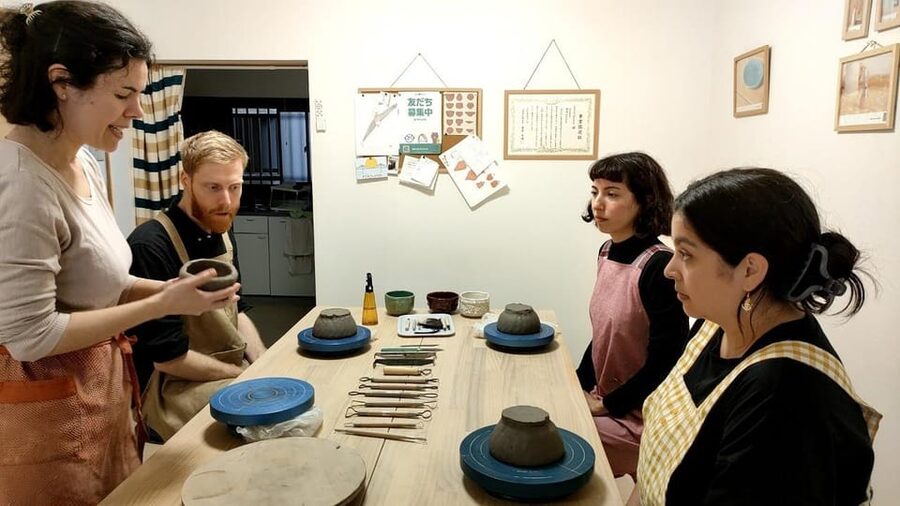
- Workshop is private: and in practice it can be very small, so you get lots of attention.
Matcha and Clay in Osaka: what you’re really doing
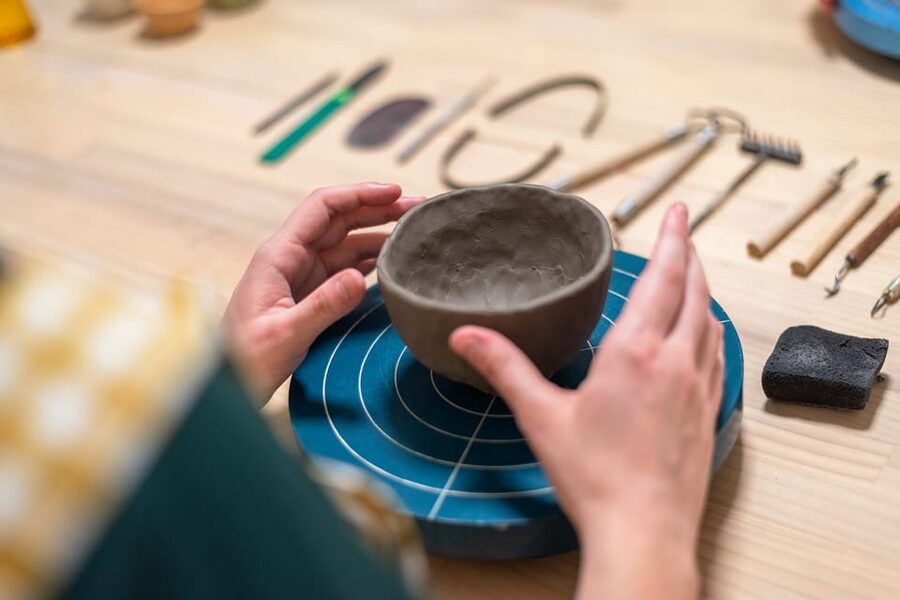
This isn’t a lecture about matcha. It’s slower, and better. You spend your time working clay into a matcha tea bowl (chawan), using traditional technique and learning how the bowl functions inside Japanese tea ceremony.
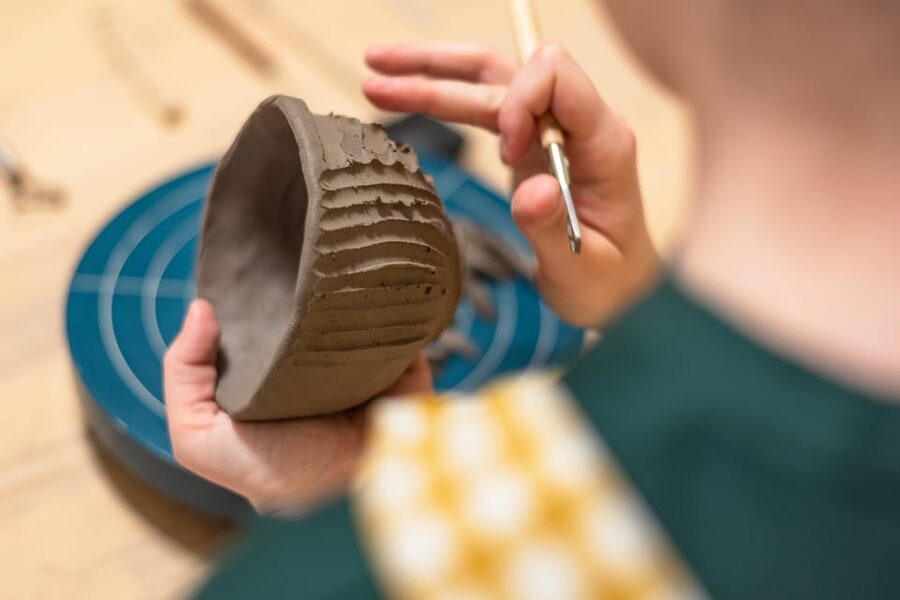
The heart of the experience is the kurinuki method. The idea is simple to say, harder to do: you carve the clay with a set of tools so your pattern and texture come from your choices. In Japan, this is appreciated partly because the results look honest. The form and surface show character, and that’s the point of wabi-sabi.
You will also sign your bowl using Japanese characters. It’s a small step, but it makes the bowl feel like yours in a deeper way than picking a souvenir design from a shelf.
And yes, there is matcha and sweets involved. More important, you learn the role of the bowl and how people think about the objects in the ritual. That context helps you understand what you’re taking home.
More Tea Ceremonies in Osaka
- Osaka: Tea Ceremony Experience
★ 4.9 · 1,426 reviews - Tea Ceremony Experience in Osaka Doutonbori
★ 5.0 · 754 reviews - Matcha Making Class in Osaka with Authentic Japanese Sweets Set
★ 5.0 · 509 reviews
Getting to the workshop: Teradacho Station and pickup
Your meeting point is JR Teradacho Station (north exit). Look for the staff carrying a sign that reads Ceramics Tocoton.
If you booked the experience, there is also a station pick-up service included. That matters because Osaka can feel busy and confusing fast, and this keeps your workshop day focused on the craft, not on hunting down addresses.
Timing is worth treating seriously. If you’re more than 15 minutes late, it’s considered a no-show, so I recommend building in buffer time. This is the kind of workshop where start time matters because you’re working hands-on with a process that can’t really be paused.
Also note the session isn’t built for wheelchair access, and it isn’t suitable for children under 6 years old. If those apply to your group, you will want to plan another option.
The main event: kurinuki carving and shaping your chawan
Once you’re in, the day moves through clear steps. You’re creating a bowl you will decorate first, then the studio will take care of the finishing process and shipping.
You start by learning the technique and how to use tools safely and effectively on your clay. Then you begin carving using kurinuki so your design forms as you go. This is where the workshop earns its price. You’re not just painting a pre-made shape. You’re building texture and character into the clay.
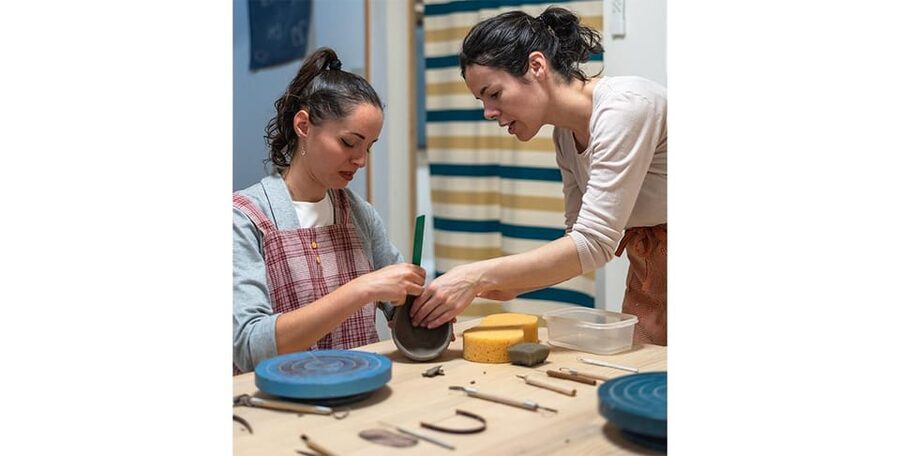
The workshop is guided end to end by Anna, who studied ceramics in Osaka. Her teaching style comes across as practical, too. In past sessions, she’s helped correct small mistakes during the carving and shaping phase, which is a big deal if you want a result you feel proud of rather than something that looks like a hobby project.
You’ll also be working in a traditional building setting, which makes the experience feel like part of Japan rather than a generic activity. The physical space and the slow pace help you focus. It’s the kind of activity where you can actually relax while you create.
Signing your bowl and choosing the color at the end
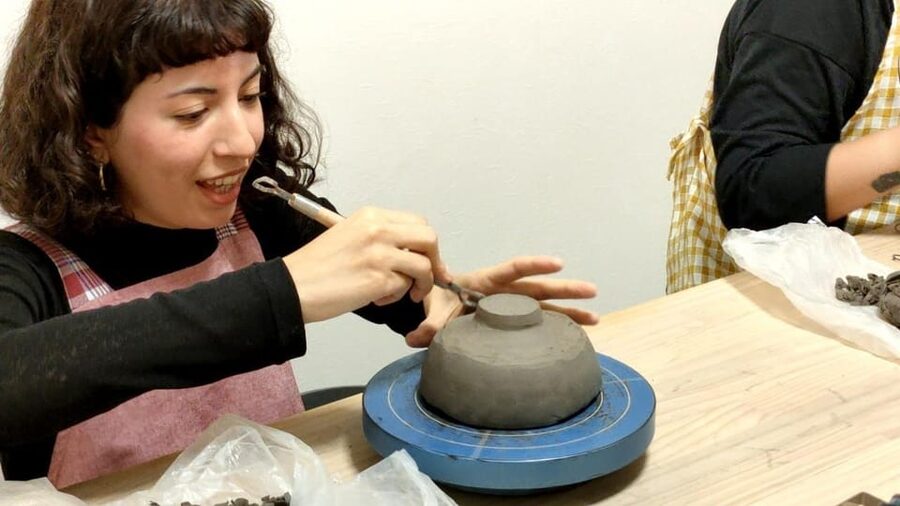
Near the end, you choose the bowl color. That choice helps shape the final look of your finished piece, and it’s also one of the moments where the experience feels real. Until then, you’re thinking about your carving. After color choice, you start imagining the finished bowl.
You will also have a chance to sign your bowl with Japanese characters. It’s not presented as formal calligraphy practice. It’s more like adding a signature that ties the object to your trip. That simple addition often becomes the detail people remember months later when the bowl arrives.
Then you enjoy your drink. The workshop structure typically ends with a tea or matcha moment paired with sweets, which makes the lesson feel complete. You learn the bowl, then you use it in concept right away.
A different sort of day in Japan:
- Osaka Go Karting Tour with Funny Costume
★ 5.0 · 2,658 reviews - Osaka Castle: Museum and Tower Entry Ticket
★ 4.5 · 2,380 reviews - Osaka: Shinsekai Food Tour with 13-15 Dishes at 5 Eateries
★ 4.8 · 2,204 reviews - Osaka Food Tour: 13 Dishes at 5 Local Eateries
★ 5.0 · 2,149 reviews
Learning the tea ceremony culture, plus matcha and Japanese sweets
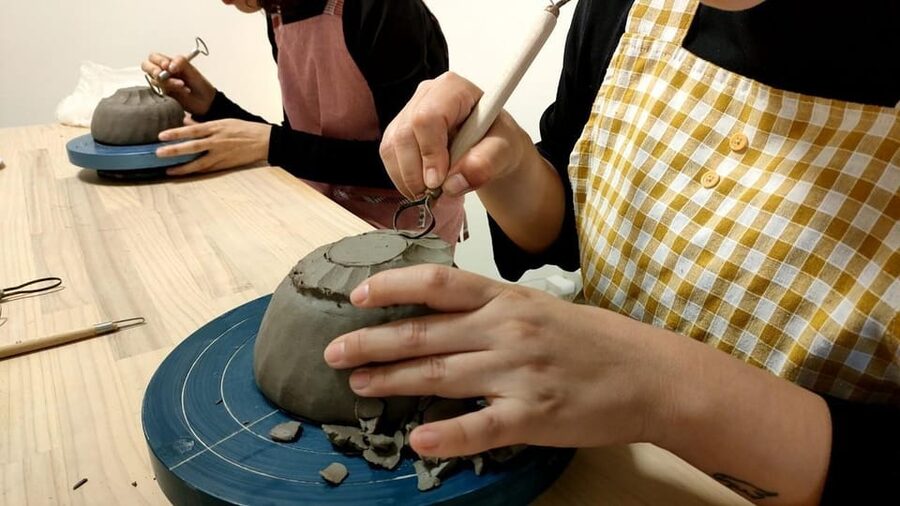
A major part of this experience is cultural explanation that connects directly to your bowl. You talk about the matcha tea bowl (chawan) in traditional tea ceremony. You also learn how the bowl fits with other elements of Japanese tea culture.
This is where the workshop becomes more than craft time. If you’ve ever watched tea ceremony videos and wondered why people care about objects and order, this gives you a clearer sense of the logic behind it.
You also prepare matcha tea and Japanese sweets to accompany it. If you choose the optional combined workshop, you get even more structured tea ceremony instruction, guided by tea ceremony masters Kiyomi and Masako before you move back into the pottery work.
Even in the standard workshop, this tea moment matters for two reasons. First, matcha flavor is different from sweetened green drinks, so it grounds the experience in a real taste. Second, it puts the bowl into the right context. The chawan isn’t just a decorative cup. It’s part of a ritual where attention and small details count.
Optional add-on: the tea ceremony basics with Kiyomi and Masako
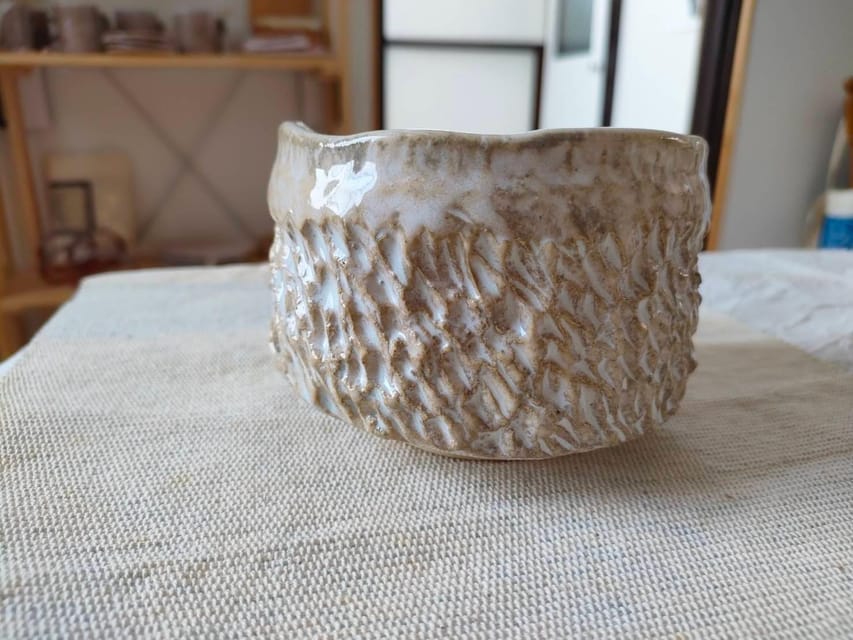
If you want the full cultural arc, choose the combined option. The sequence matters.
You first learn the basics of the tea ceremony and make your own matcha tea with tea ceremony masters Kiyomi and Masako. Then you shift to the pottery side with Anna, creating your matcha bowl using traditional technique.
During that combined session, you will enjoy matcha along with Japanese sweets. After that, you shape and decorate your bowl.
One more small benefit of choosing the add-on: it helps you connect the actions to the objects. When you carve and sign your chawan afterward, you understand what those choices mean in practice, not just in theory.
After the workshop, you also have time to explore the local area of Ikuno Ward. There’s no “tour bus” feel built in. It’s more like you get a springboard into a neighborhood experience after you’ve spent time learning inside the craft world.
What you take home: ceramic gift now, finished bowl shipped later
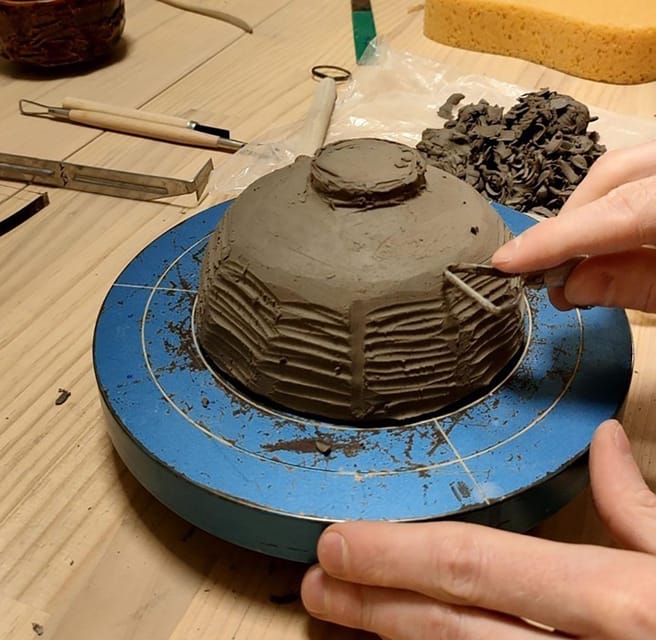
You get a ceramic gift made as part of the experience. That means you aren’t leaving empty-handed even if your main bowl is still in progress.
Your matcha bowl itself will be shipped to the address you provide in about two months. Shipping costs are not included, so you’ll need to budget extra based on where you live. The exact cost can vary depending on country and group size, so you’ll want to plan for that ahead of time.
This two-month shipping timeline is a key part of the value. You’re paying for craft time and finishing that you do not control. The studio handles firing and final finishing steps after the workshop day.
In a few sessions, people have mentioned a small shop on site with hand-made pottery at reasonable prices. That can be a fun bonus, especially if you want to add to your tea setup with items that fit the same aesthetic.
Value for $83: what you’re paying for and what makes it worth it
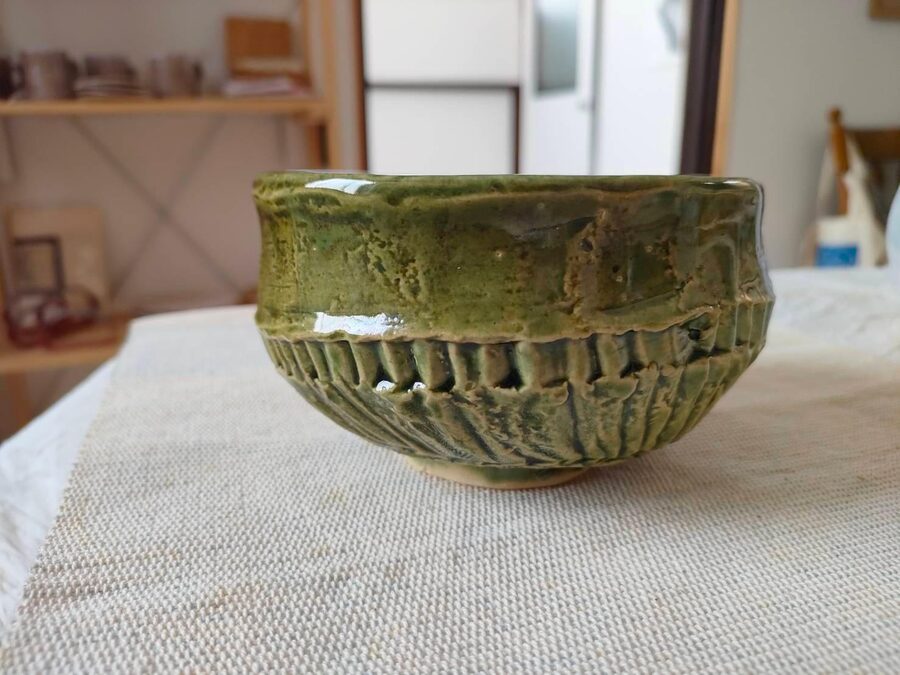
At $83 per person, the price can look high if you think of this as a quick craft class. But this is not a 45-minute paint-and-leave activity.
You’re paying for:
- A private, hands-on workshop with Anna guiding your carving, not just supervising.
- Instruction in traditional technique (kurinuki) and cultural context tied to the bowl.
- A tea and sweets component, so you’re not just making a craft object.
- Materials, equipment, and drinks included.
- A ceramic gift given to you on the spot.
- A finished bowl that is later shipped to your home, with the studio doing the follow-through.
Shipping costs are the only major extra you should expect. Everything else you need to create and learn is covered.
Also, the session is designed for people with no prior experience. That’s important for value because you can show up with no pottery background and still end with something meaningful.
Who should book this experience, and who might pass
This workshop is ideal if you want a souvenir that is personal, useful, and tied to a real Japanese practice. You’ll especially like it if you care about small objects and the reasoning behind them.
It’s also a good fit if you enjoy learning by doing. You get practical instruction while you carve, and you can see how different design choices produce different bowls.
You might want to skip it if:
- You have accessibility needs related to mobility, because the space is not adapted for wheelchair users.
- You’re traveling with kids under 6.
- You are the type who dislikes waiting, because the main bowl arrives later, about two months after the workshop.
If you want to create a matcha bowl in a structured cultural setting and then use it at home, this is one of the most satisfying Osaka craft experiences for your money.
Should you book the Matcha Tea Bowl Experience in Osaka?
If you’re deciding between a simple workshop and something more authentic, I’d lean toward booking this. The combination of kurinuki carving, instruction from Anna, and the tea ceremony context gives you a trip memory you can actually keep using.
One smart move: plan for the shipping cost later, and give yourself enough time to pick it up, if you’ll be abroad when the bowl ships. If you can do that, you’ll end up with a bowl that feels like it came from Japan, not just from a craft table.
Finally, if you enjoy learning tea culture through objects, the optional add-on with Kiyomi and Masako is a strong way to connect the ritual to the piece you make.
FAQ
How long is the matcha tea bowl workshop?
The experience runs about 90 minutes to 2 hours.
Where do I meet the instructor?
Meet at JR Teradacho Station (north exit). You will recognize the group because they carry a sign that says Ceramics Tocoton.
Is it private, and do I get picked up?
It’s listed as a private group experience, and it includes a station pick-up service.
What languages is the workshop available in?
The workshop is offered in English, Spanish, Catalan, and Japanese.
Do I need prior experience?
No prior experience is required.
When will my finished matcha tea bowl arrive, and what about shipping?
Your bowl is shipped to the address you provide in about two months. Shipping costs are not included, and the approximate cost depends on your country and the number of people.
What’s included in the price of $83?
The price includes all materials and equipment, drinks, a ceramic gift, and technical and cultural explanations.
Newly listed around Osaka
- Master Washoku: 5 Core Techniques for Authentic Cooking★ 4.7 · 7 reviews
- Learn Zen in a class of making Matcha tea near Osaka Castle★ 4.8 · 17 reviews
- Learning Shodo with a kimono and Trying Samurai Calligraphy★ 4.2 · 7 reviews
- Kyoto: Immersive Arashiyama & Fushimi Inari by Private Car★ 5.0 · 35 reviews
- Katsu Curry OR Bento Making Cooking Class & Local Shop Tour★ 4.9 · 11 reviews
- JAPAN 7Days Unlimited 4G SIM (OSAKA Pick-up)★ 4.6 · 9 reviews
- Himeji: Private Guide Tour of the Castle from Osaka or Kyoto★ 4.5 · 7 reviews
- Get to know Minoo from Osaka. Katsuoji Temple, Ryuanji Waterfall and Ryuanji Temple★ 5.0 · 16 reviews
Matcha & Tea Ceremony Sessions, compared.
Tea Ceremony in a Traditional Tea House in Kiyomizu
Read our review →

World Heritage Kyoto & Nara Uji Authentic Matcha Experience
Read our review →

Browse the lists this tour appears in