Review · KYOTO TOURS
One-Day Tour of Kyoto’s Highlights from Osaka/Kyoto
Kyoto in one long day is doable. You get a smooth, air-conditioned bus with Wi-Fi while visiting the big UNESCO stars: Fushimi Inari, Kiyomizu-dera, Kinkaku-ji, and Arashiyama.
I especially like the English-speaking guide and the practical ticket setup. Kinkaku-ji and Kiyomizudera entrance are included, so you spend your time looking up, not queuing for admissions.
The only real drawback: it is a walking day with hills and stairs, and the schedule is tight enough that you should plan for a steady pace.
In This Review
- Key things to know before you go
- Why this one-day Kyoto route works
- Meeting points and the pace of a 10-hour highlights day
- Fushimi Inari Taisha, torii gates, and how to not rush the magic
- Kiyomizu-dera: viewpoints and the nail-less construction you can actually notice
- Kinkaku-ji (Golden Pavilion) and why 45 minutes is both short and right
- Arashiyama Bamboo Forest and the Togetsukyo bridge stroll
- Bus comfort, Wi-Fi, and what to do with that downtime
- Lunch options, and the meal limits you should check
- Price value for about $66.32, and what you actually get for it
- Who should book this, and who should choose a slower plan
- Final decision: should you book this Kyoto highlights day?
- FAQ
- Where are the meeting points?
- How long is the tour?
- What sights are included?
- Are any entrance tickets included?
- Is lunch provided?
- What meal options are available for dietary restrictions?
- Is there an English-speaking guide?
- Is Wi-Fi available?
- Do I need a mobile ticket?
- What if I arrive late or the schedule changes?
- What is the cancellation policy if weather is poor?
Key things to know before you go
- A hit list of Kyoto’s UNESCO icons in one day, without hotel pickup
- Air-conditioned bus plus free onboard Wi-Fi to recover between stops
- Included entry tickets for Kinkaku-ji and Kiyomizudera
- Fushimi Inari and Arashiyama are built for wandering, so you’ll use your time well if you move at a local pace
- Lunch is optional, and meal limits apply for halal and vegan requests
- Max group size is 42, but you still need comfort with crowds
Why this one-day Kyoto route works
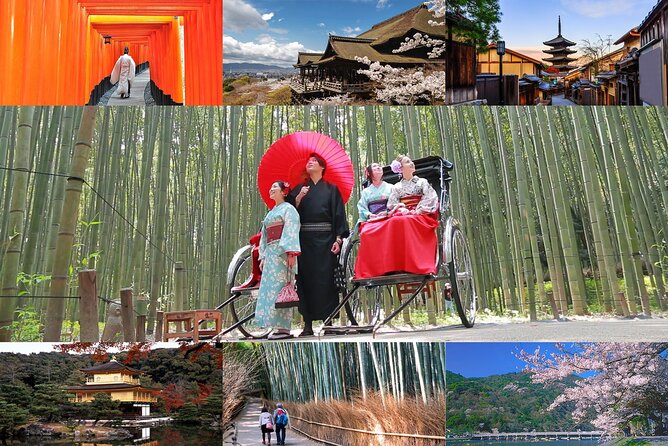
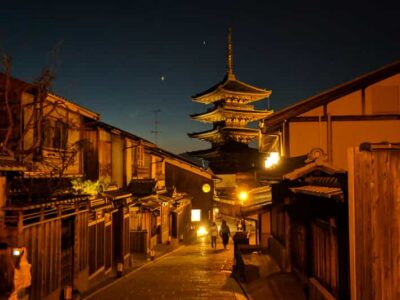
If you only have one day, this tour makes sense because it stacks Kyoto’s most photographed locations into a logical line. You start at Fushimi Inari Taisha, then head to Kiyomizu-dera for the hillside views, continue to Kinkaku-ji (the Golden Pavilion), and finish with Arashiyama and the Sagano Bamboo Forest area.
What makes it feel worthwhile is the balance of guided context and on-site time. You are not just dropped at gates and temples, you also get an English-speaking guide who ties the places together, like why Fushimi Inari is connected to agriculture, business, traffic safety, and a bountiful harvest.
Also, you get a long bus ride structure that helps you manage energy. The day is still intense, but the air-conditioned comfort and the onboard Wi-Fi mean you can rest your legs between stops instead of spending that time figuring out transport.
A few more Kyoto days to weigh up
- PERFECT KYOTO 1-Day Bus Tour
★ 5.0 · 13,518 reviews - Kyoto: Fushimi Inari, Kinkakuji, Bamboo Grove 1 Day Bus Tour
★ 4.8 · 4,316 reviews - Kyoto: Tea Ceremony in a Traditional Tea House in Kiyomizu
★ 4.9 · 3,519 reviews
Meeting points and the pace of a 10-hour highlights day
This is not a door-to-door tour. There is no hotel pickup or drop-off, so you need to get to your meeting point early.
If you’re starting from Osaka, the meeting time is 8:50 AM at Namba, OCAT 1F (near Daiso). If you’re starting from Kyoto, the meeting time is 9:05 AM at Kyoto Station, Hachijo Exit Tourist Bus Parking. Check in 10 minutes before departure, because the bus will not wait for late arrivals.
The total duration is about 10 hours, which is why the stops feel efficient. Time allocations are roughly:
- Fushimi Inari Taisha: about 1 hour 20 minutes
- Kiyomizu-dera: about 1 hour 40 minutes
- Kinkaku-ji: about 45 minutes
- Arashiyama: about 1 hour 20 minutes
Plus transit time and a lunch break.
That timing is the tradeoff. You will see the essentials, but you will not linger forever. If you want long, slow temple time, you may prefer a slower day with fewer stops. If you want a strong overview, this fits.
Fushimi Inari Taisha, torii gates, and how to not rush the magic
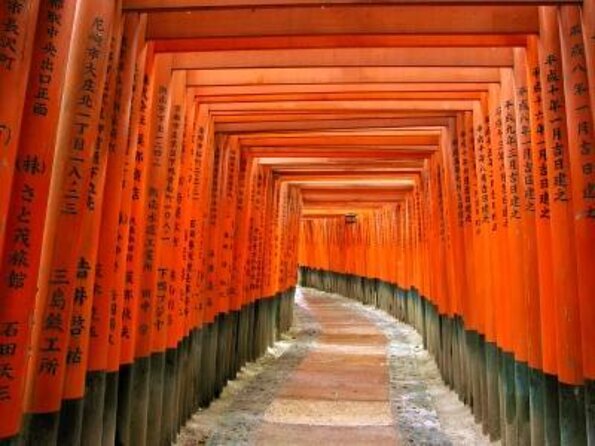
Fushimi Inari Taisha is the kind of place that changes how you take photos. The thousands of vermilion torii gates are the headline, but the best part is moving through them, step by step, until the crowds thin out and the walk starts to feel personal.
You spend about 1 hour 20 minutes here, which is enough to do a satisfying loop without feeling panicked. The guide context matters too. Fushimi Inari is the head shrine of over 30,000 Inari shrines across Japan, and it is tied to the Japanese deities of agriculture, business, traffic safety, and harvest.
Practical tip: start confidently, then slow down. The first section is busy and bright, but later stretches are easier to breathe in. If you’re sensitive to heat, use the breaks where you can, and let your eyes adjust before you chase the perfect shot.
One consideration: it is a very popular site, so expect crowds at peak times. If you prefer quiet, plan to be flexible with your pacing and accept that you are sharing the space.
Kiyomizu-dera: viewpoints and the nail-less construction you can actually notice
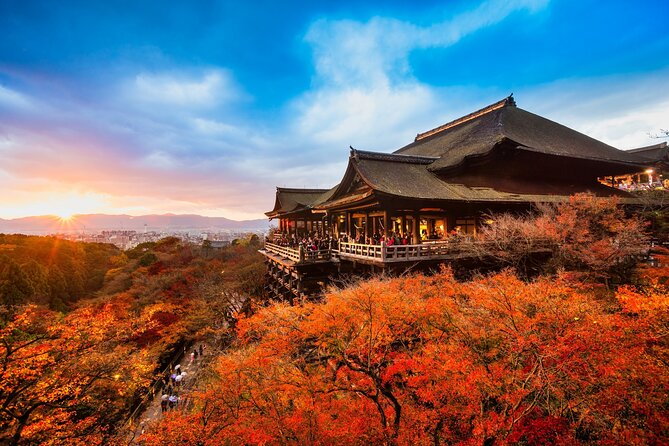
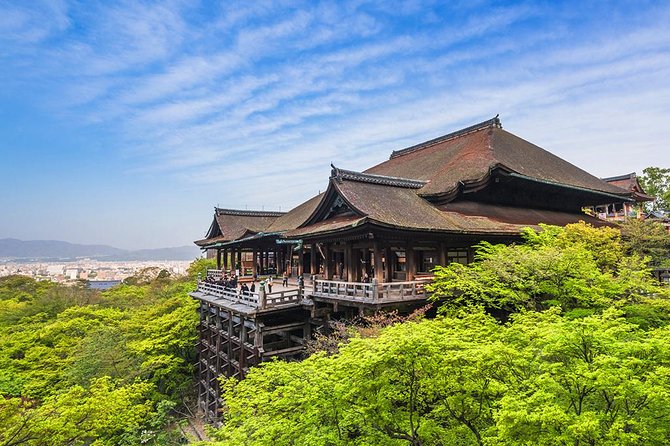
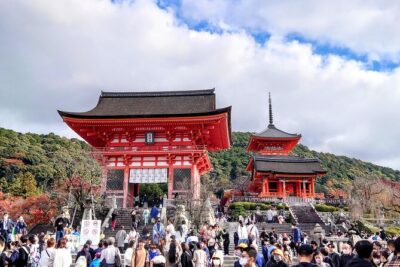
Kiyomizu-dera is the stop where Kyoto stops feeling like sightseeing and starts feeling like a scene. It is famous for the wide wooden stage jutting out from the hillside, and this is not a small detail. You walk across that stage area, and the viewpoint makes the effort worth it.
You’ll get about 1 hour 40 minutes at Kiyomizu-dera. Admission is included, so you don’t have to think about tickets here.
What you should look for while you are there:
- The platform area and the dramatic hillside setting
- The story of its construction, including the fact that it was built with 139 pillars and not a single nail
The guide’s job is helpful at this point, because those facts land better when someone explains what they mean for the architecture and the experience. Without context, you might treat it like another big temple. With it, you tend to notice structure, not just scenery.
Drawback to plan for: this stop involves walking on uneven ground and up and down within the complex. If your knees or feet are not happy on stairs, go steady and use the moments when you can step aside.
A different sort of day in Japan:
- Kyoto Geisha Walking Tour: Gion District & Hidden Gems
★ 4.7 · 3,273 reviews - Kyoto: Tea Ceremony Ju-An at Jotokuji Temple
★ 4.9 · 3,207 reviews - Kyoto: 45-Minute Tea Ceremony Lesson Experience
★ 4.3 · 2,378 reviews - Kyoto: Gion Geisha District Walking Tour – Stories of Geisha
★ 4.7 · 2,187 reviews
Kinkaku-ji (Golden Pavilion) and why 45 minutes is both short and right
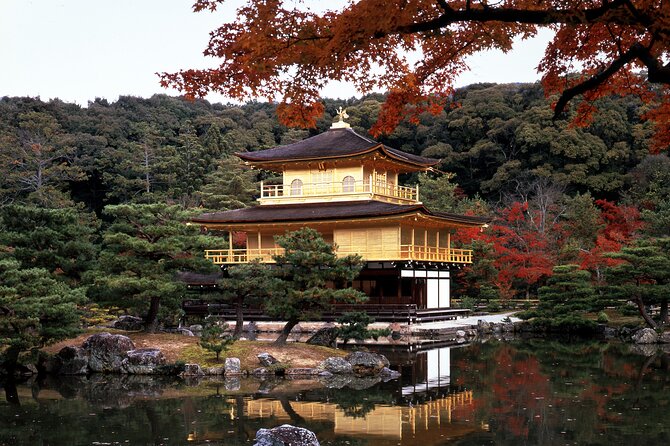
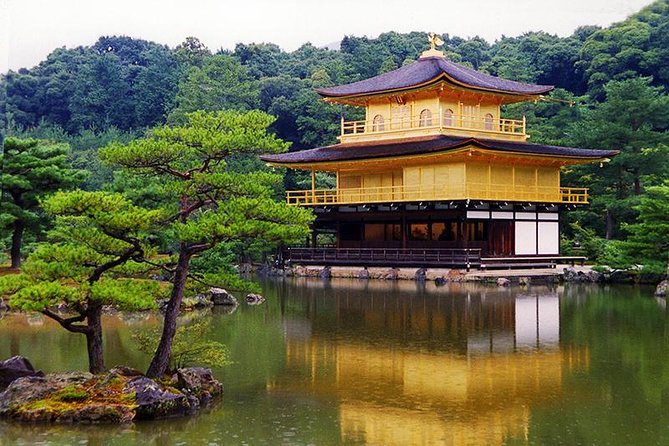
Kinkaku-ji is the Golden Pavilion, covered in gold leaf, and it sits within a Zen-temple setting with gardens and traditional architecture. The tour gives you about 45 minutes, and that duration is intentional.
At 45 minutes, you can:
- See the famous pavilion area from the main viewpoints
- Walk enough of the garden surroundings to understand how it frames the central landmark
- Take photos without feeling like you are standing there all day
Admission is included here, which is a real value point because it removes one extra payment and one extra decision.
There is also historical weight, but you do not need to memorize a textbook to enjoy it. The Golden Pavilion was once the villa of the Ashikaga Shogun, and now it functions as a Zen temple and UNESCO heritage site. When you connect that to what you are seeing, the building starts to feel like it has a past, not just a surface glow.
One consideration: if you arrive to Kinkaku-ji during heavy crowd periods, the lines and viewpoint congestion can tighten your usable time. Move with purpose, then pause when you find a clear angle.
Arashiyama Bamboo Forest and the Togetsukyo bridge stroll
Arashiyama is where Kyoto gets cooler in a physical way. The walk through the paths of the Sagano Bamboo Forest is shaded and visually different from the open torii walks and temple platforms.
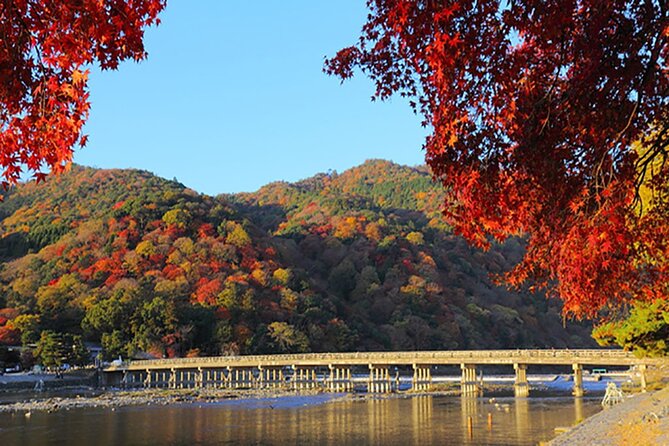
You get about 1 hour 20 minutes here, plus you’ll see the Togetsukyo (moon-crossing) bridge. This stop is great for photos, but it is also good for simply being outside and letting your day slow down a notch.
What to expect:
- A bamboo path that can feel almost like a tunnel effect as you move forward
- The mood shift compared with earlier stops
- A chance to switch from shrine architecture to nature texture
Crowds can still be heavy, but you are less likely to feel stuck because the setting encourages movement. If you want the classic bamboo look, aim to take photos from a few different angles rather than one spot and waiting forever.
If your feet are tired, be honest with yourself. This stop includes walking, so keep your pace consistent across the day instead of saving all effort for the last hour.
Bus comfort, Wi-Fi, and what to do with that downtime
The air-conditioned bus with free Wi-Fi is not a small perk. In Kyoto summer heat and in sudden rain, that break is the difference between a fun day and a miserable one.
Since the itinerary is long, you should use the bus time strategically:
- Take a moment to hydrate before you step out again
- Review what you want to see next, especially at Kiyomizu-dera and Kinkaku-ji
- Let your phone recharge if you are using it for maps and photos
This tour also uses a mobile ticket, which makes check-in more streamlined. I like that type of setup because it reduces the hassle of printed paperwork when you’re already navigating new locations.
One caution: the tour does not include hotel pickup, and it does include a hard check-in window. So the bus becomes your “anchor,” and being on time matters more than on a flexible self-guided day.
Lunch options, and the meal limits you should check
Lunch is offered only if you choose the lunch-included option. If you do not pick that option, you can bring your own.
Here is the important part for planning: halal and vegan meals are unavailable. For vegetarian requests, you must contact the tour operator at least 3 days before the tour. If you have strict dietary needs, I recommend choosing the no-lunch option and packing food you know you can eat.
In practice, lunch included options can make the day more comfortable because it keeps you from hunting for food between major sights. You also avoid the risk of lunch places being far from the route at the wrong time.
If the weather is hot, the lunch break helps you reset. But do keep in mind that this is still a walking tour, so plan for an active afternoon after you eat.
Price value for about $66.32, and what you actually get for it
At $66.32 per person, you are paying for two things: a guided route through four high-demand stops, and the transportation framework that keeps you moving without constant train transfers.
Your value anchors:
- English-speaking guide throughout the day
- Air-conditioned bus with free Wi-Fi
- Included entrance tickets for Kinkaku-ji and Kiyomizudera
- Two “free entry” style stops, Fushimi Inari and Arashiyama, where you pay mostly with your time and walking
If you tried to do this on your own with the same level of structure, you would likely spend time and energy coordinating transit and tickets. Even if you can match the destinations, the guide’s explanation can save you the guesswork of why certain things matter.
The main reason this price can feel high or low is your travel style. If you hate crowds and long days, no price will feel perfect. If you want a one-day sampler that hits Kyoto’s most famous spots, the value usually lands well.
Who should book this, and who should choose a slower plan
I think this tour fits best if you:
- Have one day and want the major Kyoto landmarks covered
- Want an English-speaking guide instead of a full DIY plan
- Prefer a comfortable air-conditioned bus between sights
- Are okay with walking, including hills and stairs
It may not be your best match if you:
- Have trouble with sustained walking and inclined paths
- Want more time at Fushimi Inari or Arashiyama than a tight schedule allows
- Need halal or vegan meals provided during lunch, because those options are unavailable
If you are traveling with a stroller, folding strollers are allowed, and they will be stored with the luggage on the bus. Still, the walking parts of Kyoto are real. I’d bring a plan for your child and for you, like a stroller that can handle uneven areas and some backup ways to rest.
Final decision: should you book this Kyoto highlights day?
If your goal is a first-timer overview of Kyoto in one day, I would book it. The combination of UNESCO highlights, included admissions for Kinkaku-ji and Kiyomizudera, and bus comfort makes this tour a practical way to get value fast.
If you want deep, slow temple immersion, consider booking a smaller group tour or a multi-day plan instead. This one is built for getting through the highlights, not for lingering.
My best “decision helper” is simple:
- If you can handle walking hills and tight timing, this is an efficient Kyoto day.
- If you want maximum breathing room, choose a different pace.
FAQ
Where are the meeting points?
The tour meets at Namba, OCAT 1F (near Daiso) at 8:50 AM for Osaka departures, or at Kyoto Station Hachijo Exit Tourist Bus Parking at 9:05 AM for Kyoto departures. At the end, you are dropped off back at the starting point.
How long is the tour?
The duration is about 10 hours.
What sights are included?
You’ll visit Fushimi Inari-Taisha Shrine, Kiyomizu-dera Temple, Kinkaku-ji Temple (Golden Pavilion), and Arashiyama including the Sagano Bamboo Forest and Togetsukyo bridge.
Are any entrance tickets included?
Yes. Kinkaku-ji and Kiyomizudera entrance tickets are included. Fushimi Inari-Taisha and Arashiyama are listed as free admission stops in the schedule.
Is lunch provided?
Lunch is included only if you select the lunch-included option. If you do not choose lunch, you can bring your own.
What meal options are available for dietary restrictions?
Halal and vegan meals are unavailable. For vegetarian requests, you need to contact the operator at least 3 days before the tour.
Is there an English-speaking guide?
Yes. The tour includes an English-speaking guide.
Is Wi-Fi available?
Yes. The bus has free Wi-Fi.
Do I need a mobile ticket?
Yes. The tour uses a mobile ticket.
What if I arrive late or the schedule changes?
Check in 10 minutes before departure, since the bus will not wait for late arrivals. The schedule can change due to traffic or weather for safety, and the tour requires good weather.
What is the cancellation policy if weather is poor?
You can cancel for free up to 24 hours in advance for a full refund. The tour requires good weather, and if it is canceled due to poor weather, you’ll be offered a different date or a full refund.
Newly listed around Kyoto
- Taste of Nishiki Market Walking Food Tour with Local guide★ 5.0 · 17 reviews
- Kyoto: Sushi Making Class with Sushi Chef★ 4.8 · 64 reviews
- Simple Plan with Maiko★ 4.4 · 10 reviews
- Shibori Furoshiki Course at Kyoto Shibori Museum★ 5.0 · 21 reviews
- Kyoto: City Secrets eBike Tour★ 4.9 · 196 reviews
- Sacred Pathways: Discover the Philosopher’s Path of Kyoto★ 4.9 · 20 reviews
- Private Tour to Monkey Park and Arashiyama Highlights★ 5.0 · 22 reviews
- Private Nara Tour from Osaka – Meet at Your Hotel★ 5.0 · 22 reviews
Kyoto Tours, compared.

Fushimi Inari, Kinkakuji, Bamboo Grove 1 Day Bus Tour
Read our review →
Tea Ceremony in a Traditional Tea House in Kiyomizu
Read our review →
Kyoto Geisha Walking Tour: Gion District & Hidden Gems
Read our review →
Gion Geisha District Walking Tour – Stories of Geisha
Read our review →