Review · KYOTO TOURS
Original rugs handmade in Kyoto
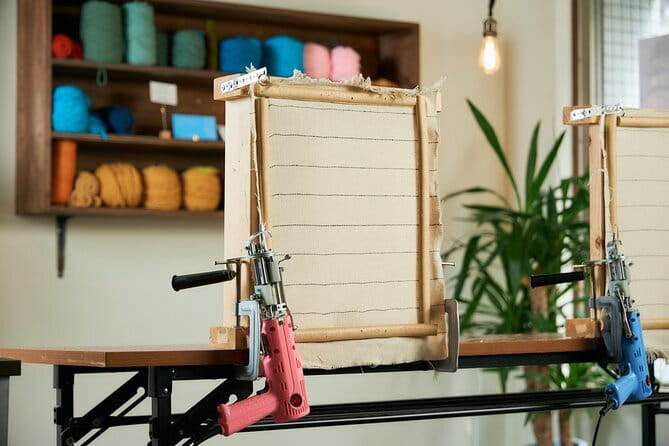
Pick up Kyoto, stitch by stitch. This hands-on tufting studio experience at CREA puts you one minute from Shimogamo Shrine and lets you turn your own ideas into a real rug using a specialized machine setup. If you want an activity that feels personal, not touristy, this is a strong choice.
I especially like how the staff guide you step by step, so first-timers can actually relax and make progress. The other big win for me is the creative freedom, with a wide thread selection and the chance to take your finished piece home the same day. The only drawback to consider is that the rug size is limited (up to about 30 cm), and the whole session is about two hours, so you will not leave with a big, dramatic carpet.
In This Review
- Key Things to Know Before You Go
- Why This Kyoto Tufting Studio Feels Like a Real Kyoto Activity
- Making Your Own Rug: Size Limits and Why They’re Actually Helpful
- Choosing From About 60 Threads: The Color Decisions That Make It Yours
- The Tufting Machine Lesson: Fast Wins for Beginners
- A Short Kyoto Loop: Shimogamo Jinja, Ginkakuji Temple, and the Kamogawa Delta
- Price and Value: Is $84.70 Worth Two Hours?
- Logistics That Matter: Heat, Transit, and What Is Not Included
- What to Wear and Bring for a Rug-Making Session
- Who This Tufting Experience Is Best For
- Should You Book This Kyoto Rug-Making Experience?
- FAQ
- Where is the meeting point for tufting studio CREA?
- How long does the experience last?
- What size rug can I make?
- Do I get to choose the thread colors and materials?
- Can I take the finished rug home the same day?
- What is the group size limit?
- What is the cancellation policy if plans change?
Key Things to Know Before You Go
- Shimogamo area location: meet at tufting studio CREA, just a minute from Shimogamo Jinja, a World Heritage Site
- Up to 30 cm rug sizes: square or rectangular pieces based on your own design
- About 60 thread choices: pick colors and textures before you start tufting
- Beginner-friendly instruction: professional staff provide careful explanations
- Small groups, max 6: more attention, less waiting around
- Take it home same day: no long storage or shipping stress
Why This Kyoto Tufting Studio Feels Like a Real Kyoto Activity
Kyoto can overload you fast. Temple names, photo spots, lines, repeat. This experience swaps that pattern for something tactile and calm. You arrive at tufting studio CREA at 7-1 Shimogamo Nishibayashichō in Sakyo Ward, then spend your time making a physical souvenir, not just collecting photos.
What I like most is that the studio sits extremely close to Shimogamo Jinja, which keeps the day feeling grounded in the neighborhood. The area also has lots of restaurants nearby, so after your rug session, you can keep exploring without a major transit mission.
Another practical plus: you can get there by bus from Kyoto Station, and it’s near public transportation. That matters because you are not committing to a complicated route before you even start creating.
The group limit is small, max 6 travelers, which usually means less scrambling and more time asking questions. If you are traveling with someone and you both want your own design, the setup also feels manageable rather than rushed.
A few more Kyoto days to weigh up
- PERFECT KYOTO 1-Day Bus Tour
★ 5.0 · 13,518 reviews - Kyoto: Fushimi Inari, Kinkakuji, Bamboo Grove 1 Day Bus Tour
★ 4.8 · 4,316 reviews - Kyoto: Tea Ceremony in a Traditional Tea House in Kiyomizu
★ 4.9 · 3,519 reviews
Making Your Own Rug: Size Limits and Why They’re Actually Helpful
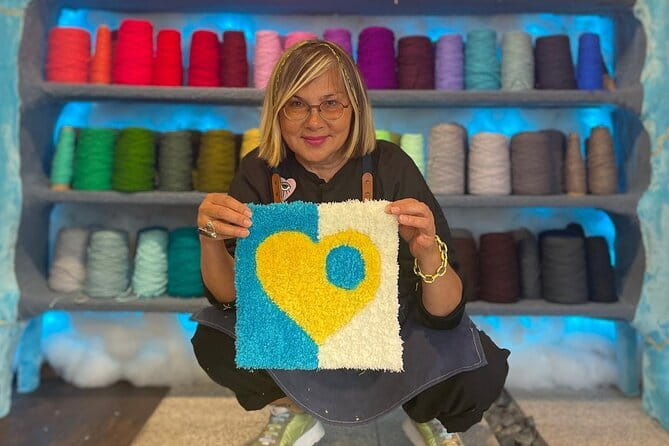
You can make a small up-to-30 cm rug, either square or rectangular, based on your design. On paper, that sounds like a limitation. In practice, it is a smart one for a short two-hour session.
Because the rug is sized for the time, you can focus on getting the pattern you want, testing thread choices, and finishing something you will truly use. You are not stuck with a half-done craft project or a piece you hope looks better from far away.
Also, the rug is meant to be displayed, so a compact size works beautifully as wall art or a door entry accent. The studio even frames it that way, suggesting use cases like hanging in the entryway, living room, or on the wall.
One thing I’d consider before you book: if you are picturing a large rug for a full room, this won’t match that goal. But if you want something handmade that feels like Kyoto, this is the right scale.
Choosing From About 60 Threads: The Color Decisions That Make It Yours

In the studio, you can freely choose thread from around 60 kinds. That is where the experience shifts from simple craft to real personal design.
When you have that many options, you can build a rug that matches how you actually want it to look at home. Light thread for a subtle pattern. Dark thread for contrast. Mixed tones if you want your design to feel layered.
For me, the best part is that you are not limited to a handful of preset kits. You are shaping your own idea into something you can recognize later. Even if your drawing looks messy at first, you can adapt as you pick threads and start seeing how they behave in the tufting process.
A practical note: bringing a clear design plan helps, but you do not need perfection. The studio environment is set up for you to give shape to free ideas, so expect to refine as you go.
The Tufting Machine Lesson: Fast Wins for Beginners
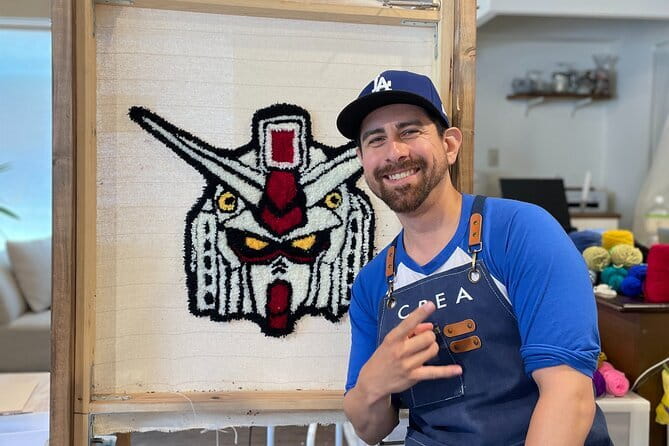
The whole point of this experience is the specialized tufting machine. The staff rent the machine for you and provide detailed explanations, which is why beginners can feel at ease.
This is not a passive demo. You are actively making the rug with the machine, so you can judge your own progress in real time. You also wear an apron, which helps keep your clothes clean while you work.
One useful detail: the vibe is relaxed, but instruction is serious. In particular, an instructor named Hayato has been highlighted as a great guide for first-timers. That tells me this is not the kind of class where you feel lost or stuck watching from the sidelines.
If you are worried about skill level, focus on this: you are making a small piece with a constrained size. That means fewer steps to manage, and less chance your project becomes too big to finish on time.
The result is also immediate. The completed rug can be taken home on the same day, so you are not left wondering whether it will survive shipping or storage.
A different sort of day in Japan:
- Kyoto Geisha Walking Tour: Gion District & Hidden Gems
★ 4.7 · 3,273 reviews - Kyoto: Tea Ceremony Ju-An at Jotokuji Temple
★ 4.9 · 3,207 reviews - Kyoto: 45-Minute Tea Ceremony Lesson Experience
★ 4.3 · 2,378 reviews - Kyoto: Gion Geisha District Walking Tour – Stories of Geisha
★ 4.7 · 2,187 reviews
A Short Kyoto Loop: Shimogamo Jinja, Ginkakuji Temple, and the Kamogawa Delta
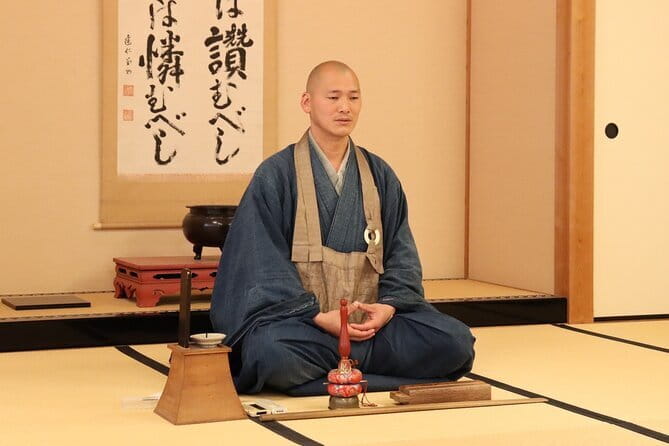
Part of the day is built around nearby sights, which makes your rug design feel more connected to the city around you.
You start at Shimogamo Jinja, a World Heritage Site, with the studio located about a minute away. That proximity is useful because it keeps the connection between your inspiration and your workspace clear. When you see the area first, you can translate what you notice into shapes, stripes, or color blocks later.
Next comes Ginkakuji Temple. Even if you are not trying to do a full sightseeing deep dive, the stop gives you a different visual mood. A good way to use these breaks is to look for patterns, not perfect photo angles. Think: repeating lines, roof edges, wall sections, or natural color shifts.
Then you head to the Kamogawa Delta in the Kyoto Prefectural Kamogawa Park. This is a different kind of scene again, and that variety matters for your rug. A landscape-like setting often nudges people toward calmer color palettes or simpler geometry.
The benefit of this format is that you are not stuck choosing a rug design in isolation. You get a few visual prompts and can convert them into your own pattern choices. The tradeoff is that the total experience is about two hours, so the stops are not long wandering time. If you want hours and hours at temples, you may need to pair this with extra independent time after.
Price and Value: Is $84.70 Worth Two Hours?
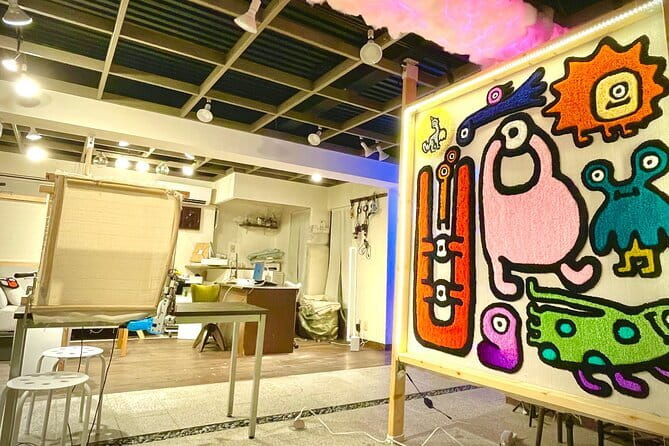
At $84.70 per person, this is not a bargain craft class. But it also is not trying to be cheap, because you are paying for several things that usually cost extra elsewhere: the studio setup, the specialized machine rental, staff instruction, and the time it takes to help you finish a rug you can take home.
The value equation gets stronger when you consider the full package:
- specialized machine use is included
- an apron is included
- thread selection is available
- you take the completed rug home the same day
And you’re not dealing with a large group, max 6. That usually means less time waiting and more actual attention while you work.
If you compare it to shopping for a finished souvenir, the logic is different. A store rug is nice, but you do not get the story of making it. Here, you’re buying the experience of creating something by your own hands in Kyoto, using your own design and color choices.
My take: if you like hands-on activities, this price feels fair for what you get. If you only want to sightsee temples, you might feel the time is better spent elsewhere.
Logistics That Matter: Heat, Transit, and What Is Not Included

The experience is near public transportation, and it’s easy to get to by bus from Kyoto Station. That makes the day flexible if you are already staying near major transit.
One thing to plan around: an air-conditioned vehicle is not included. If you are going in warmer months, assume it might be hot during short movements between points. Bring water and wear breathable clothes.
You also get a mobile ticket, which is usually straightforward, especially if you are moving between spots.
The session ends back at the meeting point at the studio, which is convenient because you do not need a complicated wrap-up. And since restaurants cluster nearby, you can pivot to food without backtracking.
What to Wear and Bring for a Rug-Making Session
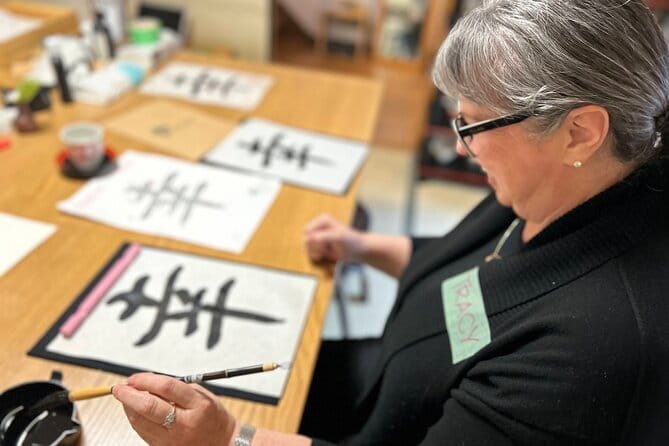
The studio lends you an apron so you do not have to worry about ruining your outfit. Still, I’d dress practically. Tufting is a tactile activity, so clothes you can move in are smart.
Bring:
- a small bag for your personal items
- water, especially if you are sensitive to heat
- a simple plan for your design (even a rough sketch helps)
Also, think about what you will do with your rug afterward. The rug is designed to be taken home the same day, but you may still want a way to carry it comfortably. If you are also doing temple shopping the same day, consider how you will transport it between stops.
Who This Tufting Experience Is Best For
This is ideal if you want a Kyoto souvenir that feels personal. It works well for:
- couples: make matching styles or complementary designs
- families with children: the professional guidance keeps it doable
- first-time makers: the staff explain carefully and you get a finished result
If you are an advanced crafter already, you might still enjoy it, especially because of the thread variety and the machine method. But your biggest limitation will be the small rug size and short time.
If you hate structured activities, or if you want a full day of temples and views, this may feel too short and too hands-on. The best match is travelers who enjoy trying one meaningful thing with their hands.
Should You Book This Kyoto Rug-Making Experience?
I think you should book if you want a creative, real-world souvenir, not just another shopping stop. The combination of beginner-friendly instruction, up to 30 cm rug making, and taking your finished piece home the same day makes this a strong value for many visitors.
Book it soon if it fits your trip rhythm. The experience is often booked about 19 days in advance on average, and the group size is capped at 6, so availability can tighten.
Skip it if you already have a lot of craft plans and you need a temple-heavy day instead. The rug size limits the scope, and the whole session is about two hours, so it is not designed to be a long, slow art project.
FAQ
Where is the meeting point for tufting studio CREA?
You start at tufting studio CREA1F, 7-1 Shimogamo Nishibayashichō, Sakyo Ward, Kyoto, 606-0817, Japan, and the activity ends back at the meeting point.
How long does the experience last?
The experience is about 2 hours.
What size rug can I make?
You can make up to about 30 cm square or rectangular rugs based on your own design.
Do I get to choose the thread colors and materials?
Yes. You can freely choose the thread from about 60 kinds lined up in the studio.
Can I take the finished rug home the same day?
Yes. The completed rug can be taken home on the same day.
What is the group size limit?
The activity has a maximum of 6 travelers.
What is the cancellation policy if plans change?
You can cancel for a full refund if you cancel up to 24 hours in advance. If you cancel less than 24 hours before the start time, the amount paid is not refunded.
Newly listed around Kyoto
- Zen Meditation for Life in Kyoto★ 5.0 · 10 reviews
- Kyoto: Zen Meditation at a Private Temple with a Monk★ 5.0 · 25 reviews
- Kyoto Private Customizable Day Tour with Guide and Vehicle★ 5.0 · 52 reviews
- Kyoto: Gion Geisha District & Sake-in-Hand Walking Tour★ 5.0 · 37 reviews
- Your Private Vacation Photography Session In Kyoto★ 5.0 · 110 reviews
- Private Wagyu Beef Tour with a Local Guide★ 5.0 · 6 reviews
- Private Guided Traditional Buddhist Cooking in Japan★ 5.0 · 16 reviews
- Private Pewter Sake Cup Experience with a Kyoto Artisan★ 5.0 · 31 reviews
Kyoto Tours, compared.

Fushimi Inari, Kinkakuji, Bamboo Grove 1 Day Bus Tour
Read our review →
Tea Ceremony in a Traditional Tea House in Kiyomizu
Read our review →
Kyoto Geisha Walking Tour: Gion District & Hidden Gems
Read our review →
Gion Geisha District Walking Tour – Stories of Geisha
Read our review →