Review · MATCHA & TEA CEREMONY SESSIONS
Osaka Japanese Cooking And Matcha Class near Osaka Castle
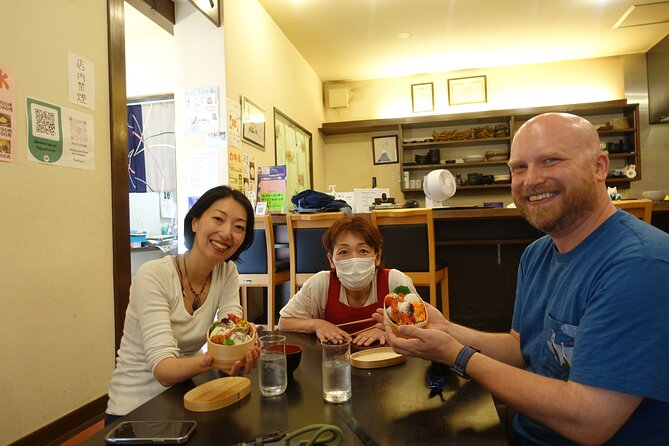
Cooking matcha near Osaka Castle is a hands-on treat. You’ll get a small-group class hosted by Ikuko and her son Takumi, and the vibe is warm and stress-free, with plenty of back-and-forth as you cook. I also like that the focus goes beyond eating out, you learn how to make matcha at home. One consideration: the host’s English can be limited, so Takumi often helps translate, which might add a little extra pacing during explanations.
This is the kind of activity that fits neatly into a sightseeing day. Choose lunch or dinner, pick one dish type (home-cooked dishes, okonomiyaki, or bento), and then add matcha to your meal, with an optional sake tasting upgrade if you want it.
In This Review
- Key Things To Know Before You Go
- Why This Osaka Cooking And Matcha Class Fits So Well Into A Castle Day
- Pick Lunch Or Dinner, Then Choose Your Dish Style (Home-Cooked, Okonomiyaki, Or Bento)
- The Cooking Part: Techniques You Can Repeat At Home
- Matcha Making: From Powder to Real Flavor
- Optional Sake Tasting: If You Want The Full Meal Arc
- Meet Ikuko And Takumi: Why The Vibe Feels So Easy
- Price And Value: What $65.69 Buys In Real Terms
- Where It Fits In Your Osaka Itinerary
- Who Should Book, And Who Might Want A Different Plan
- Should You Book This Osaka Castle Area Cooking And Matcha Class?
- FAQ
- How long is the Osaka Japanese cooking and matcha class?
- Is there a lunch or dinner option?
- What dish options can I choose from?
- Is matcha included in the class?
- Can I add sake tasting?
- How many people are in the group?
- Where is the meeting point?
- What time does the class start?
- How much does it cost?
- Is free cancellation available?
Key Things To Know Before You Go
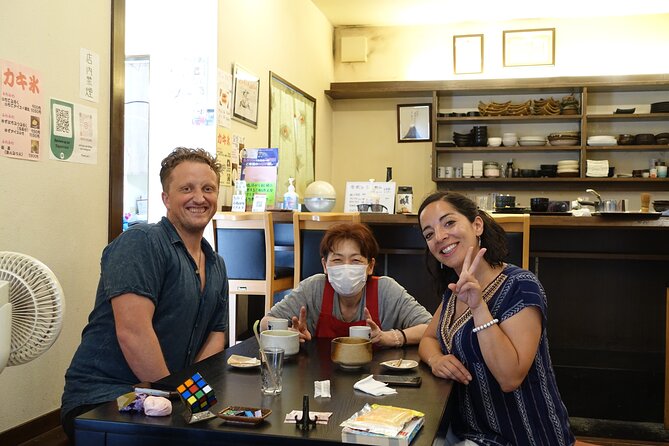
- Small group size (max 10), so you can actually ask questions instead of watching from the sidelines
- Lunch or dinner options, including an evening start time listed as 5:30 pm
- Choose your dish style, either home-cooked dishes, okonomiyaki, or bento
- Matcha making is part of the class, not just a drink you order
- Optional sake tasting can be added to your meal if you upgrade
- Convenient location near Osaka Castle, with easy access from Osaka Castle Station and Morinomiya Station
Why This Osaka Cooking And Matcha Class Fits So Well Into A Castle Day
Osaka Castle gets a lot of attention, and for good reason. But after you’ve walked the grounds and snapped the photos, you usually want something calmer and more personal than another museum stop. This class works because it’s close enough to slot in before or after sightseeing, and it’s built around doing real cooking.
The location makes life easy. It’s one JR stop from Osaka Castle Station, and from Morinomiya Station it’s about a 7-minute walk. You can also reach it conveniently from areas like Shinsaibashi and Namba, so you’re not forced to travel far just for a food experience. That matters because it keeps your evening from turning into a transportation marathon.
One underrated detail: since the operation runs like a cafe, you can often grab a coffee before class begins. That’s a nice reset after shopping streets or castle walks, and it helps you settle in before the hands-on part starts.
More Castle Visits in Osaka
- Osaka Castle: Museum and Tower Entry Ticket
★ 4.5 · 2,380 reviews - Ultimate Osaka Walking Tour: Castle, Dotonbori & Hidden Gems
★ 5.0 · 862 reviews - From Osaka: Himeji Castle, Arima Onsen & Mt. Rokko Day Tour
★ 4.6 · 339 reviews
Pick Lunch Or Dinner, Then Choose Your Dish Style (Home-Cooked, Okonomiyaki, Or Bento)
Your first decision is simple: lunch or dinner, depending on your Osaka rhythm. Then you choose one dish type from three options: home-cooked dishes, okonomiyaki, or bento. This is a practical way to tailor the class to what you want most.
Here’s what those choices mean for your experience:
- Home-cooked dishes are a great pick if you want flavors you can recreate at home. Reviews mention dishes like salmon and rolled omelette styles, plus sessions that include takoyaki, so this option tends to cover classic Japanese comfort food you can eat without too much culinary guesswork later.
- Okonomiyaki is the move if you want the Osaka specialty angle. You’ll be working with a batter and toppings approach, and the payoff is immediate, because you can taste as you go and see how the texture changes with technique.
- Bento suits you if you care about presentation and structure. Bento lessons usually reward people who like planning and portioning. You’ll get a feel for the logic behind arranging food so it looks good and eats well.
The big thing to remember: you choose one dish type, not three. For some people that sounds limiting. For others, it’s exactly why the class feels useful, because you can focus on mastering one set of techniques and then leave with recipes that actually make sense.
The Cooking Part: Techniques You Can Repeat At Home
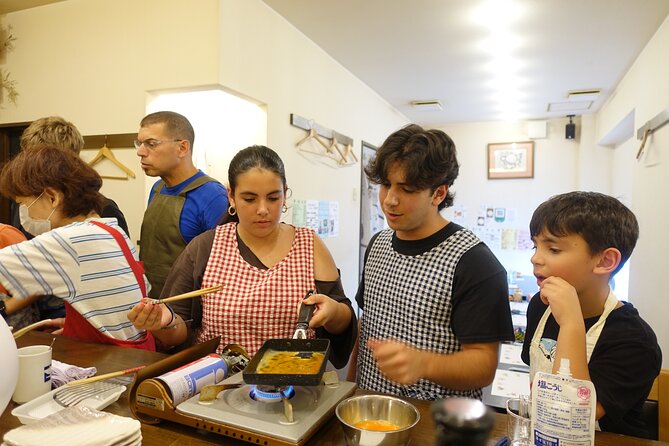
The best cooking classes do two things. First, they give you steps you can follow even when you’re not in Japan. Second, they give feedback in real time. This class leans hard into both.
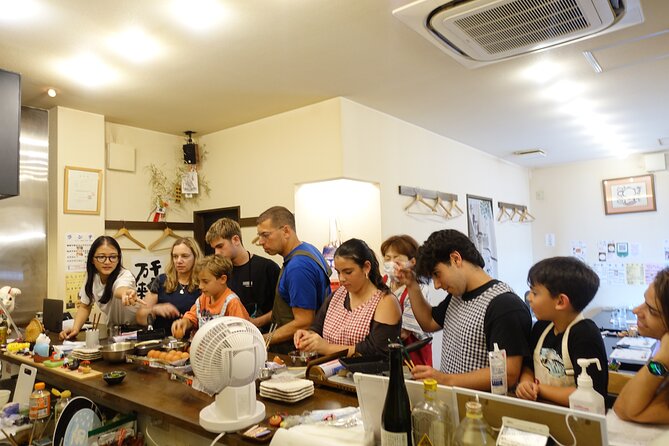
In your roughly 2-hour session, you’ll make the dish you selected and learn the core method behind it. Expect a guided process that covers prep, cooking, and the moment when you check doneness and adjust. That might sound obvious, but lots of classes stop at one big demo, where you just copy a few motions. Here, the format is built for hands-on work and frequent questions, especially because the group stays small.
What I like about this approach is that Osaka food can be intimidating if you only rely on menus. You might have loved what you ate, but not know why it tasted that way. Cooking instruction bridges that gap. You learn what to look for, like the feel of batter, how timing changes texture, or how to judge the point when the dish is ready to eat.
And because the class is designed to be personal, you’re more likely to get targeted tips than generic advice. In the reviews, people repeatedly point to the host making everyone feel comfortable, which usually means you won’t feel rushed when you ask, or awkward when you ask the same thing twice.
Matcha Making: From Powder to Real Flavor
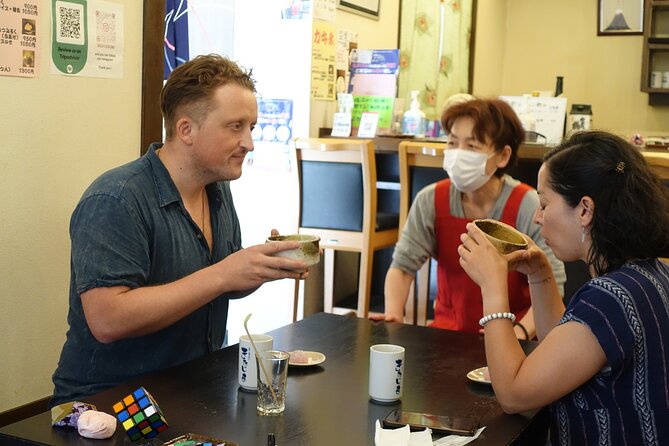
Matcha is one of those foods where the difference between okay and great is often small. It comes down to technique, timing, and how you treat the powder. That’s why I like that matcha is not an add-on here. It’s taught as part of the experience so you can take the process home with you.
In the class, you’ll learn how to make matcha at home. The practical win is that you’re not just tasting a drink, you’re learning how to produce the texture and flavor you want. That turns matcha from a store-bought item into something you can control.
Also, making matcha in a cooking class changes how you pay attention. You’re thinking about temperature, consistency, and balance, the same way you’d think about seasoning while cooking. It pairs naturally with the meal you just cooked, so your brain connects the dots between what you made and what you drink.
More Cooking Classes in Osaka
- Osaka: Ramen and Gyoza Cooking Class in Dotonbori
★ 5.0 · 378 reviews - Osaka Cooking Class: Okonomiyaki &Japanese cuisines experience
★ 5.0 · 261 reviews - Ramen and Gyoza Cooking Class in Osaka
★ 5.0 · 202 reviews - Osaka Sake Tasting with Takoyaki Cooking
★ 5.0 · 156 reviews
Optional Sake Tasting: If You Want The Full Meal Arc
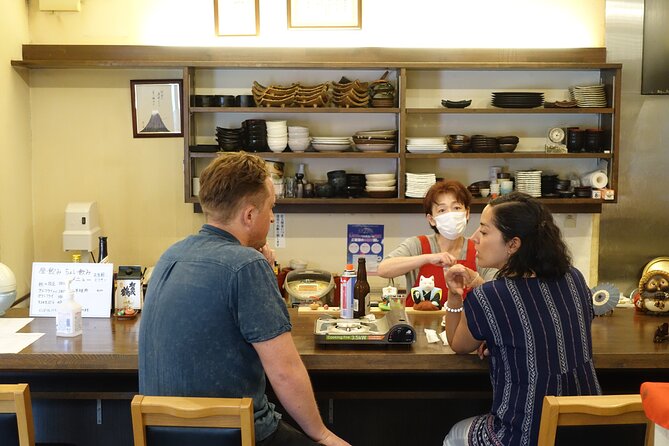
If you like expanding your Japanese food experiences beyond what’s on the table, there’s an upgrade option that adds sake tasting with your meal. The class is already centered on food, but this little add-on can make the meal feel like a complete tasting arc.
The practical angle is simple: sake tasting is not required, so you can decide based on your interests. If you do upgrade, you’ll likely get a more guided sense of how sake fits with the flavors you made.
If you don’t upgrade, you still leave with two key takeaways, cooking skills you can repeat and matcha you can make yourself. Either way, your core value stays intact.
Meet Ikuko And Takumi: Why The Vibe Feels So Easy
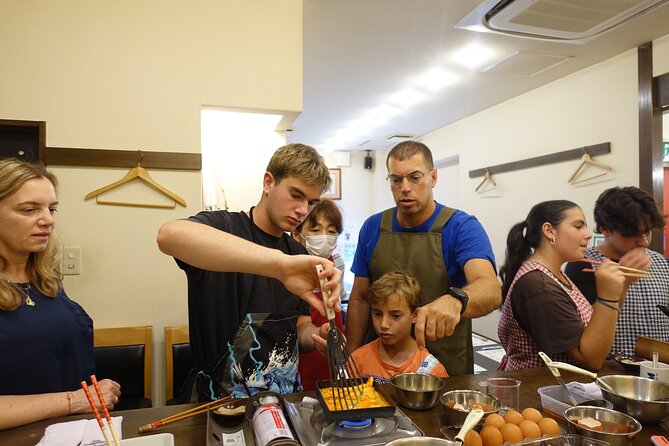
Most people don’t just book cooking classes for recipes. They book them because they want to feel included. This one is run by a family team, Ikuko and her son Takumi, and that shows.
In multiple reviews, the tone is consistent: people describe Ikuko as friendly, sweet, and genuinely invested in making the experience comfortable. Takumi often helps with translation when needed, which is helpful if your Japanese is limited. That translation support is more than a convenience, it changes your entire experience. You can ask questions without worrying you’ll miss the meaning, and you can understand the why behind technique instead of copying motions.
I also like that the class has a small-group cap. When you have at most 10 people, a host can actually watch what you’re doing and step in. You’re not lost in a crowd.
One more detail I appreciate from the reviews: the feeling of authenticity. People call it an authentic home cooking experience and highlight dishes that sound like real everyday Japanese cooking, not just tourist-style performances. That’s exactly what you want if your goal is to bring something back you can reproduce.
Price And Value: What $65.69 Buys In Real Terms
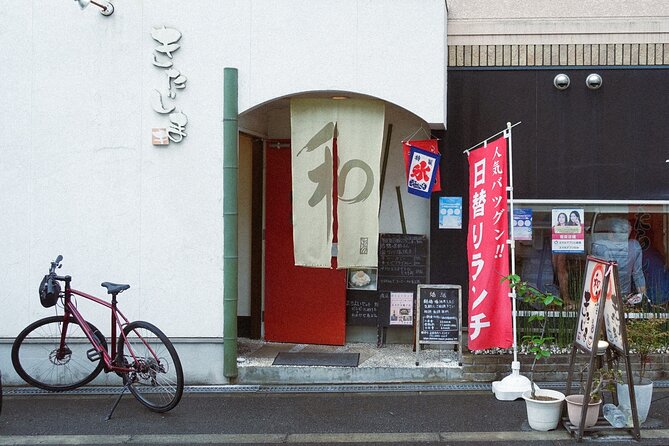
At $65.69 per person, you’re paying for more than instruction. You’re paying for time, ingredients, and coaching in a small setting near Osaka Castle.
Here’s how I think about value for a class like this:
- Small group size helps justify the cost because you’re not competing for attention.
- You get two skills: cooking your selected dish and learning matcha at home.
- Optional sake tasting can add extra value if you enjoy pairing food and drink.
- Duration is about 2 hours, which is a good length for hands-on learning without turning into a half-day commitment.
If you normally pay for dinner in Osaka and treat a cooking class as a bonus, the price might feel higher. But if you want something you can repeat at home, that’s the real bargain. You leave with knowledge that sticks, not just a meal that disappears.
Where It Fits In Your Osaka Itinerary
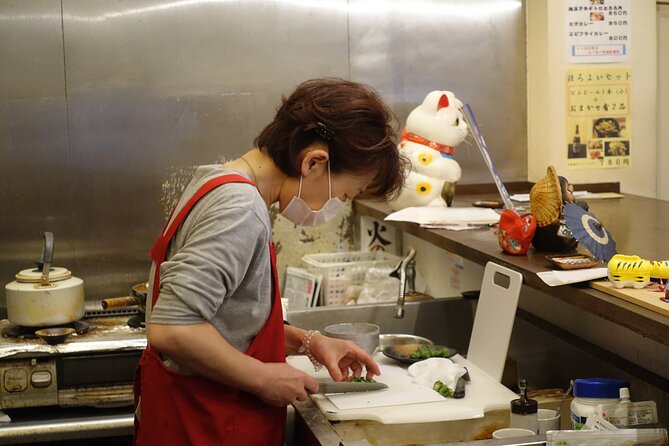
This class is ideal if you’re doing Osaka Castle plus food exploration in the same general area. Because it’s close to major transit links, you can plan it like a local meal plan rather than a complicated detour.
A good day flow could look like:
- Morning or early afternoon: Osaka Castle sightseeing
- Late afternoon or evening: head to the class, grab a coffee if you want
- After class: continue with the neighborhoods you already planned to visit, since Shinsaibashi and Namba are reachable from here
It’s also a strong option for people who like structured food experiences, but still want authenticity. You get guidance and steps, yet you’re not watching a performance. You’re cooking.
If you’re traveling solo, you still get that small-group attention. If you’re traveling as a couple, it’s a great shared activity because you can compare notes while cooking and enjoying the meal.
Who Should Book, And Who Might Want A Different Plan
I’d recommend this class if you want:
- A hands-on Japanese cooking experience with matcha taught properly
- A small-group setup where you can ask questions and get feedback
- An easy location near Osaka Castle, with convenient transit access
You might want a different plan if:
- You prefer classes with lots of English narration all the way through, since the host’s English may be limited and Takumi often supports translation
- You expect to make multiple full dishes in one sitting, because you choose one dish type from the three options
For most people, the trade-off works in your favor because the class stays focused and personal.
Should You Book This Osaka Castle Area Cooking And Matcha Class?
If your goal is to go beyond eating and actually learn something you can repeat, this is a solid booking. I’d book it if you like small groups, family-run hospitality, and the idea of leaving with practical cooking technique plus matcha you can make at home. The location also helps, because it doesn’t force a big detour.
If you’re on a strict schedule, choose lunch or dinner based on your day, and pick the dish type that excites you most. Either way, you’ll get the same core experience, cooking your selected dish, learning matcha, and enjoying what you make.
FAQ
How long is the Osaka Japanese cooking and matcha class?
The class is about 2 hours.
Is there a lunch or dinner option?
Yes, you can choose from lunch or dinner class options to fit your schedule.
What dish options can I choose from?
You can choose one dish from these options: home-cooked dishes, okonomiyaki, or bento.
Is matcha included in the class?
Yes, the class includes learning how to make authentic matcha at home.
Can I add sake tasting?
Yes, there is an upgrade option that includes sake tasting with your meal.
How many people are in the group?
The class has a maximum size of 10 travelers.
Where is the meeting point?
The meeting point is 3-chōme-8-2 Nakamichi, Higashinari Ward, Osaka, 537-0025, Japan.
What time does the class start?
A start time listed for this activity is 5:30 pm.
How much does it cost?
The price is $65.69 per person.
Is free cancellation available?
Yes, you can cancel for a full refund up to 24 hours in advance of the experience start time.
More Tea Ceremonies in Osaka
- Osaka: Tea Ceremony Experience
★ 4.9 · 1,426 reviews - Tea Ceremony Experience in Osaka Doutonbori
★ 5.0 · 754 reviews - Matcha Making Class in Osaka with Authentic Japanese Sweets Set
★ 5.0 · 509 reviews - Osaka: Matcha Making Experience with Japanese Sweets
★ 5.0 · 146 reviews
Newly listed around Osaka
- 2 Hours of Bar Hopping in Osaka Style★ 5.0 · 22 reviews
- Same-Day Osaka Food Crawl with local food and Hidden gems★ 5.0 · 114 reviews
- Osaka Authentic Local Izakaya Hopping Experience: Food & Drinks★ 5.0 · 99 reviews
- Well-balanced BENTO (lunch box) Cooking Class★ 5.0 · 35 reviews
- Anime Cosplay Photshoot-50 Digital Photos Provided★ 5.0 · 8 reviews
- OSAKA:Feel the Power! Learn Taiko Drum from Professionals★ 5.0 · 28 reviews
- Three Types of Ramen Cooking Class in Osaka★ 5.0 · 119 reviews
- Urban Canvas: Osaka Street Art Bike Tour★ 5.0 · 47 reviews
Matcha & Tea Ceremony Sessions, compared.
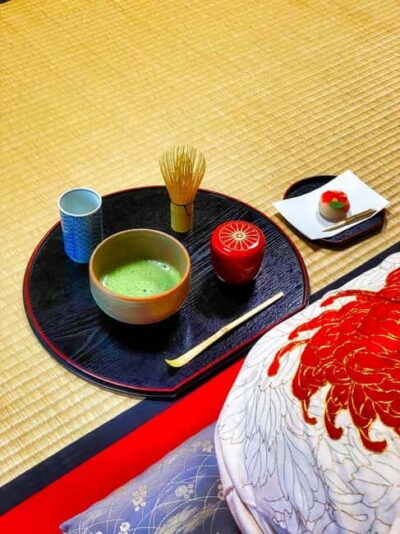
Tea Ceremony in a Traditional Tea House in Kiyomizu
Read our review →
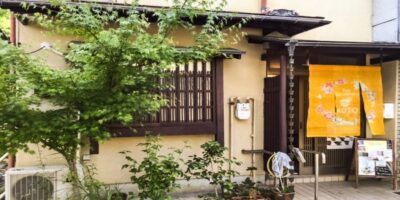
World Heritage Kyoto & Nara Uji Authentic Matcha Experience
Read our review →