
Review · MATCHA & TEA CEREMONY SESSIONS
Osaka; Japanese Tea ceremony experience, Macha and Sencha
In Osaka, tea teaches you how to slow down. This one-hour session feels like stepping into a quiet pocket of Japan, with tatami seating and an English-speaking tea master guiding you through both preparation and etiquette.
I especially like the hands-on flow, you actually get to make tea, not just watch. You start with matcha, then move to sencha, and both come paired with Japanese sweets.
One consideration: this experience includes sweets, so if you have food allergies, it may not be a good fit.
In This Review
- Key highlights you should know before you go
- Stepping into the tea room: calm, etiquette, and a real teacher
- Matcha in one hour: watching, learning, then making it yourself
- The meaning behind the motions: history and the spirit of the ceremony
- Japanese sweets with matcha: a small taste, a big etiquette moment
- Sencha in the same session: a modern everyday tea story
- Yukata and photos: when you want the memory to look like Japan
- Price and value: what you really get for about $25
- Who this Osaka tea ceremony suits best
- How to find it: Midosuji Line Exit 3, ground floor
- Should you book this Osaka matcha and sencha tea ceremony?
- FAQ
- How long is the tea ceremony experience?
- What teas and sweets are included?
- Is the instructor English-speaking?
- Can I wear a yukata?
- Where do I meet for the experience?
- Is it suitable for people with food allergies?
Key highlights you should know before you go
- Tatami-room tea ritual with formal etiquette taught step by step
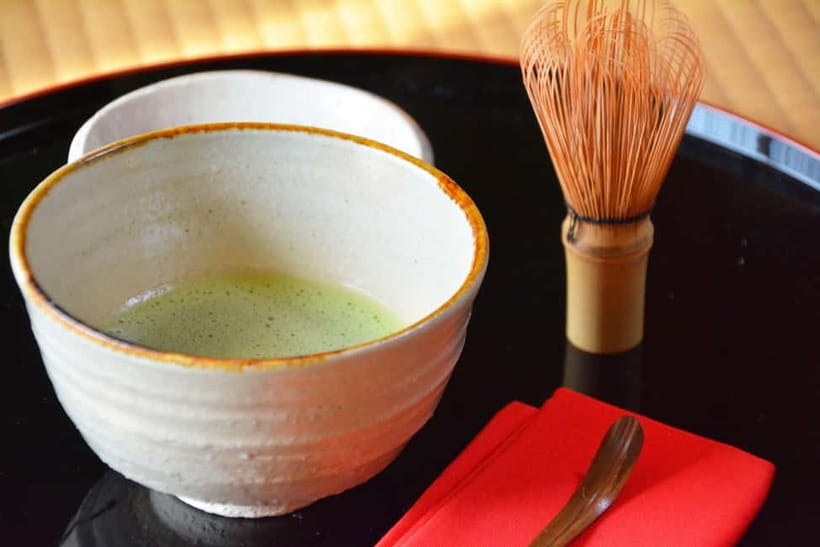
- Matcha practice plus tasting the tea you prepared
- Sencha tea session with context on how it fits modern Japan
- Two sweet tastings alongside matcha and sencha (great for variety, not great for allergies)
- Optional yukata and a photo to make the memory easy to keep
Stepping into the tea room: calm, etiquette, and a real teacher
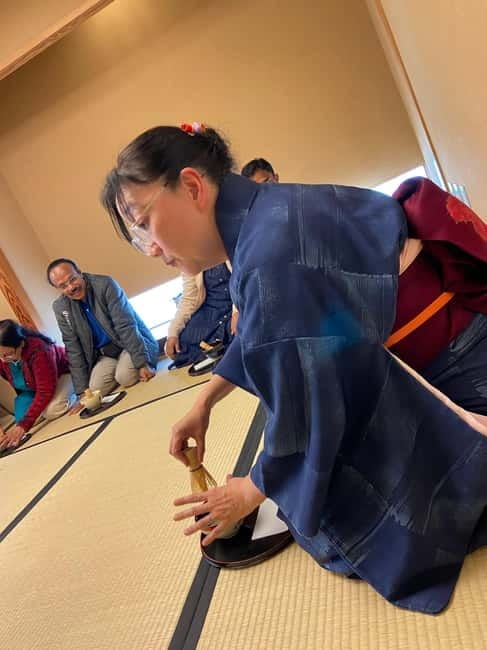
The best part of a tea ceremony is the atmosphere. You come in expecting tea, but you leave with a new sense of pace and attention. Here, you sit in a traditional Japanese room on tatami, where the whole experience is built around small, respectful movements and a clear rhythm.
You are welcomed by an English-speaking tea master. In the same way guides can make or break a class, the instructor’s personality matters. One name that shows up often in praise is Yuko, noted for being kind and for explaining clearly in English, which is a big deal if you want to actually understand what you are doing rather than just mimicking steps.
You should also know this is not a noisy, casual tasting. It is quiet by design. If you like crafts where details matter, you will feel right at home. If you want something fast and purely transactional, you might find the ceremony-style pacing a little slow, because that is the point.
More Tea Ceremonies in Osaka
- Osaka: Tea Ceremony Experience
★ 4.9 · 1,426 reviews - Tea Ceremony Experience in Osaka Doutonbori
★ 5.0 · 754 reviews - Matcha Making Class in Osaka with Authentic Japanese Sweets Set
★ 5.0 · 509 reviews
Matcha in one hour: watching, learning, then making it yourself
The session starts with matcha green tea. You’ll first watch the tea master prepare it, so you can see how the tools, motions, and timing fit together. Then you shift from observer to participant, making tea yourself according to the ceremony etiquette.
That hands-on part is where this experience becomes more than a photo opportunity. Making tea teaches you a practical kind of mindfulness. Your hands slow down, your attention sharpens, and you start noticing small things like how the tea is handled and served.
While the class is focused on matcha, it also teaches you how to behave in the ritual setting. Etiquette might sound formal, but in practice it is simple: respectful posture, careful handling, and following the sequence without rushing. You’ll feel that structure as you go, especially if you are new to Japanese tea traditions.
And because the session includes tasting, you get to connect the lesson to the result. You are not just learning technique, you are trying the tea afterward.
The meaning behind the motions: history and the spirit of the ceremony
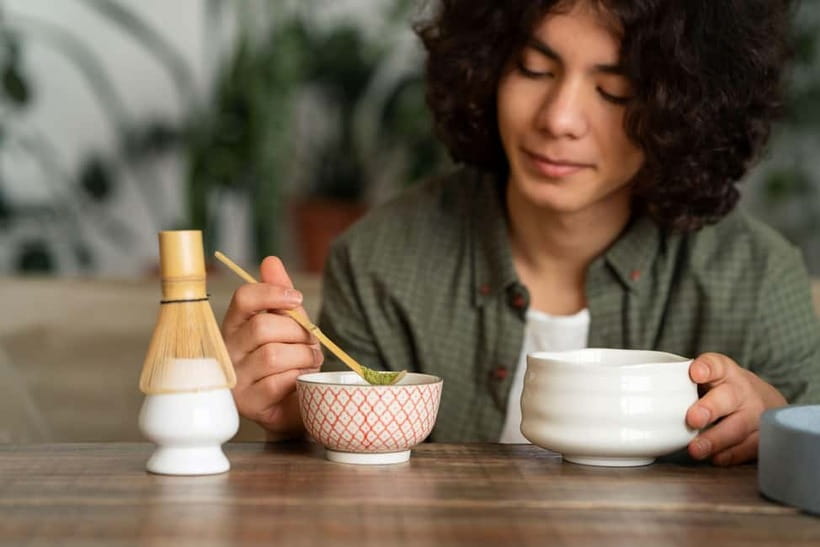
In the middle of the matcha portion, the tea master explains the history and spiritual role of the tea ceremony. This matters, because the ceremony is not only about green tea. It is about values: attention, respect, and harmony.
Even if you do not know the background going in, the instructor’s explanation gives you a mental map. You learn what the ceremony is trying to express, not just what to do. That is what turns this from a basic class into a cultural experience you can actually carry home.
If you like stories, this is where you will likely enjoy it most. People who feel satisfied after tea experiences usually say the same thing in different words: the teaching made it make sense.
Japanese sweets with matcha: a small taste, a big etiquette moment
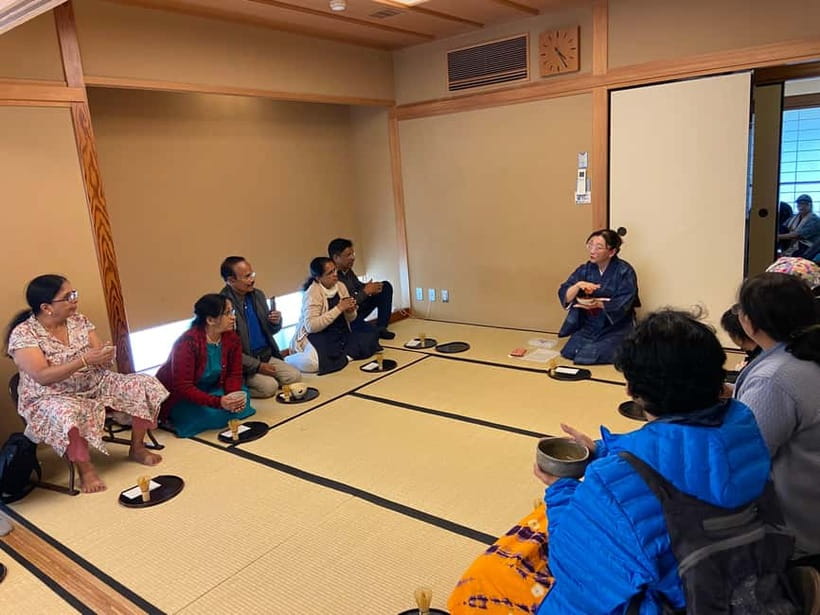
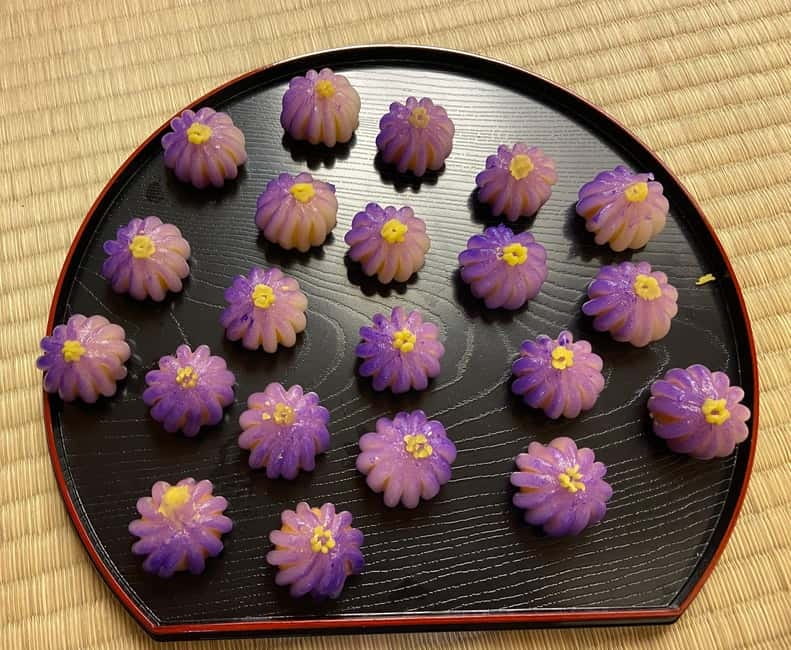
Next comes tasting traditional Japanese sweets with the matcha experience. This is not random. Sweets are part of the tea rhythm, giving you a contrast in flavor and texture while you stay focused on the ceremony setting.
That said, there is an important real-world caution. Persons with food allergies should not eat Japanese sweets and confectionery. The tour also is not suitable for people with food allergies. If you have any allergy at all, you will need to sit this one out, because the sweets are included as part of the program.
If you do not have allergies, the sweet tasting is a highlight because it adds variety. Matcha can be intense and grassy, while Japanese sweets often balance sweetness and texture. Together, they help you appreciate why tea ceremonies use pairings rather than drinking tea alone.
A different sort of day in Japan:
- Osaka Go Karting Tour with Funny Costume
★ 5.0 · 2,658 reviews - Osaka Castle: Museum and Tower Entry Ticket
★ 4.5 · 2,380 reviews - Osaka: Shinsekai Food Tour with 13-15 Dishes at 5 Eateries
★ 4.8 · 2,204 reviews - Osaka Food Tour: 13 Dishes at 5 Local Eateries
★ 5.0 · 2,149 reviews
Sencha in the same session: a modern everyday tea story
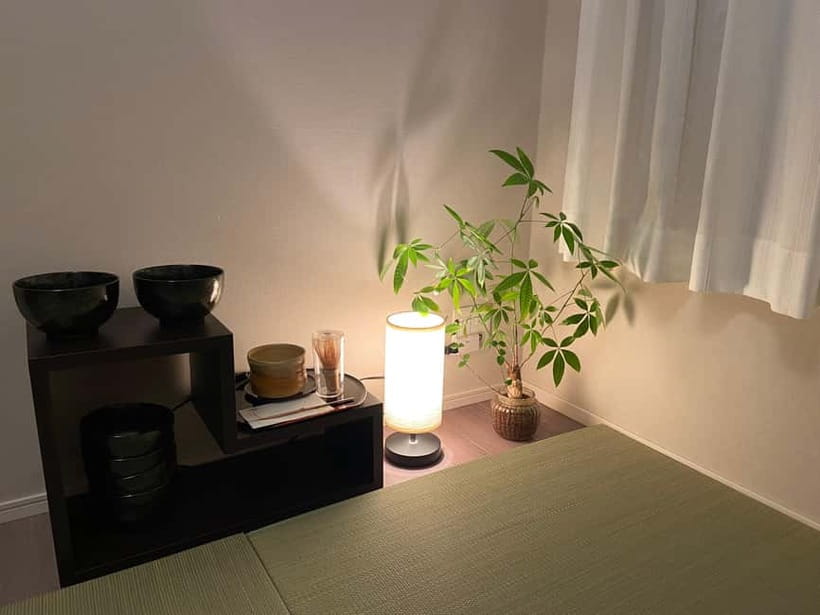
After the matcha segment and sweets, you move to sencha green tea and more current Japanese confectionery. Sencha is commonly drunk in Japan today, so this second tasting acts like a bridge from tradition to everyday tea culture.
The instructor explains the history of sencha and other aspects of sencha as you drink. That combination is smart for learning. You taste first, then you get the context, so it sticks.
Sencha also changes the mood slightly. Matcha tea ceremony feels ceremonial and deliberate, while sencha feels more connected to normal life. That is a good contrast if you want the full picture of Japanese tea, not only the formal version.
As you enjoy the sencha and sweets, you are still inside the same respectful setting. The difference is in the tea identity and the story behind it. You come away understanding that tea culture in Japan has both ritual and routine.
Yukata and photos: when you want the memory to look like Japan
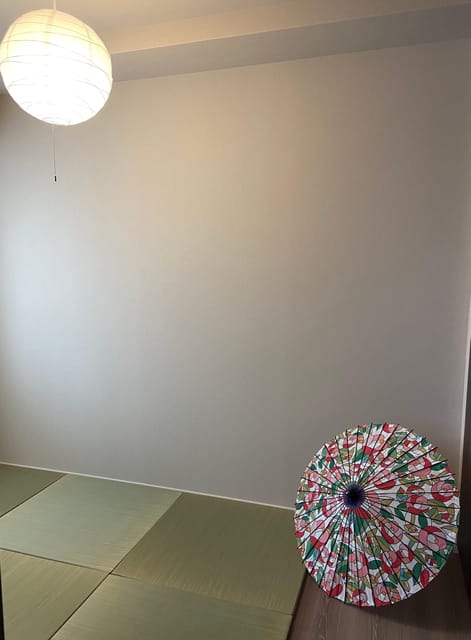
At the end, you have an opportunity to have your photograph taken. That matters more than you might expect. A lot of experiences are hard to summarize later, because they are about feelings and technique. A photo gives you a simple anchor for the memory.
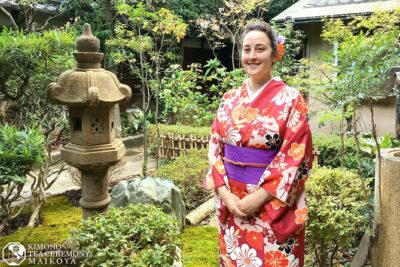
There is also an optional add-on if you choose it when booking. You can wear a yukata during the tea ceremony experience and have your photo taken in that outfit. Renting the yukata is separate, but it is a popular way to make the ceremony feel even more vivid.
If you plan to add the yukata option, think about comfort. Yukata are not hiking gear. They are light and ceremonial. You want something that lets you move carefully without fussing with clothing during the steps.
Price and value: what you really get for about $25
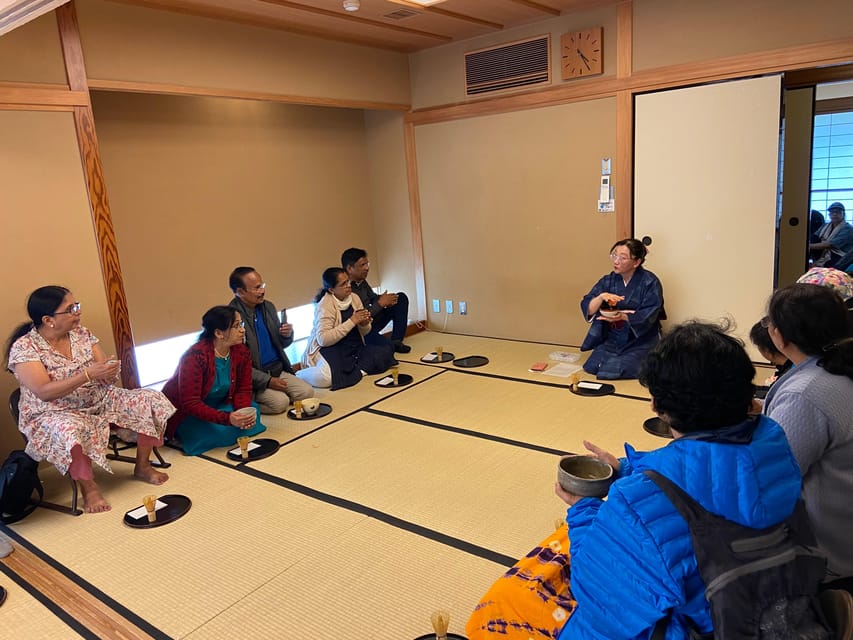
At $25 per person for a one-hour experience, the value is pretty solid if you want guided learning plus tastings. Here is why.
First, you get instruction from tea ceremony instructors. Learning etiquette and the meaning behind the ritual takes time and expertise, and that is built into the price.
Second, you do not just get one tea. You get matcha with traditional sweets, then sencha with current sweets. Two tea moments, two contexts, and two tastings in one sitting is a lot more satisfying than a single-drink demo.
Third, the duration is short. One hour is long enough to learn the basics, but short enough that it does not crush your day. This makes it easy to fit into an Osaka itinerary without losing momentum.
One practical tradeoff: meals are not included. So if you are doing this around a meal time, plan food either before or after. Also, because sweets are part of the experience, it can function like a snack, but it is still not a full meal.
Who this Osaka tea ceremony suits best
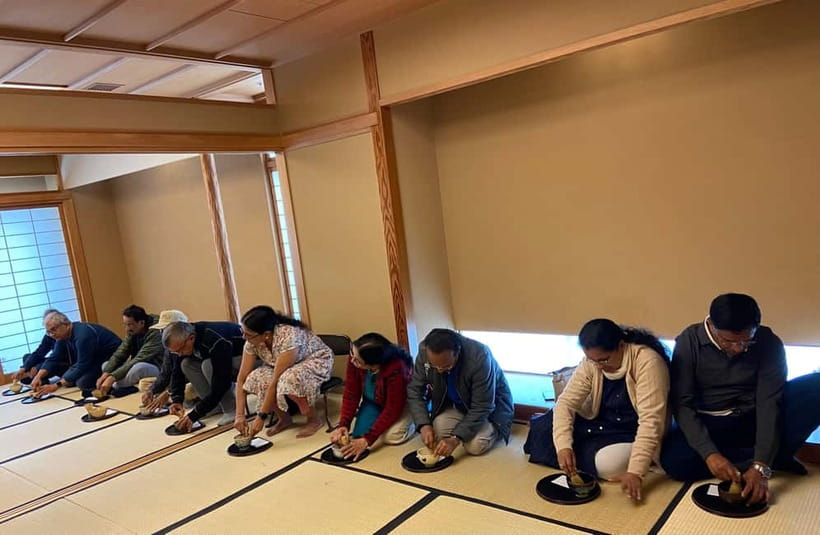
This works best if you want an authentic, structured cultural experience that stays calm and hands-on. You will likely enjoy it if you:
- like learning etiquette, not just tasting
- want to understand both matcha and sencha
- enjoy classes where the teacher explains what you are doing and why
It is not suitable for wheelchair users. It is also not suitable for people with food allergies. And it is designed as a quiet space, so it is not a fit for groups that are coming to make noise or treat the ceremony like entertainment.
If you are traveling solo, as a couple, or with a small group that respects the setting, it is a great option. The format is simple: arrive, learn, taste, photograph.
How to find it: Midosuji Line Exit 3, ground floor
Your meeting point is the underground Midosuji Line, Exit 3, ground floor. That is actually convenient because it puts you right where you can move easily between city areas without having to wrestle with complicated directions.
To make this smooth, do two things:
- arrive a few minutes early so you can settle in
- be ready to follow the exact entrance and ground-floor instructions, because underground exits can be easy to misread
Also check how busy the station feels at your time slot. One-hour experiences move fast once they start.
Should you book this Osaka matcha and sencha tea ceremony?
Book it if you want a guided, respectful tea experience in a tatami room, with real instruction in matcha and sencha and tastings included. At $25 for two tea sessions plus sweets and teaching, it is a fair value, especially if you are the type who likes to learn how things work instead of only looking.
Skip it if you have food allergies, because the sweets are part of the included experience. Also skip if wheelchair access is a requirement for your trip.
If you want an Osaka activity that feels genuinely Japanese, stays calm, and gives you something to remember beyond a quick walk by, this is a strong choice.
FAQ
How long is the tea ceremony experience?
It lasts 1 hour.
What teas and sweets are included?
You get matcha green tea with traditional Japanese sweets, and sencha green tea with current Japanese confectionery.
Is the instructor English-speaking?
Yes. The instructor provides instruction in English and Japanese.
Can I wear a yukata?
You can wear a yukata if you select the relevant additional option when booking. Yukata rental is not included.
Where do I meet for the experience?
You meet at the underground Midosuji Line, Exit 3, ground floor.
Is it suitable for people with food allergies?
No. Persons with food allergies should not eat the Japanese sweets and confectionery, and the experience is not suitable for people with food allergies.
Newly listed around Osaka
- (Ticket Included) Explore Osaka Castle & Museum of History★ 4.8 · 21 reviews
- Hidden Osaka – Yukaku Red Light Tour & Culinary Adventure★ 4.8 · 96 reviews
- Osaka: Walking Tour and Top Highlights★ 4.8 · 104 reviews
- Same Day OK! Osaka: Local Food, Izakaya & Local Bites Tour!★ 4.8 · 17 reviews
- Osaka: Private Ceramic Painting Workshop★ 5.0 · 13 reviews
- Eat Like a Local in Osaka – Private Custom Street Food Tour★ 4.3 · 33 reviews
- Pickleball in Osaka & Kyoto with Locals!★ 4.6 · 64 reviews
- Osaka:SUMO BEATS SHOWCASE: Taiko Drum and Wagyu burger!★ 4.2 · 37 reviews
Matcha & Tea Ceremony Sessions, compared.
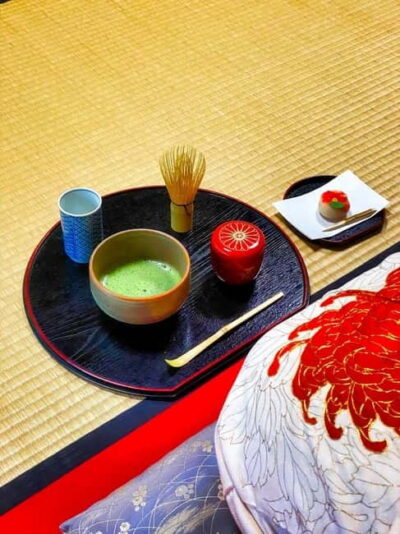
Tea Ceremony in a Traditional Tea House in Kiyomizu
Read our review →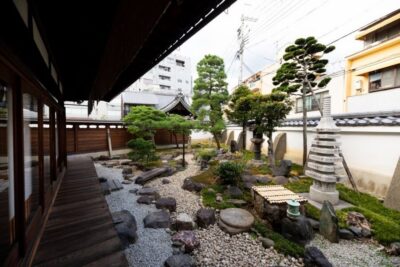
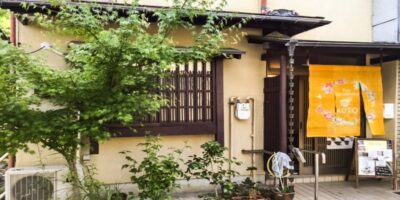
World Heritage Kyoto & Nara Uji Authentic Matcha Experience
Read our review →
Browse the lists this tour appears in