
Review · MATCHA & TEA CEREMONY SESSIONS
Osaka: Private Tea Ceremony and Calligraphy Experience
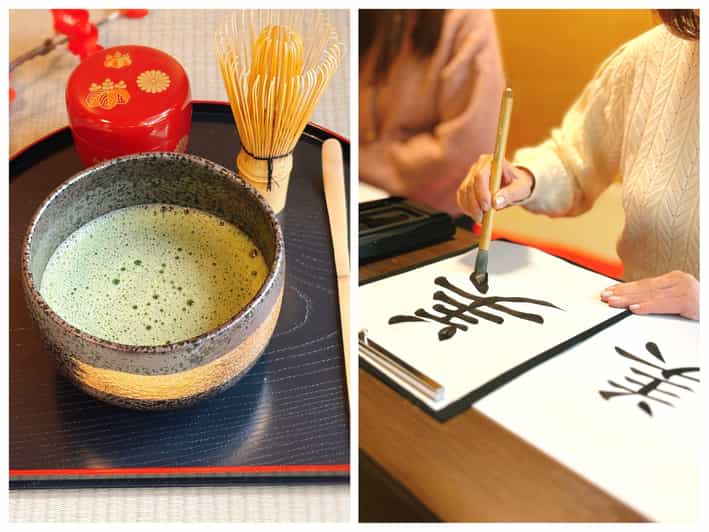
Soft silence, then ink and matcha. This Osaka private class pairs a guided Japanese tea ceremony with hands-on calligraphy where you take home your own artwork. I like that it is genuinely private (your instructor, your pace, your questions), and I also like that you do both activities, matcha included, not just watch. One consideration: you will be sitting and focusing for 135 minutes, so it helps if you do fine with a calmer, slower rhythm.
It is taught in the Namba area, near Shinsaibashi, so you can fit it between shopping and dinner without feeling like you are racing across town. The session is also designed to be flexible, including time for photos and requests like going slowly for a child’s pace.
One more practical note: you need to come prepared with socks, and the experience is not suitable for wheelchair users.
In This Review
- Key Highlights You Can Plan Around
- Why This Tea and Calligraphy Combo Works in Osaka
- A small reality check
- Namba Meeting Point and the Session Flow (So You Are Not Rushing)
- The Calligraphy Lesson: Kanji Choice, Stroke Practice, and Your Name in Japanese
- What happens in the calligraphy steps
- Difficulty levels and the confidence factor
- The souvenir problem, solved
- Tea Ceremony Hour: Making Matcha, Choosing a Tea Bowl, and Seasonal Sweets Twice
- You get a say in the details
- Why the sweets matter for culture, not just dessert
- Dietary notes to know
- What You Learn That Goes Beyond Tea and Brush Strokes
- The teaching style you want
- Price and Value: Is 64 USD Per Person Fair for All This?
- What you are really buying
- Who the price is most worth it for
- Who Should Book This Class (And Who Might Skip)
- Small Practical Notes That Make Your Visit Smoother
- Bring socks
- Photos are welcome
- No smoking
- Language options
- Should You Book This Private Tea Ceremony and Calligraphy in Osaka?
- FAQ
- How long is the Osaka private tea ceremony and calligraphy experience?
- Is this a private group experience?
- What is included in the price?
- What languages is the instructor able to speak?
- Do I need to bring anything?
- Is it wheelchair accessible?
- Where do I meet the instructor?
Key Highlights You Can Plan Around
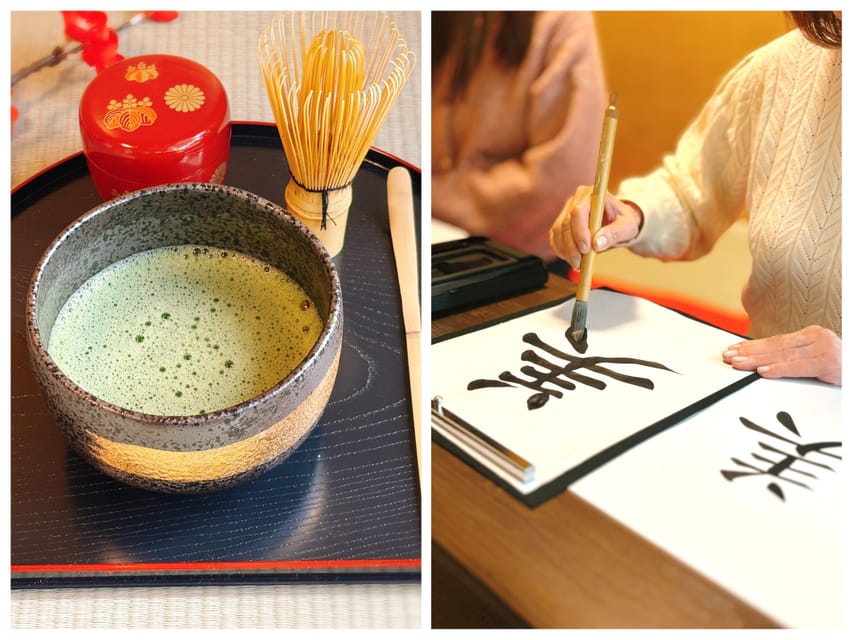
- A fully private format means real back-and-forth with instructor Wanoma, not quick demos.
- Matcha-making plus tasting gives you a hands-on way to understand tea ceremony steps.
- Calligraphy with a personality twist uses kanji tied to how you express yourself.
- Take-home colored paper artwork includes writing your name in Japanese characters and stamping initials.
- Seasonal sweets twice during the tea ceremony add a tasty cultural layer, and at least some sweets have been lactose-free.
- English or Japanese instruction helps you learn the meaning behind the gestures, not just the motions.
Why This Tea and Calligraphy Combo Works in Osaka
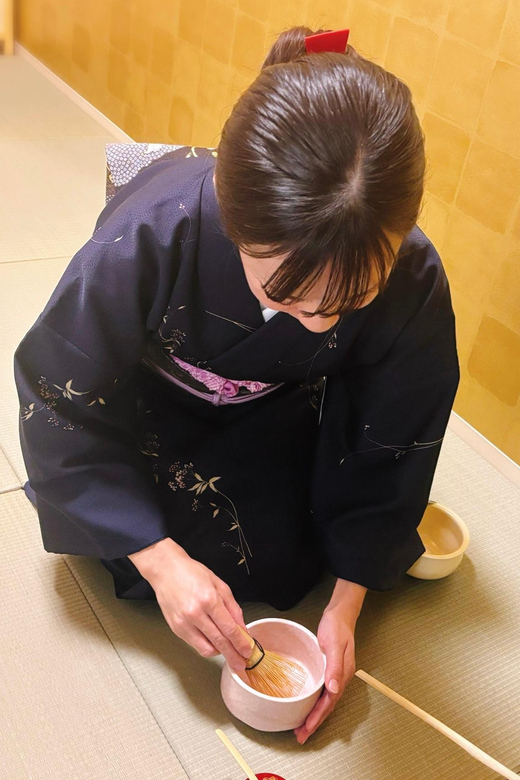
This experience is not trying to be everything. It is doing two very Japanese things that feel connected once you slow down: making tea with care, and writing with control. The tea ceremony part trains your attention. The calligraphy part trains your hand. Put them together and you get a souvenir that is not just a photo, it is something you created.
What makes this plan especially attractive is the private structure. In a group class, you often spend part of the time waiting your turn. Here, the pace can adjust. If you want lots of photos, you can take them. If you need to go slowly, the instructor can match that rhythm. That is a big deal in a calmer activity like this, where the goal is to feel present.
The other strong pull is the take-home output. You will leave with your own calligraphy on colored paper. That changes the whole experience, because you are not only learning, you are producing something that will remind you of the day later.
More Craft Workshops in Osaka
- Osaka: Tea Ceremony, Calligraphy, and Kimono Experience
★ 4.9 · 130 reviews - Kamigata Ukiyoe Museum:Ukiyo-e Woodblock Printing Experience
★ 4.9 · 79 reviews - Osaka: Private Japanese Calligraphy Experience
★ 5.0 · 66 reviews
A small reality check
Tea ceremony and calligraphy can feel quiet and focused. If you are hoping for loud, fast energy, this may feel different. But if you like calm, learning, and making something slowly and correctly, you will probably love the vibe.
Namba Meeting Point and the Session Flow (So You Are Not Rushing)
You meet at the entrance of New Osaka Hotel Shinsaibashi. Walk west for about 30 seconds to a spot by a blue vending machine. The team waits outside about 5 minutes before your scheduled start time, and you will recognize them because they wear kimonos.
From there, the workshop runs with a guided structure and a “you decide” feel. Before any ink touches paper, you choose your calligraphy theme. During tea time, you choose a tea bowl. These small choices matter because they turn the lesson from a script you follow into something that feels personal.
The whole session is 135 minutes. That is long enough to actually practice, not just “try it for ten minutes.” It also means you will likely feel like you got both value tracks: you learn the tea ceremony steps, and you learn calligraphy strokes, not just the final product.
The Calligraphy Lesson: Kanji Choice, Stroke Practice, and Your Name in Japanese
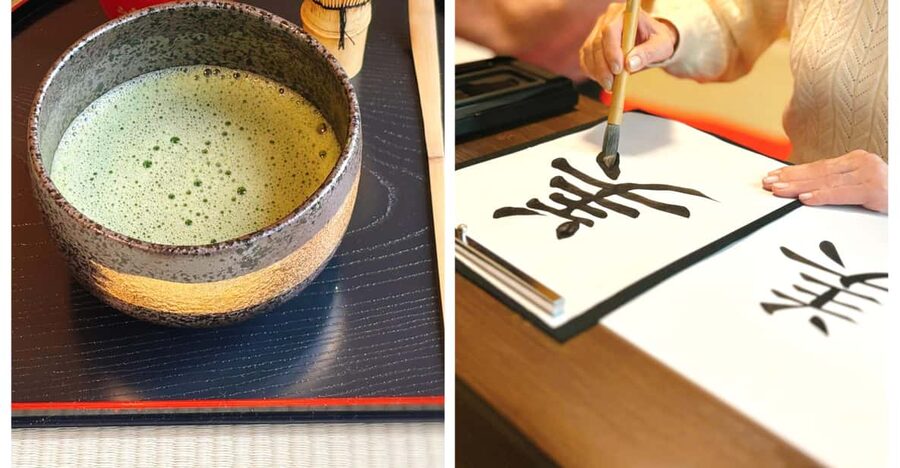
The calligraphy hour is built like a mini craft class plus a short art lesson. It starts with choosing what you want to write. You can pick the theme you want, tell the instructor your favorite letters or words, and then you will get suggestions for the best kanji to express your personality.
That “personality” connection is one of the things people seem to remember. Instead of writing a random character, you are writing something that matches how you want to show up. In this class, that extends to converting your name into kanji in a way that reflects you.
More Tea Ceremonies in Osaka
- Osaka: Tea Ceremony Experience
★ 4.9 · 1,426 reviews - Tea Ceremony Experience in Osaka Doutonbori
★ 5.0 · 754 reviews - Matcha Making Class in Osaka with Authentic Japanese Sweets Set
★ 5.0 · 509 reviews - Osaka: Matcha Making Experience with Japanese Sweets
★ 5.0 · 146 reviews
What happens in the calligraphy steps
You typically move through a clear sequence:
- You choose your theme and the idea you want your writing to communicate.
- You get a basic lecture on proper practices (so you do not guess).
- You pick colored paper from the options offered.
- You learn and then practice the brush strikes for your chosen character.
- You finish by writing your name in Japanese characters, then stamp your initials.
If you are traveling with kids, this matters even more. There is a specific option for young children using water calligraphy, which helps prevent messy ink on hands and clothes. That is a smart detail for families who still want the experience without the chaos.
Difficulty levels and the confidence factor
One detail that stands out in feedback is that there are different kanji characters you can choose from, with varying difficulty. That is important for first-timers. You want to feel like you succeeded, not like you are struggling with something that is too complex for your first brush day.
Also, stroke practice happens before you jump into your finished work. That means your final piece is more likely to look like what you expected. It also gives you that satisfying feeling of improvement during the lesson.
The souvenir problem, solved
Many activities give you a souvenir you did not make. Here, you make the souvenir. You take home the colored-paper calligraphy that includes your name and your stamped initials. That is the kind of keepsake that actually lives on your wall later, because it feels like it belongs to you.
Tea Ceremony Hour: Making Matcha, Choosing a Tea Bowl, and Seasonal Sweets Twice
The tea ceremony portion is where the pacing shifts to calm and focus. You learn how to make the tea, and then you try making it yourself. You are not only observing. You are doing. That hands-on approach turns matcha from a trendy drink into something you understand.
You get a say in the details
One small moment that you can plan for: during the tea ceremony, you choose a tea bowl that expresses your feelings that day. That turns the ritual into a personal experience, and it also helps you pay attention because you are choosing an object, not just following steps.
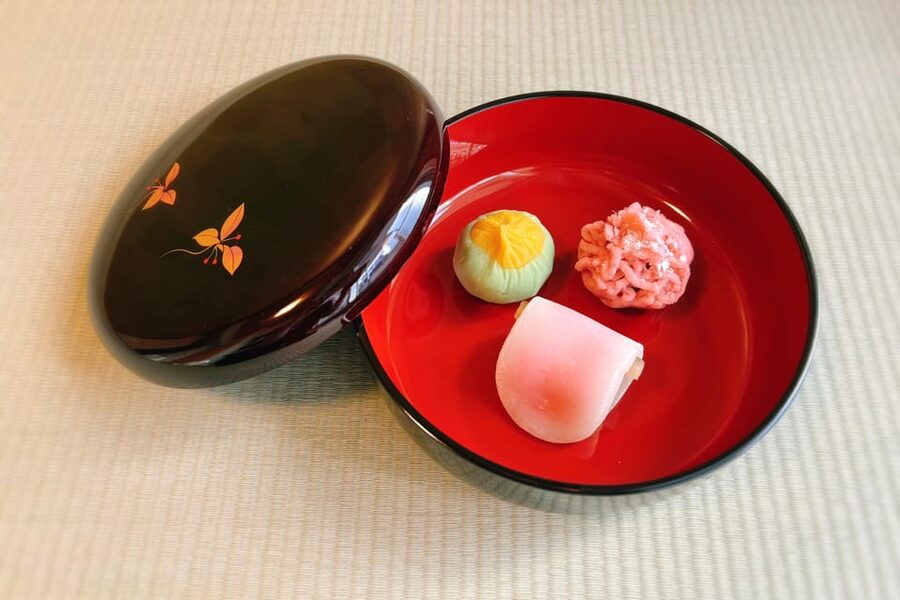
You also taste matcha during the session. Then you add Japanese sweets to the equation. A key highlight: you enjoy different types of sweets twice during the tea ceremony.
Why the sweets matter for culture, not just dessert
The sweets are not random. The instructor explains the role of seasons in the type of sweets used throughout the year. Even if you only catch part of this explanation, you start to understand why the tea ceremony feels tied to time and place. Japan’s seasonal approach shows up in food, packaging, ingredients, and even the mood of the ritual.
Dietary notes to know
At least one set of feedback specifically mentioned lactose-free sweets being provided. That is a good sign, but do not assume it is automatic for every booking. If you have dietary needs, I suggest you message the provider before you arrive so they can help you sort out what will work for you.
What You Learn That Goes Beyond Tea and Brush Strokes
This is not only about making and tasting. The instruction is structured around meaning: why each step exists, and how the whole ceremony flows as a set of respectful actions.
In tea ceremony instruction, people highlighted learning the history and how to properly enjoy tea. In calligraphy, people highlighted instruction on brush strikes and the significance behind what they chose to write. Put together, you get a cultural lesson with an art-and-food outcome.
The teaching style you want
Feedback repeatedly points to Wanoma, the instructor, being friendly, patient, and attentive. Several comments mention she answered questions and made people comfortable, even when people made mistakes. That matters because calligraphy and tea steps can feel intimidating if you assume you must be perfect. A relaxed teacher turns the class into learning instead of performing.
It also helps that the space is described as clean and peaceful. You are not wrestling with distractions. You can hear guidance, follow steps, and focus on your own work.
Price and Value: Is 64 USD Per Person Fair for All This?
At $64 per person for 135 minutes, you are paying for a private, guided two-activity workshop plus materials and food. It includes the instructor, colored paper for calligraphy, matcha and Japanese sweets, and the matcha-making experience.
The value part is not just that it is one activity, it is two activities that both require materials and teaching time. You also get a finished souvenir you can keep, not just a short demo.
What you are really buying
- A private class with full attention, not time shared among multiple people.
- A hands-on matcha experience, including making and tasting.
- A calligraphy process that ends with a tangible piece of art.
- Cultural explanations that connect steps to meaning, so your souvenir has context.
Who the price is most worth it for
This price is usually most worth it if you want:
- A calmer, guided experience rather than a busy attraction sprint
- A take-home craft souvenir
- Real time with the instructor for questions
If you are the type who wants lots of sightseeing and minimal sitting, you might feel the price is high compared to a faster tour. But if you want something different from the usual Osaka checklist, the mix here is exactly what makes it feel worth the spend.
Who Should Book This Class (And Who Might Skip)
This is a strong fit for:
- First-time visitors to Japan who want a focused cultural activity without prior experience
- People who love crafts and want a personalized calligraphy souvenir
- Couples or solo travelers who want a quieter afternoon
- Families with kids who can handle a calm setting, especially since water calligraphy may be available for young children
You might rethink booking if:
- You need wheelchair accessibility, since the experience is not suitable for wheelchair users
- You dislike calm, seated activities (this is slow and attentive by design)
- You have very limited mobility in general, because you will be doing both tea steps and calligraphy work
Small Practical Notes That Make Your Visit Smoother
Here are the details that matter for day-of success.
Bring socks
Socks are required. Plan to wear clean socks you are comfortable staying in for a couple hours. If you are used to removing shoes in Japanese settings, treat this as part of that rhythm.
Photos are welcome
You can take photos anytime during the experience. If you care about getting good shots, ask for photo time at moments that make sense to you, like when you pick your tea bowl or when you are finishing your calligraphy piece.
No smoking
Smoking is not allowed. This is standard for indoor cultural spaces, but it is good to know.
Language options
The instructor can work in English and Japanese. If you prefer one over the other, it is worth noting when you book.
Should You Book This Private Tea Ceremony and Calligraphy in Osaka?
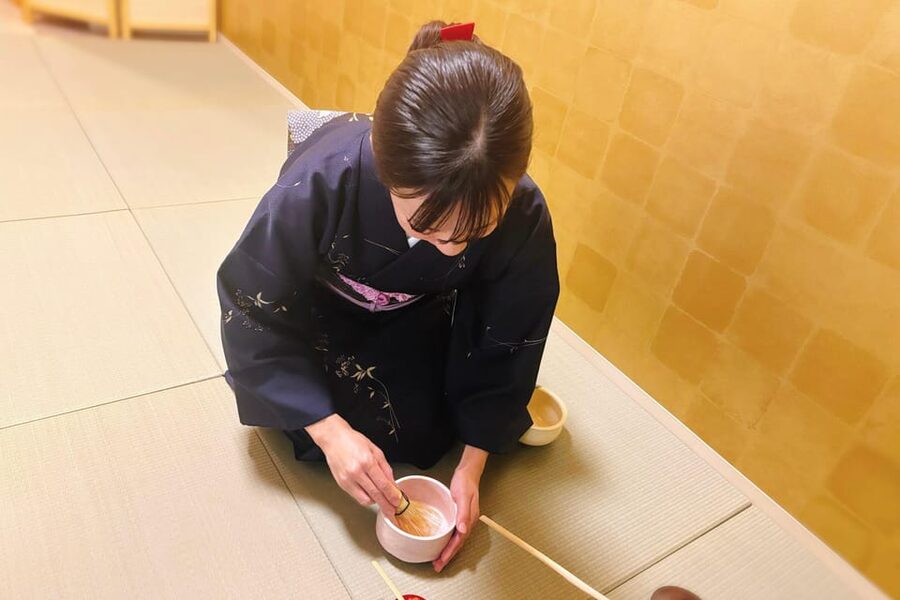
If you want one memorable “I made this in Japan” moment, this class is a great bet. The best reason to book is the pairing: you do matcha and sweets, then you do calligraphy, and you take home a finished artwork. That combination makes the 135 minutes feel productive and personal, not like a short stop.
Book it if you like calm instruction, hands-on learning, and a souvenir that actually looks like you were there. Also book it if you enjoy asking questions, because the instructor’s style is described as attentive and supportive, including when people are new or make mistakes.
Skip or choose something else if you need wheelchair accessibility or if you want a high-energy sightseeing itinerary. This is quiet culture with time to practice, not a rush-through event.
FAQ
How long is the Osaka private tea ceremony and calligraphy experience?
It lasts 135 minutes.
Is this a private group experience?
Yes. It is completely private, with close attention from the instructor.
What is included in the price?
All fees and taxes are included, along with colored paper for calligraphy, matcha and various Japanese sweets, a matcha-making experience, and an instructor.
What languages is the instructor able to speak?
The instructor can teach in English and Japanese.
Do I need to bring anything?
You should bring socks.
Is it wheelchair accessible?
No, it is not suitable for wheelchair users.
Where do I meet the instructor?
Meet at the entrance of New Osaka Hotel Shinsaibashi, then walk west for about 30 seconds to the area near a blue vending machine.
Newly listed around Osaka
- (Ticket Included) Explore Osaka Castle & Museum of History★ 4.8 · 21 reviews
- Hidden Osaka – Yukaku Red Light Tour & Culinary Adventure★ 4.8 · 96 reviews
- Osaka: Walking Tour and Top Highlights★ 4.8 · 104 reviews
- Same Day OK! Osaka: Local Food, Izakaya & Local Bites Tour!★ 4.8 · 17 reviews
- Osaka: Private Ceramic Painting Workshop★ 5.0 · 13 reviews
- Eat Like a Local in Osaka – Private Custom Street Food Tour★ 4.3 · 33 reviews
- Pickleball in Osaka & Kyoto with Locals!★ 4.6 · 64 reviews
- Osaka:SUMO BEATS SHOWCASE: Taiko Drum and Wagyu burger!★ 4.2 · 37 reviews
Matcha & Tea Ceremony Sessions, compared.
Tea Ceremony in a Traditional Tea House in Kiyomizu
Read our review →
World Heritage Kyoto & Nara Uji Authentic Matcha Experience
Read our review →
Browse the lists this tour appears in