Review · KYOTO TOURS
Private Highlights of Kyoto Tour
Kyoto can feel like a puzzle. This private highlights tour makes it simpler, with two route options and a guide who keeps you moving between the city’s biggest icons. You start near Kyoto Station and spend about 7 hours seeing temples, food streets, and traditional neighborhoods in a sensible order.
I especially love the private guide attention (it is capped at 8 people, and some departures end up very small), plus the included one-day city bus pass you can keep using after the tour. The one drawback to consider is that lunch and drinks are on your own, so you’ll want cash and a flexible break plan.
In This Review
- Key highlights you will actually feel
- Why This Kyoto Highlights Tour Works (Even If It’s Your First Time)
- Two Route Choices, One Goal: Pick the Day That Matches Your Kyoto Mood
- Northwest-style route: bamboo, Zen gardens, and the Golden Pavilion
- Southeast-style route: torii gates, sake, and the Kiyomizu-Gion arc
- The Northwest Loop: Arashiyama Bamboo, Togetsukyo, Ryoan-ji, Kinkakuji
- Arashiyama and the bamboo walk (Togetsukyo and Bamboo Forest Street)
- Ryoan-ji: the Zen rock garden (and how to look at it)
- Kinkaku-ji: Golden Pavilion up close
- Nishiki Food Market or Nijo Castle: choose your flavor
- The Southeast Loop: Fushimi Inari, Sanjusangendo, Kiyomizu-dera, and Gion
- Gekkeikan sake stop: a practical culture lesson
- Fushimi Inari Taisha: the torii climb
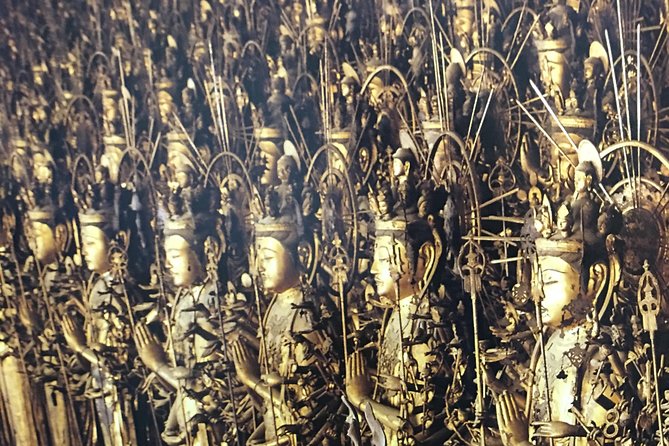
- Sanjusangendo: 1,001 Kannon statues
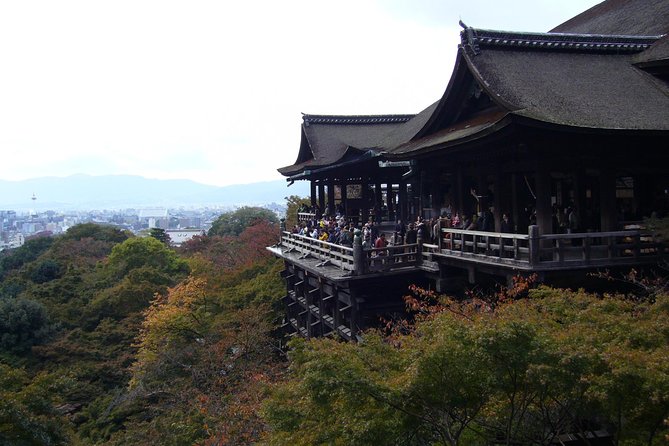
- Kiyomizu-dera and the view from the balcony
- Finish in Gion
- Nijo Castle: Why One Tokugawa Stop Can Make Kyoto Feel Less Random
- Guide Power: Small Group Feel, Big Explanation Energy
- Walking, Weather, and Lunch: The Practical Stuff That Makes or Breaks the Day
- Price and Value: What You’re Really Paying For at $151.20
- Who Should Book This, and Who Might Want a Different Plan
- Should You Book This Private Kyoto Highlights Tour?
- FAQ
- Where do we meet, and what time does the tour start?
- How long is the tour?
- Are there different route options?
- What’s included in the price?
- Are entrance fees included?
- What happens if the weather is bad or I need to cancel?
Key highlights you will actually feel
- Two distinct route styles: northwest bamboo and golden temples, or southeast shrines, sake, and Gion
- Short, focused site time (often around 50 minutes each) so you do not spend all day staring at maps
- A day bus pass included, helpful for continuing your own sightseeing after the tour ends
- Many key entrances included at major temples and museums, which adds real value
- Guides who talk back, with names like Mie, Mia, Chako, Hiseko, Mai, and Choko Sensei showing up across feedback
- Good pacing for first-timers, with guides adjusting questions and walking pace to your group
Why This Kyoto Highlights Tour Works (Even If It’s Your First Time)
Kyoto is famous for being beautiful, but it can also be hard to plan. Neighborhoods feel far apart, and the lineups at top sights can be intense. This tour earns its place because it builds your day around the classic must-sees, then gives you the translation and context to make those stops click.
You meet at Hotel Granvia Kyoto near Kyoto Station, then take public transport together. That matters, because you are not relying on a car to get around a city that really runs on trains and buses. You also get a one-day city bus pass as part of the tour, and the best part is that you can use it continuously after the experience, which helps if you want to tack on an extra evening neighborhood.
The tour is run with a professional English-speaking guide and a small group size (up to 8). That is why the day can feel both structured and still flexible. People often get the basics from a brochure, but what you really need in Kyoto is someone who can point out what you are looking at and why it matters.
A few more Kyoto days to weigh up
- PERFECT KYOTO 1-Day Bus Tour
★ 5.0 · 13,518 reviews - Kyoto: Fushimi Inari, Kinkakuji, Bamboo Grove 1 Day Bus Tour
★ 4.8 · 4,316 reviews - Kyoto: Tea Ceremony in a Traditional Tea House in Kiyomizu
★ 4.9 · 3,519 reviews
Two Route Choices, One Goal: Pick the Day That Matches Your Kyoto Mood
This is not a one-size-fits-all route. You choose between two styles that both end in Gion, but the middle of the day swings in different directions.
Northwest-style route: bamboo, Zen gardens, and the Golden Pavilion
If you want the postcard Kyoto moments, this option is the easy pick. It typically starts with Arashiyama Park, famous for its temples and the bamboo atmosphere. You then move toward Ryoan-ji, where the famous rock garden uses placement and restraint to tell its story.
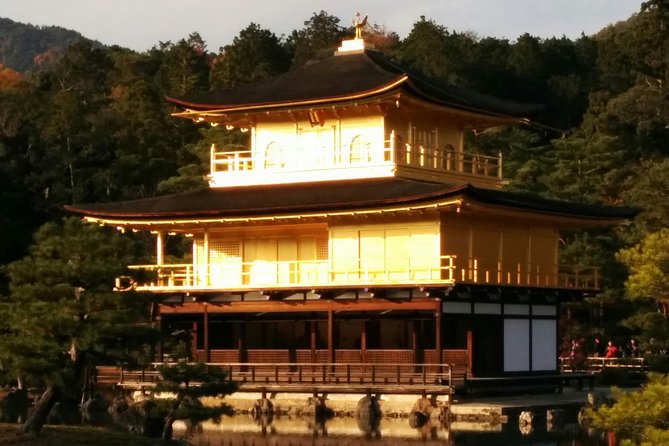
Later, you head to Kinkaku-ji (Golden Pavilion), the three-story temple covered in gold leaf that sits by water and forest. This route also connects to either Nishiki Food Market (a great place to snack and watch daily life) or Nijo Castle, depending on your specific flow that day.
Southeast-style route: torii gates, sake, and the Kiyomizu-Gion arc
If you want shrines, views, and the classic walking streets vibe, this option feels more dramatic. You often start with Gekkeikan Sake Brewery or a sake-focused museum stop, which gives you a practical look at how Japan’s rice wine culture works.
Then comes Fushimi Inari Taisha, with thousands of red torii gates climbing a mountain. After that, you usually see Sanjusangendo, known for the 1,001 Kannon statues, before heading to Kiyomizu-dera, where the balcony views over Kyoto are the whole point.
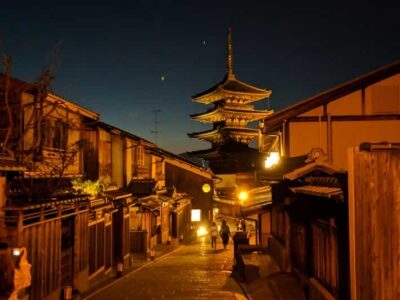
The day then finishes in Gion, the area tied to geisha traditions and old Kyoto streets. Even if you do not plan a special dinner, arriving at Gion at the end is smart because it gives you light for photos and time to wander at your own pace.
A different sort of day in Japan:
- Kyoto Geisha Walking Tour: Gion District & Hidden Gems
★ 4.7 · 3,273 reviews - Kyoto: Tea Ceremony Ju-An at Jotokuji Temple
★ 4.9 · 3,207 reviews - Kyoto: 45-Minute Tea Ceremony Lesson Experience
★ 4.3 · 2,378 reviews - Kyoto: Gion Geisha District Walking Tour – Stories of Geisha
★ 4.7 · 2,187 reviews
The Northwest Loop: Arashiyama Bamboo, Togetsukyo, Ryoan-ji, Kinkakuji
This route is built for the Kyoto people come to see on posters and screens. You start with the Arashiyama area, which gives you the “temples plus scenery” mix right away.
Arashiyama and the bamboo walk (Togetsukyo and Bamboo Forest Street)
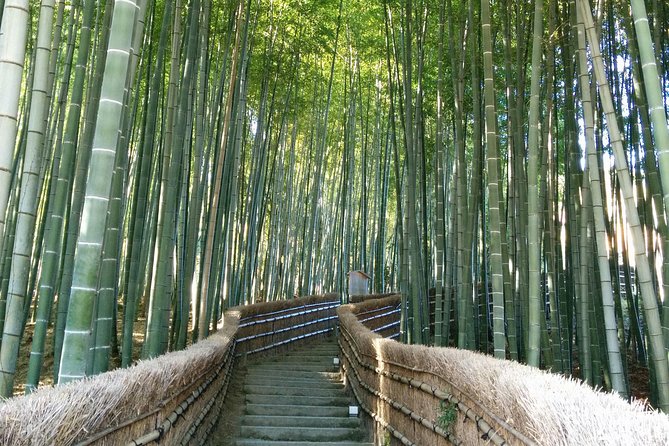
You get time for the area near Togetsukyo Bridge, a big wooden bridge that sits close to the bamboo zone. After that, Bamboo Forest Street gives you a chance to walk through the famous bamboo corridor.
Here’s the practical tip: bamboo areas can be crowded at peak hours, and it can rain. Still, walking through in morning-to-midday timing usually feels manageable, and rain can actually make the bamboo mood more atmospheric. If you go, keep your expectations realistic: it is beautiful, but it is also a working public space with lots of people.
Ryoan-ji: the Zen rock garden (and how to look at it)
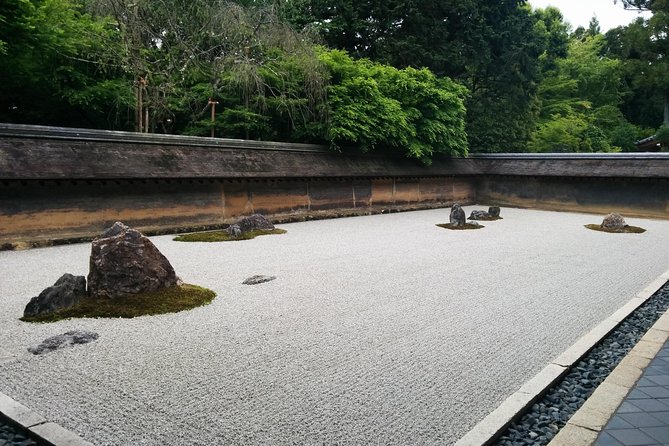
At Ryoan-ji, the main event is the rock garden with 15 stones. This stop is short on paper (about 30 minutes), but it is the kind of place where a good guide changes what you see. Instead of just pointing at rocks, a guide helps you understand how viewers are meant to find different compositions from different viewpoints.
Kinkaku-ji: Golden Pavilion up close
Kinkaku-ji typically gets around 50 minutes, and the admission is included. You are looking at a temple that is physically striking but also designed to be viewed with the pond and surrounding greenery in mind. The key is to pace yourself. Photos are fast, but a few quiet minutes to see the reflections and details is what makes it stick.
Nishiki Food Market or Nijo Castle: choose your flavor
This route gives you a fork in the road. Nishiki Food Market is the place for tasting and street life, where you can snack while people-watch. If you instead go with Nijo Castle, you trade food energy for Tokugawa-era architecture and interior design.
Either way, it is a smart pairing for a first day, because it balances “big temple visuals” with either food culture or historical interiors.
The Southeast Loop: Fushimi Inari, Sanjusangendo, Kiyomizu-dera, and Gion
This route turns the volume up. It feels more like a story arc, starting with ritual and ending with Kyoto’s old streets at human speed.
Gekkeikan sake stop: a practical culture lesson
If your plan includes Gekkeikan Okura Sake Museum or a brewery visit, you get a look behind Japan’s rice wine culture. The stop is about 50 minutes and typically includes admission. Even if you are not a big alcohol person, it helps you understand the broader cultural role of fermentation, seasonality, and craft in Japan.
Fushimi Inari Taisha: the torii climb
At Fushimi Inari Taisha, you see the thousands of red torii gates covering a mountain route. The tour usually gives you around 50 minutes here, and admission is free for the shrine area.
Two practical points:
- Wear shoes you can walk in for a steady slope.
- Decide early how far up you want to go. You do not have to climb to the top to feel the scale of the place.
Also, stone foxes and smaller shrines are part of the visual rhythm. A guide can point out what you are looking at so it does not feel like a single long corridor of red.
Sanjusangendo: 1,001 Kannon statues
Sanjusangendo is one of those sites where the wow factor comes from repetition. The 50-minute block lets you take it in without feeling rushed, and admission is included.
If you have only seen photos, this stop surprises people in person. The scale is one thing, but the arrangement is what makes it feel intense. Having a guide helps you notice details beyond the headline number.
Kiyomizu-dera and the view from the balcony
Kiyomizu-dera is a hilltop landmark dating back centuries, and the balcony view over the city is why people remember it from postcards. The tour schedules about 50 minutes here, with admission included.
Then you walk near Ninenzaka and Sannenzaka, the steep streets that lead toward the area around the temple. These lanes are part of the Kyoto experience, because the buildings and street layout make the city feel layered, not just scenic.
Finish in Gion
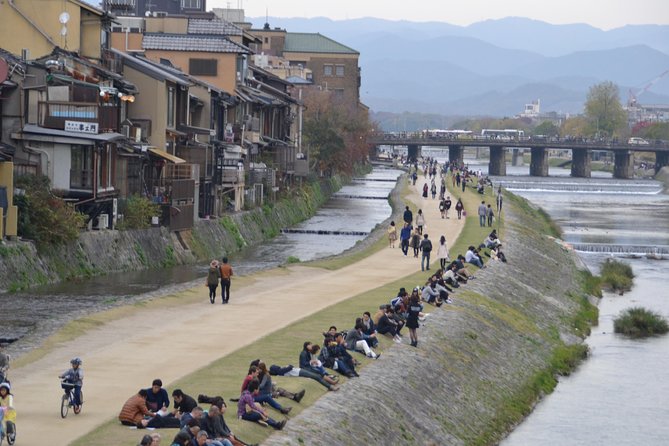
At the end of both routes, the tour concludes in Gion. That timing is smart. You end with the neighborhood feel, not with another long bus ride. Once you are there, you can choose how much you want to wander without a fixed schedule.
Nijo Castle: Why One Tokugawa Stop Can Make Kyoto Feel Less Random
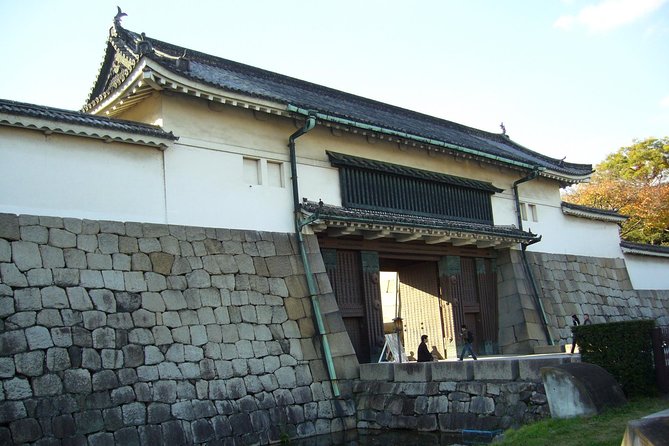
Even if you are not a history nerd, Nijo Castle helps anchor the day. It is tied to the Tokugawa shogunate period from the early 17th century, and the tour includes around 50 minutes plus admission.
What makes Nijo Castle useful on a highlights day is that it adds an internal layer to what you are seeing. Temples are one kind of architecture, shrines another, but castles add power and social order into the mix. A guide can also point out symbolic details in the rooms, which helps you stop treating it like a quick photo stop.
Guide Power: Small Group Feel, Big Explanation Energy
This is where the tour earns repeat recommendations. The biggest praise in feedback centers on guides who:
- speak clear English,
- explain what you are looking at in plain terms,
- answer questions without rushing you,
- and keep a calm pace through crowds and weather shifts.
Names that show up include Mie and Mia, plus Chako, Chouka, Hiseko, and Mai. People also mention guides who bring a light sense of humor and help with Japanese, even teaching travelers a few phrases. That kind of support changes the whole vibe, because you start reading signs and small details on your own after the tour ends.
The private format also helps with pacing. Even within a small group, a guide can adjust walking speed, timing, and stop focus so you do not feel dragged. That matters because this is a full day with multiple major sites.
Walking, Weather, and Lunch: The Practical Stuff That Makes or Breaks the Day
This tour runs about 7 hours and includes multiple temple and shrine areas. The time blocks are mostly around 50 minutes at the big-ticket stops, plus shorter stretches for places like bamboo areas or rock gardens.
So, plan for a full-day pace:
- Bring comfortable shoes for uneven paths and slopes.
- Carry water, especially if you go in hotter months.
- Expect rain sometimes in Kyoto, and keep a light layer handy.
Lunch is not included, so you will likely take breaks for food on your own. Guides often make practical restaurant suggestions, including casual local favorites like ramen or okonomiyaki based on what people’s guides recommended. If food is a priority, consider using the included Nishiki Food Market stop (on the northwest-style route) as your “snack plus lunch” moment.
One more weather reality check: the experience requires good weather. If it gets canceled due to poor conditions, you should expect either a different date or a full refund.
Price and Value: What You’re Really Paying For at $151.20
At $151.20 per person for a 7-hour private highlights-style day, the deal comes from combining several costs you would otherwise pay separately.
You get:
- a professional English-speaking guide,
- public transportation coordination,
- a one-day Kyoto city bus pass that you can keep using after the tour,
- and admission ticket coverage for many of the key sites.
Admission ticket included stops can include places like Kinkaku-ji, Kiyomizu-dera, Nijo Castle, Sanjusangendo, Ryoan-ji, and the Gekkeikan sake museum stop. Some areas are free, like Fushimi Inari Taisha, Gion, and Bamboo Forest Street.
That coverage matters if you are trying to see a lot in one day without doing math all afternoon. Also, because the group cap is small (up to 8), you tend to get more attention than you would on a big bus tour.
The “watch out” is simple: lunch and drinks are on your own. If you want a sit-down meal at a specific restaurant, budget for it. But you are already saving money and time by not paying for every entrance separately and not figuring out routing alone.
Who Should Book This, and Who Might Want a Different Plan
This tour fits best if you:
- are visiting Kyoto for the first time,
- want to hit the headline sights without studying transit for weeks,
- prefer a guide who explains symbols and architecture,
- and like the idea of finishing in Gion so you can wander afterward.
It may not be ideal if you:
- want hotel pickup and a fully door-to-door service (this one does not include that),
- hate walking and slopes, since it is a full-day rhythm,
- or you want a super slow, self-guided day with long hangs at just one neighborhood.
If you are traveling with kids, it can work well because guides can keep kids engaged and adjust pace. People mention a guide who handled two young children by keeping them interested and pacing the day.
Should You Book This Private Kyoto Highlights Tour?
I think you should book it if your goal is a confident first Kyoto day. The value is in the combo: a private guide, well-chosen stops, multiple key admissions covered, and a bus pass that continues working after the tour.
Choose your route based on what you want to feel most:
- Pick the northwest-style day for Arashiyama bamboo, Ryoan-ji, and the Golden Pavilion.
- Pick the southeast-style day for Fushimi Inari, Kiyomizu-dera views, and Gion streets, with Sanjusangendo and a sake stop if included.
If you like flexibility, small-group attention, and a guide who makes the sights make sense, this is a strong match.
FAQ
Where do we meet, and what time does the tour start?
You meet at Hotel Granvia Kyoto, near the JR Kyoto Station Central Entrance. The start time is 9:00 am.
How long is the tour?
The tour lasts about 7 hours.
Are there different route options?
Yes. You can choose between two itineraries, one that covers major sights in the northwestern direction and one that covers major sights in the southeastern direction. Both end in Gion.
What’s included in the price?
Included are a professional English-speaking guide, public transportation, and a one-day city bus pass you can use continuously after the tour.
Are entrance fees included?
Admission tickets are included for several sites such as Kinkakuji, Kiyomizu-dera, Nijo Castle, Sanjusangendo, Ryoan-ji, and the Gekkeikan Okura Sake Museum. Some other areas like Gion, Bamboo Forest Street, and Fushimi Inari-taisha Shrine are listed as free.
What happens if the weather is bad or I need to cancel?
The experience requires good weather. If it is canceled due to poor weather, you will be offered a different date or a full refund. You can cancel up to 24 hours in advance for a full refund.
Newly listed around Kyoto
- Zen Meditation for Life in Kyoto★ 5.0 · 10 reviews
- Kyoto: Zen Meditation at a Private Temple with a Monk★ 5.0 · 25 reviews
- Kyoto Private Customizable Day Tour with Guide and Vehicle★ 5.0 · 52 reviews
- Private Wagyu Beef Tour with a Local Guide★ 5.0 · 6 reviews
- Kyoto: Gion Geisha District & Sake-in-Hand Walking Tour★ 5.0 · 37 reviews
- Your Private Vacation Photography Session In Kyoto★ 5.0 · 110 reviews
- Private Guided Traditional Buddhist Cooking in Japan★ 5.0 · 16 reviews
- Private Pewter Sake Cup Experience with a Kyoto Artisan★ 5.0 · 31 reviews
Kyoto Tours, compared.
Fushimi Inari, Kinkakuji, Bamboo Grove 1 Day Bus Tour
Read our review →
Tea Ceremony in a Traditional Tea House in Kiyomizu
Read our review →
Kyoto Geisha Walking Tour: Gion District & Hidden Gems
Read our review →
Gion Geisha District Walking Tour – Stories of Geisha
Read our review →