
Review · JAPANESE COOKING WORKSHOPS
Private Kyoto Cooking Class with Aki in a Beautiful Wooden House
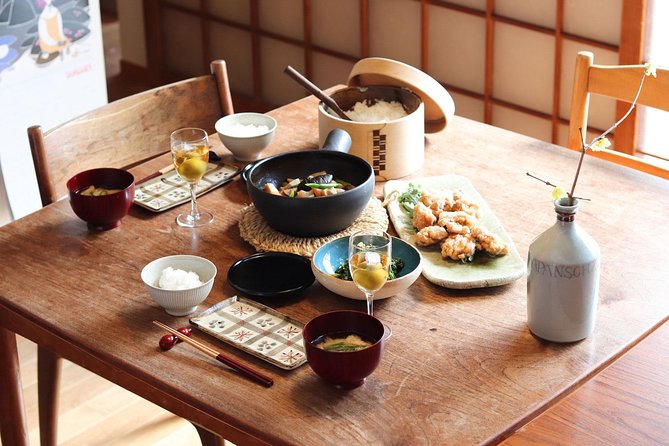
A Kyoto cooking class in a real home changes everything. You get hands-on time with Aki in a beautiful wooden house, not a crowded demo room, and the food you make is tied to season and family-style technique. This is private, so you can ask questions as you go, and you’ll cook enough to take home the confidence, not just the photo. One thing to consider is that the menu shifts by season, so you might not get every dish you’ve heard about.
What I like most is the mix of comfort and structure. Aki provides recipes in English and guides you step by step, so you can follow even if your Japanese is limited. And because the class is hands-on, you’re not just watching, you’re chopping, mixing, and learning the little decisions that make Japanese home cooking work.
The other consideration is practical: you should plan your morning around the start time and the full pace. It’s about 3 hours total, with roughly an hour cooking first and then a shared meal, so it’s not the quick snack stop some classes are.
In This Review
- Key things to know before you cook in Aki’s Kyoto home
- A private Kyoto cooking class with Aki, in a home you can actually feel
- Where you meet and how the morning flows at 10:30
- The hands-on cooking hour: English recipes and real technique
- What dishes you’ll cook, and why seasonal choices matter
- The meal afterward: eating together and leaving with leftovers
- Drinks and what’s actually included with your meal
- Price and value: is $95 worth a private Kyoto cooking class?
- Who should book this class (and who should skip it)
- Practical tips so you get the most from your morning
- Should you book this private Kyoto cooking class with Aki?
- FAQ
- How long is the Kyoto cooking class?
- Is this class private?
- Are recipes provided in English?
- What kinds of dishes might I cook?
- Is there a vegetarian option?
- What beverages are included with the meal?
Key things to know before you cook in Aki’s Kyoto home
- Private, personalized instruction with time to ask questions during prep
- English recipe handouts plus guided cooking so you can repeat it later
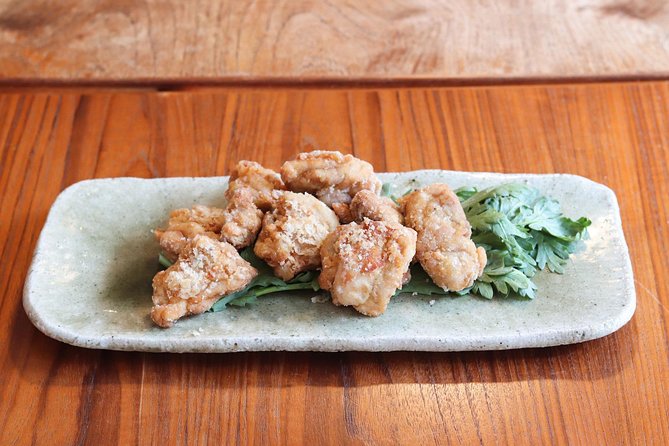
- Seasonal home-style dishes that you might not see on restaurant menus
- A beautiful wooden-house setting that feels calm, local, and welcoming
- Meal included, with plenty of food and time to enjoy what you made
A private Kyoto cooking class with Aki, in a home you can actually feel
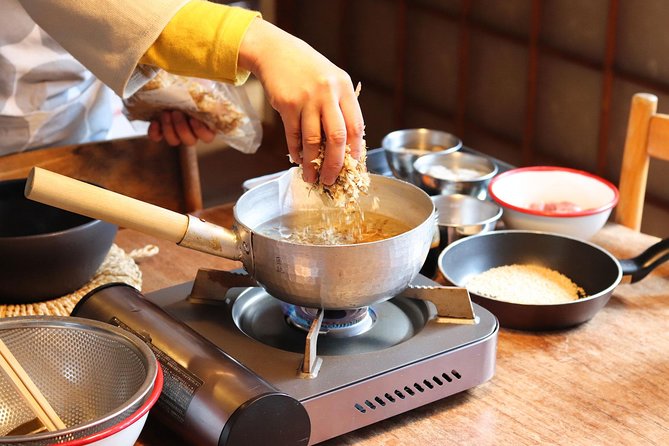
Kyoto is full of great food experiences, but most of them funnel you into the same shape: sit, watch, maybe stir once, then leave. This class is different because it happens in someone’s home kitchen. The vibe is easy, and you get that quiet, lived-in comfort that makes it simpler to talk, ask, and learn.
You’re also not doing this with strangers. A private format means Aki can slow down when you need it, explain in a way that clicks, and help you troubleshoot small mistakes in real time. That matters more than you might think, because Japanese cooking often hinges on details like timing, heat control, and seasoning balance, not just ingredients.
And the setting is part of the value. Cooking in a beautiful wooden house in Kyoto gives the experience a sense of place that a storefront kitchen can’t match. It helps you pay attention to what you’re doing instead of spending the whole time orienting yourself.
More Cooking Classes in Kyoto
- Ramen Cooking Class at Ramen Factory in Kyoto
★ 5.0 · 1,937 reviews - Kyoto: Ramen Cooking Class at a Ramen Factory with Souvenir
★ 4.9 · 532 reviews - Kyoto: Ramen, Gyoza, and Onigiri Cooking Class
★ 5.0 · 445 reviews
Where you meet and how the morning flows at 10:30
This is timed and straightforward. The class starts at 10:30 am and you’ll return to the same meeting point afterward, so you’re not juggling transit plans after a meal. The meetup spot is listed in Shimogamo, Sakyo Ward, near public transportation, starting at Ipponmatsu Shimogamo Matsunokicho (Kyoto 606-0816).
The itinerary is simple: you meet, then you go into the cooking. The full experience runs about 3 hours total, which is long enough to learn real technique and short enough to still enjoy Kyoto the rest of your day.
For most people, that makes it a strong morning option. You’ll eat well, get grounded in local flavors, and still have daylight hours to visit temples, markets, or quieter neighborhoods.
The hands-on cooking hour: English recipes and real technique
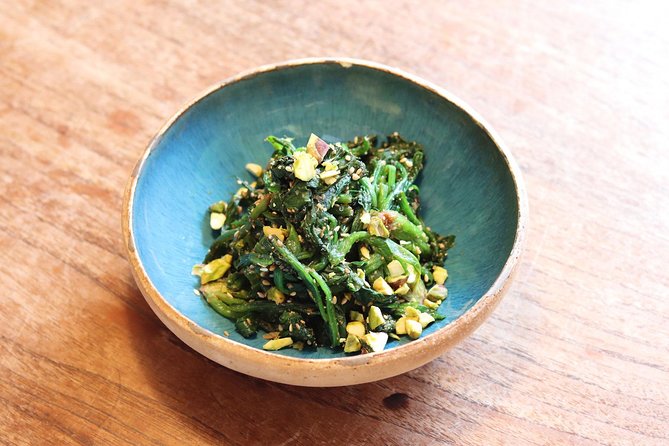
The heart of the experience is the cooking time, about one hour where you and Aki cook together. You get recipes in English, which is a big deal if you want to understand what you’re doing, not just copy a few steps. Aki then guides you through the cooking process, and you can stop to ask questions as you work.
Here’s what to pay attention to, based on how this class is taught: you’re learning the why behind familiar classics. For example, the class includes miso soup, and it’s not just a basic bowl. You’ll learn secret tips for familiar flavors, the kind of guidance that helps you stop relying on taste-only guesswork at home.
You’ll also learn that Japanese home cooking often isn’t about fancy presentation. It’s about balance and timing. Dishes can be simmered, stewed, or braised, and you’re guided through those stages so you understand when things are ready.
And since it’s hands-on, you’ll do more than one task. From prepping to cooking, you’re actively involved enough to remember the process, not just the final plate.
What dishes you’ll cook, and why seasonal choices matter
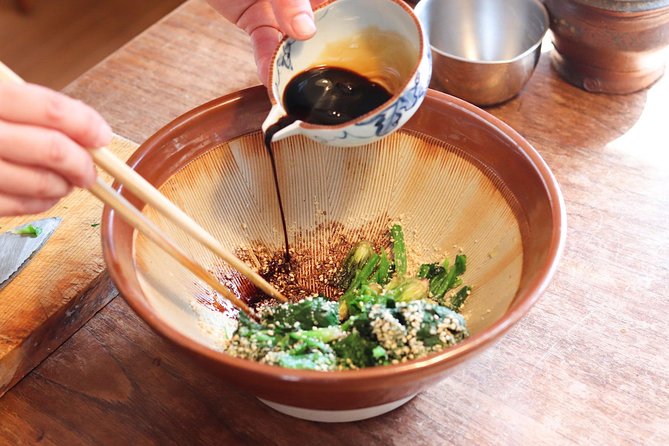
This class is built around seasonal, home-style cooking. That means the exact menu can change depending on the time of year. Still, you can expect a selection of dishes that reflect what a Kyoto household might actually make.
Sample dishes mentioned include:
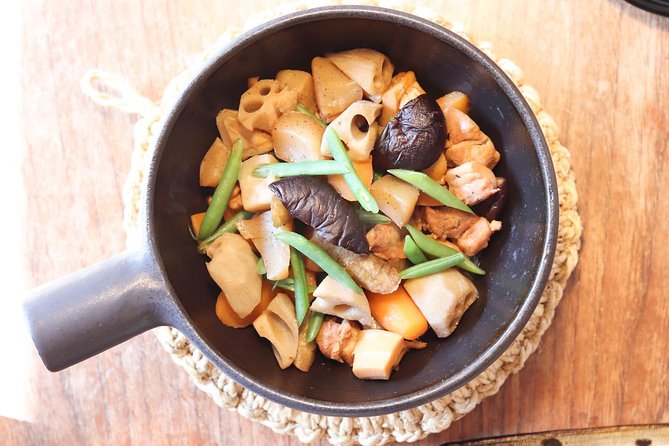
- Chikuzenni, braised chicken and vegetables
- Braised burdock root
- Miso soup
The value here is that you’re not stuck with restaurant staples only. Restaurants often streamline what sells and what looks good. In a home setting, you’re more likely to cook something that feels everyday and local, even if it’s less common on menus elsewhere.
Seasonal cooking also trains your eye. Once you’ve cooked a seasonal vegetable or braised ingredient, you start to understand how Japanese flavors adapt across the year. You’ll likely leave with a better sense of what tastes good when, and how to swap ingredients responsibly at home.
More Cooking Workshops in Kyoto
- Kyoto: Japanese Washoku Bento Small Group Cooking Class
★ 5.0 · 380 reviews - Kyoto: Afternoon Japanese Izakaya Cooking Class
★ 4.9 · 241 reviews - Izakaya Style Cooking Class
★ 5.0 · 219 reviews - Gyoza Cooking Class in Kyoto: Traditional Japanese Dumplings
★ 5.0 · 210 reviews
The meal afterward: eating together and leaving with leftovers
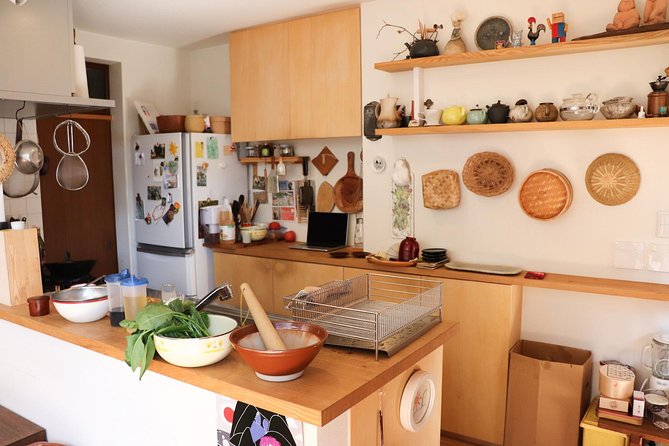
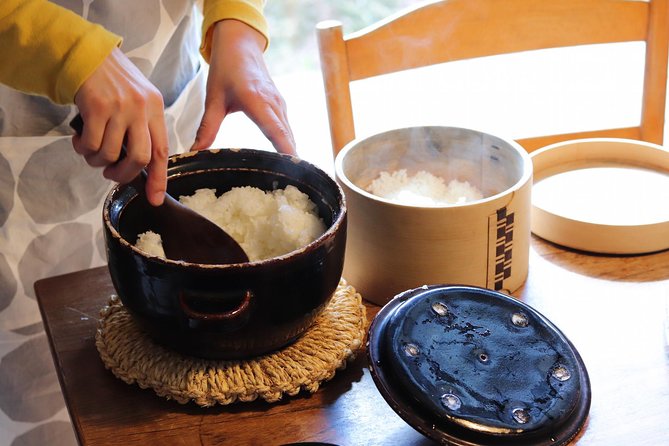
After the cooking portion, you enjoy the meal you prepared together. This is where the class shifts from practice to pleasure. You’ll sit down and eat what you made, so you can connect each dish to what you learned during prep.
One of the nicest practical outcomes from this kind of home class is the amount of food. The experience is structured to produce a full meal, and you may end up with leftovers, which is a real win in Kyoto. It’s an easy way to keep your energy up later in the day without hunting for a replacement lunch.
More importantly, you get time to ask Aki questions that come up only after tasting. People usually notice small flavor details once the dishes hit the table. A private teacher can help you figure out whether it was seasoning, timing, or technique, which is how you learn faster.
Drinks and what’s actually included with your meal
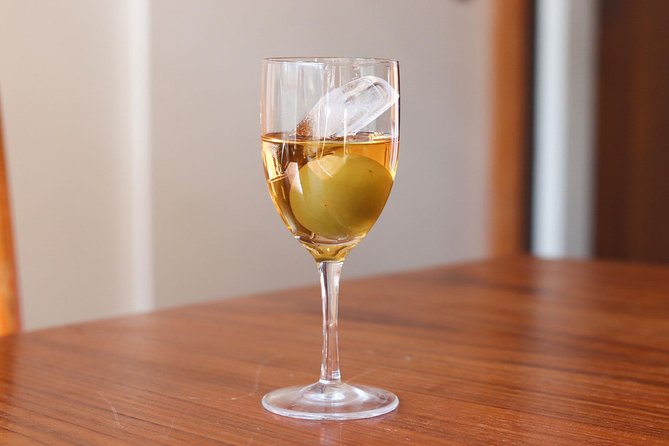
Your meal comes with beverages. The information provided specifically includes non-alcoholic beverages. The broader description also notes alcoholic drinks included, so the best approach is simple: confirm what’s available when you book, especially if you prefer one or the other.
Either way, the main point is that you’re not paying separately for drinks during your class meal. That makes the experience easier to budget, and it keeps the flow relaxed.
Price and value: is $95 worth a private Kyoto cooking class?
At $95 per person, this is not a budget street-food stop. You’re paying for three things that matter in a private class.
First, you’re paying for time. Three hours with a host in their home means you’re getting real instruction, not a short, staged performance. You have time to cook, ask questions, and then eat together.
Second, you’re paying for personalization. Private classes scale differently than group classes. You get guidance in English, you can adjust pace, and you can ask follow-up questions. That’s valuable if you want to actually reproduce the food later.
Third, you’re paying for the setting and the menu approach. Cooking at a home in Kyoto, with seasonal home-style dishes that may not show up in restaurants, adds authenticity beyond the recipe list. You’re learning techniques passed down through family cooking style, not just a tourist-friendly version.
If your goal is to have a meaningful Kyoto memory you can recreate at home, this price can feel fair. If your goal is a cheap food sampler, you’ll probably want a different kind of experience.
Who should book this class (and who should skip it)
This works best if you want:
- A private, hands-on morning in Kyoto
- Cooking instruction in English, with recipes you can use later
- Seasonal home-style Japanese dishes, not just restaurant versions
- A calmer alternative to crowded group classes
Skip it if:
- You only want a short, informal snack experience
- You’re tightly scheduled and can’t spare about 3 hours
- You’re extremely specific about a dish you must cook, because the menu varies seasonally
It’s also a great fit for food-minded couples or solo travelers who prefer direct interaction and hate rushing through activities. If you’re traveling with someone who learns best by doing, you’ll both benefit.
Practical tips so you get the most from your morning
A few small choices will make your class feel smoother.
- Come ready to cook. Wear comfortable clothes you don’t mind getting kitchen-splashed. You’ll be actively involved.
- Tell Aki about preferences early. If you have allergies or dietary restrictions, advise at booking. A vegetarian option is available, so plan ahead rather than hoping on the day.
- Arrive a little earlier than you think. The start time is 10:30 am, and you want to settle in calmly before you start.
- Mentally shift from sightseeing mode. This class is about attention. If you treat it like a checklist item, you’ll miss the learning part.
Should you book this private Kyoto cooking class with Aki?
Yes, if you want a morning that feels personal, not performative. The private format plus Aki’s English guidance makes it easy to learn, ask questions, and understand what you’re doing. The wooden-house setting adds comfort and atmosphere, and the seasonal home-style dishes bring flavors that feel more local than most restaurant-driven experiences.
Book it especially if you’re the type who likes taking something practical home, like a go-to miso soup method or a braising approach you can reuse. If you’re cautious about menu changes, just remember that seasonal variation is part of the point. You’re signing up to cook what a Kyoto home cooks, at that time of year.
FAQ
How long is the Kyoto cooking class?
It runs for about 3 hours total. The cooking portion is about 1 hour, and then you eat the meal you helped prepare.
Is this class private?
Yes. It is a private, personalized experience, and only your group participates.
Are recipes provided in English?
Yes. Aki provides recipes in English and then guides you through the cooking process.
What kinds of dishes might I cook?
The menu varies by season, but examples include chikuzenni (braised chicken and vegetables), braised burdock root, and miso soup.
Is there a vegetarian option?
Yes. A vegetarian option is available, and you should advise at booking.
What beverages are included with the meal?
Non-alcoholic beverages are included. The experience description also indicates that alcoholic drinks are included, so it’s a good idea to confirm what will be available when you book.
Newly listed around Kyoto
- Zen Meditation for Life in Kyoto★ 5.0 · 10 reviews
- Kyoto: Zen Meditation at a Private Temple with a Monk★ 5.0 · 25 reviews
- Kyoto Private Customizable Day Tour with Guide and Vehicle★ 5.0 · 52 reviews
- Private Wagyu Beef Tour with a Local Guide★ 5.0 · 6 reviews
- Kyoto: Gion Geisha District & Sake-in-Hand Walking Tour★ 5.0 · 37 reviews
- Your Private Vacation Photography Session In Kyoto★ 5.0 · 110 reviews
- Private Guided Traditional Buddhist Cooking in Japan★ 5.0 · 16 reviews
- Private Pewter Sake Cup Experience with a Kyoto Artisan★ 5.0 · 31 reviews
Japanese Cooking Workshops, compared.
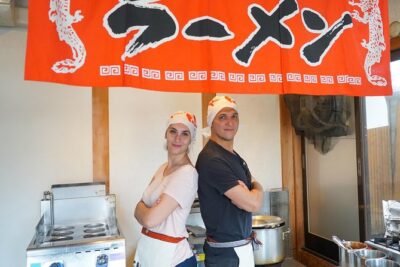
Ramen Cooking Class at Ramen Factory in Kyoto
Read our review →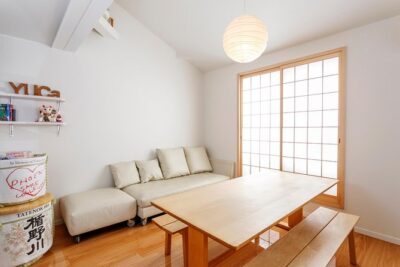
Ramen & Gyoza Cooking Class in Tokyo with Local Supermarket Visit
Read our review →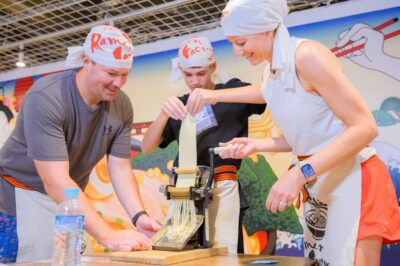
Ramen Cooking Class at a Ramen Factory with Souvenir
Read our review →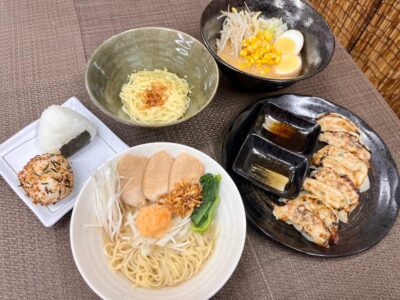
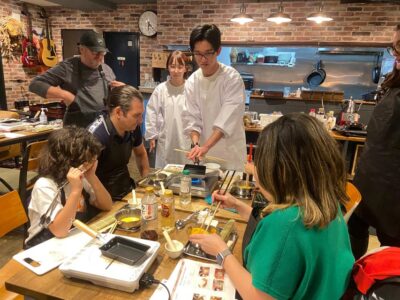
Japanese Washoku Bento Small Group Cooking Class
Read our review →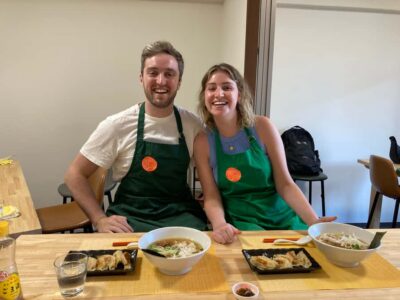
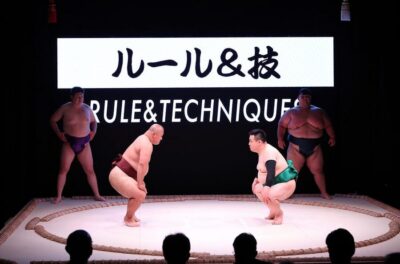
Sumo Stage Show with Bento or Snack + Fight & Photo
Read our review →
Ramen and Sushi Cooking Class with Sake Pairing Set in Tokyo
Read our review →Browse the lists this tour appears in