Review · JAPANESE COOKING WORKSHOPS
Ramen Making from Scratch +Akihabara Tour –Cooking Class
Fresh noodles change the way you look at Tokyo. I love the hands-on ramen from flour experience and the fact you can learn Jiro-style ramen in English, not just the basics. One thing to plan for: the class ends at the kitchen studio, not back at your Akihabara meeting point, so your transport timing matters.
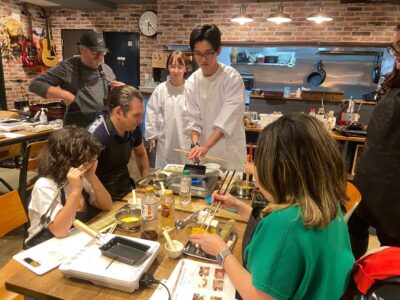
You get a real slice of modern Japanese food culture, not a staged demo. Expect a short Akihabara walk, a supermarket ingredient hunt, then a small-group session at Patia Kitchen Studios where you build your own broth, noodles, and toppings and finish with the bowl you made.
In This Review
- Key highlights to know before you go
- Akihabara first, gadgets and appetite in the same 20 minutes
- The supermarket stop that makes the cooking make sense
- Patia Kitchen Studios and the train ride you should plan for
- The core class, ramen from scratch in about 90 minutes
- Learning Jiro Style ramen in English, why that is a big deal
- Broth, noodles, toppings, the real skill is combining them
- Venue vibe at Patia Kitchen Studios, spacious and TV-tested
- Price and value, what $120 buys you in real learning
- Who should book this, and who should skip it
- Should you book this ramen making class?
- FAQ
- Where do I meet for the class?
- How long is the experience?
- How big is the group?
- Is the class taught in English?
- Is there a grocery store stop included?
- Does the class include food and drinks?
- Is vegan or vegetarian ramen available?
- What about chashu meat, can it be changed?
- Is transportation included from the meeting point and back?
- What if I am late to the meeting point?
Key highlights to know before you go
- Jiro Style ramen taught in English, so you can actually follow the technique step by step
- From-scratch noodles, starting with flour and turning it into real ramen texture
- Akihabara supermarket walk-in, a practical way to understand what Japanese kitchens buy and why
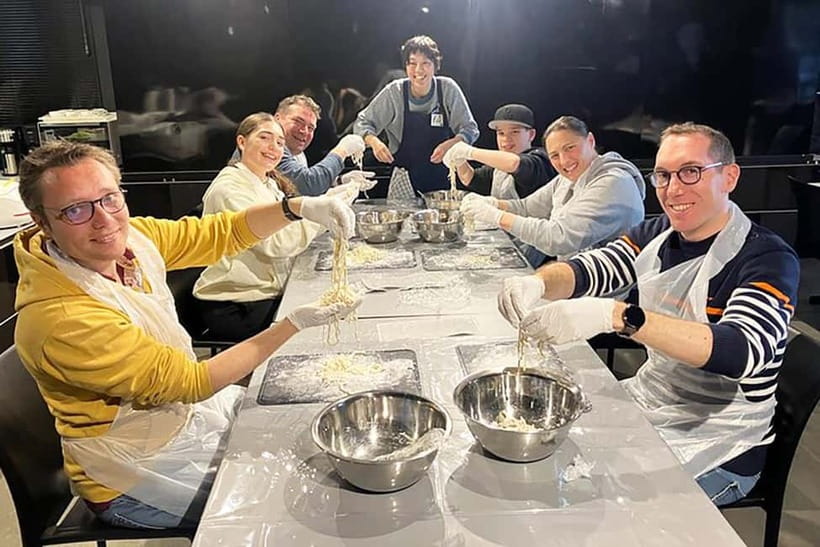
- Small group size (max 6), which keeps the class hands-on instead of crowded
- Patia Kitchen Studios, centrally located and described as spacious, relaxing, and TV-friendly
Akihabara first, gadgets and appetite in the same 20 minutes
Akihabara is one of the easiest places in Tokyo to get a quick hit of pop culture. Before you cook, you do a short neighborhood walk that helps you get your bearings in the area, then you head toward a local supermarket.
What I like about this start is the pacing. You are not dropped into the kitchen with zero context. You see the neighborhood vibe first, then you come into the ingredients with your eyes open, not just a shopping list mindset.
If you like your activities to feel like Japan today, this opening works. Akihabara is not quiet and traditional, but it is exactly the kind of place where modern food culture shows up too, through how ingredients are sold and talked about in everyday life.
More Cooking Classes in Tokyo
- Ramen & Gyoza Cooking Class in Tokyo with Local Supermarket Visit
★ 5.0 · 823 reviews - Tokyo: Easy Ramen Cooking Experience in Kabukicho, Shinjuku
★ 4.6 · 321 reviews - Ramen and Sushi Cooking Class with Sake Pairing Set in Tokyo
★ 5.0 · 291 reviews
The supermarket stop that makes the cooking make sense
The supermarket segment is more than a quick photo break. It is where you learn what goes into the ramen you will make, and you get a chance to connect ingredient names to actual products.
This matters because ramen is all about choices. Even if you follow the same general recipe style, small ingredient differences can change the final bowl. Seeing and discussing what you buy lets you understand why the instructor steers you toward certain items, rather than treating the class like a magic trick.
Practical tip for your own success here: look for ingredient labels and try to connect what you see to what you are told. You do not need Japanese fluency, but you will get more out of the class if you can match the words to the items sitting in the cart.
Patia Kitchen Studios and the train ride you should plan for
After the supermarket walk, you take a train to the kitchen studio. The ride is short, usually around 15 to 30 minutes, but the key detail is that transportation from Suehirocho Station to the studio is not included.
So you should be ready to use your own Suica or other IC card, and if you do not have one, the guide can help you buy a ticket. Also note the class ends at the studio, which is different from the Akihabara meeting point, so you will continue your day from there.
One more planning point that can save you stress: you meet at 11AM at JR Akihabara Station, outside the Central Ticket Gate. If you show up late by more than 10 minutes, the group departs and you are asked to come directly to the studio, with no refunds for missed time due to delay.
The core class, ramen from scratch in about 90 minutes
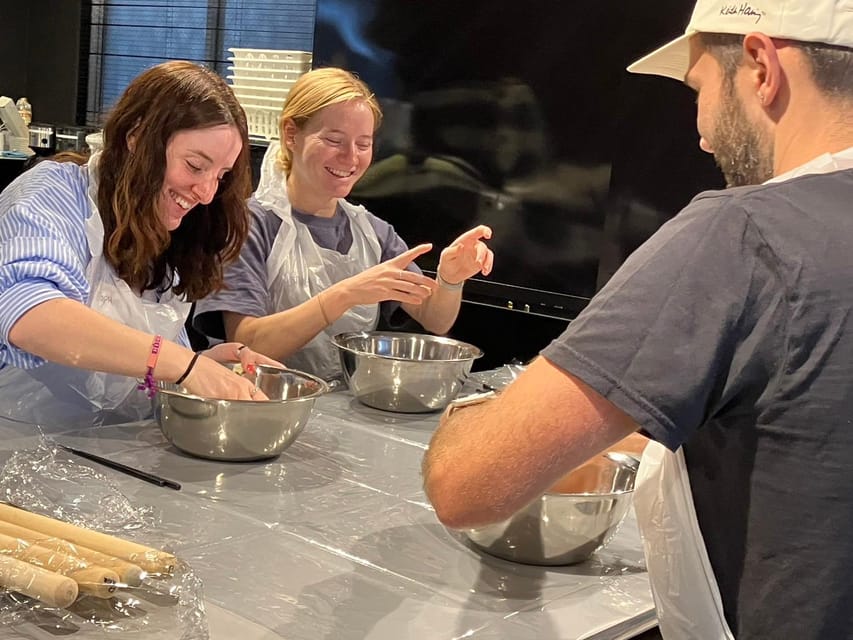
This is the hands-on part, and it is built around real production steps, not just tasting and watching.
You prepare the elements of the ramen bowl in sequence, with an English-speaking instructor guiding you the whole way. That guidance is especially useful because ramen technique can feel abstract if you have only watched videos.
Here is what you get to do:
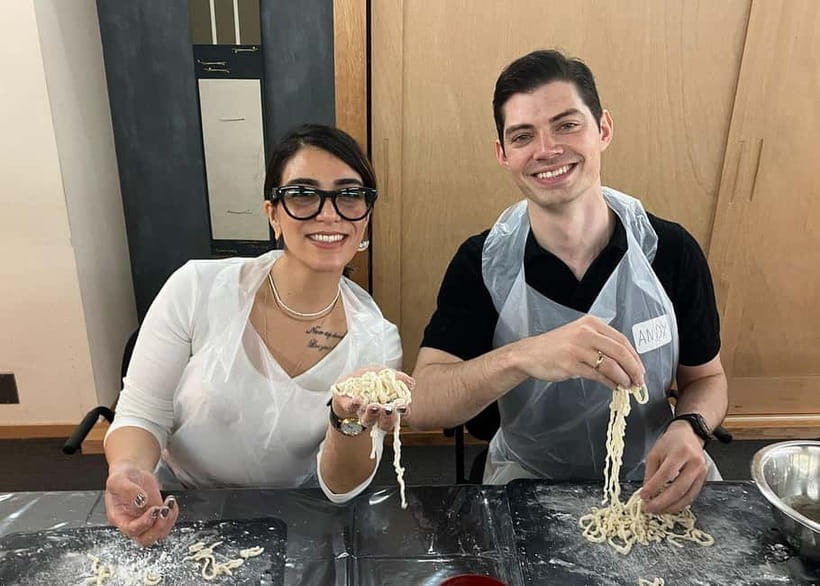
- Make fresh noodles from flour (not fresh “for show,” but actual ramen noodle dough work)
- Prepare broth with the class method, then assemble to match the style
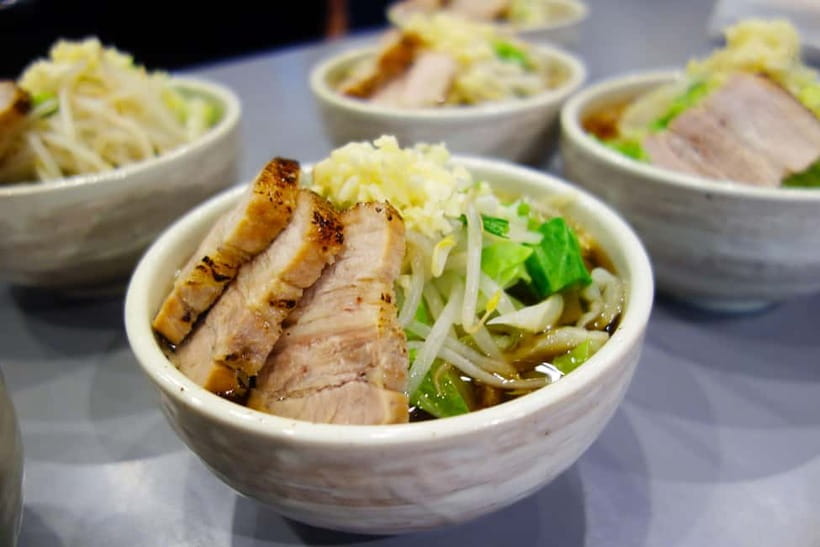
- Add and finish toppings so the bowl looks and eats like ramen you would order
The class length is tight, around 90 minutes for cooking, which means you are working, not drifting. If you learn best by doing, this format is a good fit.
Also, the class is limited to 6 participants, which keeps questions from getting lost. If you ever worry that a cooking class becomes a series of “everyone do this now,” this one is small enough to feel more like guided practice.
More Cooking Workshops in Tokyo
- Tokyo: Wagyu and 7 Japanese Dishes Cooking Class
★ 4.9 · 273 reviews - Tokyo Washoku 4-hour Cooking Class: From Market to Table
★ 5.0 · 253 reviews - Tokyo: Private Japanese Cooking Class with a Local Chef
★ 5.0 · 81 reviews - Tokyo: Kawaii Bento Cooking Class – Cute Character Lunchbox
★ 4.9 · 55 reviews
Learning Jiro Style ramen in English, why that is a big deal
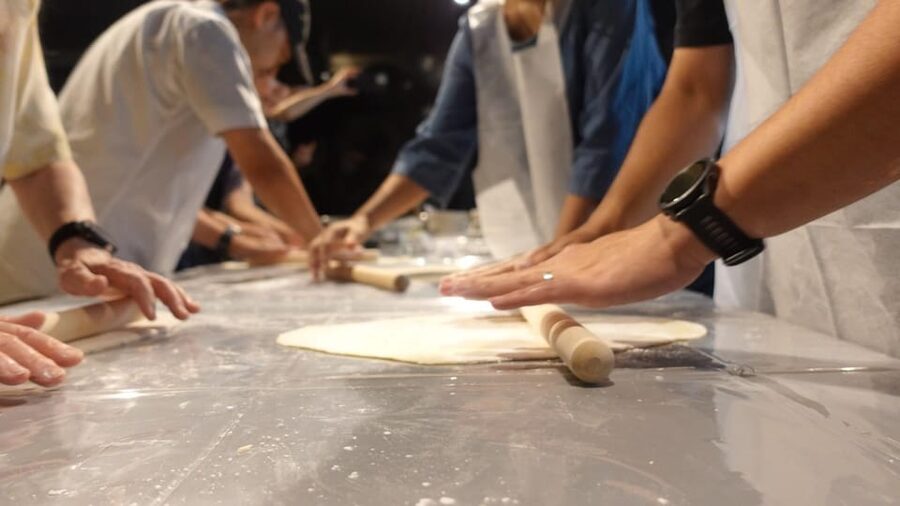
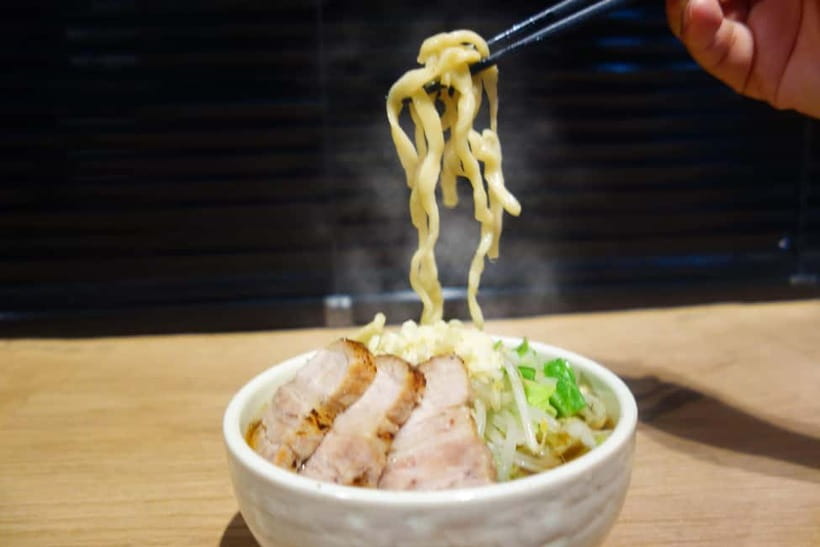
The biggest promise here is the specific mention of Jiro Style ramen. Jiro-style ramen has a reputation for being thick, bold, and topping-forward, and it is the kind of thing people often feel they can only copy if they understand the method and texture targets.
In this class, you do not just get a general ramen recipe. You learn a special Jiro-style bowl version, and the instruction is in English. That turns the experience from “cool cultural activity” into “I can actually recreate this at home,” at least to the extent your kitchen tools allow.
From a value standpoint, this matters because there are lots of ramen experiences that stay broad. This one aims at a named style, with technique and assembly that line up with that goal. The fact that it is explicitly teachable in English makes a real difference if you want to learn, not just participate.
Broth, noodles, toppings, the real skill is combining them
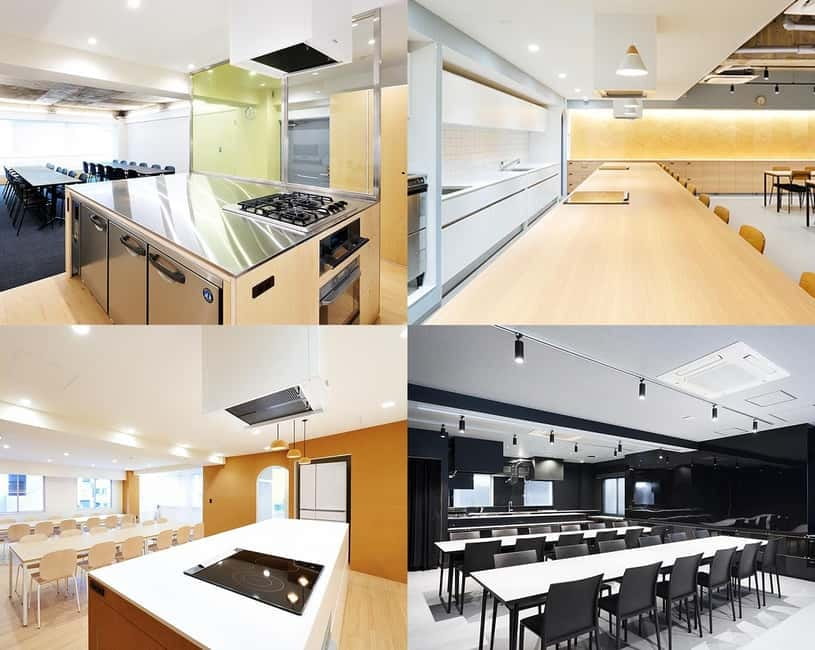
Ramen is where timing and texture meet flavor. Even when the ingredient list is straightforward, the noodles and broth need to come together at the right moment so the bowl tastes intentional, not like everything was made separately and then tossed in.
That is what you practice here. You learn how the broth gets prepared and how the noodles are made fresh. Then you bring them together with toppings, creating a complete bowl you can taste at the end.
When the reviews describe this as the best ramen they ate in Japan, I think that comes from the fact you are not only eating the final product. You are seeing how each component behaves and why the combination matters. You end the class knowing what to look for next time, even if you do not perfectly copy the exact restaurant texture.
One small note that can affect your finished bowl: you can change chashu from pork to chicken if you let the team know at least 48 hours in advance. If you have preferences around meat, plan ahead so the kitchen can adjust.
Venue vibe at Patia Kitchen Studios, spacious and TV-tested
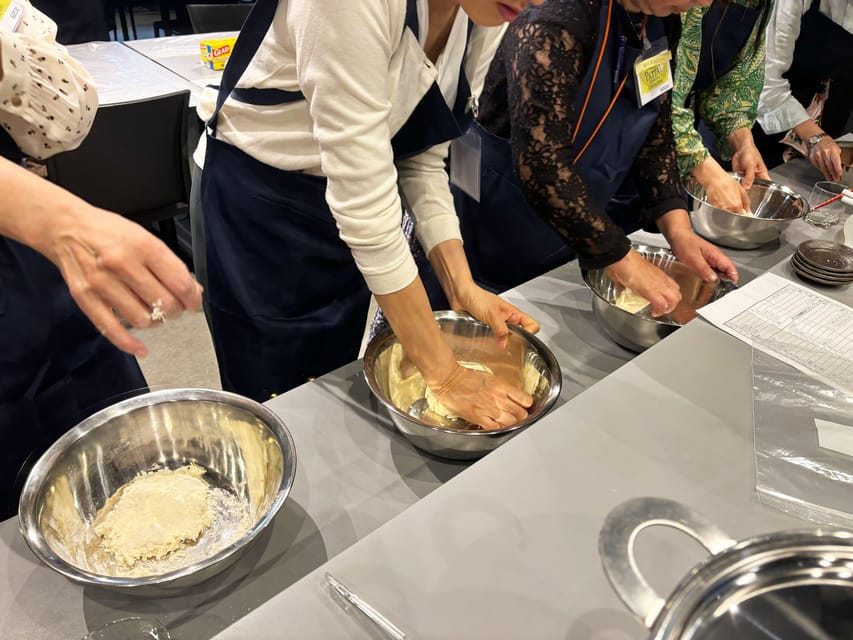
Patia Kitchen Studios is described as central Tokyo with studios that are stylish, spacious, and relaxing. It is also described as popular with Japanese TV programs for the Jiro-style ramen angle.
What you should care about as a guest is less celebrity factor and more comfort and layout. Spacious kitchen space usually means less crowding and better room to work on dough, ingredients, and assembly steps without feeling like you are bumping elbows.
It also helps that the studio is a few minutes from the nearest train station, which makes the post-class timing easier. Still, remember you will be ending at the studio, so plan your return to your hotel accordingly.
Price and value, what $120 buys you in real learning
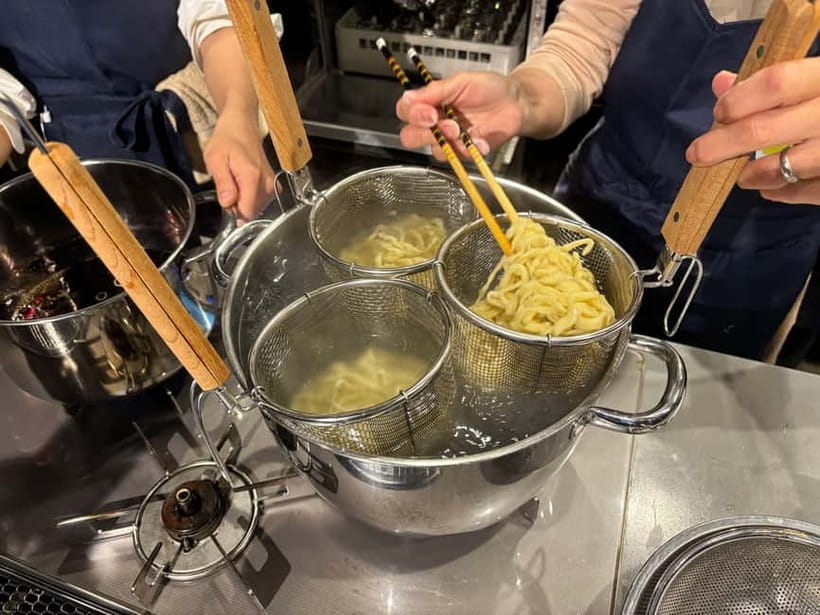
At about $120 per person for a 3-hour experience, this is not a casual snack tour. But it also is not an expensive tasting-only event.
You are paying for three practical upgrades:
- A grocery store walk-in where ingredients get explained before you cook
- Real hands-on production, including noodles made from flour and a Jiro-style bowl
- An English instructor in a small group limited to 6
Add in the included food and beverages during the experience, plus later-downloadable photographs, and the cost starts looking more reasonable. You are getting a complete “learn and eat” session, not just a guided walk and a bowl handed to you.
If you compare this to ramen you could eat on your own, the value is the education. You are not just consuming flavor. You are understanding how the bowl comes together, which is what makes the class worth it if you like cooking and want something more than a meal.
Who should book this, and who should skip it
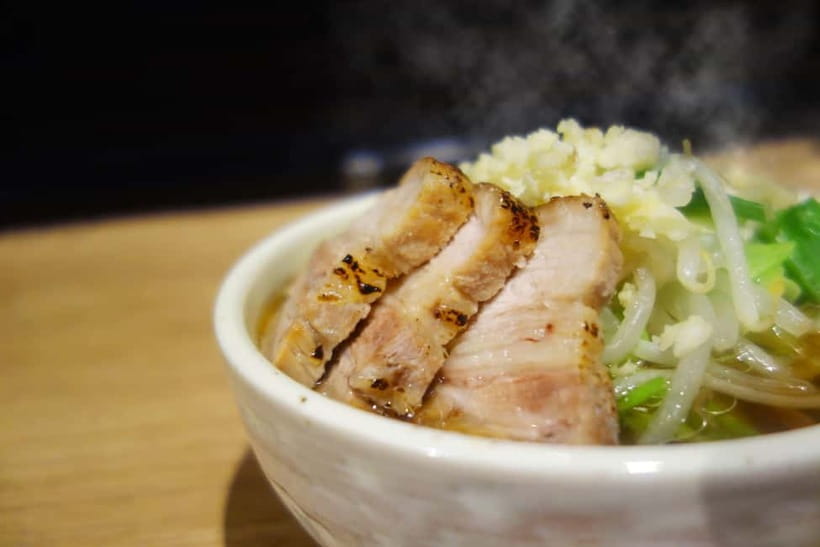
This class is best for adults who want a hands-on cooking workshop in Tokyo and are excited by ramen technique. The English instruction helps if you are not comfortable navigating Japanese explanations on your own.
It is also a great match if you like food culture that is happening right now, not only in older museums or narrow “traditional only” experiences. The Akihabara start plus the supermarket ingredient walk gives you a modern lens on food buying and cooking.
On the other hand, it is not suitable for everyone. You should skip it if you:
- Are vegan or vegetarian (no options are available)
- Have children under 5
- Have back problems, or need wheelchair access
- Plan to use baby strollers
- Want to smoke during the experience (smoking is not allowed)
If you are unsure, focus on the cooking reality. The work involved in noodle making and the studio environment makes mobility and comfort important.
Should you book this ramen making class?
Book it if you want a high-value cooking experience where you actually make ramen from scratch and finish with a bowl in a specific style, Jiro-style, taught in English. The small group size, supermarket ingredient walk, and flour-to-noodle workflow make it feel educational, not just fun.
Skip it if you want a relaxed sightseeing-only plan, or if you need vegan or vegetarian accommodations. Also consider that you should plan your transport to the studio, since the trip includes some train time but not the last leg from Suehirocho to the kitchen.
If your goal is to leave Tokyo with one real cooking skill and a deep sense of why the ingredients and textures matter, this is a strong pick.
FAQ
Where do I meet for the class?
You meet at 11AM at JR Akihabara Station, outside the Central Ticket Gate.
How long is the experience?
The experience is 3 hours total, with about 20 minutes for the Akihabara walk, about 20 minutes for the supermarket stop, about 15 to 30 minutes for the train ride, and about 90 minutes for the cooking class.
How big is the group?
The class is a small group limited to 6 participants.
Is the class taught in English?
Yes, the instructor teaches in English.
Is there a grocery store stop included?
Yes. You visit a supermarket in Akihabara to pick up and review ingredients for the ramen you will make.
Does the class include food and drinks?
Yes. Food and beverages are included during the experience.
Is vegan or vegetarian ramen available?
No. Vegan and vegetarian options are not available.
What about chashu meat, can it be changed?
If you let them know more than 48 hours in advance, they can change the chashu from pork to chicken.
Is transportation included from the meeting point and back?
Hotel pickup and drop-off are not included. Also, transportation from Suehirocho Station to the studio is not included, so plan to use your own Suica or other IC card.
What if I am late to the meeting point?
If you are more than 10 minutes late, the group departs and you will be asked to come to the kitchen studio directly. In that case, no refunds are made for your delay.
If you want, tell me your travel dates and whether you prefer pork or chicken chashu, and I’ll help you map the best train timing from your hotel area to Suehirocho and back.
Other Anime & Manga Trips in Tokyo
- Official Street Go-Kart Tour – Akihabara
★ 5.0 · 1,578 reviews - Tokyo Go Kart: Asakusa, Skytree, and Akihabara **IDP MUST**
★ 5.0 · 988 reviews - Tokyo: Tokyo Tower, Shibuya Crossing, Harajuku, Go Kart Tour
★ 4.7 · 446 reviews - Tokyo Studio Ghibli Museum and Ghibli Film Appreciation Tour
★ 4.5 · 421 reviews
More Ramen Trips in Tokyo
- Eat and Drink Like a Local: Tokyo Ueno Food Tour-Taverns&Ramen
★ 5.0 · 957 reviews - Tokyo: Mount Fuji and Hakone Full Day Tour with Ramen Making
★ 4.5 · 476 reviews - Tokyo: Ramen Tasting Tour with 6 Mini Bowls of Ramen
★ 4.9 · 432 reviews - Professional Ramen & Gyoza with Ramen Chef in a restaurant!
★ 5.0 · 223 reviews
Newly listed around Tokyo
- Tokyo: Daikoku: JDM and Tokyo Car Culture Experience★ 4.9 · 148 reviews
- Tokyo: Kawaii Bento Cooking Class – Cute Character Lunchbox★ 4.9 · 55 reviews
- Tokyo: Daikoku JDM Car Culture Tour★ 4.6 · 12 reviews
- Tokyo: Daikoku JDM Car Meet Tour + LibertyWalk & Autobacs!★ 5.0 · 63 reviews
- Tokyo: Daikoku Car Meet Tour at Night with JDM Guides★ 4.6 · 193 reviews
- Tokyo Customized Private Tour: See Top Attractions in 1 Day★ 4.8 · 67 reviews
- Tokyo: Customized Private Tour with a Local Guide★ 4.7 · 17 reviews
- Tokyo: Crazy Cute & Kawaii Harajuku Food Tour★ 4.4 · 15 reviews
Japanese Cooking Workshops, compared.

Ramen Cooking Class at Ramen Factory in Kyoto
Read our review →
Ramen & Gyoza Cooking Class in Tokyo with Local Supermarket Visit
Read our review →
Ramen Cooking Class at a Ramen Factory with Souvenir
Read our review →
Japanese Washoku Bento Small Group Cooking Class
Read our review →

Sumo Stage Show with Bento or Snack + Fight & Photo
Read our review →