
Review · HISTORICAL TOURS
Secrets of Ninjas X Samurais: Private History Tour to Iga & Koka
Ninja training has a real address. This private 6-hour ride takes you from Kyoto into the mountain world of Iga and Koka, where you connect the myths of ninja and samurai to actual places, real buildings, and the logic of wartime training.
I love the ninja-house surprises, with flipping doors, secret passages, and hidden sword shelters that make the history feel physical. I also like that you see samurai armor and katana tied to historical shogun use, so the day is more than a character theme park.
One caution: you’ll need to budget entrance fees, and if you were hoping for any kind of ninja performance timing, an afternoon schedule can be a bit hit-and-miss.
In This Review
- Key highlights to know
- From Kyoto to Iga and Koka: the ninja story you can actually place on a map
- Private logistics: 1 pm start, up to 6 people, and how to set expectations
- Stop 1: Iga-ryu Ninja Museum, where the ninja story starts to feel real
- Stop 2: Iga Ueno Castle, samurai armor and katana as the contrast
- Stop 3: Shogunzuka Seiryuden Temple, a Kyoto viewpoint with local life vibes
- Stop 4: Iga city, the ninja-clan town and the importance of the 200-year earthquake
- Stop 5: Koka, herb-mixing ninjas and training in deep forests
- The guide experience: Mr. Daiki Fukashi’s English and energy
- Price and value: what you pay, plus what to budget for entrances
- Best season and timing: cherry blossoms and autumn color in a mountain drive
- Who this tour fits best, and who might want something else
- Should you book Secrets of Ninjas X Samurais to Iga and Koka?
- FAQ
- How long is the Secrets of Ninjas X Samurais tour?
- What is the price for this tour?
- What time does the tour start?
- Is the tour private?
- Do you get pickup and drop-off?
- Where do you go during the tour?
- Are entrance fees included?
- How much are the entrance fees you should budget for?
- Is it easy to use the tickets on the day?
- Is the tour suitable for people who do not like stairs?
- Can I cancel for a full refund?
Key highlights to know
- Private van door-to-door: air-conditioned comfort and a full-English guide for your group only (up to 6).
- Iga-ryu Ninja Museum: a museum connected to Iga’s ninja tradition and its mountain-town setting.
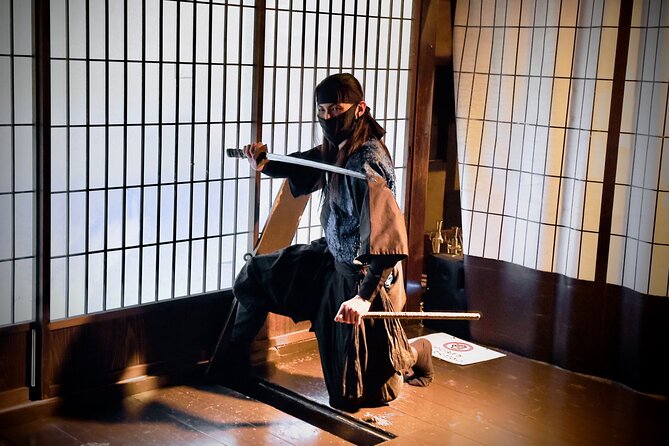
- Authentic ninja-house gimmicks: flipping doors, secret passages, and sword shelters (you pay the entrance fee separately).
- Iga Ueno Castle as the samurai counterpoint: a fort-castle built in 1585, with warrior armor and blades.
- Shogunzuka Seiryuden Temple for views: a Kyoto overlook area that also feels local in day-to-day life.
- Koka’s specialty in herbs: a different angle on ninja skills, tied to herbal mixing and forest training.
From Kyoto to Iga and Koka: the ninja story you can actually place on a map
The big idea here is simple: you’re not just learning ninja as a pop-culture style. You’re walking through the geography that helped create ninja skills in the first place. Iga and Koka sit in the mountain country that influenced how warriors trained, moved, hid, and protected information.
What makes this tour feel grounded is the way it compares worlds. You get the ninja side through Iga and Koka, including the idea that ninja were originally from mountains and trained in hard, practical ways. Then you pivot to samurai at a castle stop, where the focus shifts to armor, katana-swords, and the bigger picture of the warring age. You end the day with a clearer sense of who did what, and why.
And the ride itself matters. The route is surrounded by Japanese nature, and the scenery can hit different seasons hard, with cherry blossoms in spring and maple trees in autumn. That means even the travel time feels like part of the story, not just transportation.
More History Tours in Kyoto
- Kyoto Gion Historical Walking Tour
★ 5.0 · 188 reviews - Historical Kyoto E-Bike Tour
★ 5.0 · 181 reviews - Kyoto: Private 2.5 Hour Historical Walking Tour
★ 4.9 · 121 reviews
Private logistics: 1 pm start, up to 6 people, and how to set expectations
This is built as a private experience. Your group rides in an air-conditioned vehicle, described as a Nissan van (for 2 people) or a Mini Cooper convertible (for 1 guest). Either way, you’re not weaving through other tours, and you can ask questions in real time.
The tour starts at 1:00 pm and runs about 6 hours. That timing is great for a relaxed day, especially if you want to sleep in a bit or fit it between Kyoto temple mornings. It also affects pacing, since you’re heading out into mountain areas later in the day, which can mean less daylight for photography in winter.
You also get pickup and drop-off from your hotel, or anywhere, from 3 big cities (as stated by the operator). On top of that, parking, highway, and fuel fees are included. You’ll receive a mobile ticket, which reduces the hassle of printed tickets.
One practical note: some stops have stairs and rough ground. Most people can do it, but wear shoes you can trust, especially if you’re visiting in rainy weather.
Stop 1: Iga-ryu Ninja Museum, where the ninja story starts to feel real
Iga is the heart of the Iga-style ninja tradition, and this museum stop helps you anchor that story to an actual place. The drive from Kyoto is about an hour, and the change in environment happens fast. Mountain towns have a different tempo, and Iga’s setting helps you understand why “hidden” skills were so useful.
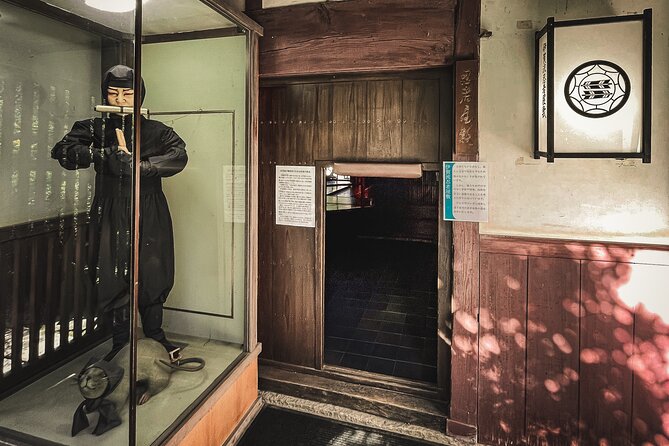
At the museum, the focus is on Iga-ryu and the tradition of ninja training. The tour information highlights that the museum is tied to authenticity, built by a real ninja master. Even if you do not obsess over historical details, this kind of origin connection matters. It makes the exhibits feel less like costume displays and more like a community that preserved methods.
What to watch for here is your learning style. If you like explanation and context, you’ll probably find this museum stage satisfying. If you mainly want hands-on tricks, you may feel it’s more exhibit-based than interactive. Either way, this stop helps set up the rest of the day, especially once you start seeing ninja-in-house designs later.
Stop 2: Iga Ueno Castle, samurai armor and katana as the contrast
Next comes the samurai counterweight: Iga Ueno Castle. This is a fort-castle setting, originally built in 1585, during the height of the Japanese warring age. Climbing up to the hilltop feel matters here. Castles were built for visibility, defense, and control, and the structure gives you a quick lesson in how power looked on the ground.
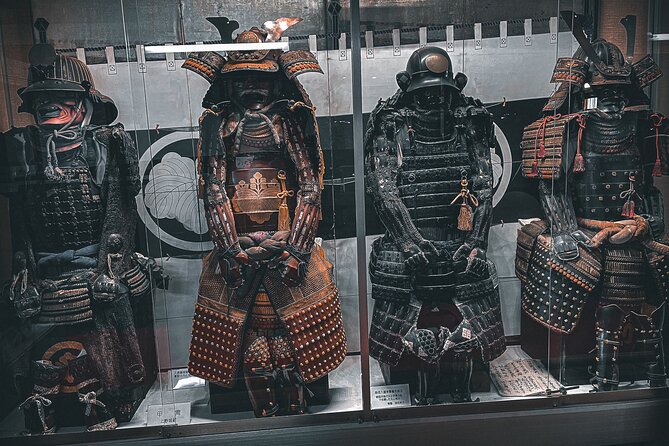
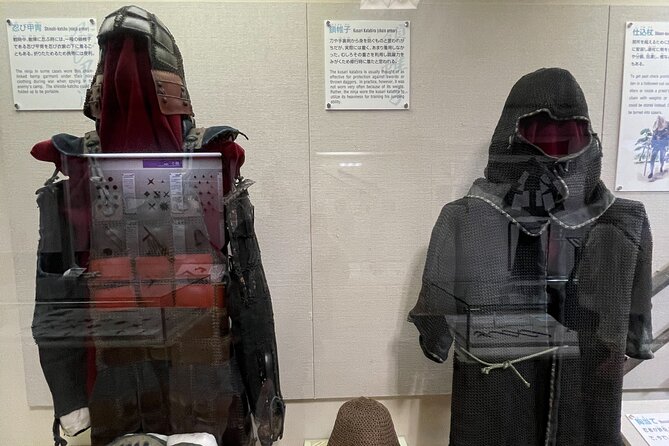
The tour description also promises a close-up focus on real samurai gear, including armors and katana-swords used by historical shoguns in real battles. You’re not just seeing a simplified “samurai look.” You get the kind of visual details that make the whole warrior image feel specific to real conflict.
A castle stop also gives you a chance to slow down and compare. Ninja history often gets framed as stealth and concealment. Samurai history gets framed as open readiness and direct force. Standing in a castle setting helps you understand why those roles could overlap, and why both depended on geography, timing, and training.
Possible drawback: castle visits are often more walk-and-look than “talk-and-answer,” unless your guide actively connects exhibits to your questions. If you want the guide to do more teaching, keep asking. A strong English guide can turn the time into a mini lecture tailored to your interests.
A few more Kyoto days to weigh up
- From Kyoto: Nara History Guided Half Day Bus Tour with Lunch
★ 4.8 · 114 reviews - Private car tour Let’s uncover secrets of majestic Kyoto history
★ 5.0 · 45 reviews - Kyoto: Historic Higashiyama Walking Tour
★ 5.0 · 31 reviews - Private Guided Historical Sightseeing Tour in Kyoto
★ 3.5 · 24 reviews
Stop 3: Shogunzuka Seiryuden Temple, a Kyoto viewpoint with local life vibes
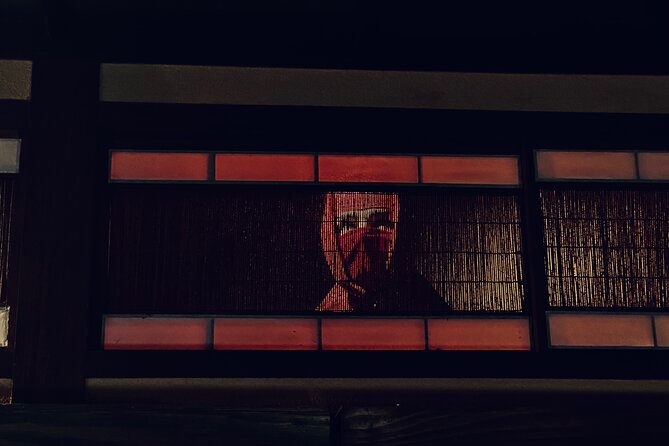
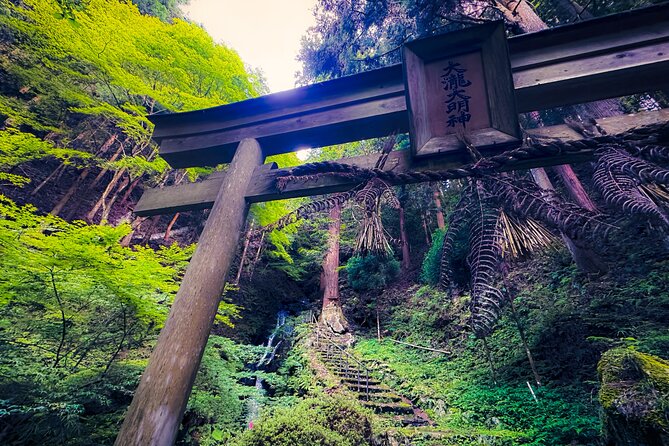
After castles, you may expect another fortress or shrine. Instead, Shogunzuka Seiryuden Temple offers a break with a viewpoint. Shogunzuka, also known as the Mound of Shogun, is located behind the mountains of Gion, and it’s popular as an area to see the whole city.
This stop can be a mental reset. You get a panoramic perspective that helps you reconnect what you’ve learned to the wider Kyoto region. It’s also described as a place enjoyed by local young Japanese couples today, which adds a more everyday feel, not just tourist sightseeing.
From a practical angle, this is also a timing cushion. It sits in the itinerary with a free admission note, and it can help you avoid the day feeling like a constant “ticket, walk, ticket, walk.” If your legs are feeling it, this temple stop can be a gentle way to pause.
Stop 4: Iga city, the ninja-clan town and the importance of the 200-year earthquake
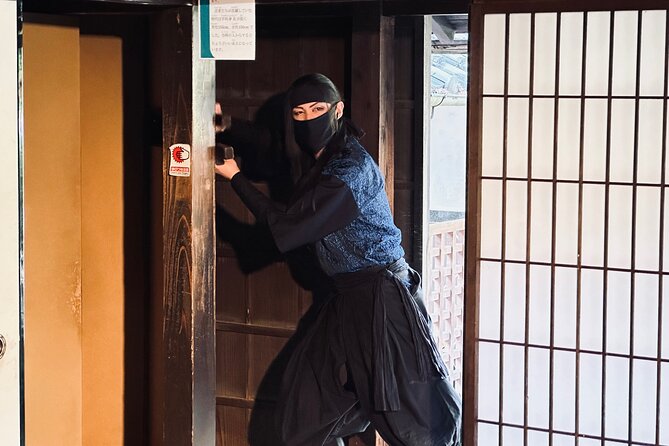
This is the heart of the ninja setting: Iga city. The tour describes it as the most famous area for ninjas, historically run by the Iga ninja clan (伊賀衆). That kind of clan-based control is one of the reasons Iga became a known training ground. If a region shares values and methods, skills can be preserved and passed along in a repeatable way.
The tour also points out that even though half of the city was destroyed by massive earthquakes about 200 years ago, the historical identity of the area remained strong. That detail matters. It reminds you that history is not only about victories and legends. It is also about survival, rebuilding, and how communities keep traditions alive after disruption.
This is also where the day’s “ninja-house” concept likely comes to life. The tour overview specifically calls out an authentic ninja house with hidden gimmicks, including flipping doors, secret passages, and hidden sword shelters. You’ll pay the entrance fee separately for that ninja house experience, so go in ready to spend time looking slowly and not just snapping pictures.
One more reality check: you might be hoping for a performance or extra show element. One review notes that an afternoon tour did not get to see a ninja performance, which is a good reason to ask the guide whether any scheduled demonstrations line up with your specific day and time window.
Stop 5: Koka, herb-mixing ninjas and training in deep forests
Then you shift from Iga to Koka, one of the two most famous historical ninja areas/clans. Where Iga is strongly associated with the idea of a ninja tradition in a specific mountain region, Koka adds a different skill angle. The tour highlights that Koka’s ninjas were known for expert herbal mixing skills.
That matters because it reframes what “ninja” means. Stealth and movement are only part of the picture. If you think about reconnaissance, survival, and the practical work of keeping people safe, herbs become part of the toolkit. So you leave the tour with a broader sense of training, not just hiding behind screens.
Koka is also described as involving hard training in deep forests. Even if you do not see every part of that environment directly during the tour, the idea is presented as a training philosophy: learn to operate where the terrain favors patience over speed.
This stop is also where you may feel the itinerary’s balance. You’ve already seen museum explanations and castle warrior imagery. Koka rounds the day out with a specialized skill that feels different from the stereotypical ninja mask-and-smoke vibe.
The guide experience: Mr. Daiki Fukashi’s English and energy
The biggest difference between a good history tour and a great one is whether the guide can connect facts to your curiosity. In the reviews, the name that keeps showing up is Mr. Daiki Fukashi. People praised his enthusiasm and his fluent English, and that combination is a real asset when you are touring between two themes that can easily turn into a “movie vs. reality” debate.
From what’s described, Daiki’s approach works well for both adults and teenagers. One family noted learning a lot alongside a 15-year-old, which tells me the explanations likely have structure but do not talk down. That style is especially helpful on this tour because it crosses multiple layers: geography, clan systems, warrior gear, and the practical design logic behind ninja-house architecture.
You’ll also appreciate having a private driver-guide in a single vehicle. It makes it easier to stop for photo moments or ask follow-up questions without feeling rushed by a big group schedule.
Price and value: what you pay, plus what to budget for entrances
The headline price is $257.35 per group, for up to 6 people, and the tour lasts about 6 hours. That pricing can feel very reasonable if you split it among a group of friends or a small family. If you’re traveling solo, it still can work well because the tour is private and includes pickup, transport, and a full-English guide.
What’s not included is important for planning. You’ll pay entrance fees separately:
- Iga Ueno Castle: ¥600 per person
- Iga Ninja House: ¥800 per person
That means your total cost depends on how many people are in your group and whether you treat the ninja house as a must-have or a bonus. Given the tour is designed around that ninja-house gimmick experience, I’d consider that ticket a core part of the day.
Also note that Iga-ryu Ninja Museum is listed as about 1 hour, but its admission ticket is noted as not included. So you may want to bring cash or be ready for card payments at multiple stops.
Value test for you: if you want a guided comparison between ninja and samurai, plus transport out to Iga and Koka, this price is easier to justify. If you mainly want “a couple photos and a short walk,” you might find the castle and museum times better served by shorter independent sightseeing.
Best season and timing: cherry blossoms and autumn color in a mountain drive
Because the tour route runs through mountain nature, season can change the day. The tour description notes cherry blossoms in spring and maple trees in autumn, so plan for better scenery in those windows.
The afternoon start at 1 pm can still work well during spring and autumn, but if you travel in a darker season, manage expectations for sunset light. For photos, prioritize places that offer open viewpoints and allow time to look around before dusk.
Finally, remember that stairs and rough ground can be more annoying after a rainy day. If weather is unpredictable, wear grippy shoes and accept that you might move a little slower than planned.
Who this tour fits best, and who might want something else
This is a good fit if you want more than a themed outing. It works well for people who like history explained with location-based context. It’s also ideal for families, since the guide’s English and teaching style was praised as effective even for a teenager.
You’ll probably enjoy it if you like hands-on style architecture moments. The ninja-house gimmicks, like flipping doors and hidden storage, are the kind of detail that makes the story stick.
On the other hand, if you’re trying to cram Kyoto into an ultra-fast checklist, this is not that kind of tour. It takes time to get to Iga and Koka, and the format expects you to spend those hours learning and walking.
Should you book Secrets of Ninjas X Samurais to Iga and Koka?
I’d recommend booking if you want a private, English-guided day that pairs ninja origins with a real samurai castle stop. The best reason to go is the combination: ninja-house design tricks plus samurai armor and katana context, all connected to the mountain setting where this history made sense.
I would hesitate only if you have a tight budget for entrances, or if you are strongly expecting extra ninja performances on your specific afternoon slot. In that case, ask questions early so you are not disappointed by scheduling.
If your goal is understanding, not just scenery, this tour delivers exactly that. The day has structure, the guide’s energy helps it click, and the Iga and Koka contrast gives you a clearer picture of what warrior life looked like beyond the stereotypes.
FAQ
How long is the Secrets of Ninjas X Samurais tour?
It is about 6 hours.
What is the price for this tour?
It costs $257.35 per group, up to 6 people.
What time does the tour start?
The start time is 1:00 pm.
Is the tour private?
Yes. It is a private tour, and only your group participates.
Do you get pickup and drop-off?
Yes. Direct pickup and dropping-off are offered from your hotel (or anywhere), from 3 big cities.
Where do you go during the tour?
The listed stops are Iga-ryu Ninja Museum, Iga Ueno Castle, Shogunzuka Seiryuden Temple, Iga, and Koka.
Are entrance fees included?
No. Entrance fees are not included, including Iga Ueno Castle and the Iga Ninja House.
How much are the entrance fees you should budget for?
Iga Ueno Castle is ¥600 per person, and the Iga Ninja House is ¥800 per person.
Is it easy to use the tickets on the day?
Yes. It includes a mobile ticket.
Is the tour suitable for people who do not like stairs?
Most travelers can participate, but some locations have stairs and rough ground, so comfortable shoes help.
Can I cancel for a full refund?
Yes. You can cancel up to 24 hours in advance for a full refund. If you cancel less than 24 hours before the experience start time, the amount paid will not be refunded.
Newly listed around Kyoto
- SHIRAKAWA Japanese Culture Experiences with private English staff★ 5.0 · 16 reviews
- A Privately Guided Photoshoot in Beautiful Kyoto by a Pro★ 5.0 · 18 reviews
- Roketsu dyeing experience: M course Roketsu Dyeing Experience★ 5.0 · 163 reviews
- Scenic Green Tea Fields of Hidden Kyoto & Local Tea Exp (Private)★ 5.0 · 32 reviews
- Pedal Adventure Kyoto’s iconic landmarks on an e-bike tour★ 5.0 · 189 reviews
- Kyoto: Geisha Dinner & Gion Cultural Walk★ 5.0 · 14 reviews
- Private departure transfer from Kyoto city to Osaka Itami International airport★ 4.5 · 33 reviews
- Kyoto tour with English Speaking Chauffeur★ 5.0 · 29 reviews
Historical Tours, compared.
World Heritage Shirakawa-go and Experience Tours from Kanazawa
Read our review →
World Heritage Kyoto & Nara Uji Authentic Matcha Experience
Read our review →
World Heritage Shirakawa-go Morning Guided Tour
Read our review →
Hiroshima Historical Walking Tour – Why A-Bomb was Dropped
Read our review →
Hiroshima Peace (Heiwa) Walking Tour at World Heritage Sites
Read our review →
Yanaka Walking Tour: Historic and Traditional District of Tokyo
Read our review →
Shinjuku Historical Walking Tour & Secret Backstreets
Read our review →Browse the lists this tour appears in