
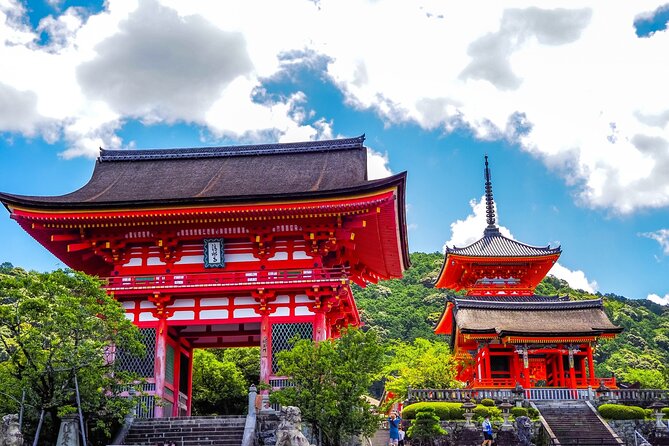
Review · GEISHA DISTRICT WALKS
Kyoto Gion Historical Walking Tour
Gion feels close, like you can step into it. This 3-hour tour threads Gion shibashi with major temples and historic streets, then adds history that connects old Kyoto to modern Japan. I like the small-group vibe (max 12) and the strong English narration I’ve heard from guides such as Jay, Aiyumi, Ben, Tommy, Michel, and Ben. The main thing to consider is that it’s a half-day on foot, with some stairs and no included lunch, so plan snacks and water.
You’ll start near Ben’s Cookies in Shijo and end at Kiyomizu-dera, so the day works like a guided “orientation loop” for first-time Kyoto visitors. The route is built around iconic visual stops, but what makes it worth doing is the way the guide turns each place into a story about Kyoto’s religion, culture, and the Meiji Restoration’s impact.
At $40 per person, it’s strong value for a guided walking route that keeps most admission costs low. Most stops are free to enter during the tour, but Kiyomizu-dera admission is not included, so it’s smart to budget for that if you want to go in.
In This Review
- Key highlights to pay attention to
- Meeting at Ben’s Cookies and choosing the right footwear
- What the mobile ticket means for you
- Tatsumi Bridge and Gion shibashi: the walk that sets the tone
- The rhythm matters more than the stop length
- Izumo-no-Okuni and Gion’s cultural thread before the temples
- Chion-in Sammon gate: where scale hits you first
- What you should watch for
- Chion-in temple time: turning a visit into understanding
- A quick reality check on time
- Maruyama Park: a breather in the middle of temple touring
- Why the park stop is useful
- Nene-no-Michi: a historic stone path with a real name behind it
- Don’t expect it to be long
- Hokan-ji (Yasaka Pagoda): five stories you can’t ignore
- Photo tip
- Ninen-zaka and Sannen-zaka slopes: cobblestones, shops, and souvenirs
- What these streets do for your day
- Kiyomizu-dera finale: your end point and the admission decision
- Budgeting and pacing
- Price and value: $40 that pays for direction, not tickets
- What you’re really paying for
- What the guides bring: more than facts
- How much walking is too much, and who should skip it
- Best fit
- Should you book the Kyoto Gion Historical Walking Tour?
- FAQ
- How long is the Kyoto Gion Historical Walking Tour?
- How much does the tour cost?
- What is included in the tour price?
- Where do I meet and where does the tour end?
- Are there any admission fees during the tour?
- Is this tour easy to do with limited mobility?
- Can I cancel if plans change or if weather is bad?
Key highlights to pay attention to
- A max of 12 people helps the guide keep a steady pace and check in often
- Meiji Restoration context helps you understand why Kyoto looks the way it does today
- Temple gates and landmarks like Chion-in and the Yasaka Pagoda give you the big “wow” moments
- Historic streets (Ninen-zaka and Sannen-zaka) are built for photos and slow walking
- Most stops are ticket-free, so your extra spending is usually limited (mostly Kiyomizu-dera)
Meeting at Ben’s Cookies and choosing the right footwear
This tour starts at Ben’s Cookies Kyoto Shijo, near the Shijo area, and it ends at Kiyomizu-dera in front of the entrance. That start and finish make it easier to plan your day: you can get your bearings early in Higashiyama, then walk away with momentum for the rest of your Kyoto itinerary.
Wear comfortable walking shoes. You’ll cover a half-day of walking, and at least some parts of the route involve stairs and uneven surfaces, especially on the approach to the hillside streets. Bring water, and if you like, pack a snack. The tour has limited breaks, and lunch isn’t included.
More History Tours in Kyoto
- Historical Kyoto E-Bike Tour
★ 5.0 · 181 reviews - Kyoto: Private 2.5 Hour Historical Walking Tour
★ 4.9 · 121 reviews - From Kyoto: Nara History Guided Half Day Bus Tour with Lunch
★ 4.8 · 114 reviews
What the mobile ticket means for you
You’ll use a mobile ticket, which is convenient when you’re juggling phones, transit, and maps. It also means you’ll want a fully charged device when you meet, just so you can show your ticket quickly.
Tatsumi Bridge and Gion shibashi: the walk that sets the tone
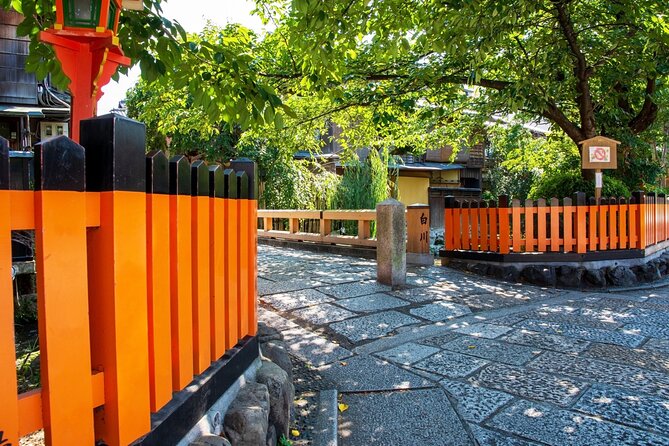
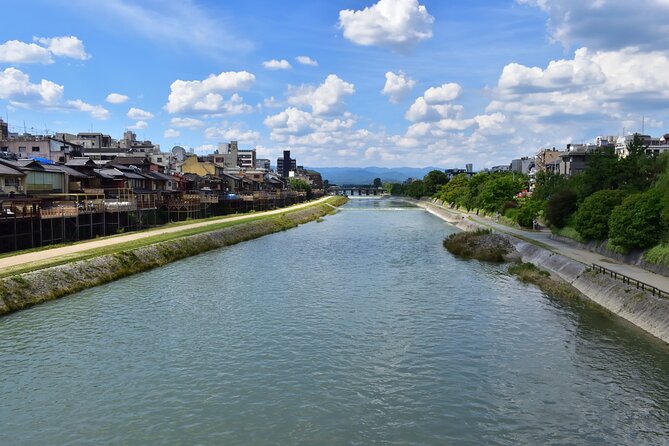
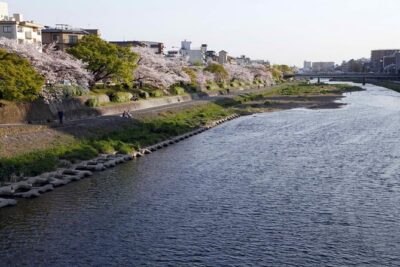
The tour begins with Tatsumi Bridge and includes a walk through Gion shibashi, one of Kyoto’s most photogenic riverside views. This is a good opening choice because it gives you the Kyoto feeling fast: narrow streets, layered architecture, and that sense that the past is right next to you.
Expect a short stop here, about 15 minutes, mostly to take in the view and let the guide frame what comes next. It’s the kind of start that makes later temple gates feel more meaningful, because you’ve already connected “Gion” to the wider story of the city.
The rhythm matters more than the stop length
Even though the time is brief, the payoff is how quickly you get oriented. If you’re the type who needs context before walking into crowded areas, this opening works well.
More Walking Tours in Kyoto
- Kyoto Geisha Walking Tour: Gion District & Hidden Gems
★ 4.7 · 3,273 reviews - Kyoto: Gion Geisha District Walking Tour – Stories of Geisha
★ 4.7 · 2,187 reviews - Night Walk in Gion: Kyoto’s Geisha District
★ 4.5 · 2,003 reviews - Kyoto Gion Geisha District Walking Tour – The Stories of Geisha
★ 5.0 · 1,441 reviews
Izumo-no-Okuni and Gion’s cultural thread before the temples
The tour also includes the Statue of Izumo-no-Okuni. Even if you don’t know the name yet, it acts like a bookmark for the guide’s broader talk about Kyoto’s cultural traditions.
This is one reason I like this route for first-timers: you don’t jump straight into temples and assume you’ll figure out the rest later. Instead, you get a few anchors early, then the religious and historic sites start to connect.
Chion-in Sammon gate: where scale hits you first
Chion-in is one of Kyoto’s heavyweight temple complexes, and the tour hits it in a practical way: first the Sammon (the main gate), then time deeper inside the temple area. The gate stop is short, around 10 minutes, but it’s built for impact.
This is where you feel the “big wood gate” feeling Kyoto does so well. The guide’s explanation helps you see the gate as more than architecture, it’s a symbol of the temple’s standing and spiritual significance.
What you should watch for
Because the stop is brief, don’t try to do everything. Focus on one or two views, take your photos, then move with the group. If you’re the kind of traveler who hates rushing, you might prefer to come back on your own after the tour, but the tour itself still gives you the must-see context.
Chion-in temple time: turning a visit into understanding
After the Sammon, you get about 20 minutes at Chion-in itself. This portion is where the guide tends to do the most teaching, especially about Kyoto’s religious life and how Buddhism shaped daily culture.
If you like history that actually sticks, this is a good stop. The tour doesn’t just point out what you see, it helps you place it in a wider timeline, including how the Meiji Restoration changed the way Japan modernized while Kyoto kept parts of its identity.
A quick reality check on time
Twenty minutes can feel short, so you’ll want to pick what matters most to you, such as the main halls or the visual details you want to remember. Think of this as a guided “first look,” not a deep temple study.
Maruyama Park: a breather in the middle of temple touring
Next comes Maruyama Park, about 10 minutes. This stop is a smart pause. After concentrated temple time, the park gives you space to breathe and reset your eyes, especially if you’ve been in dense, structured spaces.
The guide’s narrative here also helps you see the park as more than a scenic break. You’re learning how different kinds of spaces in Kyoto, religious and everyday, sit side by side.
Why the park stop is useful
I find park stops help you avoid the “temple fatigue” that can happen on a packed route. Even a short rest can make the remaining hillside walking feel easier.
Nene-no-Michi: a historic stone path with a real name behind it

The tour then takes you to Nene-no-Michi, also called the Path of Nene. It’s a historic stone-paved path named after Nene, the wife of Toyotomi Hideyoshi.
This stop is valuable because it changes the pace. You’re no longer just staring at large buildings or gates. You’re walking a path with a specific historical connection, which makes the route feel like a coherent story instead of a checklist.
Don’t expect it to be long
Like the best mid-route stops, it’s time-efficient. You’ll likely spend just enough time to take it in and keep moving toward the most famous streets and views.
Hokan-ji (Yasaka Pagoda): five stories you can’t ignore
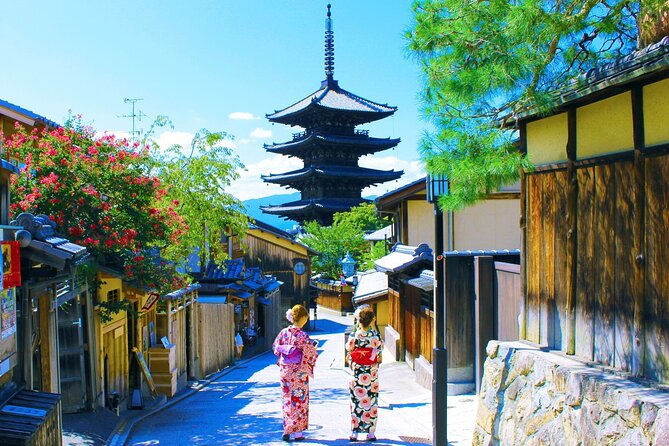
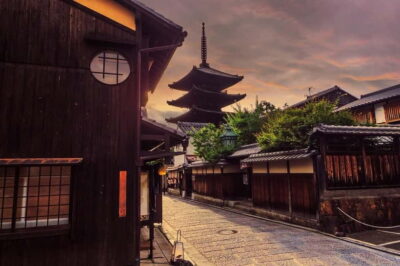
At Hokan-ji Temple, you get the famous five-story pagoda, known as the Yasaka Pagoda. This stop is about 10 minutes, and it’s one of those “you should see this even if you’re tired” moments.
The tower does what towers do in Kyoto, it gives you a fixed point to orient around. The guide’s context helps you understand why this pagoda is a key visual landmark in the Higashiyama area.
Photo tip
If you’re photographing, try to stand in a spot where you can include both the pagoda and a bit of the surrounding street. With short time, you’ll get more usable photos with a deliberate angle instead of quick snaps from one position.
Ninen-zaka and Sannen-zaka slopes: cobblestones, shops, and souvenirs
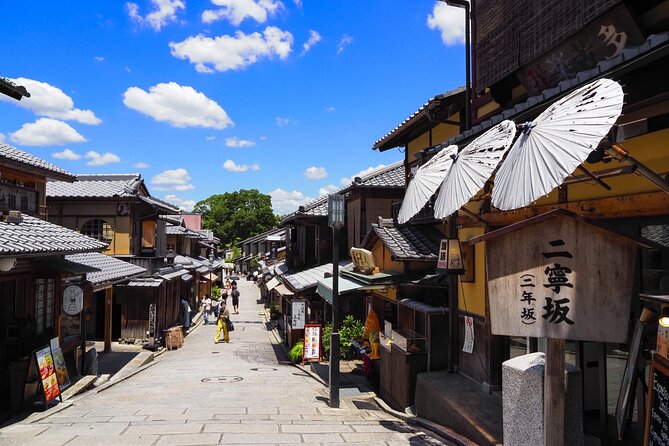
After the pagoda, you walk into the classic historic streets: Ninen-zaka (Two-Year Slope) and then Sannen-zaka (Three-Year Slope). These are cobblestone pedestrian paths lined with traditional tea houses and souvenir shops.
Ninen-zaka is brief, around 5 minutes, and Sannen-zaka takes about 10 minutes. This is enough time to enjoy the atmosphere, take photos, and browse a little, but it’s still a walking tour, so don’t expect a shopping window where you can try on everything.
What these streets do for your day
These slopes are the “Kyoto in a postcard” stretch, but the guide’s historical framing makes them more than decoration. You’re seeing preserved-style streets, which helps you notice how Kyoto’s older look survives inside a city that keeps moving.
Kiyomizu-dera finale: your end point and the admission decision
The tour finishes at Kiyomizu-dera, about 10 minutes on the route time. Importantly, Kiyomizu-dera admission is not included, so you’ll decide on the spot whether you want to pay to go in.
This end point is useful because it places you at one of the city’s most famous temples right when your legs still have some energy. If you pay for entry, you’ll spend additional time exploring the complex beyond what the tour covers.
Budgeting and pacing
Because the tour time at Kiyomizu-dera is short, you’ll probably want to plan your post-tour steps. If you know you want to go inside, consider using the final stretch to set yourself up for where you’ll enter and what you want to see first.
Price and value: $40 that pays for direction, not tickets
The biggest value here is that $40 per person buys expert guidance, a focused route, and a timeline that makes the sights easier to understand. Most of the stops are free during the tour, so you’re not paying a stack of separate admission fees as you go.
The one likely extra cost is Kiyomizu-dera admission, since it’s not included. Even with that, the tour can still feel efficient because you’re paying for routing and explanation, not just time spent walking around.
What you’re really paying for
A good guide does three things well on this kind of route: keeps the pace manageable, explains why each stop matters, and helps you avoid wasting time at random spots. The high ratings and repeated praise for guides like Jay and Aiyumi suggest people feel they got that kind of guidance.
What the guides bring: more than facts
A pattern shows up across guides named in the tour feedback. People loved the English quality, the humor, and the way guides answered questions without making it feel like class.
Jay, for example, was praised for strong historical context and very clear English. Ben and Aiyumi were praised for pacing, engaging storytelling, and giving recommendations for what to do next in Kyoto. Tommy and Michel were praised for answering questions and accommodating the group.
If you want to get the most out of the tour, ask at least one question that goes beyond the site. In one piece of feedback, a guide’s favorite vending machine in Kyoto came up, and that kind of question is exactly how you learn what a local notices.
How much walking is too much, and who should skip it
This is a half-day walking tour with moderate physical fitness needed. Even if you’re generally active, expect a fair amount of walking and some stair climbing, especially toward the Higashiyama area.
This tour can also be information-heavy. If you’re traveling with kids or you just prefer light storytelling, you might feel like the pace is a lot. Adults who enjoy history and explanations tend to get the most satisfaction out of it.
Best fit
You’ll enjoy this most if you:
- want a first-time orientation to Gion and eastern Kyoto
- like temple and shrine visits with context
- want a guided overview before you explore on your own later
Should you book the Kyoto Gion Historical Walking Tour?
I’d book it if you want your Kyoto day to feel guided, not random. For $40, you get a tight 3-hour route across Gion shibashi, Chion-in, Maruyama Park, Nene-no-Michi, the Yasaka Pagoda, and the classic slopes of Ninen-zaka and Sannen-zaka, with Meiji Restoration context that helps you connect the old and the modern.
Skip it or plan carefully if you hate stairs, need a longer sit-down break, or you’re counting on an included lunch. With the right shoes, a snack, and a plan for Kiyomizu-dera admission, this is an efficient way to understand Kyoto while still enjoying the streets.
FAQ
How long is the Kyoto Gion Historical Walking Tour?
It runs about 3 hours.
How much does the tour cost?
The price is $40.00 per person.
What is included in the tour price?
It includes the walking tour. Admission fees are not included.
Where do I meet and where does the tour end?
You meet at Ben’s Cookies Kyoto Shijo (89 Shinchō, Shimogyo Ward) and the tour ends at Kiyomizu-dera at the entrance.
Are there any admission fees during the tour?
Most stops list admission as free. Kiyomizu-dera admission is not included.
Is this tour easy to do with limited mobility?
The tour is listed as requiring moderate physical fitness. It’s a walking route and includes stair climbing.
Can I cancel if plans change or if weather is bad?
Free cancellation is available up to 24 hours in advance for a full refund, and the tour requires good weather. If canceled due to poor weather, you’re offered a different date or a full refund.
More Historical Tours in Kyoto
- Kyoto: Historic Higashiyama Walking Tour
★ 5.0 · 31 reviews - Kyoto/Osaka: Kobe & Himeji Journey Through Culture & History
★ 3.7 · 18 reviews - 4.5-hr Kyoto Historical Highlights Bike Tour with UNESCO
★ 4.7 · 13 reviews - Kyoto/Osaka: Kyoto and Nara World Heritage Day Tour
★ 4.5 · 12 reviews
Popular Geisha District Walks in Kyoto
- Best of Kyoto: Gion, Geisha, Pagodas & Cobblestones
★ 4.9 · 2,058 reviews - Kyoto Night Foodie Tour in Gion (9+ dishes + 6 Sake tastings)
★ 5.0 · 1,762 reviews - Kyoto: Gion Magical Night Walking Tour with Geisha Insights
★ 4.9 · 1,286 reviews - Kyoto Gion Night Walk & Geisha District Guided Tour
★ 5.0 · 786 reviews
Newly listed around Kyoto
- Taste of Nishiki Market Walking Food Tour with Local guide★ 5.0 · 17 reviews
- Kyoto: Sushi Making Class with Sushi Chef★ 4.8 · 64 reviews
- Simple Plan with Maiko★ 4.4 · 10 reviews
- Shibori Furoshiki Course at Kyoto Shibori Museum★ 5.0 · 21 reviews
- Kyoto: City Secrets eBike Tour★ 4.9 · 196 reviews
- Sacred Pathways: Discover the Philosopher’s Path of Kyoto★ 4.9 · 20 reviews
- Private Tour to Monkey Park and Arashiyama Highlights★ 5.0 · 22 reviews
- Private Nara Tour from Osaka – Meet at Your Hotel★ 5.0 · 22 reviews
Geisha District Walks, compared.
Kyoto Geisha Walking Tour: Gion District & Hidden Gems
Read our review →
Gion Geisha District Walking Tour – Stories of Geisha
Read our review →
Best of Kyoto: Gion, Geisha, Pagodas & Cobblestones
Read our review →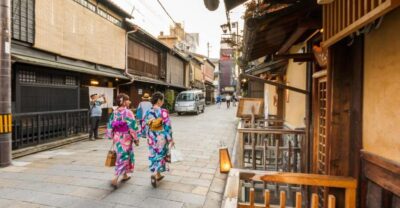
Kyoto Night Foodie Tour in Gion (9+ dishes + 6 Sake tastings)
Read our review →
Kyoto Gion Geisha District Walking Tour – The Stories of Geisha
Read our review →
Gion Magical Night Walking Tour with Geisha Insights
Read our review →
Kyoto Gion Night Walk & Geisha District Guided Tour
Read our review →Browse the lists this tour appears in