Review · KYOTO TOURS
The right way to know Kyoto
Kyoto can feel like a maze. This private 6-hour walking tour keeps you moving with an expert guide and pickup offered, so you get to the sights without plotting every train stop yourself. I love the small-group pacing that lets you pause, ask questions, and adjust along the way, and I like the way the stops are explained step by step. The only real drawback is simple timing, you hit four major highlights, so you’ll likely want to return for more.
You start at Kyoto Station, then work your way through Fushimi Inari-taisha Shrine, the Bamboo Forest Trail, Kinkakuji, and Ginkakuji. Two of these stops are free, while the Golden and Silver Pavilions require separate entrance tickets, so budget for that add-on.
In This Review
- Key things that make this Kyoto tour work
- Why starting at Kyoto Station matters more than you think
- Fushimi Inari-taisha Shrine: torii gates, religion context, and how to pace it
- Bamboo Forest Trail: free entry, shorter visit, and a calm reset
- Kinkakuji Golden Pavilion: famous views with a time-safe plan
- Ginkakuji Silver Pavilion: Zen calm, gardens, and wabi-sabi pace
- The guide: why private pacing is the real product
- Walking, transport, and what you should plan for on your feet
- Price and value: $371.41 per group is often about fairness, not bargains
- Best fit: who should book, and who might want a different plan
- When to book and how to set yourself up for a smooth day
- Should you book this Kyoto highlights walk?
- FAQ
- How long is the Kyoto tour?
- Where does the tour start and end?
- Is it a private tour?
- Are entrance tickets included?
- Is pickup included?
- Can I cancel for a full refund?
Key things that make this Kyoto tour work
- Four big highlights in about six hours, with time to travel between them
- Free stops first: Fushimi Inari-taisha Shrine and the Bamboo Forest Trail
- Paid entries at the end: Kinkakuji and Ginkakuji are not included
- Private for your group (up to 6), so the pace stays comfortable
- Meeting at Kyoto Station makes it easier to plug into the rest of your day
- Mobile ticket helps reduce last-minute hassle
Why starting at Kyoto Station matters more than you think

Kyoto is beautiful, and also a bit of a puzzle. Routes, bus lines, and station transfers can eat up time. Starting near Kyoto Station is a smart move because you can anchor your day in one predictable place and stop worrying about where you need to be next.
This tour is private for your group of up to six, which changes the vibe fast. You are not trying to herd yourself through crowds while someone else controls the pace. You move as a unit, and your guide can slow down when you want photos, stop when you want context, and speed up when your group is ready.
Pickup is listed as offered, too. That means you are not stuck immediately doing the hardest part, getting from your hotel to the meeting area. If you are arriving from somewhere else that day, that little bit of help can be the difference between enjoying Kyoto or feeling rushed.
A few more Kyoto days to weigh up
- PERFECT KYOTO 1-Day Bus Tour
★ 5.0 · 13,518 reviews - Kyoto: Fushimi Inari, Kinkakuji, Bamboo Grove 1 Day Bus Tour
★ 4.8 · 4,316 reviews - Kyoto: Tea Ceremony in a Traditional Tea House in Kiyomizu
★ 4.9 · 3,519 reviews
Fushimi Inari-taisha Shrine: torii gates, religion context, and how to pace it
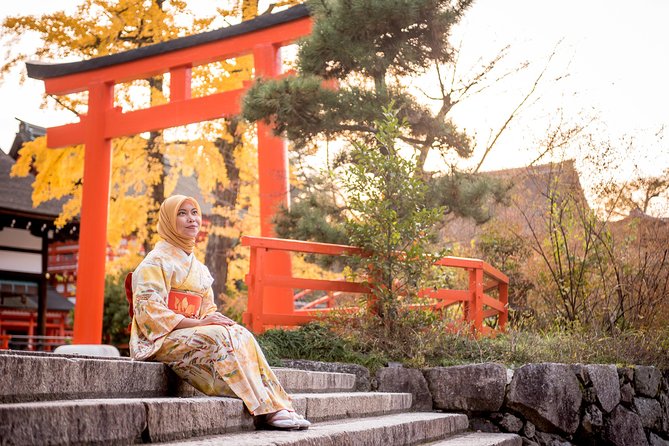
The tour begins at Fushimi Inari-taisha Shrine, famous for its long passage of orange torii gates. The itinerary gives this stop about an hour. That is enough time to walk the main stretch, take in the visual rhythm, and still have space to stop and reset your legs.
What I like here is that the experience is not just visual. The guide is there to explain what you are looking at and why it matters. In one past tour, Esteban explained the Shinto context at the shrine and even coordinated small details like offering guidance on how to participate in the moment. If you care about respectful behavior at shrines, having a guide makes it easier to do things the right way instead of copying what you see without understanding.
Potential drawback: one hour is not a lifetime. If you want to wander far beyond the main flow, you might feel your time compress. This is still a great first stop, but it is best for people who want highlights plus understanding, not people who plan to turn the shrine visit into a half-day solo expedition.
Practical tip: wear shoes you can walk in for a long day. This is not a sit-and-stare tour. You’ll be on your feet, and Fushimi Inari is the kind of place where you keep walking without noticing the distance until you stop.
Bamboo Forest Trail: free entry, shorter visit, and a calm reset
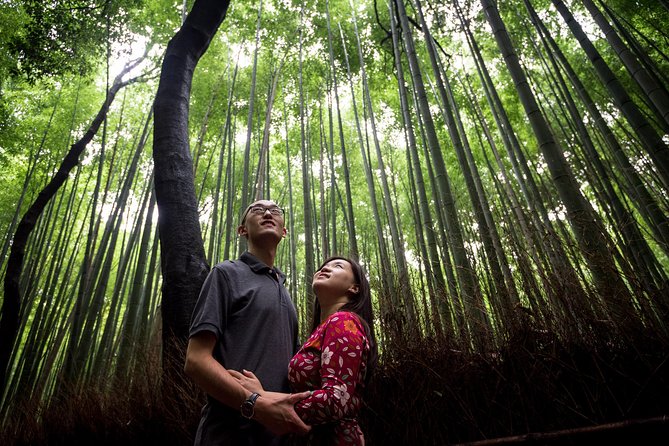
Next up is the Bamboo Forest Trail, listed for about 45 minutes and with free admission. This is a quick hit compared with the temples later on, and that is a good thing. You get the classic bamboo atmosphere without burning half the afternoon.
What you get from a guided stop here is timing and focus. Instead of wandering until you find the most photographed spot and then leaving, you can move with a plan. In one example, Adrian took the group to a bamboo forest area that felt away from the city, which is exactly what you want when Kyoto crowds start to feel like a treadmill.
Rain and fatigue are the two real considerations. Bamboo areas can get slippery and the weather can change your comfort fast, especially with a lot of walking. If you show up prepared, this stop becomes a satisfying break rather than a soggy chore.
Simple approach: treat the 45 minutes like a breather. Walk slowly, take a few photos, then get out before you start rushing. You’ll thank yourself later at the pavilions.
Kinkakuji Golden Pavilion: famous views with a time-safe plan
After bamboo, the tour heads to Kinkakuji Temple, the Golden Pavilion. The itinerary says about an hour here, and entrance tickets are not included.
This is where the “private guide” value becomes very practical. Kinkakuji is popular, and popularity can be a time drain if you are moving at random. With a guide, you spend more time looking and understanding and less time figuring out where you are supposed to be within the grounds.
You also get commentary that helps you look past the postcard effect. The tour description emphasizes the pavilion as the famous Golden Pavilion, and that is exactly the point. You are there to experience the landmark, but a guide can also help connect it to what you’ve already seen that day, so the visit feels like part of a story rather than four separate photo stops.
Budget note: because entrance tickets are not included, you need to plan extra money for this and the next temple. The tour still offers strong value overall, but this is one of those cases where you should not assume the ticket price is wrapped into the tour price.
A different sort of day in Japan:
- Kyoto Geisha Walking Tour: Gion District & Hidden Gems
★ 4.7 · 3,273 reviews - Kyoto: Tea Ceremony Ju-An at Jotokuji Temple
★ 4.9 · 3,207 reviews - Kyoto: 45-Minute Tea Ceremony Lesson Experience
★ 4.3 · 2,378 reviews - Kyoto: Gion Geisha District Walking Tour – Stories of Geisha
★ 4.7 · 2,187 reviews
Ginkakuji Silver Pavilion: Zen calm, gardens, and wabi-sabi pace
The last temple stop is Ginkakuji Temple, also known as the Silver Pavilion. The itinerary lists about an hour and says entrance tickets are not included.
Ginkakuji is described as a serene Zen temple with elegant gardens and timeless wabi-sabi beauty. That wording matters, because it hints at what you should do during your hour. You should not speed-run it. This is a place where slow attention pays off. Let your guide’s explanations steer you toward what to notice.
In past tours, guides like Tom, Jose, and Jose David have been praised for adapting pacing to the group and answering questions in a way that makes the experience feel personal. That matters here because a calm temple visit can turn awkward if your group is tired, impatient, or just not sure what they’re looking for.
Also, this stop can be a great “turndown” moment at the end of a walking day. You finish with a sense of quiet rather than just a final stamp on your Kyoto list.
The guide: why private pacing is the real product
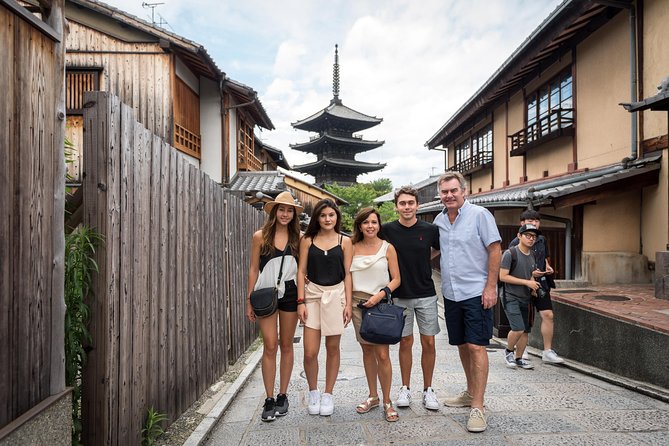
The itinerary is fixed enough to be efficient, but this tour is still customizable because the guide is doing the adapting. That is where many of the top reviews point.
A few patterns show up in real-world guide experiences:
- Guides often ask what you want to see before the day starts, then adjust the flow based on your interests.
- Guides can help you avoid the worst crowd pressure, not by magic, but by choosing better timing and routes.
- Guides explain cultural and historical context, not just facts, so you spend less time guessing and more time understanding.
- Guides handle logistics like trains and buses when needed, which makes the day feel smoother.
Names that have come up in guide praise include Paco, Adrian, Tom, Jose, Jose David, Peter, Laura, Esteban, Brian, Cristobal, and Maki San. Even if you do not get the same guide, the common thread is how they shape your day to fit your group, including families and mixed-age groups.
There is also a caution worth stating clearly. One review noted that there was not enough time to cover everything mentioned in the itinerary. Another mentioned that the guide’s English clarity was a challenge on a rainy day. So if language clarity matters a lot to you, or you are hoping for an extremely deep explanation at every stop, you should plan your expectations for a six-hour tour. It is highlight-focused, not an all-day seminar.
Walking, transport, and what you should plan for on your feet
This is not a sit-down tour. You should plan for a lot of walking and at least some public transportation movement throughout the day. Reviews mention long walking days and using trains and buses, and the tour itself is built around multiple areas that are not all right next to each other.
Transportation is not included, so you should treat transit as your responsibility, while your guide helps you navigate it. That combo is actually a good deal for many people, because you get local direction without losing control of your travel budget.
What to bring:
- Comfortable shoes you can wear for hours
- Light rain gear if weather turns
- A plan for photos that does not require sprinting between spots
If you are traveling with teenagers, the private format is often a win. Several family-focused reviews praised guides for keeping teens engaged and adjusting pace so everyone stays interested.
Price and value: $371.41 per group is often about fairness, not bargains
The price is $371.41 per group for up to six people, with an average booking time around 59 days in advance. That means the math depends on whether you fill all six seats.
At full group size, the cost works out to about $62 per person. That is a very reasonable way to buy three things at once:
- Less stress getting around
- A guide who explains what you’re seeing
- A smoother day that can still feel flexible
If your group is smaller, the per-person cost rises, and you should ask yourself whether you are buying convenience, context, and pacing. For people who hate getting lost, or who want cultural explanation more than just selfies, it usually feels like good value.
And because two main stops are free (Fushimi Inari-taisha Shrine and the Bamboo Forest Trail), you are not paying entry fees for everything. You only need to handle additional tickets at Kinkakuji and Ginkakuji.
Best fit: who should book, and who might want a different plan
This tour is a strong match for:
- First-time Kyoto visitors who want major sights without route-planning stress
- People who care about culture and history enough to ask questions
- Groups up to six who want the day to move at their pace
- Families, including teens who need guidance to stay engaged
It might not be your best fit if:
- You have a very strict theme you want to focus on, like only gardens, only Zen, or only shrine architecture, since the itinerary is highlight-focused
- You want a slow, deep experience where each stop becomes a half-day project
- You are sensitive to language clarity and need very easy-to-understand narration throughout the whole day
When to book and how to set yourself up for a smooth day
Because the tour has specific operating window hours listed from 9:00 AM to 3:00 PM, you’ll want to schedule it early in your Kyoto time. Six hours is long enough that you do not want to stack it right next to another late reservation unless you like living on the edge.
Also, because it is popular enough to average bookings around two months in advance, the best move is to reserve while your dates are firm. Kyoto does not slow down for last-minute plans.
Should you book this Kyoto highlights walk?
Yes, you should book it if you want an organized, respectful, and efficient way to hit Fushimi Inari-taisha Shrine, the Bamboo Forest Trail, Kinkakuji, and Ginkakuji with a guide who can help you understand what you’re seeing and keep the day comfortable.
Skip it or consider an alternative if you know you want more time at just one place, or if you prefer to wander entirely on your own without guided explanations. This is a strong “highlights plus meaning” format, and it does exactly that in a single afternoon.
If you book, go in with the right mindset: one hour at Fushimi, 45 minutes at bamboo, and about an hour each at the pavilions. You’re buying a well-paced highlight circuit, not unlimited time at every stop.
FAQ
How long is the Kyoto tour?
It lasts about 6 hours.
Where does the tour start and end?
It starts at Kyoto Station, Higashishiokoji Kamadonocho, Shimogyo Ward, Kyoto, and it ends back at the same meeting point.
Is it a private tour?
Yes. It is private, and only your group participates. The group size is up to 6.
Are entrance tickets included?
No. Entrance tickets are not included for Kinkakuji and Ginkakuji. Fushimi Inari-taisha Shrine and the Bamboo Forest Trail are listed as free.
Is pickup included?
Pickup is offered.
Can I cancel for a full refund?
Yes, free cancellation is available. You must cancel at least 24 hours in advance for a full refund.
Newly listed around Kyoto
- Taste of Nishiki Market Walking Food Tour with Local guide★ 5.0 · 17 reviews
- Kyoto: Sushi Making Class with Sushi Chef★ 4.8 · 64 reviews
- Simple Plan with Maiko★ 4.4 · 10 reviews
- Shibori Furoshiki Course at Kyoto Shibori Museum★ 5.0 · 21 reviews
- Kyoto: City Secrets eBike Tour★ 4.9 · 196 reviews
- Sacred Pathways: Discover the Philosopher’s Path of Kyoto★ 4.9 · 20 reviews
- Private Tour to Monkey Park and Arashiyama Highlights★ 5.0 · 22 reviews
- Private Nara Tour from Osaka – Meet at Your Hotel★ 5.0 · 22 reviews
Kyoto Tours, compared.
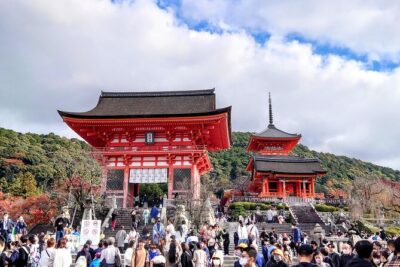

Fushimi Inari, Kinkakuji, Bamboo Grove 1 Day Bus Tour
Read our review →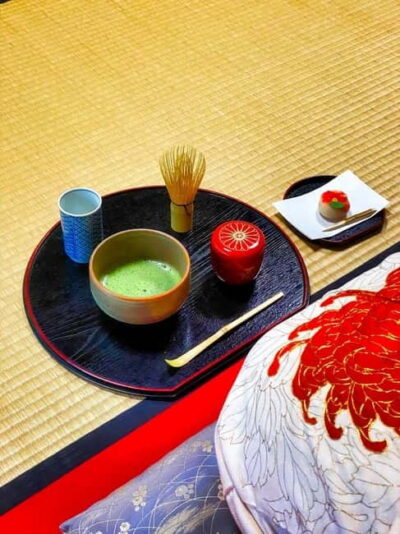
Tea Ceremony in a Traditional Tea House in Kiyomizu
Read our review →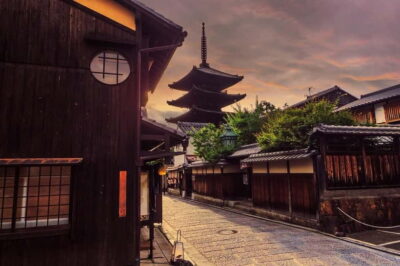
Kyoto Geisha Walking Tour: Gion District & Hidden Gems
Read our review →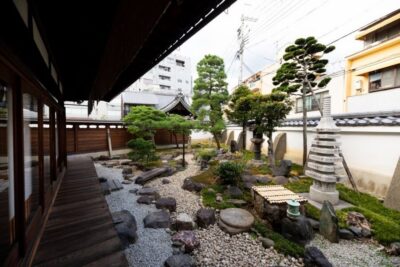
Gion Geisha District Walking Tour – Stories of Geisha
Read our review →