
Review · FISH MARKET WALKS
Tokyo Tsukiji Fish Market Food Tour: 15 Stops & Walk Local Street
Tokyo Tsukiji is one of those places you can overthink. This guided food walk gives you structure, local etiquette, and a clear route through a famously complicated area.
I especially like the small-group cap of 15 and the fact you get photos taken during the tour that you do not have to capture yourself. You also get a guide who explains what you are looking at, not just where to stand.
One possible drawback to plan for: food is listed in a slightly confusing way. The tour highlights food tastings, but food is marked as not included, and at least one person felt the tastings were not what they expected. If food is your top priority, I recommend you confirm what tastings typically cover before you book.
In This Review
- Key Things That Make This Tsukiji Tour Worth Your Time
- Tsukiji on Foot, Without the Guesswork
- Price and What $80 Really Buys
- The 2 to 3 Hour Flow, From Tsukiji Hongan-ji to the Finish
- Stop 1: Tsukiji Hongwanji Temple Sets the Tone Fast
- Stop 2: Tsukiji Jogai Market, Where Shopping Meets Snacks
- Stop 3: Fish-Market Viewing, Plus the Mini Wholesale Moment
- Stop 4: Namiyoke Inari Shrine, Waves and Disaster Protection
- Food Tastings: What to Expect and How to Avoid a Surprise
- The Guide Makes the Difference: Etiquette, Ordering, and Real Context
- Photos Included, so You Can Actually Enjoy the Moment
- Small Group Size: Comfortable Walking, Easier Questions
- What to Bring and How to Prepare
- Market Closures Happen, and Flexibility Is Part of the Value
- Who This Tour Fits Best
- Should You Book This Tokyo Tsukiji Fish Market Food Tour?
- FAQ
- How long is the Tokyo Tsukiji Fish Market Food Tour?
- What is the price per person?
- Where does the tour start?
- Does it end at the same meeting point?
- How many stops are included?
- Is food included in the tour price?
- Are photos included?
- What kind of guide will I have?
- How will I be contacted on the day of the tour?
- Is there any paid admission at the stops?
Key Things That Make This Tsukiji Tour Worth Your Time
- 15 stops in 2 to 3 hours, so you see more than a quick wander.
- A route that mixes temples, shrines, and markets, not just fish sights.
- Food tastings are part of the experience, but you should still budget for extras.
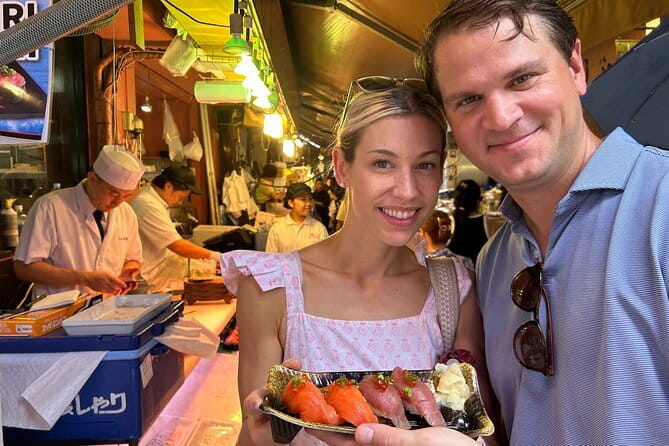
- Tour photos are included, sent after the walk.
- Japanese guide plus clear etiquette talk, which helps you eat confidently in Japan.
- Mobile ticket and WhatsApp contact, which reduces day-of stress.
Tsukiji on Foot, Without the Guesswork
Tsukiji is the kind of neighborhood where the best moments happen in tiny pockets. One lane has the fish chatter, another side street has shops and snacks, and then a shrine gives you a quick reset from all the stainless steel and signage.
A guided format matters here because you are not just “seeing” things. You learn what each place is for, what people do there, and how to behave so you do not feel awkward when you are standing near stalls, staff, or crowds.
I also like that the pace is designed for walking between areas instead of waiting around. With a 2 to 3 hour window, you get a full loop feel and still have time to keep exploring Tokyo afterward.
More Food Tours in Tokyo
- Tokyo: Shinjuku Food Tour (13 Dishes at 4 Local Eateries)
★ 5.0 · 6,603 reviews - Tokyo Tsukiji Fish Market Food and Culture Walking Tour
★ 5.0 · 3,184 reviews - Tokyo: Shinjuku Food Tour (15 Dishes and 4 Eateries)
★ 4.9 · 2,033 reviews
Price and What $80 Really Buys
At $80 per person, this is not a bargain snack stroll. But it is also not a “pay once, eat everything” food festival price either.
Here is what you do get that supports the cost: a Japanese guide, explanation throughout, photos taken during the tour, and a small-group experience that stays capped at 15 people. Those extras are valuable because they reduce the trial-and-error tax. You spend less time figuring out where to go and more time understanding how to taste things properly.
Now the honest part. Food is marked as not included, while the description promises food tastings like sushi or Japanese oysters. That mismatch is the main reason you should set expectations early.
My practical take: treat the tastings as included, but bring some extra money for additional bites or a full lunch if you get hungry. If you love learning etiquette and watching how locals shop, the value still holds even if the food portion feels smaller than you hoped.
The 2 to 3 Hour Flow, From Tsukiji Hongan-ji to the Finish
The meeting point puts you right at Tsukiji Hongan-ji, which is convenient because you do not have to coordinate multiple rendezvous points. The tour starts there and ends back at the same location, so you keep things simple.
In terms of structure, you are basically walking through four key stops: a temple, the shopping market area, a fish-market viewing segment, and finally a shrine. The stops are short, so you do not feel stuck in one place waiting for the group to move.
You will also want to plan for typical Tsukiji conditions. Expect lots of walking and standing, and be ready for areas that might have partial closures depending on the day. A flexible guide approach matters, because market conditions can change.
Stop 1: Tsukiji Hongwanji Temple Sets the Tone Fast
You start at Tsukiji Hongan-ji Temple, right at the entrance. The visit is about 15 minutes, with admission listed as free.
This stop is not there just for a checkbox. It gives you a quick cultural landing before you hit the food and fish areas. In practice, it helps you slow down for a moment and understand that Tsukiji is not only about commerce.
If you like history without getting trapped in long museum time, this timing is smart. You get a grounding moment, then you move on.
More Food Walks in Tokyo
- Tokyo Night Foodie Tour in Shinjuku – Seasonal Sushi, Wagyu Beef
★ 5.0 · 1,161 reviews - Shinjuku Izakaya Food Tour
★ 5.0 · 1,041 reviews - Eat and Drink Like a Local: Tokyo Ueno Food Tour-Taverns&Ramen
★ 5.0 · 957 reviews - Tokyo: Shibuya Food Tour (13 dishes and 4 Eateries)
★ 5.0 · 770 reviews
Stop 2: Tsukiji Jogai Market, Where Shopping Meets Snacks
Next comes Tsukiji Jogai Market, with about 1 hour 30 minutes at the shopping street area. Admission is free, and it is described as having 400-plus shops.
This is where you usually feel the “Tsukiji” vibe most clearly: lots of shopfronts, snack potential, and people doing quick errands. It also tends to be the most convenient area for your guide to talk etiquette and ordering without dragging the group through too much.
What makes this stop valuable is the mix of browsing and eating opportunities. Even if you are not buying everything, you get to see how the market street works and learn what kinds of foods are commonly grabbed on the go.
One practical note: because this is a shopping street, you will want to keep your space in mind. Stopping in the wrong spot can block foot traffic, so follow your guide’s lead on where to pause.
Stop 3: Fish-Market Viewing, Plus the Mini Wholesale Moment
Then you pass by the Tsukiji Fish Market area and also get a look at a mini wholesale market segment. This part is about 30 minutes, with admission listed as free for this viewing time.
Even if you do not know every fish name, this is still one of the most memorable parts of the day. You get to see the scale of the trade, the variety of fish, and how the market environment feels when it is operating at full gear.
The key here is to treat it like a visual experience with guidance. Your guide can point out what you are looking at and how locals think about freshness and seafood sourcing. That matters because Tsukiji can be visually overwhelming on your own.
A drawback to consider: access and what you can see can vary. One reason guided time helps is that a good guide can adapt the plan when certain sections are not available, keeping the walk useful instead of turning into wasted time.
Stop 4: Namiyoke Inari Shrine, Waves and Disaster Protection
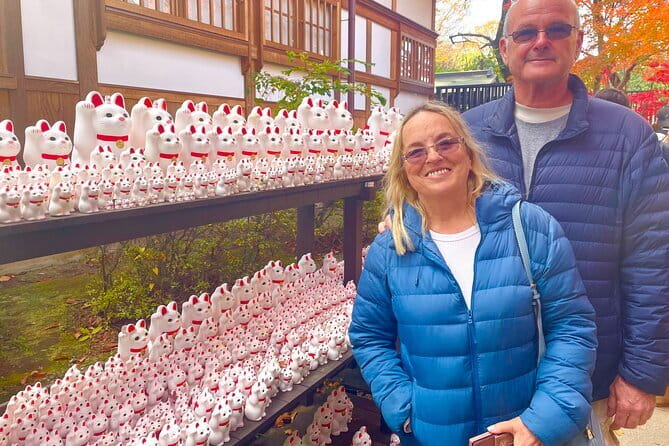
Your final stop is Namiyoke Inari Shrine. It is about 15 minutes, with admission listed as free.
This is a small moment that gives meaning to the seafood setting. The shrine enshrines Namiyoke Inari, the deity associated with warding off disasters and protecting against rough waves. That fits Tsukiji’s identity because seafood and the sea are never far away.
If you want a trip that feels grounded in place, this is the kind of stop that helps. It is short, and it adds a layer beyond “see fish, eat food, move on.”
Food Tastings: What to Expect and How to Avoid a Surprise
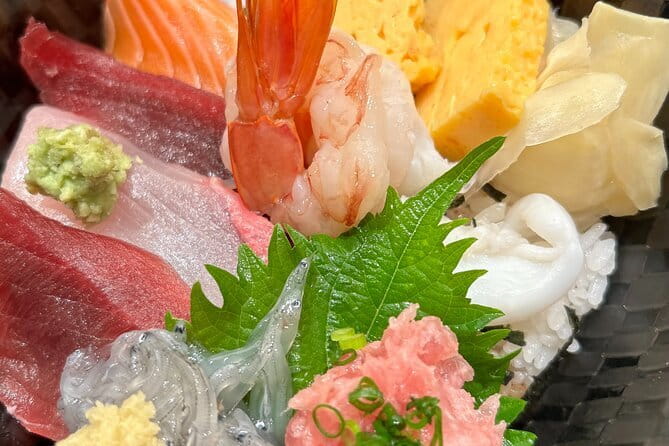
Food is the main reason most people choose a Tsukiji tour. Here, the tour description highlights food tastings and examples like sushi or Japanese oysters, and it also emphasizes learning local customs.
But the tour data also lists food as not included. That means the tastings may be limited to a few bites rather than a full meal, or the exact menu may vary by day.
To keep yourself happy, plan like this:
- Expect tastings as part of the experience value.
- Budget for extra food if you want a larger lunch.
- Ask before you go if you have strong dietary needs or if you are hoping for a full spread.
The upside is that even small tastings can be worthwhile when you get guidance on what to try and how to eat. Etiquette tips matter in seafood settings, and that is where the guide time earns its keep.
The Guide Makes the Difference: Etiquette, Ordering, and Real Context
This is a Japanese guide-led tour, and the value shows up in how things are explained. When someone walks you through what to do and why it works, you feel less like you are fumbling in public.
One person highlighted that the guide provided insight into sushi-eating and Japanese dining etiquette. That is exactly what you should look for in a market food experience. You do not just want food, you want confidence.
If you have never navigated Japan’s food counters and small eateries, the guidance can save you stress. You learn how to approach, how to behave near stalls, and what to ask for so you get a better outcome without feeling rushed.
Photos Included, so You Can Actually Enjoy the Moment
A genuinely practical perk: photos are taken during the tour and sent after. That means you can spend more time watching and tasting instead of juggling a camera at awkward angles between crowds.
This also helps if you are traveling solo or with a partner who does not want to be the designated photographer all day. You get a recap of the walk, the key spots, and the food moments.
Even if you are an experienced photographer, it is nice to have someone else handle the timing while you focus on the experience.
Small Group Size: Comfortable Walking, Easier Questions
The tour caps at 15 travelers. That is a sweet spot for Tsukiji.
With a group this size, you can usually hear the guide without craning your neck the entire time. You also get more room to ask questions when you see something interesting.
Smaller groups also help you move through crowded areas with less friction. You are not constantly stuck behind a wall of people, which is critical in a market district.
What to Bring and How to Prepare
This is a short walking tour, so think comfort first. Wear shoes that can handle uneven pavement and lots of standing.
Bring water, because market days can run hot. Also plan to carry cash or a card since you might want to add extra food beyond tastings.
On the communications side, you will need WhatsApp for day-of contact. Download it before you arrive so you are not scrambling right at the meeting time.
Finally, keep your phone handy for the mobile ticket. That saves time at the start and lets you focus on meeting your guide and getting moving.
Market Closures Happen, and Flexibility Is Part of the Value
Tsukiji can have closures or partial access depending on the day. One key lesson from market realities is that plans should not fall apart when something changes.
A good guide helps you keep momentum, shifting to what is open and still giving you context and food moments. That is part of why guided time often feels smoother than DIY.
If your schedule is tight and you absolutely need a specific food item, it is smart to confirm expectations ahead of time. If you are more interested in the overall experience and learning how Tsukiji works, flexibility becomes a plus.
Who This Tour Fits Best
This tour is a strong choice if you want:
- Market guidance with etiquette and culture explanations.
- A structured walk through major Tsukiji landmarks in a short time window.
- Included photos so you remember the day without constant phone juggling.
- A manageable group size capped at 15.
It is also ideal if you are short on time in Tokyo and want Tsukiji to feel organized instead of overwhelming.
I would be more cautious if your main goal is a big meal for $80 and you expect food to be fully covered. The data points you should double-check tastings versus full meals, and you can avoid disappointment by bringing extra spending money.
Should You Book This Tokyo Tsukiji Fish Market Food Tour?
Book it if you want a guided Tsukiji walk that combines temple and shrine context with market viewing and hands-on taste moments. The price makes sense for what is included, especially the guide-led explanations and the photos.
Skip or at least clarify first if you are the type who plans a day around a full buffet-style food experience. Because food is listed as not included while tastings are advertised, you might need to budget for extra bites to feel satisfied.
If you like learning while you walk and you want Tsukiji to make sense quickly, this is a practical way to do it.
FAQ
How long is the Tokyo Tsukiji Fish Market Food Tour?
The tour lasts about 2 to 3 hours.
What is the price per person?
It costs $80.00 per person.
Where does the tour start?
The tour starts in front of Tsukiji Hongan-ji Temple, at 3-chōme-15-1 Tsukiji, Chuo City, Tokyo 104-8435, Japan.
Does it end at the same meeting point?
Yes, it ends back at the meeting point.
How many stops are included?
The experience includes 15 stops.
Is food included in the tour price?
Food is listed as not included, but food tastings are part of the experience. The safest move is to confirm what the tastings cover on your specific date.
Are photos included?
Yes. Photos taken during the tour are included and will be sent after the tour.
What kind of guide will I have?
You will have a Japanese guide, with explanations about food, etiquette, culture, and history.
How will I be contacted on the day of the tour?
You are asked to download WhatsApp for communications on the day.
Is there any paid admission at the stops?
Admission tickets are listed as free for the temple and shrine stops.
More Market Walks in Tokyo
- Tokyo Sushi Making Class in Tsukiji with Professional Chef
★ 5.0 · 1,177 reviews - Tsukiji Fish Market: Street Food & Culture Walking Tour
★ 5.0 · 669 reviews - Tsukiji Fish Market Small-Group Food Walking Tour
★ 5.0 · 621 reviews - Tokyo: Tsukiji Fish Market Sushi Making Class with Pro Chef
★ 4.9 · 506 reviews
More Market Tours in Tokyo
- Tokyo: Tsukiji Fish Market Food and Walking tour
★ 5.0 · 1,724 reviews - Tokyo: Tsukiji Fish Market Guided Walking Tour
★ 4.9 · 1,397 reviews - Tsukiji Fish Market Guided Tour and Sushi Making with Pro Chef
★ 5.0 · 775 reviews - Tokyo: Tsukiji Fish Market Food and Culture Walking Tour
★ 4.7 · 757 reviews
Newly listed around Tokyo
- Classic Tsukiji Food Tour★ 5.0 · 119 reviews
- Tokyo Tsukiji Market Small Group Tasting Tour★ 5.0 · 8 reviews
- Sushi-Making Experience at ’Activity Maison Kissako’★ 5.0 · 197 reviews
- Kappabashi Knife Shopping Tour with Government-Licensed Guide★ 5.0 · 10 reviews
- Travel Tokyo with Your Own Personal Photographer★ 5.0 · 43 reviews
- Tsukiji Fish Market Culture Walking and Food Tour★ 5.0 · 36 reviews
- Tokyo History: Sensoji Temple & Asakusa District Private Tour★ 5.0 · 28 reviews
- Tokyo Japanese Calligraphy Experience with a Master Artist★ 5.0 · 35 reviews
Fish Market Walks, compared.
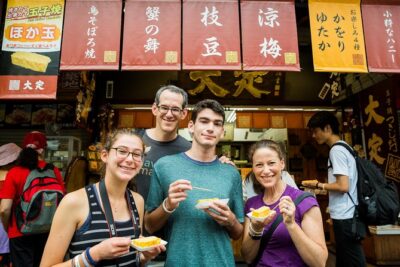
Tokyo Tsukiji Fish Market Food and Culture Walking Tour
Read our review →
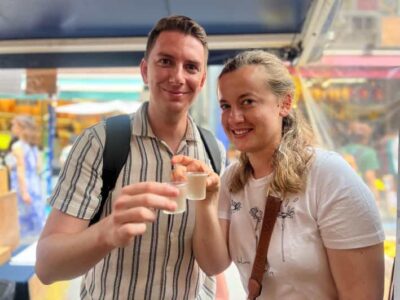
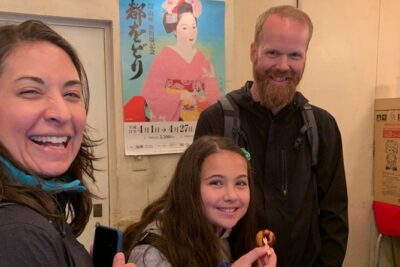
Nishiki Market Brunch Walking Tour (7 Tastings + Brunch)
Read our review →
Tokyo Sushi Making Class in Tsukiji with Professional Chef
Read our review →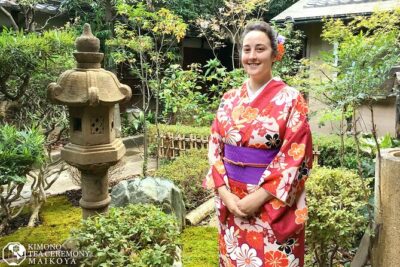
Tsukiji Fish Market Guided Tour and Sushi Making with Pro Chef
Read our review →