
Review · FISH MARKET WALKS
Tsukiji Fish Market Culture Walking and Food Tour
Tsukiji can overwhelm your hunger fast. This tour turns the area into an organized walking-and-eating route, with street food tastings plus a guide who helps you understand what you’re seeing. It’s a practical way to get market food and cultural context in the same morning.
I like the small group limit of 10 because questions actually get answered and the pace stays comfortable. I also appreciate that you visit Tsukiji’s temple and shrine stops, so you’re not just hovering around stalls with no idea why people line up or pray.
One thing to watch: you need to be on time. The guide waits only until 10:40am, and after that you can’t get a refund.
In This Review
- Key things to love on this Tsukiji food and culture walk
- Tsukiji Without the Headache: How the Tour Keeps You Moving
- Price and Value: What $85.66 Really Buys You
- Meeting at Tsukiji Hongwan-ji Temple: Temple Etiquette Before the Eating
- What to watch out for at this stop
- Outer Tsukiji Market Walk: Street Food Tastings Plus a Lunch Plan
- The hidden restaurant lunch is the payoff
- A small-group pace helps you actually taste
- Namiyoke Inari Shrine: Local Context on Fish Sales and Shito
- What to expect at the shrine
- Small Group, Real Translation: Why 10 People Changes Everything
- Timing and Logistics That Actually Matter in Tsukiji
- Practical tips for your morning
- What You Learn Along the Way (Not Just What You Eat)
- Who This Tsukiji Tour Fits Best
- Should You Book This Tsukiji Fish Market Culture Walking and Food Tour?
- FAQ
- How long is the Tsukiji Fish Market Culture Walking and Food Tour?
- What does the tour cost?
- Where does the tour start?
- What time does the tour begin?
- How many people are in the group?
- What food is included?
- Are the temple and shrine admissions included?
- Is the tour near public transportation?
- What if I arrive late?
- What is the cancellation policy?
Key things to love on this Tsukiji food and culture walk
- Max 10 travelers keeps it personal and easier to move through tight market lanes
- Seafood tastings plus a seafood lunch means you eat more than just snacks
- Temple etiquette first, including how people behave before entering
- A hidden restaurant for lunch that you might skip on your own
- Namiyoke Inari Shrine adds local context and a look at fish-sale streets
- Guide translation and explanations help you make sense of what you see and taste
Tsukiji Without the Headache: How the Tour Keeps You Moving
Tsukiji is famous, but it can also feel like you’re trying to read a menu while walking through a maze. This tour gives you a built-in flow, so you’re not spending your best energy on figuring out where to stand, what to order, and how to act in sacred spaces.
What I like most for you is the balance. You get the obvious payoff, seafood tastings and lunch, but you also get the behind-the-scenes reasons the market area matters. You’re learning as you go, then eating what you’ve just been told to pay attention to.
More Food Tours in Tokyo
- Tokyo: Shinjuku Food Tour (13 Dishes at 4 Local Eateries)
★ 5.0 · 6,603 reviews - Tokyo Tsukiji Fish Market Food and Culture Walking Tour
★ 5.0 · 3,184 reviews - Tokyo: Shinjuku Food Tour (15 Dishes and 4 Eateries)
★ 4.9 · 2,033 reviews
Price and Value: What $85.66 Really Buys You
At $85.66 per person for about 3 hours, this is not a budget snack tour. The value comes from the combination of things that usually cost extra when you do them alone.
You are paying for:
- A guide and translation help while you walk
- Multiple seafood tastings during the outer market portion
- A lunch with seafood at a spot your group goes to together
- The structure to keep you from missing key sights
Also, entries at the temple and shrine stops are listed as free, so a big chunk of what you pay for is the guidance and the food. If you come hungry, this can feel like a good deal because you’re not piecing together separate experiences.
Meeting at Tsukiji Hongwan-ji Temple: Temple Etiquette Before the Eating
The tour starts at Tsukiji Hongwan-ji Temple, right at the address listed for the activity. The timing matters here. You begin with an actual cultural warm-up, which makes the whole morning feel more respectful and less like a free-for-all.
This first stop is practical: you learn how to behave in Japanese temples. The tour includes a look at a traditional ritual, including giving incense and praying in Johdo Shinsyu style. Even if you’ve seen temple photos before, it changes your experience when someone explains what you’re looking at and what to do.
What to watch out for at this stop
You’re on a schedule. Comfortable shoes matter because even early on, you’re not doing a long sit-down visit. And if you’re sensitive to being asked to follow along, you’ll want to mentally prepare for guided participation in simple etiquette moments.
More Food Walks in Tokyo
- Tokyo Night Foodie Tour in Shinjuku – Seasonal Sushi, Wagyu Beef
★ 5.0 · 1,161 reviews - Shinjuku Izakaya Food Tour
★ 5.0 · 1,041 reviews - Eat and Drink Like a Local: Tokyo Ueno Food Tour-Taverns&Ramen
★ 5.0 · 957 reviews - Tokyo: Shibuya Food Tour (13 dishes and 4 Eateries)
★ 5.0 · 770 reviews
Outer Tsukiji Market Walk: Street Food Tastings Plus a Lunch Plan
After the temple, the tour shifts into market mode at Tsukiji Fish Market, with a focus on walking and exploring the area around the market (not just standing in one place). This is where you’ll feel Tsukiji’s energy through food: you sample street items and you get time to browse what other people are buying.
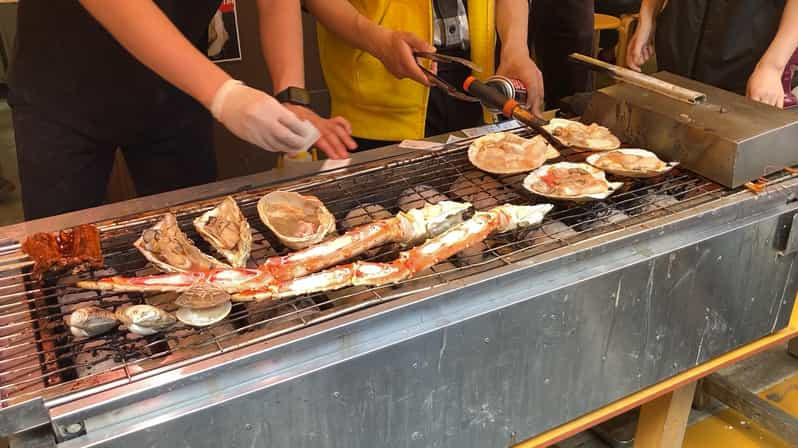
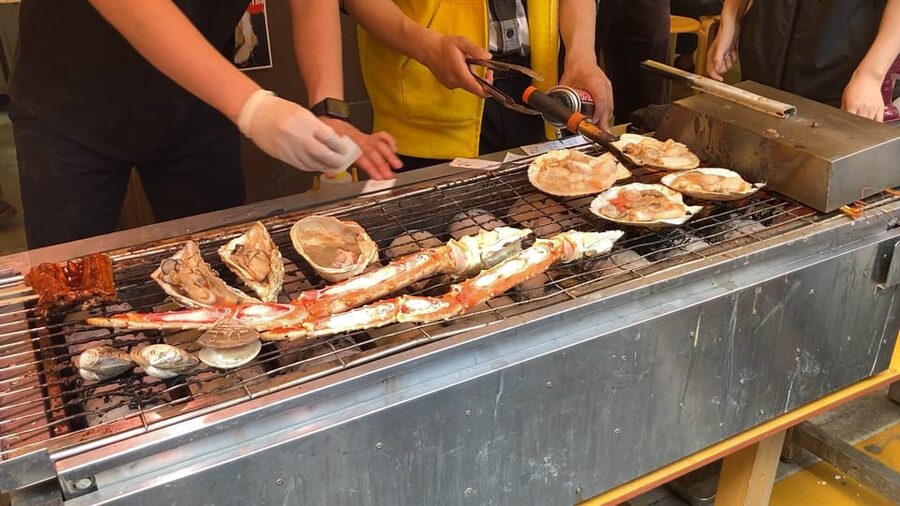
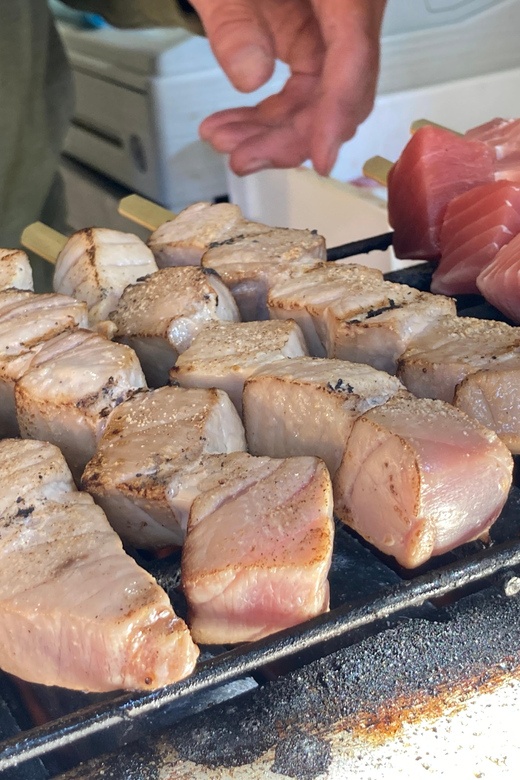
The tastings are the kind of foods that make the market’s reputation make sense. Expect items like tuna on a skewer and eel, plus other samples shown during the walk. In addition to those seafood-forward bites, the tour can also handle dietary needs in a workable way. One review specifically mentioned alternatives like mochi for someone who did not eat fish.
The hidden restaurant lunch is the payoff
One of the best parts is lunch. Your guide brings you to a restaurant you’re unlikely to find by wandering. You eat together after the street-food phase, and based on what people report, you should expect satisfying meals like sashimi lunch and bites such as unagi sticks in the tastings.
The lunch also solves a common travel problem. In Tsukiji, trying to hunt down a good meal can turn into waiting, guessing, and spending your time instead of enjoying your day. Here, the guide does the heavy lifting.
A small-group pace helps you actually taste
Because the group is capped at 10 travelers, you don’t feel like you’re being rushed. A tight group also helps the guide keep track of your pace and questions, and that matters when you’re surrounded by so many food choices.
Namiyoke Inari Shrine: Local Context on Fish Sales and Shito
The final planned stop is Namiyoke Inari Shrine, which the tour frames as a shrine for the local Tsukiji area. This is not just a scenic stop. It’s a viewpoint on history and how locals think about the market.
Here’s what you get from the guide’s explanation:
- You can see how the shrine connects to Tsukiji’s history
- You learn about Shito, as discussed in the local context shared during the visit
- You get a route that shows more of the local fish-sale streets and shop areas you might miss otherwise
The tour also highlights that the surrounding streets are the kind of place locals know well. When you visit on a guided route, you get a clearer sense of what life looks like in the fish market neighborhood beyond the main tourist snapshots.
What to expect at the shrine
This is shorter, about 30 minutes. It’s enough time to absorb the explanations and notice details. It’s not a long worship session, so if you want a deep cultural immersion, plan to keep your own eye out for follow-up temple or shrine time later in the day.
Small Group, Real Translation: Why 10 People Changes Everything
The max of 10 travelers is a big deal for this specific experience. In a market environment, the biggest risks are getting separated, missing your turn to ask something, and feeling like you’re just tagging along.
With a small group:
- You can ask quick questions and get direct answers
- The guide can help with translation as you move
- The flow feels controlled enough that you can focus on eating rather than logistics
One name that shows up in the feedback is Inoki (sometimes written as iNok). People describe the guide as attentive, enthusiastic, and able to handle conversations while still keeping the schedule on track.
Timing and Logistics That Actually Matter in Tsukiji
This tour starts at 10:00 am and runs for about 3 hours. Your meeting point is the Tsukiji Hongan-ji Temple address listed, and the activity ends back at the meeting point.
There’s also a strict but fair lateness rule. The guide waits up to 10 minutes after the start time, until 10:40am. After that, the tour starts and refunds are not provided for missed time.
Practical tips for your morning
- Wear shoes you can stand in, because market walking is real walking.
- Come with some room in your stomach. The tastings plus lunch can add up.
- If you have dietary restrictions, tell the guide. Based on at least one experience reported, the tour can switch items and include alternatives like mochi.
Also, this is near public transportation, so you should be able to reach it without a long scramble. The tour uses a mobile ticket, which usually makes entry smoother once you’re at the meeting spot.
What You Learn Along the Way (Not Just What You Eat)
A good food tour should teach you how to see. This one does, because it mixes three types of context:
- Temple manners so you know how to participate appropriately.
- Market food logic so you understand what you’re buying or tasting and why it matters locally.
- Shrine connections so Tsukiji isn’t only a foodie destination, it’s part of a living neighborhood story.
The result is that you don’t leave feeling like you just ate random items. You leave with a sense of how the people, places, and food fit together.
Who This Tsukiji Tour Fits Best
You’ll likely enjoy this most if you:
- Want a guided intro to Tsukiji without doing research while you’re hungry
- Like your food tours to include cultural stops, not just eating
- Appreciate translation and explanations, especially in a place where signage alone can’t tell the whole story
- Prefer a smaller group pace over big-tour crowd management
It’s also a strong choice if you’re the type who gets overwhelmed by choices. The guide steers you to tasting points and a lunch location, so you’re not stuck making decisions under pressure.
Should You Book This Tsukiji Fish Market Culture Walking and Food Tour?
I’d book it if your goal is a smart, low-stress Tsukiji morning: seafood tastings, a real lunch plan, and context through temple and shrine visits. The small-group limit of 10 and the guide translation help are exactly what you want in a market area that moves fast.
I’d think twice if you prefer complete freedom and want to build your own Tsukiji route from scratch. This tour is structured, with set stops and a shared pace. Also, if you’re extremely sensitive to being on a schedule, remember the start time and the 10-minute waiting cutoff.
If you’re traveling in Tokyo and you want Tsukiji to feel understandable, not just famous, this is the kind of tour that makes the neighborhood click.
FAQ
How long is the Tsukiji Fish Market Culture Walking and Food Tour?
It’s listed as approximately 3 hours.
What does the tour cost?
The price is $85.66 per person.
Where does the tour start?
It starts at Tsukiji Hongan-ji Temple, 3-chōme-15-1 Tsukiji, Chuo City, Tokyo 104-8435, Japan.
What time does the tour begin?
The start time is 10:00 am.
How many people are in the group?
The tour has a maximum of 10 travelers.
What food is included?
The tour includes seafood tastings and a seafood lunch.
Are the temple and shrine admissions included?
The stops list admission ticket status as free for each site on the itinerary.
Is the tour near public transportation?
Yes, it’s near public transportation.
What if I arrive late?
The guide waits up to 10 minutes after the tour starting time, until 10:40am. After that, the tour begins and customers are not able to get refunds for the tour fee.
What is the cancellation policy?
Free cancellation is available up to 24 hours in advance for a full refund. If you cancel less than 24 hours before the experience start time, the amount paid is not refunded.
More Market Walks in Tokyo
- Tokyo Sushi Making Class in Tsukiji with Professional Chef
★ 5.0 · 1,177 reviews - Tsukiji Fish Market: Street Food & Culture Walking Tour
★ 5.0 · 669 reviews - Tsukiji Fish Market Small-Group Food Walking Tour
★ 5.0 · 621 reviews - Tokyo: Tsukiji Fish Market Sushi Making Class with Pro Chef
★ 4.9 · 506 reviews
More Market Tours in Tokyo
- Tokyo: Tsukiji Fish Market Food and Walking tour
★ 5.0 · 1,724 reviews - Tokyo: Tsukiji Fish Market Guided Walking Tour
★ 4.9 · 1,397 reviews - Tsukiji Fish Market Guided Tour and Sushi Making with Pro Chef
★ 5.0 · 775 reviews - Tokyo: Tsukiji Fish Market Food and Culture Walking Tour
★ 4.7 · 757 reviews
Newly listed around Tokyo
- Classic Tsukiji Food Tour★ 5.0 · 119 reviews
- Tokyo Tsukiji Market Small Group Tasting Tour★ 5.0 · 8 reviews
- Sushi-Making Experience at ’Activity Maison Kissako’★ 5.0 · 197 reviews
- Kappabashi Knife Shopping Tour with Government-Licensed Guide★ 5.0 · 10 reviews
- Travel Tokyo with Your Own Personal Photographer★ 5.0 · 43 reviews
- Tokyo Tsukiji Fish Market Food Tour: 15 Stops & Walk Local Street★ 5.0 · 139 reviews
- Tokyo History: Sensoji Temple & Asakusa District Private Tour★ 5.0 · 28 reviews
- Tokyo Japanese Calligraphy Experience with a Master Artist★ 5.0 · 35 reviews
Fish Market Walks, compared.
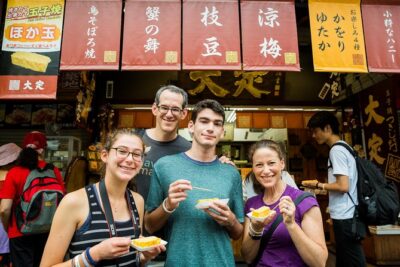
Tokyo Tsukiji Fish Market Food and Culture Walking Tour
Read our review →
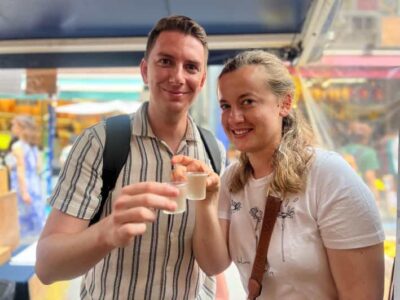
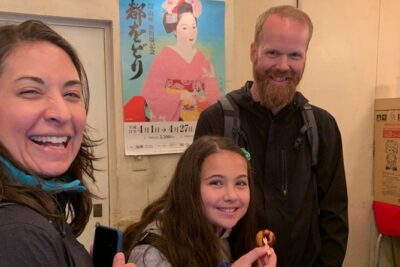
Nishiki Market Brunch Walking Tour (7 Tastings + Brunch)
Read our review →
Tokyo Sushi Making Class in Tsukiji with Professional Chef
Read our review →
Tsukiji Fish Market Guided Tour and Sushi Making with Pro Chef
Read our review →