
Review · FISH MARKET WALKS
Tokyo: Tsukiji Fish Market Seafood & Street Eats
One morning, you can taste Tokyo’s seafood life. This small-group Tsukiji walk is built for quick learning and faster decisions, with an English-speaking guide steering you through stalls, traditions, and serious fish energy, plus a temple stop at Tsukiji Hongwanji. I like the focus on hands-on sampling, and I like the small group size, capped at 10 travelers, so you can ask what to try and how to order. The one real catch: food is not included, so you need to budget for snacks and meals on the spot.
You will also get a practical combo of market sights and market logic. The tour pairs the well-known Fish Market area with the Tsukiji Jogai Market, where you can find more everyday street-food style bites. It is a smart fit if your Tokyo schedule is tight and you want seafood culture without turning your day into a full-day mission.
One possible drawback: you still have to make choices at the stalls. If you love control and hate lines or price confusion, you may want to go in hungry but with a simple plan.
In This Review
- Key highlights you should know
- Tokyo’s Tsukiji morning: what makes this walk work
- Price and value: how $42 fits when food is extra
- Start point and timing: make this morning work with your schedule
- Tsukiji Hongwanji Temple: the calm reset before fish heaven
- Tsukiji Fish Market stop: learning, lines, and tuna culture
- Tsukiji Jogai Market: street food you can actually sample
- Getting the most out of the tastings (without overspending)
- Guide quality is the real upgrade
- Who this tour is for, and who should skip it
- Practical etiquette in the Tsukiji food areas
- Should you book Tsukiji Seafood and Street Eats?
- FAQ
- What is included in the Tsukiji Fish Market Seafood and Street Eats tour?
- Is food included in the tour price?
- How long is the tour?
- How big is the group?
- Do I need to speak Japanese for this tour?
- Where does the tour start and end?
- What happens if the weather is bad?
- Is there free cancellation?
Key highlights you should know
- Small group size (max 10), better questions and pacing
- Tsukiji Hongwanji Temple first, a calmer reset before the fish crowds
- Tsukiji Fish Market time (about 1 hour 30 minutes) focused on history and food
- Tsukiji Jogai Market street eats (about 1 hour) where you can shop and snack
- English-speaking local guide, built-in recommendations and navigation
- Mobile ticket makes check-in easier on a busy morning
Tokyo’s Tsukiji morning: what makes this walk work
Tsukiji has a reputation that can feel like a headline. The real value of a guided walk is that the experience becomes usable. You are not just seeing stalls. You are learning how people shop, what kinds of foods are typical here, and how a guide helps you choose quickly when the options get overwhelming.
I especially like the tone of this tour: it is not trying to turn you into a fish historian. It is structured around timing, walking routes, and sampling culture. That matters in Tokyo. On a normal day, you can spend your best energy translating menus and standing in random lines. Here, you get someone who can help you get to the right place and ask the right questions.
The group size also changes the feel. With a maximum of 10 travelers, you are more likely to get direct, specific advice. That can be huge when you are traveling with kids, grandparents, or anyone who wants seafood but not a lecture.
And yes, the morning market mindset is part of the attraction. You will see why tuna and other seafood matter so much in this city’s food culture. The tour also includes time at Tsukiji Hongwanji Temple, which gives you a break from the constant bustle and gives your brain a moment to switch gears.
More Market Tours in Tokyo
- Tokyo Tsukiji Fish Market Food and Culture Walking Tour
★ 5.0 · 3,184 reviews - Tokyo: Tsukiji Fish Market Food and Walking tour
★ 5.0 · 1,724 reviews - Tokyo: Tsukiji Fish Market Guided Walking Tour
★ 4.9 · 1,397 reviews
Price and value: how $42 fits when food is extra
At $42 per person for about 2 hours 30 minutes, this is not a “cheap bites only” tour, and it is not meant to be. The price covers a guided market experience plus admission to Tsukiji Jogai Market and entry to Tsukiji Hongwanji Temple.
The key detail, though, is that food and drinks are not included. That is why the guide matters so much. In a market like this, your spending can jump quickly if you guess wrong. A guide helps you aim your budget, so you are not buying the wrong snack at the wrong stall just because it is nearest.
Think of the tour fee as paying for:
- navigation and timing in a crowded food area
- an English-speaking local guide to explain what you are seeing
- targeted market stops designed for sampling
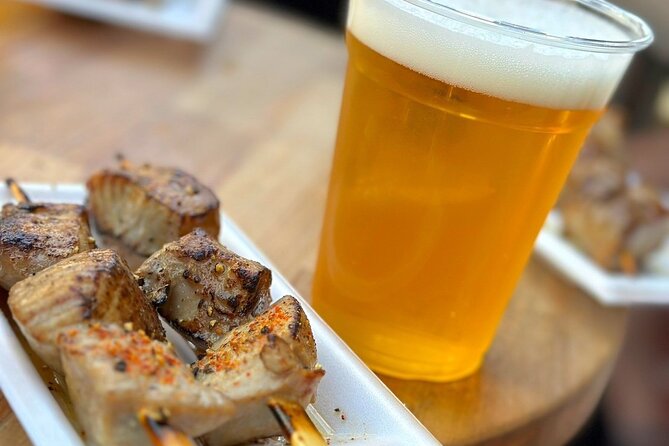
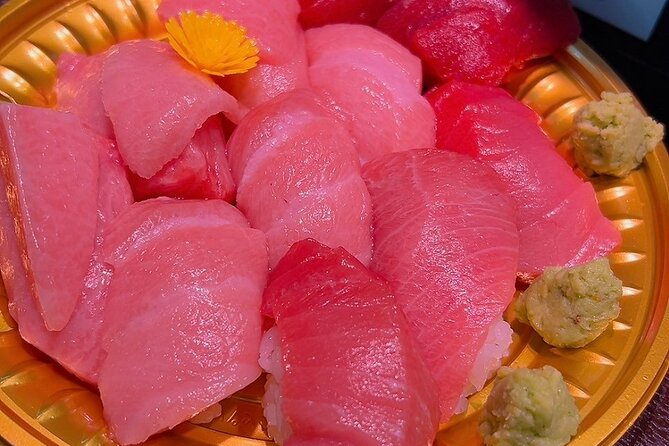
Then you add your own food costs. Based on real meal choices people describe on this route, you may end up trying items like super-fresh tuna sashimi in fatty cuts, seafood rice crackers, tuna kabobs, and other seafood plates. People also mention options like giant crab or eel. You will not know every exact item ahead of time, but the general range fits the market.
Practical budgeting tip: decide before you arrive what “enough” means for you. For example, one or two tastings plus a small sit-down item can feel like a complete win. If you try to treat it like a full restaurant meal for every stop, your total will rise fast.
Start point and timing: make this morning work with your schedule
The tour starts at 3-chōme-9-10 Tsukiji, Chuo City, Tokyo 104-0045, Japan, and it ends back at the meeting point.
The duration is about 2 hours 30 minutes. That is a sweet spot. Long enough to feel like you did something meaningful, short enough to still see other Tokyo sights later the same day.
Because this is a morning market-style experience, you will want to treat it like a working morning, not a relaxed stroll. Comfortable walking shoes help. This kind of market time is about movement, decision-making, and quick questions.
Also note: it runs on good weather. If the weather turns, you may be offered a different date or a full refund. That is worth keeping in mind if your Tokyo dates are tight around rain.
Tsukiji Hongwanji Temple: the calm reset before fish heaven
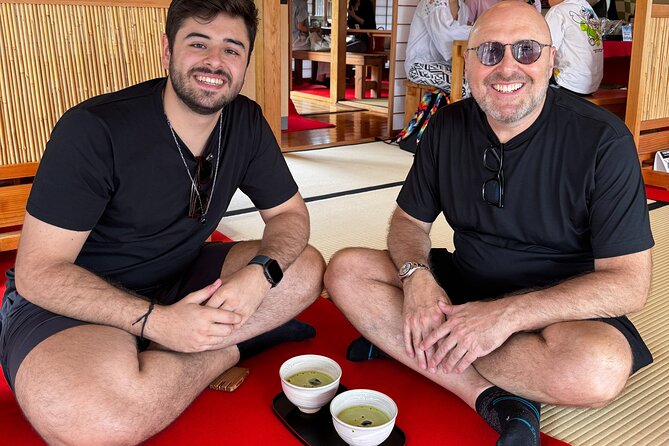
Your first scheduled stop is 築地本願寺 (Tsukiji Hongwanji Temple). The tour notes it as a temple with a unique architectural site in Tokyo, and the idea here is simple: you start with something structured and quiet, then you move into the market where everything changes pace.
Why it helps: before you are hit with rows of stalls and seafood displays, you get a breather. It can make the rest of the tour feel less chaotic and more like a guided route. It also gives you a cultural anchor. Even if your main goal is food, the temple stop adds context for why Tsukiji is not just a place to eat, but also a place tied to tradition and community.
If you prefer food-first travel, do not worry. This stop is not presented as a full cultural day. It is a short, meaningful start that sets the tone.
More Market Walks in Tokyo
- Tokyo Sushi Making Class in Tsukiji with Professional Chef
★ 5.0 · 1,177 reviews - Tsukiji Fish Market Guided Tour and Sushi Making with Pro Chef
★ 5.0 · 775 reviews - Tokyo: Tsukiji Fish Market Food and Culture Walking Tour
★ 4.7 · 757 reviews - Tsukiji Fish Market: Street Food & Culture Walking Tour
★ 5.0 · 669 reviews
Tsukiji Fish Market stop: learning, lines, and tuna culture
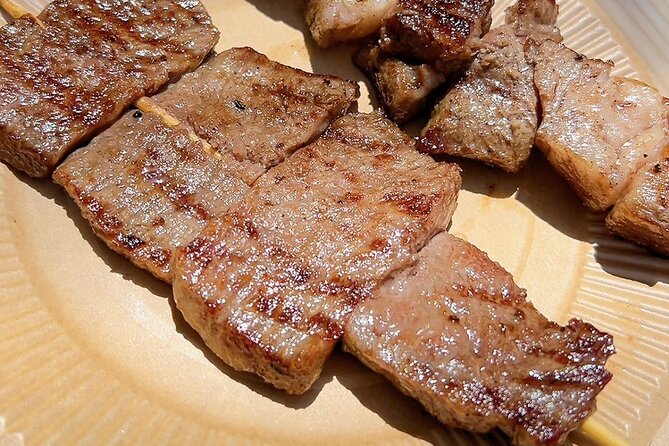
Next comes Tsukiji Fish Market for about 1 hour 30 minutes, with the admission ticket included.
This is the big fish-market chapter. The tour description highlights the history and culture of Tsukiji along with famous tuna auctions, so you should expect an experience that frames seafood as part of a living system. It is not only about what tastes good. It is also about how the market works and why tuna and other seafood have such a central role in Tokyo’s culinary identity.
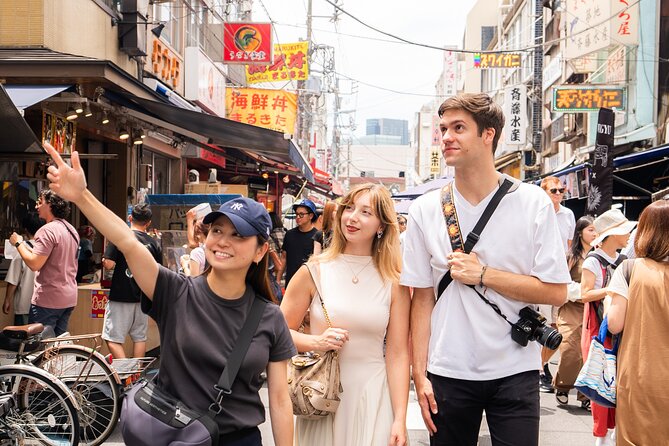
The practical magic here is the guide. In this environment, the best food can be the hardest food to find without local help. People describe guides like Haru steering them toward popular tuna stalls and even helping with time-consuming queue situations, so you are not standing around trying to figure out where to go while everyone else gets fed.
What you should do in this section:
- keep your questions simple, like what to try first or what is most worth it
- be ready to switch plans based on what looks best that morning
- pace yourself, because you will likely want more than one tasting over the full walk
Potential drawback: because the market is active, expect some waiting. If you hate lines at all costs, you might feel frustrated. The upside is that you are not making decisions from scratch. The guide helps you choose smarter so the wait feels worth it.
Tsukiji Jogai Market: street food you can actually sample
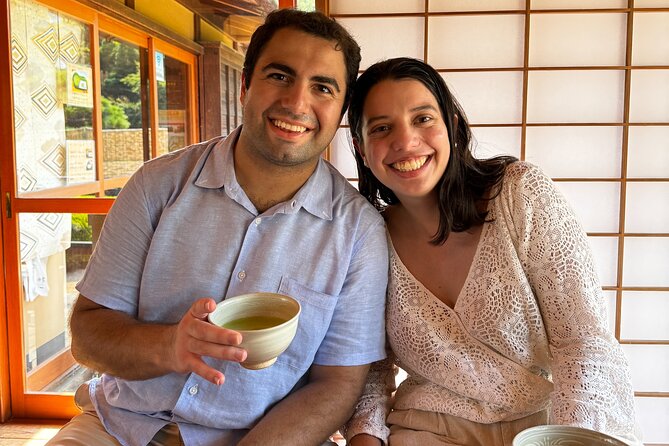
Then you move to Tsukiji Jogai Market for about 1 hour, with admission included.
This part is where the experience shifts from “market spectacle” toward “market browsing and eating.” The tour description frames it as packed with history and culture, with numerous stalls and shops selling fresh seafoods and Japanese street food. It is your chance to pick tastier, smaller bites in the style of a snack hunt.
The best part of a guided approach here is decision support. A market can feel endless. You see seafood everywhere, and it is easy to lose your sense of what you came for. With a local English-speaking guide, you can narrow down what to buy without spending your entire time staring at signs you cannot read.
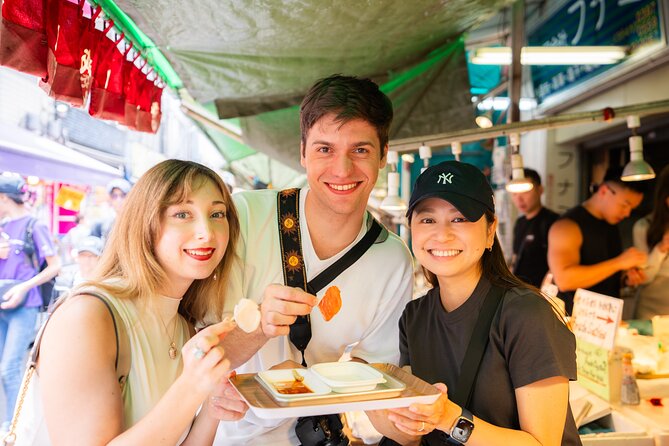
From real examples people share from this route, common tasting directions include tuna-based items and seafood snacks, plus sit-down options with heavier seafood dishes. For families, this stop can work well because there are typically multiple ways to satisfy different appetites, from simple grab-and-go snacks to more substantial seafood plates.
One thing to watch: since food is extra, you control the budget. That is good, but you still need a plan. If you let the market decide for you, spending can climb quickly in a place where everything looks good.
Getting the most out of the tastings (without overspending)
This is the part I think most people underestimate. When food is not included, your tour experience becomes your choices. The guide can help you choose, but you are still the one paying.
Here is a sensible approach:
- Start with one standout tasting you genuinely want
- Add one snack item, something easy to share or easy to eat standing
- Save heavier items if you are planning a second sit-down bite
If you see something like fatty tuna sashimi, take it seriously. People mention this as a highlight because it shows you how Tokyo seafood culture focuses on cut, fat level, and freshness. Even if you are not a hardcore seafood person, it is a unique way to understand tuna beyond generic sushi.
Also, pay attention to pacing. If you order too much too early, you will struggle later. A 2.5 hour tour moves fast enough that you do not want to hit the final stop with an empty appetite but a full stomach and a wallet that is already spent.
And if you are traveling with kids or multi-generation groups, the guide support becomes even more valuable. People describe guides like Toko as patient with children, and Haru as accommodating for groups that needed schedule adjustments due to subway route confusion. That kind of calm help matters when your goal is food, not stress.
Guide quality is the real upgrade
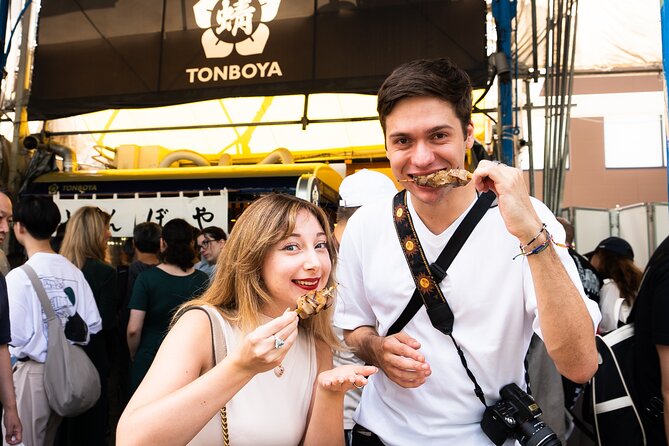
The big selling point is an English-speaking local guide. That is not a throwaway line. In a market setting, language changes everything:
- You can ask what something is and why it matters
- You can get recommendations that match your tastes
- You can avoid wasting money on something you do not actually want
The name of your guide can vary. Some people mention Haru, Ryo, and Toko by name, and the through-line is consistent: guides help you get better food, and they also help you navigate the market with less friction.
If you have preferences, bring them into your guide conversation early. For example:
- let them know if you want more seafood snacks or more substantial bites
- tell them if you prefer raw seafood or cooked items
- mention dietary limits if you have them, so they can steer you toward better options
That simple step can turn a random snack tour into a curated experience inside the market’s chaos.
Who this tour is for, and who should skip it
This tour is ideal if:
- you want seafood culture in a short morning window
- you prefer guided decision-making over wandering alone
- you like sampling, not full-service meals
- you want a small group setting where you can ask questions
It also tends to work well for families because the stops are designed around market time, and the guide can adapt to different needs. People specifically describe positive experiences with kids and multi-generational groups.
You may want to choose a different option if:
- you hate waiting in queues
- you want a fixed-price meal with no extra spending
- you want lots of time for browsing without structured stops
Remember, this is a guided walk with sampling opportunities. The market is still the market, and you will still be choosing what to buy.
Practical etiquette in the Tsukiji food areas
A quick reminder for market behavior, since it affects your enjoyment:
- be ready for standing room, especially near popular counters
- keep your group tight so you do not block others
- ask first, then photograph or move around if a vendor seems busy
This is not about rules for rules’ sake. It is about respecting the workflow. When you do, the vibe stays friendly and your guide can keep things moving.
Should you book Tsukiji Seafood and Street Eats?
Book it if you want a short, guided morning that helps you eat your way through Tsukiji without turning your day into a navigation puzzle. The small group size, the temple start at Tsukiji Hongwanji, and the two market stops make it easy to cover the core experience in about 2.5 hours.
Skip it if you are only interested in a fully included meal, or if you are the type who wants to wander completely independently with no guidance and no extra spending. Since food is not included, the best value comes when you show up ready to snack and choose intentionally.
If your Tokyo schedule is packed, this is a strong choice. You get enough structure to feel confident, plus enough freedom to decide what you want to taste.
FAQ
What is included in the Tsukiji Fish Market Seafood and Street Eats tour?
The tour includes a local Japanese English speaking guide, learning about the history and culture of Tsukiji, entry or admission to Tsukiji Jogai Market, and entry or admission to Tsukiji Hongwanji Temple.
Is food included in the tour price?
No. Foods and drinks are not included. You purchase what you want at your own expense.
How long is the tour?
The duration is about 2 hours 30 minutes (approx.).
How big is the group?
The tour has a maximum of 10 travelers.
Do I need to speak Japanese for this tour?
No. It is an English-speaking tour with a local Japanese guide.
Where does the tour start and end?
The start is 3-chōme-9-10 Tsukiji, Chuo City, Tokyo 104-0045, Japan. The tour ends back at the meeting point.
What happens if the weather is bad?
This experience requires good weather. If it is canceled due to poor weather, you will be offered a different date or a full refund.
Is there free cancellation?
Yes. You can cancel for a full refund up to 24 hours in advance of the experience start time. If you cancel less than 24 hours before the start time, the amount paid will not be refunded.
More Markets in Tokyo
- Tsukiji Fish Market: Street Food & Culture Walking Tour
★ 4.8 · 259 reviews - Tokyo Washoku 4-hour Cooking Class: From Market to Table
★ 5.0 · 253 reviews - Private Toyosu & Tsukiji Market Adventure with Tuna Auction
★ 4.8 · 191 reviews - Tokyo: Guided Walking Tour of Tsukiji Market with Breakfast
★ 4.4 · 134 reviews
More Shopping Tours in Tokyo
- Tsukiji Fish Market Small-Group Food Walking Tour
★ 5.0 · 621 reviews - Tokyo: Tsukiji Fish Market Sushi Making Class with Pro Chef
★ 4.9 · 506 reviews - Tokyo Food Tour Taste Fresh Delights at Tsukiji Market
★ 5.0 · 429 reviews - Tokyo Tsukiji Fish Market Tour and Sushi Making Lesson
★ 5.0 · 390 reviews
Newly listed around Tokyo
- Private Tokyo Food Tour – A Journey Through Time Through Food★ 5.0 · 36 reviews
- Private Tokyo Tour with Licensed Guide & Vehicle (Max 15 persons)★ 5.0 · 107 reviews
- Private Tokyo Custom Full-Day Tour by Chartered Vehicle★ 5.0 · 16 reviews
- Private Tokyo Custom Half-Day Tour by Chartered Vehicle★ 4.5 · 13 reviews
- Private Outstanding Nikko Tour with English Speaking Driver★ 4.0 · 11 reviews
- Private Sightseeing to Mt Fuji and Hakone with English Driver★ 5.0 · 51 reviews
- Private Snow Monkeys park Day Trip From Tokyo or Nagano★ 4.5 · 26 reviews
- 4 Day Tour – Mount. Fuji, Tokyo, Hakone, Kamakura and Yokohama★ 5.0 · 19 reviews
Fish Market Walks, compared.
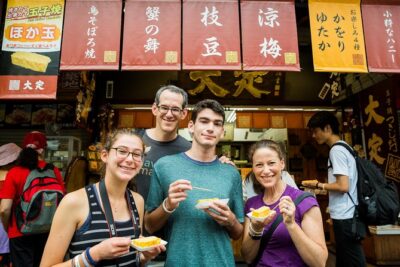
Tokyo Tsukiji Fish Market Food and Culture Walking Tour
Read our review →
Nishiki Market Brunch Walking Tour (7 Tastings + Brunch)
Read our review →
Tokyo Sushi Making Class in Tsukiji with Professional Chef
Read our review →
Tsukiji Fish Market Guided Tour and Sushi Making with Pro Chef
Read our review →Tsukiji Fish Market Food and Culture Walking Tour
Read our review →Browse the lists this tour appears in