
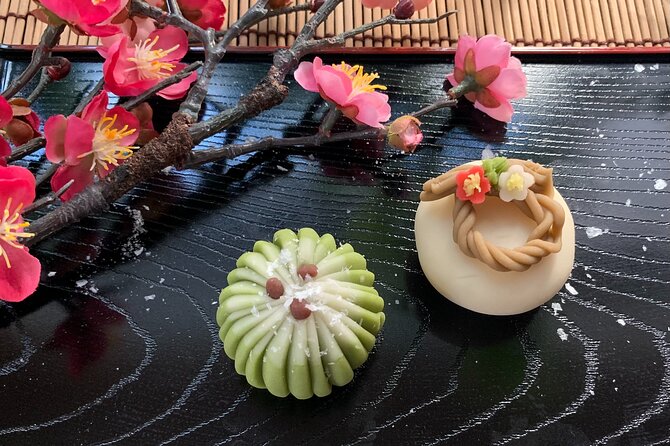
Review · MATCHA & TEA CEREMONY SESSIONS
2 Hours Mochi &Nerikiri Making & Matcha Class in Bunkyo
Two hours, three sweet skills, one cozy Tokyo table. This private wagashi class in Bunkyo lets you learn by doing, guided at a home kitchen table by bilingual instructor Yuko. I like that it is hands-on and simple enough for first-timers, yet detailed enough that you can recreate the techniques later at home.
I also like the personal pace. In a 1-on-1 style setup, you get step-by-step help while Yuko explains not just the how, but the why, including the cultural ideas behind sweet types like New Year mochi and tea-ceremony nerikiri. The only real drawback to plan around is the setting and time, it is an intimate home experience and the course is just about 2 hours, so you will not walk away with a lifelong master-level toolkit.
If you want a polished tourist show, this is not that. If you want a calm, traditional sweets workshop that fits into your day and leaves you with edible results plus skills you can practice, this is a strong match.
In This Review
- Key things to know before you go
- Why mochi and matcha in a Bunkyo home hits different
- What you will make: Mochi vs Dango vs Nerikiri
- A typical 2-hour flow at Yuko’s table
- What makes the instruction feel personal (and not awkward)
- Location and timing: getting to Sekiguchi without stress
- Price and value: what you are really paying for
- Who should book, and who might prefer something else
- Quick practical tips for your best experience
- Should you book this mochi and matcha class in Bunkyo?
Key things to know before you go
- Private class format means you and your group only, with close attention from Yuko
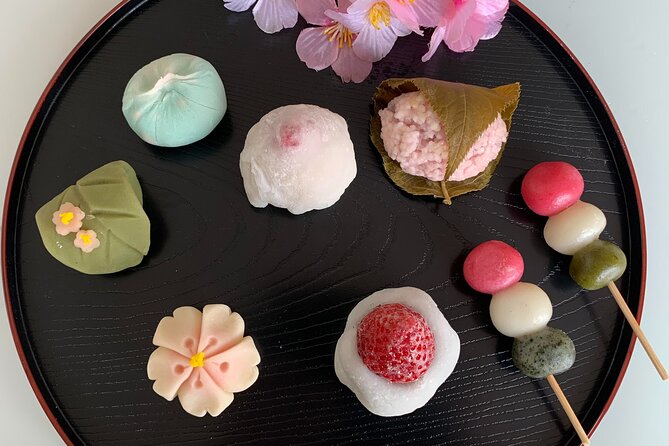
- Choose your sweets: Mochi, Dango, Nerikiri, or a combination course
- Bilingual instruction from a native-Japanese teacher trained by the Wagashi Association of Japan
- You make multiple pieces yourself, not just watch
- Matcha and tea moments are part of the experience flow
- Central Bunkyo location starts and ends at the same meeting point, near public transportation
Why mochi and matcha in a Bunkyo home hits different
Tokyo has plenty of food experiences, but this one feels like you are learning a local craft, not consuming a product. The class takes place in a Japanese home in Bunkyo, right in central Tokyo. That matters because wagashi making is sensory and repetitive by nature. Having a real workspace and a patient teacher makes the steps easier to remember.
You also get structure without feeling rushed. The class runs about 2 hours, and it is designed for people who may have zero experience preparing Japanese sweets. That is a big deal if you are traveling with a tight schedule, or if you do not want a long cooking class that eats your whole morning or afternoon.
Finally, there is something emotionally satisfying about watching a simple ingredient list turn into something that looks like it belongs in a tea setting. Mochi and nerikiri are not just desserts in Japan, they are part of season and ceremony. When your hands do the shaping, you start to understand why that cultural connection sticks.
More Tea Ceremonies in Tokyo
- Matcha Making Class in Tokyo with Authentic Japanese Sweets Set
★ 5.0 · 744 reviews - Kimono Tea Ceremony at Tokyo, Asakusa Maikoya
★ 5.0 · 638 reviews - Tokyo: Traditional Tea Ceremony with a Tea Master
★ 5.0 · 528 reviews
What you will make: Mochi vs Dango vs Nerikiri
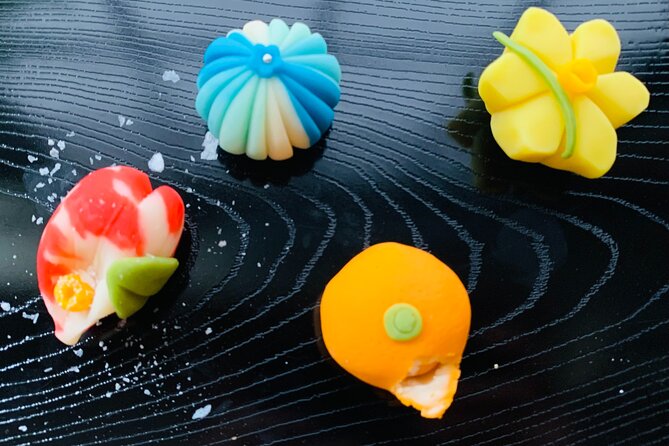
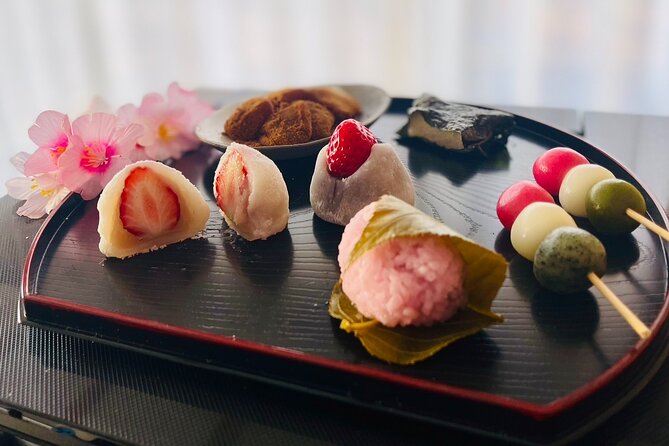
Your course choice drives the whole experience. You can pick one of these tracks: Mochi and Dango, a Nerikiri course, or a combination option that includes Mochi, Dango, and Nerikiri. It is a good setup if you know exactly what you want to learn, or if you want variety and do not want to decide too much in advance.
Here is how the sweet types are framed in the class:
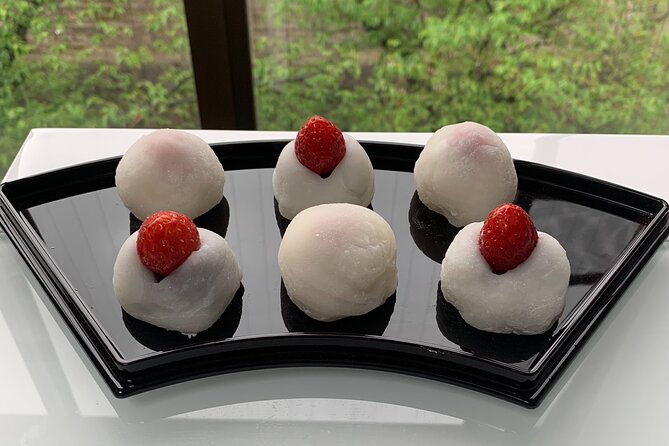
- Mochi examples include those tied to events like New Year and celebrations around new beginnings. You will work with the core idea of stretching or shaping chewy mochi textures.
- Dango is often associated with special events, and in class it is one of the traditional sweets you learn to form and handle.
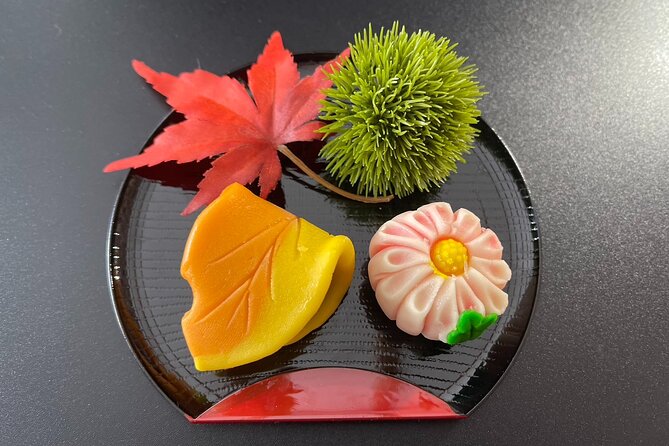
- Nerikiri is commonly connected to the feeling of a tea ceremony, and that matters because nerikiri is more about shaping and finish. The visual details are part of the lesson.
Even if the course you choose is focused, you can usually expect the same teaching style: watch closely, repeat the steps, and get personal corrections while you work. This is the type of class where you learn technique, not just results.
If you have a sweet tooth, you will also appreciate the variety in texture. Mochi is chewy, dango is satisfying and soft, and nerikiri tends to be smoother and more sculptural. Picking just one track is totally fine, but the combination option can be the best use of your time if you want the full wagashi flavor profile.
A typical 2-hour flow at Yuko’s table
Your class meets at 1-chōme-27-8 Sekiguchi, Bunkyo City, starting at 10:00 am. The activity ends back at the meeting point, so you are not stuck figuring out what to do afterward.
Inside the home, the class runs like a calm sequence rather than a high-speed cooking class. Expect an instructor-led rhythm where you first understand the idea behind the step, then you execute it, then you get guidance to refine your shape or handling.
The teaching is described as step-by-step and presented by a bilingual native-Japanese instructor trained by the Wagashi Association of Japan. In practice, that usually means you should not have to guess what the teacher is looking for. You are watching clear demonstrations, then working on your own pieces while Yuko adjusts small things like consistency and shaping.
You will also spend time on the meaning behind the sweets. That is not fluff. When Yuko explains why a certain sweet type is connected to New Year, events, or tea ceremony, it gives your finished wagashi a story. You will remember the steps better when your brain has a narrative hook.
And yes, matcha is part of the experience. You will likely have tea time as part of the class rhythm, which turns the workshop into something you can actually slow down for. That break is where the learning settles in.
What makes the instruction feel personal (and not awkward)
I like private classes because you do not have to perform competence. In this setup, it is just your group at the table, and the teacher can focus on what you are doing rather than what the whole room is doing. That is especially helpful for wagashi, because small timing and handling details change the final texture.
Yuko’s style, based on what people highlight in their feedback, is patient and attentive. People mention how she takes her time to explain each step, and how she stays engaged while you work. One reason this class works for families is that the atmosphere is homely and welcoming, so children and adults can both participate without feeling like they are in the way.
There is also a comfort factor for solo travelers. If you are eating alone in Tokyo most days, it helps to have a focused human connection for a couple of hours. You sit, you learn, you talk, and you leave with sweets you made yourself.
One thing to consider is the home setting. That can be charming, but it also means you are in a small space with a traditional setup. If you are expecting a large modern studio with open room and lots of standing room, you might find the experience more intimate than you planned.
A different sort of day in Japan:
- Mt Fuji and Hakone 1-Day Bus Tour Return by Bullet Train
★ 5.0 · 26,383 reviews - 1-Day Tokyo Bus Tour
★ 5.0 · 14,250 reviews - Tokyo: TOKYO SKYTREE® Admission ticket
★ 4.5 · 11,192 reviews - Tokyo: teamLab Planets TOKYO Digital Art Museum Entry Ticket
★ 4.6 · 9,779 reviews
Location and timing: getting to Sekiguchi without stress
This class is in Bunkyo, and the meeting point is in a central Tokyo neighborhood. It is listed as near public transportation, and the class starts at 10:00 am.
The simple win here is the start-to-finish logic. You meet at the address, you spend the full workshop there, and it ends back at the same meeting point. That removes one common travel headache, where you have to plan a second half of your afternoon after the activity.
If you want to pair this with sightseeing, Bunkyo is a practical base. You are not far from many common Tokyo routes, and having this in the morning gives you the rest of the day to explore. Just keep in mind that a cooking and shaping workshop works best when you do not cram too much right after. Your hands will be busy, and you will probably want to enjoy your tea and sweets slowly before you head back out.
Price and value: what you are really paying for
The price is $78.83 per person for an activity that runs about 2 hours. The booking trend shows it is often reserved around 38 days in advance, which suggests it is in demand.
So is it worth it? I think the value comes from three things you do not get in a typical food tour.
First, you get private, personalized instruction. You are not sharing attention with a large group, which matters for technique-based crafts like wagashi shaping.
Second, you learn skills you can practice later. The class is explicitly meant to be learnable at home again, and because the steps are guided and corrected, you leave with a clearer sense of what went right and what you would repeat.
Third, you get cultural context. Matcha and tea-related ideas are built into the lesson, so the experience is not only about eating, it is about understanding why these sweets exist in the way they do.
If you are traveling with a family, the “do it together” factor can make the price feel more reasonable. If you are solo, it still makes sense because you are effectively buying focused instruction and a memorable hands-on skill, not just a tasting.
The one caution is choice. You have different sweet-type options, including Mochi, Dango, and Nerikiri, or combinations. If you have your heart set on one specific style, book the track that matches your interest. If you pick the wrong option, you might feel like you only got part of what you wanted.
Who should book, and who might prefer something else
This class is ideal for:
- Foodies who want more than a meal, and like learning a technique
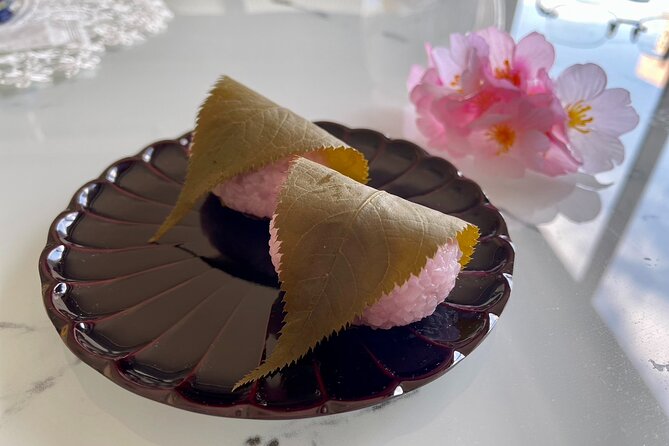
- Sweet lovers who want to experience wagashi textures, especially mochi and nerikiri
- Families because the workshop format is welcoming and hands-on
- Solo travelers who want a structured, friendly activity without the stress of a group tour
You might consider a different type of workshop if:
- You only want tasting and do not want to do hands-on work
- You prefer a big, high-energy studio atmosphere
- You need a very long class to feel like you mastered a craft. This one is short by design at about 2 hours.
Also, since the class includes cultural explanations, it helps if you enjoy stories alongside food. The lesson is more meaningful when you care about the connections between sweets and occasions like New Year, events, or tea ceremony.
Quick practical tips for your best experience
You will do best if you treat this like a craft class, not like a restaurant meal. Go in with patience, because shaping sweets is slow work compared to how fast you eat them later.
I also recommend you come hungry enough to enjoy what you make, but not so rushed that you feel stressed during the tea break. The matcha time helps you reset, and it is part of why the experience feels calm.
Lastly, wear something you are comfortable in while working at a table. You are going to handle materials, and wagashi making can be a little hands-on in a way that dry-fit instructions never fully explain.
Should you book this mochi and matcha class in Bunkyo?
I’d book it if you want a real wagashi-making workshop with close attention, a calm home setting, and a teacher who walks you through the process in a way that first-timers can follow. The private format is the big win, and the combination of mochi, dango, and nerikiri options means you can tailor the class to what you actually want to learn.
Skip it only if you are looking for a big group spectacle, or if you would be happier with a longer cooking class where you can keep practicing past the 2-hour mark. Otherwise, this is the kind of experience you can talk about later because you made the sweets with your own hands, then you learned enough to try again back home.
Newly listed around Tokyo
- Tokyo private transfer from/to Tokyo Ports★ 4.5 · 26 reviews
- Yanaka and Asakusa Walk around DOWNTOWN TOKYO like a local★ 5.0 · 36 reviews
- Yokohama Private Arrival Transfer : Tokyo Hotels to Yokohama Port or Hotels★ 4.5 · 12 reviews
- Yanaka Historical Walking Tour in Tokyo’s Old Town★ 5.0 · 182 reviews
- Official Japan Go-Kart Through Shibuya / Shinjuku (IDP Required)★ 5.0 · 92 reviews
- Private homevisit for whole cultual experience, 20min from Tokyo★ 5.0 · 20 reviews
- Exclusive Sumo Morning Practice in Tokyo with Photo Opportunity★ 5.0 · 68 reviews
- 3-Hour Tokyo Pub Crawl Nightlife Welcome Guided Tour in Shibuya★ 5.0 · 209 reviews
Matcha & Tea Ceremony Sessions, compared.
Tea Ceremony in a Traditional Tea House in Kiyomizu
Read our review →
World Heritage Kyoto & Nara Uji Authentic Matcha Experience
Read our review →
Browse the lists this tour appears in