
Review · MATCHA & TEA CEREMONY SESSIONS
A Unique Antique Kimono and Tea ceremony Experience in English
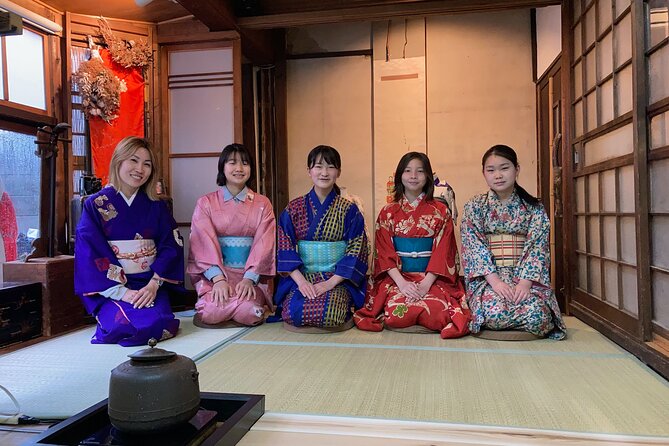
This matcha lesson feels like family time. You get to wear an antique kimono and learn proper tea ceremony etiquette inside a small-group setting in a 100-year-old home near Katsura Imperial Villa. It is one of those Kyoto experiences that trades crowds for calm, so the details of tea, manners, and atmosphere actually land.
Two things I really like: you are guided step by step by the owner, Toku, with over 20 years in tea ceremony, and you get the kimono rental included, which turns it into much more than a quick photo stop. One possible drawback is that if you expect a long, intensely technical matcha workshop or a big variety of teas, the 90 minutes may feel a bit short and focused on correct ritual rather than lots of tasting.
In This Review
- Key Points at a Glance
- A Kyoto Neighborhood That Feels Like a Breather
- The Antique Kimono Moment You Actually Get to Enjoy
- Entering the 100-Year-Old Tea House
- Tea Ceremony Etiquette, Explained Like It’s Meant for You
- Matcha Basics: Ritual First, Technical Later
- The Tea Itself, Plus Sweets and Photos
- Group Size, English Instruction, and Timing That Works
- Price and Value: What You Pay For and Why It Feels Fair
- Who Should Book This Antique Kimono Matcha Experience
- Should You Book It?
- FAQ
- What is the duration of the tea ceremony experience?
- How many people are in each group?
- What is included in the price?
- Is the experience available in English?
- Where does the experience start, and does it end there too?
- Is lunch or dinner included?
Key Points at a Glance
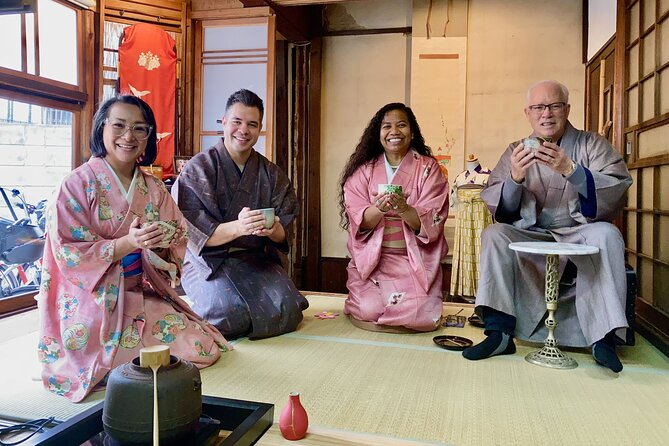
- Antique kimono rental included, with help choosing the look and styling
- Small group cap of six, for a calmer, more personal pace
- English-language tea ceremony, taught with patience and clarity
- Matcha-making basics, with a spotlight on ritual steps and manners
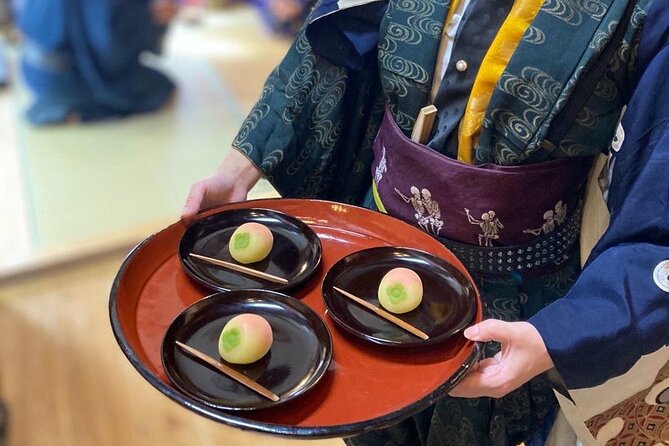
- Green tea and Japanese sweets included, served as part of the ceremony flow
- Tea ceremony in a quiet 100-year house, near Katsura Imperial Villa
A Kyoto Neighborhood That Feels Like a Breather
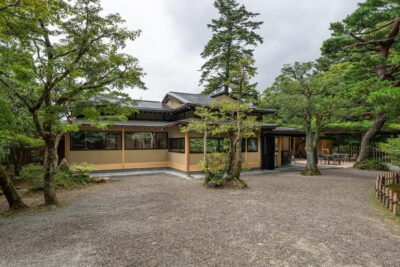
Kyoto can feel busy, fast, and loud, especially near major sights. What I like about this tea ceremony location is that it sits near Katsura Imperial Villa, which makes the whole experience feel calmer, more grounded, and less like you are squeezing culture into a schedule.
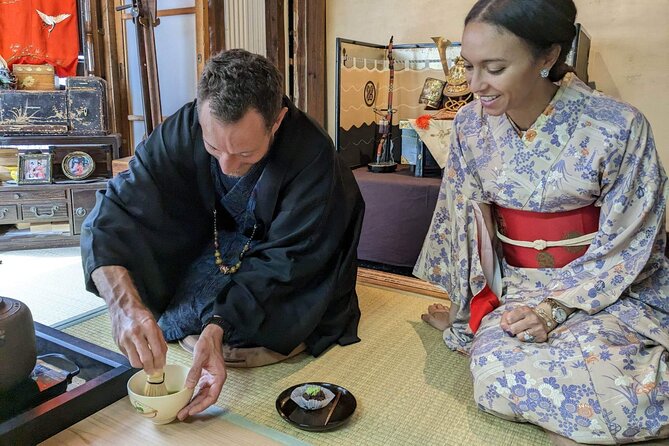
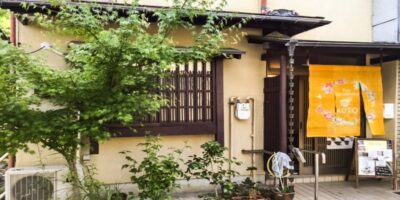
You meet at Miyagawa Tokusaburo shoten and then the ceremony happens in an old private house, over 100 years old. That matters more than it sounds. In a quiet home setting, you notice small things, like how everyone moves, how the room feels, and how the tea process slows your body down.
More Kimono Rentals in Kyoto
- Kimono Tea Ceremony at Kyoto Maikoya, NISHIKI
★ 5.0 · 911 reviews - Kyoto: Kimono Rental with Hairstyling and Accessories
★ 4.8 · 653 reviews - KYOTO Tea Ceremony with kimono near by Imamiya Jinjya Shrine
★ 5.0 · 343 reviews
The Antique Kimono Moment You Actually Get to Enjoy
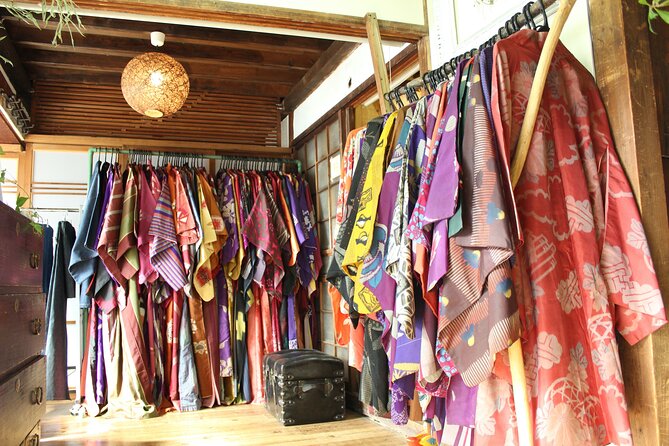
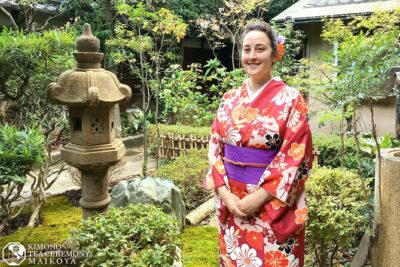
The kimono is not just a costume change. It is part of the experience, and Toku and the team help you make real choices. You can expect to select your kimono, and you also get support with how to wear it, plus help with hair styling and accessories.
What sets this apart is the antique angle. You will be wearing a kimono that is described as rare and over 80 years old. That gives the whole event a different weight, because you are not just borrowing something pretty. You are stepping into a tradition where craftsmanship and age carry meaning.
Practical note: if you are sensitive to tight clothing or kneeling, tell your host. The format is built around etiquette, but the ceremony can be adapted so you are not stuck trying to force your body into an uncomfortable position.
Entering the 100-Year-Old Tea House
The ceremony takes place in an old private home near Katsura Imperial Villa. From the moment you arrive, the setting cues a slower mindset. You are not doing this in a park or a polished storefront booth. This is a real domestic space, so the experience feels more human and less staged.
Toku leads the session, and his background is part of the story. He shares his connection to kimono fitting and how tea ceremony fits into his family life and craft. That personal context helps you understand why the ceremony is so careful about steps. The ritual is not just for show. It is a way of paying attention.
There is also a fascinating connection between the samurai and tea culture that you will hear about during the lesson. Even if you are not a history buff, it makes the ceremony feel tied to real social life, not just a modern tourist ritual.
Tea Ceremony Etiquette, Explained Like It’s Meant for You
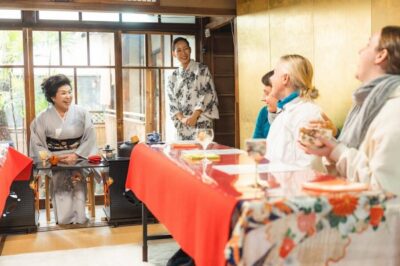
This is not a lecture where you smile and hope you remember the rules. You learn etiquette and manners directly, at a gentle pace. The ceremony is small, capped at six travelers, which is a huge deal for English instruction. You can ask questions without feeling like you are slowing down a whole line of people.
You will also learn the logic behind the steps. The tea ceremony has a rhythm: how you hold things, where you place them, and how you move with intention. When Toku explains the why, it becomes easier to follow the what.
One more thing I appreciate: the ceremony can feel solemn, but the host keeps the atmosphere welcoming. You get plenty of guidance so you are not left guessing what to do with your hands, your seat, or your timing.
More Tea Ceremonies in Kyoto
- Kyoto: Tea Ceremony in a Traditional Tea House in Kiyomizu
★ 4.9 · 3,519 reviews - Kyoto: Tea Ceremony Ju-An at Jotokuji Temple
★ 4.9 · 3,207 reviews - Kyoto: 45-Minute Tea Ceremony Lesson Experience
★ 4.3 · 2,378 reviews - Kyoto: Table-Style Tea Ceremony at a Kyo-Machiya
★ 4.9 · 1,211 reviews
Matcha Basics: Ritual First, Technical Later
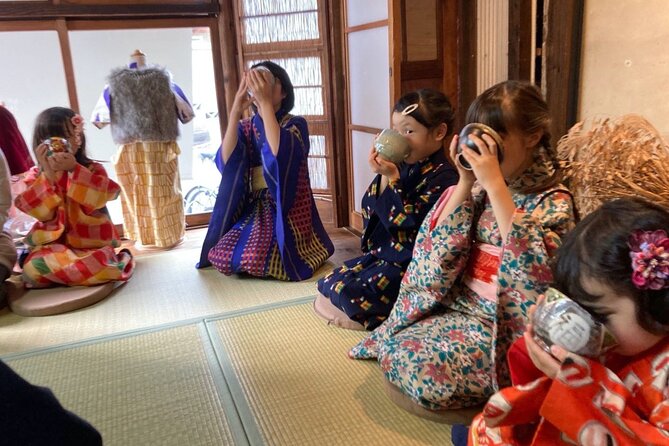
The highlight for many people is the matcha angle, and here it comes with a special opportunity to learn how matcha tea is made. You are taught during the ceremony flow, not as a separate demo you watch from the edge of the room.
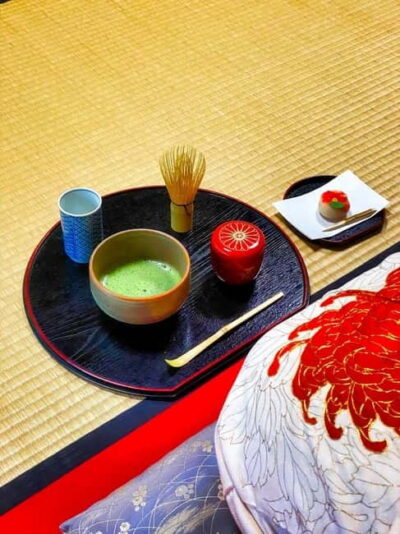
Here is the best way to set expectations. The goal is not just to teach you matcha facts. It is to show you how the preparation steps connect to ceremony etiquette. That includes how matcha powder and water are handled, and how the bowl process fits into the larger sequence.
If you are the type who loves hands-on learning, you will enjoy that the experience stays practical. You are not just hearing about matcha, you are seeing it and participating in the structure around it.
If you are expecting a long, highly technical matcha class where you compare multiple grades or do repeated tasting rounds, you might feel a little constrained by the overall 90-minute timeline. But if what you want is the real ceremony experience and the meaning behind the steps, the time feels well used.
The Tea Itself, Plus Sweets and Photos
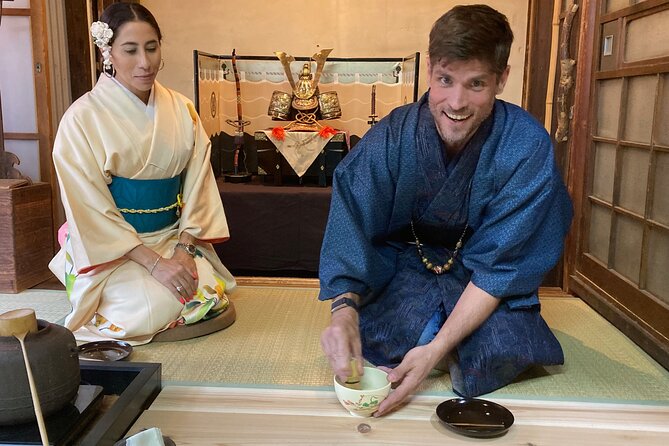
After the preparation, you get green tea and Japanese sweets as part of the experience. This is important for value because you are not paying only for the lesson. You are also tasting what you learned about, in the setting where it is traditionally served.
Photos are a common highlight in the experience. Toku and the team take photos during key moments, like after you are dressed and as you participate in the ceremony. If you care about having more than one decent picture, this is a good sign because they actually support the process.
What I like for planning: you should still bring your camera sense. Wear the kimono with comfort in mind, and be ready to pause for photos. The ceremony pace is slow by design, so you will not want to treat it like a sprint.
Group Size, English Instruction, and Timing That Works
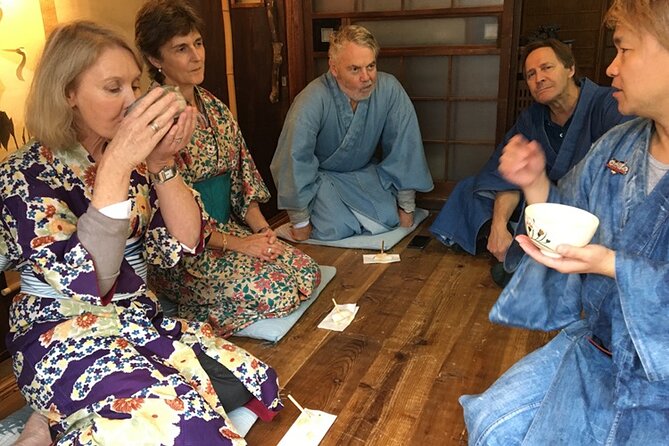
The group is max six people, which creates breathing room. It also helps because the ceremony is quiet and precise. With a small group, you are less likely to feel rushed, and you get the chance to understand what you are doing before the next step happens.
The experience is available in English, and Toku explains the process clearly enough that you can follow even if this is your first time in a tea ceremony. People who worry about language barriers should feel comfortable here.
Duration is listed as about 1 hour 30 minutes. Plan your day with a buffer. You want time to get to the meeting point calmly and to handle any transit timing without stress. Also, you end back at the meeting point, so it is easy to plug into a broader Kyoto route.
Service animals are allowed, and it is near public transportation. If you need step-free access or have mobility concerns, it is worth messaging ahead with your specific needs, since a traditional ceremony space can have kneeling-based etiquette.
Price and Value: What You Pay For and Why It Feels Fair
At $99.10 per person, this is not a budget activity. But it often lands as good value because the kimono rental fee is included, not added at the end. You are also paying for an expert-led ceremony with English support and the ceremony itself includes green tea and Japanese sweets.
Think of it like this: in many Kyoto experiences, you pay for a short cultural look-and-photo. Here, the cost covers a structured 90-minute guided ritual in a real home setting, plus antique kimono rental and styling support.
Is it expensive for 90 minutes? On paper, yes. In practice, the combination of antique clothing, expert teaching, and a small quiet setting is what makes it feel worth the spend.
Who Should Book This Antique Kimono Matcha Experience
I think this tour fits best if you want Kyoto culture that feels personal and intentional. It is ideal for couples, solo travelers who like quiet experiences, and families who want a structured activity that is more than a photo.
You will likely enjoy it most if you care about details like etiquette, the meaning behind steps, and a calm setting away from the main tourist crush. If you are mainly looking for a big, flashy shopping-style kimono experience, this might feel more traditional than you expect.
It is also a strong pick if you like being taught rather than guessing. Toku’s instruction style, plus the small group size, helps first-timers participate without feeling like they are doing everything wrong.
Should You Book It?
Yes, I would book it if you want the full tea ceremony experience plus antique kimono rental, taught in English, in a quiet 100-year home near Katsura Imperial Villa. The price feels more reasonable when you factor in the kimono and the guided ceremony flow with tea and sweets.
Hold off or consider your expectations if you want a long matcha tasting menu, lots of variety in teas, or a highly technical brewing workshop. This is about correct ritual, manners, and slow attention. If that is what you want from Kyoto, this is a great use of your time.
If you are choosing between quick tourist tea sessions and something more careful, pick this one. It is the kind of afternoon memory that sticks because you do not just watch. You participate, dress up, and learn why each step matters.
FAQ
What is the duration of the tea ceremony experience?
The experience is about 1 hour 30 minutes.
How many people are in each group?
The tea ceremony is capped at a maximum of 6 travelers.
What is included in the price?
Your price includes the antique kimono rental fee and the tea ceremony experience fee, with green tea and Japanese sweets.
Is the experience available in English?
Yes, it is available in English.
Where does the experience start, and does it end there too?
It starts at Miyagawa Tokusaburo shoten at 32-4 Katsuranozatochō, Nishikyo Ward, Kyoto, 615-8073, Japan, and it ends back at the meeting point.
Is lunch or dinner included?
No, lunch and dinner are not included.
Newly listed around Kyoto
- Kyoto:Family-Friendly Kimono & Yukata Experience at WARGO★ 5.0 · 147 reviews
- Traditional Japanese Music show & Experience Tour in Kyoto★ 5.0 · 57 reviews
- Traditional Japanese Washi Papermaking- Kyoto morning★ 5.0 · 77 reviews
- The Kyoto VIP Experience!★ 5.0 · 20 reviews
- Tour in Kyoto with a Goverment Certified Tour Guide★ 3.5 · 117 reviews
- Kyoto: Golden Pavilion, Nijo Castle, Nishiki Market. Private★ 5.0 · 16 reviews
- Tea ceremony and kimono experience at Kyoto, Tondaya★ 4.0 · 90 reviews
- TREASURES of Kyoto: Fushimi Inari, Kiyomizu Temple, and more!★ 5.0 · 20 reviews
Matcha & Tea Ceremony Sessions, compared.
Tea Ceremony in a Traditional Tea House in Kiyomizu
Read our review →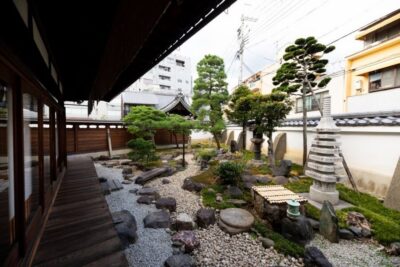
World Heritage Kyoto & Nara Uji Authentic Matcha Experience
Read our review →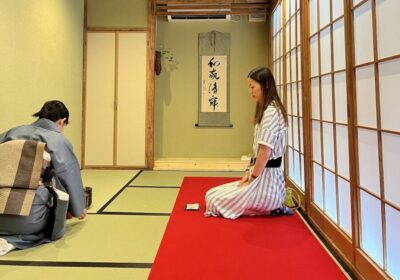
Browse the lists this tour appears in