
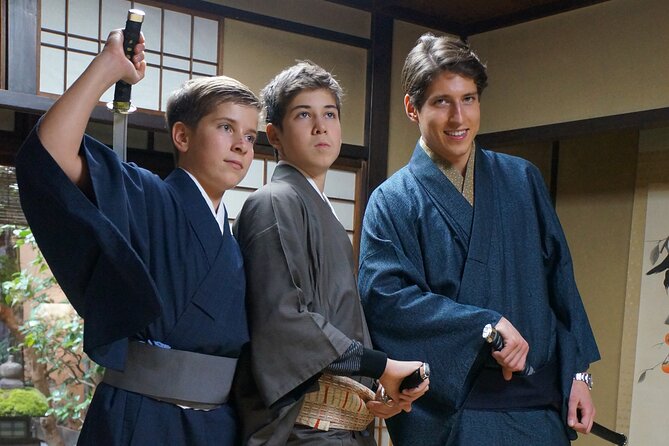
Review · MATCHA & TEA CEREMONY SESSIONS
Tea ceremony and kimono experience at Kyoto, Tondaya
Kimono first, then matcha in a real machiya. What I like most is the chance to wear a silk kimono and the fact the tea ritual happens inside a historic townhouse. You also get a guided visit of the house, so it’s not just sit, sip, and leave.
The one thing to think about is pacing and space. Because this can be a group experience in a limited room, it may feel a bit cramped, and the tea ceremony details can be harder to catch when the house is busy.
If you want a quieter, more viewable session, the private option is worth considering. It’s the same core experience, just with less competition for attention, sightlines, and elbow room.
In This Review
- Key things to know before you go
- A Kyoto machiya at Tondaya, not a staged tea room
- Silk kimono fitting and the practical stuff you should plan for
- The house tour: breezes, rooms, and small details that matter
- Tea ceremony in the machiya: what you’ll actually do
- Group size, noise, and sightlines: when things feel rushed
- Price check: is $178.34 worth it?
- Where it starts, and how to not lose time in Kyoto
- Who this fits best (and who should look elsewhere)
- Should you book Tondaya tea ceremony and kimono?
- FAQ
- How long is the tea ceremony and kimono experience?
- Where does the experience take place?
- What’s included in the price?
- Do I need to bring socks?
- Is geta sandals provided?
- Is it a group or private experience?
- Can I take photos during the visit?
- What’s the cancellation policy for a full refund?
Key things to know before you go
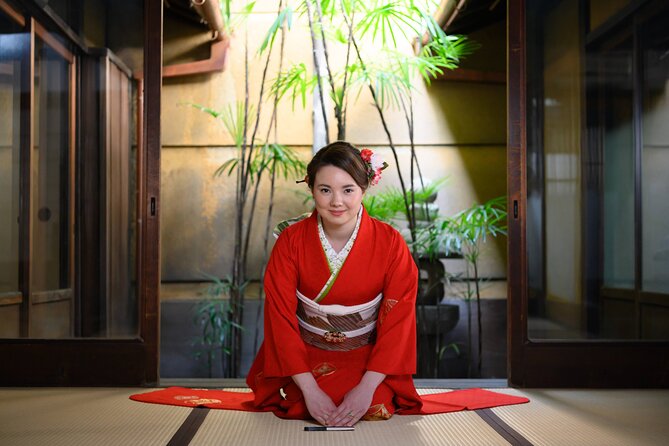
- Meiji-era machiya setting: The ceremony takes place in an old wooden townhouse at the Nishijin Japanese Cultural Experience Museum.
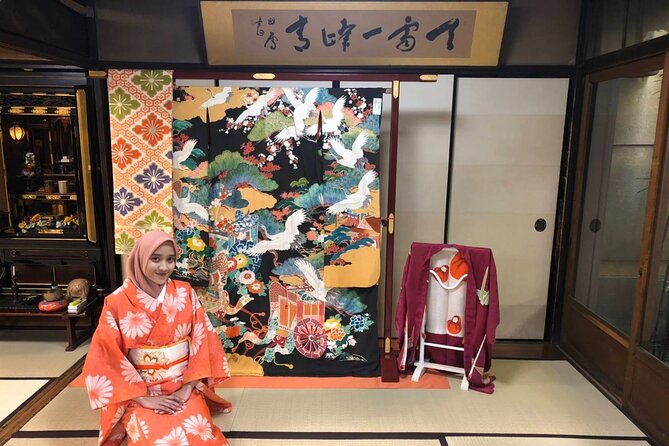
- Silk kimono fitting on-site: Staff help you get dressed over your own clothes, and you can choose your kimono colors.
- Photo time in a real house: You can take photos around the machiya after the fitting and during parts of the visit.
- Tea ceremony is short but structured: Expect a performance-style format rather than an all-afternoon lesson.
- Bring socks for cultural reasons: Socks are required, and you can buy them there if needed.
- Group size can affect the vibe: With a group format, busy moments can make it harder to see or hear.
A Kyoto machiya at Tondaya, not a staged tea room
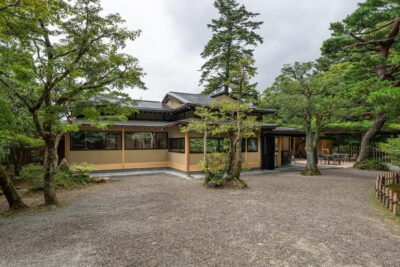
This experience is built around a machiya, a traditional Kyoto townhouse. Instead of meeting in a generic cultural center, you step into a historic wooden home that’s part of the Nishijin Lifestyle Museum setting. You’ll get to see rooms and details that make Kyoto feel specific, not generic.
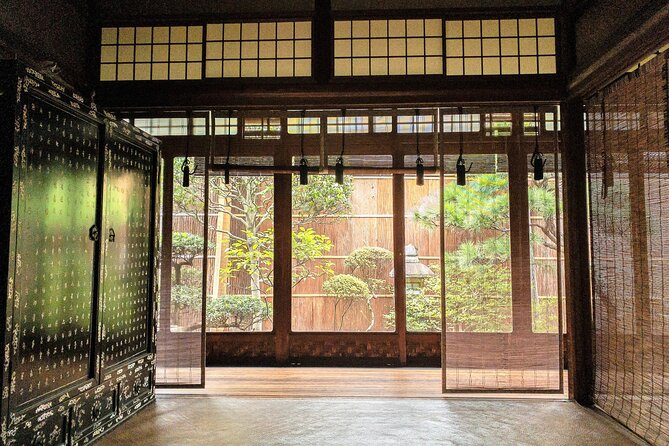
The house itself is a big part of the appeal. It dates back to the Meiji period (and it’s described as a 140-plus-year-old tea house), which means you’re walking through an older domestic layout, not a modern museum set. I love that the tea ceremony is tied to the actual architecture, so the setting helps you understand why the ritual feels so formal.
More Kimono Rentals in Kyoto
- Kimono Tea Ceremony at Kyoto Maikoya, NISHIKI
★ 5.0 · 911 reviews - Kyoto: Kimono Rental with Hairstyling and Accessories
★ 4.8 · 653 reviews - KYOTO Tea Ceremony with kimono near by Imamiya Jinjya Shrine
★ 5.0 · 343 reviews
Silk kimono fitting and the practical stuff you should plan for
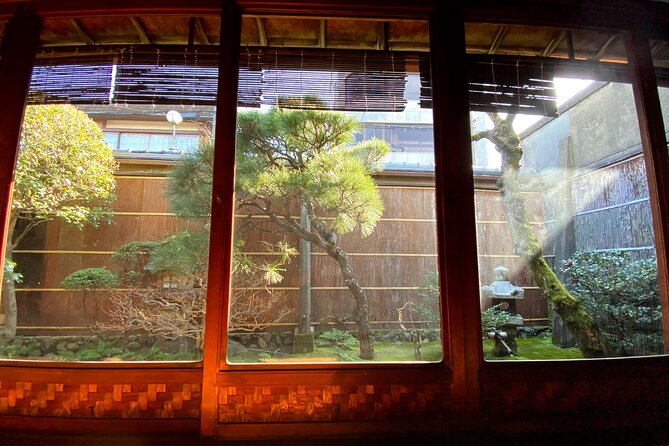
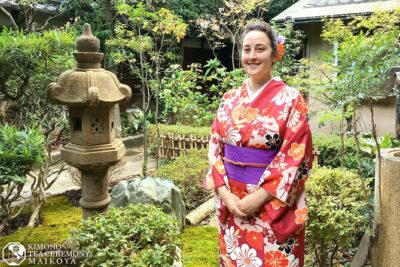
Your visit starts with the kimono. Staff will fit you promptly in an authentic silk kimono, and you can often choose the colors first. Then you take a little time to get photos in and around the house, which is a big reason people book this in the first place.
A key practical detail: bring socks. The experience notes that socks are needed to protect cultural assets. If you forget, you can buy socks on-site, but don’t count on it being your size or style. Also, plan for what happens after you get dressed. This isn’t a full makeover service.
You’re not getting included makeup or hair styling, and geta sandals are not included. That matters for comfort. Your own shoes are likely going to be swapped out for what you wear in the space, but the experience expects you to handle the basics of being kimono-ready with socks and appropriate footwear.
One more nice touch is the prep. There’s an introduction video that covers how to wear kimono and how the tea ceremony process works. Even if you’ve never seen a ceremony before, it helps you connect what you’re watching with the steps you’ll later hear explained.
The house tour: breezes, rooms, and small details that matter
After you’re dressed, you’re welcome to explore the machiya before the ceremony. The house tour is meant to show you what a traditional Kyoto home feels like in practice. You may notice seasonal breezes and the way rooms connect, which sounds poetic but also helps you grasp the ceremony’s calmer rhythm.
The tour portion is also where the experience shifts from costume to culture. You’re not just wearing a kimono for photos, you’re moving through the lived-in style of a Japanese townhouse. And because it’s presented as a Nishijin Japanese Cultural Experience Museum setting, you get context about the lifestyle side of tradition, not just the tea part.
This is one of the best values of the experience. A lot of “tea ceremony” events in tourist areas are essentially a showroom. Here, the house is the setting, and that makes your time feel more like Kyoto than like a performance hall.
Tea ceremony in the machiya: what you’ll actually do
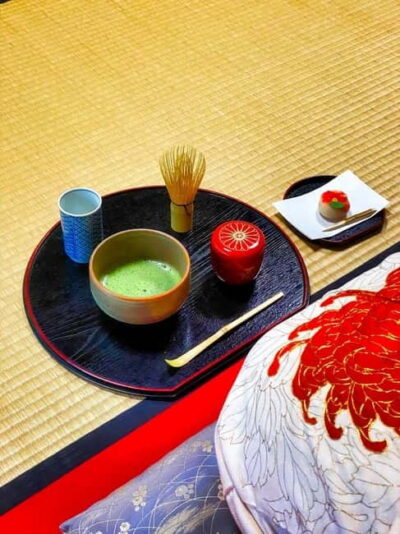
The core event is a traditional tea ceremony performance in the townhouse. You’ll watch how matcha is prepared and served, then you’ll drink the tea along with a sweet. The experience description frames tea as inseparable from Japanese culture, and the ceremony is presented in a way that’s meant to teach without making you feel clueless.
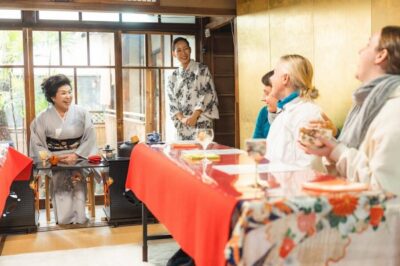
The format is group-based. That means it’s not a long, intimate, step-by-step lesson at your own pace. Many people love it because the structure keeps things easy to follow, but you should also know what to expect in terms of length. The maximum activity time is about 1.5 hours, and crowd levels can shorten or change timing a bit.
What people often appreciate most is the combination of presentation and explanation. Some sessions include clear guidance on the steps and the reasons behind them. You’ll also hear about how the tea is handled and served properly, and you can usually take photos during parts of the event.
That said, be realistic about visibility. When the ceremony room is busy, you may not get a perfect view of every motion. Some guests report that the tea ceremony can feel fast, and narration can be hard to catch in louder group conditions. If that kind of detail matters to you, the private option is the safer bet.
More Tea Ceremonies in Kyoto
- Kyoto: Tea Ceremony in a Traditional Tea House in Kiyomizu
★ 4.9 · 3,519 reviews - Kyoto: Tea Ceremony Ju-An at Jotokuji Temple
★ 4.9 · 3,207 reviews - Kyoto: 45-Minute Tea Ceremony Lesson Experience
★ 4.3 · 2,378 reviews - Kyoto: Table-Style Tea Ceremony at a Kyo-Machiya
★ 4.9 · 1,211 reviews
Group size, noise, and sightlines: when things feel rushed
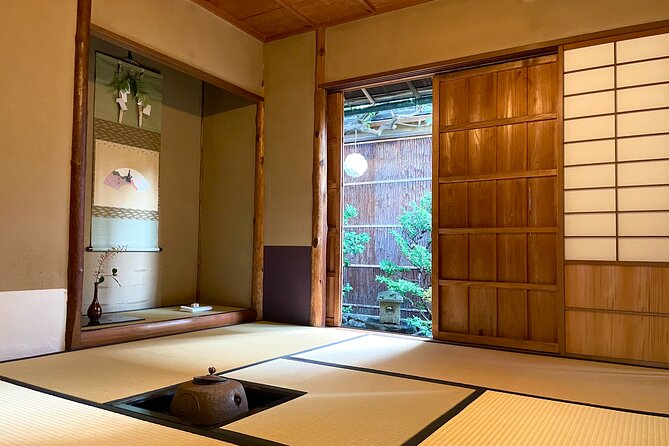
This is the biggest “value vs. comfort” variable in the experience. The tour notes a maximum of 20 travelers, which sounds manageable on paper. In practice, tea spaces in historic houses are tight, and busy moments can make it hard to see or hear clearly.
If your dream is slow, serene, you’ll want to protect that expectation. The ceremony room can get hot and crowded, and other groups moving around the stairs or entering adjacent rooms can add distractions. When that happens, the experience can start to feel more like a show than a quiet ritual.
Here’s how to stack the odds in your favor:
- Go with the mindset that this is a scheduled cultural program, not a private Zen moment.
- If you’re sensitive to noise or want best-in-room viewing, choose the private experience option.
- Arrive prepared to move efficiently while kimonoed, because delays around dressing can ripple into the ceremony timing.
The upside is that many people find the staff patient and the teaching clear. When the group energy stays calm, the whole thing clicks nicely.
Price check: is $178.34 worth it?
At $178.34 per person for about 1.5 hours, this is not a budget activity. So the question becomes, what are you really paying for?
You’re paying for three things bundled together:
- Kimono experience with prompt fitting and dressing help.
- Access to a historic machiya setting that functions as a museum experience.
- A tea ceremony performance with matcha and a sweet.
If you’re someone who values both the look and the context, that bundle can feel like good value. The historical home matters, and the kimono fitting is a real service, not a quick photo booth.
If you’re mainly after a deep, extended tea lecture, you may feel differently. Some guests felt the ceremony was brief or that the explanation didn’t cover enough history or the “why” behind the details. In those cases, the pricing can feel steep for what ends up being a short ritual inside a busy room.
My practical advice: treat this as an experience of Kyoto atmosphere plus a structured tea performance. If you want more depth, do one long tea-focused add-on elsewhere in your trip, then keep this one as the kimono and machiya highlight.
Where it starts, and how to not lose time in Kyoto
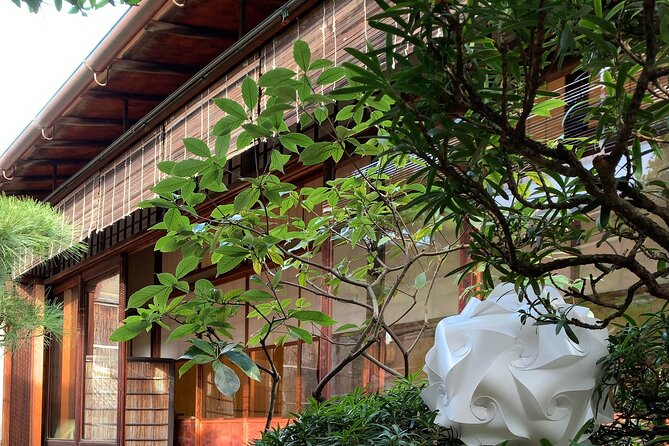
You’ll meet at Tondaya – Nishijin Japanese Cultural Experience Museum at 697 Ishiyakushichō, Kamigyo Ward, Kyoto. It’s near public transportation, so you should be able to reach it without a car.
That said, the location can be easy to miss. Some people mention signage is not obvious and the spot can feel like a quiet house until you’re right there. If you’re arriving early, it’s also smart to plan for the fact that you might not see activity right away before opening.
Best approach: use GPS and give yourself a little buffer. Kyoto is full of small streets and subtle entrances. You’ll enjoy the rest more when you’re not sprinting while wearing a kimono.
Who this fits best (and who should look elsewhere)
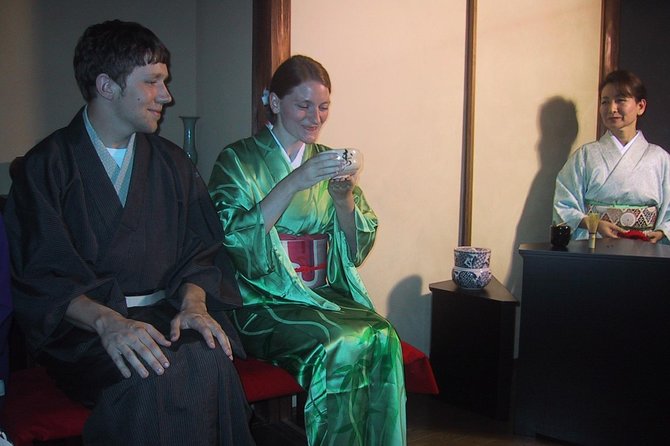
This is a great match if you want:
- A kimono experience that includes real dressing help.
- A chance to see a traditional Kyoto home, not just a storefront.
- A tea ceremony that’s friendly for first-timers, with clear structure and a short learning arc.
It might feel less ideal if you:
- Want a long, quiet, deeply explained ceremony with lots of hands-on practice.
- Strongly need the ability to see and hear every step from where you sit.
- Are sensitive to crowded spaces in small rooms.
If any of those hit, the private option is your friend. The experience already suggests that a private choice is available specifically for people who prefer a calmer setting.
Should you book Tondaya tea ceremony and kimono?
Book it if you’re aiming for a classic Kyoto combination: machiya house + silk kimono + matcha ceremony in one scheduled block. The historic townhouse setting is the main reason to do this one, and it’s also the reason it can feel magical when conditions are calm.
Skip or choose private if you care most about being able to clearly watch and hear every detail, and you don’t want a group vibe. At this price, you deserve the best visibility and the right pacing for your expectations.
In other words: it’s worth booking when you want a structured cultural program in a real Kyoto house, and you’re okay with group-style timing. If you want a ceremony that feels like it belongs only to you, pay for the privacy.
FAQ
How long is the tea ceremony and kimono experience?
The experience is about 1 hour 30 minutes maximum. Your actual time can vary depending on how crowded the tour is.
Where does the experience take place?
It starts and ends at Tondaya – Nishijin Japanese Cultural Experience Museum, 697 Ishiyakushichō, Kamigyo Ward, Kyoto.
What’s included in the price?
You get the tea ceremony experience, the kimono experience, and the entrance fee.
Do I need to bring socks?
Yes. Socks are required to protect cultural assets. You can bring your own socks, or you can buy them there.
Is geta sandals provided?
No, geta are not included. The experience notes that geta are not part of what you receive.
Is it a group or private experience?
It’s usually a group experience with other participants. If you prefer a more private setting, there is a private experience option.
Can I take photos during the visit?
Yes. You’re welcome to take photos around the house, and you can take photos as much as you’d like during your visit.
What’s the cancellation policy for a full refund?
You can cancel up to 24 hours in advance for a full refund. If you cancel less than 24 hours before the experience starts, the amount paid is not refunded.
Newly listed around Kyoto
- Kyoto:Family-Friendly Kimono & Yukata Experience at WARGO★ 5.0 · 147 reviews
- Traditional Japanese Music show & Experience Tour in Kyoto★ 5.0 · 57 reviews
- Traditional Japanese Washi Papermaking- Kyoto morning★ 5.0 · 77 reviews
- The Kyoto VIP Experience!★ 5.0 · 20 reviews
- Tour in Kyoto with a Goverment Certified Tour Guide★ 3.5 · 117 reviews
- Kyoto: Golden Pavilion, Nijo Castle, Nishiki Market. Private★ 5.0 · 16 reviews
- A Unique Antique Kimono and Tea ceremony Experience in English★ 5.0 · 109 reviews
- TREASURES of Kyoto: Fushimi Inari, Kiyomizu Temple, and more!★ 5.0 · 20 reviews
Matcha & Tea Ceremony Sessions, compared.
Tea Ceremony in a Traditional Tea House in Kiyomizu
Read our review →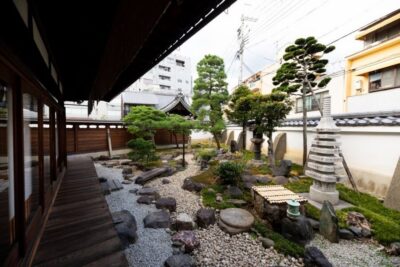
World Heritage Kyoto & Nara Uji Authentic Matcha Experience
Read our review →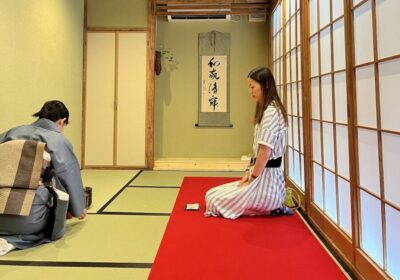
Browse the lists this tour appears in