
Review · SHRINE & TEMPLE VISITS
Kamakura: Great Buddha, Hase Temple, & Komachi Street Tour
Kamakura hits you with old-Japan sights at a day-trip pace. You start with the open-air Great Buddha, then wander Hase temple, where flowers like hydrangea can steal the show. I also love how smoothly the day blends temples, shrine culture, and practical local travel, including an Enoden train ride. One thing to keep in mind: this is an all-day mix of walking and public transit, and some stations have limited escalators or elevators.
The private-group setup makes it easier to move at a comfortable pace, and pickup in Tokyo means you are not wrestling trains before your first temple stop. English-speaking guides (plus French, German, or Spanish) can bring the sights to life, and the route ends with shopping time on Komachi Dori.
If you want a simple, meaningful Kamakura day without planning every transfer, this tour gives you structure, local guidance, and time to actually enjoy each stop.
In This Review
- Key things you will care about on this Kamakura tour
- Kamakura in one day: how this tour keeps it human-scale
- From Tokyo pickup to local transit: the value of a real plan
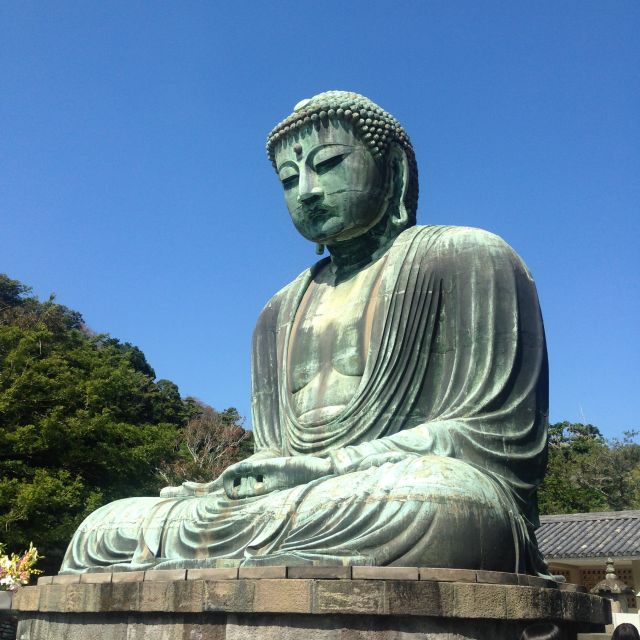
- Kotoku-in (Great Buddha): the open-air surprise
- Hase-dera temple stroll: hydrangeas, wish-making, and prayer details
- Lunch in Kamakura: local comfort, with an option if seafood is not your thing
- Hokokuji Bamboo Forest: a quiet reset between big sights
- Tsurugaoka Hachimangu and Komachi Dori: tradition plus shopping time
- Getting around all day: timing, walking, and what to bring
- Enoden and local transit: why the ride is not just transportation
- Price and value: what $530 covers, and where your spending might land
- Who this Kamakura day trip is best for
- Should you book this Kamakura private tour?
- FAQ
- How long is the Kamakura tour?
- Where is pickup in Tokyo?
- What are the main sights on the tour?
- Is lunch included?
- Are entrance fees included?
- What languages is the live guide available in?
Key things you will care about on this Kamakura tour
- Open-air Kotoku-in Great Buddha that feels surprisingly close to the sky
- Hase-dera flower season potential, especially hydrangea months
- Enoden local train time, the easy way to feel Kamakura’s everyday rhythm
- Hokokuji Bamboo Forest as a calmer counterpoint after busier temple areas
- Tsurugaoka Hachimangu + Komachi Dori for both tradition and shopping
- Private group guidance, including help navigating history and even meal choices
Kamakura in one day: how this tour keeps it human-scale
Kamakura is one of those places where the day trip myth kind of works. Yes, it is crowded at peak times. But if you have a clear route and a guide who can explain what you are looking at, the temples stop feeling like checkboxes and start feeling like a walk through how Japan thinks about faith, luck, and everyday life.
What makes this tour work is the mix. You get the big star sights, but you also get the in-between moments that make Kamakura feel lived-in: local transit, a stroll through temple grounds, and then street shopping time on Komachi Dori. And because it is a private group, you are not stuck timing your pace to a random crowd.
The other win is that you start in Tokyo with pickup. That removes a lot of stress for people who do not want to figure out routes first thing in the morning. In practice, that means you can show up ready to look around.
More Shrine and Temple visits in Kamakura:
- Tokyo: Kamakura & Enoshima Day Trip including Temple Tickets
★ 4.5 · 1,375 reviews - Kamakura Private Tour: Temples, Nature, and the Great Buddha
★ 5.0 · 121 reviews - Kyoto: Fushimi Inari, Kinkakuji, Bamboo Grove 1 Day Bus Tour
★ 4.8 · 4,316 reviews
From Tokyo pickup to local transit: the value of a real plan
Pickup is from a hotel lobby in Tokyo’s 23 wards, so you start the day with someone handling the first part. Once you head out toward Kamakura, expect a combination of rail and short local connections. You will also spend time on the Enoden, Kamakura’s well-loved smaller train, which is a big part of the day’s “this is not just sightseeing” feeling.
You should plan on stairs and walking. The tour info is clear that most stations have only a few elevators or escalators. If you prefer fewer stairs, tell your guide. That small heads-up can matter when you are moving between transit stops and temple entrances.
Practical tip: wear comfortable shoes and assume you will be on your feet for most of the day. A lot of the magic in Kamakura is just walking the approach roads and paths between sights. If you come with sore feet, the day shrinks fast.
Kotoku-in (Great Buddha): the open-air surprise
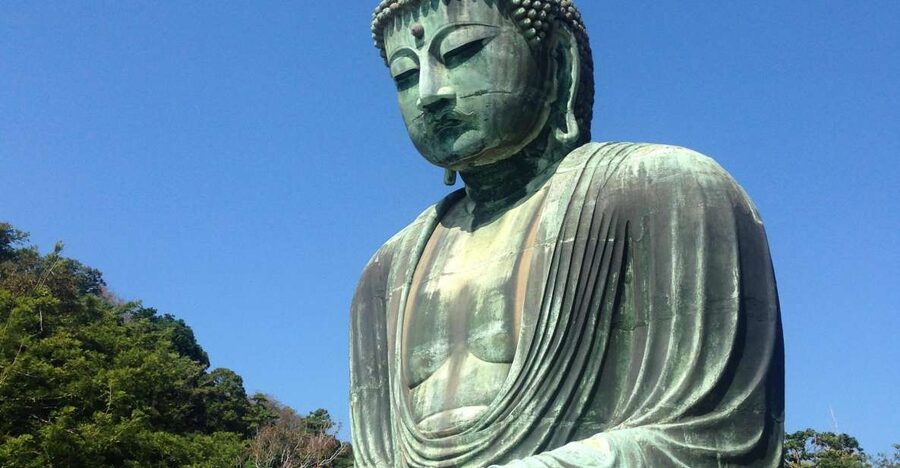
The day kicks off at Kōtoku-in, home to the Great Buddha. This is not in a dark hall where you look up at a statue like it is a museum exhibit. The Great Buddha sits outside, in the open air. That changes everything about the experience. Light shifts across the face and body, and the whole atmosphere feels more natural, less staged.
This Great Buddha is described as the second largest Buddha in Japan, and it is the kind of sight that looks big in photos but still manages to land differently in person. Even if you have seen Buddhist statues before, the scale and outdoor setting make it memorable.
What your guide adds here is the context. In multiple guide-led experiences, the common thread is that the explanation turns what could be a quick stop into something you actually understand. Guides such as Ena, Rie-san, and Shizuko have been praised for connecting the temples and shrines to Kamakura’s place in Japanese history and beliefs. You may not need a lecture to enjoy the statue, but it does help you know what you are looking at and why people care.
Hase-dera temple stroll: hydrangeas, wish-making, and prayer details
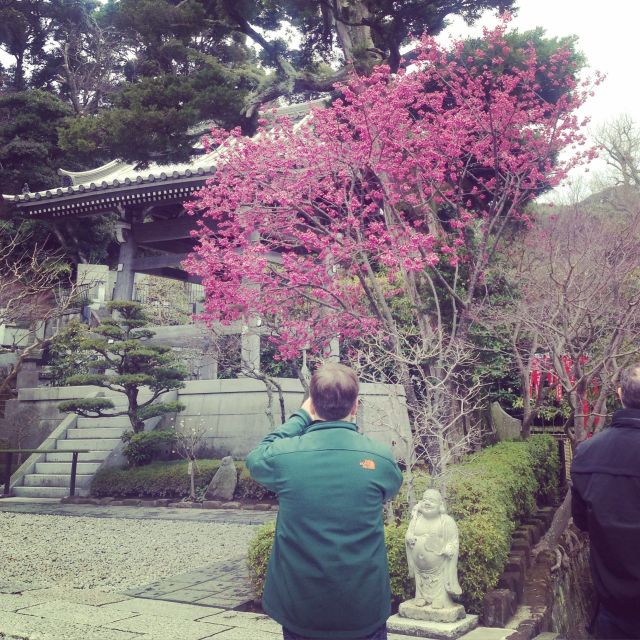
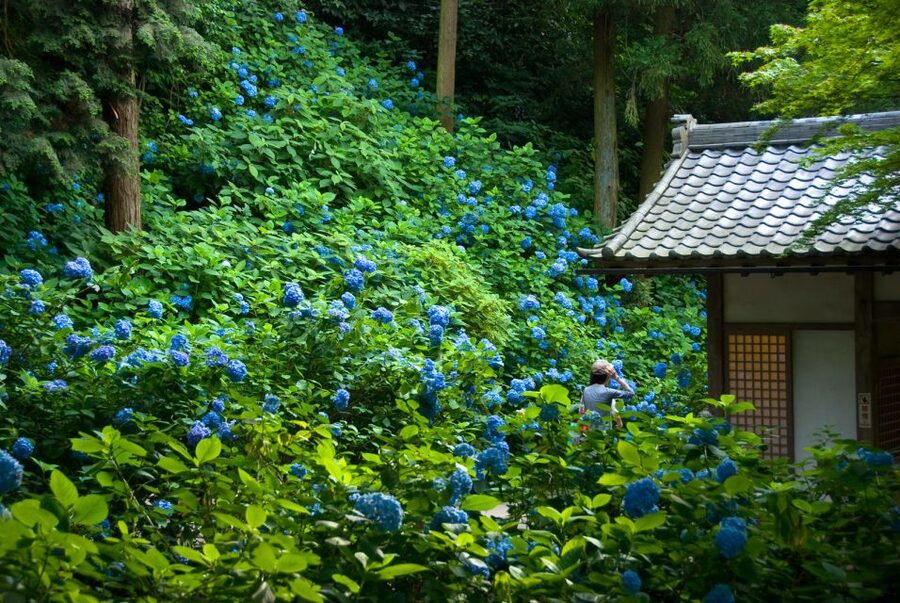
Next is Hase-dera (Hase Temple), one of Kamakura’s flower-famous stops. If you travel in hydrangea season, you are in the right place. Even when it is not peak bloom, the temple grounds are still designed for walking and looking slowly.
Hase-dera is also known for religious sights beyond the flowers. You will find different Buddhist figures and Kannon, along with gods tied to wealth. That combination is important for what the tour is trying to do: it is not just about architecture, it is about how visitors interact with belief in daily life. You will likely notice people pausing to pray or make wishes, and the guide can help translate the symbols so the moment feels meaningful instead of vague.
A practical note: this is where you might want to stop for a longer look. The pace here matters. If you rush, you miss the small details that make Hase-dera interesting, especially if you like the spiritual side of travel.
Also, do not underestimate how much this stop costs you in energy. You are still early in the day, but temple sightseeing can turn into “one more path” again and again.
A few more Kamakura days to weigh up
- From Tokyo: Kamakura & Enoshima 1-Day Bus Tour
★ 4.5 · 189 reviews - Kamakura Historical Walking Tour with the Great Buddha
★ 5.0 · 129 reviews - From Tokyo: Kamakura Full Day Tour with a Local Expert Guide
★ 4.6 · 43 reviews - From Tokyo: Kamakura Private Customize Tour by Luxury Van
★ 4.6 · 38 reviews
Lunch in Kamakura: local comfort, with an option if seafood is not your thing
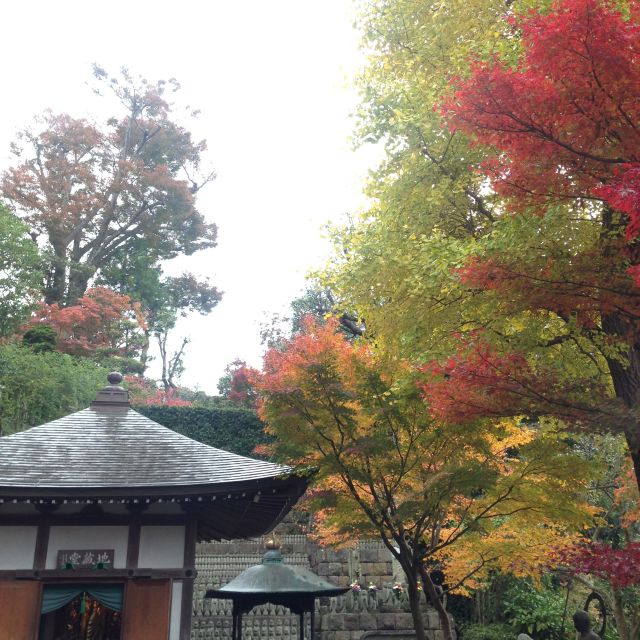
Lunch happens at a local restaurant. Kamakura is known for seafood, so if you like it, you are likely to enjoy the menu options. The tour includes lunch for the timing, but lunch itself is not included in the price.
The good part is that lunch can be adjusted if you request something else. If you do not eat seafood, you should tell your guide what you want before you order. That way the restaurant staff can guide you toward something that fits your preference without wasting time.
One detail I like about guided meals in Japan is how the guide can help you navigate what is actually on the plate. In past experiences with guides like Mina, support during the meal has been described as hands-on, including explanations and help choosing. Even if your meal order is simple, a quick translation of menu basics can save you from an awkward scramble.
Hokokuji Bamboo Forest: a quiet reset between big sights
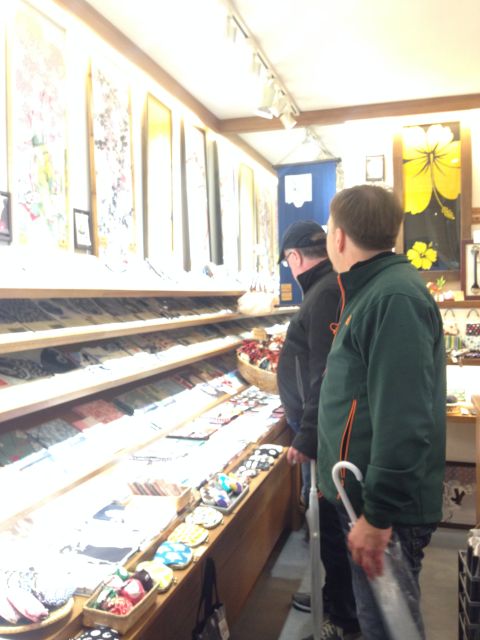
After temple streets and shrine energy, Hokokuji Bamboo Forest gives you a different kind of atmosphere. Bamboo forests have a calming effect even when you know nothing about them, but the value here is how it changes your pace. It is a good reset after busier stops.
You are also typically in a more shaded, photo-friendly setting. That matters because it is easier to slow down and look when you are not in full sun and crowds. The tour route uses bus or coach time to reach this stop, so you also get a bit of a break between walks.
If you like photography, this is the area where your camera will get used. If you do not, it is still worth it as a sensory change. The “quiet steps” feeling is the point.
Tsurugaoka Hachimangu and Komachi Dori: tradition plus shopping time
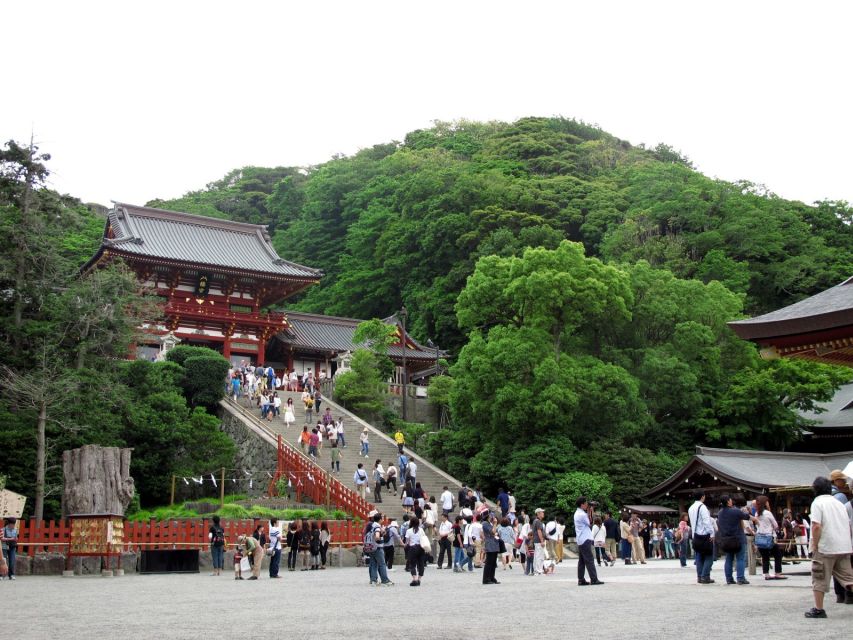
Then you move to Tsurugaoka Hachimangu, one of Kamakura’s major shrines. This is where the day leans into atmosphere and ceremonial space. Your guide can help you read what you are seeing, from the shrine setting to what worshippers tend to do there.
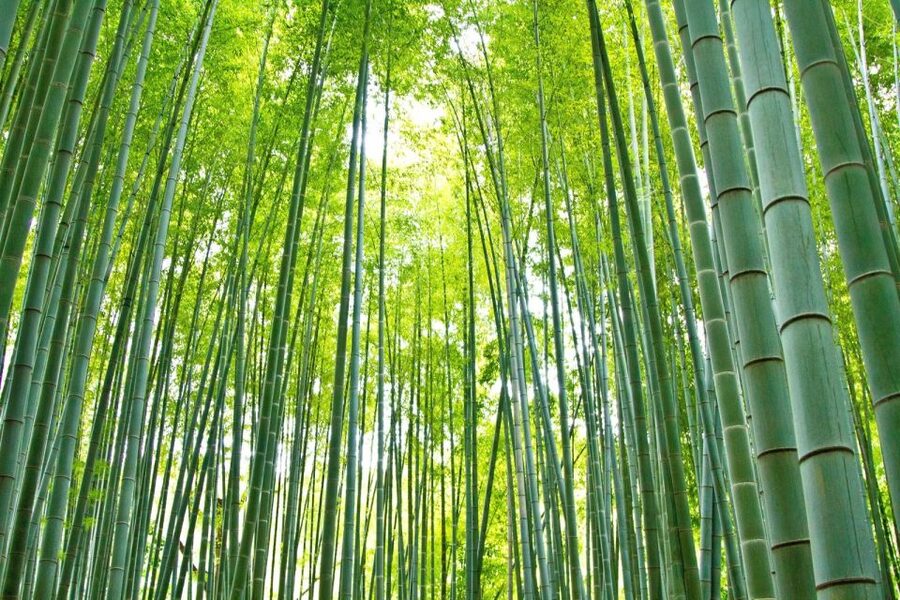
After the shrine, the tour shifts into shopping mode on Komachi Dori. This street is where Kamakura becomes a place for souvenirs you can actually enjoy using at home, not just generic gifts. In one experience, the guide even helped the group pick items with significance tied to the area, which is exactly what you want from shopping time. You are not just browsing, you are buying with context.
If you feel like the street still has more you want to explore, the tour allows you to stay longer for shopping after the main route ends. That flexibility is helpful because some people love shopping more than they expected, and others just want a quick walk. You get to choose.
Getting around all day: timing, walking, and what to bring
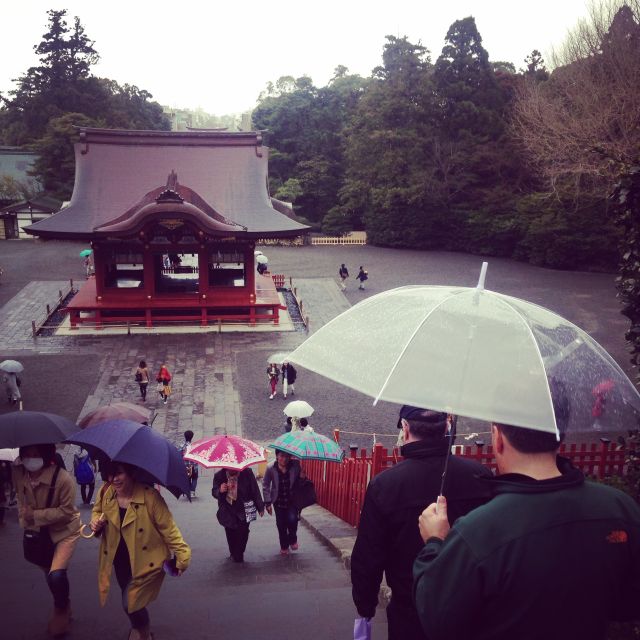
This is an 8-hour day, and it runs on a mix of rail and short transfers. The itinerary pacing keeps you moving, not sprinting. But you should still plan for a full day on your feet.
What to bring is simple: comfortable shoes. If you need to use elevators or want to avoid stairs, tell your guide early. The tour guidance specifically notes limited elevator or escalator availability at many stations.
Also, take travel insurance if you are traveling internationally. The tour info recommends it, and Japan is generally safe, but it is still smart for peace of mind.
If your schedule is tight, keep your expectations realistic. The tour will end at the planned time even if the start is delayed by group actions.
Enoden and local transit: why the ride is not just transportation
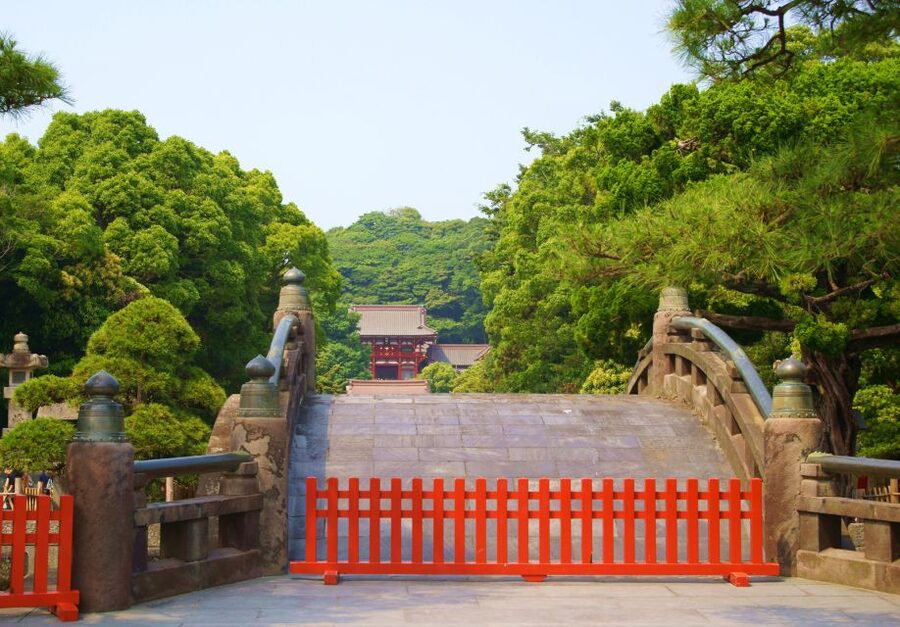
You might think the Enoden train is a small detail. It is not. Local trains in Japan are one of the best ways to feel a place without trying too hard.
The Enoden ride gives you a break from temple walking while still keeping you in Kamakura’s everyday setting. It also helps the day feel like a journey rather than a series of checkpoints. If you like public transport, this is one of the moments you will remember because it is local, small, and calm.
Even if you are not a train person, it can be a highlight. Reviews have praised the way guides navigate the day efficiently using public transportation, so you spend less time lost and more time looking.
Price and value: what $530 covers, and where your spending might land
The price is $530 per group, up to 6 people, for an 8-hour private tour. That makes it good value when you share the cost with friends or family. At the maximum group size, you are effectively paying about $88 per person, which is the kind of math that turns a guided day into a practical choice. If you travel as two, it becomes closer to $265 per person, so you will want to compare it to what you would pay for a self-guided day plus guide time.
What is included: a professional local guide, plus pickup in Tokyo (Tokyo’s 23 wards, from your hotel lobby). The guide helps with the route, the explanations, and the “what matters here” context.
What is not included: transportation fees for guests, entrance fees for guests (and for the guide only when needed), and lunch for guests and guide. Those costs can vary, so build some buffer into your budget for transit tickets and entry fees.
Where this tour often justifies itself: you are buying time, clarity, and reduced stress. If you have ever tried to plan Kamakura efficiently while also enjoying the day, you know how quickly that turns into a logistics project. A good guide turns it into a walk you can enjoy.
Who this Kamakura day trip is best for
This tour is a strong fit if you want an organized Kamakura day without doing the heavy planning. It is also a good choice if you care about learning what you are looking at. The guides associated with these experiences have been praised for explaining the temples, shrines, and the history behind the scenes, and for keeping the pace attentive.
It also suits people who want a mix of experiences: outdoor Buddha, flower temple, bamboo forest calm, major shrine, and shopping time. If you only want one vibe, you might feel the day is too varied. But if you want balance, this route hits a lot of bases.
If you have specific food needs, tell your guide for lunch. The tour notes that other food can be arranged if you do not like seafood, which is a relief if that is your concern.
And if you travel in a language group, the tour offers live guidance in English, French, German, and Spanish. In busier seasons (March to May, and September to November), guide availability in specific languages may be limited, so booking early is smart.
Should you book this Kamakura private tour?
I would book it if you want a well-paced Kamakura day with local guidance, especially if you like the idea of learning while you walk. The open-air Great Buddha and Hase-dera flower temple are the kind of sights that are easier to enjoy when someone explains what matters. Add the Enoden ride and the bamboo forest reset, and you get a day that feels more complete than a rushed DIY route.
I would hesitate if you hate walking and stairs, because this day uses public transport and includes temple grounds. I would also reconsider if you are trying to maximize budget and you will only pay for a guide when needed. Since entrance fees and transportation for guests are not included, your final cost may be higher than the headline price.
If you do book, do two simple things: wear good shoes, and tell the guide what you need, including any stair concerns and food preferences.
FAQ
How long is the Kamakura tour?
The tour runs for 8 hours.
Where is pickup in Tokyo?
Pickup is included from the lobby of your hotel in Tokyo’s 23 wards.
What are the main sights on the tour?
The tour includes Kōtoku-in (Great Buddha), Hase-dera, Hokokuji Bamboo Forest, Tsurugaoka Hachimangu, and shopping time on Komachi Dori Street. You also ride local transport, including the Enoden.
Is lunch included?
No. Lunch is not included for guests and the guide.
Are entrance fees included?
No. Entrance fees are not included for guests, and the guide joins only when needed.
What languages is the live guide available in?
The tour offers a live English guide, and guides are also available in French, German, and Spanish.
Newly listed around Kamakura
- Oiso: Adventure Hike to See Mt. Fuji & Historic Coastal Walk★ 5.0 · 10 reviews
- Kamakura: Private History and Heritage Tour by Rickshaw★ 4.9 · 7 reviews
- Kamakura Private Custom Tour with Local Guide★ 5.0 · 7 reviews
- Kamakura: Walking Tour through the City of Samurai★ 4.9 · 12 reviews
- Kamakura: Half day Walking tour & Japanese sweets★ 5.0 · 11 reviews
- Kamakura: Daibutsu Hiking Trail Tour with Local Guide★ 5.0 · 10 reviews
- Kamakura Half Day Tour with a Local Expert Guide★ 4.4 · 23 reviews
- Kamakura; First Samurai Capital walking tour★ 5.0 · 8 reviews
Shrine & Temple Visits, compared.
Fushimi Inari, Kinkakuji, Bamboo Grove 1 Day Bus Tour
Read our review →
Meiji Shrine, Asakusa, Skytree Bus Tour and Cruise
Read our review →
Fushimi Inari Hidden Hiking Tour (Private Option Available)
Read our review →
Osaka/Kyoto:Kinkakuji,Arashiyama,FushimiInariShrine,NaraPark
Read our review →
Asakusa Walking Tour with Sensoji Temple Visit
Read our review →
Nikko: Kegon Falls, Lake Chuzenji & Toshogu Temple
Read our review →
Kamakura & Enoshima Day Trip including Temple Tickets
Read our review →Browse the lists this tour appears in