
Review · GEISHA DISTRICT WALKS
Kyoto Gion Tea ceremony & Wabi-sabi Walking Tour
Kyoto’s tea culture is quiet, not flashy. This tour mixes a walk through Gion and Higashiyama with hands-on lessons in wabi-sabi, then finishes with a tea ceremony where you choose a seasonal bowl and taste matcha with a small snack.
I like how the guide connects daily objects to the deeper idea of beauty in Japan, not just the mechanics of making tea. You also get temple time with stops tied to the Zen world, so the wabi-sabi lessons feel grounded, not like a lecture in the street.
One drawback to plan around is timing. The itinerary is paced and the tour must start on time, and if you show up late you can miss parts of the day, including the tea ceremony.
In This Review
- Key things to know before you go
- Starting in Gion with the right mindset
- Gion stroll, matcha stop, and Zen-world context
- Kenninji to Higashiyama: how the stops support wabi-sabi
- Entoku-in and the calm temple pauses
- Choosing a tea bowl and tasting matcha like a ritual
- What $92 buys you in Kyoto time and access
- Guide style and the biggest praise points
- Timing, clothing, and weather reality in Kyoto
- Who this tour suits best
- Should you book the Kyoto Gion Tea ceremony & Wabi-sabi tour?
Key things to know before you go
- Small group size capped at 7, which helps keep the tea ceremony experience calm.
- Tea ceremony + matcha included, with a small seasonal snack.
- Wabi-sabi focus that shows up in bowls, pottery, and the way you look at imperfections.
- Temple visits with entrance fees included for two temples during the walk.
- Strict start time matters, so confirm your meeting time and be early.
- Not wheelchair accessible, and some stops are not stroller-friendly.
Starting in Gion with the right mindset
The tour begins at the Izumo no Okuni statue outside Exit 5 of Gion Shijo Station on the Keihan Line. Your guide meets you in front of the statue holding an orange signboard that says Magical Trip Tour. It’s an easy-to-find spot once you’re at the right exit, which matters because the day runs on schedule.
From there, you head into Gion, where the streets and shopfronts do more than look pretty. The guide frames what you’ll see in terms of how Japanese tea culture treats everyday things as meaningful. If you’re new to the idea of wabi-sabi, this is a good entry point because the walk gives you context before the ceremony.
A practical note: the tour is 210 minutes, so it’s not a quick taste. You’re walking through several areas and temple grounds, with short guided segments that add up.
More Tea Ceremonies in Kyoto
- Kyoto: Tea Ceremony in a Traditional Tea House in Kiyomizu
★ 4.9 · 3,519 reviews - Kyoto: Tea Ceremony Ju-An at Jotokuji Temple
★ 4.9 · 3,207 reviews - Kyoto: 45-Minute Tea Ceremony Lesson Experience
★ 4.3 · 2,378 reviews
Gion stroll, matcha stop, and Zen-world context
The Gion portion is designed to set your senses up for what comes next. You’ll stroll with your English-speaking guide (the group size is limited to 7) and make at least one stop at a matcha shop. This helps you understand matcha not just as a drink, but as a cultural thread that connects food, tools, and aesthetics.
Then the day moves toward Kenninji Temple. This is the oldest Zen temple in Kyoto, and it’s one of those places where wabi-sabi makes more sense the longer you stand there. The guide explains background connected to tea and the Zen atmosphere, so you’re not just ticking off a site. It’s also a useful rhythm shift: city streets, then temple calm.
Kenninji is on the schedule for about 30 minutes with guided time. Entrance fees are included for the temples, so you avoid small surprise costs when you’re already planning your day around Kyoto’s sights.
Kenninji to Higashiyama: how the stops support wabi-sabi
After Kenninji, you spend time in Higashiyama Ward, and the tour keeps moving in short guided windows. There are multiple Higashiyama segments on the itinerary, each around 10 minutes for visits and sightseeing. This matters because it keeps your attention on small details rather than making everything feel like a long march.
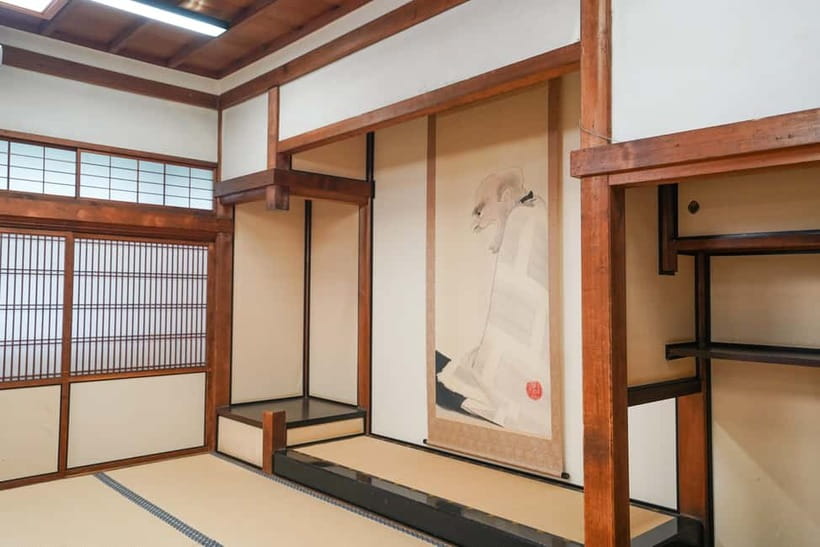
One of the most interesting parts is the way the guide uses art and objects as teaching tools. You’ll see Japanese paintings and a karesansui, which is a dry landscape Zen garden. The effect is subtle: you start noticing how meaning is created through restraint, and how nature and imperfection become part of the aesthetic.
You’ll also get a craft and shopping element built in, including a chance to see wabi-sabi tea bowls at a traditional pottery shop. Even if you don’t buy anything, it’s worth paying attention to the shapes, glazes, and textures. The guide’s point is that the beauty is often in what looks lived-in, slightly imperfect, or naturally changing over time.
This is where the tour’s theme clicks. Wabi-sabi isn’t only about cracked pottery or rustic looks. It’s about appreciating the inside beauty, the quiet depth that comes from how things age and how they reflect nature.
Entoku-in and the calm temple pauses
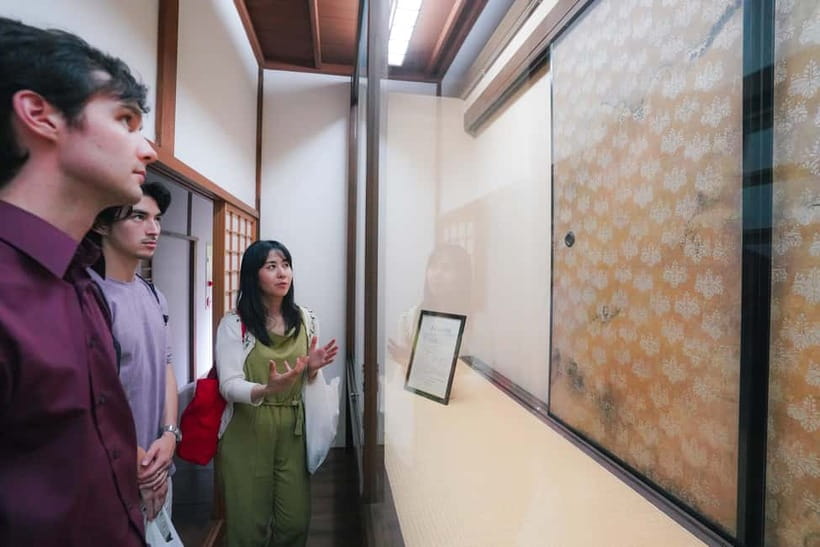
One of the temple stops later in the walk is Entoku-in. This portion runs about 30 minutes and is another place where the guide can connect what you’re seeing to the tea mindset.
The tour description emphasizes quiet, art, and Zen garden views during the day. Since Entoku-in is the later temple segment on the schedule, this is likely where you slow down the most visually. If you’ve visited temples before, you’ll recognize the pattern: you don’t just see the garden, you learn to look.
This is also a good moment to take a breath. Kyoto’s Higashiyama can feel busy, even on calmer streets. A timed stop like this keeps the day from becoming only crowds and photos. It’s also a helpful break before the tea ceremony slot.
More Walking Tours in Kyoto
- Kyoto Geisha Walking Tour: Gion District & Hidden Gems
★ 4.7 · 3,273 reviews - Kyoto: Gion Geisha District Walking Tour – Stories of Geisha
★ 4.7 · 2,187 reviews - Night Walk in Gion: Kyoto’s Geisha District
★ 4.5 · 2,003 reviews - Kyoto Gion Geisha District Walking Tour – The Stories of Geisha
★ 5.0 · 1,441 reviews
Choosing a tea bowl and tasting matcha like a ritual
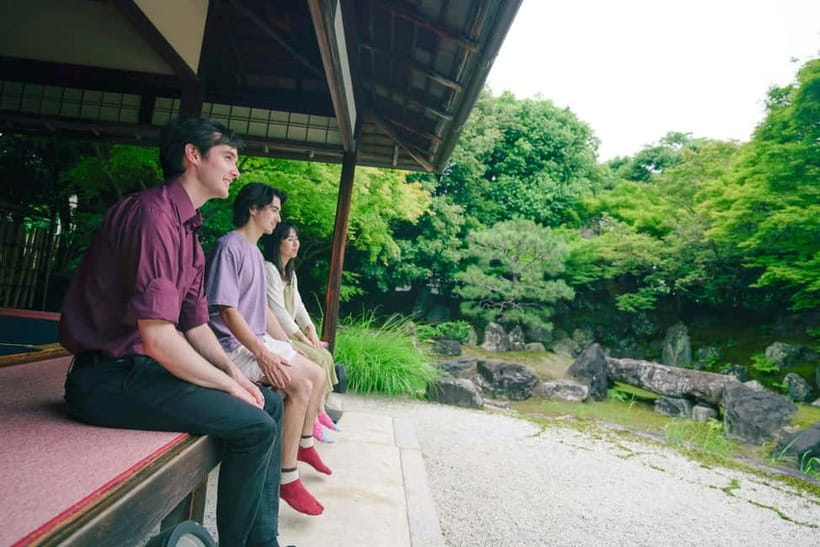
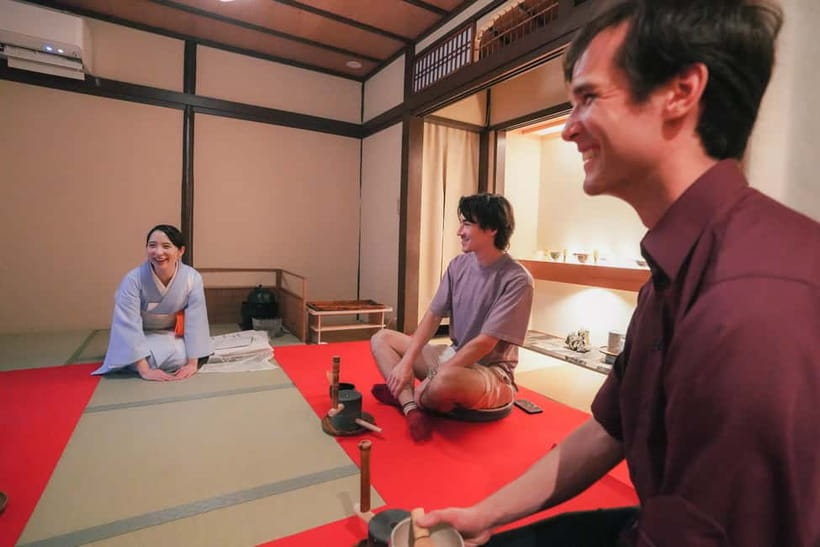
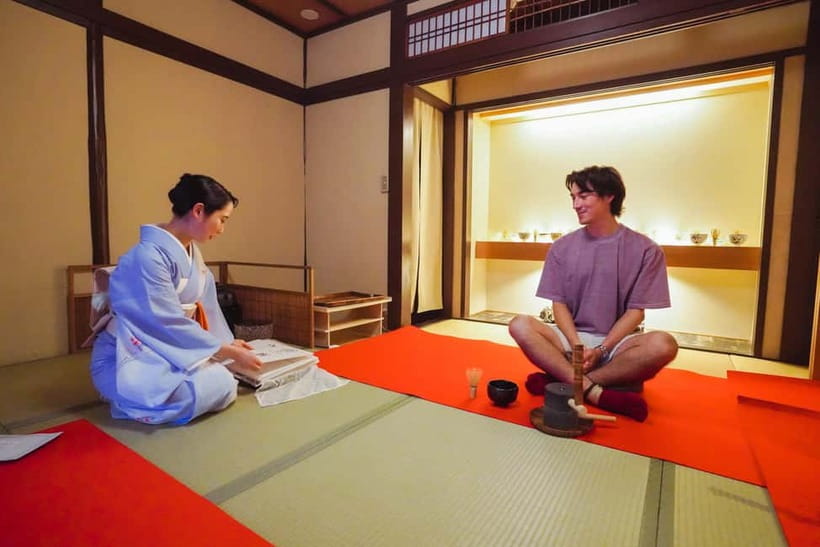
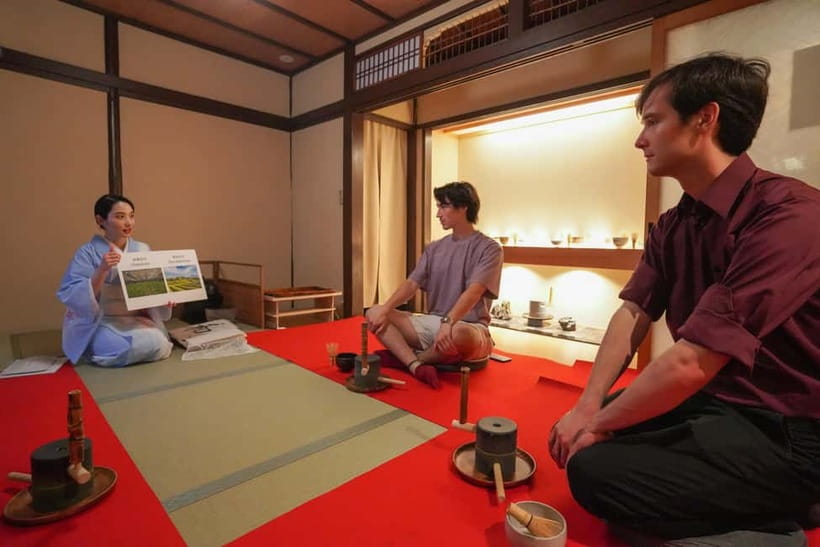
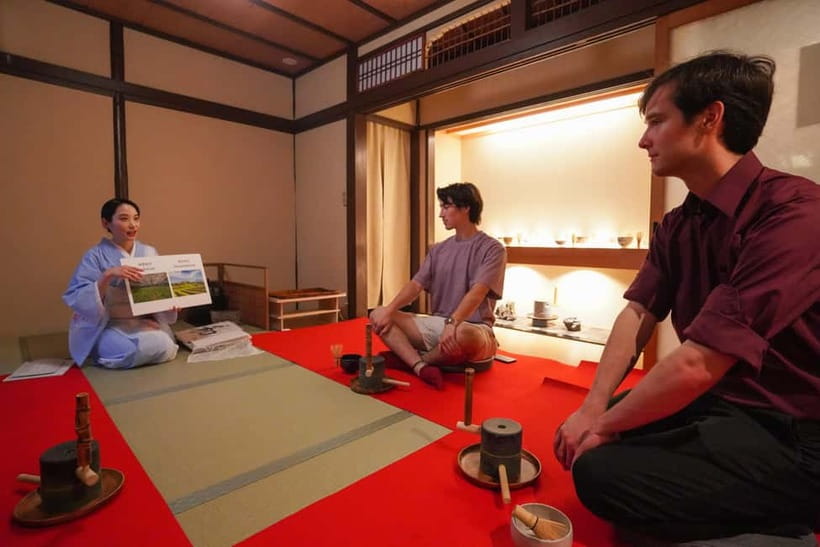
The tea ceremony happens toward the end of the experience, with about 45 minutes reserved for it. This is the heart of the tour, and it’s where the wabi-sabi theme becomes physical.
You’ll experience an authentic ceremony under a tea master. Then you choose a tea bowl based on season and taste, which is a bigger deal than it sounds. A bowl isn’t just a container here. It’s part of the feeling of the moment, and the guide’s explanations help you see why seasonal choice matters.
You’ll drink matcha along with a small seasonal snack. The ceremony isn’t presented as a performance for tourists. The focus is on how tea culture treats beauty as something internal and personal, not only something you see from the outside. That idea shows up in how the guide talks about utensils and how you’re encouraged to pay attention during each step.
If your goal is to understand Kyoto beyond temples and photo stops, this part gives you a more emotional souvenir. Not the kind you buy, but the kind that changes how you look at ordinary objects afterward.
What $92 buys you in Kyoto time and access
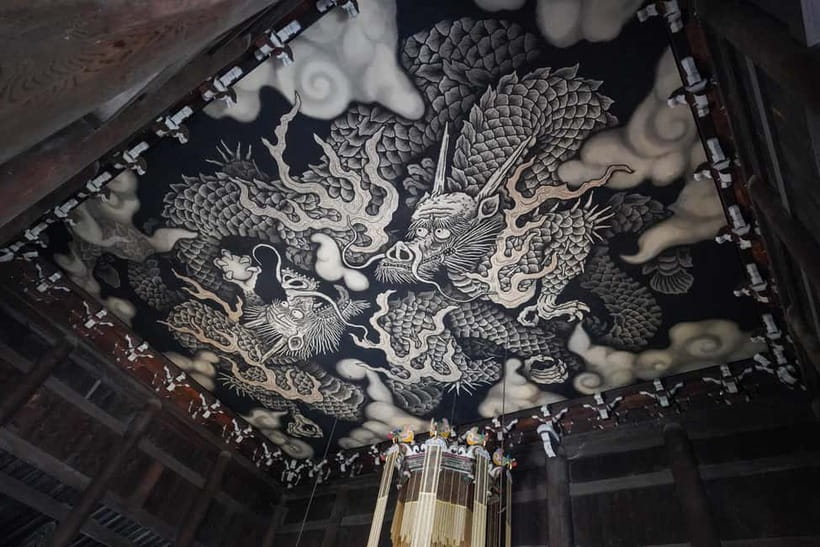
At $92 per person for 210 minutes, you’re paying for two things you usually cannot easily piece together on your own.
First, you’re buying an organized route through Gion and Higashiyama with temple entrance fees included for two temples. Second, you’re buying an English-speaking guide who ties it together with tea culture and wabi-sabi philosophy.
In Kyoto, a tea ceremony can be easy to find, but the value is in the lead-in. This tour builds a path from historical and Zen context, through crafts and garden atmosphere, into the ceremony itself. If you’re the type who likes to know why you’re doing something, not just what it looks like, that context makes the price feel more reasonable.
For budget planning, treat this as a half-day anchor. You’ll still do other Kyoto sights on either side, but this is not the kind of tour you slot randomly. Pick a day when you can arrive early and stay present for the full walk.
Guide style and the biggest praise points
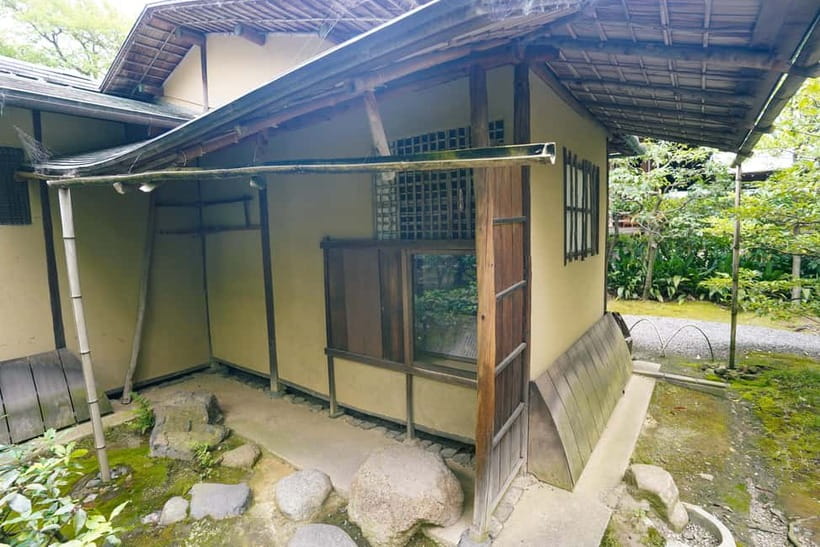
The strongest praise on this experience is usually consistent in a few areas.
The first is the guide’s explanations during the walk and at the ceremony. When your guide connects tea tools, temple atmosphere, and wabi-sabi ideas, the tea ceremony stops feeling like a standalone activity. You start noticing small details without needing a script.
The second is authenticity and calm. The ceremony experience is repeatedly described as very authentic, and the matcha tasting is treated as part of a paced ritual. That calm tone matters because it makes the 45-minute ceremony feel unhurried rather than rushed.
The third is the combination of hands-on and visual learning. You’re not only listening. You see tea bowls and craft textures, and you spend time in Zen garden and painting settings. That mix helps you understand wabi-sabi as an everyday way of seeing, not just a buzzword.
If your guide happens to be Masa, the explanation style gets called out specifically, including how helpful and kind the guidance feels. Even if you do not get that exact name, aim for this kind of interaction: questions, context, and a guide who can translate philosophy into things you can observe.
Timing, clothing, and weather reality in Kyoto
This is a walking-heavy half-day. The itinerary includes several locations that are not accessible by wheelchair or stroller, so plan on sturdy walking shoes and normal mobility.
Japan’s weather can swing hard. Summers can reach around 40°C (110°F), and winters can drop to about -5°C (20°F). That means hydration and layers matter. Since tea ceremony schedules you indoors and outdoors earlier in the day, you’ll want to be comfortable in both modes.
Also, the tour must start on time. If you arrive late and miss the group start, you cannot join and you will not get a refund or reschedule. The tea ceremony is at the end, so lateness doesn’t only affect your arrival, it can affect whether you still get the ceremony portion at all.
Who this tour suits best
This tour fits best if you want more than a standard sight-seeing checklist.
You should strongly consider it if you:
- like Japanese culture explanations that connect objects to ideas
- want an authentic tea ceremony with matcha included
- enjoy temple atmosphere and quiet garden visuals
- prefer a small group day where you can hear the guide
You might skip it if:
- you need wheelchair access or stroller access, since some stops are not accessible
- you want a flexible schedule with lots of wandering time, because the day is paced
- you are traveling with very young children who cannot participate inside the ceremony space
There’s also a key age rule. Tea ceremony participation is only for guests who are 6 years old or older. Younger children can come with an adult, but they need to stay outside the facility during the ceremony.
Should you book the Kyoto Gion Tea ceremony & Wabi-sabi tour?
Book this tour if your Kyoto trip has a “slow down and learn” day. It’s one of the better ways to connect Gion and Higashiyama sights to a tea ceremony that actually reflects wabi-sabi ideas, not just the act of drinking matcha.
Skip it if your schedule is fragile or you arrive late. The experience depends on a timed flow, and missing the start can mean missing the ceremony.
If you can show up early, walk steadily, and you like culture explained through real objects and real spaces, this is a smart value use of half a day in Kyoto.
Popular Geisha District Walks in Kyoto
- Best of Kyoto: Gion, Geisha, Pagodas & Cobblestones
★ 4.9 · 2,058 reviews - Kyoto Night Foodie Tour in Gion (9+ dishes + 6 Sake tastings)
★ 5.0 · 1,762 reviews - Kyoto: Gion Magical Night Walking Tour with Geisha Insights
★ 4.9 · 1,286 reviews - Kyoto Gion Night Walk & Geisha District Guided Tour
★ 5.0 · 786 reviews
Newly listed around Kyoto
- Taste of Nishiki Market Walking Food Tour with Local guide★ 5.0 · 17 reviews
- Kyoto: Sushi Making Class with Sushi Chef★ 4.8 · 64 reviews
- Simple Plan with Maiko★ 4.4 · 10 reviews
- Shibori Furoshiki Course at Kyoto Shibori Museum★ 5.0 · 21 reviews
- Kyoto: City Secrets eBike Tour★ 4.9 · 196 reviews
- Sacred Pathways: Discover the Philosopher’s Path of Kyoto★ 4.9 · 20 reviews
- Private Tour to Monkey Park and Arashiyama Highlights★ 5.0 · 22 reviews
- Private Nara Tour from Osaka – Meet at Your Hotel★ 5.0 · 22 reviews
Geisha District Walks, compared.
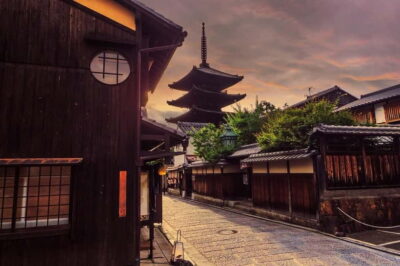
Kyoto Geisha Walking Tour: Gion District & Hidden Gems
Read our review →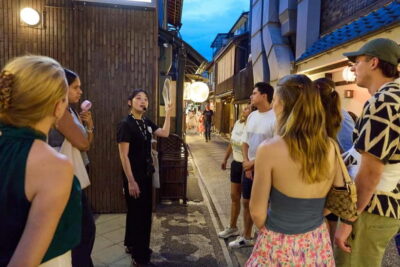
Gion Geisha District Walking Tour – Stories of Geisha
Read our review →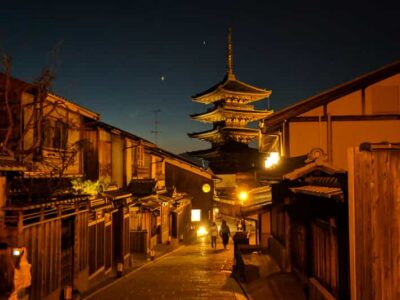
Best of Kyoto: Gion, Geisha, Pagodas & Cobblestones
Read our review →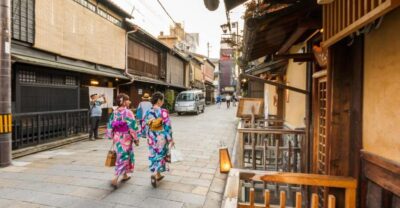

Kyoto Night Foodie Tour in Gion (9+ dishes + 6 Sake tastings)
Read our review →
Kyoto Gion Geisha District Walking Tour – The Stories of Geisha
Read our review →
Gion Magical Night Walking Tour with Geisha Insights
Read our review →
Kyoto Gion Night Walk & Geisha District Guided Tour
Read our review →Browse the lists this tour appears in