Review · GUIDED
Kyoto/Osaka: Kyoto and Nara Customized Private Guided Tour
Kyoto and Nara in one smooth day. This private car tour strings together Arashiyama bamboo, Fushimi Inari torii gates, and the gold-leaf Kinkaku-ji, with an English-speaking guide you can add. I like that the day feels organized but still flexible, especially if you end up with a patient guide like Abdullah.
I love the customizable flow, so you can decide what gets more time, and what you skip. I also like that pickup and drop-off options (Kyoto, Osaka, or Nara) keep you from wasting energy on transfers.
The only real drawback is that 10 hours means you have to be efficient, and tickets and lunch are not included.
In This Review
- Key highlights worth planning around
- Why this Kyoto and Nara one-day route makes sense
- Pickup, car comfort, and how the timing usually feels
- Arashiyama Bamboo Forest: seeing it before the crush
- Kinkaku-ji Golden Pavilion: the gold-leaf moment you actually remember
- Fushimi Inari Taisha: torii gates plus a sanity-saving game plan
- Gion and Nishiki Market: culture plus food-and-shopping time
- Kiyomizu-dera: why it deserves more than a photo stop
- Customization with your guide: what it really changes
- The drive to Nara: using the transit time well
- Nara Park and Todai-ji: deer encounters and a major temple stop
- Optional add-ons that fit different interests
- Price and value: what you get for about $477 per group
- Who should book this, and who might skip it
- Should you book this Kyoto and Nara private guided car tour?
- FAQ
- What is the duration of the Kyoto and Nara customized private guided tour?
- How many people can be in a group?
- Where does pickup happen, and what are the drop-off options?
- Is a guide included, or is it only a driver?
- What are some of the main stops on the itinerary?
- Is lunch included in the price?
- Are entrance tickets included?
- Is Wi-Fi available during the tour?
- Is the tour wheelchair accessible?
- What is the cancellation policy?
Key highlights worth planning around
- Arashiyama Bamboo Forest photo stops with guided context, not just a quick walk-by
- Kinkaku-ji (Golden Pavilion) with time to see the top floors covered in gold leaf
- Fushimi Inari Taisha for that iconic vermilion torii-gate corridor
- Gion and Nishiki Market mix temple calm with lively streets and snacks
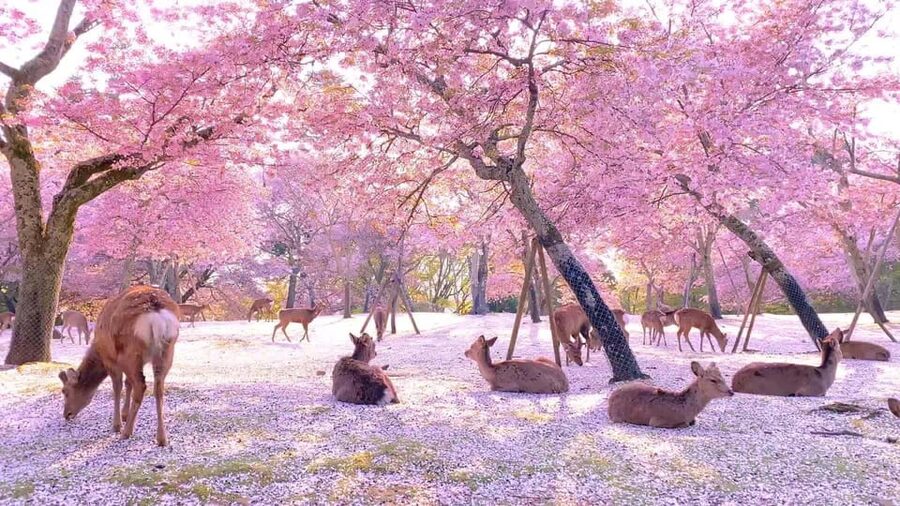
- Nara Park and Todai-ji for deer encounters plus a major temple visit in one go
- Private group up to 6 with route planning that can be adjusted to your pace
Why this Kyoto and Nara one-day route makes sense
Kyoto and Nara can eat your day if you do them the hard way. This tour solves the big problem: logistics. Instead of bouncing between stations, you get a comfortable private vehicle and a plan that moves you point to point.
The other win is that the itinerary is built around contrast. You go from bamboo and temple courtyards, to shrines with long lines, to a market area for shopping and breaks, and then to Nara where the vibe shifts to deer, big halls, and parks. That variety is part of why one day can feel like you saw a lot.
You still get flexibility. The tour is designed as fully customizable, so your day can lean more cultural (shrines, temples, history from your guide) or more practical (photo stops, less walking routes, and smarter timing).
A few more Kyoto days to weigh up
- PERFECT KYOTO 1-Day Bus Tour
★ 5.0 · 13,518 reviews - Kyoto: Fushimi Inari, Kinkakuji, Bamboo Grove 1 Day Bus Tour
★ 4.8 · 4,316 reviews - Kyoto: Tea Ceremony in a Traditional Tea House in Kiyomizu
★ 4.9 · 3,519 reviews
Pickup, car comfort, and how the timing usually feels
You start with hotel pickup in Kyoto or Osaka, and you can often choose pickup and drop-off patterns that match where you are staying. In the basic outline, the tour runs about 10 hours, so you’re not doing a slow drip of sights over several days.
The vehicle is private and meant to be comfortable, and you’ll have a Wi-Fi hotspot in the car. That sounds small, but it helps a lot when you’re bouncing between crowded streets and need maps, translation, or just a quick way to confirm meeting points.
One more practical detail: your schedule is not just a rigid checklist. After booking, you liaise with the provider to shape your plan for the day. On top of that, you can add an English-speaking guide option if you want someone to explain what you’re seeing, not just drop you at the entrance.
In the best version of this day, you do just enough walking to feel you earned the sights, and you use the car time to rest your legs. That matters if you have older family members, a small kid, or anyone who does not love long museum-style pacing.
Arashiyama Bamboo Forest: seeing it before the crush
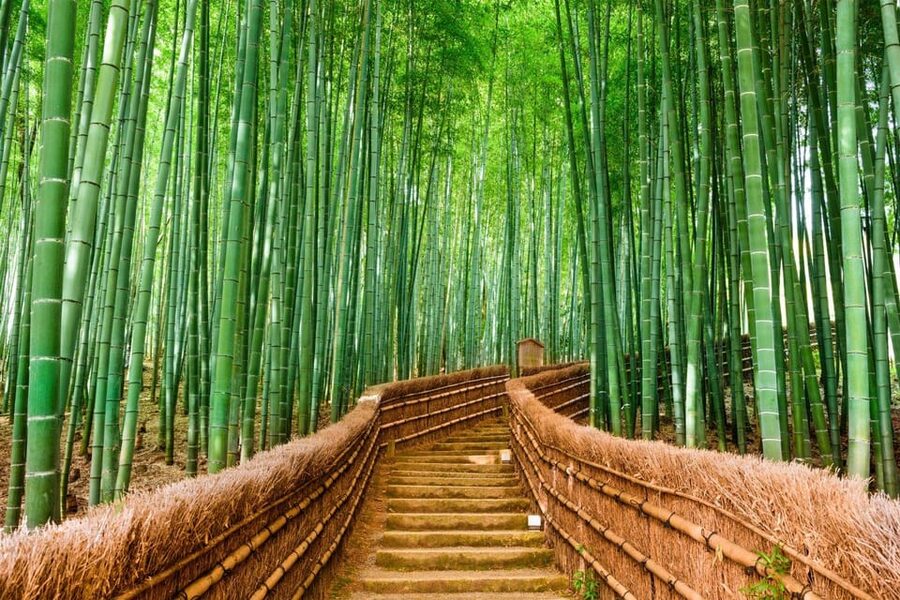
Most first-timers walk into Arashiyama like it is just scenery. This stops you from that mistake by giving you a real introduction and a clear window for photos and sightseeing.
Arashiyama Bamboo Forest is a high-demand stop. Expect it to be busy, especially mid-day. The payoff is the scale. Those towering stalks feel like they keep going forever, and your guide can help you understand what you’re looking at and where to stand for the best views.
The tour typically builds in about one hour for Arashiyama, including a photo stop and sightseeing. That timing is realistic for bamboo, where the area is crowded and the line for a good shot can take longer than you expect.
If you’re trying to avoid stress, tell your guide you want a calm route, and ask what time of day works best for photos. Many guides will plan around your preferences as they sequence the day.
Kinkaku-ji Golden Pavilion: the gold-leaf moment you actually remember
Kinkaku-ji is the kind of site where photos can do it justice, but only partly. The real experience is in seeing the reflective gold leaf up close and watching how it changes with light and angle.
This tour includes a dedicated visit with photo stop and guided time, about one hour in the plan. That gives you enough time to notice details on the top floors, take the classic viewpoint shots, and still have a moment to just sit and look.
The practical value of having a guide here is context. You get the why, not just the where. And if you care about temple layout, symbolism, or the big historical themes, your guide can explain while you stand in the right spot.
One caution: because Kinkaku-ji is popular, crowd flow can be slow. If you have limited patience for queues, ask your guide to prioritize timing and movement so you’re not stuck waiting longer than needed.
A different sort of day in Japan:
- Kyoto Geisha Walking Tour: Gion District & Hidden Gems
★ 4.7 · 3,273 reviews - Kyoto: Tea Ceremony Ju-An at Jotokuji Temple
★ 4.9 · 3,207 reviews - Kyoto: 45-Minute Tea Ceremony Lesson Experience
★ 4.3 · 2,378 reviews - Kyoto: Gion Geisha District Walking Tour – Stories of Geisha
★ 4.7 · 2,187 reviews
Fushimi Inari Taisha: torii gates plus a sanity-saving game plan
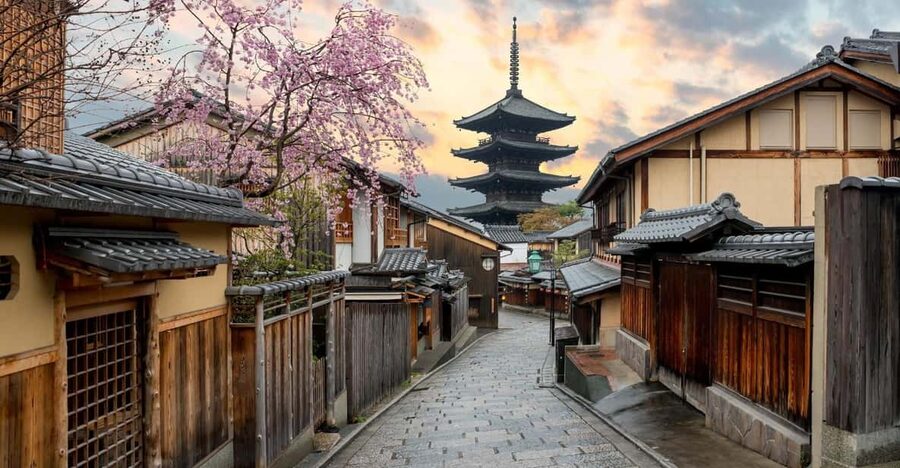
Fushimi Inari is one of those places that looks simple from a distance, then becomes surprisingly intense up close. The never-ending vermilion torii gates can pull you forward, and it’s easy to lose time.
This tour includes a dedicated stop with photo stop, guided sightseeing, and about one hour allotted. That time is important. You can do a meaningful walk through the gates without turning your entire day into a stair marathon.
A good guide helps you pace it. You can aim for the views that hit the most iconic lines of sight, then turn back before you get worn out. In the best case, you’ll get the shrine areas plus enough time to absorb the atmosphere and take photos without feeling rushed.
Also, be ready for crowds. If you do not like them, tell your guide upfront. One of the best uses of a private tour is controlling the day, not just suffering through it.
Gion and Nishiki Market: culture plus food-and-shopping time
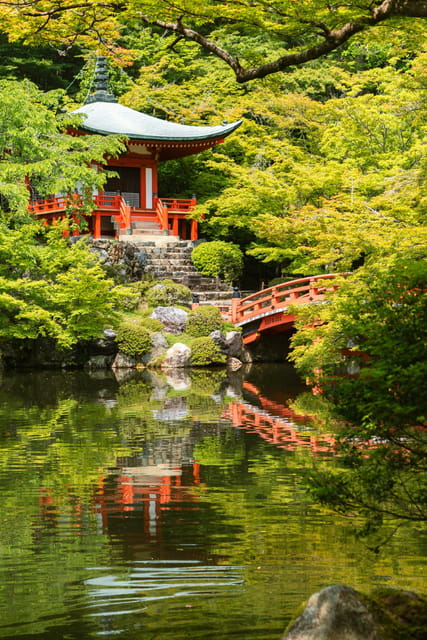
Kyoto without Gion feels incomplete to many people. This tour typically includes Gion with a visit and guided sightseeing, then it adds Nishiki Market as a dedicated shopping and break stop.
The rhythm matters. After temples and gates, you get streets where people watching is half the fun. Gion is also a smart place to walk, because it is easier to explore at a comfortable pace when you are not constantly checking trains or bus routes.
Nishiki Market is built for a break. The plan gives about one hour for shopping and time to stop and eat. Since lunch is not included, this is a good moment to grab something quick, or to take a planned meal break if your guide recommends where to go.
If you like shopping, tell your guide what you want: snacks, small souvenirs, tea items, or something more practical. Guides often tailor recommendations to your tastes, which saves you from wandering aimlessly in a busy market.
Kiyomizu-dera: why it deserves more than a photo stop
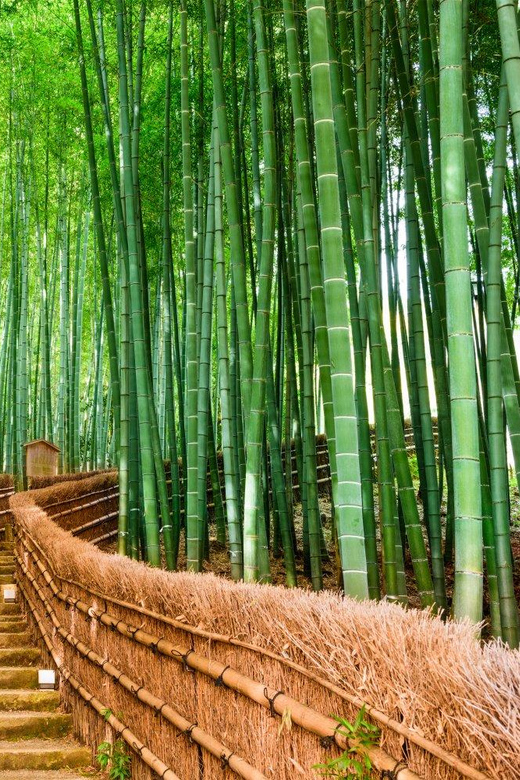
Kiyomizu-dera is another temple that benefits from time and guidance. Even if you have seen it in photos, being there in person feels different, because you notice the architecture, the courtyards, and the way visitors flow through the space.
This tour includes Kiyomizu-dera as a stop with visit and guided sightseeing, again about one hour in the plan. That is enough time to see the highlights, get oriented, and move through at a pace that does not make you feel like you are sprinting.
Your guide can also help you decide how much of the grounds to cover within your schedule. Since your day is customizable, you can ask to spend more time here if temples are your top priority.
If you are trying to keep walking manageable, ask about route choices at each stop. Several guides in this tour style are used to working with families and mixed ages, including people who prefer fewer stairs and shorter paths.
Customization with your guide: what it really changes
This is where the private format earns its keep. The tour is not just a pre-set circuit. You plan the day with the provider after booking, and you can adjust once you’re on the ground.
In practice, this can look like:
- choosing which Kyoto temples to emphasize (Kinkaku-ji, Kiyomizu-dera, Ginkaku-ji, and others that may fit your interests)
- deciding whether you want more explanation at each stop or more time to roam
- reordering the sequence to reduce crowd pain and travel time
Guides in this program often handle the tricky parts that can ruin a self-planned day. They handle pacing, meeting points, and the practical rhythm of seeing a lot in one go.
You might meet guides like Abdullah, Usama, Ali, Talha, Khan, or Sha depending on your booking. The common thread in the guide style is clear communication and a patient approach, including helping families keep up, planning around requested interests, and making the day feel stress-free.
If you have a specific goal, tell your guide early. For example, if you want a sunset-like feel at a temple, or you want Nara in the morning for calmer conditions, that is the kind of request that works best when you raise it at the start.
The drive to Nara: using the transit time well
The Kyoto to Nara shift can be where many DIY plans fall apart. This tour includes a planned transit block, with about 45 minutes noted as van time in the basic outline.
That matters because you arrive without the uncertainty of train timing and station changes. It also gives you a moment to reset: use the Wi-Fi hotspot, re-check your plan, and let your legs rest.
Even if your day is packed, this kind of planned travel time makes the rest of the itinerary feel more controlled. And because it is private, you can pause or adjust if your group needs it.
Nara Park and Todai-ji: deer encounters and a major temple stop
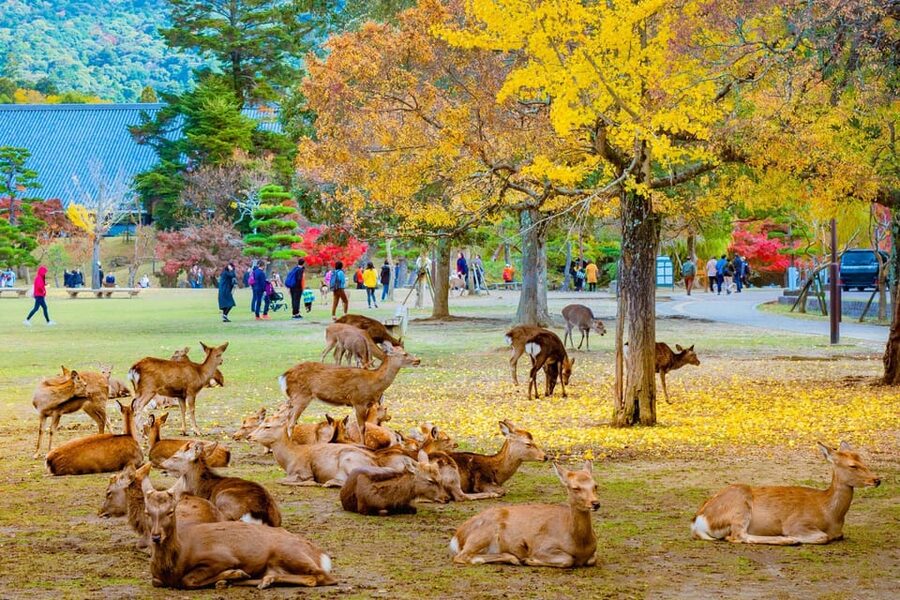
Nara Park is iconic for one reason: the deer. The moment you step into the park, it becomes interactive. You’ll have close-up encounters, and it’s a fun chaos if you enjoy animals.
The tour typically includes about one hour for Nara Park with photo stop, visit, and guided time. That is long enough to see the deer, take photos, and explore the main feel of the park without turning it into a half-day detour.
Then you move to Todai-ji, one of Japan’s big-name temple experiences. This tour includes Todai-ji with photo stop, visit, and guided time, again about one hour.
Todai-ji is worth it because it gives you a sense of Nara’s scale and importance. It can also be a fatigue point if you’re already tired from Kyoto. That’s why the private format matters again. Your car keeps the day moving, and your guide can help you prioritize what you want to see inside your time limit.
One practical note: the deer can be aggressive, so keep your distance from anyone who seems to be getting too close for comfort. If you’re traveling with kids or someone who does not like animals, tell your guide. They can help you keep it safe and still get the photos.
Optional add-ons that fit different interests
Your day can include more than the core hits. Depending on your preferences, you may add stops such as Sanjusangendo, Ginkaku-ji, a Zen temple in northern Kyoto, Samurai and Ninja Museum, Nijo Castle, and in Nara areas like Kasuga Taisha Shrine, Wakakusayama hill, Shinyakushiji Temple, and Nara Machi street.
Whether these additions feel right depends on your travel style. If you love temples and shrines, you’ll probably want more Kyoto time. If your group is more into iconic landmarks and a lighter pace, sticking to the main stops can feel perfect.
This is also where your guide helps you avoid schedule bloat. A private day works best when you add only what you will genuinely enjoy, not what looks impressive on paper.
Price and value: what you get for about $477 per group
The price here is per group, up to 6 people, with a 10-hour private vehicle and a guide option. On paper, that might look high compared with trains. In real life, it often pencils out if you are:
- traveling with family or friends and want everyone together
- trying to see Kyoto plus Nara in a short window
- tired of timing battles and long walking routes
What makes it good value is the combination of private transport, time management, and human help. You are not just buying rides, you are buying fewer hassles. Guides typically handle the tricky flow: where to meet, how to move through crowded places, and how to get meaningful context without wasting time.
Tickets and lunch are not included, so factor that into your total day cost. But even then, your biggest savings can be your own energy. If you only have one day for Kyoto and Nara, this format can be the difference between a fun day and a stressful one.
Who should book this, and who might skip it
This tour suits you if you:
- have limited time and want a high-hit-rate day
- want temple context, not just pictures
- are traveling with mixed ages or mobility needs, since the tour is wheelchair accessible
- prefer a private, calm pace over crowded transit systems
It might not be your best fit if you:
- want a slow, unstructured day where you wander for hours between sights
- hate crowds and would rather avoid popular sites entirely
- plan to do everything yourself with zero guidance and no car
But if you can handle a packed day, the private setup gives you a big advantage: you get to decide what matters most.
Should you book this Kyoto and Nara private guided car tour?
I think it’s a strong choice if you only have a day and you want Kyoto plus Nara without the stress. The route hits the big visual icons, and the private format gives you the freedom to adjust your pace and priorities.
Before you book, do one thing: write down your top three must-see priorities and your top two do-not-want items. For example, too much walking, too many lines, or spending too little time at a specific temple. Then share that with your guide during the planning stage. That’s when this tour becomes less like an itinerary and more like your day.
If you’re ready for a full, efficient day with a patient guide and a comfortable car, this is the kind of experience that makes Kyoto feel easy.
FAQ
What is the duration of the Kyoto and Nara customized private guided tour?
The tour duration is listed as 10 hours.
How many people can be in a group?
The price is per group up to 6 people, so your party can be as large as six.
Where does pickup happen, and what are the drop-off options?
Pickup is available at multiple locations, including Kyoto, Nara, and Osaka. Drop-off options are also listed as Nara, Kyoto, and Osaka.
Is a guide included, or is it only a driver?
The tour offers an English-speaking driver/guide. There is also an option to include a live tour guide, with languages listed as English, Hindi, and Japanese.
What are some of the main stops on the itinerary?
The main stops listed include Arashiyama Bamboo Forest, Kinkaku-ji, Fushimi Inari Taisha, Gion, Nishiki Market, Kiyomizu-dera, Nara Park, and Todai-ji.
Is lunch included in the price?
No. Lunch is not included.
Are entrance tickets included?
No. Tickets are not included.
Is Wi-Fi available during the tour?
Yes. A Wi-Fi hotspot is included.
Is the tour wheelchair accessible?
Yes. The tour is listed as wheelchair accessible.
What is the cancellation policy?
Free cancellation is available up to 24 hours in advance for a full refund.
Newly listed around Kyoto
- Taste of Nishiki Market Walking Food Tour with Local guide★ 5.0 · 17 reviews
- Kyoto: Sushi Making Class with Sushi Chef★ 4.8 · 64 reviews
- Simple Plan with Maiko★ 4.4 · 10 reviews
- Shibori Furoshiki Course at Kyoto Shibori Museum★ 5.0 · 21 reviews
- Kyoto: City Secrets eBike Tour★ 4.9 · 196 reviews
- Sacred Pathways: Discover the Philosopher’s Path of Kyoto★ 4.9 · 20 reviews
- Private Tour to Monkey Park and Arashiyama Highlights★ 5.0 · 22 reviews
- Private Sake Tasting in Central Kyoto — 1 Group Only★ 5.0 · 11 reviews
Guided, compared.
Tokyo 6hr Private Tour with Government-Licensed Guide
Read our review →
Shinjuku Local Bar and Izakaya Guided Walking Tour
Read our review →
Private City Highlights Tour with Local Guide
Read our review →
Kyoto Early Morning Tour with English-Speaking Guide
Read our review →
Tokyo 4hr Private Tour with Government-Licensed Guide
Read our review →
Kyoto 6hr Private Tour with Government-Licensed Guide
Read our review →