
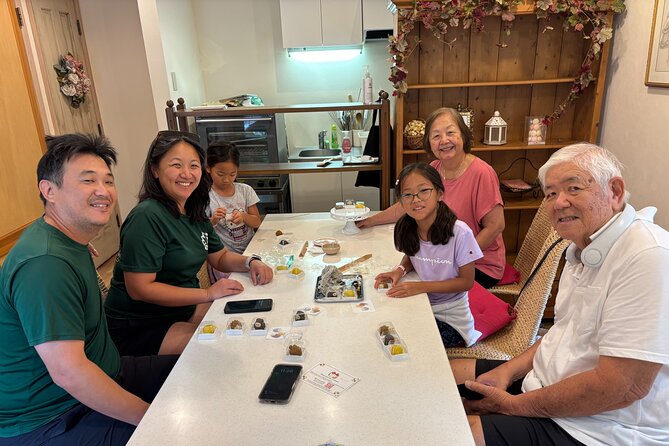
Review · MATCHA & TEA CEREMONY SESSIONS
Making Japanese desserts Nerikiri & drinking matcha in Tokyo
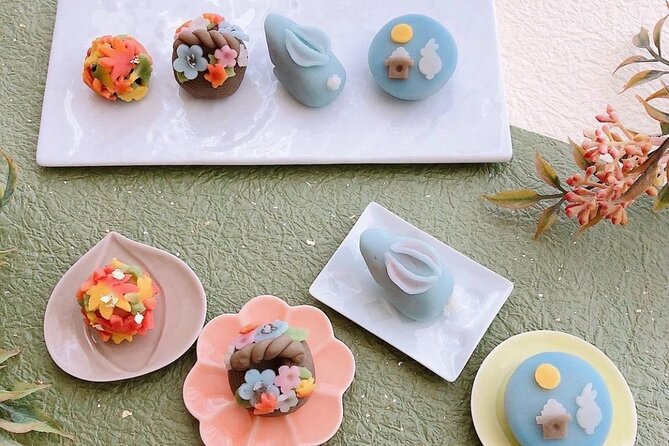
Nerikiri turns technique into edible art quickly. In this Tokyo class, I love the small-group personal attention and the fact that everything you need is included. You’ll make three types of seasonal kneaded desserts with your hands, then drink authentic matcha. One catch: if you want specific shapes like an owl and a needle mouse, you have to request it and it may not fit your timing.
After 90 minutes, you’re not just leaving with a skill, you’re leaving with flavor. You’ll learn the process (and the background of nerikiri) while sampling a range of treats, and you can eat what you make on the spot or take it home in provided packets. Yes, matcha is part of the class, not an afterthought.
With a 4.9/5 rating from 20 reviews, this activity also lands as beginner-friendly and welcoming. And because it’s in Setagaya-ku, you can easily tack on some neighborhood wandering right after class.
In This Review
- Key highlights worth caring about
- What happens in 90 minutes of nerikiri and matcha
- Meeting in Setagaya-ku, Shimokitazawa area: Kitazawa address or Toritsudaigaku Station
- Step-by-step: making three seasonal types of nerikiri dough
- Custom shapes: owl or needle mouse (if timing allows)
- How the tutor ties technique to Japanese dessert culture
- Matcha time: tasting on the spot, then taking your nerikiri home
- Is $65.69 worth it? A real value check for a small Tokyo class
- Who should book this nerikiri and matcha class
- Practical tips to make the most of your class
- Should you book this nerikiri and matcha experience?
- FAQ
- How long is the nerikiri and matcha class?
- What will I make during the class?
- Are ingredients and tools included?
- Can I request specific shapes like an owl or a needle mouse?
- Where does the class meet in Tokyo?
- Is matcha included, and can I take the desserts home?
- When will I get confirmation, and what is the cancellation window?
Key highlights worth caring about
- Small group (max 8) so your tutor can actually watch your hands and correct what needs fixing.
- Three seasonal types of nerikiri means you learn variety, not just one static recipe.
- Hands-on kneading and shaping so it’s real skill-building, not passive watching.
- Matcha included, served as you learn and then enjoyed with your nerikiri.
- Take-home packets let your work last beyond the class.
- Special-shape requests possible (owl, needle mouse) if you email in time and scheduling allows.
What happens in 90 minutes of nerikiri and matcha
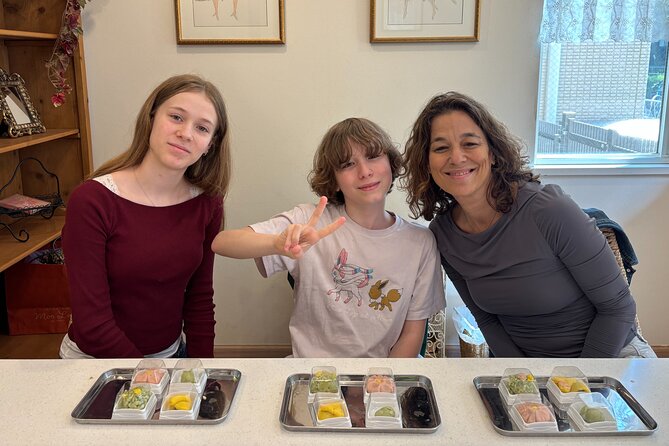
This class is built around one very Japanese idea: the sweet is part craft, part season, part mood. In 1 hour 30 minutes, you’ll make three types of seasonal kneaded dough for nerikiri, using your hands the whole time. You’re not thrown into a complicated, chef-level project. You’re guided step by step through the process, which keeps momentum high even if you’ve never made anything like this before.
A big reason I like this format is pacing. You get enough structure to feel confident as you go, but you still end up with a result you can taste and take home. And because you’ll sample additional treats as the tutor explains the history and background, you also get context for why nerikiri changes with the season.
More Drinking Tours in Tokyo
- Tokyo Bar Hopping Tour in Shinjuku (All-You-Can-Drink + Dinner)
★ 5.0 · 3,587 reviews - Tokyo: Shinjuku Local Bar and Izakaya Guided Walking Tour
★ 4.9 · 1,794 reviews - Shibuya Meltdown Nightlife Tour: All-You-Can-Drink Bar Hopping
★ 5.0 · 1,058 reviews
Meeting in Setagaya-ku, Shimokitazawa area: Kitazawa address or Toritsudaigaku Station
Your starting point is listed as 3-chōme-20-4 Kitazawa, Setagaya City, Tokyo 155-0031, Japan, and the class ends back at the meeting point. You’re told where to go by email after you reserve, which matters because the exact kitchen location can shift.
Here’s the practical detail: the class is basically held at the kitchen in Shimokitazawa, but if that space is not available, it may be held at Toritsudaigaku Station. The instructor contacts you by email if that change happens, so don’t ignore those messages after booking.
Why I think this matters for you: it reduces the stress of trying to guess a last-minute meeting spot in Tokyo. It also means you can plan your day around a realistic end location. After the class, the activity is a good jumping-off point to explore the nearby Setagaya-ku district.
Step-by-step: making three seasonal types of nerikiri dough
The core of the experience is hands-on work with kneaded dough. The class focuses on three types of seasonal kneaded dough, and the tutor explains the process before you start making them yourself. Then you repeat the key actions with your own hands, which is where the real learning happens.
What you should expect during the work phase:
- You’ll follow instructions to knead and shape the dough into nerikiri forms.
- You’ll make them based on the season, so the theme changes depending on when you visit.
- The class emphasizes process, not just the final look.
This is a smart way to learn Japanese sweets because nerikiri is not one fixed formula. It’s seasonal. That means your class connects directly to something you can recognize when you eat Japanese wagashi at shops, especially the way designs and ingredients reflect the time of year.
Custom shapes: owl or needle mouse (if timing allows)
The notes mention you can ask to make an owl and a needle mouse. If you want that, you need to request it when you send your email after reserving. If there’s no request, you’ll make the seasonal kneaded rice balls.
A realistic consideration: the class may not be able to accommodate special requests depending on the time of application. So if you care a lot about the exact shapes, contact them promptly after booking. If you don’t, you still get a complete seasonal experience.
More Tea Ceremonies in Tokyo
- Matcha Making Class in Tokyo with Authentic Japanese Sweets Set
★ 5.0 · 744 reviews - Kimono Tea Ceremony at Tokyo, Asakusa Maikoya
★ 5.0 · 638 reviews - Tokyo: Traditional Tea Ceremony with a Tea Master
★ 5.0 · 528 reviews - Tokyo: Matcha Making Experience with Mochi Sweets in Asakusa
★ 4.9 · 388 reviews
How the tutor ties technique to Japanese dessert culture
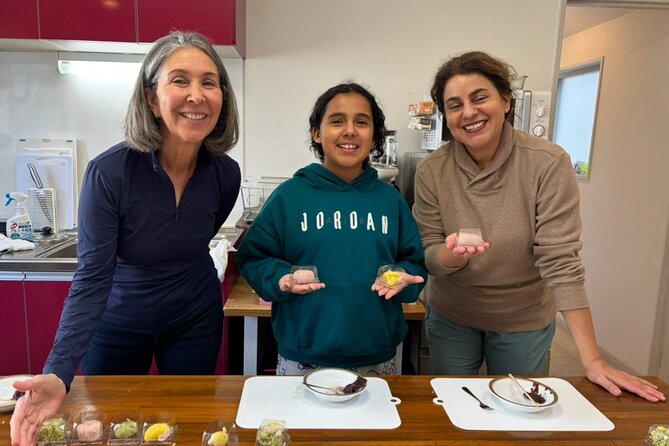
One thing you won’t get from a simple recipe card is meaning. This class doesn’t just tell you what to do, it also explains the history of nerikiri confectionery while you’re making it. You also sample a range of treats, which helps you understand how nerikiri fits into Japanese cuisine beyond the sugar and starch.
Even if you’re only casually interested, I like that the lesson connects craft to tradition. Nerikiri is seasonal and symbolic, so learning the background makes what you’re shaping feel less random. It also gives you better instincts for what to look for when you see wagashi in Japan.
Also, because you’ll be eating during the class, the cultural lesson stays grounded. You don’t have to wait until after to decide if it was worth it. You can taste the difference while the tutor is explaining it.
Matcha time: tasting on the spot, then taking your nerikiri home
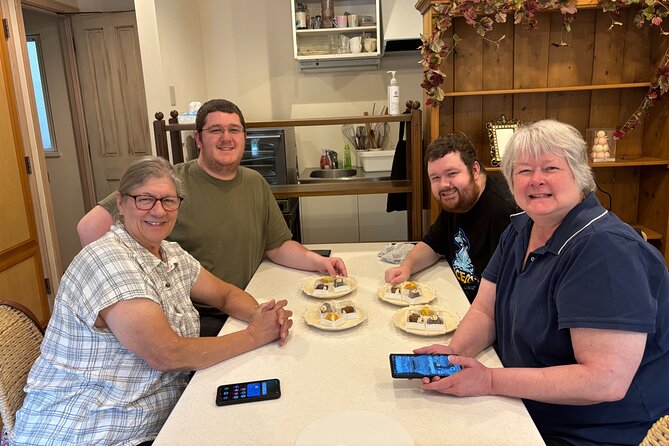
After you finish the kneaded dough work, the instructor prepares matcha (powdered green tea). You’ll drink it as the class wraps up, and then you can eat the nerikiri you made on the spot.
Then comes the practical win: packets for taking the sweets home are provided. That’s especially helpful in Tokyo, where your day is usually packed with transit and sights. Instead of worrying about finishing everything immediately, you get a controlled way to bring it with you.
I also like that this makes the class feel like a complete experience. You’re not just doing a workshop and leaving empty-handed. You leave with something you can share or save for later, which makes the value feel more tangible.
Is $65.69 worth it? A real value check for a small Tokyo class
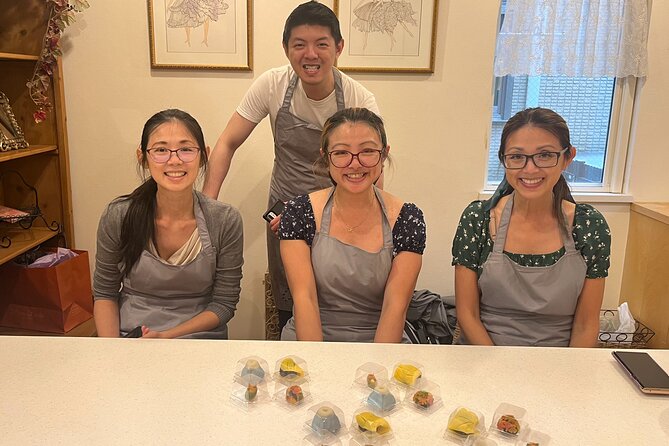
At $65.69 per person for about 1 hour 30 minutes, this isn’t the cheapest thing you can do in Tokyo. But it is built around value that adds up.
Here’s what you’re paying for, in plain terms:
- A small group with a tutor, max 8 travelers, which usually means more direct guidance.
- Ingredients and tools included, so you’re not adding mystery costs or scrambling for supplies.
- Matcha included, plus tasting what you made right away.
- Take-home packets, so you get a second use out of the time investment.
- Multiple seasonal types of dough, which gives you more learning per hour than a one-batch demo.
The “good deal” signal for me is that you’re not just watching. You’re actively making three seasonal sweets, and you still get history context during the process. For many visitors, that combination is the difference between a fun activity and a memorable skill.
If you’re someone who likes structured cultural experiences but also wants a hands-on outcome, this class fits. If you’re purely shopping-oriented and want only tastings, you might question the cost. But if you want to learn how nerikiri texture and shaping actually work, the price feels more reasonable.
Who should book this nerikiri and matcha class
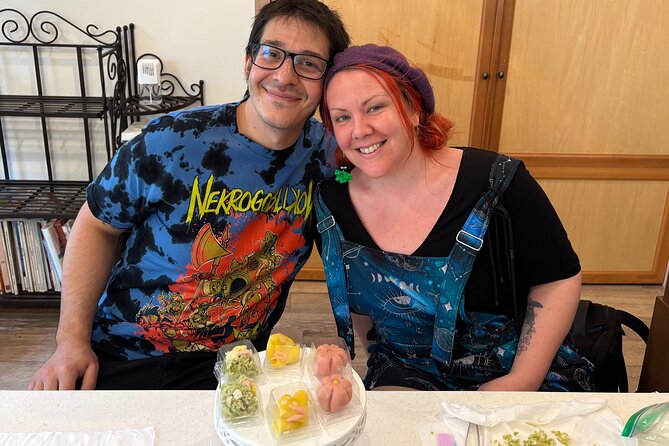
This class is best for you if:
- You want a beginner-friendly skill that still feels genuinely Japanese.
- You like cooking classes where you get personal attention instead of standing back.
- You enjoy seasonal food and want to see how designs and dough types shift.
- You want something compact. Ninety minutes is easy to fit into almost any Tokyo day.
It might not be ideal if:
- You need a super long session or deep technical instruction beyond shaping and basic process.
- You care about a very specific final design and can’t handle the possibility that special requests may not work depending on timing.
The good news is that even without special shapes, you still make seasonal kneaded sweets and get matcha and take-home treats.
Practical tips to make the most of your class
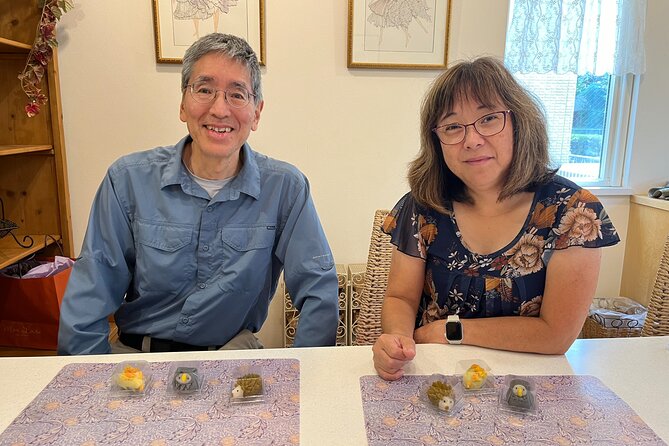
1) Plan around a season-themed output
Your nerikiri is seasonal, so don’t treat it like one fixed recipe. That’s part of the value.
2) Email your shape request early if you want owl and needle mouse
The notes are clear that requests may not be possible depending on application timing. So if it matters to you, ask right away after booking.
3) Expect the kitchen location to shift
The class is generally at Shimokitazawa, but it can move to Toritsudaigaku Station depending on rental space. Check your email so you show up at the right kitchen.
4) Think of this as a two-part experience
You’ll work with dough first, then you’ll taste matcha and your sweets. Plan your schedule so you’re not rushing out before the tasting portion.
5) Bring your appetite
You’ll eat what you make on the spot, and you’ll also take some home. That’s a lot of dessert for one stop, in the best way.
Should you book this nerikiri and matcha experience?
If you want a hands-on Tokyo experience that feels cultural without being intimidating, I’d book it. The small group size, included ingredients and tools, and the fact that you make three seasonal nerikiri types add up to real value for the time. The matcha and take-home packets make it satisfying even after the class is over.
The only reason not to book is if you’re strict about outcomes and you need a particular design. If you fall into that camp, send your request for the owl and needle mouse quickly and accept that timing can affect whether it happens.
For most visitors, this is the kind of class that gives you something you can repeat in your head later, how the dough feels, how the shapes come together, and why the season matters.
FAQ
How long is the nerikiri and matcha class?
The class is about 1 hour 30 minutes.
What will I make during the class?
You will make three types of seasonal kneaded dough for nerikiri confectionery.
Are ingredients and tools included?
Yes. The class includes all the ingredients and tools you’ll need.
Can I request specific shapes like an owl or a needle mouse?
Yes, you can request those shapes by emailing when you send the email details after reserving. The notes say they may not be able to meet requests depending on the time of application.
Where does the class meet in Tokyo?
The meeting point is 3-chōme-20-4 Kitazawa, Setagaya City, Tokyo 155-0031, Japan. The class is basically held at the kitchen in Shimokitazawa, but it may be held at Toritsudaigaku Station if needed.
Is matcha included, and can I take the desserts home?
Yes. The instructor prepares popular matcha, and you can eat the nerikiri on the spot or take them home. Packets for taking home are provided.
When will I get confirmation, and what is the cancellation window?
You should receive confirmation within 48 hours of booking, subject to availability. Cancellation is free up to 24 hours in advance for a full refund.
Newly listed around Tokyo
- Tokyo JDM Experience: Daikoku PA & Fast & Furious Night Drive★ 5.0 · 40 reviews
- Flavors of Japan Food Tour in Tokyo★ 5.0 · 39 reviews
- Tsukiji Fish Market Food Tour: Seafood, Street Food & Hidden Gems★ 5.0 · 85 reviews
- Fast & Furious Tokyo Drift 3 (Kaila Yu-SP) : Experience Ride JDM★ 4.5 · 189 reviews
- Akihabara: Go-Kart Experience with Local Guide in Tokyo★ 4.5 · 57 reviews
- Tokyo Bike Tour: Shibuya & Hidden Tokyo★ 5.0 · 53 reviews
- Explore Unique Tokyo Streets / Learn with a Pro Photographer★ 5.0 · 19 reviews
- Tokyo City 1-Day Private Tour with Bilingual Driver★ 4.5 · 78 reviews
Matcha & Tea Ceremony Sessions, compared.
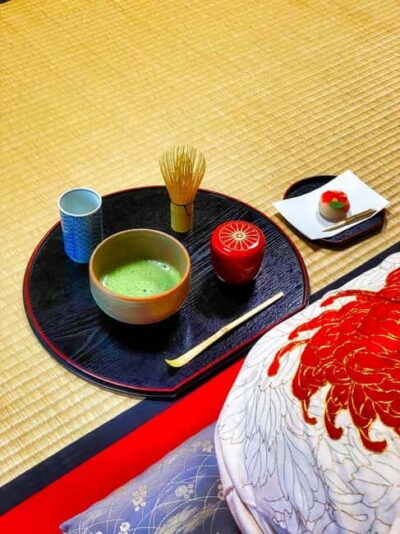
Tea Ceremony in a Traditional Tea House in Kiyomizu
Read our review →
World Heritage Kyoto & Nara Uji Authentic Matcha Experience
Read our review →
Browse the lists this tour appears in