
Review · WALKING TOURS
Nagasaki like a local: Private Guided Walking Tour
A great guide turns Nagasaki into a lived-in place. This private walking tour is flexible and led by a real person who can steer you toward what you actually care about. I like the way the tour starts right where you are, then quickly builds your confidence for the rest of the trip.
Two things I especially like: you get customization on the spot, and the guide shares street-level context, not just facts. One example from guides I’ve seen in action, Samya led guests around using the tram system, and the day naturally included practical food stops like okonomiyaki and lunch.
The one drawback to plan for is logistics. A walking tour can move at a pace, so if you want a super slow, sit-down-only day, you may need to choose a shorter time window and say so early.
In This Review
- Key Things to Know Before You Go
- Your First Hour in Nagasaki Starts at Your Doorstep
- Pick 2, 3, or 4 Hours, Then Use It Like a Tool
- How You’ll Get Around: Streetcar-Friendly Planning, Taxi as a Shortcut
- Stops to Aim For: Bay Area Energy, Suwa Shrine, and Ropeway Views
- Eat and Shop Like You Live There, Not Like You Follow a Checklist
- Your Guide’s Job: Local Nuance, Politics, and Cultural Detail
- Price and Value: $48 Per Person for a Private Brain, Not Just Steps
- Practical Rules That Keep the Tour Comfortable
- Should You Book This Nagasaki Walking Tour?
- FAQ
- How long is the Nagasaki private walking tour?
- Is this tour private or shared?
- Can I customize the route and my starting time?
- Where will the guide meet me?
- What languages are available for the guide?
- Do I need to pay for public transportation or taxis?
- Are meals and drinks included?
- What should I bring for the tour?
- What is the cancellation policy?
- Is the tour suitable for everyone?
Key Things to Know Before You Go
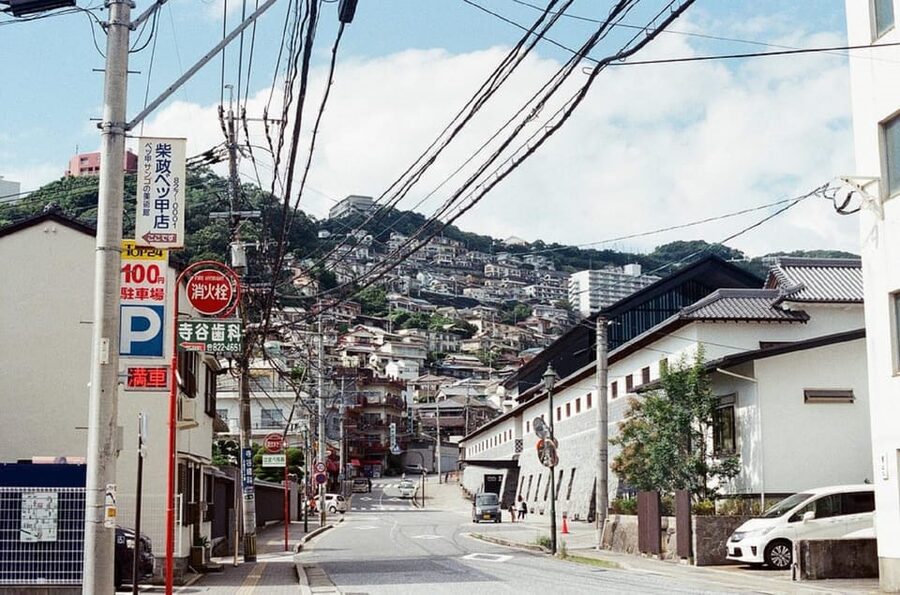
- Meet in your own neighborhood so you get instant orientation for Nagasaki’s streets and rhythms
- Customize your route based on your interests, including where you want to start and when
- Tram, bus, or taxi options help you reach hills and viewpoints without overthinking transit
- Food and everyday tips are the real payoff, from ramen to okonomiyaki and restaurant suggestions
- Culture and nuance come up naturally, including talk of daily life, local events, and politics
- Guides help with small practical wins, like Minori getting someone a special book at a shop
Your First Hour in Nagasaki Starts at Your Doorstep
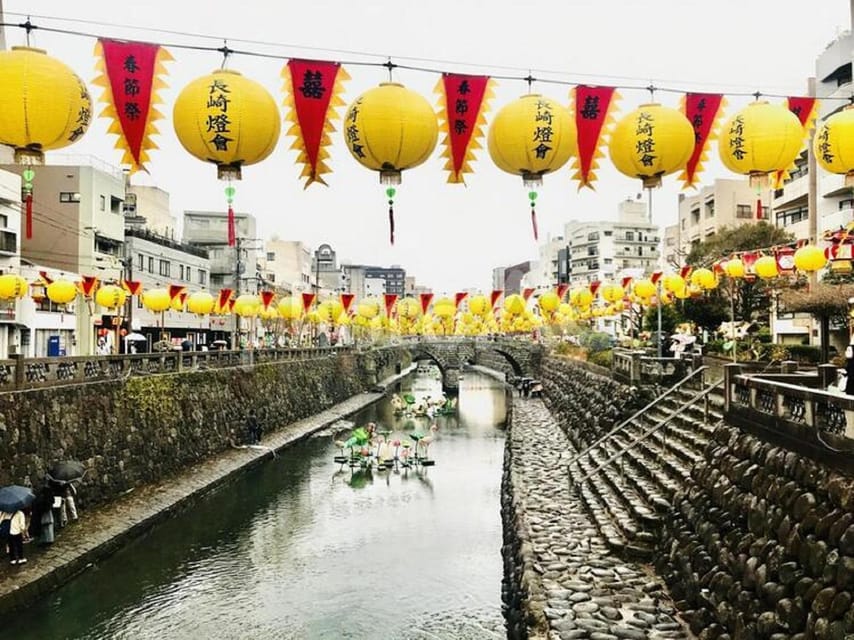
This tour is built around a simple idea: don’t waste your first day figuring out how to move through a city you barely know. Your guide meets you at your hotel lobby or right outside your Airbnb in Nagasaki’s city center, then takes you into the neighborhood with you in mind. You’ll get pointed toward where people actually eat and shop, plus the quick navigation tips that make the rest of Nagasaki feel easier.
I like that the tour isn’t locked to a theme park script. When you’re choosing your interests before you go, you’re essentially telling the guide how to read the day. Want a relaxed route with classic Nagasaki stops? Or do you want more of the local day-to-day, plus food and shopping guidance? Either works.
Just remember, it’s still a walking tour. You’ll be on your feet, so comfortable shoes and a steady pace really matter.
A few more Nagasaki days to weigh up
- Nagasaki: Private Walking Tour with a Local
★ 4.7 · 79 reviews - Kyoto Geisha Walking Tour: Gion District & Hidden Gems
★ 4.7 · 3,273 reviews - Tokyo Tsukiji Fish Market Food and Culture Walking Tour
★ 5.0 · 3,184 reviews
Pick 2, 3, or 4 Hours, Then Use It Like a Tool
You can choose a 2, 3, or 4-hour tour depending on your schedule. That choice matters more than it sounds, because it affects how many areas your guide can cover without rushing.
A 2-hour tour is best when:
- you’re short on time but want solid orientation
- you want one main corridor or a couple of key stops
- you’re jet-lagged and need “useful, not exhausting”
A 3 to 4-hour tour works better if you want a day with shape. In one route style I’ve seen with guides, the day could start around the bay area, then use streetcar and bus to reach a shrine area and a viewpoint, before returning back toward where you started. That kind of flow is where a longer window pays off.
Also, the tour is described as lasting 2 to 6 hours, but the practical selection is 2, 3, or 4. If you’re trying to pack a tight schedule, choose the one that matches your energy, then let the guide do the smart work.
How You’ll Get Around: Streetcar-Friendly Planning, Taxi as a Shortcut
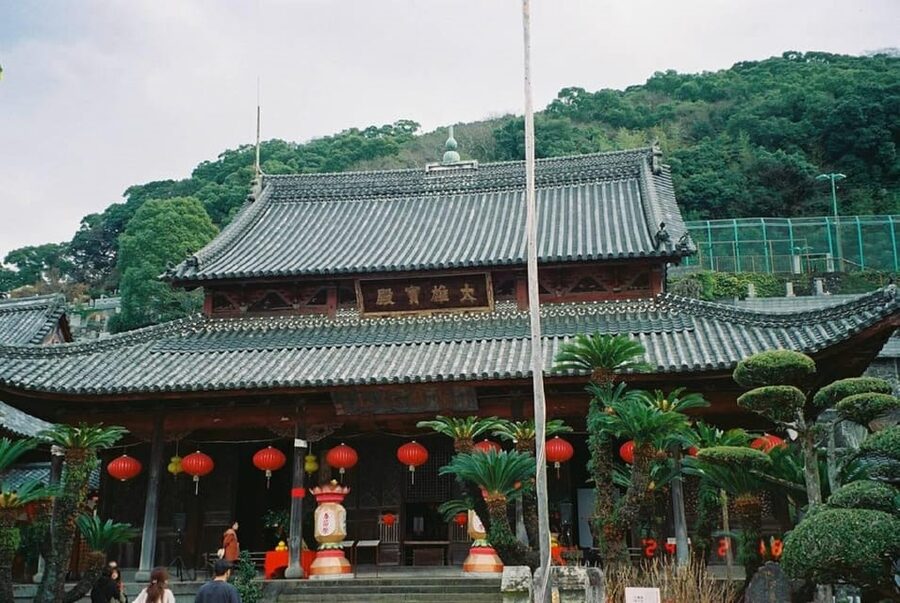
Nagasaki rewards smart transit choices, and this tour gives you options. You can use public transportation, like the streetcar system, and guides may also take a taxi if that helps you reach the right spots efficiently. Taxi costs are on you, so think of it as a convenience tool, not a required expense.
In one example, Samya took guests around on the tram system, which is exactly the kind of city skill you want on day one. If you’re staying near central areas, public transit can feel simple once you understand the lines and where to transfer. If you’d rather avoid steep walks or you’re on a deadline, asking about a taxi shortcut can save time.
One practical note: entrance fees and local transportation costs are not included. You’ll mainly be paying for a guide’s time and planning, plus your own ride fares and any sites that charge admission.
Stops to Aim For: Bay Area Energy, Suwa Shrine, and Ropeway Views
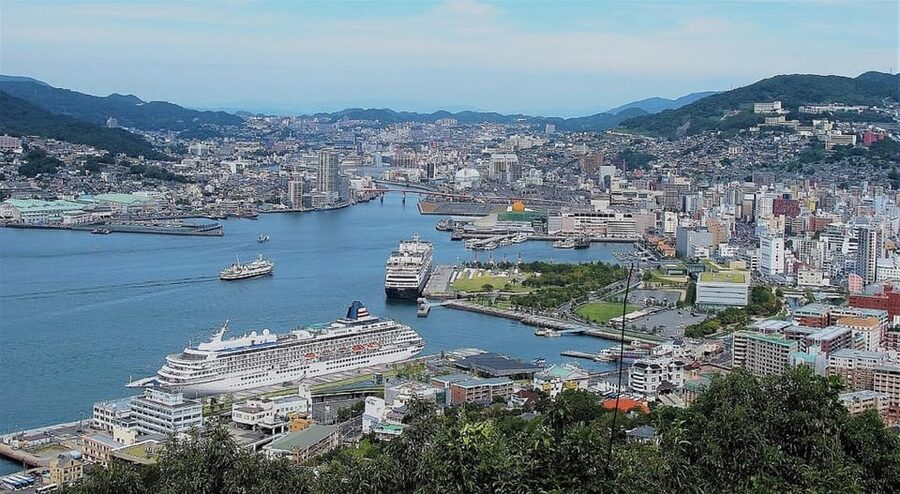
Because the tour is customizable, you won’t have the same stops as everyone. But you can absolutely guide the day toward a classic Nagasaki mix of waterfront energy, spiritual landmarks, and viewpoints.
Here’s a realistic example of what you can request, based on routes guides used successfully:
- Start around the bay area, then move outward by streetcar
- Take the streetcar to Suwa Shrine, a beautiful stop that fits well into a half-day flow
- Continue by bus toward the Nagasaki Ropeway area for a view moment
- Return toward the bay area or your original meeting area
Even if you don’t choose ropeway, asking for viewpoint time is a good strategy. Nagasaki’s dramatic angles are part of why it feels special, and a ropeway-style viewpoint pause can turn your photos from touristy to memorable without spending all day in transit.
Also, don’t skip the small stuff. Guides often factor in bookstore time or a quick cultural stop when it matches your interests. In one case, Minori helped someone find a particular book at a bookshop, which is the kind of small “I’m glad I did that” moment you usually only get if you ask.
A different sort of day in Japan:
- Nagasaki Full-Day Private Tour with Government-Licensed Guide
★ 5.0 · 66 reviews - Nagasaki Half-Day Private Tour with Government-Licensed Guide
★ 5.0 · 53 reviews - Visit Gunkanjima Island (Battleship Island) in Nagasaki
★ 4.0 · 32 reviews
Eat and Shop Like You Live There, Not Like You Follow a Checklist
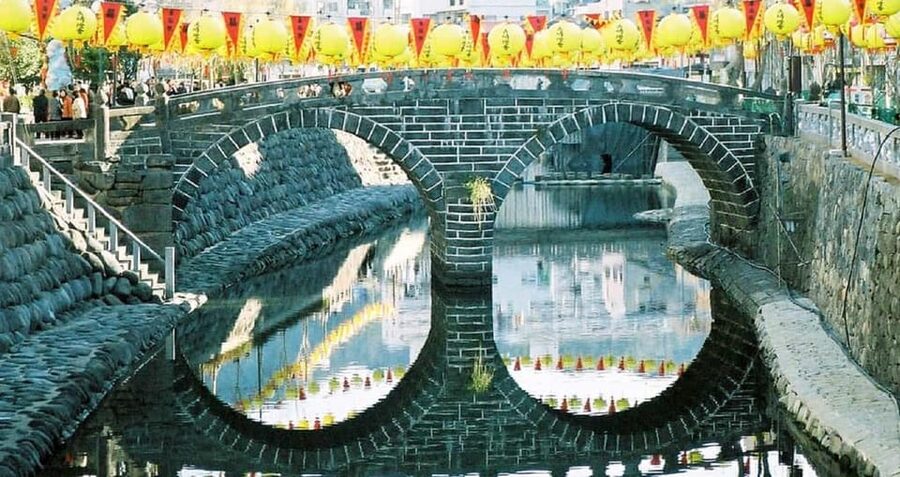
One of the strongest parts of this tour is the food and shopping guidance. You’re not just handed a list of restaurants. You’re walked through practical choices, including where a meal fits into the day and what to order based on what’s nearby.
From guide-led experiences you can expect similar energy:
- a ramen meal recommendation and shared ordering tips
- okonomiyaki included as part of the day, with help making it feel doable and fun
- a recommendation for a shabu shabu restaurant, depending on what you’re in the mood for
Meals and drinks aren’t included, so you’ll pay for food yourself. That said, you’re paying for fewer dead ends. If you arrive hungry and overwhelmed, having a guide steer you toward good options and explain what to look for can be worth more than the cost of the meal.
Shopping tips can be just as useful. Even when the tour includes something small like a bookshop stop, it’s often the kind of place that’s hard to find by searching alone.
Your Guide’s Job: Local Nuance, Politics, and Cultural Detail
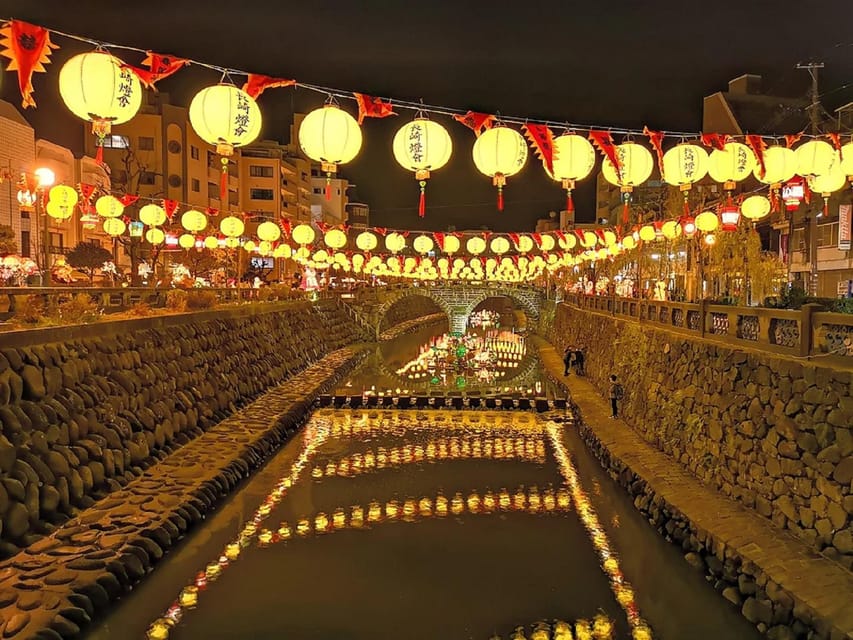
This is a walking tour, but it’s also conversation time. Guides are there to explain what you’re seeing, why it matters, and how people experience the city day to day. The tour description also calls out learning about local events, politics, and cultural nuances.
In practical terms, that means you’ll get answers to the questions you’re already thinking:
- Why do people do things a certain way in this neighborhood?
- What should I notice when I’m looking at shrines, streets, or signs?
- How does the city talk about itself and current issues?
You’ll also see how different guides shape the day. Some are more energetic, some more relaxed, and that can affect your pacing. One itinerary example included a guide who described personal experience and a slightly reflective tone, plus a strong recommendation for a shabu shabu restaurant. Another route style came from Steve and a more relaxed approach that paired walking with ramen.
English and Japanese are both available, so you should be able to find a guide who can match your communication style.
Price and Value: $48 Per Person for a Private Brain, Not Just Steps

At $48 per person, this tour sits in a reasonable range for private local guidance in a major Japan city. What you’re really buying is flexibility and decision support.
Here’s how I’d think about value:
- If you’re visiting Nagasaki for the first time, the guide can cut your time spent guessing. That’s worth real money.
- If you want customization, private time means you can ask for food stops, shrine time, viewpoints, and shopping without a rigid script.
- If you’re the type who likes learning how locals live, the “politics and nuance” angle gives your photos and walks context.
If you’re traveling with very strict preferences, the best way to make value is to communicate what you want before you meet. After booking, you’ll answer a few questions to match you with a local guide who aligns with your interests. That matching step is key, because it influences the whole tone of the walk.
One more value note: not all costs are included. Entrance fees, meals, and transportation around the city can add up. Still, you’re not paying for them blindly, because the guide can help you plan what’s worth it.
Practical Rules That Keep the Tour Comfortable
This tour is pretty straightforward, but a few details help it go smoothly.
Bring:
- comfortable shoes
- water
- a charged smartphone
Wear smart footwear, because you’re walking and possibly mixing in tram or bus transfers.
Rules:
- no smoking
- no alcohol and drugs
Also, the tour isn’t listed as suitable for wheelchair users or pregnant women. If you have mobility needs or pregnancy considerations, it’s worth checking first with the provider before booking.
Should You Book This Nagasaki Walking Tour?
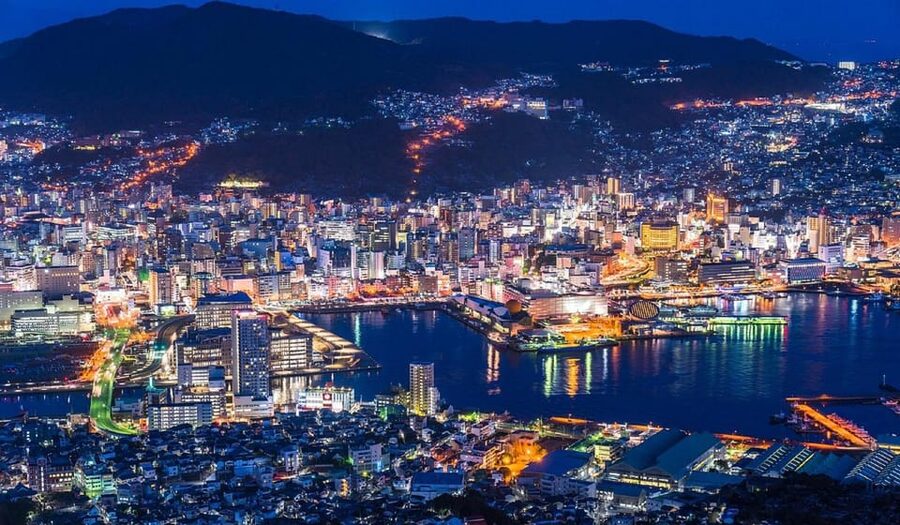
Book it if you want a guided day that feels like Nagasaki, not a checklist. This works especially well when:
- you’re visiting for the first time and want fast orientation
- you want help with transit choices like streetcar and bus flow
- you care about food, shopping, and local nuance
- you prefer privacy or a small-group feel over crowded tours
Skip it, or choose a shorter option, if:
- you want a purely relaxed day with minimal walking
- you already know Nagasaki well and only need very specific sites
If your goal is to leave with confidence, good meals, and a few stories that make the city make sense, this private tour is a solid bet.
FAQ
How long is the Nagasaki private walking tour?
You can choose from 2, 3, or 4 hours. Availability determines starting times, and the activity range is listed as 2 to 6 hours.
Is this tour private or shared?
It offers private or small groups, depending on the option you choose.
Can I customize the route and my starting time?
Yes. The tour is fully customizable, including the meeting location and starting time.
Where will the guide meet me?
Your guide can meet you in your hotel lobby or outside your Airbnb or accommodation, as long as it is in the city-center. Pickup is optional.
What languages are available for the guide?
Guides are available in English and Japanese.
Do I need to pay for public transportation or taxis?
Local transportation around the city is not included. You have the option to use public transportation or take a taxi, but taxi costs are your responsibility.
Are meals and drinks included?
No. Meals and drinks are not included, though your guide will share dining recommendations.
What should I bring for the tour?
Bring comfortable shoes, water, and a charged smartphone.
What is the cancellation policy?
The tour offers free cancellation up to 24 hours in advance for a full refund.
Is the tour suitable for everyone?
It is not suitable for wheelchair users or pregnant women. Smoking and alcohol or drugs are not allowed during the tour.
Newly listed around Nagasaki
- Nagasaki: Explore Japanese Teas on a Tea Tour★ 5.0 · 7 reviews
- Nagasaki: Private Tour with Local Guide★ 4.8 · 18 reviews
- Nagasaki: Private Walking Tour with a Local★ 4.7 · 79 reviews
- Nagasaki Full-Day Private Tour with Government-Licensed Guide★ 5.0 · 66 reviews
- Nagasaki Half-Day Private Tour with Government-Licensed Guide★ 5.0 · 53 reviews
- Visit Gunkanjima Island (Battleship Island) in Nagasaki★ 4.0 · 32 reviews
Walking Tours, compared.
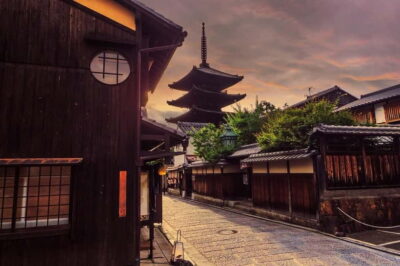
Kyoto Geisha Walking Tour: Gion District & Hidden Gems
Read our review →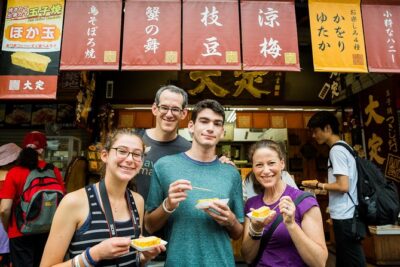
Tokyo Tsukiji Fish Market Food and Culture Walking Tour
Read our review →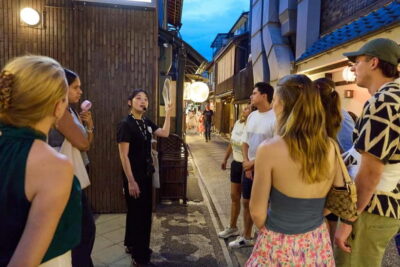
Gion Geisha District Walking Tour – Stories of Geisha
Read our review →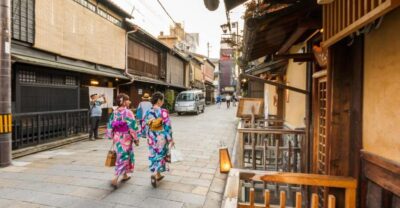
Shinjuku Local Bar and Izakaya Guided Walking Tour
Read our review →
Asakusa Walking Tour with Sensoji Temple Visit
Read our review →
Kyoto Gion Geisha District Walking Tour – The Stories of Geisha
Read our review →Browse the lists this tour appears in