
Review · MATCHA & TEA CEREMONY SESSIONS
Nara:5 Type of Tea Tasting & Mindful Tea Ceremony
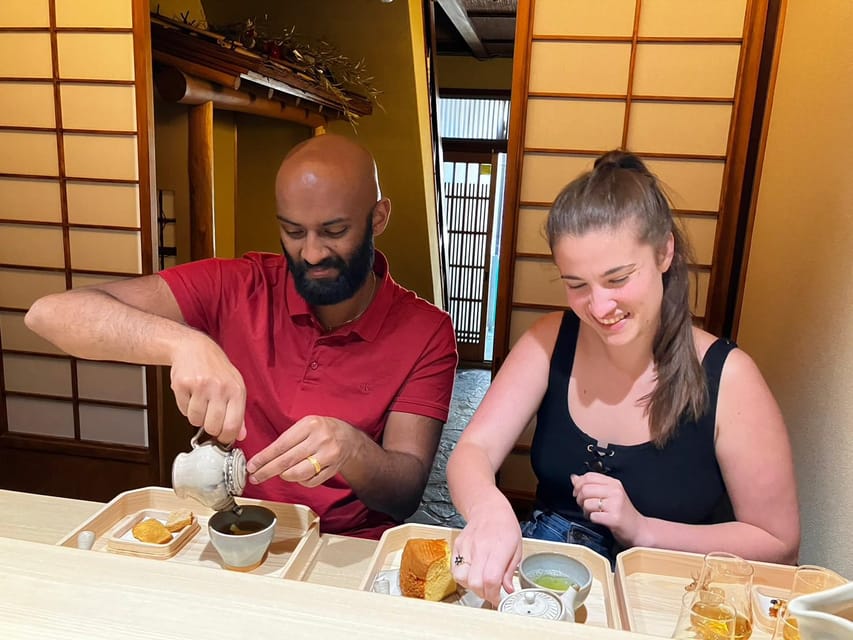
Tea tastes different when you slow down. In Nara, this is a private, one-on-one experience inside a renovated traditional house, where a tea master walks you through both tasting and ceremony with calm, practical guidance. I like that you get hands-on matcha instruction, not just watching from the sidelines, plus you sample five teas carefully chosen from Nara prefecture.
I also like the setting, a quiet tea room in a wood-and-garden space that makes it easy to focus. One possible drawback: this is a sit-still experience. You’ll be on the floor, and even though the formal time is 90 minutes, the pacing can feel closer to two hours because you’re meant to slow down and take your time.
In This Review
- Key points before you book
- A Nara Tea Tasting That Feels Calm, Not Performative
- Pricing and What $61 Buys in Real Value
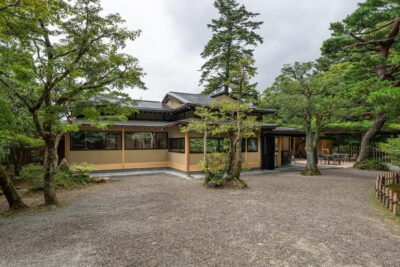
- The Tea Room in a Renovated Traditional House Setting
- The Tea Flight: Five Local Teas, One Clear Flavor Lesson
- Ceremony Time: Etiquette, Tools, and the Point of Slow Motion
- Hands-On Matcha Whisking with Feedback That Helps
- Wagashi Pairing: Two Sweets That Teach You Tea Balance
- What the Pace Feels Like in a Private 90 Minute Session
- Who Should Book This Nara Tea Ceremony Experience
- Practical Tips So You Enjoy It More
- Should You Book This Tea Tasting and Mindful Ceremony in Nara?
- FAQ
- How long is the Nara tea tasting and mindful tea ceremony?
- Is this a private experience?
- What is included in the session?
- Do I get to make matcha myself?
- What language is the instruction?
- Is it wheelchair accessible?
- Is it suitable for children or pregnant women?
- What is the cancellation policy?
Key points before you book
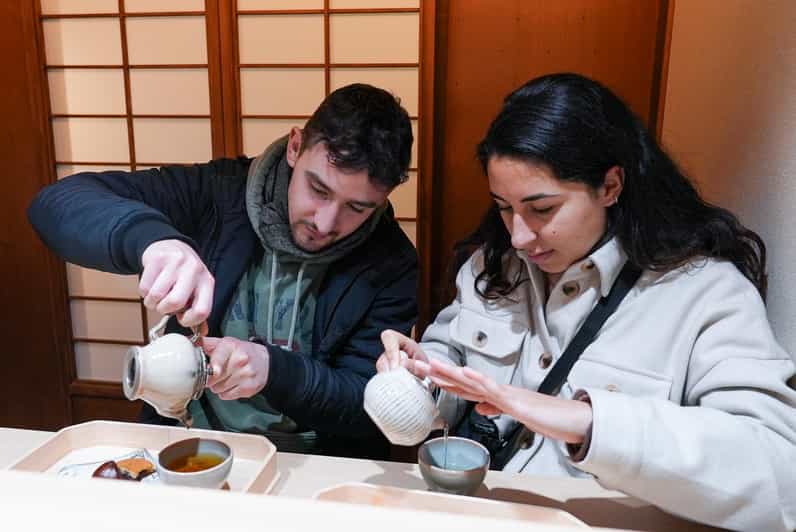
- Five Nara prefecture teas sampled back to back, then you pick a favorite for a pot-brewed serving
- English instruction from a tea master, with personal feedback during matcha practice
- A private tea ceremony covering history, etiquette, and tools in a serene room
- Hands-on matcha whisking with guidance on each motion and what to notice
- Seasonal wagashi sweets that pair with the tea flight
- A traditional house setting with a small-garden view, where the group stays small and quiet
A Nara Tea Tasting That Feels Calm, Not Performative
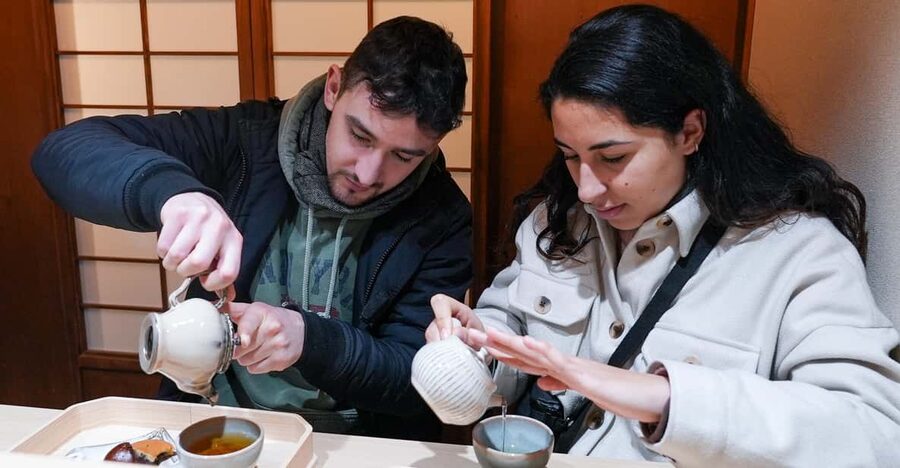
Nara is great for history, but this experience is different. It’s about attention: smell first, sip next, then let the flavor sit with you. You’re in a renovated traditional Japanese house, and the tone is dignified and friendly rather than staged. Instead of rushing through facts, the tea master teaches you how to experience Japanese tea the way people do at home.
I especially like that you start with tasting. It gives your brain a flavor map before you start the ceremony. When you later learn the etiquette and tools, it lands better because you already know what you like. Another win is that you’re not stuck as a passive observer. Your matcha practice is guided, and the feedback is personal.
The session also includes authentic wagashi, seasonal traditional Japanese sweets, which helps you understand tea as a full sensory event, not just a drink.
More Tea ceremonies in Nara:
- World Heritage Kyoto & Nara Uji Authentic Matcha Experience
★ 5.0 · 1,573 reviews - Nara:Authentic Tea Ceremony(Max 5 ppl) -Master Matcha Making
★ 5.0 · 119 reviews - Kyoto: Tea Ceremony in a Traditional Tea House in Kiyomizu
★ 4.9 · 3,519 reviews
Pricing and What $61 Buys in Real Value
At $61 per person for 90 minutes, the price feels reasonable because the experience includes more than a basic tea lesson. You’re getting five types of Japanese tea, plus two kinds of wagashi. You also get private instruction, which is the big value piece here.
In practice, private instruction matters because matcha isn’t intuitive at first. The whisking technique, the texture you’re aiming for, and the etiquette around how you hold the tools all benefit from real-time coaching. If you tried this on your own, you would spend money and still probably miss the small points that make the tea taste better and the ceremony feel right.
So yes, it’s not a budget snack stop. But it’s also not just a tasting menu. You’re paying for a guided, hands-on cultural experience that stays structured, quiet, and personal.
The Tea Room in a Renovated Traditional House Setting
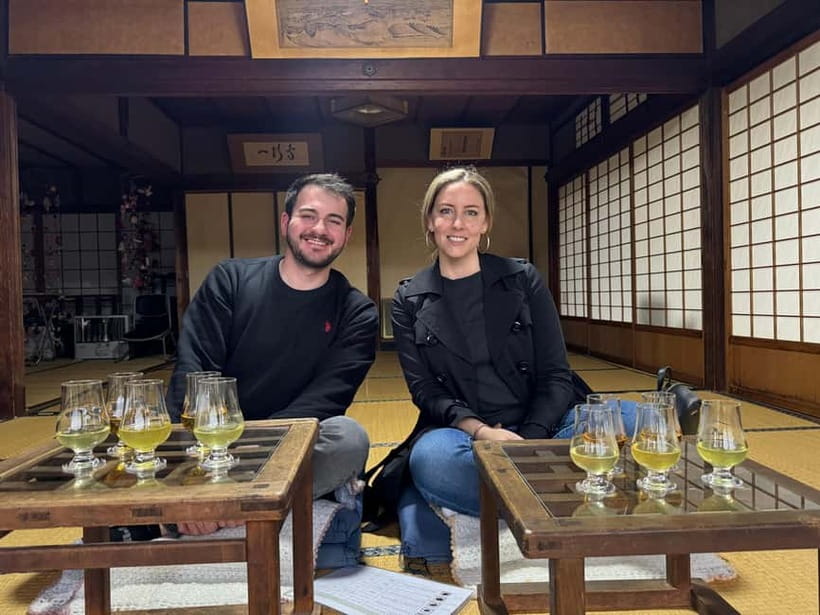
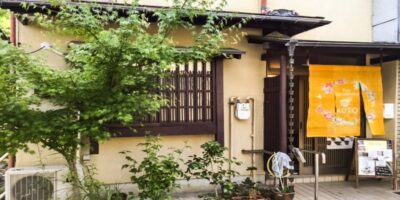
You’ll take your tea break in a wood-and-paper world. The tea room is set in a renovated traditional Japanese house, and the vibe is serene from the moment you arrive. One of the most praised details is the house itself, described as about 120 to 125 years old in different sessions, overlooking a small garden view.
That matters for two reasons. First, you’re more likely to actually pay attention when the environment supports it. Second, it helps you understand what a tea space is supposed to feel like: simple, calm, and designed for focus.
Practical note: you need to be comfortable with basic floor seating. Some people mention needing to walk to the house and then sit still on the floor for the bulk of the experience. If you hate waiting in a quiet room, this may feel like more effort than you expect.
The Tea Flight: Five Local Teas, One Clear Flavor Lesson
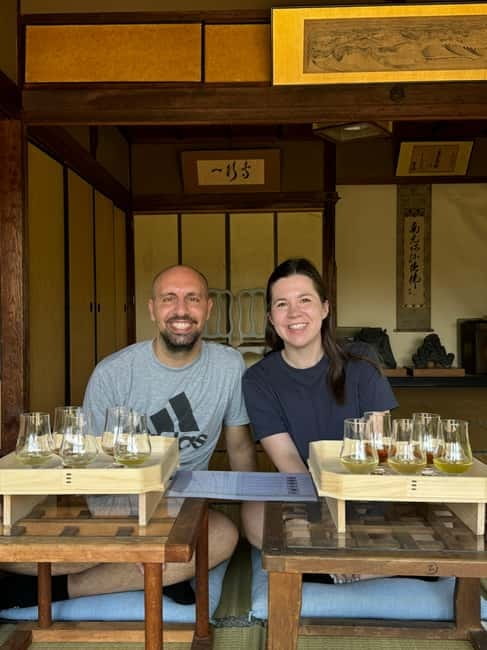
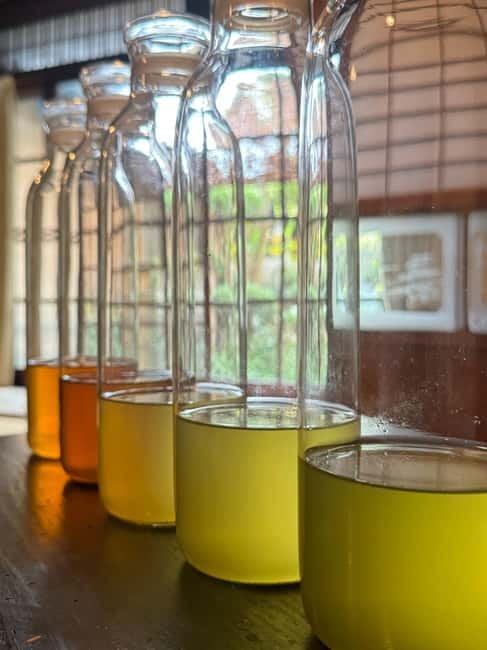
The experience starts with a tasting flight of five teas. Each one is selected by the tea master, with varieties sourced locally in Nara prefecture. That regional focus is valuable because Japanese tea is not one single flavor. It can be grassy, mellow, roasted, fragrant, or softly bitter depending on the type and preparation.
You’ll sample all five teas, and you’ll learn what to notice. Matcha gets special attention because it’s both aroma and texture. People often assume matcha tastes the same everywhere, but the way it’s made and the tea’s character can surprise you. In this session, you’ll also get roasted, mellow options as contrast, so you can learn how different Japanese teas behave on the palate.
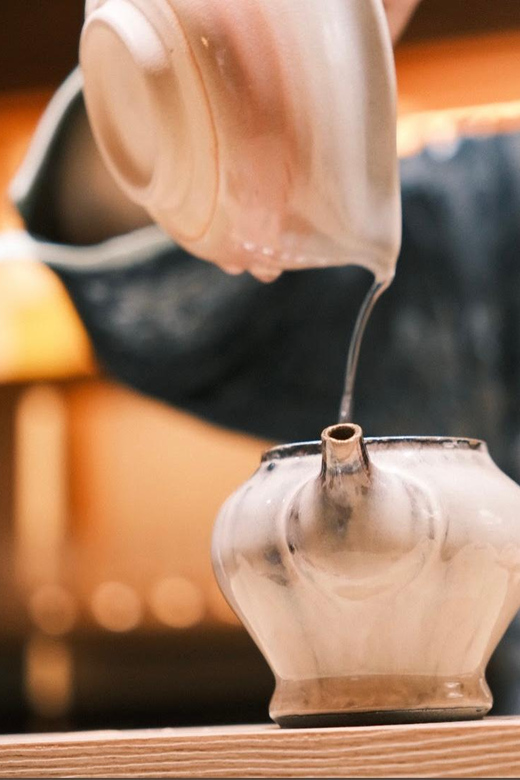
After tasting, you choose your favorite tea for a special pot-brewed serving. The tea master then pours and brings out the full flavor, so you get a second chance to experience what you liked, this time more deliberately.
A few more Nara days to weigh up
- Nara – Craft Beer, Sake, and Food Walking Tour
★ 3.5 · 9 reviews - Nara: Sake Tasting Tour at the Birthplace of Japanese Sake
★ 4.9 · 8 reviews - Tokyo: Shinjuku Food Tour (13 Dishes at 4 Local Eateries)
★ 5.0 · 6,603 reviews - Tokyo Tsukiji Fish Market Food and Culture Walking Tour
★ 5.0 · 3,184 reviews
Ceremony Time: Etiquette, Tools, and the Point of Slow Motion
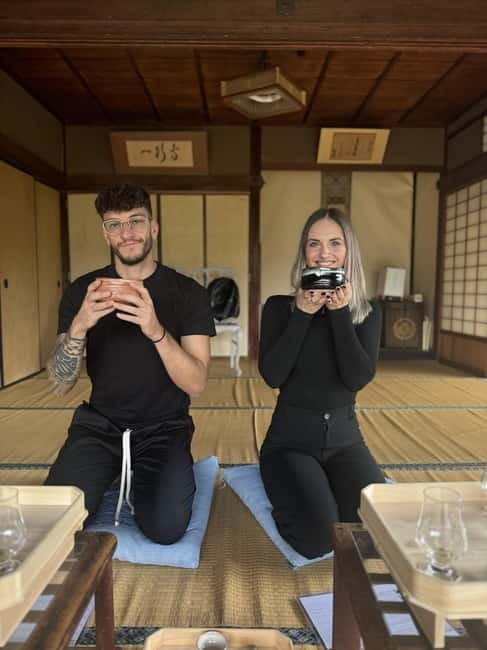
Once tasting is done, the ceremony begins. This is where the experience becomes more than a flavor lesson. Under guidance from the tea master, you’ll learn the tradition’s history, etiquette, and tools. You’re not being memorization-tested. The goal is to understand what the movements mean and why the ritual feels controlled and peaceful.
A detail that really stands out is tool education, including the bamboo tea whisk used for matcha. Some sessions include an explanation of the craft behind these bamboo whisks, the kind of small knowledge that makes the ceremony feel tangible. When you understand what the tool is, your matcha practice becomes more than making foam. You start matching your technique to the purpose of the whisk.
Etiquette is taught in an approachable way. You learn what to do, when to pause, and how to keep your attention on the cup. If you like structure, you’ll appreciate the step-by-step flow. If you hate structure, don’t worry, it’s still gentle. It’s designed to help you participate, not perform.
Hands-On Matcha Whisking with Feedback That Helps
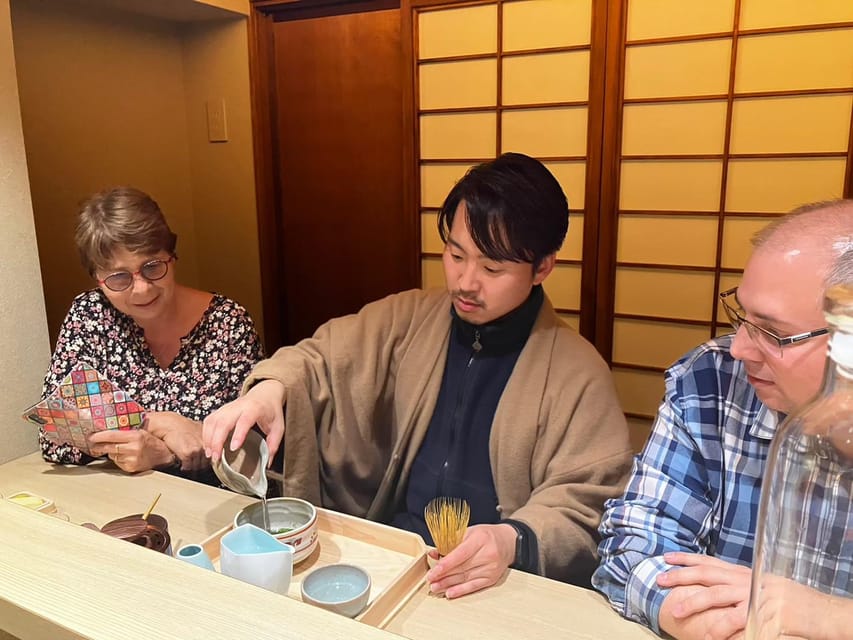
This is the highlight for many people for a simple reason: matcha is hands-on, and you get personalized coaching. You’ll whisk your own matcha during the ceremony, so you can feel how the tea changes when your technique improves.
The tea master guides you through the motions and timing, and then offers feedback so you can adjust. That’s important because beginners often rush. Rushing usually leads to a cup that doesn’t taste as balanced as it should.
What you’ll likely notice as you practice:
- Aroma shows up first, and it’s a big part of the experience
- The texture changes with the whisking method
- Your finished cup tastes better when your whisking is steady rather than frantic
Also, this is a good spot even if you’re not a lifelong tea person. One nice surprise in the session is how approachable the flavors can be. People who normally prefer coffee often find the matcha or roasted teas more pleasant than they expected once they taste properly.
Wagashi Pairing: Two Sweets That Teach You Tea Balance
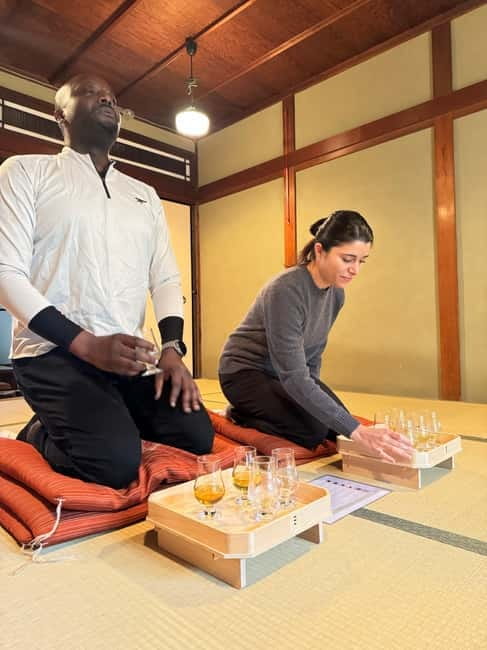
Wagashi might sound like a side item, but it’s actually part of the tea logic. The session includes two kinds of traditional Japanese sweets, described as seasonal and served to complement each sip.
Why it matters: tea tastes different when you pair it with something designed for that exact moment. Wagashi often brings subtle sweetness, texture, and sometimes a light seasonal flavor that makes the tea’s bitterness feel smoother or its grassiness feel brighter. When you eat the sweet at the right time, you understand why Japanese tea ceremonies pair food and drink so carefully.
You don’t need to be a wagashi expert. The point is experiential. You taste tea, then you taste the sweet with it, and the tea master helps you connect the dots.
What the Pace Feels Like in a Private 90 Minute Session
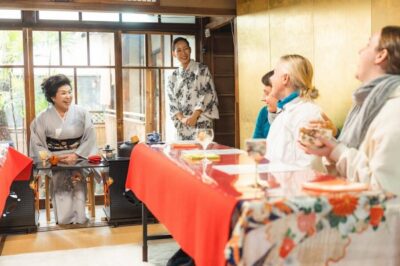
This experience is private group and designed for one-on-one instruction. That means you’re not competing with a class schedule, and your pace is respected. You can ask questions in English, and the tea master can adjust how much detail to give.
The tempo is also intentionally slow. Even though the formal duration is 90 minutes, several people mention that the time on the floor and the calm pacing can feel like closer to two hours. That’s not a trick. It’s part of the point. The ceremony wants you present.
If you’re the kind of person who checks the clock every five minutes, this might annoy you. If you like calm and guided attention, it’s a perfect match.
Who Should Book This Nara Tea Ceremony Experience
This is best for you if you:
- Like hands-on cultural experiences, especially ones with quiet focus
- Want a deeper understanding of Japanese tea beyond what you can get from a menu
- Enjoy matcha practice with real coaching
- Want something different from temples and shopping, but still cultural and authentic
It’s also a good choice for people traveling with family or teens who can sit still and follow instructions. One session described a teen participating in a tea master in training style moment, which is exactly the kind of gentle empowerment this activity can offer. Just remember the stated requirement: children under 12 are not suitable, and pregnant women are not suitable.
If you’re traveling with someone who gets restless easily, I’d check in first. The house setting and floor seating mean you’ll both need a calm tolerance for sitting and slowing down.
Practical Tips So You Enjoy It More
A few simple things will help you get the most out of the experience.
First, plan your energy. This isn’t a power tour. It works best when you’re not rushing to the next stop immediately after. Even if you’re only there for 90 minutes, you’ll likely want time afterward to process what you learned.
Second, be ready to sit on the floor for the ceremony portion. The tone is quiet, and the guidance expects you to stay attentive. Wear comfortable clothing that won’t make you think about yourself instead of the tea.
Third, arrive open-minded. If matcha sounds intimidating, it doesn’t need to be. You’re guided step by step, and the tasting portion shows you what to expect from different tea types.
Finally, bring curiosity, not perfection. The ceremony is about doing it thoughtfully. You don’t need to nail every detail on your first try.
Should You Book This Tea Tasting and Mindful Ceremony in Nara?
I think you should book it if you want a real Japanese tea experience that is calm, personal, and hands-on. The combination of tasting five teas, then practicing matcha with direct feedback, plus seasonal wagashi, gives you a full sensory lesson in a small, traditional setting. The private tea master instruction is the value engine here.
Skip it or reconsider if you know you dislike slow pacing, floor seating, or quiet instruction. Also, if you’re traveling with someone who doesn’t meet the stated suitability guidance, you’ll need a different activity.
If your Nara days include temples, deer parks, and busy streets, this is the perfect counterbalance. A quiet hour and a half, done properly, can make your whole trip feel more human.
FAQ
How long is the Nara tea tasting and mindful tea ceremony?
The experience lasts 90 minutes.
Is this a private experience?
Yes. It is a private group, with one-on-one instruction.
What is included in the session?
You’ll receive 5 kinds of Japanese tea and 2 kinds of wagashi sweets.
Do I get to make matcha myself?
Yes. You’ll get hands-on matcha practice with personalized feedback.
What language is the instruction?
The instructor teaches in English.
Is it wheelchair accessible?
Yes, it is wheelchair accessible.
Is it suitable for children or pregnant women?
No. It is not suitable for children under 12, and pregnant women are not suitable.
What is the cancellation policy?
You can cancel up to 24 hours in advance for a full refund.
Newly listed around Nara
- Nara:Authentic Tea Ceremony(Max 5 ppl) -Master Matcha Making★ 5.0 · 119 reviews
- Nara: UNESCO Heritage Sites & Deer Park Tour with Pro guide★ 4.5 · 10 reviews
- Nara: Todai-ji y parque de Nara (Spanish Guide)★ 5.0 · 16 reviews
- Nara: Sake Tasting Tour at the Birthplace of Japanese Sake★ 4.9 · 8 reviews
- Nara: Private City Tour With A Local Guide★ 4.2 · 8 reviews
- Nara: Private Tour with Private Guide★ 4.8 · 66 reviews
- Nara Like a Local: Customized Guided Tour★ 4.2 · 36 reviews
- Nara Early Bird Tour (Kyoto Departure Option Available)★ 4.9 · 142 reviews
Matcha & Tea Ceremony Sessions, compared.
Tea Ceremony in a Traditional Tea House in Kiyomizu
Read our review →
World Heritage Kyoto & Nara Uji Authentic Matcha Experience
Read our review →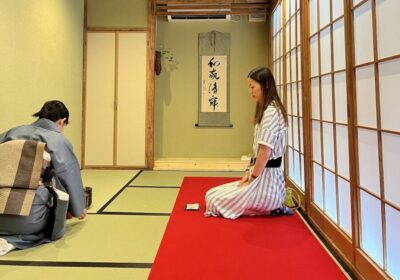
Browse the lists this tour appears in