
Review · MATCHA & TEA CEREMONY SESSIONS
Tea Ceremony experience with simple kimono in Okinawa
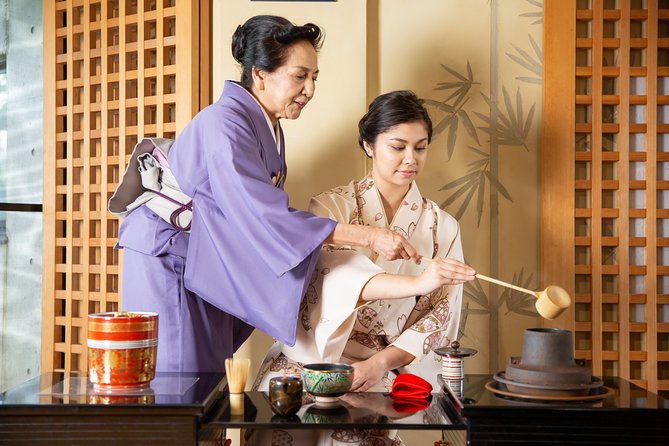
Tea ceremonies can feel distant, until you sit down. In Okinawa, you get a simple kimono and a traditional tea room setup that you probably will not find elsewhere on the island. I like that the flow is taught step by step, including how to enter the room through its small entrance and how to handle the tools with care. One thing to plan for, though, is that the space is not designed for wheelchairs, and the traditional setup is focused on able-bodied guests.
What I really liked is that you do not just watch. You make your own matcha, learn the Ryu-Rei-style manners at the tea table with seating, and get to taste both Okinawan and Japanese sweets before the bitter tea. It is a small-group experience, so you are not stuck waiting for your turn while the lesson moves on.
In This Review
- Key highlights you will feel right away
- A traditional Okinawa tea ceremony you can actually follow
- The simple kimono: where the lesson starts
- Step-by-step through the tea room and the Ryurei table setup
- 1) Learn the room etiquette first
- 2) Move to the Ryurei-style room with tables and chairs
- 3) Tool care and cleansing steps
- 4) Make your own matcha and taste it
- 5) Photos in front of the gold folding screen
- 6) Change cloths to wrap up
- Sweets before bitterness, and why that sequence works
- English instruction with a friendly, professional tone
- Tool handling, manners, and the small skills you keep
- Price and value: what $83 really covers
- Who this Okinawa tea ceremony is best for
- Practical tips so you enjoy it more (and stress less)
- Should you book this tea ceremony in Okinawa?
- FAQ
- How long is the tea ceremony experience in Okinawa?
- How much does it cost per person?
- What is included in the price?
- What languages will the instructor speak?
- Is this a small-group experience?
- Is the tea ceremony suitable for children or wheelchair users?
Key highlights you will feel right away
- Simple kimono rental paired with a step-by-step guide on how to move and behave in the tea space
- Ryu-Rei-style tea setting with tables and chairs, so you can focus on the ritual without guessing what to do
- Taste time before tea, with Okinawan and Japanese sweets served right before the matcha
- Hands-on matcha making, where you mix, serve, and taste what you made
- Tool care lessons, including cleansing steps and how to handle tea cloth and utensils
- Included photos plus an origami crane souvenir, so you leave with memories that look as good as they feel
A traditional Okinawa tea ceremony you can actually follow
This is a tea ceremony experience built for first-timers, which is a rare win. The structure is clear, you get instruction throughout, and the whole thing stays grounded in what matters most in tea culture: manners, attention, and respect for the tools. You are not expected to already know the right terms or motions.
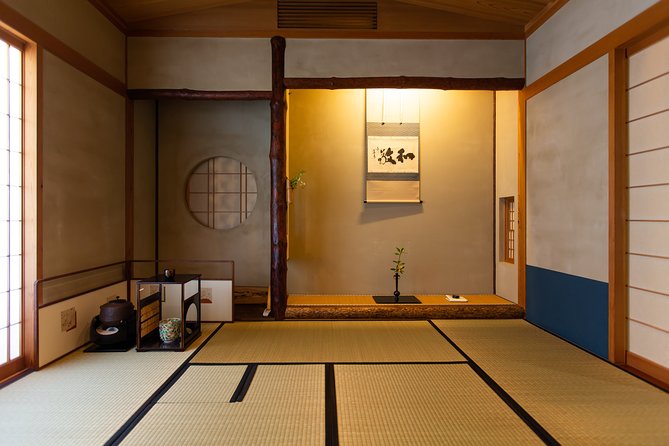
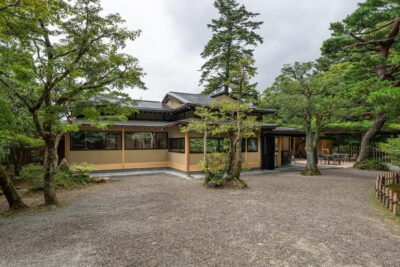
The “traditional tea room” element is the big reason to pick this over a basic demo. You start by learning how to enter the space properly, then you move through the ceremony stages in a way that mirrors how the ritual is taught. The tea room details matter too, like the hanging scroll, flowers, and the utensils you are guided to notice.
Also, the group size is intentionally small, limited to 6 participants. That means you can ask questions without shouting over a crowd, and the instructor can correct your form before you get too confident and do it wrong.
More Tea ceremonies in Okinawa:
- Kyoto: Tea Ceremony in a Traditional Tea House in Kiyomizu
★ 4.9 · 3,519 reviews - Kyoto: Tea Ceremony Ju-An at Jotokuji Temple
★ 4.9 · 3,207 reviews - Kyoto: 45-Minute Tea Ceremony Lesson Experience
★ 4.3 · 2,378 reviews
The simple kimono: where the lesson starts
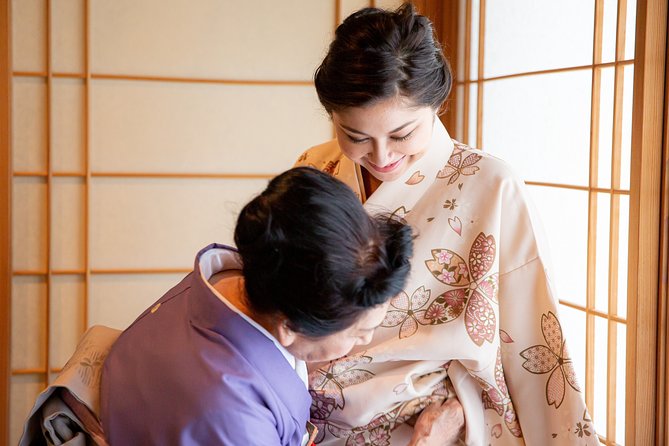
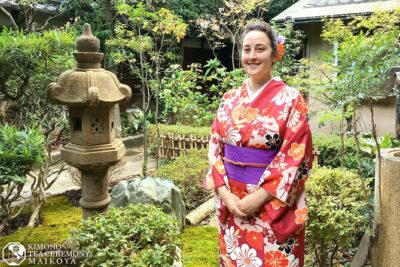
One of the smartest parts of this experience is that it begins with the clothing. You change into a simple kimono, and that immediately frames the mood of the ritual. Even if you have dressed up for photos before, kimono wear changes how you move, sit, and handle yourself, and the instructor helps you get oriented.
After the kimono moment, you move into the cleansing step. You will cleanse your hands as part of the ceremony flow. That might sound small, but it sets the rhythm, and it signals that tea is not just a beverage. It is a sequence of respectful actions.
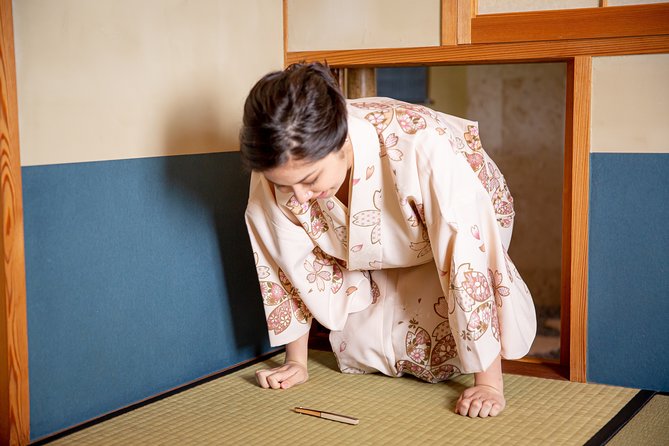
Then comes a detail worth remembering: you enter the tea room through a small entrance. That is not just a quirky photo-op. It forces you to slow down, be mindful of your space, and understand the idea of humility that is built into the setup. The instructor also talks you through manners, so you know what you should be doing and why.
Step-by-step through the tea room and the Ryurei table setup
The ceremony moves in a clear order, so you never feel lost. Here is the flow in practical terms, and what each part really means for you.
1) Learn the room etiquette first
You begin by entering the tea room and being introduced to each utensil. The instructor also points out how to appreciate key visual elements like the hanging scroll and the flowers. This is one of those “you can’t fake it” parts of the ceremony. When you know what to look at, the room stops feeling like scenery and starts feeling like part of the ritual.
You also learn the manners that go with being in the tea space. You are not just doing motions; you are learning the etiquette behind them.
More Kimono rentals in Okinawa:
- Kimono Tea Ceremony at Kyoto Maikoya, NISHIKI
★ 5.0 · 911 reviews - Kyoto: Kimono Rental with Hairstyling and Accessories
★ 4.8 · 653 reviews - Kimono Tea Ceremony at Tokyo, Asakusa Maikoya
★ 5.0 · 638 reviews - Osaka: Sumo Show & Experience w/ Optional Kimono & Hot Pot
★ 4.5 · 609 reviews
2) Move to the Ryurei-style room with tables and chairs
Next, you shift to the area with Ryurei-style tea setup, which uses tables and chairs for tea ceremony. That matters because it changes the challenge level. You can stay focused on the tea steps rather than worrying about unfamiliar seating.
At this stage, you are served Okinawan and Japanese sweets. I like this timing because the sweetness helps you settle into the taste profile before the bitterness of green tea. It also keeps the experience friendly and welcoming, not stern or intimidating.
3) Tool care and cleansing steps
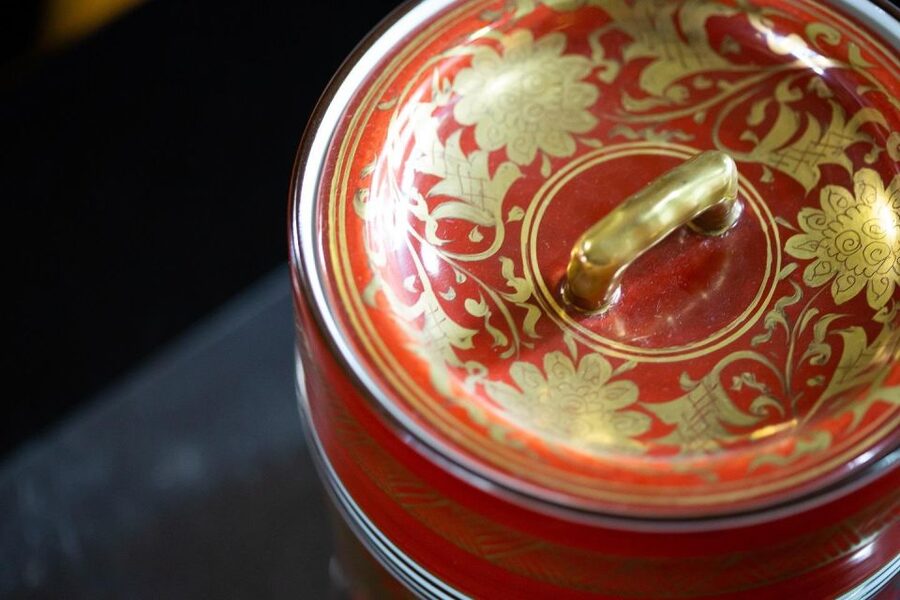
Before you make tea, you learn how to handle the silk cloth and how to cleanse the tea tools. This part is easy to underestimate. If you have only ever watched tea ceremonies online, you might think the tools are decorative. Here, you learn that the tools are treated with care because they carry the experience each time.
This is also where the instruction tone helps. The format feels relaxed, and the teaching is detailed enough that you understand what to do, not just what to copy.
4) Make your own matcha and taste it
Now you get to the main event: adding matcha green tea and hot water to the tea bowl, then making your own tea and tasting it. You learn what you are doing with your hands and why the sequence matters.
For first-timers, the key is to stay calm and follow the pace you are taught. Matcha can taste intense if you expect it to be like sweet powdered drinks. In this ceremony setup, you taste it as part of the full experience, with the sweets already having warmed up your palate.
5) Photos in front of the gold folding screen
After the tasting, you get photography included, with a designated spot in front of a gold folding screen. This makes it easy to leave with good-looking photos without having to play photographer for your whole group.
6) Change cloths to wrap up
The experience ends with changing cloths, so you can return to your normal travel mode without extra hassle.
Sweets before bitterness, and why that sequence works
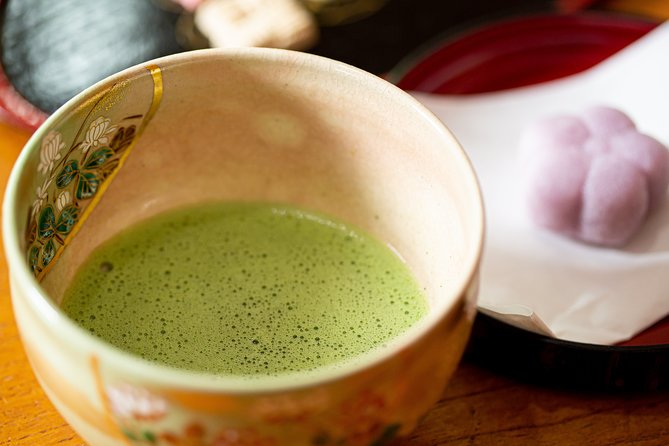
One of the best moments is the order: sweets first, then the tea. The ceremony includes both Okinawan and Japanese sweets, which adds a nice local twist. Even if you only have room in your day for one cultural activity, this one gives you multiple sensory layers: texture from sweets, then aroma and bitterness from matcha.
The value here is not just variety. It is the transition. Sweet flavors help you notice the tea more clearly. You start tasting the matcha’s character instead of thinking only about how bitter it is. That is how the ritual becomes enjoyable, even if you are not a matcha fan right now.
English instruction with a friendly, professional tone
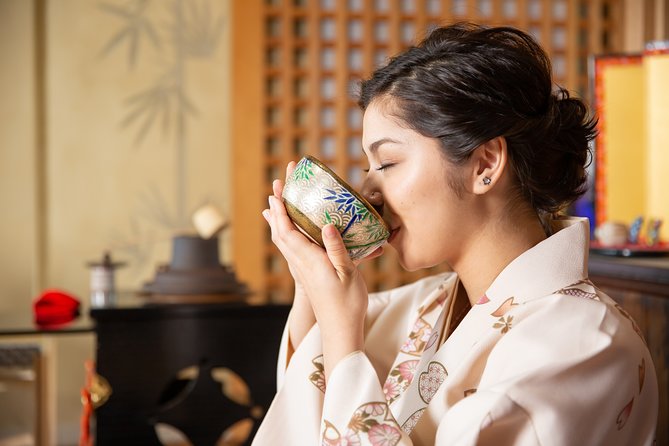
You can go into this as a complete beginner. The instructor provides instruction in English and Japanese. The experience is designed for small groups, and the teaching is paced for understanding. In past experiences like this, the difference between “watching” and “learning” is usually how well the explanation matches the moment. Here, the instruction stays tied to what you are doing at that exact step, from utensils to cleansing to making the tea.
From what I’ve seen in similar Okinawa workshops, you often run into one of two problems: either the lesson is too fast, or it becomes a lecture with no time to practice. This format avoids both by building you through actions, not speeches.
Tool handling, manners, and the small skills you keep
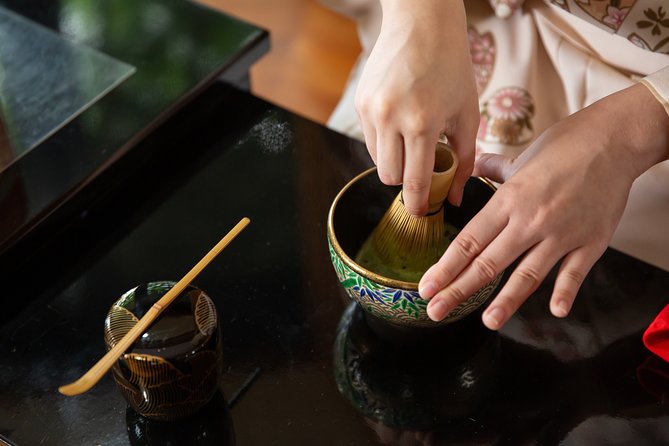
Some cultural activities are impressive but hard to replicate later. This one gives you practical skills you can remember. Even after you leave the tea room, you will likely remember things like:
- cleansing steps as part of respect and focus
- how to treat the tools with care
- that tea is a sequence, not a single pour
- how the room’s etiquette shapes your behavior, not just your appearance
Those are small takeaways, but they matter. They also make the experience feel real, not staged. If you care about doing culture respectfully, this is the kind of workshop that teaches you how to participate.
Price and value: what $83 really covers
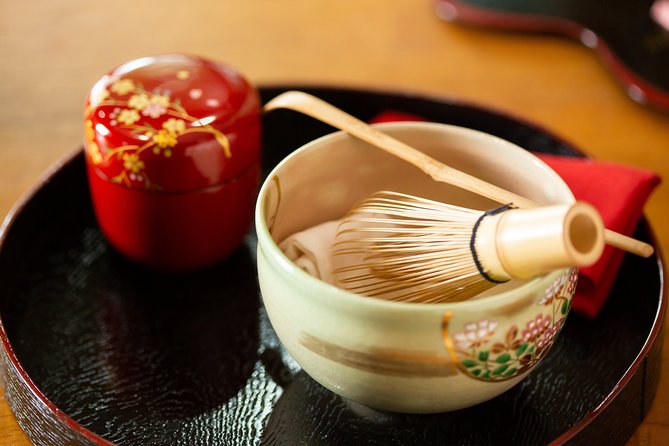
At $83 per person for about 90 minutes total (with the core ceremony taking around 75 minutes), this is priced like a true guided workshop, not just a show. The biggest value point is that the price bundles the essentials:
- simple kimono rental
- tools use fee
- instruction fee
- Okinawan and Japanese sweets
- matcha (macha green tea)
- photography
- an origami crane souvenir
That matters for budgeting. You are not adding a separate outfit fee, paying extra for the tools, or covering photos on your own. And because the group is capped at 6 people, you are also paying for quality instruction and personal attention.
If you want one activity in Okinawa that goes beyond scenic stops and actually teaches you a craft, this is a strong use of time.
Who this Okinawa tea ceremony is best for
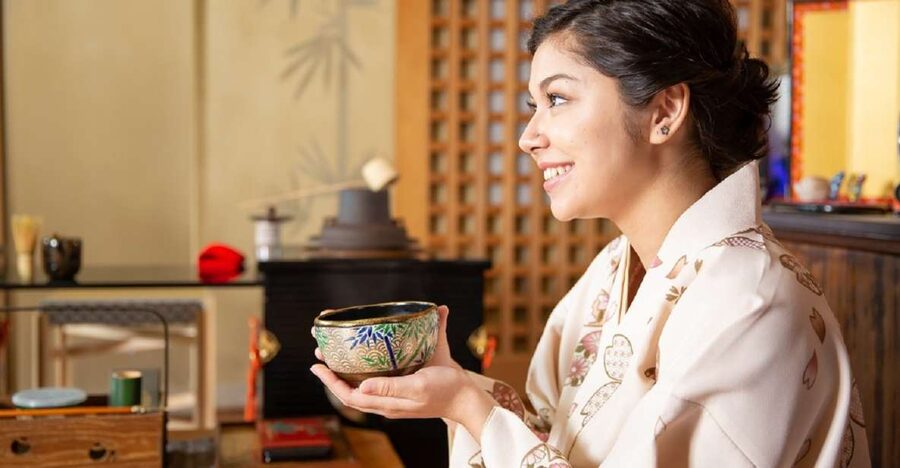
This experience fits especially well if you want a calm cultural activity with clear structure. It is a good match for:
- couples or small groups who want a shared experience and photos
- travelers who like hands-on learning, not just watching
- first-time visitors to Japanese tea culture, especially people who want English support
- anyone who enjoys Okinawan details, since you will taste local sweets alongside Japanese ones
It might not be ideal if you need wheelchair accessibility, since it is not suitable for wheelchair users. Also, it is not set up for children under 3.
Practical tips so you enjoy it more (and stress less)
You will enjoy this more if you treat it like a focused half-chill experience, not a race to finish sightseeing. A few practical ideas:
- Wear comfortable clothing underneath your kimono basics, since you will be changing cloths at the start and end.
- Go in ready to slow down. The small entrance, cleansing steps, and careful tool handling take time.
- Ask questions as they arise, especially around the matcha making. The whole experience is designed so you can get it right in the moment.
- Plan around the timing. The experience runs about 90 minutes, and starting times depend on availability.
Should you book this tea ceremony in Okinawa?
If you want a cultural experience you can actually participate in, this is an easy yes. The hands-on matcha making, the guided manners, and the small-group attention are the core strengths. Add in the kimono rental, included sweets, and the photo stop in front of the gold folding screen, and the value feels solid for the time you spend.
Book it if you like structure, quiet details, and learning skills you can remember. Skip it only if mobility constraints are an issue for you, or if you are looking for a purely casual, no-instruction activity.
FAQ
How long is the tea ceremony experience in Okinawa?
The experience runs for about 90 minutes total, with the ceremony itself listed as 75 minutes. Check availability for starting times.
How much does it cost per person?
The price is $83 per person.
What is included in the price?
It includes simple kimono rental, tools use, instruction, Okinawan and Japanese sweets, matcha green tea, photography, and an origami crane souvenir.
What languages will the instructor speak?
Instruction is provided in English and Japanese.
Is this a small-group experience?
Yes. It is limited to a maximum of 6 participants, with a minimum of 2 people required.
Is the tea ceremony suitable for children or wheelchair users?
It is not suitable for wheelchair users. It is also not for children under 3 years old.
Newly listed around Okinawa
- Shuri+Naha: Cycling Tour Explore Water Heritage with E-Bike★ 4.9 · 22 reviews
- Snorkeling Activity in Okinawa Miyako Japan★ 4.5 · 29 reviews
- Private Stargazing Photography Tour In Kabira Bay★ 5.0 · 8 reviews
- Original Street Kart Experience in Naha, Okinawa★ 4.9 · 39 reviews
- Okinawa Private Custom Tour with Local Guide★ 5.0 · 7 reviews
- Okinawa: Tropical Dream , Ryukyu Mura, Banta Cafe Bus Tour★ 4.3 · 19 reviews
- Okinawa:Naha:Kerama Island Experience 1Dive and Snorkeling★ 4.4 · 99 reviews
- Okinawa : Kerama Whole Day Snorkeling Tour From Chatan/Naha★ 4.5 · 93 reviews
Matcha & Tea Ceremony Sessions, compared.
Tea Ceremony in a Traditional Tea House in Kiyomizu
Read our review →
World Heritage Kyoto & Nara Uji Authentic Matcha Experience
Read our review →
Browse the lists this tour appears in