
Review · MATCHA & TEA CEREMONY SESSIONS
A 90 min. Tea ceremony Workshop In The Authentic Tea Room
Matcha tastes better when you slow down. This 90-minute Chado class in Asakusa is built around Chado basics you can feel in your body, from a tatami tea room to making your own matcha. You get a guided ceremony performance, tastings, and a practical lesson, all in a small setting that keeps things calm and focused.
I love two things most. First, the instruction comes from a school licensed by the Urasenke Chado School in Kyoto, so the steps and etiquette follow a real lineage. Second, you do real work with usucha matcha, not just watch someone else pour.
One heads-up: the tea room sits on the second floor of an old house, and the staircase is steep, with no equipment for assistance. If stairs are an issue for you, this is the part to plan around.
In This Review
- Key highlights worth planning for
- First impressions in Asakusa: where the workshop begins
- Sakura tea welcome and the 10-minute Chado orientation
- The tatami tea room experience: timing, etiquette, and quiet focus
- Watching koicha: strong matcha, samurai origins, and careful pacing
- Tea bowl lesson: why shape and region change the drink
- Your hands-on matcha lesson: making usucha with foam
- Confection and the role of pauses
- Who the workshop fits best (and who may want to rethink)
- Price and value: what $40.75 buys in real experience time
- Practical tips before you go
- Should you book this Asakusa tea ceremony workshop?
- FAQ
- How long is the tea ceremony workshop?
- What does the workshop include?
- Where is the meeting point?
- Is the group size small?
- What should I wear and bring?
- Do I have to sit in seiza on the tatami?
- Is there an age requirement?
- Is it okay if I have mobility concerns?
- Can I get a refund if I cancel?
Key highlights worth planning for
- Urasenke-linked instruction from a licensed school, so you learn the proper way to host and receive
- Sakura tea welcome plus a 10-minute intro video to get the big picture fast
- Koicha ceremony performance with strong matcha tasting, then usucha hands-on making
- Tea bowl variety lesson that explains how shapes and regions change the experience
- Practical tatami guidance, with chair options and socks required, no bare feet
First impressions in Asakusa: where the workshop begins
The meeting point is in Asakusa, Taito City, at 4-chōme-19-9 Asakusa, Tokyo 111-0032. The activity ends back at the same place, so you do not need to worry about finding a second drop-off.
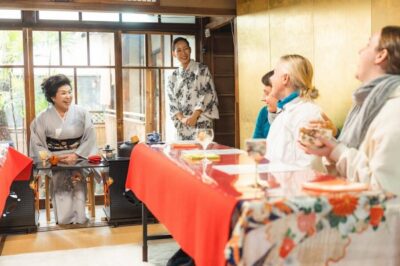
This class is designed for a small group, with a maximum of 6 travelers. That matters more than it sounds. With fewer people, the instructor can correct your hand position and serving rhythm without rushing you. You also get more time to taste, ask, and reset when you feel uncertain.
The workshop runs about 1 hour 30 minutes. It is long enough to do the ceremony sequence and still feel relaxed, not like you are being hurried through a checklist. If your Tokyo days are packed, this is one of the rare activities that feels like a pause rather than another stop.
More Tea Ceremonies in Tokyo
- Kimono Tea Ceremony at Tokyo, Asakusa Maikoya
★ 5.0 · 638 reviews - Asakusa Cultural Walk & Matcha Making Tour
★ 5.0 · 245 reviews - Sweets Making and Kimono Tea Ceremony at Tokyo Maikoya
★ 5.0 · 57 reviews
Sakura tea welcome and the 10-minute Chado orientation
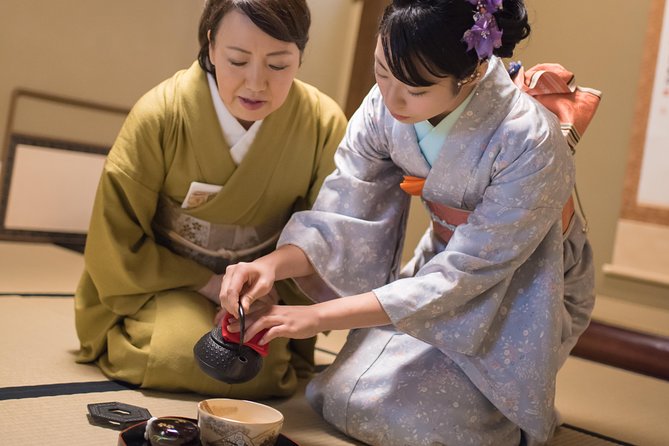
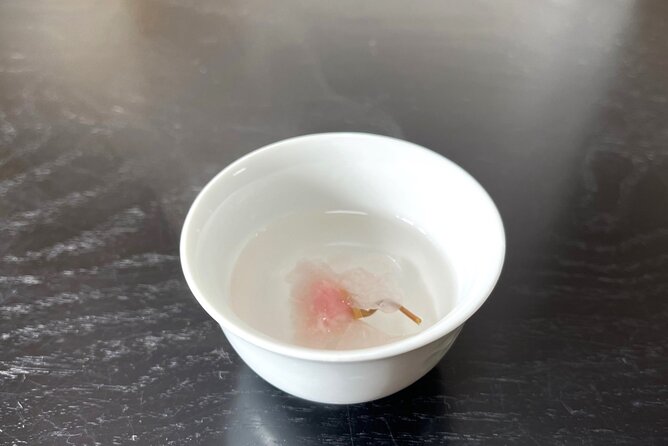
Before you step into the tea room, you start with a Sakura tea welcome drink served by the host. Cherry blossom tea sets the tone in a very Japanese way: gentle, seasonal, and meant to mark the start of your attention.
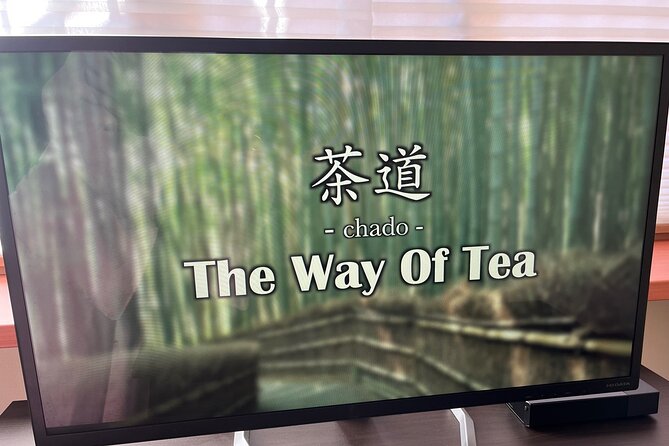
Then you get a 10-minute introduction video. This is not filler. It helps you understand the core concepts of Chado before you sit down for the ceremony parts. When you know what you are seeing, you enjoy the details more, like why the movements are slow, and why each pause feels intentional.
If you worry that tea ceremonies are too formal or too confusing, this quick primer reduces the guesswork. You spend less time decoding what is happening and more time experiencing it.
The tatami tea room experience: timing, etiquette, and quiet focus
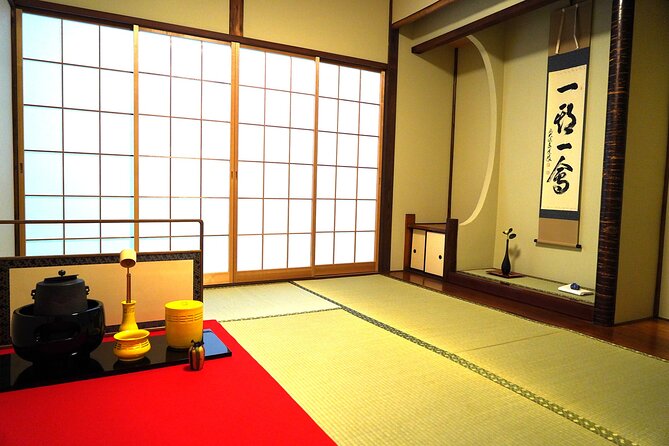
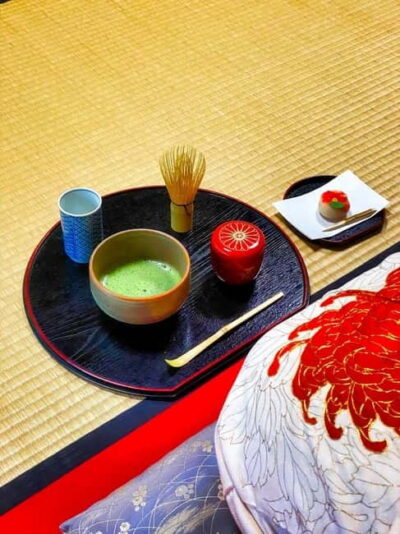
Once the orientation is done, you move into the tea room. It is set up with tatami mats, and you will learn about the space and what the room is meant to do for your mind.
Here is the practical part I appreciate: you do not have to sit in seiza style (kneeling with bent knees). You can sit in a way that works for you. And if you cannot sit on the tatami at all, you can be provided a chair.
That flexibility is a big deal. Many tea classes quietly assume you can sit a certain way. This one gives you options, so you can focus on learning rather than suffering through posture.
Socks are required, and no bare feet are allowed in the tea room. Also, miniskirts and tight pants are not recommended. This is partly for comfort, partly for the formality of the setting. Bring socks that stay put, and dress so you can move your hands easily during the matcha step.
Watching koicha: strong matcha, samurai origins, and careful pacing
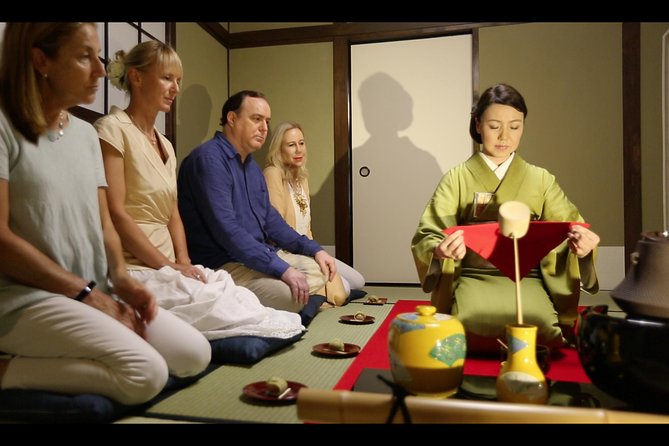
The ceremony portion starts with a formal performance for making koicha, the main matcha tea style in this tradition. You watch the host follow precise steps and then you taste the koicha.
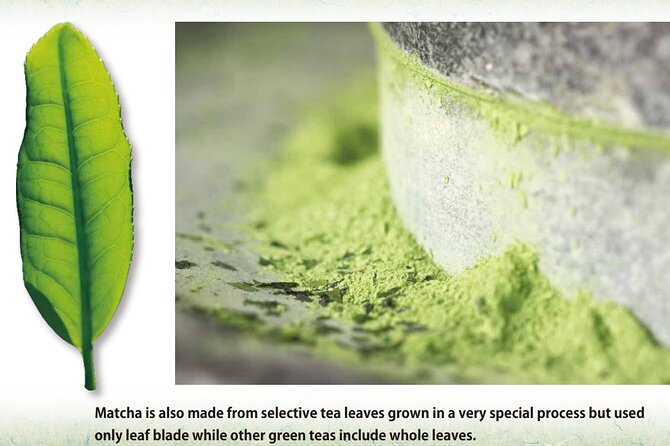
Koicha is the strong version, made for a thicker, richer matcha experience. You learn that this is the original form that samurai drank. Even if you are not a history buff, that context gives the taste more meaning. It is not just green powder. It is a specific tradition with a specific purpose.
After watching and tasting, you shift from performance mode to learning mode. That handoff is where the workshop stays valuable. You are not just observing art, you are preparing to understand how the tea comes together step-by-step.
More Tea ceremonies in Asakusa:
- Japanese Matcha Tea Ceremony and Kimono Experience in Hanayaka
★ 5.0 · 26 reviews - Kyoto: Tea Ceremony in a Traditional Tea House in Kiyomizu
★ 4.9 · 3,519 reviews - Kyoto: Tea Ceremony Ju-An at Jotokuji Temple
★ 4.9 · 3,207 reviews - Kyoto: 45-Minute Tea Ceremony Lesson Experience
★ 4.3 · 2,378 reviews
Tea bowl lesson: why shape and region change the drink
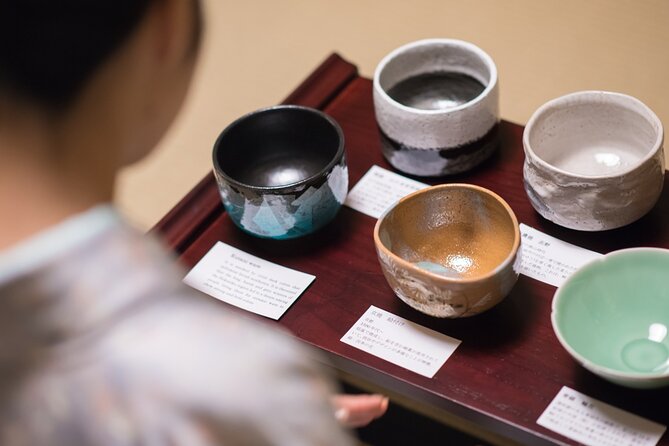
Next comes a tea bowl session focused on variety. You learn about tea bowls from different regions and how the bowl shape affects the experience.
This part can feel small if you expect only food and technique. But it is actually useful. In a tea room, the bowl is part of the tasting system. The shape can influence how the matcha surface settles and how your senses connect to aroma and mouthfeel.
It is also a nice reminder that Chado is not only about ingredients. It is about the full set of objects, movements, and atmosphere that guide attention.
If you love design details, pottery, or the idea that everyday objects carry meaning, you will enjoy this segment.
Your hands-on matcha lesson: making usucha with foam
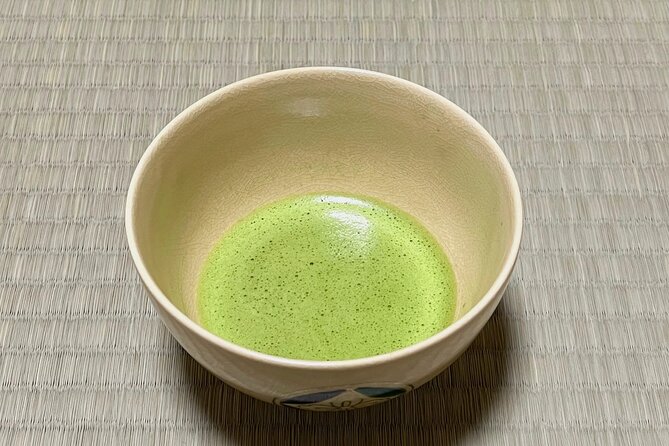
Then you do the activity you came for: you make your own bowl of usucha, the thin matcha style with foam on top.
This is where the workshop earns its keep. You are shown how to handle matcha powder and how to mix to create the right texture. Even if you have made matcha at home before, the technique here is taught as ceremony practice, not just kitchen blending.
Before you drink the usucha, you enjoy traditional Japanese sweets. After that, you drink your bowl of usucha and get the experience from both angles: watching a host, then doing it yourself.
One more practical note: the workshop includes time to learn about matcha powder itself. That helps you connect what you taste with what you are actually measuring and mixing.
Confection and the role of pauses
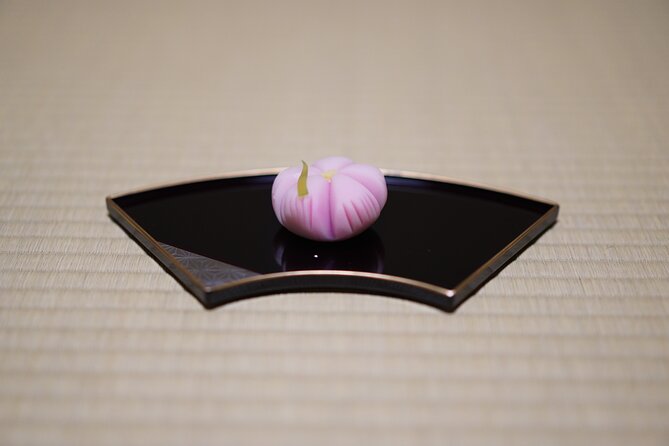
You are offered multiple sweets across the experience, including traditional Japanese confectionary and dry sweets before the usucha portion.
These are not random snacks. In Chado, the food functions like a bridge. It helps your palate shift from one taste mood to another, and it gives you a moment to reset while the tea work continues at a steady rhythm.
If you want a cultural experience that does not rely only on your ability to sit still, the sweets and tastings keep you engaged without breaking the calm pace.
Who the workshop fits best (and who may want to rethink)
This is a strong choice for couples, solo travelers, and small groups who want something quieter than a typical Tokyo “hit list” day. It also works well if you want a real cultural skill, not just a photo moment.
It is designed for participants 10 years old and above, so it can work for older kids who can follow instructions and tolerate the tea room rules.
Two things to consider before you book:
- The tea room is on the second floor with a steep staircase, and there is no machinery to assist. If you have mobility limits, you should think twice or contact the provider in advance.
- The old house has a weight capacity. Even though the group size is typically set, there may be times when the schedule needs to shift to balance the limitation for safety. This could affect which time slot you get.
Price and value: what $40.75 buys in real experience time
At $40.75 per person, this is not a budget class. But it is also not overpriced for what you get in a Tokyo setting.
You get:
- A guided Chado introduction, including a video
- A ceremony performance focused on koicha
- Multiple tastings and traditional sweets
- A hands-on matcha lesson where you make usucha
- Instruction connected to a school licensed by Urasenke Chado School in Kyoto
- A small-group format capped at 6 people
In other words, you are paying for time with a practitioner, not just for tea. You also get the structure of Chado basics in one concentrated session. That is valuable if you do not have weeks to train, but you still want authenticity and correct etiquette.
If you love matcha and want to learn how it is made in a formal, mindful context, the price feels more justified. If you mainly want casual sightseeing, you might prefer a free temple visit and a self-guided matcha stop. But for a hands-on skill plus a guided ceremony, this class offers solid value.
Practical tips before you go
A few details will make your visit smoother.
- Bring socks. Socks are required, and you cannot go barefoot.
- Avoid restrictive clothing. Miniskirts and tight pants are not recommended.
- Plan around stairs. The tea room is on the second floor and the staircase is steep. No assistive equipment is available.
- Know your seating options. You do not have to use seiza posture. If you cannot sit on tatami, a chair can be provided.
- Choose a workshop time that feels calm. Multiple time options are offered, so pick one when you can arrive without sprinting through Asakusa.
Also, go in expecting calm. This is not a loud performance. It is a ritual-paced experience with careful steps and quiet attention.
Should you book this Asakusa tea ceremony workshop?
I think you should book it if you want a short, high-quality entry point into Chado that includes both tasting and hands-on matcha making. The combination of koicha viewing, usucha practice, sweets, and structured guidance is exactly the kind of cultural experience that translates well into real understanding.
Skip it or plan carefully if you have trouble with steep stairs, because the tea room is upstairs and assistance equipment is not provided. Also, if you are very sensitive to formality, review the dress and seating rules before you go.
If you want a meaningful Tokyo moment that feels different from shopping and photo stops, this one fits. You leave knowing more than matcha flavor. You leave knowing what to do with your hands, when to pause, and how hosting and receiving are part of the drink itself.
FAQ
How long is the tea ceremony workshop?
It lasts about 1 hour 30 minutes.
What does the workshop include?
You get a Sakura tea welcome drink, a 10-minute introduction video, time in the tea room, traditional Japanese confectionery, a koicha ceremony performance and tasting, a tea bowl lesson, and a hands-on lesson to make and drink usucha, plus dry sweets before usucha.
Where is the meeting point?
The workshop starts at 4-chōme-19-9 Asakusa, Taito City, Tokyo 111-0032, Japan, and ends back at the same meeting point.
Is the group size small?
Yes. The activity has a maximum of 6 travelers.
What should I wear and bring?
Miniskirts and tight pants are not recommended. Socks are required in the tea room, and bare feet are not allowed. Please bring your socks.
Do I have to sit in seiza on the tatami?
No. You do not have to sit in seiza style on the tatami mats. If you cannot sit on the tatami in any way, a chair can be provided.
Is there an age requirement?
Yes. This workshop is designed for participants 10 years old and above.
Is it okay if I have mobility concerns?
The tea room is on the second floor, and the staircase is steep. The provider notes they are not equipped with machinery to assist going up.
Can I get a refund if I cancel?
No. This experience is non-refundable and cannot be changed for any reason. If you cancel or ask for an amendment, the amount you paid will not be refunded.
Newly listed around Asakusa
- Tokyo : Asakusa Food Tour – 12 Dishes & 3 Drinks★ 5.0 · 44 reviews
- Tokyo: Customized Private Tour with a Local Guide★ 5.0 · 16 reviews
- 【Tokyo/Asakusa】Traditional Japanese Washi Papermaking experience★ 5.0 · 146 reviews
- Tokyo Japanese Dance Cabaret Theater Asakusa-Kaguwa★ 5.0 · 170 reviews
- Asakusa Kimono Photography Tour (Private Option Available)★ 5.0 · 20 reviews
- Tokyo: Asakusa & Sensoji ー Oldest Temple Walking Tour (2hrs)★ 5.0 · 213 reviews
- Asakusa Rental Kimono in Tokyo★ 5.0 · 11 reviews
- Asakusa:Family-Friendly Kimono & Yukata Experience at WARGO★ 5.0 · 30 reviews
Matcha & Tea Ceremony Sessions, compared.
Tea Ceremony in a Traditional Tea House in Kiyomizu
Read our review →

World Heritage Kyoto & Nara Uji Authentic Matcha Experience
Read our review →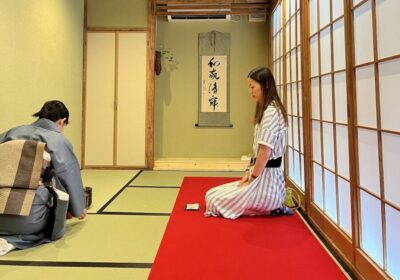
Browse the lists this tour appears in