Review · KYOTO TOURS
Concerts Played with Traditional Instruments in Kyoto
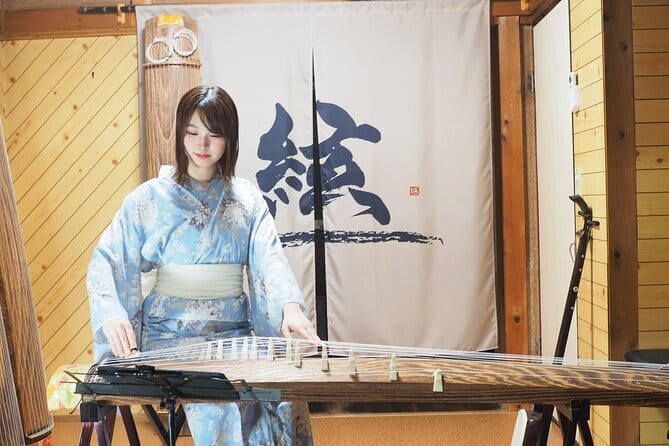
A home turns into a concert hall. This Kyoto experience at Gen Home Saiin puts you close to koto and shamisen players, starting with an instrument briefing and ending with Q&A and photos right after the music. It’s a rare setup because the show happens in someone’s home, not a theater, and the program blends well-known classical tunes with modern and original compositions you might recognize.
I especially like the pre-concert explanation of what you’re hearing. You get the basics on koto and shamisen before the first note, so the performance makes more sense as it unfolds. I also love the format: you watch the live set, then you get time for questions, photos, and (if you upgrade) a chance to try a simple koto piece yourself.
One thing to consider: it’s about 50 minutes, so it’s not a long evening of multiple performances. Also, hands-on koto is an upgrade, and coffee or tea isn’t included, so plan for a quick but focused night.
In This Review
- Key highlights I think you’ll care about
- Why a Kyoto home concert feels different
- Gen Home Saiin and the program: koto, shamisen, and what’s on the set
- The pre-show instrument briefing: how to listen better
- The live concert flow: performance, Q&A, photos, and emotional punch
- The hands-on koto upgrade: trying a simple piece
- What to expect at Gen Home Saiin: atmosphere and practical comfort
- Price and value: is $39.63 a good deal?
- Who should book this Kyoto koto and shamisen concert?
- Book this or skip it? My practical call
- FAQ
- How long is the Kyoto koto and shamisen concert?
- Where does the experience take place?
- Is there an introduction to the instruments before the music?
- Does the experience include Q&A and photo-taking?
- Is there an option to try playing the koto?
- What’s included in the ticket price?
- Is coffee or tea included?
Key highlights I think you’ll care about
- Kyoto home venue (Gen Home Saiin): a private or small-group stage inside a traditional house.
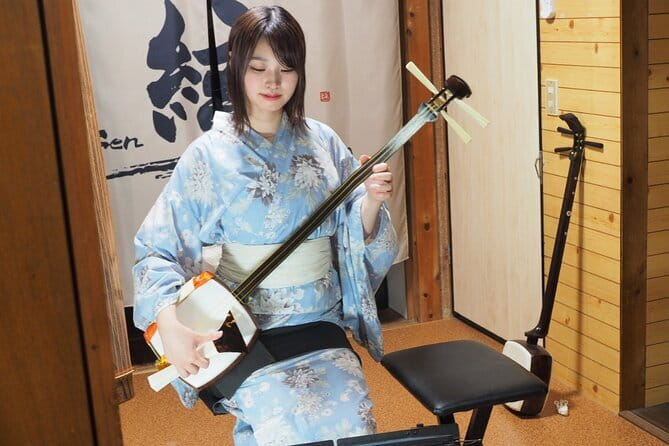
- Instrument briefing first: you learn koto and shamisen basics before you hear the concert.
- Live program with familiar anchors: pieces named like Chidori no Kyoku, Rokudan no Shirabe, and Kajimakura.
- Q&A plus photo time: conversation and pictures right after the performance.
- Optional hands-on koto upgrade: try a simple piece if you choose the higher option.
- English-friendly format: the presentation is described as organized and detailed in the experiences people share.
Why a Kyoto home concert feels different
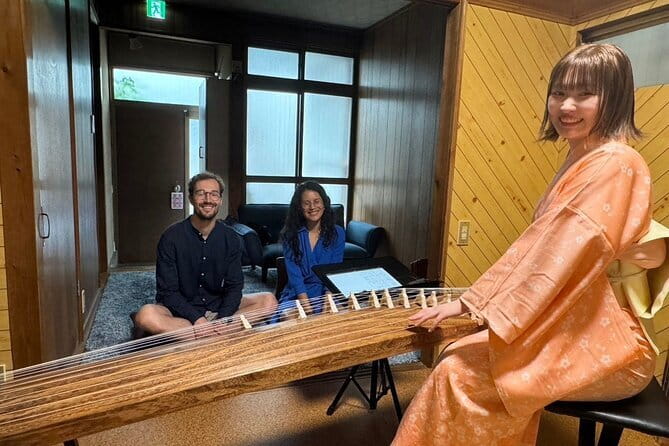
Kyoto has plenty of places where you can hear traditional music, but a concert in a home changes the whole tone. The room scale is smaller, the sound feels more direct, and the players feel less like distant performers and more like artists sharing their craft.
At Gen Home Saiin, the setup basically turns a normal home space into a stage. That means you’re watching in a quieter, tighter environment where the details matter, like how a note starts, how it holds, and how the rhythm lands. When the koto and shamisen are up close, it’s easier to hear what makes each instrument distinct instead of getting swept along by the overall volume.
It’s also a nice break from the usual Kyoto rhythm of temples and streets. This is culture you experience with your ears first, then your brain. And if music isn’t your main travel interest, the intro helps you get traction fast.
A few more Kyoto days to weigh up
- Kyoto: Traditional Concert at Townhouse or Bathhouse
★ 4.9 · 224 reviews - Kyoto: Japanese Koto & Shamisen Concert and Koto Class
★ 4.9 · 31 reviews
Gen Home Saiin and the program: koto, shamisen, and what’s on the set
The whole experience centers on koto and shamisen performances at Gen Home Saiin in Kyoto. You’re there for a live concert that runs about 50 minutes, with structured segments that keep things moving without feeling rushed.
The program includes classical pieces and also modern or original works. The classical list in this booking includes named pieces like:
- Chidori no Kyoku
- Rokudan no Shirabe
- Kajimakura
Hearing named classics is a real advantage because you can follow along with what the music is trying to do. Even if you do not know koto or shamisen right now, the fact that the pieces are identifiable helps the performance feel less like background sound and more like a story with chapters.
The concert is also associated with figures often linked to shaping Japanese music for these instruments, including names like Yoshizawa Kengyo, Yatsuhashi Kengyo, and Kikuoka Kengyo. That matters because when performers reference the lineage behind the music, you stop treating it as random notes and start noticing the style choices that define each composer’s approach.
And yes, the experience leaves room for you to spot connections. The booking description specifically notes that you might recognize tunes. Even if you do not, you’ll still get that sense of recognition from the emotional phrasing and the way certain melodies repeat or echo in different forms.
The pre-show instrument briefing: how to listen better
Before the music starts, you’ll learn about the koto and shamisen. This isn’t just trivia. It’s the difference between hearing music as noise and hearing it as technique.
Here’s what the briefing does for you:
- It gives you vocabulary for what you’re about to hear.
- It helps you understand why certain patterns sound the way they do.
- It makes the performance feel guided, not mysterious.
The experience also includes a brief introduction and explanation as part of the included ticket. In the feedback people share afterward, the presentation is repeatedly described as organized and detailed, and people specifically call out that it’s done in English.
That detail matters. In a short, 50-minute format, you don’t have time to guess. A clear intro means you can spend the performance actually listening, not translating in your head.
The live concert flow: performance, Q&A, photos, and emotional punch
After the instrument briefing, the experience shifts into the live performance segment. You’ll sit and watch as the musicians play through a mix of pieces, including classics like Chidori no Kyoku and others such as Rokudan no Shirabe and Kajimakura.
What makes this format work is the pacing. You’re not dumped into a full concert program with zero context. You get explanation first, then music, then a chance to interact.
Right after the performance, the experience includes:
- Q&A session
- photo-taking
This is one of the most practical benefits of a home concert format. In a big theater, you usually cannot ask questions or get close enough to see how techniques translate into sound. Here, you can raise a simple question like what to listen for in a particular passage, or you can ask about the music choice when something feels especially memorable.
In the feedback, one piece called out as especially moving is Chidori no Kyoku. People mention it can hit hard emotionally. I’d treat that as a hint, not a promise. Some music just lands differently depending on mood and attention, but knowing which track is often singled out helps you stay focused.
Also, the concert includes both traditional and more modern compositions. That contrast is useful for you as a listener because it shows how these instruments can carry different styles, not only reproducing what’s old.
A different sort of day in Japan:
- PERFECT KYOTO 1-Day Bus Tour
★ 5.0 · 13,518 reviews - Kyoto: Fushimi Inari, Kinkakuji, Bamboo Grove 1 Day Bus Tour
★ 4.8 · 4,316 reviews - Kyoto: Tea Ceremony in a Traditional Tea House in Kiyomizu
★ 4.9 · 3,519 reviews - Kyoto Geisha Walking Tour: Gion District & Hidden Gems
★ 4.7 · 3,273 reviews
The hands-on koto upgrade: trying a simple piece
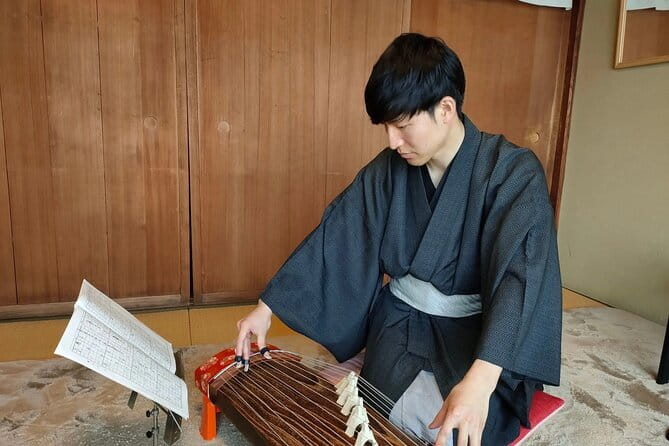
You have an upgrade option to join a hands-on koto session. This is the part I think most people end up loving because it turns listening into participation.
The experience description keeps it realistic: you’ll try playing a simple piece. That’s exactly what you want in a beginner-friendly setting. You’re not expected to master koto technique in one go. Instead, you get the basic feel for how the instrument responds and what the musicians are doing when they play.
If you’re the type who likes to do one activity that creates a new skill snapshot, this upgrade makes the whole night more memorable. Without it, you get a great show and a good explanation. With it, you also get a physical reference point for how the sounds happen.
It’s also a good option for couples or small groups where not everyone is equally music-focused. One person can be into the performance while another person is delighted by the hands-on moment.
What to expect at Gen Home Saiin: atmosphere and practical comfort

Because this concert happens in a home, you should expect a more personal, slightly informal atmosphere compared to venues designed for crowds. That’s part of the appeal. You’re not just attending a show, you’re stepping into a space that becomes temporary stage.
A few practical notes based on the info provided:
- The location is near public transportation, so plan your arrival around buses or trains and keep walking time reasonable.
- You’ll have a mobile ticket, which is usually fast to access.
- WiFi on board is included, though you should not count on it for live streaming or heavy use during the performance.
Also, coffee and/or tea are not included. Kyoto nights can run long if you build in breaks for snacks, so if you want a drink beforehand, grab one near your transit stop or on the way in.
If you’re choosing a time option during the day, remember the key value here is attention. Pick a slot when you’re not racing from one major sight to another. You’ll enjoy it more if your head is clear enough to process what the musicians explain.
Price and value: is $39.63 a good deal?
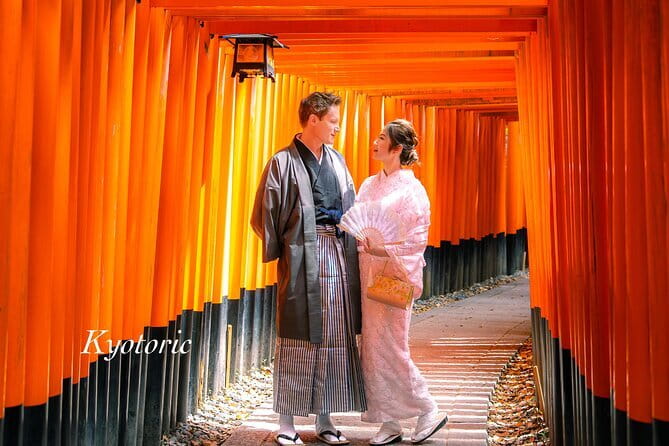
At $39.63 per person, this is priced like a focused cultural activity, not a major multi-hour event. The main value is that you get several things bundled into one sitting:
- instrument introduction and explanation
- participation in the koto and shamisen concert
- Q&A and photo-taking
- an upgrade path for hands-on koto
It’s also not a generic “traditional music somewhere.” It’s specifically a home concert at Gen Home Saiin. That venue choice is expensive in experience terms because it creates intimacy and access, which are hard to replicate in larger halls.
Another value signal: people rate it 5 out of 5, with 100% recommendation in the supplied summary. I treat that as an encouraging sign, not a guarantee, but it suggests the experience consistently hits its target: clarity, intimacy, and memorable performance.
One caution on value: if you want the hands-on segment, check the difference between the base and upgraded option so you can decide what kind of night you want. For some people, the concert plus Q&A is plenty. For others, the chance to touch the instrument is the whole point.
And booking timing matters. On average, this gets booked 33 days in advance. If you’re traveling during popular seasons or you already know your concert day, reserve earlier than later to avoid losing your preferred time slot.
Who should book this Kyoto koto and shamisen concert?
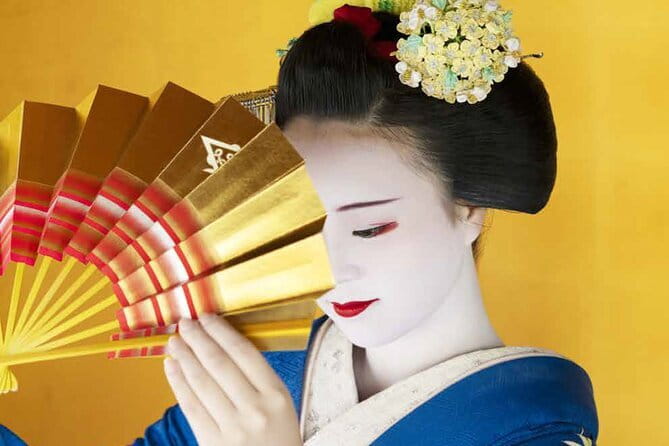
This experience fits best if you want one of these outcomes:
- You want traditional Japanese instruments in an intimate setting, not a big venue.
- You like learning what you’re listening to, especially with an English-friendly guide explanation.
- You want a cultural activity that includes interaction, not just passive watching.
- You’d enjoy a small hands-on moment on an actual koto.
It may not be ideal if you want a long evening plan, since the concert is about 50 minutes. It also may not be your top choice if you’re only interested in modern pop music, because the program centers on classical and tradition-linked pieces alongside modern or original compositions for balance.
For families and mixed-age groups, it can work well because the experience is described as suitable for most travelers. Still, it’s a music session, so if your group is not into sitting and listening, you might find your attention wandering.
If you’re a solo traveler, it’s a great way to connect. Q&A and photo-taking create natural conversation without forcing you into a group tour vibe.
Book this or skip it? My practical call
If you’re doing Kyoto for culture and you like experiences where the musicians can actually be heard and seen up close, I’d book this. The home setting at Gen Home Saiin plus the instrument briefing is a winning combo. You’re not guessing what’s happening. You get context first, then a performance that includes recognizable anchors like Chidori no Kyoku, Rokudan no Shirabe, and Kajimakura.
Upgrade to the hands-on koto session if you want a souvenir that is not just a photo, something you can remember with your hands. Skip the upgrade if you’re mainly there for the concert and the Q&A, and you prefer to keep the night simple.
If you are short on time and need a longer itinerary, this might feel too compact. But if you want a concentrated, well explained evening of Japanese traditional instruments, this is one of the more direct ways to get it.
FAQ
How long is the Kyoto koto and shamisen concert?
The concert lasts about 50 minutes.
Where does the experience take place?
It’s held at Gen Home Saiin in Kyoto.
Is there an introduction to the instruments before the music?
Yes. You’ll learn about the koto and shamisen before the concert as part of the experience.
Does the experience include Q&A and photo-taking?
Yes. After the performance, there’s a Q&A session and time for photos.
Is there an option to try playing the koto?
Yes. You can upgrade to participate in a hands-on koto session where you’ll try playing a simple piece.
What’s included in the ticket price?
The booking includes landing and facility fees, WiFi on board, and participation in the koto and shamisen concert with a brief introduction and explanation.
Is coffee or tea included?
No. Coffee and/or tea are not included.
Newly listed around Kyoto
- Zen Meditation for Life in Kyoto★ 5.0 · 10 reviews
- Kyoto: Zen Meditation at a Private Temple with a Monk★ 5.0 · 25 reviews
- Kyoto Private Customizable Day Tour with Guide and Vehicle★ 5.0 · 52 reviews
- Private Wagyu Beef Tour with a Local Guide★ 5.0 · 6 reviews
- Kyoto: Gion Geisha District & Sake-in-Hand Walking Tour★ 5.0 · 37 reviews
- Your Private Vacation Photography Session In Kyoto★ 5.0 · 110 reviews
- Private Guided Traditional Buddhist Cooking in Japan★ 5.0 · 16 reviews
- Private Pewter Sake Cup Experience with a Kyoto Artisan★ 5.0 · 31 reviews
Kyoto Tours, compared.

Fushimi Inari, Kinkakuji, Bamboo Grove 1 Day Bus Tour
Read our review →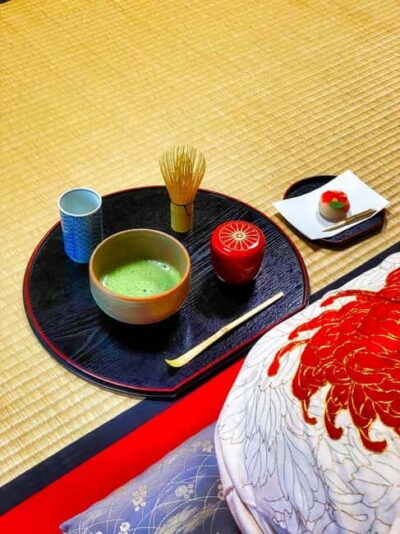
Tea Ceremony in a Traditional Tea House in Kiyomizu
Read our review →
Kyoto Geisha Walking Tour: Gion District & Hidden Gems
Read our review →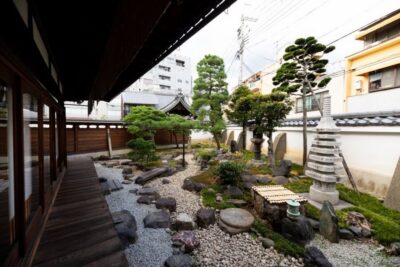
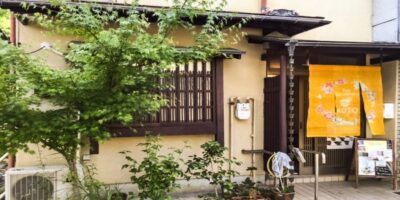
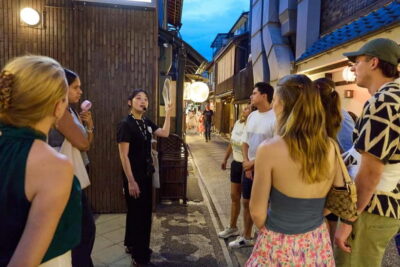
Gion Geisha District Walking Tour – Stories of Geisha
Read our review →