Review · KYOTO TOURS
Kyoto: Traditional Concert at Townhouse or Bathhouse
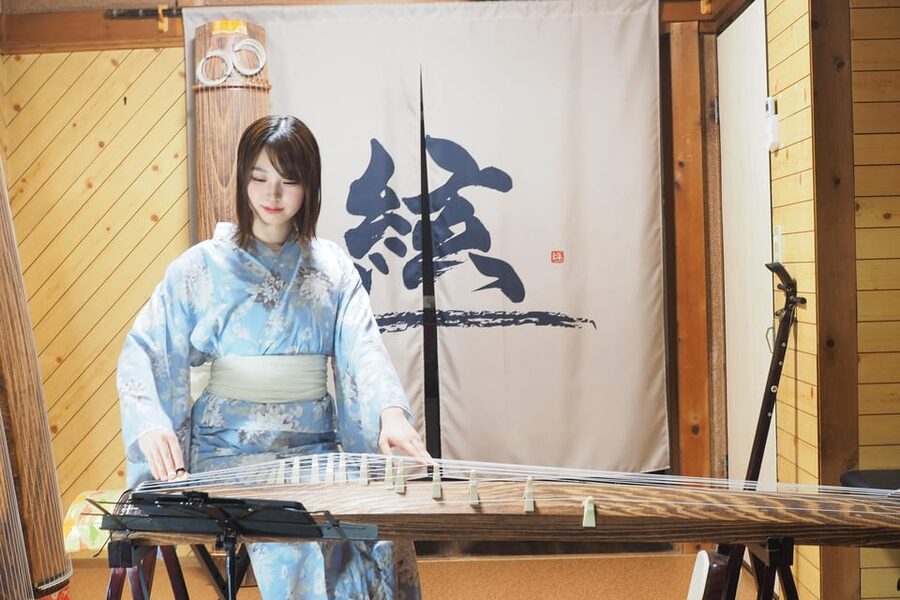
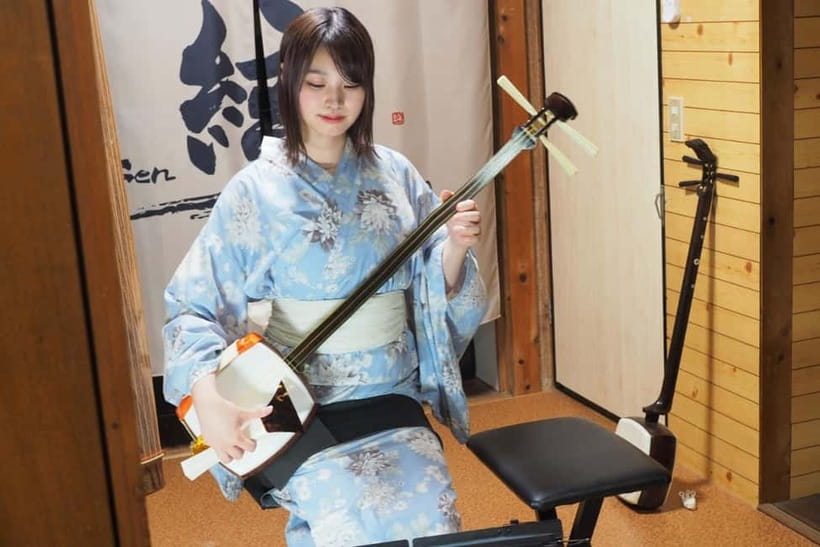
Small rooms, big Japanese sound. In Kyoto, you get koto and shamisen performed by professionals, plus short bilingual explanations that make the music easier to follow than you might expect.
I especially love the townhouse option for its cozy, living-room feel and close listening, with the bonus of an optional koto workshop. I also like how the program mixes classical tunes with contemporary or original pieces, so the concert feels connected to today instead of locked in the past.
One thing to plan for: the bathhouse hall happens on an irregular schedule (often Mondays), and both venues can be a little tricky to find the first time.
In This Review
- Key highlights you will feel right away
- Two Kyoto Venues, Two Sound Worlds
- What Happens From Check-In to Q&A
- Townhouse Solo Sets: Cozy Listening and a Real Workshop Option
- Bathhouse Hall Duets: Why the Room Changes the Music
- The Music: Koto, Shamisen, and Modern Twists You Can Hear
- Price and Time: Why About $32 Can Feel Like a Steal
- Plan Your Kyoto Day: Nearby Stops Without Rushing
- Best For Who, And Who Should Skip It
- Should You Book This Koto and Shamisen Concert?
- FAQ
- How long is the concert?
- How much does it cost?
- What is included in the experience?
- Can I choose between venues?
- What will I learn during the introduction?
- Do I need prior knowledge of Japanese instruments?
- Are the performers and hosts speaking English?
Key highlights you will feel right away
- Up-close sound in a townhouse, sized for about 11 guests
- Duets in a bathhouse hall, where tiled walls add dramatic resonance
- Bilingual mini-commentary and an instrument intro so you are not guessing
- Q&A plus photo time with the musicians after the music
- Optional hands-on koto workshop available at the townhouse venue
- Seasonal, musician-driven repertoire that changes with the performer
Two Kyoto Venues, Two Sound Worlds
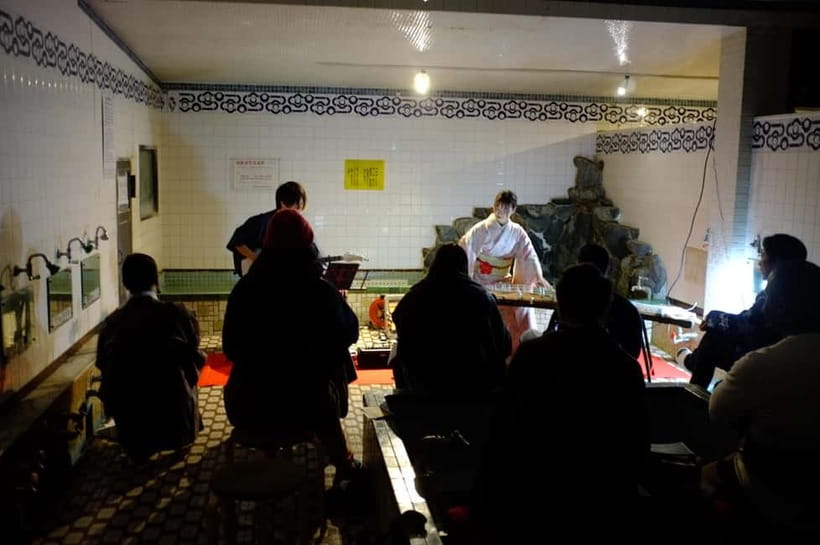
This concert is unusual in the best way: you choose the room, and the room shapes what you hear. The traditional townhouse is small, warm, and close to your knees. The historic bathhouse hall is larger, louder in a good way, and uses the building like an extra instrument.
Townhouse shows run with solo koto and shamisen sets, usually with about 4 to 5 pieces. Expect a cozy solo setting that feels like you are being invited in, not shuffled through. The capacity is around 11 guests, so you can actually pay attention to details like how the player controls tone.
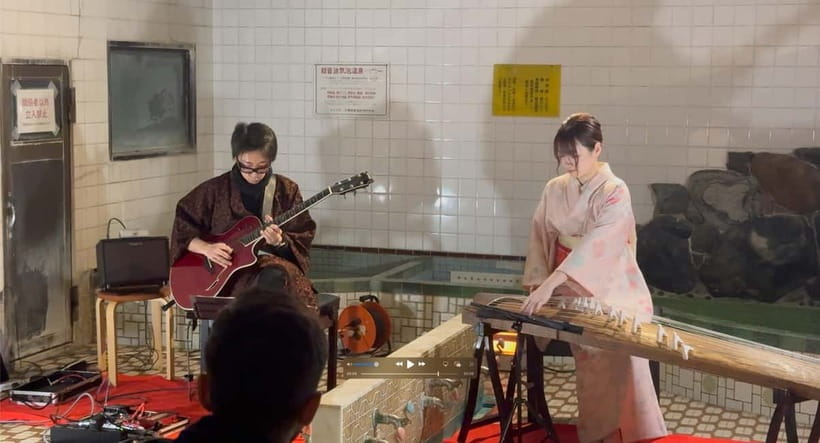
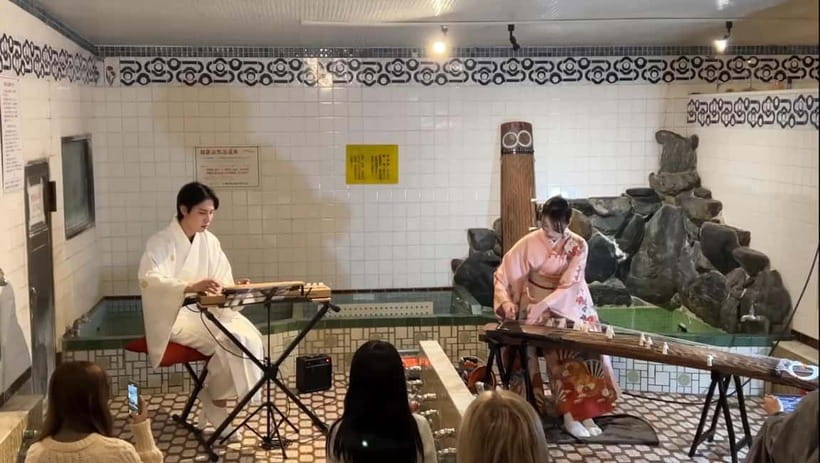
The bathhouse hall is a different experience. It is built for sound. You sit in a space with strong natural reverberation from tiled walls, and the program leans into collaboration. You get koto duet plus another instrument (shamisen, shakuhachi, taishōgoto, flute, guitar, and more), with 4 to 5 pieces across the set (not counting the opener).
If you only have time for one night, I would pick the townhouse for comfort and learning, and the bathhouse for the bigger dramatic sound. If your schedule is flexible, doing both can feel like comparing two styles of the same language.
A few more Kyoto days to weigh up
- Kyoto: Japanese Koto & Shamisen Concert and Koto Class
★ 4.9 · 31 reviews
What Happens From Check-In to Q&A
The flow is simple, and that is part of why it works. You arrive, you settle in, and the hosts keep things moving at a human pace.
Here is what the evening typically looks like:
- Check-in and seating (about 5 to 10 minutes): you get basic venue etiquette and find your spot.
- Instrument introduction (about 10 to 15 minutes): you learn the parts, the picks or bridges, and even how the notation works. This is one of the most useful segments for first-timers, because it gives you a mental map.
- Concert (about 25 to 30 minutes): the music is performed with commentary, in Japanese and English.
- Q&A and photos (about 5 to 10 minutes): you can ask questions directly and meet the artists.
In past sessions, hosts and translators like Gen (the experience provider), along with names such as Shima, Samuel, and Sofia, have been praised for being friendly and helpful. You should expect clear explanations, not academic lectures.
One small practical note: the intro and Q&A are where you get the most value if your Japanese is limited. If you are even a little curious, show up with questions in your head. The format is designed for dialogue.
Townhouse Solo Sets: Cozy Listening and a Real Workshop Option
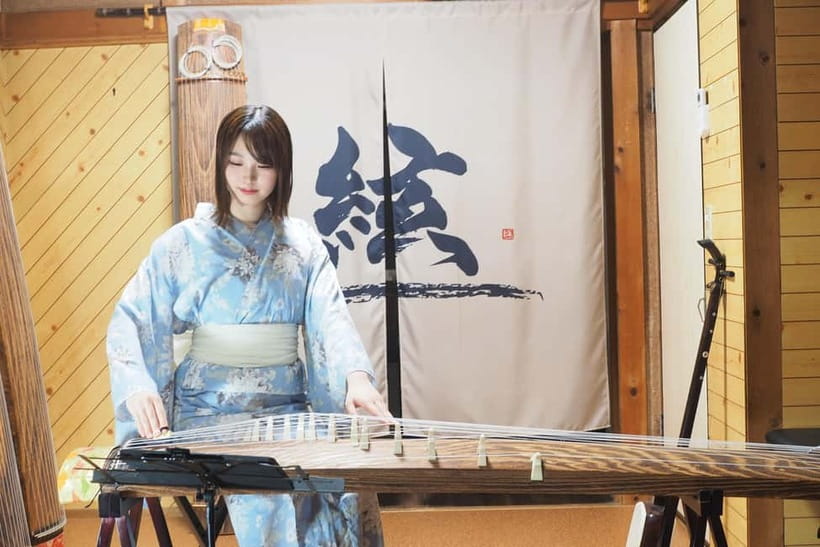
If you like quiet evenings and close listening, the townhouse is the one. This is the setting many people describe as a calm break from Kyoto’s buzz.
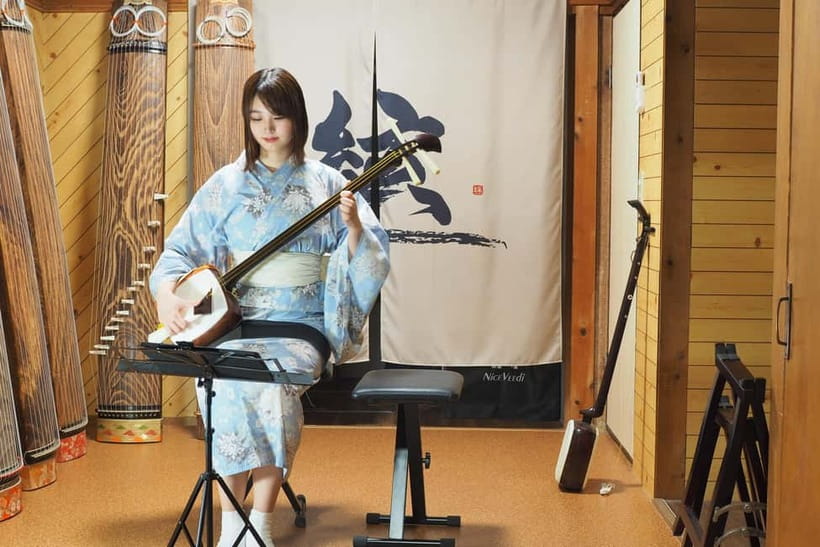
The solo format matters. With fewer instruments and fewer players, you notice things like phrasing and how the performer shapes the sound over time. The player typically performs 4 to 5 pieces, mixing Japanese classical works with contemporary or original selections.
Sample titles you might hear include Kajimakura, Chidorino Kyoku, and Kaede no Hana. The exact order changes, because the program is artist-driven and rotates by season and personal style.
Capacity is about up to 11 guests, which changes everything. You are not just watching. You are close enough to pick up on body language, and you can hear nuance in softer passages.
This is also the only venue option that includes an optional hands-on koto workshop. After the concert and Q&A, the workshop runs about 35 to 40 minutes. People who sign up usually enjoy it because they get guidance on how to sit properly, how to pluck, and even how to handle the basic pattern of reading the sheet music. Instruments used in the workshop are described as sanitized, and the approach is beginner-friendly.
If you want the experience to be more than listening, the townhouse workshop is one of the best values in Kyoto. It turns a concert into a short skill moment you can remember.
Bathhouse Hall Duets: Why the Room Changes the Music
Choose the bathhouse hall when you want the music to feel larger than life. The room does a lot of work here. Tiled walls create natural reverberation, and that makes duets sound dramatic and enveloping.
This venue runs koto duet programs paired with another instrument. The second instrument can vary, and past programs have included shamisen, shakuhachi, taishōgoto, flute, and guitar. Expect a total set of 4 to 5 pieces including solo and duet moments, plus an opener.
The vibe is less living-room and more stage-plus-chamber. You sit in rows, and the hall’s acoustics help sustain notes, so details like rhythm and call-and-response can land extra well.
Scheduling is the tradeoff. The bathhouse hall is offered irregularly on Mondays, so you need to check the calendar for the next dates. If you are planning around specific sightseeing, the townhouse is easier to slot into a day.
Still, if you can line it up, I think the bathhouse hall is special. You get the “wow” factor of a duet, and the building turns every phrase into something bigger.
A different sort of day in Japan:
- PERFECT KYOTO 1-Day Bus Tour
★ 5.0 · 13,518 reviews - Kyoto: Fushimi Inari, Kinkakuji, Bamboo Grove 1 Day Bus Tour
★ 4.8 · 4,316 reviews - Kyoto: Tea Ceremony in a Traditional Tea House in Kiyomizu
★ 4.9 · 3,519 reviews - Kyoto Geisha Walking Tour: Gion District & Hidden Gems
★ 4.7 · 3,273 reviews
The Music: Koto, Shamisen, and Modern Twists You Can Hear
You do not need to know music theory to enjoy this. The concert is designed for people with little prior knowledge, and the structure supports that.
During the intro, you learn how the instruments are played and why the sound feels different from Western string music. The koto uses bridges that can change tone, and players manipulate pitch and timbre with technique and control. The shamisen uses a pick and a different sound character, so its voice cuts through in a more percussive way.
The best part is the mix. Your program can include:
- Japanese classical pieces that feel familiar even if you have never heard them
- contemporary arrangements that keep the tradition moving
- musician-made selections that reflect the performer’s strengths
Some evenings include a vocal element. Multiple reviews mention singing alongside the koto and shamisen, with artists described as having calm but powerful delivery. That vocal layer can help you latch onto emotion, even when you are unfamiliar with the melodies.
Bilingual mini-commentary also helps you follow along. You get quick context about instruments, notation, and sometimes the meaning behind pieces. It is short enough to stay enjoyable, but specific enough to make the music click.
If you usually skip “introductory” cultural activities, this one is worth reconsidering. The explanations are built around what you are about to hear, not what you should memorize.
Price and Time: Why About $32 Can Feel Like a Steal
At about $32 per person, this is priced like a bargain for what you actually get. You are paying for professional musicians, a small-group venue, and guided interpretation in Japanese and English.
Time-wise, it lands in a sweet spot. The concert itself is around 45 to 105 minutes, depending on whether you choose the optional workshop and which venue you book. That makes it easy to fit into a Kyoto day without turning it into a travel project.
Here is why the value works:
- Small-group format: about 11 guests in the townhouse, up to about 30 in the bathhouse. You are not lost in a crowd.
- Bilingual explanation plus Q&A: the talk time is included, and that transforms enjoyment.
- Photos and direct conversation: you can ask what you want while the performance energy is still fresh.
- Workshop option: only at the townhouse, and it lets you leave with a small personal connection to the instrument.
Also, the feedback score is very strong. It has an average rating of 4.9 from 224 reviews, and the most praised aspects repeat: intimate setting, thoughtful hosting, and standout performance quality.
If you are the type who thinks cultural experiences are often overpriced, this is the rare one that tries to justify the cost through access and understanding.
Plan Your Kyoto Day: Nearby Stops Without Rushing
You do not want to tack this on at the end of a chaotic day. You want a calmer rhythm, especially because you will likely walk a bit and you might need time to find the venue.
The nice part is you can pair the concert with Kyoto sights without major backtracking. The area connections listed include:
- Arashiyama (about 25 minutes): walk to Saiin Station, take Hankyu to Katsura, transfer to the Randen Line. Great if you want to do a scenic stop before an evening concert.
- Nijō Castle (about 20 minutes): one stop from Saiin on the Tozai subway line. Easy if you like gardens plus palace vibes.
- Kinkaku-ji (about 20 minutes): bus from Nishioji Sanjō (around 16 minutes) plus a short walk. Good for a classic golden pavilion hit before you slow down.
- Nishiki Market (about 25 minutes): direct Hankyu ride to Karasuma or Kawaramachi, ideal for shopping and casual food afterward.
My practical tip: if finding the venue is your main worry, give yourself buffer time. Several reviews note the location can be a little challenging to locate on the first try. Having a relaxed plan helps you arrive calmer, which makes the music feel even better.
Best For Who, And Who Should Skip It
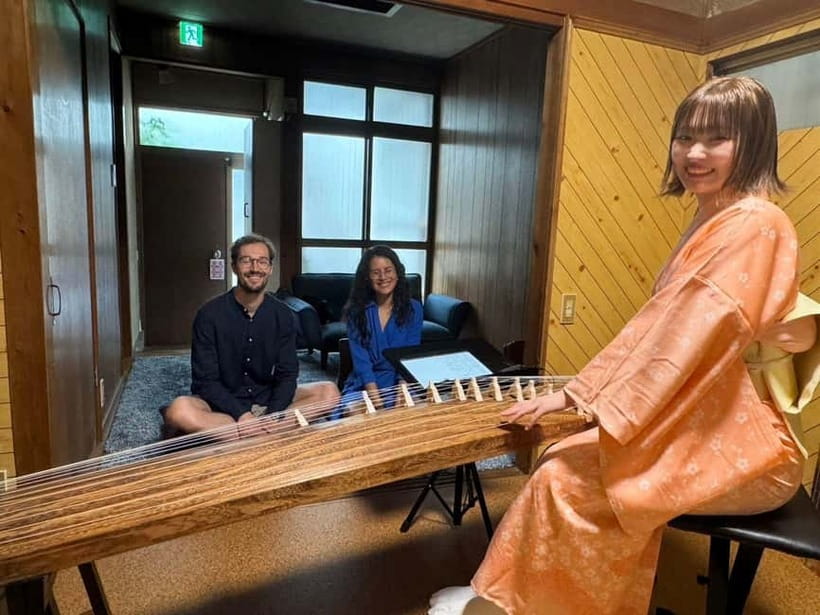
This experience fits people who want something different from temple-hopping. If you like being quiet for a while and paying attention, it is a great match.
It is also a strong choice for first-timers because:
- the intro explains instruments and notation
- there is bilingual commentary
- the Q&A makes it interactive instead of passive
You might love it even more if you are the kind of traveler who enjoys meeting artists and hearing the story behind pieces.
Who should skip it? The activity is not suitable for babies under 1 year. Beyond that, it is a flexible, small-group format, but the core vibe is seated listening. If you need lots of movement or loud action, plan something else.
Families can enjoy it, and one review specifically mentions taking a son and doing the hands-on segment. Still, the comfort level depends on your child’s patience for a seated program.
Should You Book This Koto and Shamisen Concert?
Book it if you want a Kyoto night that feels human, not mass-tourish. The biggest reasons are the format and the attention: intimate venues, bilingual explanations, and Q&A that actually invites you into the music.
Choose townhouse if you want comfort, close sound, and the chance to try koto basics in a workshop. Choose the bathhouse hall if you want that room-made-for-sound feeling and you like the energy of koto duets with another instrument.
Do not overthink the repertoire. Even if you have never heard koto or shamisen, the structure will guide you. And if you are worried about finding it, plan extra time and you will be fine.
If you only have one evening in Kyoto and you love culture, I would still put this on the short list. It is one of the best ways to hear Kyoto as a sound, not just a postcard.
FAQ
How long is the concert?
Most bookings run between about 45 and 105 minutes. The length depends on the venue and whether you add the optional hands-on koto workshop.
How much does it cost?
The price is about $32 per person.
What is included in the experience?
You get live koto and shamisen performances (about 4 to 5 pieces), bilingual mini-commentary (Japanese and English), post-concert Q&A, photo time, and venue seating. If you book the traditional townhouse option, the optional hands-on koto workshop is available.
Can I choose between venues?
Yes. You can book the traditional townhouse for a smaller solo program, the historic bathhouse hall for a duet-focused program, or potentially do both depending on schedule availability.
What will I learn during the introduction?
You will get an instrument introduction covering how koto and shamisen are played, including parts and tools like picks or bridges, and how notation works.
Do I need prior knowledge of Japanese instruments?
No. Most participants start with little prior knowledge, and the session is designed to be understandable without specialized background.
Are the performers and hosts speaking English?
The activity uses English and Japanese, including bilingual commentary and explanations from the host or instructor.
Newly listed around Kyoto
- Taste of Nishiki Market Walking Food Tour with Local guide★ 5.0 · 17 reviews
- Kyoto: Sushi Making Class with Sushi Chef★ 4.8 · 64 reviews
- Simple Plan with Maiko★ 4.4 · 10 reviews
- Shibori Furoshiki Course at Kyoto Shibori Museum★ 5.0 · 21 reviews
- Kyoto: City Secrets eBike Tour★ 4.9 · 196 reviews
- Sacred Pathways: Discover the Philosopher’s Path of Kyoto★ 4.9 · 20 reviews
- Private Tour to Monkey Park and Arashiyama Highlights★ 5.0 · 22 reviews
- Private Nara Tour from Osaka – Meet at Your Hotel★ 5.0 · 22 reviews
Kyoto Tours, compared.
Fushimi Inari, Kinkakuji, Bamboo Grove 1 Day Bus Tour
Read our review →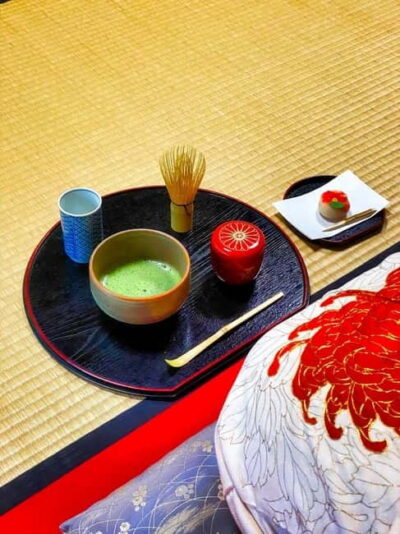
Tea Ceremony in a Traditional Tea House in Kiyomizu
Read our review →
Kyoto Geisha Walking Tour: Gion District & Hidden Gems
Read our review →
Gion Geisha District Walking Tour – Stories of Geisha
Read our review →