
Review · DESSERT TOURS
Japanese Traditional Sweets ”Nerikiri” making
You can shape Kyoto sweets in an hour. This hands-on Nerikiri class near Gojo Station turns Kyoto bean paste into two seasonal wagashi, including a flower style and a kinton sweet, with a calm, craft focused vibe. The only real catch is language support can be uneven, since the instructor is Japanese and English translation is provided as much as possible.
I like that you get both the making and the payoff, you actually eat what you make right after the last mold snaps into place. You’ll leave with two sweets, photos for your camera roll, and a better feel for how Japanese traditional sweets are designed for the season.
In This Review
- Key Things You’ll Enjoy Most
- Nerikiri Making in Kyoto From Gojo Station
- What Nerikiri Is, and Why Seasonal Shapes Matter
- Ingredients You’ll Actually Work With, Kyoto Red and White Bean Paste
- Your Class Flow, From Explanation to Flower Nerikiri
- Kinton Nerikiri Making, Second Sweet With a Different Texture
- Eating Your Handmade Sweets, and How to Get the Most From It
- Price and Value, Plus the Optional Extras You Can Skip
- What To Watch For, Language, Timing, and Participation Rules
- Who This Workshop Suits Best in Kyoto
- Should You Book This Nerikiri Class?
- FAQ
- How long is the Nerikiri experience?
- What will I make during the workshop?
- Is the class food included, and can I eat the sweets on site?
- Is matcha included in the price?
- What is included in the $11 price?
- Can I buy a take-out box or certificate?
- Where do I meet for the class?
- Is the workshop wheelchair accessible?
- What language support is provided?
Key Things You’ll Enjoy Most
- Kyoto bean paste made by long-established Kyoto shops, used in your own sweets
- Two seasonal sweets made by you, not just watched
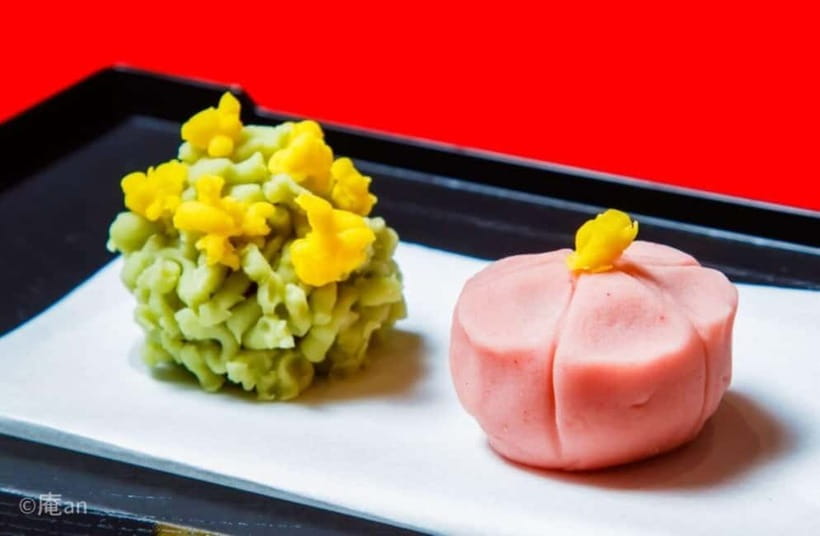
- Flower shaped Nerikiri plus a second style called Kinton Nerikiri
- You can eat on the spot, so the workshop ends as a snack, not a takeaway mission
- Short, focused timing at about 65 minutes from start to leaving the room
Nerikiri Making in Kyoto From Gojo Station
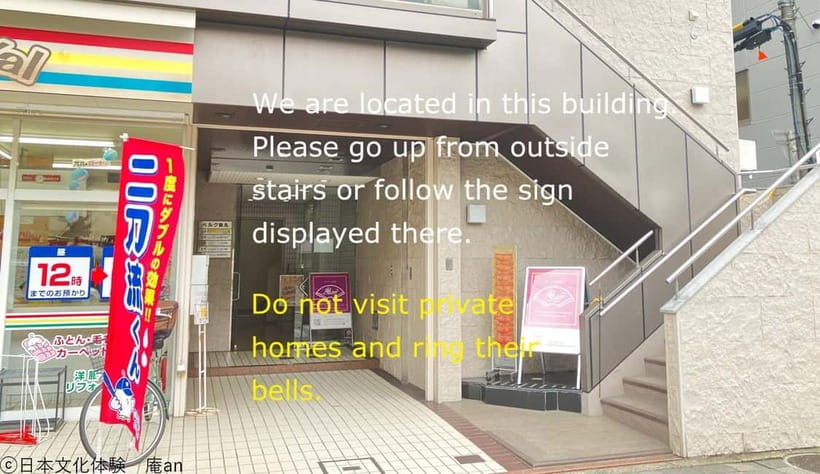
This workshop is easy to reach if you’re already in central Kyoto. It’s a one minute walk from Exit 1 of the Karasuma Line Gojo Station, and the shop entrance faces Gojo-dori, the main street. If you like arriving early, you’ll have enough time to check the storefront and settle in before the class begins.
The location also suits travelers who do not want a half day detour. The whole experience is about 65 minutes, and the flow is compact: instructions, two sweets, photos, then eating. That makes it a good fit for busy days that already include temples, markets, and dinner.
One more practical note: the building has no elevator, and you’ll need stairs to reach the venues. It’s described as wheelchair accessible overall, but the stair requirement is real, so plan accordingly if mobility is an issue.
A few more Kyoto days to weigh up
- Kyoto: Japanese Traditional Sweets Making and Tea Ceremony
★ 4.4 · 314 reviews - 2 Types of Japanese Sweets making and Tea Ceremony
★ 4.6 · 17 reviews - Japanese Traditional Sweets making with Tatedashi Matcha
★ 4.3 · 6 reviews
What Nerikiri Is, and Why Seasonal Shapes Matter
Nerikiri are Japanese traditional sweets made with bean paste shaped into a small work of edible art. The fun part is that they are not just about taste. They are about design choices that match the time of year, from flower motifs to fruit and nature inspired forms.
In this class, you make two seasonal sweets, so you get a quick education in the idea behind the craft. You’ll see how the same base paste can be shaped into something that looks like it belongs in spring, summer, autumn, or winter. It’s a neat reminder that Japanese sweets often follow a calendar, not just a menu.
And yes, you’ll taste your handiwork. When you can eat the end result right away, you get a clearer sense of how the texture and sweetness work with the shape.
Ingredients You’ll Actually Work With, Kyoto Red and White Bean Paste
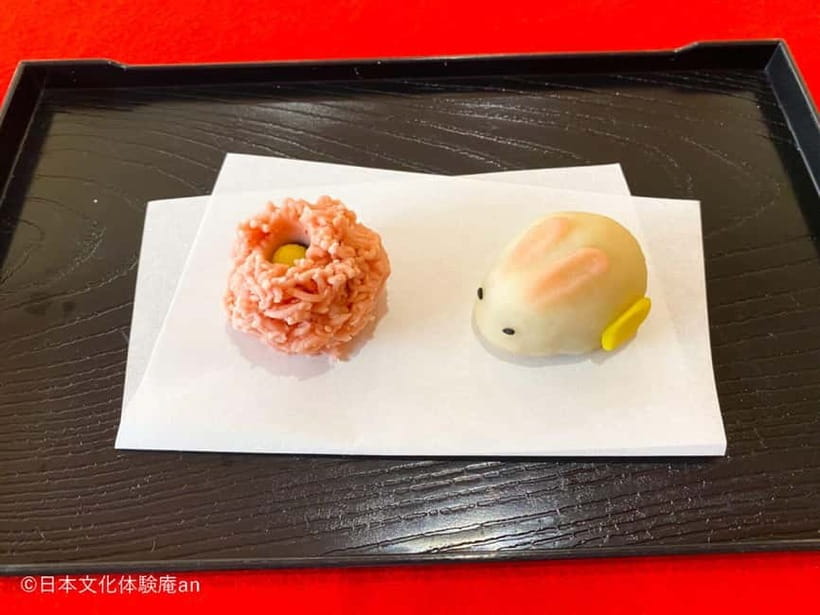
You use real ingredients, not premade candy lumps. The workshop highlights that the bean paste is made by Kyoto’s long-established shops, and you’ll work with white and red bean paste.
That matters for two reasons. First, the flavor and aroma are part of the learning, you’re not just molding sugar. Second, bean paste consistency is the whole game in Nerikiri. When you start shaping, you can feel whether the paste is pliable and how it holds form.
There are optional add-ons you might consider if you like a fuller snack moment. A tatedashi matcha is available for 500 JPY, and there’s also a sweets take-out box for 100 JPY if you want a backup for later. Those are not included by default, but they can help if you’re trying to turn your workshop into a dessert stop with a little extra.
Your Class Flow, From Explanation to Flower Nerikiri
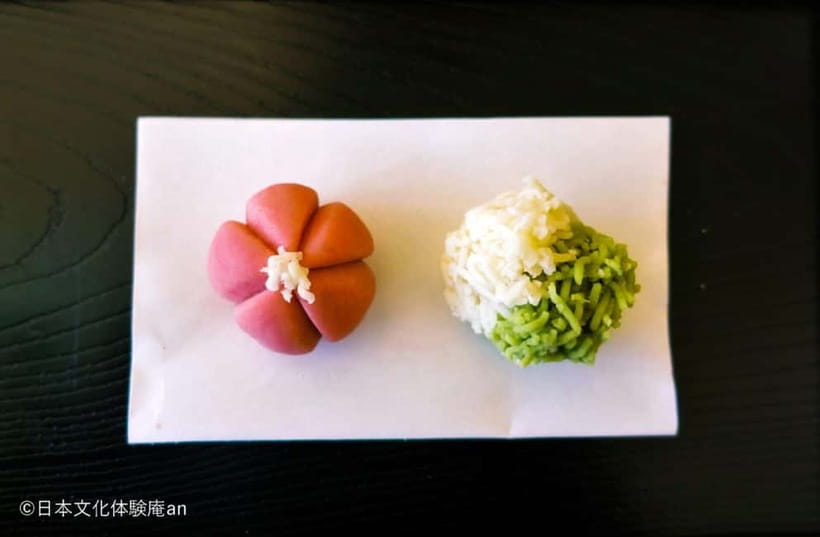
The schedule is straightforward, and it stays that way on purpose. You begin with a short explanation about Japanese traditional sweets, then you jump into shaping.
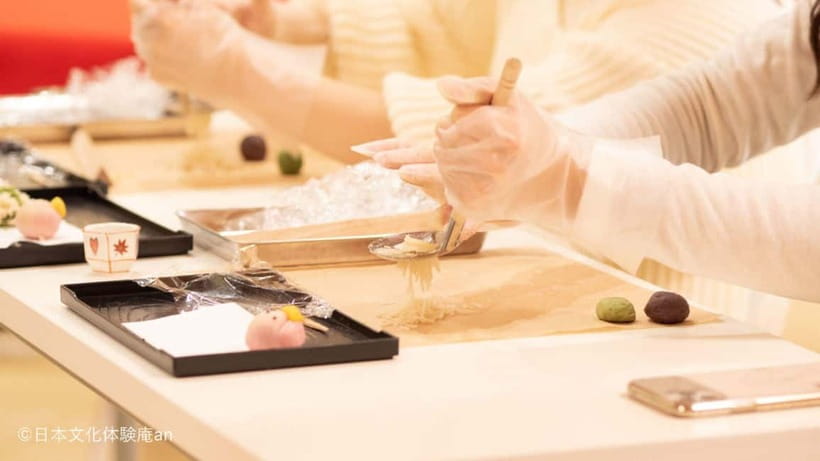
Your first creation is the flower shaped Nerikiri. This is a great starter style because it teaches you the basic technique: portioning the paste, shaping with your hands, and refining details enough that the final look reads like a flower. Even if your fingers are new to molding sweets, the process is tactile, and your results improve as you go.
Expect a lot of learning-by-doing. If you’re relying on English, keep in mind the workshop is primarily Japanese. English translation is provided as much as possible, but the best approach is to watch the instructor’s hands and ask questions when you need clarification.
At around the 55 minute mark, there’s picture time. That’s a nice touch, since Nerikiri can look better on camera than in a plate photo at a busy table. You’ll likely want your best lighting and a clean background before you start eating.
A different sort of day in Japan:
- PERFECT KYOTO 1-Day Bus Tour
★ 5.0 · 13,518 reviews - Kyoto: Fushimi Inari, Kinkakuji, Bamboo Grove 1 Day Bus Tour
★ 4.8 · 4,316 reviews - Kyoto: Tea Ceremony in a Traditional Tea House in Kiyomizu
★ 4.9 · 3,519 reviews - Kyoto Geisha Walking Tour: Gion District & Hidden Gems
★ 4.7 · 3,273 reviews
Kinton Nerikiri Making, Second Sweet With a Different Texture
After the flower piece, you make your second sweet: Kinton Nerikiri. Kinton is a familiar name in Japanese sweets, often linked to sweet potato style flavors and forms. In this workshop, you’re making a Nerikiri version, and it’s different enough to feel like you’re adding a second skill set.
Why this second item is worth doing: it keeps the class interesting and prevents the workshop from feeling like a one-note craft. You’ll experience how shaping changes when the final look is different, and you’ll get a stronger sense of what makes Nerikiri feel like Nerikiri.
This is also where you appreciate eating at the end. Once both pieces are finished, you can compare them side by side, taste them in sequence, and notice how design can affect your perception of flavor and texture.
Eating Your Handmade Sweets, and How to Get the Most From It
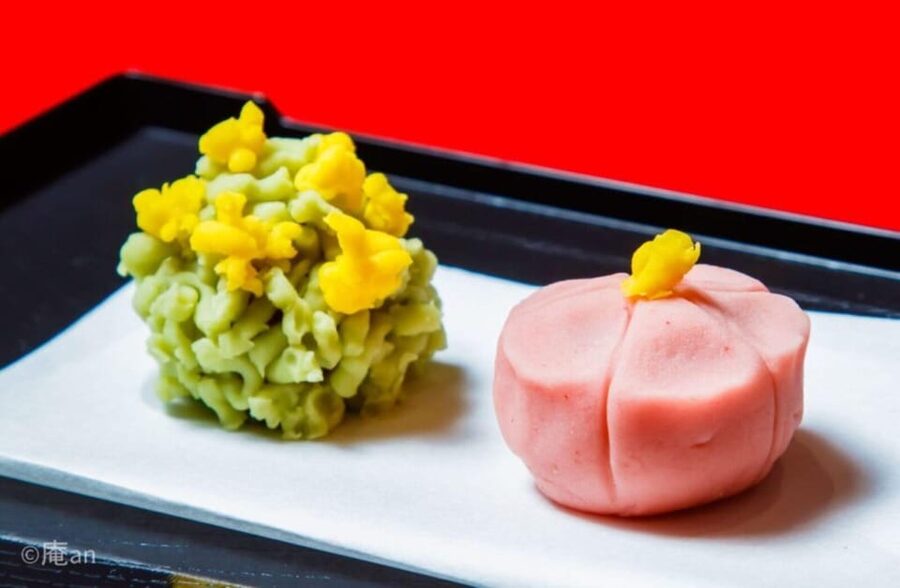
The experience ends with an eating time by 65 minutes. That timing is perfect for most people because you’re not rushing through the last steps and skipping the tasting. You also avoid the common workshop problem where you have to store fragile sweets and hope they survive your hotel bag.
Try taking a moment before the first bite to look at your finished sweets. The workshop frames the plate as part of the art, and it’s true. Nerikiri are meant to be looked at, not just consumed.
If you want to stretch the value a bit, consider pairing the class with a nearby walk for dessert energy. Your sweet is ready immediately after you finish, so you don’t have to plan a separate dessert stop later.
Price and Value, Plus the Optional Extras You Can Skip
The class price is listed at $11 per person for about 65 minutes of hands-on Nerikiri making. For Kyoto, that’s strong value if you want something short, creative, and food-focused, without paying a premium for a long guided tour.
Here’s why the value feels fair. You make two sweets using bean paste made by long-established Kyoto shops, and you get to eat the results on the spot. That’s not just a demo class. It’s a real craft session with a real snack outcome.
Optional extras are where you can add some comfort, not where you’re forced to. A take-out box costs 100 JPY if you want to bring one home, a completion certificate is 300 JPY, and tatedashi matcha is 500 JPY. If your budget is tight, you can skip all three and still get a full experience.
For best cost control, decide before you arrive if you want matcha. If you do, it’s an easy add, but it will nudge the total.
What To Watch For, Language, Timing, and Participation Rules
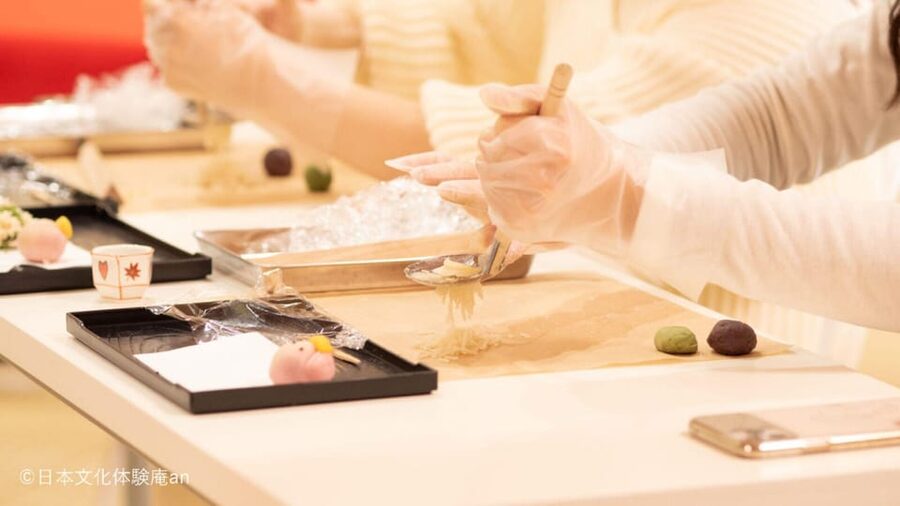
This is a hands-on class, but it’s not a silent do-it-yourself workshop. The instructor is Japanese, and English translation is provided as much as possible. Based on how classes like this tend to run, you should assume you’ll learn a lot by observation. If you want more English support, you’ll need to contact in advance.
Another point worth noting is timing discipline. The workshop says it won’t be held to accommodate delays. So if your day includes subway changes or a long walk, pad your schedule a little.
Also, participation is required. People who do not participate in the experience will not be allowed to enter. That sounds obvious, but it matters if you’re thinking of sending one person while others watch.
Finally, it runs from 10:00 to 17:00. Reservations received after 17:00 are processed next day. So if you’re hoping for an evening slot, you’ll want to book within operating hours.
Who This Workshop Suits Best in Kyoto
This is a good fit if you want a short Kyoto activity that feels cultural without being exhausting. You’re hands-on, the duration is predictable, and the output is edible. That combination works well for people who are tired of museum-only days.
It also suits different ages and skill levels because the craft is mostly guided and visual. If you can follow instructions with your hands and accept a few uneven edges on a first attempt, you’ll be fine.
It can work for solo travelers who want something grounding and relaxing. You do not need a group to enjoy it, and the experience is described as memorable whether you go alone or join a group.
For families, it’s a solid option if kids or teens enjoy making things. If you have children under 2 years old, they sit on a parent’s lap and are free of charge. That can help families manage costs, but you’ll still want to bring patience, because the workshop is about technique and time.
Should You Book This Nerikiri Class?
Book it if you want a short Kyoto food workshop with a clear goal: two seasonal Nerikiri sweets made by you, then eaten on the spot. The value is strong because you’re using Kyoto bean paste from long-established shops, and you’re not leaving with mystery instructions or a bag of ingredients. You leave with finished sweets and the satisfaction of seeing your own handiwork.
Skip it or reconsider if you need strong English instruction for every step. English translation is provided as much as possible, but the class language is Japanese, and the level of detail you get can depend on how the instructor is pacing that day. Also, if stairs are a dealbreaker for you, factor in the building has no elevator.
If you’re aiming for an authentic, low-stress craft break in central Kyoto, this is an easy yes.
FAQ
How long is the Nerikiri experience?
The experience lasts about 65 minutes, including time for making, photos, and eating the sweets.
What will I make during the workshop?
You will make two seasonal Japanese traditional sweets called Nerikiri, including a flower shaped Nerikiri and Kinton Nerikiri.
Is the class food included, and can I eat the sweets on site?
Yes. You can eat the sweets on the spot.
Is matcha included in the price?
Tatedashi matcha is not included. It is available as an optional add-on for 500 JPY.
What is included in the $11 price?
The included item is the set experience of Nerikiri making.
Can I buy a take-out box or certificate?
A sweets take-out box is available for 100 JPY, and an experience completion certificate is available for 300 JPY.
Where do I meet for the class?
Meet one minute walk from Exit 1 of the Subway Karasuma Line Gojo Station. The store entrance faces Gojo-dori.
Is the workshop wheelchair accessible?
The activity is listed as wheelchair accessible, but there is no elevator and you will need to take stairs to reach each venue.
What language support is provided?
The languages listed are Japanese, and English translation is provided as much as possible. If you want to add English translation, you need to contact in advance.
Newly listed around Kyoto
- Kyoto: Kimono Rental in Gion Provided by RikaWafuku★ 4.6 · 8 reviews
- Japanese Traditional Sweets making with Tatedashi Matcha★ 4.3 · 6 reviews
- Japanese Sake Breweries Tour in Kyoto Fushimi★ 4.3 · 13 reviews
- Itajime Shibori Scarf Class at Kyoto Shibori Museum★ 4.9 · 24 reviews
- Insider Kyoto Ramen Tour★ 5.0 · 7 reviews
- Inside of Fushimi Inari – exploring and lunch with locals★ 4.9 · 30 reviews
- Gyoza Cooking Class in Kyoto: Traditional Japanese Dumplings★ 5.0 · 12 reviews
- Full-Day Kyoto Walking Tour: Most Iconic Landmarks & Monkeys★ 5.0 · 6 reviews
Dessert Tours, compared.
Matcha Making Class in Tokyo with Authentic Japanese Sweets Set
Read our review →
Matcha Making Class in Osaka with Authentic Japanese Sweets Set
Read our review →
Matcha Making Experience with Mochi Sweets in Asakusa
Read our review →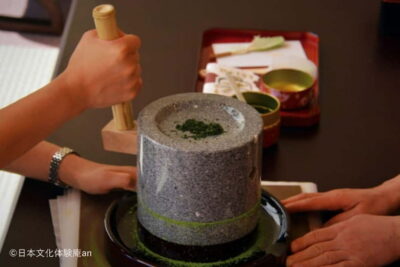
Japanese Traditional Sweets Making and Tea Ceremony
Read our review →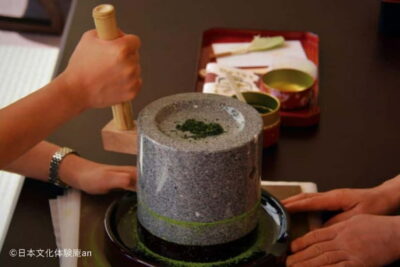
Japanese Traditional Sweets making and Tea Ceremony
Read our review →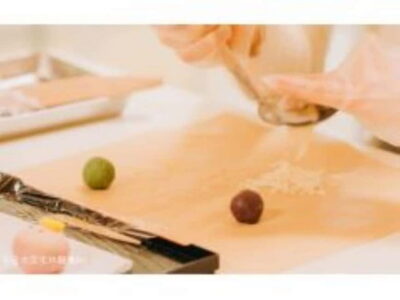
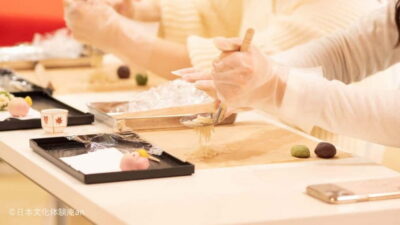
2 Types of Japanese Sweets making and Tea Ceremony
Read our review →
Kamakura: Half day Walking tour & Japanese sweets
Read our review →Browse the lists this tour appears in