
Review · DESSERT TOURS
Kyoto: Wagashi (Japanese sweets) Cooking near Fushimiinari
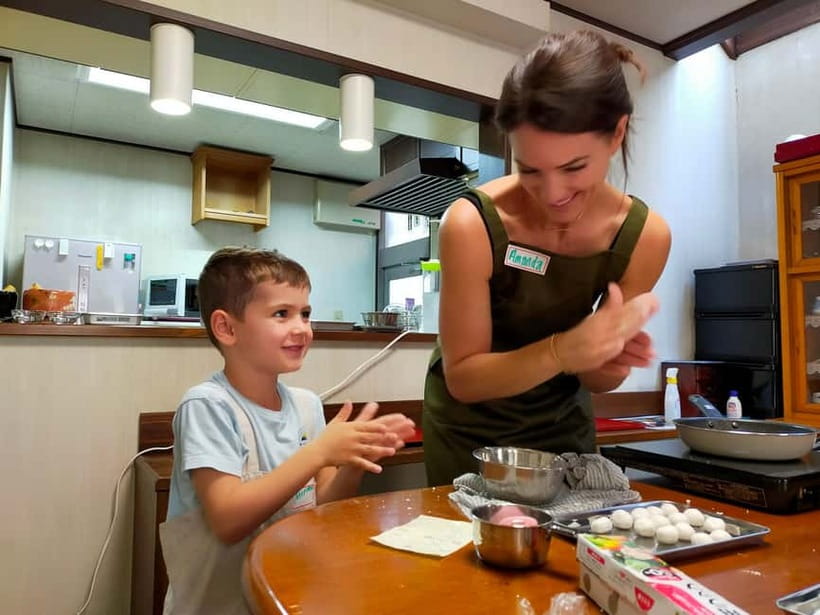
Tea, sweets, and Kyoto calm in one room. This Kyoto wagashi cooking class near Fushimiinari puts you in a real Japanese home setting, where you make about three sweets yourself and then eat them in a traditional room with garden views. You’ll also get a cup of matcha and a short matcha moment built into the flow.
What I love most is the hands-on cooking part, not a passive demo. You mix, shape, and assemble your wagashi with guidance, and the class stays friendly and clear, even with only a small group of up to 6. I also like how it feels personal, like being invited over for tea, especially with instructor Miho’s warm, practical teaching style.
One consideration: the menu can shift by season, so you might not get the exact sweets you’re picturing, and you are responsible for getting there since hotel pickup and drop-off aren’t included.
In This Review
- Key things to know before you go
- Wagashi cooking near Fushimiinari, with a homey Kyoto feel
- Inside the authentic Japanese room: washitsu time with garden views
- The hands-on wagashi lesson: making about three sweets yourself
- Instructor Miho and the English-led flow that keeps it comfortable
- Matcha tea, then tasting in a traditional room
- What you will not get: a commercial kitchen and hotel logistics
- Price and value: $84 for 150 minutes of real technique
- Who this Kyoto wagashi class suits best
- Should you book the wagashi class near Fushimiinari?
Key things to know before you go
- A real Japanese room with garden views: You relax before and after cooking, then enjoy your sweets in a traditional space.
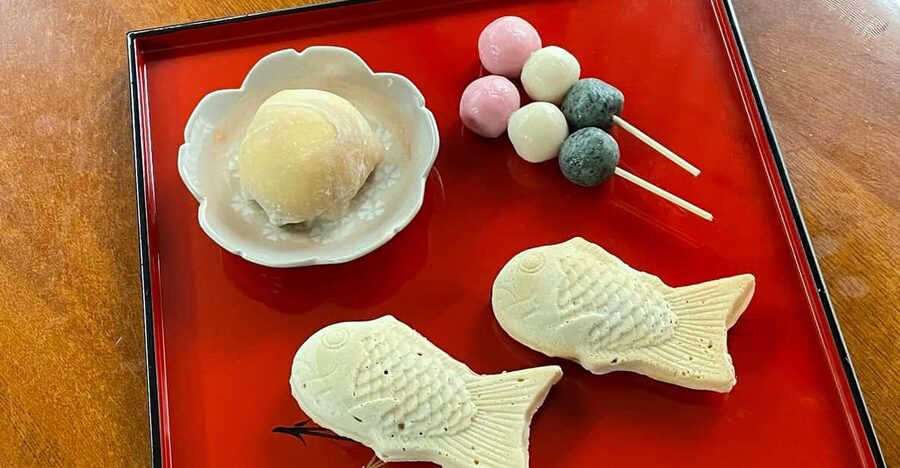
- You make about three wagashi types: The class is hands-on, with instructions in front of you before you take over.
- Small group, up to 6: Easier to ask questions and get personal help when your hands get busy.
- English instruction throughout: Instructors are licensed guide interpreters, so the lesson stays understandable for everyone.
- Matcha tea is part of the experience: You drink what you make, and you get a simple matcha lesson.
- Dietary flexibility with notice: Vegetarian and vegan-friendly options are possible if you share restrictions ahead of time.
Wagashi cooking near Fushimiinari, with a homey Kyoto feel
Kyoto has cooking classes that feel like a factory tour, and classes that feel like someone opened their door. This one lands closer to the second option. You spend time in an authentic Japanese home room, with the kind of calm you usually only get when you’re not rushing between temples and trains.
The location near Fushimiinari also helps. You get that Kyoto energy outside, then a quiet shift when you step indoors. It’s a smart add-on day activity, especially if you want more than photos and shopping. Wagashi is also a great theme because it isn’t just dessert. It’s design, texture, seasonal ingredients, and tea culture in edible form.
For many people, the biggest surprise is how approachable it feels once you’re in the room. Yes, wagashi can look delicate and precise. But the class format focuses on technique you can actually repeat later, and the pacing gives you room to get it right.
More Cooking Classes in Kyoto
- Ramen Cooking Class at Ramen Factory in Kyoto
★ 5.0 · 1,937 reviews - Kyoto: Ramen Cooking Class at a Ramen Factory with Souvenir
★ 4.9 · 532 reviews - Kyoto: Ramen, Gyoza, and Onigiri Cooking Class
★ 5.0 · 445 reviews
Inside the authentic Japanese room: washitsu time with garden views
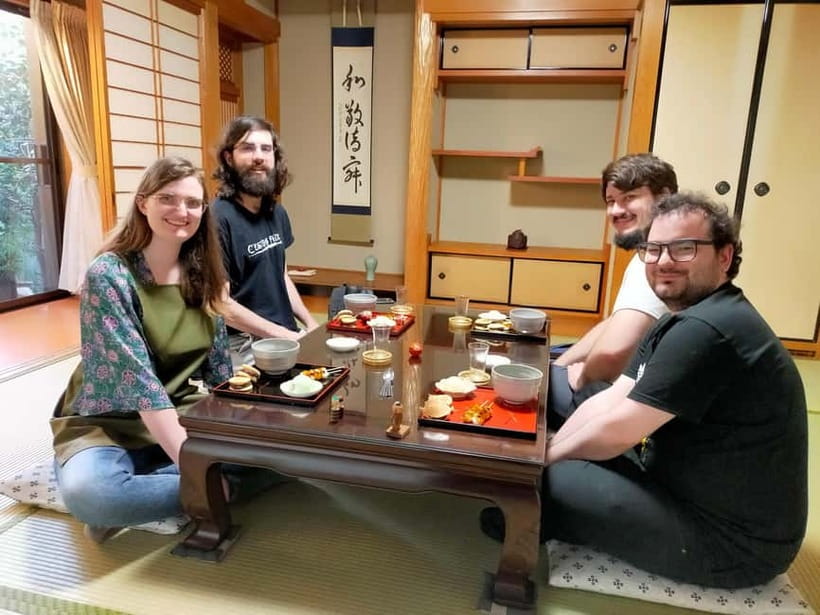
The class starts with a reset. Before you cook, you relax in a traditional Japanese room. Multiple participants highlighted the garden view, which matters more than it sounds. It changes the whole tempo. Instead of turning Kyoto into another checklist, you arrive, sit down, and get comfortable.
Expect a traditional tea-room vibe. This is where you learn that wagashi is meant to be enjoyed slowly. You’re not eating sweets on the run. You’re pausing first, then making, then tasting.
This part also sets you up for success later in the lesson. When you start calm, you handle sticky dough and careful shaping without stress. And if you’re traveling with kids, the quiet room tends to help them focus, too.
The hands-on wagashi lesson: making about three sweets yourself
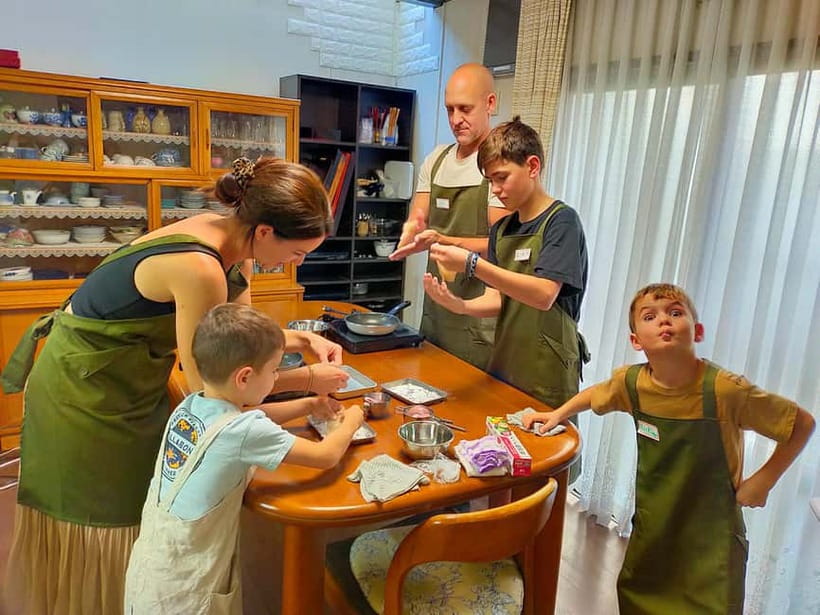
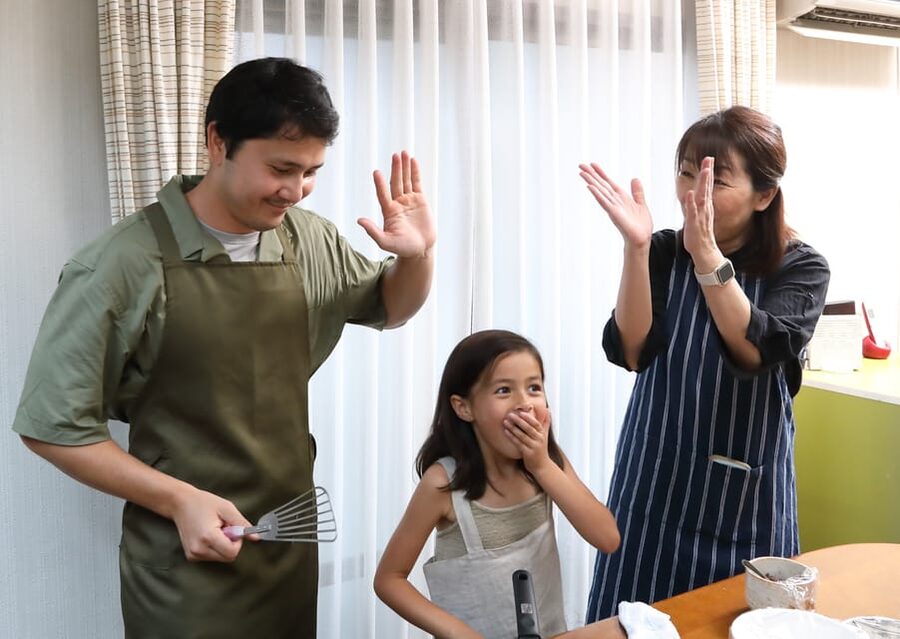
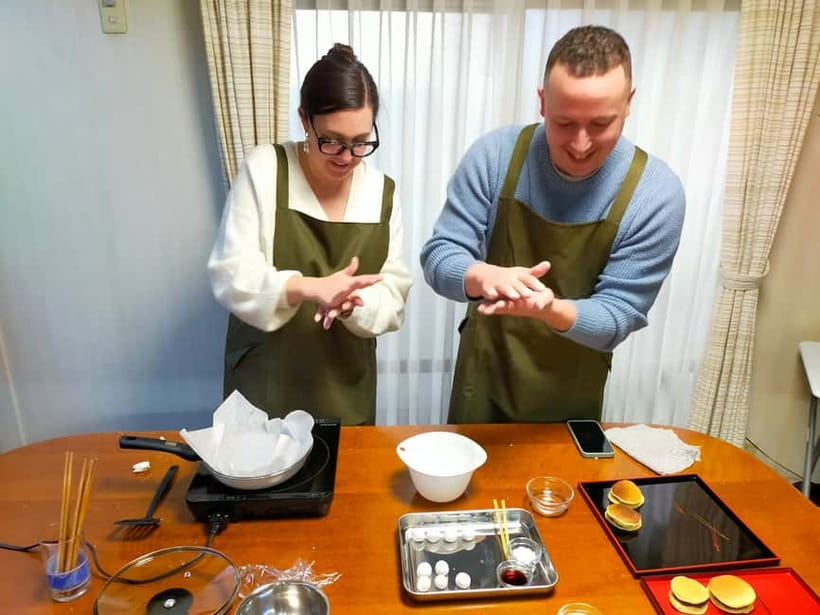
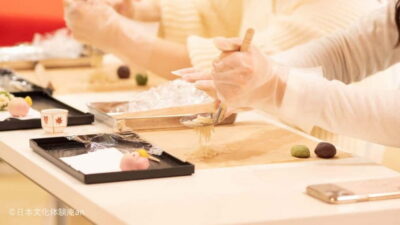
You’ll prepare about three types of wagashi, with a mix of instructor demonstration and hands-on work. The format is simple: you watch how the instructor does a step, then you do it yourself. That approach is key, because wagashi is easier when you see the reasoning behind each motion.
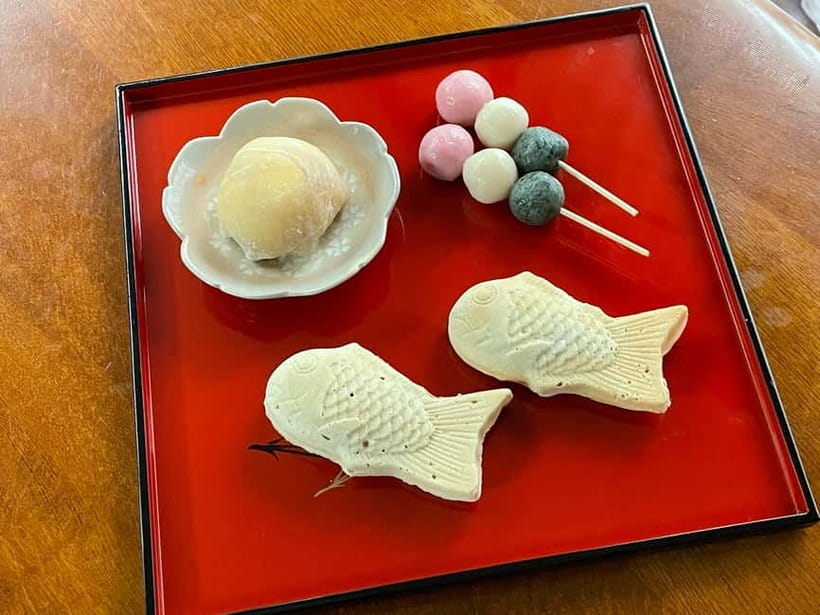
From past menus and examples shared by participants, common items include dango, mochi, and dorayaki. Some sessions may also include mochi ice cream. Since the menu depends on season, you should think of the class as learning the methods more than chasing a single recipe.
Here’s what you’re really practicing:
- How to portion and shape for the right look and texture
- How to handle dough or batter without overworking it
- How to assemble pieces into a finished wagashi you can serve neatly
You’ll work either solo or with your partner, and there’s time for the instructor to guide you while you’re actively cooking. The small group size of up to 6 is a big deal here. When there are fewer people, you get faster feedback, especially if you’re unsure about consistency, thickness, or timing.
A practical note: wagashi can be forgiving, but some textures need attention. If you’re prone to multitasking during cooking, try to stay present. This class rewards focus.
Instructor Miho and the English-led flow that keeps it comfortable
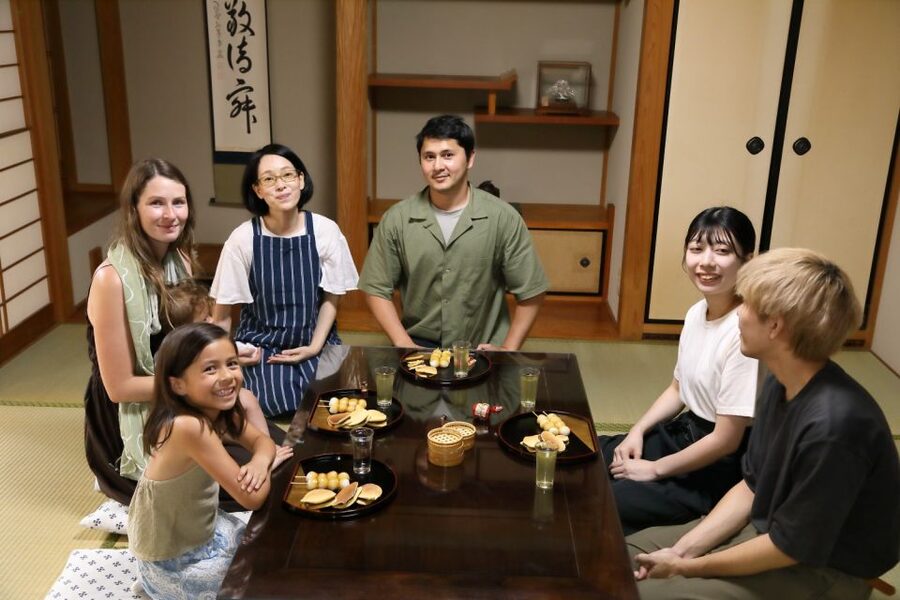
Language matters. This is taught entirely in English, and instructors are described as licensed guide interpreters, meaning you get explanations that land. You’re not left guessing your way through steps.
In several experiences, instructor Miho came up again and again for being friendly, patient, and organized. One participant even noted the class felt like going at their own pace, especially when they were the only one signed up that day. That suggests the teaching style is flexible and not rushed.
You’ll also get cultural context, not in a lecture way, but as part of why things are done a certain way. That matters because wagashi is culturally tied to seasonal aesthetics and tea rituals. When you understand the why, you’re more likely to remember the how.
And yes, you’ll likely talk. Some participants mentioned genuine conversation alongside the cooking. That’s often where the class becomes more than just food. You leave with new habits, not just recipes.
A few more Kyoto days to weigh up
- Kyoto: Japanese Washoku Bento Small Group Cooking Class
★ 5.0 · 380 reviews - Kyoto: Afternoon Japanese Izakaya Cooking Class
★ 4.9 · 241 reviews - Izakaya Style Cooking Class
★ 5.0 · 219 reviews - Kyoto: Morning Japanese Bento Cooking Class
★ 5.0 · 149 reviews
Matcha tea, then tasting in a traditional room
After the cooking, you and the group sit together and enjoy your wagashi with a cup of matcha in the traditional Japanese room. Many people specifically called out tea served before and after cooking, so plan your day around a relaxed, in-home schedule rather than a sprint.
Some sessions include a hands-on touch with matcha, like learning how to whisk matcha powder. If you care about flavor balance, this is a highlight. Matcha isn’t just a drink. It’s the pairing that changes how you taste sweetness, starch, and texture in wagashi.
When you taste what you made, the difference between looking and understanding becomes obvious. Your wagashi might not look identical to a shop display the first time, but it will taste like progress. And several participants said their creations were delicious, sometimes enough that they wanted to replicate them later.
Portion handling also comes up in the experience. One participant noted they could take some sweets away. That may vary by session and what you make, but it’s worth asking on the day if you want to take your favorites home.
What you will not get: a commercial kitchen and hotel logistics
Let’s keep expectations realistic. This is not a big commercial kitchen event. You’re in a home setting with traditional rooms, so you should expect a more intimate setup and a different pace than you’d see in a restaurant class.
Also, hotel pickup and drop-off are not included. You’ll need to plan your own way there, which is normal for many Kyoto neighborhood activities, but it matters for people staying far from the area.
The class also isn’t suitable for wheelchair users. And for kids, ages under 6 are not suitable, while children 12 and below need a guardian.
Price and value: $84 for 150 minutes of real technique
$84 per person can sound high until you break down what you’re paying for. You’re paying for:
- Time with an English instructor
- Ingredients and seasonings for what you make
- Tea
- A hands-on class format where you actually produce about three wagashi items
- Small group attention, capped at 6
The most important value piece is that you’re not just watching. You’re doing. That’s what makes the price feel fair, especially if you’re the type who learns better with your hands.
The 150-minute duration is also a sweet spot. It gives time for a relaxed start, instruction, cooking, tasting, and tea without feeling chopped into tiny rushed segments.
If you’re planning to eat wagashi anyway during your Kyoto trip, this class often feels like paying for a deeper experience. You’re still going home with sweets, plus skills you can try at home if you want.
Who this Kyoto wagashi class suits best
This is a strong pick if you want a Kyoto activity that is:
- Hands-on, not just a tasting walk
- English friendly
- Centered on Japanese food culture, not only sightseeing
- Comfortable for couples, small friends groups, and even solo travelers
It’s also a good choice for travelers who care about dietary options. The class is vegetarian friendly and vegan friendly if you tell them in advance. If you have restrictions, send them ahead of time. That is the difference between a smooth experience and last-minute adjustments.
If you’re traveling with kids, it can work well when the kids are old enough. There are examples of families bringing children around school age and having a great time. Still, the minimum suitability rules apply, so check age requirements carefully.
If you’re someone who wants a fast, high-volume tour with constant movement, this won’t be your style. But if you want calm, craft, and a tea-table ending, it fits beautifully.
Should you book the wagashi class near Fushimiinari?
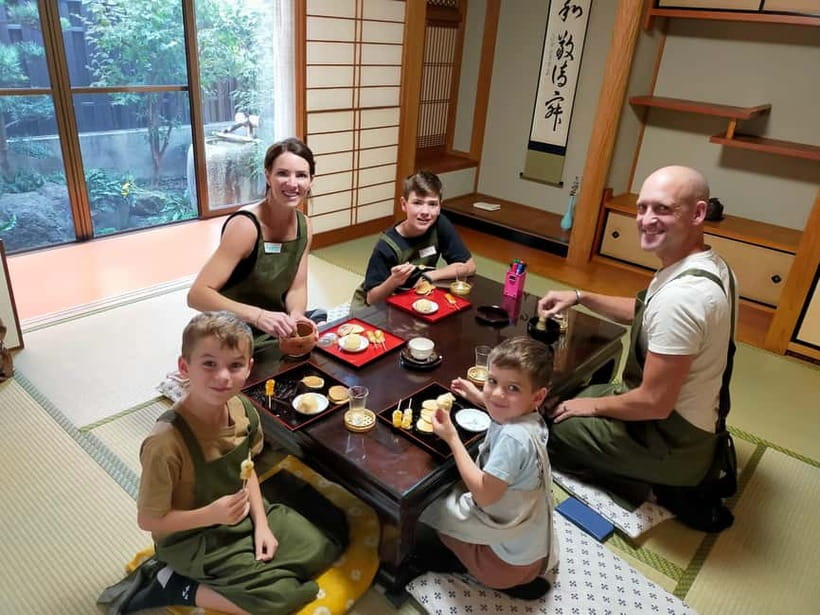
I think you should book it if you want something you can’t easily replicate by walking into a cafe. The magic here is the combination of a traditional home setting, hands-on wagashi practice, and matcha pairing, all taught in English with a small-group feel.
Skip it if you dislike cooking or you want a purely observational experience. Also skip or reconsider if you need wheelchair accessibility, or if you’re counting on hotel pickup.
If your goal is a memorable Kyoto afternoon that ends with sweets you made and tea you can taste properly, this is an easy yes.
More Dessert Tours in Kyoto
- Kyoto: Japanese Traditional Sweets Making and Tea Ceremony
★ 4.4 · 314 reviews - Japanese Traditional Sweets ”Nerikiri” making
★ 4.3 · 17 reviews - 2 Types of Japanese Sweets making and Tea Ceremony
★ 4.6 · 17 reviews - Japanese Traditional Sweets making with Tatedashi Matcha
★ 4.3 · 6 reviews
Newly listed around Kyoto
- Half Day Matcha Tour in Uji, home of culture, with a local★ 4.8 · 14 reviews
- Making Fresh To-fu from soybeans in Kyoto★ 5.0 · 8 reviews
- Let’s make only one original onigawara in the world!!★ 4.9 · 21 reviews
- Kyoto:Private Tour/Luxury Vehicle with Guide & photographer★ 4.8 · 35 reviews
- Kyoto/Osaka: Kyoto Coast, Amanohashidate & Ine Bay Day Trip★ 4.4 · 7 reviews
- Kyoto/Osaka: Kyoto and Nara World Heritage Day Tour★ 4.5 · 12 reviews
- Kyoto/Osaka: Kobe & Himeji Journey Through Culture & History★ 3.7 · 18 reviews
- kyoto:Experience creating one-of-a-kind special fragrances★ 4.8 · 8 reviews
Dessert Tours, compared.
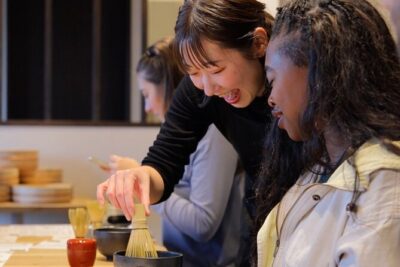
Matcha Making Class in Tokyo with Authentic Japanese Sweets Set
Read our review →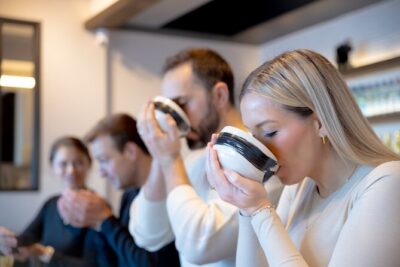
Matcha Making Class in Osaka with Authentic Japanese Sweets Set
Read our review →
Matcha Making Experience with Mochi Sweets in Asakusa
Read our review →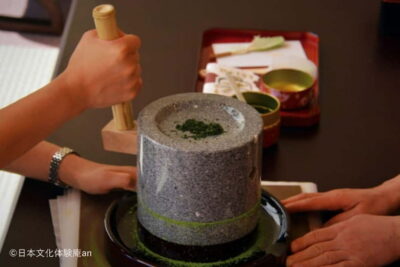
Japanese Traditional Sweets Making and Tea Ceremony
Read our review →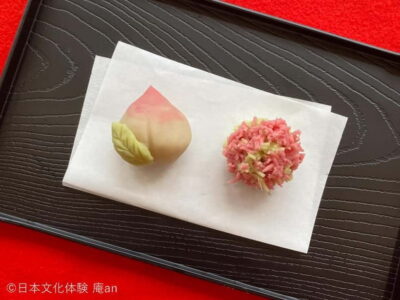
Japanese Traditional Sweets making and Tea Ceremony
Read our review →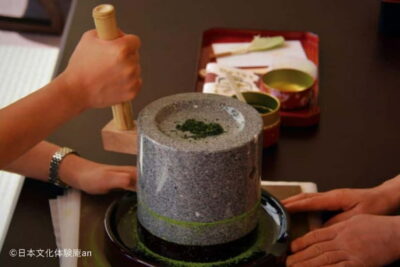
Japanese Traditional Sweets making and Tea Ceremony
Read our review →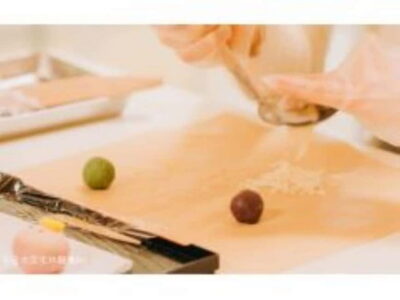
2 Types of Japanese Sweets making and Tea Ceremony
Read our review →Browse the lists this tour appears in