
Review · JAPANESE CRAFT WORKSHOPS
Kyoto: Japanese Calligraphy Class
Japanese calligraphy turns pressure into practice. This Kyoto class is close to the action, with a calm, guided pace and a finish where you leave holding what you made. I like that the lesson starts with brush and ink basics instead of tossing you straight into characters, and I also like that you get something to take home after only one hour. One consideration: if you want a deep, lecture-heavy history class, this is more about hands-on writing and a supportive workflow.
You will likely notice the teaching tone right away. The instructors keep things approachable, use English instruction, and guide you through basic characters first before you write your own name and a favorite word in kanji and alphabets. The class is not huge, and the vibe is closer to a workshop than a performance.
In This Review
- Key Points You Should Know Before You Go
- Kyoto Station Convenience: A One-Hour Workshop That Fits Real Itineraries
- First Strokes: How the Brush and Ink Lesson Actually Works
- Your Name and a Favorite Word: Kanji Guidance With Meaning
- Souvenirs You Can Take Home: Scrolls, Fans, and Calligraphy Products
- English-Friendly Teaching and Small-Group Coaching
- Price and Value: Why $51 for a Materials-Included Hour Makes Sense
- Timing, Location, and What to Plan Around
- Who This Kyoto Calligraphy Class Fits Best
- Should You Book This Kyoto Calligraphy Class?
- FAQ
- Where is the meeting point for the Kyoto calligraphy class?
- How long does the class last?
- Is instruction available in English?
- How much does the calligraphy class cost?
- What materials are included in the class?
- What can I take home after the class?
- Do the instructors help with choosing kanji for names and words?
- Are private or small groups available?
- Is this class suitable for young children?
- What are the cancellation and payment options?
Key Points You Should Know Before You Go
- In front of Kyoto Station location makes it easy to plug into your day
- English instruction included, with help when you ask about writing and meaning
- You make a take-home scroll with the kanji characters you practice
- Name and favorite word in kanji with staff guidance on possible characters and meanings
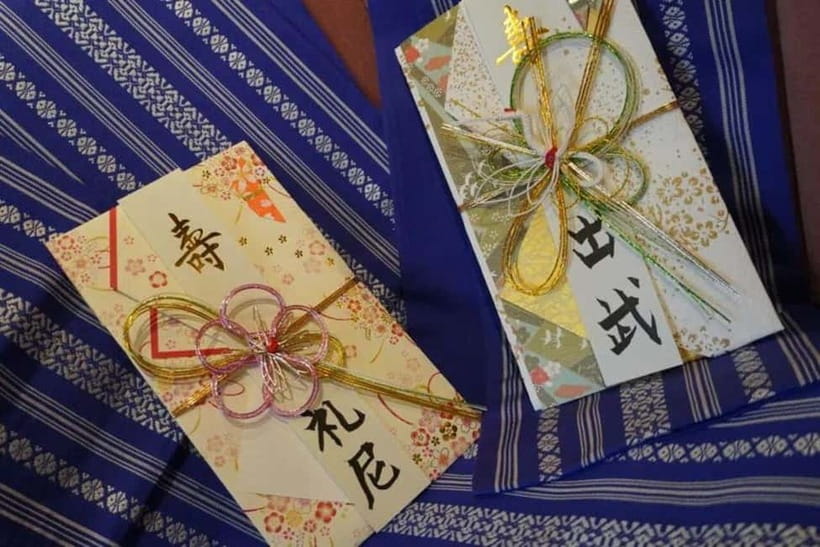
- Souvenirs are part of the process, from calligraphy products to items like fans or card-style works
Kyoto Station Convenience: A One-Hour Workshop That Fits Real Itineraries
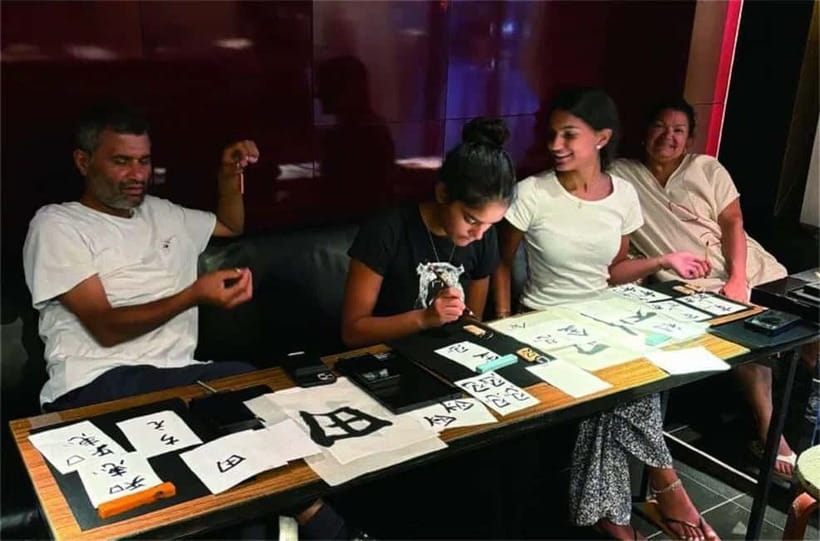
Kyoto can eat your schedule fast, so I love when an activity is easy to reach and ends on time. This class meets in front of Kyoto station, which is a practical win if you are also hopping between temples, food spots, and evening plans. Even better, the session runs for about 1 hour, with slight timing changes depending on how quickly everyone finishes.
The format is built for short attention spans and real-world travel pacing. You get a structured sequence: learn the basics, practice, then apply it to your own name and a chosen word. That order matters because it prevents the common problem of people leaving with a cool souvenir but no idea how they got there.
One more benefit for planning: it is offered as private or small groups. That usually means less waiting and more individual coaching time, which matters a lot in calligraphy where small stroke corrections can make the difference.
More Craft Workshops in Kyoto
- Authentic knife making experience at a blacksmith in Kyoto
★ 4.8 · 350 reviews - 1-Hour Japanese Archery Experience in Kyoto
★ 5.0 · 176 reviews - Kyoto: Calligraphy class at Buddhist temple in city center
★ 5.0 · 167 reviews
First Strokes: How the Brush and Ink Lesson Actually Works
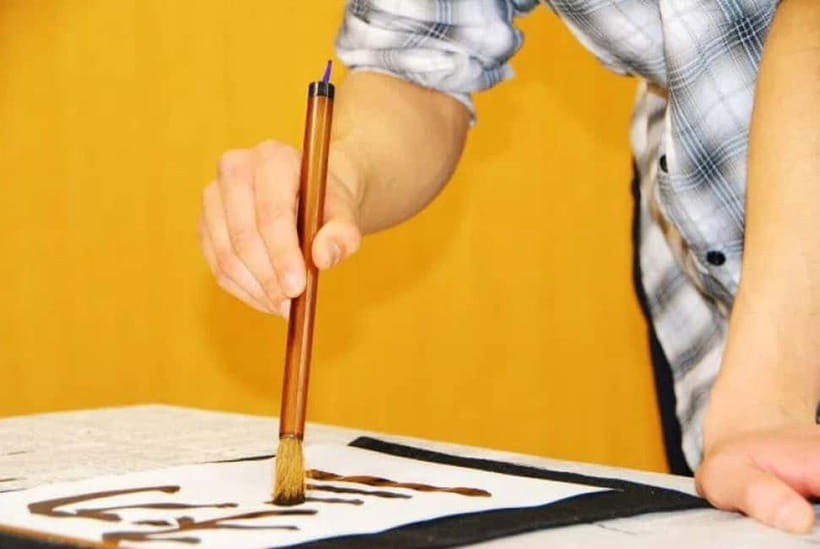
Most calligraphy experiences either move too fast or get stuck in theory. This one starts where you need it to start: with the physical basics. The staff begins with a short lecture on how to use a brush and how to apply ink. It might sound simple, but this is the foundation. Brush control is the difference between a shaky first attempt and a character that looks intentional.
Then you move into a basic-writing section. You practice basic characters first, guided by the instructor. As you write, you learn how the brush moves for each stroke and how ink behavior affects the final look. In real travel terms, this is what makes the hour feel like progress rather than just standing around and watching.
At this stage, you also get the first major souvenir outcome: you can make a scroll of the kanji characters you write. That is a smart approach. Instead of only making something for show, you leave with a tangible record of your practice.
Your Name and a Favorite Word: Kanji Guidance With Meaning
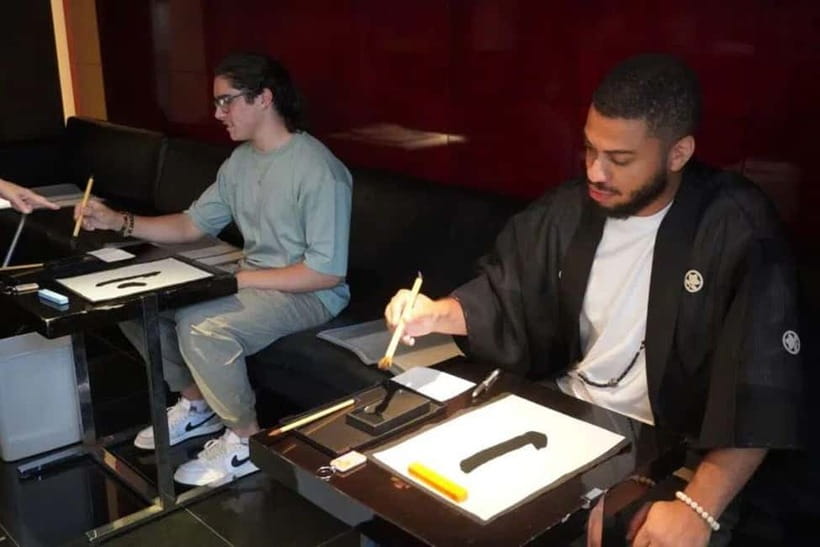
Now comes the fun part, the part that makes the class feel personal. After you practice basic characters, you write your own name and a favorite word in kanji characters and alphabets. The staff supports you by suggesting possible kanji characters and explaining their meanings.
This is especially helpful if you do not have any Japanese writing background. You get the chance to connect sounds and ideas to characters, instead of being forced to guess. And because kanji can represent meaning, not just sound, the instructor help is the bridge between your idea and the characters you end up writing.
A cool detail here is that you are not just given a random chart and left alone. The staff provides guidance, including example mappings for common names. For example, Brian is given as 武礼安, with 武 tied to martial themes, 礼 linked to politeness or gratitude, and 安 related to peace. Liz is shown as 梨図, where 梨 means pear and 図 points to painting.
Even if your own name ends up with a different set of characters, the takeaway is the same: you learn that kanji selection often reflects meaning associations, not only spelling. For a lot of people, that is the first real “ah-ha” moment about how Japanese writing can carry an idea with each character.
Souvenirs You Can Take Home: Scrolls, Fans, and Calligraphy Products
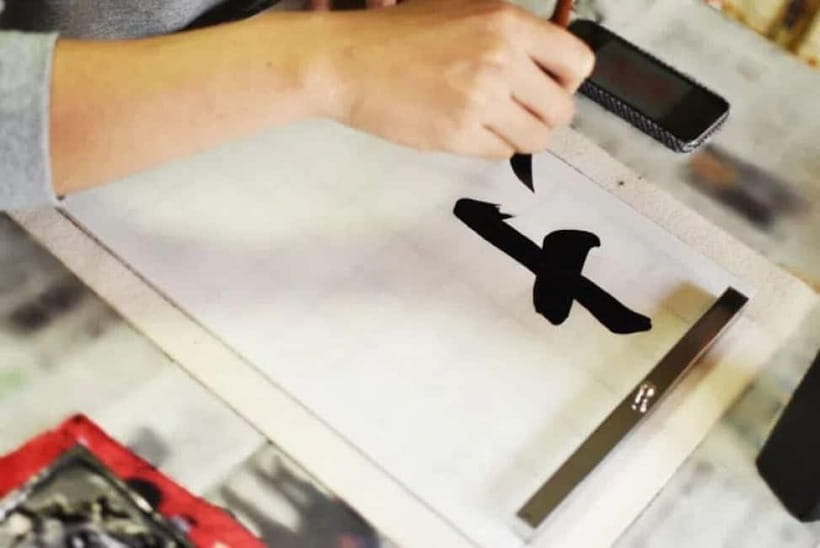
Calligraphy classes become worth it fast when you actually walk away with usable, pride-worthy objects. This workshop is set up for exactly that. You take home what you make during the session, and the materials and products are part of the process.
From the basic practice, you can take home a scroll featuring the kanji you wrote. From the personalized portion, you create your own written pieces, such as your name and your favorite word in kanji and alphabets.
Beyond the scroll, there are also additional items you can make and take with you. The class includes options that can include things like a Japanese fan, a picture frame, a card-style item, or other calligraphy products. Some sessions even include more stationery-type outputs, which is perfect if you want something you can use right away after your trip.
This is one of the biggest value drivers of the class. You are not paying mainly for a lesson, you are paying for finished pieces you can keep. In Kyoto, that matters because you can easily spend money on souvenirs that are just pretty. Here, your souvenir has your brushwork attached to it, which feels far more meaningful.
A different sort of day in Japan:
- PERFECT KYOTO 1-Day Bus Tour
★ 5.0 · 13,518 reviews - Kyoto: Fushimi Inari, Kinkakuji, Bamboo Grove 1 Day Bus Tour
★ 4.8 · 4,316 reviews - Kyoto: Tea Ceremony in a Traditional Tea House in Kiyomizu
★ 4.9 · 3,519 reviews - Kyoto Geisha Walking Tour: Gion District & Hidden Gems
★ 4.7 · 3,273 reviews
English-Friendly Teaching and Small-Group Coaching
The class runs with English instruction, which is a major advantage if you are trying to travel without feeling “locked out.” You are not expected to decode Japanese explanations on your own. Instead, you get guided instruction you can follow, ask questions about, and apply immediately.
I also like how the lesson design supports different comfort levels. The class starts basic, then ramps up to writing your name and a personal word. That makes it easier for first-timers to feel capable early, then gradually take on something more meaningful.
The experience also seems to benefit from close attention. In the feedback, people highlight patient coaching and supportive correction, including situations that feel very close to 1:1 guidance. Even if your group is small, you should expect the instructor to check your strokes and help with adjustments so you can finish with something you are genuinely happy to keep.
And yes, the tone is part of the value. If you have ever tried writing something with a new tool, you know how quickly confidence can vanish. Here, the atmosphere is encouraging, which keeps you practicing instead of freezing.
Price and Value: Why $51 for a Materials-Included Hour Makes Sense
At $51 per person, the price feels very reasonable for what you receive. You are paying for instruction, plus the writing setup: brushes, ink, and washi-paper are included. Those materials add up, especially if you were planning to buy supplies on your own.
You also get multiple take-home products, at least one major scroll, and additional craft-style items depending on what you make during the session. That is a big reason this feels like a better deal than a quick “see and watch” workshop.
The short duration is another value point. One hour is long enough to learn the basics and produce something personal, but short enough to fit between other Kyoto plans without turning your day into a logistics puzzle. Kyoto is full of must-dos, so time efficiency matters.
If you are traveling as a solo visitor, this can also be a nice break from constant temple planning and transit. If you are traveling as a couple or family, the class format still feels manageable because it stays within that hour frame and centers on a shared creative activity.
Timing, Location, and What to Plan Around
Because the meeting point is in front of Kyoto station, it is easy to plan a round trip without complex transfers. You also do not have to worry about arriving late and missing the start, since the class timing is clearly defined as about one hour.
One small detail worth noting: the exact meeting point can vary depending on which option you booked. That is normal for Kyoto activities that cluster near transit. My advice is simple: confirm the meeting point shown for your specific option and arrive a few minutes early. That extra buffer helps you settle in, grab your seat, and focus on your brushwork.
Also note the class duration may vary slightly depending on how smoothly the activities finish. If you have a tight reservation right after, I would keep at least a short gap. You want to end the hour feeling calm, not rushed.
Who This Kyoto Calligraphy Class Fits Best
This experience is a great fit if you want a hands-on cultural activity that produces real results quickly. It works well for:
- First-timers who want guidance starting from brush control and basic characters
- Visitors who prefer English instruction and clear steps
- People who like souvenirs that feel personal, not mass-produced
It is not suitable for children under 5, so plan accordingly if you are traveling with very young kids.
If you already know kanji deeply and want a technical, advanced calligraphy training session, you might find the hour a bit short. But if your goal is to try Japanese calligraphy, learn how strokes work at a practical level, and bring home your own writing, the pacing is built for you.
Should You Book This Kyoto Calligraphy Class?
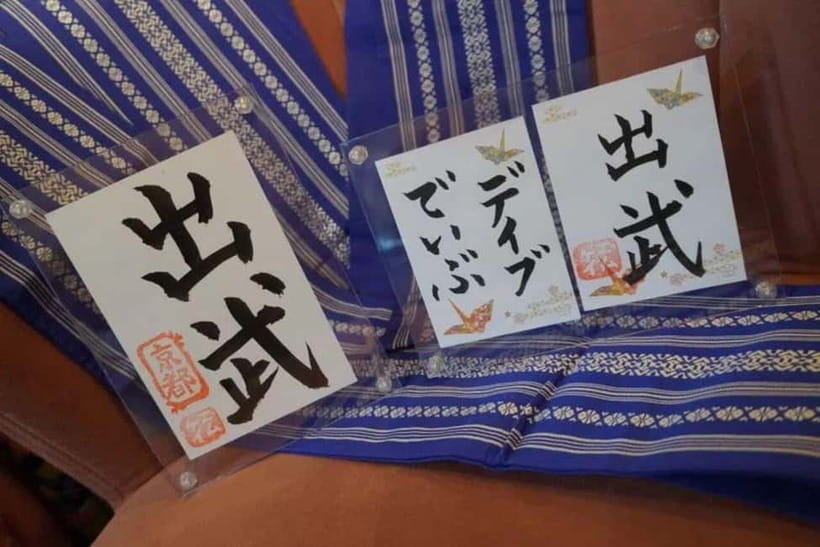
Yes, I think you should book it if you want a calm, structured experience near Kyoto station with English support and clear take-home results. The $51 price works because you are getting materials, instruction, and finished products you can keep. The workshop format also makes it easy to fit into a busy Kyoto day without sacrificing quality.
I would skip it only if you dislike making crafts, cannot tolerate ink and brushes as a hands-on activity, or you are specifically hunting for a long, academic lecture. For most people, this is the sweet spot: learn the basics, write something personal, and leave with proof you did it.
FAQ
Where is the meeting point for the Kyoto calligraphy class?
The location is in front of Kyoto station. The exact meeting point may vary depending on the option booked.
How long does the class last?
The class duration is about 1 hour, and timing may vary a bit depending on how the activities go.
Is instruction available in English?
Yes. The instructor provides English instruction.
How much does the calligraphy class cost?
The price is $51 per person.
What materials are included in the class?
You are provided with brushes, ink, and washi-paper.
What can I take home after the class?
You can take home your calligraphy products, including a scroll of the kanji characters you write, and additional souvenir items such as a Japanese fan, picture frame, or other calligraphy-related products.
Do the instructors help with choosing kanji for names and words?
Yes. Staff assist you with possible kanji characters and their meanings while you write your name and a favorite word.
Are private or small groups available?
Yes. You can book private or small group options.
Is this class suitable for young children?
It is not suitable for children under 5 years old.
What are the cancellation and payment options?
You can cancel up to 24 hours in advance for a full refund. You can also reserve now and pay later.
Newly listed around Kyoto
- Taste of Nishiki Market Walking Food Tour with Local guide★ 5.0 · 17 reviews
- Kyoto: Sushi Making Class with Sushi Chef★ 4.8 · 64 reviews
- Simple Plan with Maiko★ 4.4 · 10 reviews
- Shibori Furoshiki Course at Kyoto Shibori Museum★ 5.0 · 21 reviews
- Kyoto: City Secrets eBike Tour★ 4.9 · 196 reviews
- Sacred Pathways: Discover the Philosopher’s Path of Kyoto★ 4.9 · 20 reviews
- Private Tour to Monkey Park and Arashiyama Highlights★ 5.0 · 22 reviews
- Private Nara Tour from Osaka – Meet at Your Hotel★ 5.0 · 22 reviews
Japanese Craft Workshops, compared.
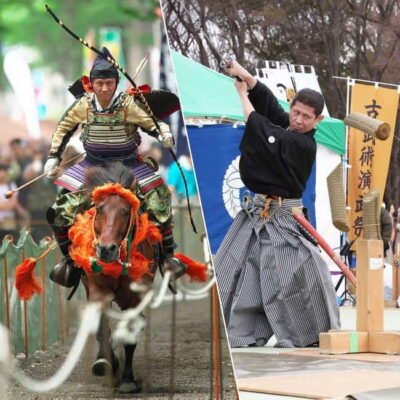
Samurai Sword & Archery Class from Samurai Descendant
Read our review →
Japanesel Archery Experience HIROSHIMA CASTLE SHARAKU
Read our review →
Authentic knife making experience at a blacksmith in Kyoto
Read our review →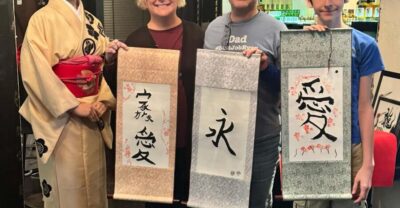
Browse the lists this tour appears in