
Review · HISTORICAL TOURS
Kyoto/Osaka: Kyoto and Nara World Heritage Day Tour
Kyoto and Nara in one long day. This tour strings together Kiyomizu-dera hilltop views and the red torii tunnel at Fushimi Inari Taisha, then adds classic Nara Park deer time.
I also like how the day mixes guided stops with short breaks for photos and walking the old-street vibe near Kiyomizu. One thing to keep in mind, though: the schedule can feel tight, and bad weather, traffic, or holiday crowds can shorten later visits.
In This Review
- Key things to know before you go
- What You Get From a 10-Hour Kyoto and Nara Highlights Day
- Kiyomizu-dera: Hilltop temple views and the Higashiyama feel
- Ninenzaka, Sannenzaka, Ishibei-koji, and Hanamikoji: where the photos make sense
- Yasaka Shrine and Kyoto street-scene realism
- Fushimi Inari Taisha: the torii gates and the fox ema moment
- Nara Park: free-roaming deer, guided time, and Todai-ji scale
- Kimono rental: when it adds value (and when it might slow you down)
- Price and value: why $61 can be a good deal
- Guide quality and how it shapes the day
- Timing realities: traffic, weather, and holiday crowds
- Practical tips: shoes, cash, deer crackers, and the email you should check
- Who should book, and who should skip this one
- Should you book this Kyoto and Nara World Heritage Day Tour?
- FAQ
- How long is the Kyoto and Nara World Heritage Day Tour?
- Where do I meet the tour, and where do I end?
- What is included in the tour price?
- Is lunch included?
- Is kimono rental included?
- Do I have to pay to enter Todaiji Temple?
- What sites are most central to the day?
- What language options are available for the guide?
- What should I bring?
- Is the tour suitable for wheelchair users?
- What is the cancellation policy?
Key things to know before you go

- Kiyomizu-dera plus Higashiyama street photos: You get real time at Kiyomizu, then photo stops around Ninenzaka, Sannenzaka, Ishibei-koji Alley, and Hanamikoji Street.
- Fushimi Inari with guided walking time: You’re there long enough to experience the torii path, not just snap-and-go.
- An actual Nara Park deer moment: Guided time in the park with tips for deer crackers and handling the animals safely.
- Optional kimono rental with smart timing: Pick up near Kiyomizu and return later near Fushimi Inari, so it fits the route.
- Optional Todaiji Temple, but budget entry: Todaiji is included as a photo stop, and you can choose to go in if you want the big interior.
- Drop-off only in Osaka, starts can be Kyoto or Osaka: Plan your day around that one-way ending.
What You Get From a 10-Hour Kyoto and Nara Highlights Day
This is a “see the icons” kind of day. You’ll move by air-conditioned coach with a professional driver, and you’ll have a multilingual guide in English, Traditional Chinese, or Japanese to explain what you’re looking at.
The best value is how much ground you cover without having to plan trains, transfers, or how to connect the sites. If it’s your first time in Kansai and you want the headline Kyoto moments plus Nara’s deer and Todaiji area, this format makes a lot of sense.
The tradeoff is time. Even with several stops listed as sightseeing and photo time, the day is packed enough that you should expect a brisk pace. On days when Japan runs on holiday crowds or the weather turns, you might get less time where you’d hoped to linger.
More History Tours in Kyoto
- Kyoto Gion Historical Walking Tour
★ 5.0 · 188 reviews - Historical Kyoto E-Bike Tour
★ 5.0 · 181 reviews - Kyoto: Private 2.5 Hour Historical Walking Tour
★ 4.9 · 121 reviews
Kiyomizu-dera: Hilltop temple views and the Higashiyama feel
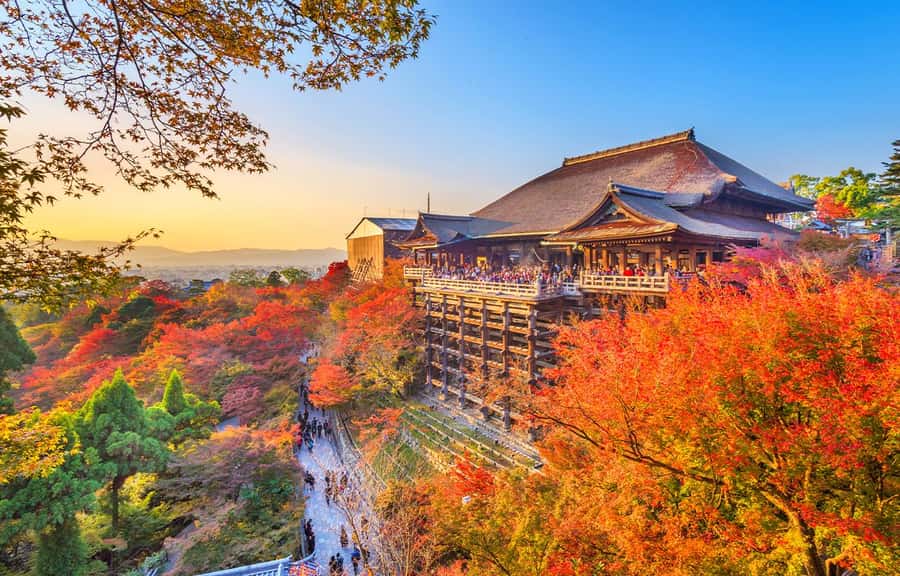
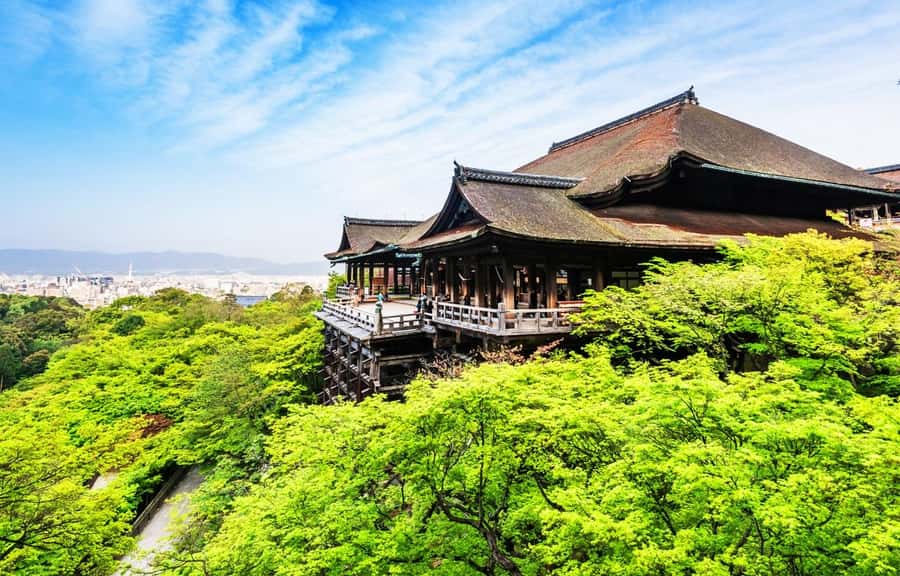
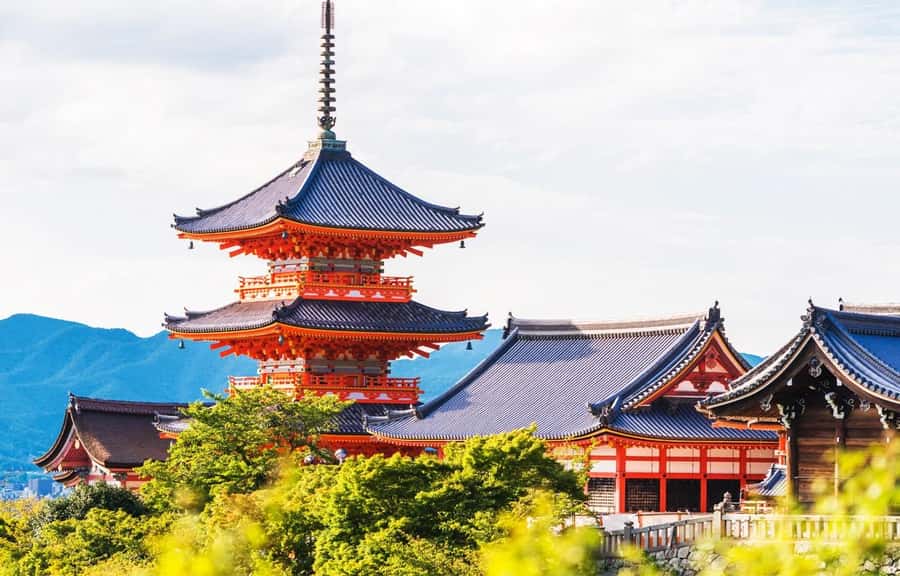
Kiyomizu-dera is one of Kyoto’s most photographed places for a reason. Your time here is built for both the temple and the view side of the experience, with a couple hours that include visiting and sightseeing, not just a quick pass.
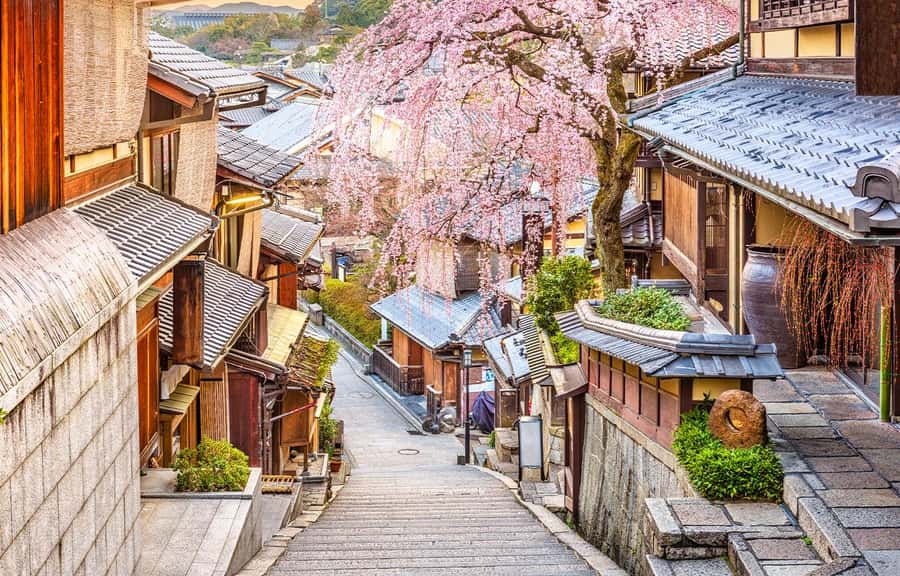
What makes this stop work well is the surrounding old-town streets. After Kiyomizu, you’ll shift into the classic Higashiyama walking zone with picture-friendly lanes like Ninenzaka and Sannenzaka, plus the smaller-feeling Ishibei-koji Alley and a later stroll along Hanamikoji Street.
Practical note: the tour includes a lot of walking between areas, and there’s also mention that the walk from the parking lot to attractions can be long. So I’d treat comfortable shoes as non-negotiable. Bring your camera, but also bring patience, because this is exactly the kind of area that gets crowded.
Ninenzaka, Sannenzaka, Ishibei-koji, and Hanamikoji: where the photos make sense
These are the smaller streets that turn Kiyomizu into more than a single landmark. The route is set up so you can stop for photos and take in the preserved look of the district without having to map everything yourself.
In real terms, what you’ll get is a sequence of short, manageable segments:
- Photo stops around the stair-and-street approach areas
- A slower-feeling alley stretch at Ishibei-koji
- A street walk time on Hanamikoji Street before you head to Yasaka Shrine
If you’re the type who likes atmosphere more than one big ticket sight, this is the part of the day that tends to feel most Kyoto. It’s also where a kimono can shine visually, if that’s on your wish list.
Yasaka Shrine and Kyoto street-scene realism
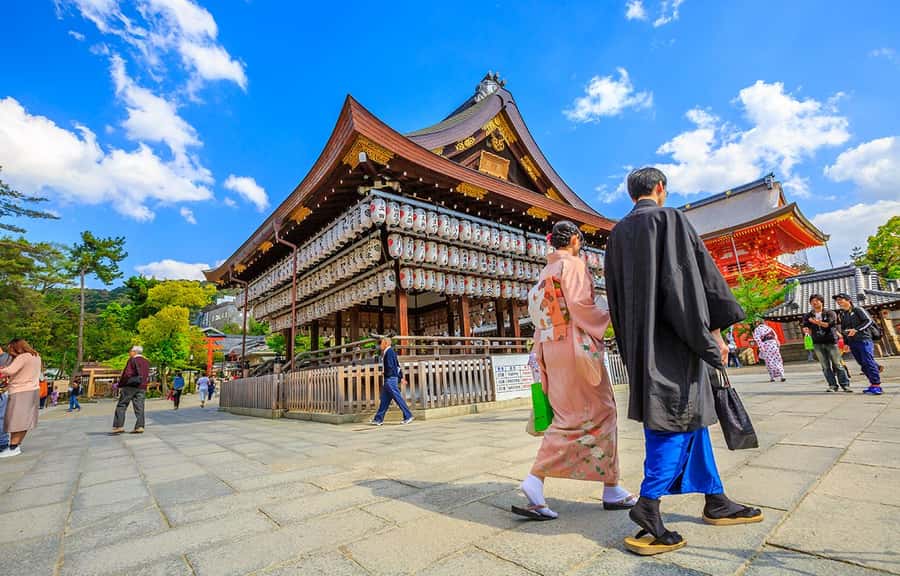
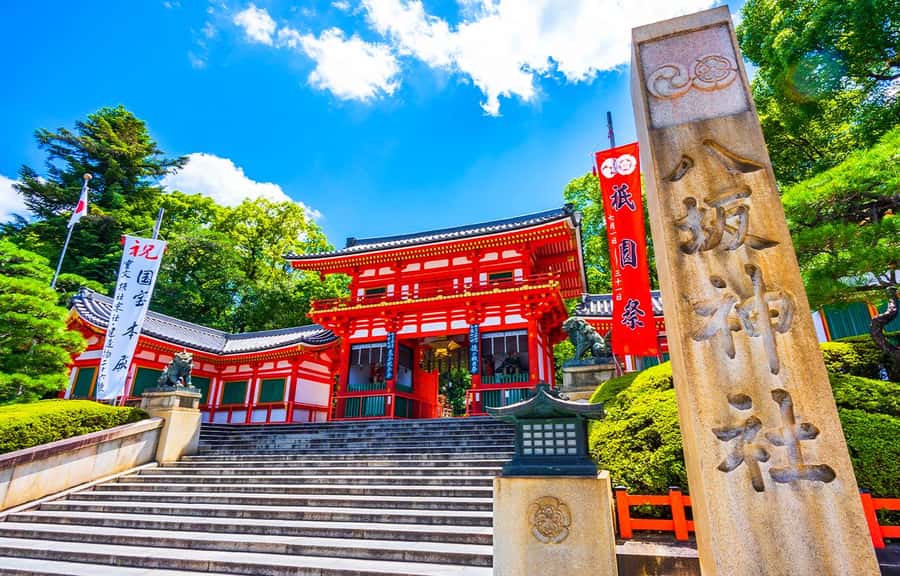
You’ll also get a Yasaka Shrine stop for a photo moment plus sightseeing time. This is a good counterbalance to Kiyomizu and Fushimi Inari because it’s more about the everyday temple-meets-street energy than the most famous torii spectacle.
One reality check: these spots sit in busy pedestrian zones. That means you may not get that quiet, postcard feeling for long. Instead, think of this as a chance to see how Kyoto looks in motion, with locals and visitors sharing the same walkways.
If you’re traveling during peak seasons or Japanese holidays, that crowd factor can affect how long you feel you actually have at each place. Keep expectations flexible.
A few more Kyoto days to weigh up
- From Kyoto: Nara History Guided Half Day Bus Tour with Lunch
★ 4.8 · 114 reviews - Kyoto: Historic Higashiyama Walking Tour
★ 5.0 · 31 reviews - Kyoto/Osaka: Kobe & Himeji Journey Through Culture & History
★ 3.7 · 18 reviews - 4.5-hr Kyoto Historical Highlights Bike Tour with UNESCO
★ 4.7 · 13 reviews
Fushimi Inari Taisha: the torii gates and the fox ema moment
Then comes the signature experience, Fushimi Inari Taisha, famous for its long run of red torii gates climbing up the sacred area.
Your time here includes a photo stop and visiting, plus a guided tour time of about 70 minutes. That matters because the torii paths are long. If you only had 20 minutes, you’d be stuck rushing. Here, you get enough time to walk, stop, and actually experience the tunnel effect.
A detail that’s worth leaning into: you can decorate a fox-shaped ema (prayer plaque) with your own design or message, then leave it behind. It’s small, but it turns a photo stop into something a bit more personal.
If you want the best photos, aim to take a few early while the flow is manageable, then keep walking without stopping every five steps. Torii looks great from many angles, but the best shots come when you’re willing to walk a little deeper along the route.
Nara Park: free-roaming deer, guided time, and Todai-ji scale
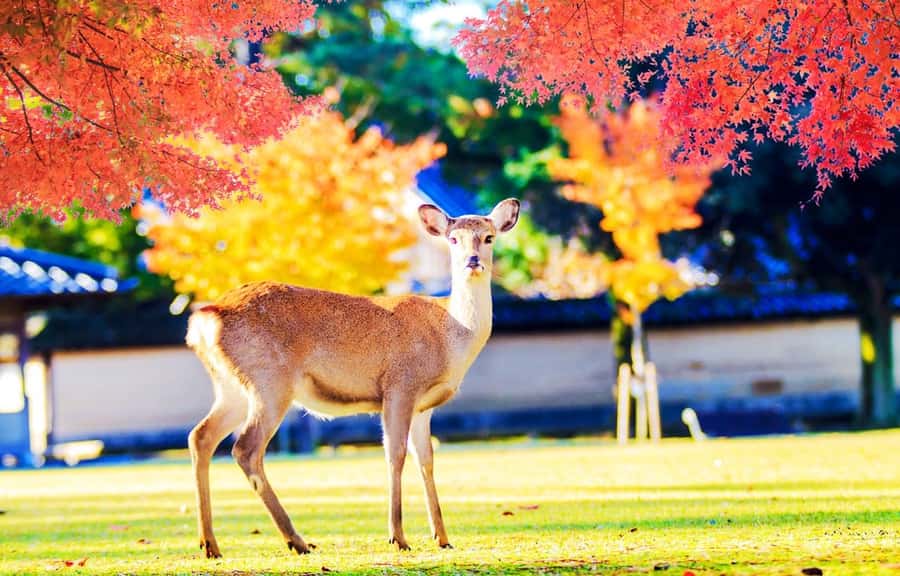
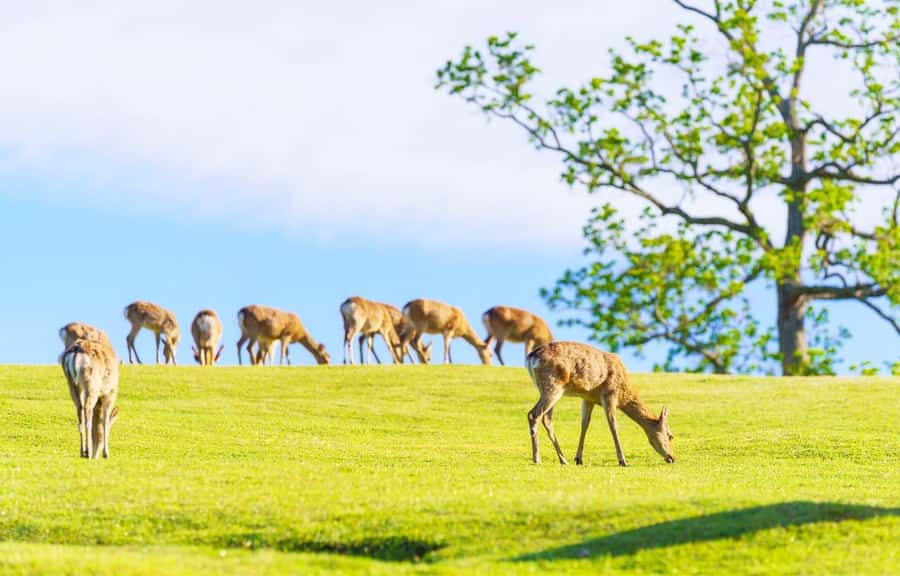
Once you leave Kyoto, the mood changes fast. Nara Park is where you meet hundreds of deer that roam freely. Your stop includes photo time and a guided visit, with about an hour set aside.
This is also where the tour’s practical tips really matter:
- You can buy special deer crackers on-site.
- Offer them politely, and some deer may even bow.
- Be careful if you get surrounded, because they can get excited.
I’d treat this like an animal encounter, not a petting zoo. Keep the crackers controlled, keep your hands to yourself until the deer approach, and stay calm if they get curious.
You’ll also have a Todaiji Temple photo stop (about 30 minutes). The tour notes that entry has a fee, and that you can choose to visit. If scale is the thing you’re chasing, entry is usually worth it, but with a short time slot, go only if you can handle crowds and quick decisions.
Kimono rental: when it adds value (and when it might slow you down)
A kimono rental is available as an optional add-on. It’s self-paid, and the pickup is near Kiyomizu-dera, with return later near Fushimi Inari.
If you like dressing the part, this is a high-impact choice because your route includes classic streets where the kimono fits the scenery. You’ll get more “Kyoto in a storybook” vibes, especially around the old lanes near Kiyomizu and the street walk time.
But think of the cost and time as part of the trade. With long walking segments and multiple stops, you’ll want to be comfortable enough to keep moving. If you hate being managed by a rental schedule, skip it and just use your money for snacks, souvenirs, and transit comfort.
Price and value: why $61 can be a good deal
At about $61 per person for a 10-hour day, the value comes from what’s included, not just the sightseeing list. You get:
- Round-trip transportation by air-conditioned bus
- A multilingual tour guide
- Expressway tolls, vehicle fuel cost, and parking fees
- A professional driver
Those “invisible costs” matter in Japan, where getting between cities can be easy but never truly free. You also avoid the mental load of coordinating your own route across Kyoto and Nara.
What’s not included: lunch and personal expenses. So you should budget for meals on your own, plus any optional costs like kimono rental or any paid temple entry you choose.
If you’re the kind of traveler who likes planning your own day, you can build a DIY version. But if you want one solid day where someone else handles the logistics, this price point can feel fair.
Guide quality and how it shapes the day
This kind of tour lives and dies by the guide. You’ll have explanations in English, Traditional Chinese, or Japanese, and the structure is designed to keep the group moving between sites.
One guide name that stands out in the feedback is YURI, described as patient and friendly. Another named guide mentioned is Rick, noted as very nice. That matters because when your schedule gets tight, a good guide can help you prioritize, adjust expectations, and keep the experience smooth.
Even if you don’t understand every word, the guide’s pacing and stop explanations can help you get more from each location in less time.
Timing realities: traffic, weather, and holiday crowds
The tour is built as a full day, and the itinerary assumes travel time between areas. But Japan has days where time disappears. The tour information clearly warns that bad weather, traffic conditions, or crowding during holidays and peak seasons can cause delays and may lead to attractions being shortened, rescheduled, or canceled.
I think this is the key “consideration” for anyone thinking about tight connections after the tour. The safest approach is to plan a buffer on the back end. Don’t stack extra transportation or strict appointments right after the day ends, because the end time can shift.
Also keep in mind that the day starts with bus time, then moves through Kiyomizu, Fushimi Inari, and Nara. If you get stuck in traffic on either segment, it hits the later stops first.
Practical tips: shoes, cash, deer crackers, and the email you should check
Here’s the gear checklist I’d follow:
- Comfortable shoes: you’ll be on foot for stretches, and parking-to-attractions walks can be long.
- Camera: you’ll take a lot of photos, especially at Kiyomizu and Fushimi Inari.
- Cash: for deer crackers and personal expenses, plus any optional purchases.
Also do this small thing that prevents chaos: you’ll get an email the evening before with important details including the guide and driver information. Check your inbox and spam or junk folder.
Arrive at the meeting point at least 15 minutes early. The tour notes that many groups are often at the location, so being early helps you avoid that last-minute scramble.
Who should book, and who should skip this one
This tour is a good fit if:
- You want Kyoto and Nara highlights without building your own transport plan
- You like walking old streets and taking photos at major icons
- You prefer a guided group day with explanations and timing support
It may be a weaker fit if:
- You need a slow, uninterrupted pace at one site. The day is packed, and you’ll move on even if you still want more time.
- You have mobility limitations. The tour explicitly says it’s not suitable for wheelchair users, and it also notes long walks from parking to attractions.
Should you book this Kyoto and Nara World Heritage Day Tour?
I’d book it if you’re aiming for a first-timer, best-of-Day-One style of experience. The combination of Kiyomizu-dera, Fushimi Inari, and Nara Park is exactly what most people mean when they say they want Kyoto plus the famous deer and Todaiji area.
I’d pause before booking if you hate tight schedules or you’re traveling during a high-crowd period with a weather-sensitive plan on the same day. In those cases, the risk is less about the quality of the sights and more about how much time you actually get at each one.
If you do book, do yourself a favor: wear good shoes, carry cash, and keep your next commitments flexible.
FAQ
How long is the Kyoto and Nara World Heritage Day Tour?
The tour duration is 10 hours.
Where do I meet the tour, and where do I end?
Meeting points may vary depending on the option booked, and you can choose a starting location in Osaka or Kyoto. The drop-off location is only at Osaka at 1-chōme-3-6 Nipponbashi.
What is included in the tour price?
It includes round-trip transportation by air-conditioned bus, a multilingual tour guide, expressway tolls, vehicle fuel cost, and parking fees, plus a professional driver.
Is lunch included?
No. Lunch is not included.
Is kimono rental included?
Kimono rental is optional and self-paid.
Do I have to pay to enter Todaiji Temple?
Todaiji Temple entry requires an additional fee. You can choose whether to visit.
What sites are most central to the day?
The main stops are Kiyomizu-dera, Fushimi Inari Taisha, Nara Park, plus a photo stop at Todaiji Temple.
What language options are available for the guide?
The guide is available in English, Traditional Chinese, and Japanese.
What should I bring?
Bring comfortable shoes, a camera, and cash.
Is the tour suitable for wheelchair users?
No, it is not suitable for wheelchair users.
What is the cancellation policy?
You can cancel up to 24 hours in advance for a full refund. The tour also offers reserve now and pay later.
Newly listed around Kyoto
- Half Day Matcha Tour in Uji, home of culture, with a local★ 4.8 · 14 reviews
- Making Fresh To-fu from soybeans in Kyoto★ 5.0 · 8 reviews
- Let’s make only one original onigawara in the world!!★ 4.9 · 21 reviews
- Kyoto:Private Tour/Luxury Vehicle with Guide & photographer★ 4.8 · 35 reviews
- Kyoto/Osaka: Kyoto Coast, Amanohashidate & Ine Bay Day Trip★ 4.4 · 7 reviews
- Kyoto/Osaka: Kobe & Himeji Journey Through Culture & History★ 3.7 · 18 reviews
- kyoto:Experience creating one-of-a-kind special fragrances★ 4.8 · 8 reviews
- Kyoto: Kimono/Yukata Rental 5 Minute from Kiyomizu-dera★ 4.7 · 89 reviews
Historical Tours, compared.
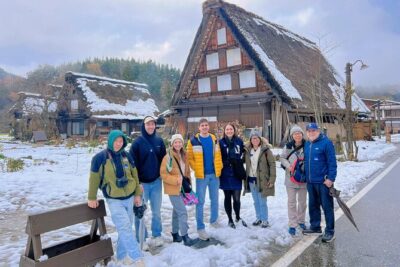
World Heritage Shirakawa-go and Experience Tours from Kanazawa
Read our review →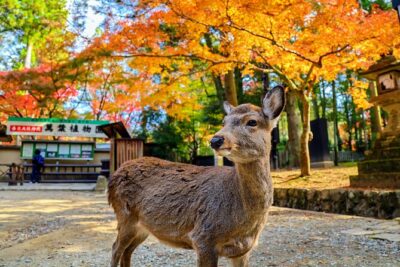
World Heritage Kyoto & Nara Uji Authentic Matcha Experience
Read our review →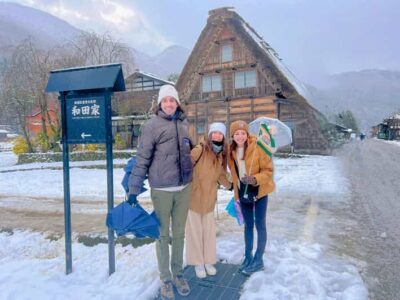
World Heritage Shirakawa-go Morning Guided Tour
Read our review →
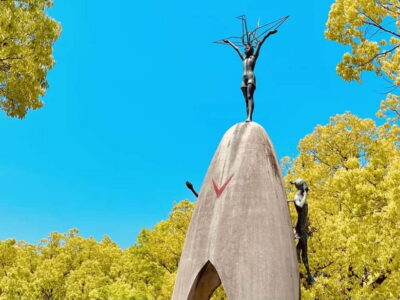
Hiroshima Historical Walking Tour – Why A-Bomb was Dropped
Read our review →
Hiroshima Peace (Heiwa) Walking Tour at World Heritage Sites
Read our review →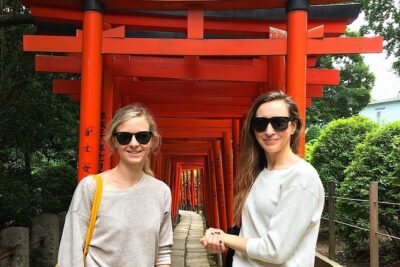
Yanaka Walking Tour: Historic and Traditional District of Tokyo
Read our review →
Shinjuku Historical Walking Tour & Secret Backstreets
Read our review →Browse the lists this tour appears in