
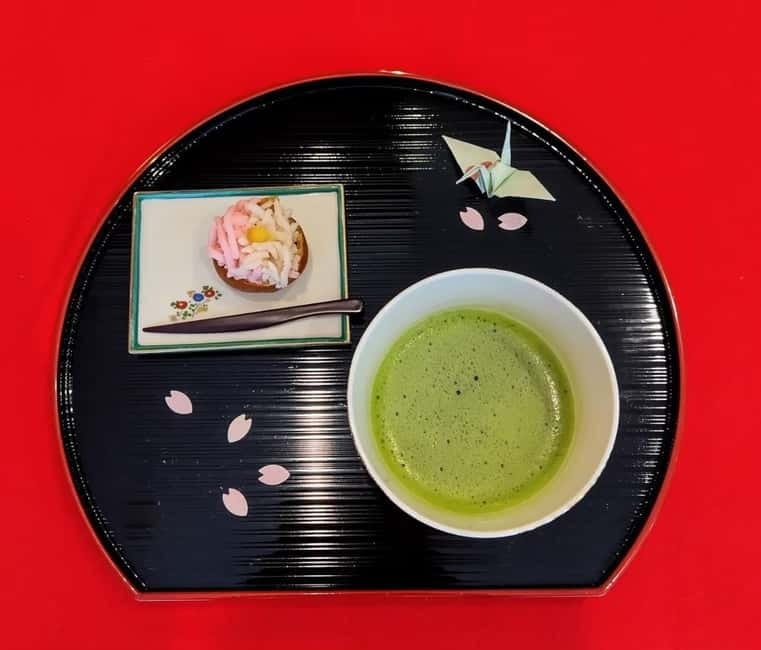
Review · MATCHA & TEA CEREMONY SESSIONS
Tea ceremony experience in Japanese-style room 60min
In this tea room, you actually make matcha. Wasako is tucked inside the Charyo-Ichimatsu restaurant in Asakusa, and you spend the session in a Japanese-style room where you choose your matcha bowl and get hands-on with the ritual. You watch the demonstration, sip matcha right then, and then brew your own cup while the tea master explains the why behind each step.
I especially like how photos are built into the experience, with the host taking shots as the ceremony unfolds. I also like that the group stays small, limited to 7 participants, so the instructor can guide you step by step. One consideration, you cannot wear shoes indoors, and if you want to sit on the tatami you need socks, sold on site for 500 yen if you forget.
In This Review
- Key highlights worth your time
- Wasako tea ceremony in a Japanese-style room near Asakusa
- Finding the meeting point without stress
- How the session really flows (demo first, then your turn)
- Choosing your sweets and matcha bowl (and why it matters)
- What you get to do in the room (beyond just sipping)
- Photos, photo spots, and why the building helps
- Your matcha moment: learning to whisk and serve
- Tea sweets and tasting: what to expect when you sip during the demo
- Price and value: does $45 make sense?
- Socks, tatami, and the no-shoes rule you must plan for
- Small group size (up to 7) and what that means for you
- Who this tea ceremony suits best
- Optional additions you might see, like kimono rental
- Should you book this Wasako tea ceremony?
- FAQ
- What start times are available for the Wasako tea ceremony?
- Where is the meeting point?
- Do I need socks, and can I wear shoes indoors?
- How long does the tea ceremony experience last?
- Who teaches the ceremony, and what languages are offered?
- Is it just watching, or will I make matcha myself?
Key highlights worth your time
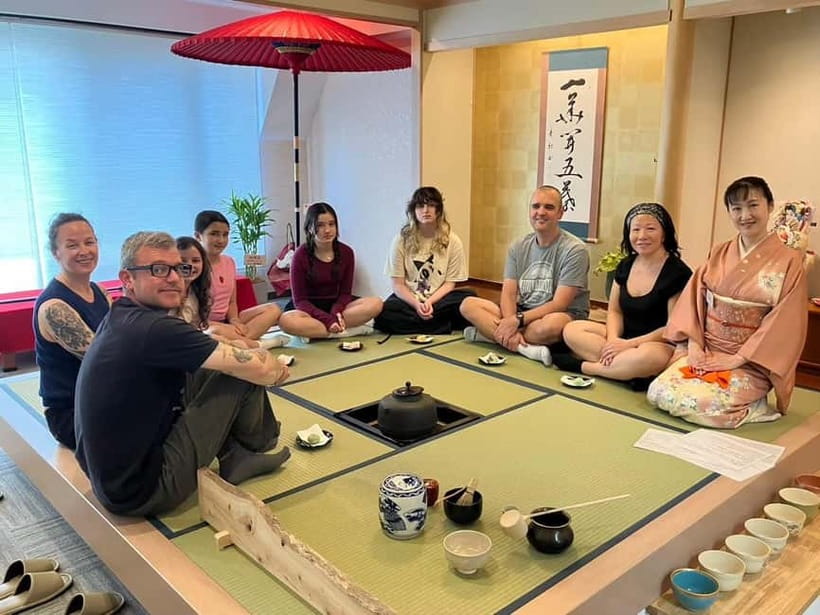
- Choose tea sweets and your own matcha bowl before the ceremony starts
- Watch the full demonstration while enjoying sweets and drinking the matcha
- Make your own matcha and learn the steps for whisking and serving
- Hear explanations in context, from hanging scrolls and furnishings to tea ceremony history
- Small group energy (max 7), led by an English/Japanese instructor like Ryouko
- Photo-worthy building and room, inside Ichimatsu, a registered tangible cultural property
Wasako tea ceremony in a Japanese-style room near Asakusa
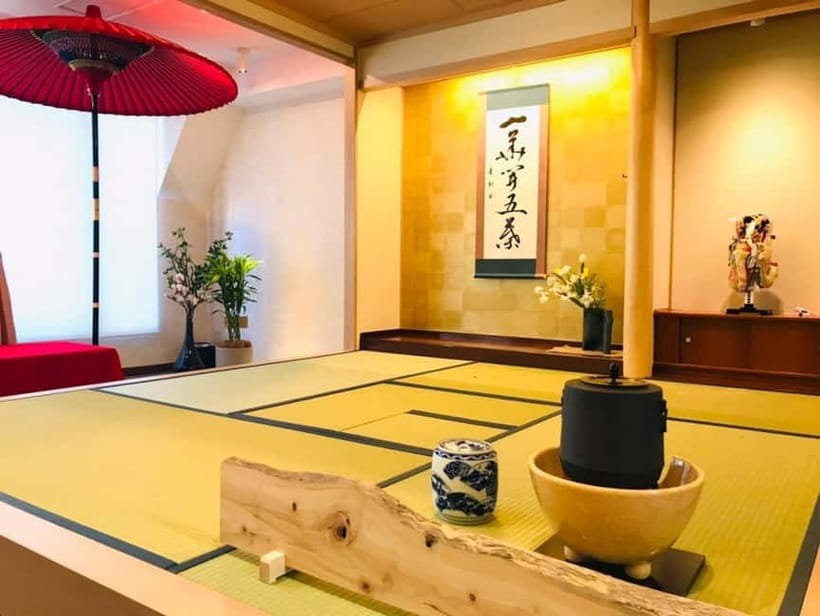
If you want Japanese culture that feels real and slow, this is a great bet. The experience takes place in a Japanese-style room at Wasako, which sits inside the Charyo-Ichimatsu restaurant complex in Honshu (Tokyo area). You are not just watching from the sidelines. You choose elements of the ceremony, sip along during the demo, and then make your own matcha under guidance.
A big part of the value here is that you get a guided walkthrough of what you are seeing. The host can explain hanging scrolls, furnishings, and the tea ceremony tradition as you go. That turns matcha from a drink you tried into a ritual you understand. And the setting matters too, Ichimatsu is a registered tangible cultural property, so there are plenty of photo spots, not just a single corner for pictures.
More Tea Ceremonies in Tokyo
- Matcha Making Class in Tokyo with Authentic Japanese Sweets Set
★ 5.0 · 744 reviews - Kimono Tea Ceremony at Tokyo, Asakusa Maikoya
★ 5.0 · 638 reviews - Tokyo: Traditional Tea Ceremony with a Tea Master
★ 5.0 · 528 reviews
Finding the meeting point without stress
You meet at a location that is easy to reach from two rail stations. It is a 5-minute walk from Tawaramachi Station (Tokyo Metro Ginza Line), Exit 3. It is also about a 10-minute walk from Asakusa Station (Toei Asakusa Line), Exit A4.
My practical tip: give yourself a little buffer. The directions rely on walking up and around restaurant buildings, and you will move faster if you are not rushing through narrow streets. If you are carrying camera gear or want time for a quick photo on the way in, plan to arrive early.
How the session really flows (demo first, then your turn)
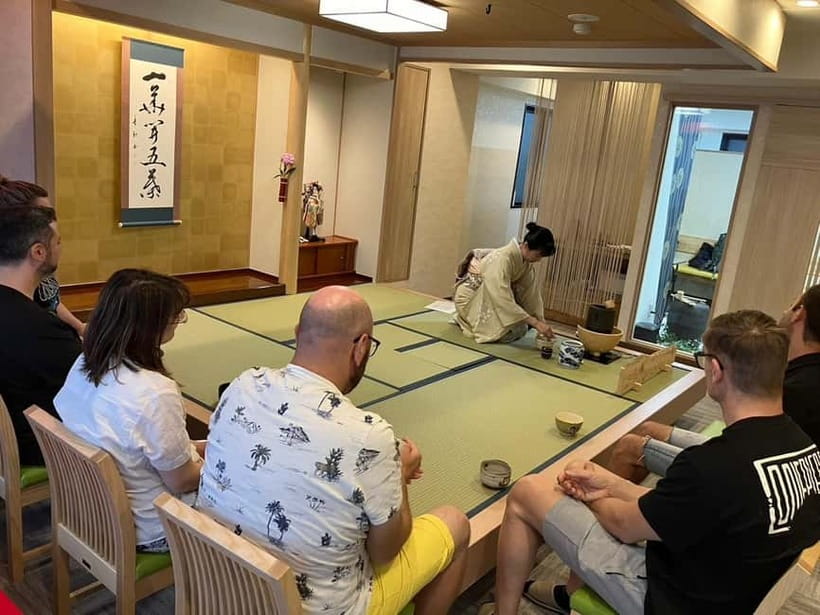
The ceremony is scheduled in four start times: 10:00, 11:30, 13:30, and 15:00. The official duration is listed as 45 minutes to 4 hours, so think of the experience as flexible. In practice, you should plan on about an hour to start, then allow extra time in case your session is longer or you take more breaks for photos.
Here is the rhythm you can expect:
1) You enter the Japanese-style room at Wasako and get oriented.
2) You select tea sweets and a matcha bowl. Bowl designs vary, and each one gets explained.
3) You watch a demonstration. During this part, you can enjoy the sweets and drink the matcha.
4) Explanations continue as the host points out details like the hanging scroll and furnishings.
5) You learn how to prepare matcha and then brew it yourself.
6) You end with your own cup, plus time to take pictures throughout.
That demo-then-do-your-own-brew structure is a nice way to handle nerves. You see the steps first, you understand what matters, then you try it without feeling completely lost.
Choosing your sweets and matcha bowl (and why it matters)
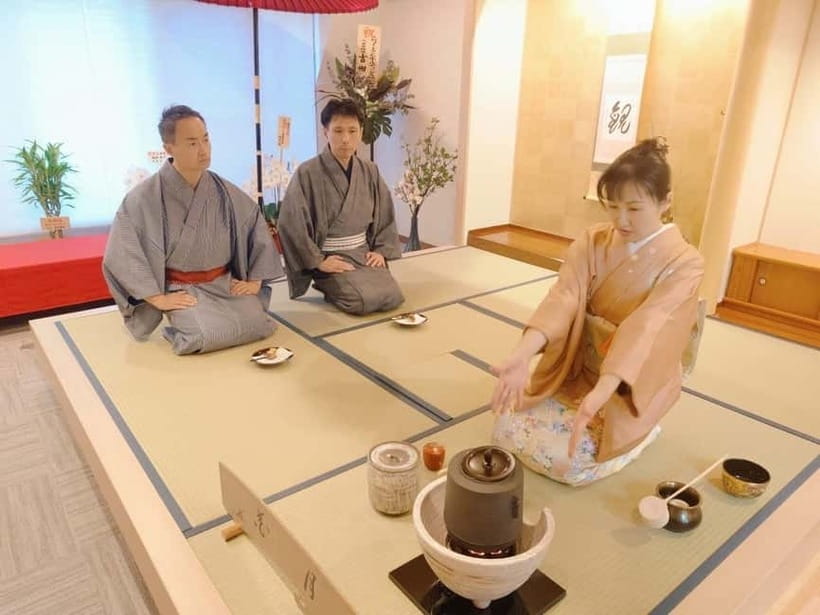
The experience lets you choose your own tea sweets and matcha bowl. That sounds like a small detail, but it changes the feel of the whole session. You are not consuming a generic set. You are participating in the ceremony design choices.
Each matcha bowl has a unique look, and the host explains the bowl you picked. That is useful because it teaches you how much meaning Japanese tea culture puts into objects, not just into taste. Even if you are new to matcha, you start learning to notice texture, shape, and how tools connect to the ritual.
If you care about photos, this is also a smart setup. Bowl designs and sweets are visible, and they are part of what you will naturally want to capture on camera before and during the ceremony.
A different sort of day in Japan:
- Mt Fuji and Hakone 1-Day Bus Tour Return by Bullet Train
★ 5.0 · 26,383 reviews - 1-Day Tokyo Bus Tour
★ 5.0 · 14,250 reviews - Tokyo: TOKYO SKYTREE® Admission ticket
★ 4.5 · 11,192 reviews - Tokyo: teamLab Planets TOKYO Digital Art Museum Entry Ticket
★ 4.6 · 9,779 reviews
What you get to do in the room (beyond just sipping)
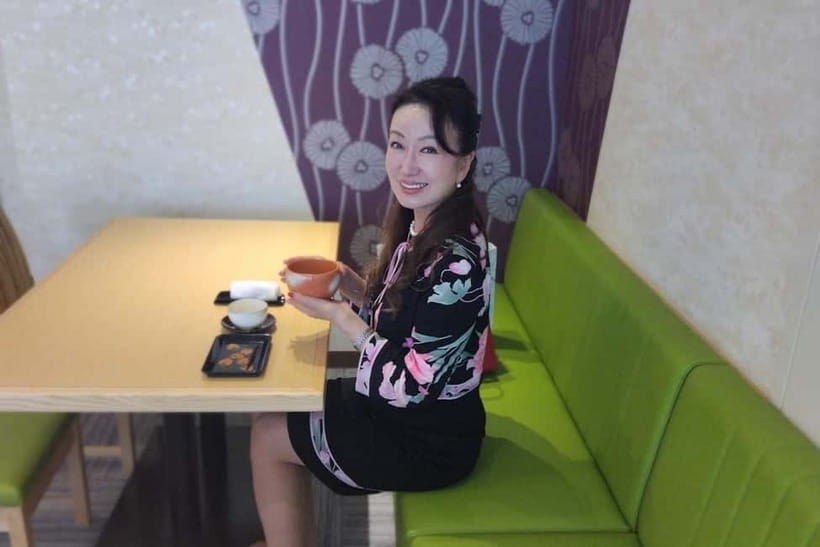
This is hands-on, and that is where the experience feels worth it. You watch the demonstration, yes, but you also get taught how to prepare matcha and then brew it yourself. The host offers explanations as needed, including context around the hanging scrolls and furnishings, and the history of the tea ceremony tradition.
From what you can expect in practice, the host does not just run a script. English-speaking guests can get guided step explanations, and Japanese-speaking guests can follow along too. Multiple reviews mention Ryouko as a warm, informative tea master who takes care of guests, including making sure people feel comfortable in the room.
If you like structured activities, this one fits. If you prefer totally free time, it might feel more scheduled than you want, but it is still calm and respectful, not rushed.
Photos, photo spots, and why the building helps
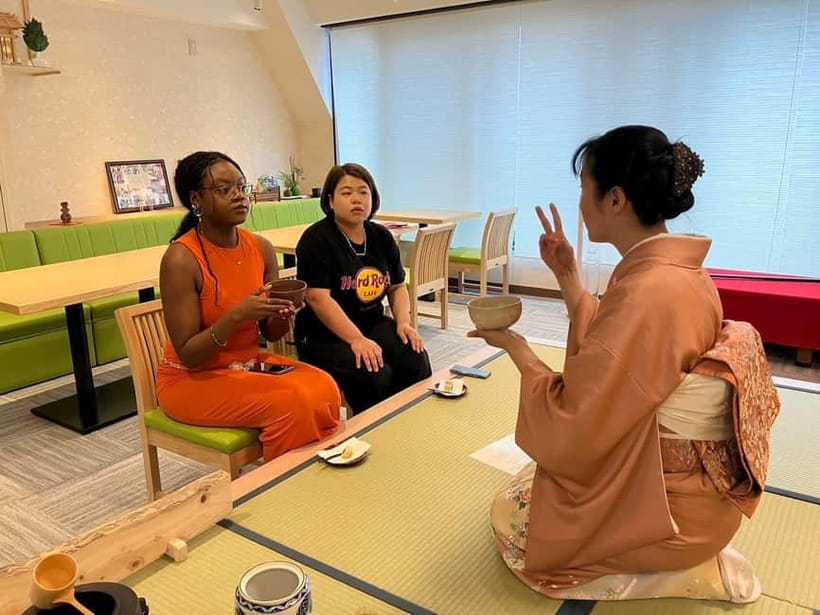
One of the most praised parts is the photography. The host often takes photos for you throughout the ceremony, not just at the start. That matters because tea ceremony rooms can be low light and you may not have a second person to help frame shots. You get help capturing the moment without worrying about your camera while whisking matcha.
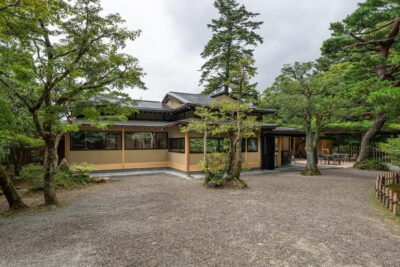
Beyond the ceremony room, the setting is inside Ichimatsu, a registered tangible cultural property. That means the complex has architectural character that makes it easier to find appealing photo backdrops. You are likely to get a few naturally photogenic angles just by moving through the space.
Practical note: shoes are not allowed indoors. So wear clothing that makes it easy to sit and move comfortably, especially if you plan to spend time on tatami.
Your matcha moment: learning to whisk and serve
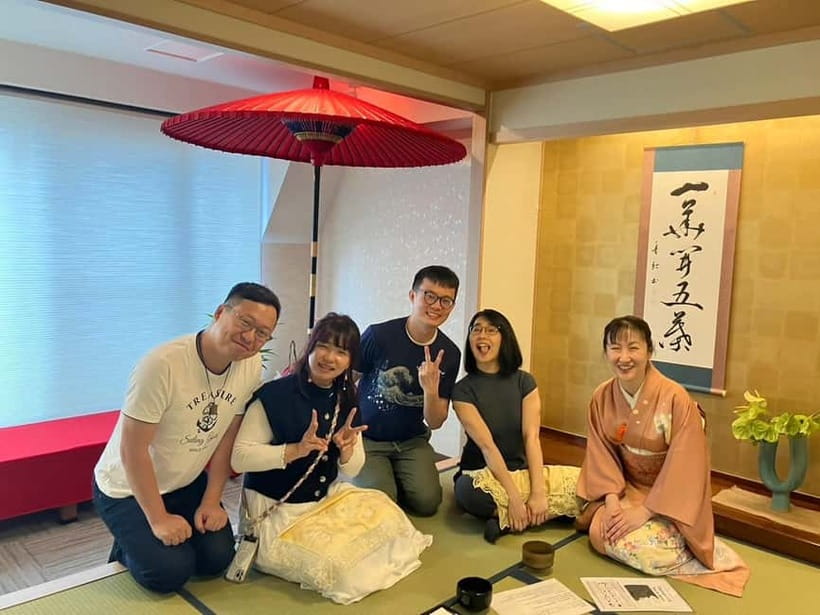
The center of the experience is learning how to prepare matcha. You see the procedure during the demonstration while enjoying sweets and matcha. Then you do it yourself.
Even with no prior matcha experience, the class format is designed to get you through the steps. The instructor provides explanations about the process, and you get the chance to brew your own tea. Reviews consistently mention that the host explains the steps well and that guests feel they learned the correct way to make matcha.
A useful expectation to set: tea ceremonies are not about speed. They are about control and quiet focus. If you come in expecting a fun party vibe, you might miss the point. If you come in ready to slow down, the structure will feel satisfying.
Tea sweets and tasting: what to expect when you sip during the demo
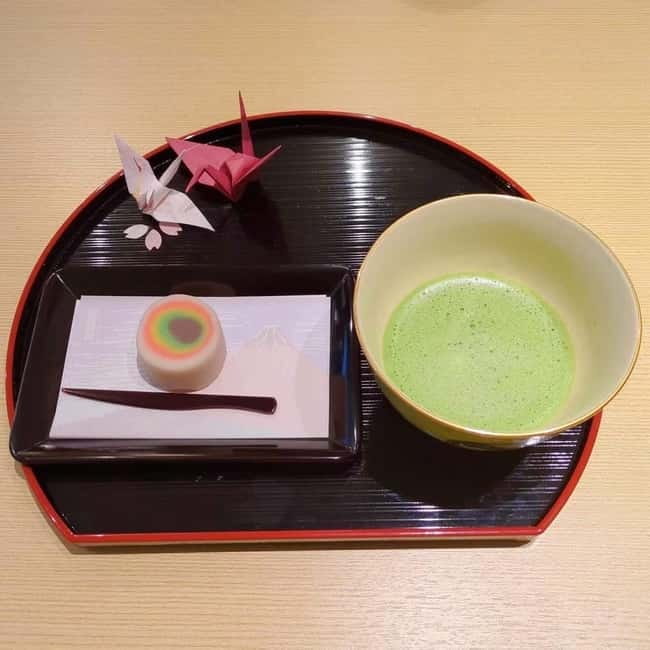
During the demonstration, you can enjoy the sweets and drink the matcha. That is part of why this activity feels like more than a lesson. You do not just watch and then taste at the end. You taste along the way.
Choosing the sweets beforehand also turns the tasting into something personal. You might find yourself noticing how the sweetness pairs with the matcha flavor in the moment you taste it, rather than trying to remember later.
Price and value: does $45 make sense?
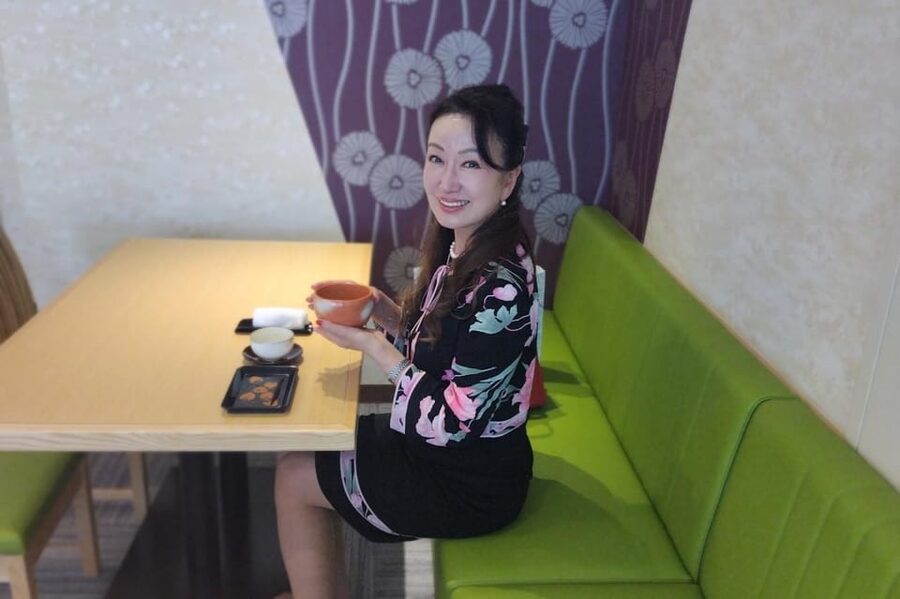
At $45 per person, the tea ceremony is not a bargain. It is also not trying to compete with a cheap, fast cultural stop. The value comes from three things:
- You get instruction plus hands-on brewing of your own matcha.
- Your experience includes choice, sweets and a matcha bowl, plus explanations tailored to what you selected.
- The setting and photo help add real-world comfort. Someone takes photos for you, and the room is designed for atmosphere.
If you expect a deep lecture with endless history details, you might feel it is shorter or lighter than you want. One review did raise the point that the price did not match the experience time for their expectations. Still, the consistent praise for the host guidance, authenticity, and how much you learn suggests most people feel it is a fair exchange for a small-group, hands-on cultural activity.
My advice: treat this as a highlight, not a filler. If you only have time for one tea experience, this is the kind of class that helps you remember the craft, not just the flavor.
Socks, tatami, and the no-shoes rule you must plan for
This is the biggest practical detail you should not ignore.
- Shoes are not allowed indoors.
- If you want to get on the tatami, bring your own socks.
- If you do not have socks, they will sell them for 500 yen.
That matters because tatami seating is part of the experience. Even if you are only planning a quick look around the room, you will likely be in a position where socks help you relax and move less awkwardly. If you are already packing for a city trip, add socks to your checklist before you go.
Also consider comfort. You will be in a seated ritual, so choose clothing that makes sitting easy.
Small group size (up to 7) and what that means for you
This ceremony is limited to 7 participants. That is a sweet spot for a hands-on class. It lets the host circulate, answer questions, and guide you while you whisk, rather than treating you like part of a crowd.
You should feel the difference if you are used to big group tours. Here, the pace is calmer and the guidance is more personal. Reviews also mention the host taking time to answer questions and explain details like the tools and meaning behind steps.
If you travel with friends or family, this also works well because you get shared photos and a shared activity, without the chaos of a large class.
Who this tea ceremony suits best
This is a strong match for:
- People who want a calm, culture-forward Tokyo experience in an authentic setting
- Anyone who wants to learn how matcha is made, not just taste it
- Photography lovers who want help getting good shots without juggling a phone while participating
- Couples, solo travelers, and small friend groups who like small-group teaching
It is not suitable for:
- Children under 6 years
- Wheelchair users
So if mobility access is a concern for your group, you will need to look for another activity.
Optional additions you might see, like kimono rental
Some reviews mention adding kimono rental and getting dressed with staff help. The ceremony itself does not list kimono as an included item in the core experience details you were given, but it appears to be offered as an add-on option at the location.
If you want that extra visual and cultural layer, this can be a nice way to make the photos more dramatic. If you get one, plan your outfit timing so you still arrive at your start time and you can settle in comfortably.
Should you book this Wasako tea ceremony?
I’d book it if you want a genuine, hands-on tea ritual with a small group, a calm pace, and the chance to brew matcha yourself. The combination of choice (sweets and bowl), guided explanations (scrolls, furnishings, tea history), and the photo support you can get from the host makes it feel more complete than many quick tastings.
Skip it or rethink if your main goal is a long, lecture-style deep dive into tea history, or if you are uncomfortable with tatami seating and the socks requirement. At $45, you are paying for participation and instruction, not just a beverage.
If you are in Tokyo and you want one experience that feels both cultural and practical, this is a strong pick. Choose the start time that fits your energy, bring socks, and come ready to slow down for a carefully paced ritual.
FAQ
What start times are available for the Wasako tea ceremony?
There are four start times: 10:00, 11:30, 13:30, and 15:00.
Where is the meeting point?
You meet about a 5-minute walk from Tawaramachi Station (Exit 3) on the Tokyo Metro Ginza Line, or about a 10-minute walk from Asakusa Station (Exit A4) on the Toei Asakusa Line.
Do I need socks, and can I wear shoes indoors?
Shoes are not allowed indoors. If you want to sit on the tatami, bring socks. If you do not have socks, they can sell them for 500 yen.
How long does the tea ceremony experience last?
The experience duration is listed as 45 minutes to 4 hours, depending on the session.
Who teaches the ceremony, and what languages are offered?
The instructor provides the experience in English and Japanese. The small group size is limited to 7 participants.
Is it just watching, or will I make matcha myself?
You watch the demonstration and you also learn how to prepare matcha and get the chance to brew your own matcha.
Newly listed around Tokyo
- Hakone: Self Guided Trip to Mt. Fuji // Made by Local Guides★ 4.6 · 7 reviews
- Tokyo: 1 Day Bus Tour with Meiji-Jingu,Odaiba,lunch&Skytree★ 4.6 · 156 reviews
- Tokyo: 1-Day Private Customizable Tour by Car★ 4.7 · 137 reviews
- Tokio A: Tour de la ciudad en Español – Spanish★ 4.9 · 64 reviews
- Tokyo: Pre Japan Planning Kit: Itineraries, Food & Survival★ 4.9 · 18 reviews
- This is Real TOKYO!! SHIBUYA Tour from TGP!!★ 4.8 · 9 reviews
- Tokyo: Japanese Archery (Kyudo) Experience★ 5.0 · 78 reviews
- Tokyo: Vegetarian & Vegan Friendly Food Tour★ 4.7 · 6 reviews
Matcha & Tea Ceremony Sessions, compared.
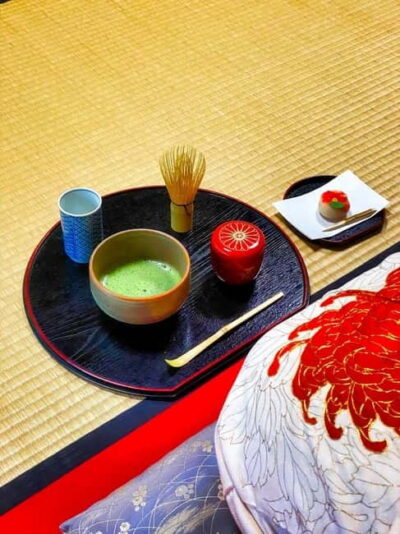
Tea Ceremony in a Traditional Tea House in Kiyomizu
Read our review →
World Heritage Kyoto & Nara Uji Authentic Matcha Experience
Read our review →
Browse the lists this tour appears in