
Review · MATCHA & TEA CEREMONY SESSIONS
Tea Ceremony Experience in Traditional Kyoto Townhouse
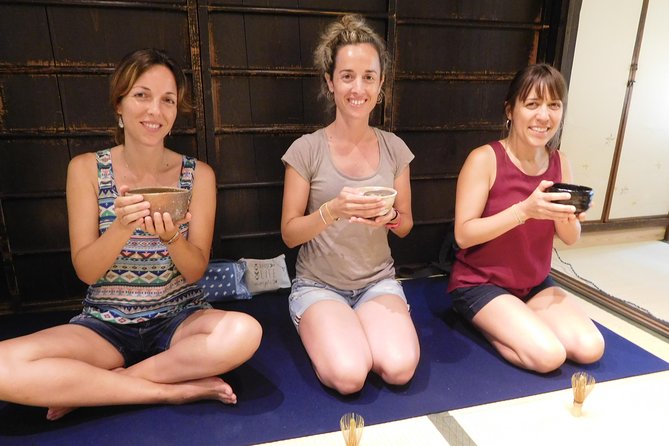
Stepping into a traditional machiya changes the whole pace. This 1-hour Kyoto tea ceremony at Ami Kyoto pairs Uji matcha from a tea farm with sweets from a well-known Kyoto confectioner, and teaches you the etiquette behind every step.
I also love the small-group size, max 6, which makes it easier to ask questions and actually practice. The main downside to plan for is location: it can be a little tricky to find at first in a residential area, especially if you expect English signage.
In This Review
- Key things I’d circle before you book
- A small-group Kyoto tea ceremony in a traditional machiya
- Finding Ami Kyoto near Shimogyo Ward, and what to expect
- Inside the machiya: how the session feels from the first minute
- What you learn: etiquette, symbolism, and how to actually enjoy the tea
- The main event: Uji matcha and Kyoto sweets, done the right way
- Watch, then make: your hands-on matcha moment
- Price and value: is $27.74 worth it?
- Who should book Ami Kyoto, and who might skip it
- Should you book this tea ceremony in Kyoto?
- FAQ
- How long is the tea ceremony experience?
- What is included in the price?
- How big is the group?
- Where do I meet, and where does it end?
- Is hotel pickup included?
- What if I need to cancel?
Key things I’d circle before you book
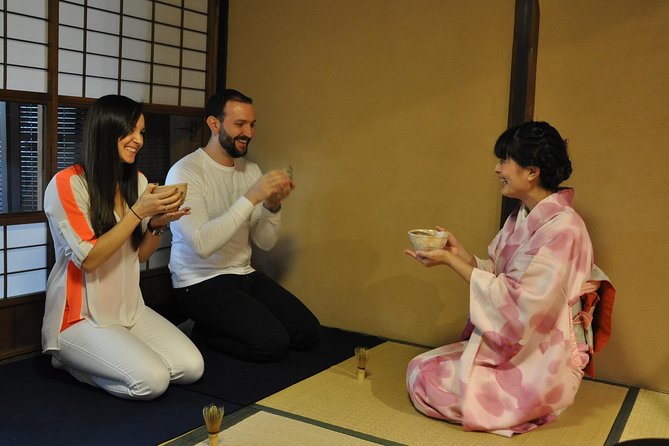
- Max 6 people means you get personal attention instead of watching from the sidelines
- A traditional machiya around 80 years old (some visitors describe it closer to 100) feels genuinely lived-in
- Uji City matcha plus Kyoto sweets sets a higher bar than the usual tea-and-a-biscuit routine
- Watch the demonstration, then make your own bowl with guidance so you do not just observe
- You learn etiquette and meaning, not just the steps, so it feels like a real ritual
- Friendly hosts, often led by Kimi, make the session feel welcoming and relaxed
A small-group Kyoto tea ceremony in a traditional machiya
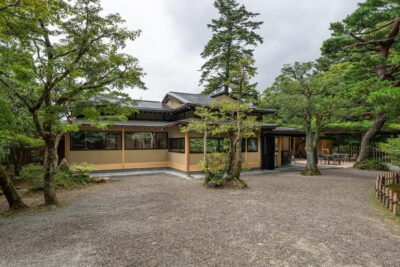
If you like experiences where people slow down and explain the why, this one fits. The setting matters here. Ami Kyoto is in a traditional wooden townhouse, a Kyoto machiya, and it is described as about 80 years old. Some visitors also call it around 100 years old, but either way, you are not sitting in a staged studio. You are in a real residential-style space that makes the ceremony feel grounded.
The other big draw is what you actually get to do. This is not just a performance. You watch the demonstration of how tea is prepared and served, then you make your own bowl. For first-timers, that hands-on practice is the difference between leaving with vague memories and leaving with a skill you can repeat at home.
Two more reasons I like this style of tea ceremony:
- You drink matcha that is specifically described as high quality from an Uji City tea farm.
- You get traditional sweets from a famous Kyoto confectioner, not random packaged candy.
More Tea Ceremonies in Kyoto
- Kyoto: Tea Ceremony in a Traditional Tea House in Kiyomizu
★ 4.9 · 3,519 reviews - Kyoto: Tea Ceremony Ju-An at Jotokuji Temple
★ 4.9 · 3,207 reviews - Kyoto: 45-Minute Tea Ceremony Lesson Experience
★ 4.3 · 2,378 reviews
Finding Ami Kyoto near Shimogyo Ward, and what to expect
The meeting point is at 605 Nishidachō, Shimogyo Ward, Kyoto, 600-8397, Japan. The activity starts there and ends back at the same place, so you can plan your day without worrying about a long transfer.
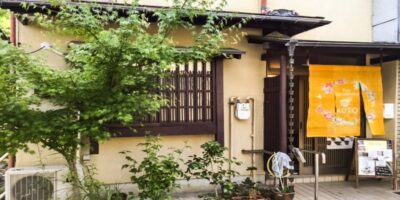
One practical thing to know: the location can be a little hard to spot at first. A visitor noted that there were no numbers or street name in English, which is a classic Kyoto city-center frustration when you are walking the wrong block. My advice is to arrive a bit early and use the map link you are given, not just street instincts.
Good news for logistics:
- It is near public transportation.
- You do not need hotel pickup.
- You will get a mobile ticket.
And because the ceremony runs about 1 hour, it is a manageable add-on even on a day packed with temples and shrines. Just pick a start time that matches your energy level. Tea works best when you are not in a rush.
Inside the machiya: how the session feels from the first minute
When you enter, you immediately feel the ceremony is designed to control the pace. Chairs and tables give way to a simpler, more formal setup. That matters because the tea ceremony is not only about taste. It is about attention, posture, and small gestures.
From what visitors describe, the hosts explain both what you are doing and why it matters. One review specifically highlighted the process for entering a tea room and how the hosts guide you in doing it as well. Another mentioned how the movements are meticulous and intentional, and that the whole sequence can feel almost reverent.
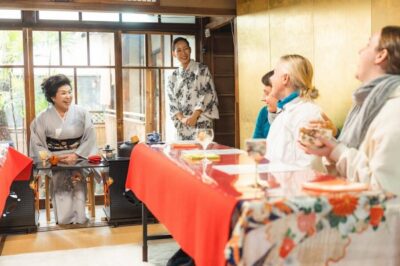
You should expect a calm tone. Reviews repeatedly describe the room as comfortable and the atmosphere as relaxing or peaceful. This is a good option when you want a break from Kyoto’s crowds without jumping to a long multi-hour tour.
What you learn: etiquette, symbolism, and how to actually enjoy the tea
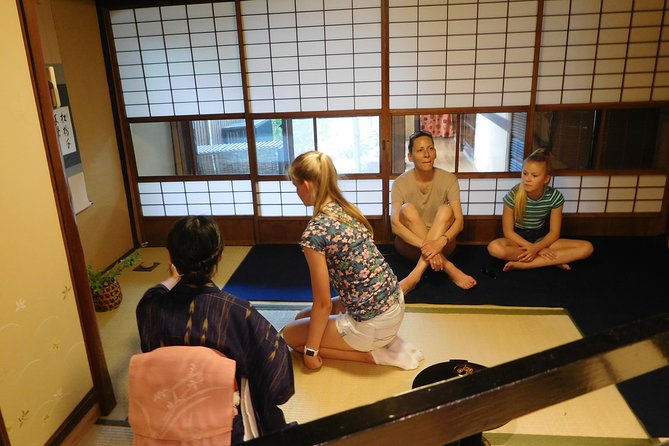
This experience focuses on tea ceremony basics and etiquette, which is where a lot of tea experiences fall short. If you just learn steps, it can feel like kitchen trivia. Here, you get explanations around etiquette and the meaning behind movements.
A few examples pulled from the way the hosts teach:
- You learn how to serve and drink tea correctly, not just how to hold a tool.
- You are guided to understand that each movement has symbolism, not random tradition.
- The session can include a discussion of the sacredness of the ceremony, which helps explain why people handle tea with such care.
That explanation is practical, too. Once you understand the point of the motions, you stop worrying about doing them perfectly and start focusing on paying attention. That is when matcha actually tastes like more than green powder in a cup.
Also, you get time to ask questions. One review said the hosts gladly answered questions, and another praised the accuracy and detail of the explanation. In a max-6 group, that attention is easier to deliver.
A different sort of day in Japan:
- PERFECT KYOTO 1-Day Bus Tour
★ 5.0 · 13,518 reviews - Kyoto: Fushimi Inari, Kinkakuji, Bamboo Grove 1 Day Bus Tour
★ 4.8 · 4,316 reviews - Kyoto Geisha Walking Tour: Gion District & Hidden Gems
★ 4.7 · 3,273 reviews - Kyoto: Gion Geisha District Walking Tour – Stories of Geisha
★ 4.7 · 2,187 reviews
The main event: Uji matcha and Kyoto sweets, done the right way
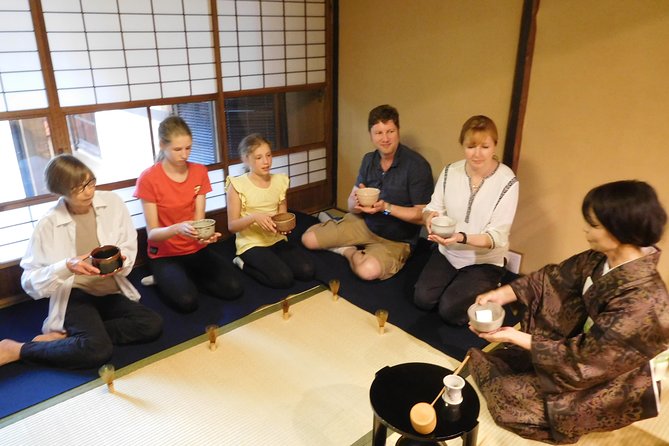
Tea ceremony is often sold as matcha tasting, but here it is more specific. You receive:
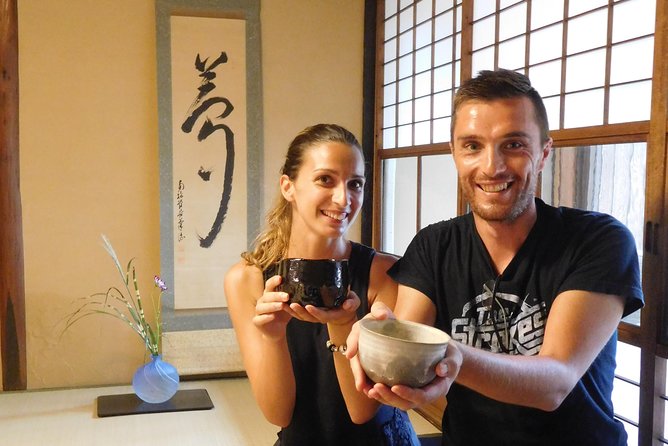
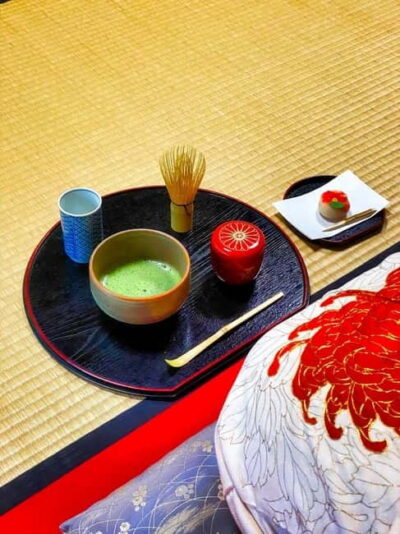
- A bowl of matcha green tea
- Japanese sweets
The matcha is described as high quality from an Uji City tea farm. Uji is Kyoto’s classic matcha region, and the choice matters because cheap matcha can taste flat, chalky, or overly bitter. If you already like matcha, you will likely appreciate the difference. If you do not, this kind of guided tasting helps you understand what good matcha should feel like.
On the sweets side, the experience uses traditional sweets from a famous Kyoto confectioner. One visitor even named a treat they tried: suhama. This matters because sweets in tea ceremonies are not just dessert. They are part of how you shift your palate and match the mood of the tea.
If you are a sweetness person, you may be especially happy here. Multiple reviews singled out how delicious the sweets were.
One extra bonus: some reviews mention you can buy matcha at the end. That is a nice option if you want to take a better product home and try making tea again on your own.
Watch, then make: your hands-on matcha moment
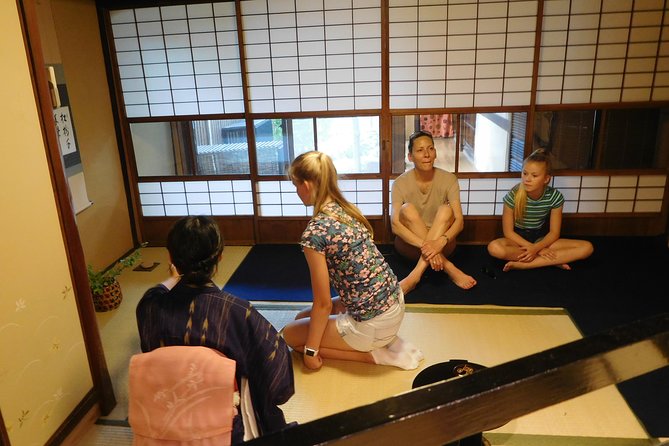
The format is simple and effective:
- Watch a demonstration of making and serving tea.
- Learn the key etiquette points.
- Then practice, making your own bowl with guidance.
Visitors liked the pace. One review said the session time felt just right, and others praised how the instruction was thorough without dragging on. At about 60 minutes, it is long enough to teach real fundamentals, but short enough that you are unlikely to feel mentally wiped.
The biggest practical benefit is that you learn by doing. Matcha is easy to mess up if you do not know basic technique, like how to whisk and how to handle the utensils. With a teacher in front of you, you can correct your posture and motion in real time.
And because the group is small, you are not stuck waiting for a turn. The hosts guide you, then help you improve what you are doing. If you love demonstrations, this still works. If you love hands-on activities, this is one of those rare tours where you do real participation.
Price and value: is $27.74 worth it?
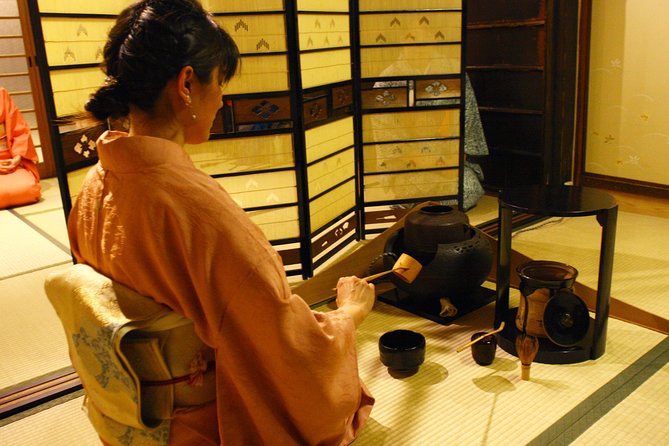
At $27.74 per person, this tea ceremony is priced like a mid-range cultural activity. Whether it is a value for you comes down to what you want out of your Kyoto day.
Here is what you get that supports the price:
- A traditional machiya setting you enter, not just pass by.
- High-quality matcha described as from an Uji City tea farm.
- Traditional sweets from a famous Kyoto confectioner.
- A small group with a max of 6, which usually means more interaction.
- Hands-on practice, not just a sitting show.
For first-timers, the hands-on part is the biggest value driver. You learn something transferable, then you can recreate the experience at home, even if it is not identical.
If you are the type who hates scripted activities and wants total freedom, you might find a tea ceremony too structured. But if you like guided rituals, this is the kind of structure that makes the experience feel meaningful instead of generic.
Also, note that multiple start times are offered. That flexibility can make the price feel more worthwhile because you can fit it into your actual itinerary without forcing awkward scheduling.
Who should book Ami Kyoto, and who might skip it
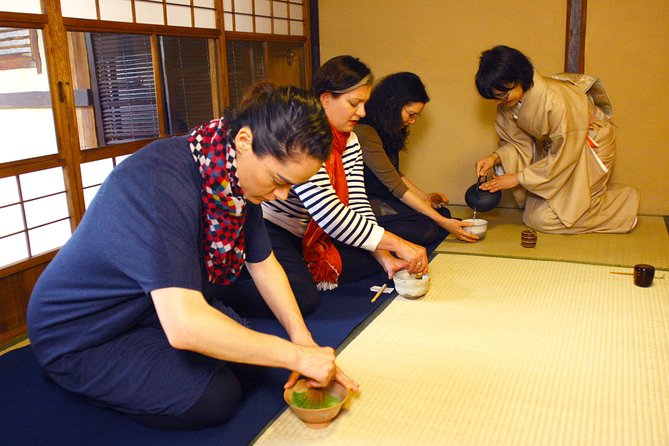
This tea ceremony is a strong match if you:
- Want a calm, culture-focused stop that does not eat half your day
- Like explanations, etiquette, and thoughtful pacing
- Enjoy matcha and want to learn how to prepare it
- Prefer small groups and direct interaction with the hosts
It may not be ideal if you:
- Want a high-energy activity with lots of movement
- Prefer independent sightseeing only, with no structured lesson
- Have a hard time finding places in residential neighborhoods, unless you plan to use the map and arrive early
One detail I found encouraging from a review: the hosts were accommodating for a wheelchair user. That suggests they make an effort to keep the experience workable. Still, since accessibility specifics are not spelled out in the basic details, I would message the provider before you go if you have any mobility concerns.
Should you book this tea ceremony in Kyoto?
I think you should book this if your goal is to experience a Japanese tea ceremony in a real Kyoto setting, with proper matcha and sweets, and with time to practice. The best part is that it is not just educational, it is experiential: you learn the etiquette, then you do the motions.
I would personally book it on a day when you want one slower, quieter moment, ideally with enough buffer time to find the venue calmly. Use the map link, show up early, and let the session set your pace.
If you are deciding between tea ceremonies in Kyoto, I would look for the ones that combine these three things: a real machiya setting, small group size, and hands-on participation. This experience checks all three, and the teaching style comes across as welcoming and clear.
FAQ
How long is the tea ceremony experience?
It runs for about 1 hour.
What is included in the price?
You get a bowl of matcha green tea and Japanese sweets.
How big is the group?
The tour is limited to a maximum of 6 travelers.
Where do I meet, and where does it end?
You meet at 605 Nishidachō, Shimogyo Ward, Kyoto, 600-8397, Japan. The experience ends back at the same meeting point.
Is hotel pickup included?
No, hotel pickup and drop-off are not included.
What if I need to cancel?
You can cancel for a full refund up to 24 hours before the experience’s start time. If you cancel less than 24 hours before, the amount paid is not refunded.
Newly listed around Kyoto
- Kyoto:Family-Friendly Kimono & Yukata Experience at WARGO★ 5.0 · 147 reviews
- Traditional Japanese Washi Papermaking- Kyoto morning★ 5.0 · 77 reviews
- Traditional Japanese Music show & Experience Tour in Kyoto★ 5.0 · 57 reviews
- The Kyoto VIP Experience!★ 5.0 · 20 reviews
- Tour in Kyoto with a Goverment Certified Tour Guide★ 3.5 · 117 reviews
- Kyoto: Golden Pavilion, Nijo Castle, Nishiki Market. Private★ 5.0 · 16 reviews
- A Unique Antique Kimono and Tea ceremony Experience in English★ 5.0 · 109 reviews
- TREASURES of Kyoto: Fushimi Inari, Kiyomizu Temple, and more!★ 5.0 · 20 reviews
Matcha & Tea Ceremony Sessions, compared.
Tea Ceremony in a Traditional Tea House in Kiyomizu
Read our review →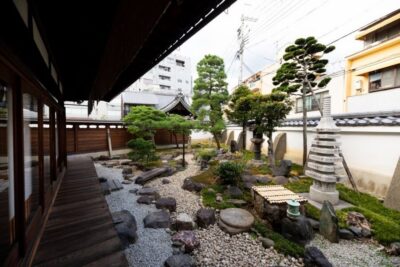
World Heritage Kyoto & Nara Uji Authentic Matcha Experience
Read our review →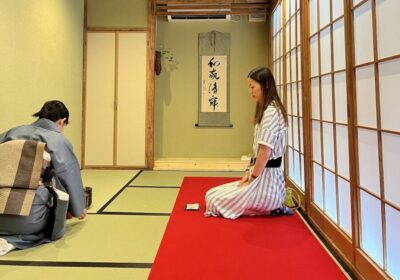
Browse the lists this tour appears in