
Review · MATCHA & TEA CEREMONY SESSIONS
Tea Ceremony in 150 Years Old Townhouse with Tables and Chairs
A tea room in old Kyoto can feel like time travel. This matcha tea ceremony happens in a traditional townhouse in Ninenzaka, with real instruction on etiquette and the tools. I love the hands-on matcha making, and I love that the session ends with seasonal Japanese sweets you actually taste together.
One thing to note: this is a small group experience, not a private, one-to-one show, so you should be ready for shared pacing and a quiet, respectful room.
Before you go, read the rules. You’ll want clean, low-scent clothing, socks are required, and only smartphones are allowed in the tea room, with video recording restricted during the instructor’s demonstration.
In This Review
- Key highlights you will care about
- Where the ceremony happens, Ninenzaka and a 150-year-old townhouse mood
- The 50-minute flow, etiquette first, then making your own cup
- Uji matcha and seasonal sweets, how the pairing works
- Tea room rules that feel strict, and why they’re worth following
- Socks, clothing, and allergies, what to prepare before you arrive
- Kimono rental for 1,000 yen, when it’s worth the extra effort
- Small-group pacing, English guidance, and the reality check on private sessions
- Price and value, $28.90 that buys more than a quick tasting
- Who should book this matcha ceremony, and who might not love it
- Should you book the Kangetsu matcha tea ceremony
- FAQ
- How long is the tea ceremony experience?
- Where is the meeting point in Kyoto?
- What is included in the $28.90 price?
- Is this a small group or large class?
- Do I need to wear socks?
- Can I wear perfume or strong fragrance?
- Is there a kimono option and are children allowed?
Key highlights you will care about
- 150-year-old townhouse setting in the Ninenzaka area, small and calm
- Hands-on matcha whisking, not just watching
- Uji, Kyoto matcha, served as part of the tasting (two cups)
- Seasonal wagashi (two types) paired with your tea
- Small group size (max 15) with English instruction every day
- Tea room etiquette rules that keep the experience focused and fragrant-free
Where the ceremony happens, Ninenzaka and a 150-year-old townhouse mood
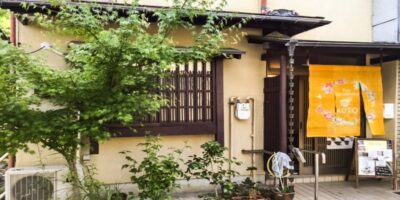
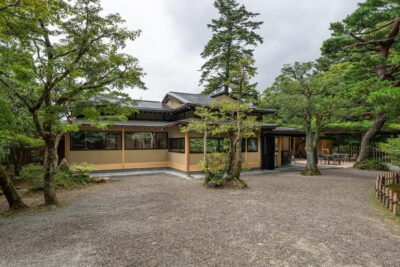
The whole experience is built around location and atmosphere. You meet at Tea Ceremony & Cultural Experience Kangetsu Kyoto in the Ninenzaka and Sannenzaka area, a part of Higashiyama where Kyoto still feels like Kyoto, not a theme park.
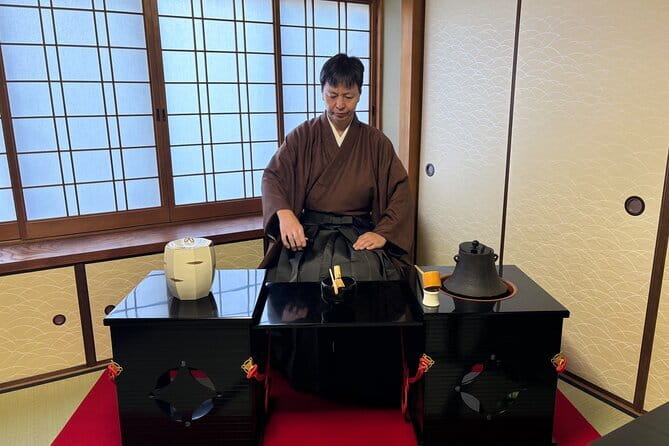
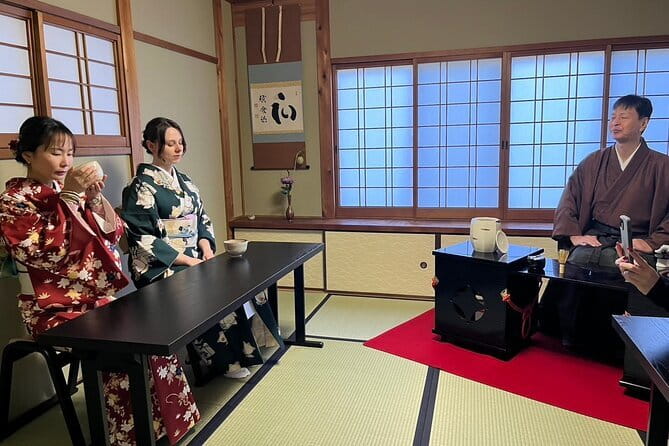
Inside, the charm is the 150-year-old townhouse setting. Even with tables and chairs (not the super-crowded, sit-on-the-floor vibe some people expect), it still feels intimate, like you are stepping into a room meant for quiet conversation, careful movements, and slow focus.
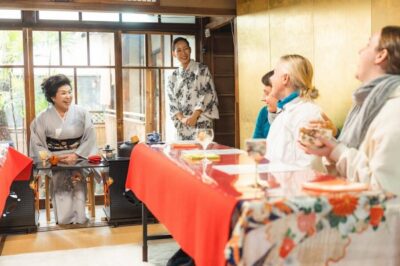
The group stays small, max 15 people, so the tea master can actually guide you through the steps. That matters, because a ceremony like this is less about spectacle and more about getting the details right, from posture to how you handle the utensils.
More Tea Ceremonies in Kyoto
- Kyoto: Tea Ceremony in a Traditional Tea House in Kiyomizu
★ 4.9 · 3,519 reviews - Kyoto: Tea Ceremony Ju-An at Jotokuji Temple
★ 4.9 · 3,207 reviews - Kyoto: 45-Minute Tea Ceremony Lesson Experience
★ 4.3 · 2,378 reviews
The 50-minute flow, etiquette first, then making your own cup
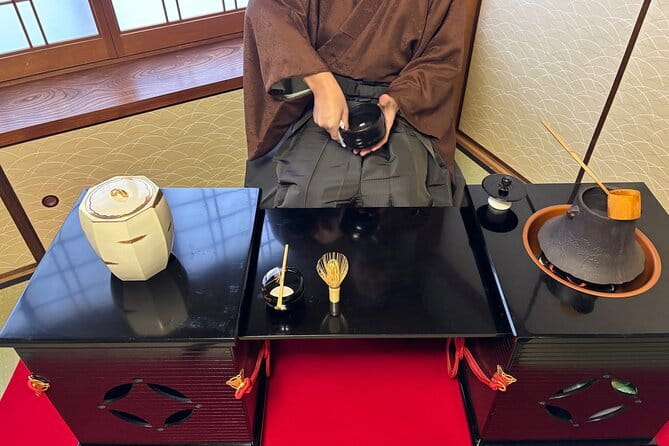
This is a fast, complete lesson, roughly 50 minutes from start to finish. The tea master explains the background and practical meaning behind the ritual, including tea etiquette, utensils, and the sequence of actions you will use in the room.
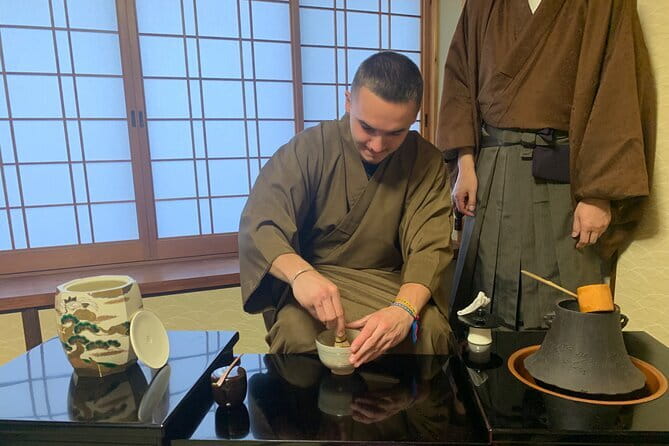
Then comes the fun part: you get time to prepare your own matcha cup. Instead of just sipping and nodding, you follow the guidance and make the tea yourself, which is the quickest way to learn what actually makes matcha taste the way it should.
The pace also includes a natural finish. After your main preparation and tasting, the session wraps with a question-and-answer moment, so you can ask about anything that confused you or that you want to understand better, like what to notice in the flavor.
For many people, the highlight is that this feels approachable. The instruction is in English every day, and the process is explained clearly enough that even first-timers can participate without feeling lost.
Uji matcha and seasonal sweets, how the pairing works
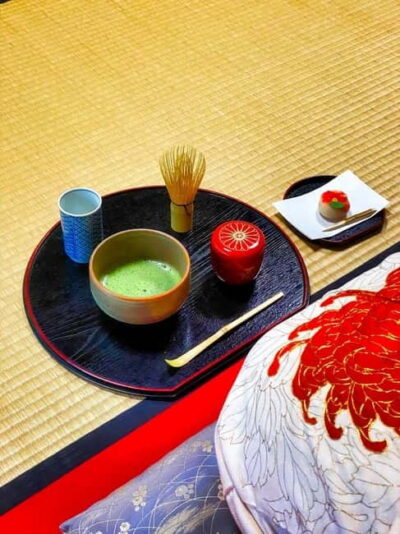
You are not just getting one cup. The experience includes two cups of high-quality matcha made in Uji, Kyoto, plus you also get two types of seasonal Japanese sweets.
This pairing is not random. Matcha can be smooth but also a little bitter, depending on how it is whisked and your taste sensitivity. The sweets help you experience the range, first tasting the matcha on its own, then balancing it with traditional wagashi designed to complement the tea.
One nice bonus is that the session is designed around tasting. You are in a calm room with people who are also focused on the same ritual, so you can actually notice the texture, the aroma, and the difference between sips.
Another practical plus: there is an on-site shop where you can buy quality matcha to take home. If you like what you make during the class, it is a convenient chance to get the real ingredient you just learned about.
Tea room rules that feel strict, and why they’re worth following
If you want this to go smoothly, the rules are part of the experience, not just paperwork. The tea room requires socks, and if you forget, you can purchase socks there. Your clothing should not expose too much skin, and perfume is strictly prohibited, because it can interfere with the smell of tea and incense in the room.
That fragrance rule is the biggest one people underestimate. Matcha aroma is subtle, and the room is designed for that specific scent profile. If you tend to wear strong deodorant, perfume, or scented hair products, you may want to go lighter than usual for this visit.
There are also tech rules. Only smartphones are allowed in the tea room, and video recording is prohibited during the instructor’s demonstration. The aim is simple: keep attention on the ritual and avoid filming that can distract everyone.
Finally, consider age and comfort. Children under 7 years old are not allowed. If you are traveling with kids older than that, the format is still fairly structured, with clear steps and a question moment.
A different sort of day in Japan:
- PERFECT KYOTO 1-Day Bus Tour
★ 5.0 · 13,518 reviews - Kyoto: Fushimi Inari, Kinkakuji, Bamboo Grove 1 Day Bus Tour
★ 4.8 · 4,316 reviews - Kyoto Geisha Walking Tour: Gion District & Hidden Gems
★ 4.7 · 3,273 reviews - Kyoto: Gion Geisha District Walking Tour – Stories of Geisha
★ 4.7 · 2,187 reviews
Socks, clothing, and allergies, what to prepare before you arrive
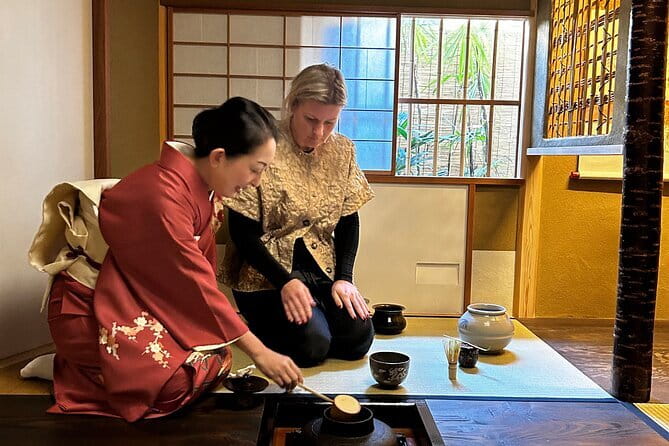
This experience is best when you show up ready to follow the room etiquette. Wear socks even if you think you might be able to buy them later, just to save time. Also, choose clothing that is comfortable for careful movements and sitting calmly for about an hour.
Perfume and strong scents deserve the same kind of thought. You do not need to be overly anxious, but you should plan on keeping your smell profile neutral.
If you have allergies, tell the operator in advance. The tea ceremony includes traditional sweets, and they specifically ask guests to inform them if allergies apply.
One more practical tip: bring your questions. The Q&A is built into the session, so if you want to understand what you are doing, why certain steps matter, or how to replicate the tea-making at home, that is the moment to ask.
Kimono rental for 1,000 yen, when it’s worth the extra effort
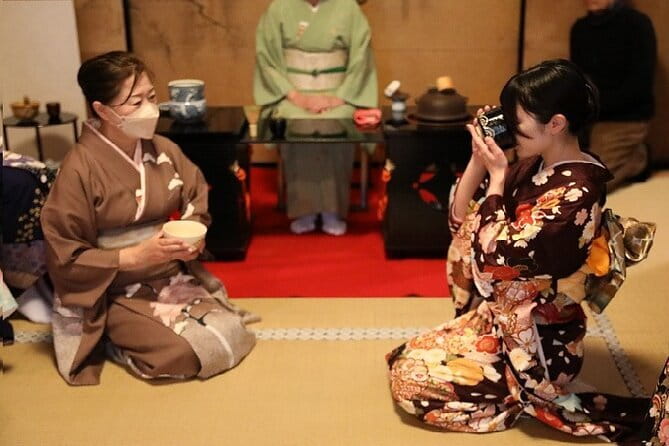
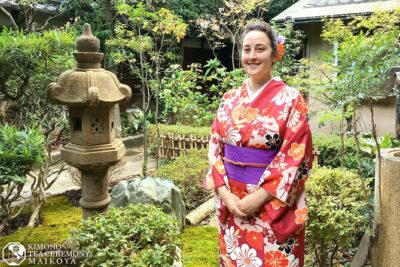
Kimono is not included in the ticket price. You can rent a simple 2-piece kimono for 1,000 JPY if you want that extra Kyoto feel.
I like kimono here because Ninenzaka and Sannenzaka already look like a postcard. Wearing it to the ceremony can make the whole day feel more cohesive, especially if you are already walking the old streets.
But I also get why you might skip it. The ceremony is only 50 minutes, and the rules are already specific with socks and scent. If you want the cleanest, least stressful experience, wear comfortable clothes that fit the room guidelines and spend your effort on the matcha itself.
Small-group pacing, English guidance, and the reality check on private sessions
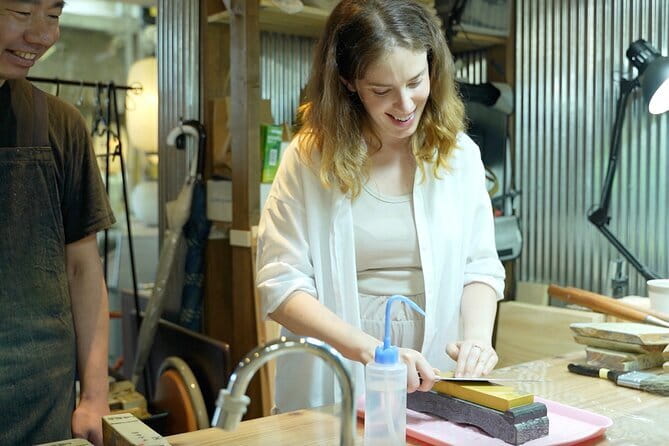
The session is designed for a small group, max 15 people. That is a sweet spot for a tea lesson because you get interaction without the room turning into a big class.
English instruction is offered every day, so you can expect support in the language you plan to use. The tea master explains everything you need to know, and interpreters can step in with clear, step-by-step help when questions come up.
Here is the reality check that matters for expectations. This is not advertised as a private, one-to-one session. If you are choosing a ceremony specifically for personal, uninterrupted attention, treat this as a shared experience where everyone participates at the same time.
Timing matters too. If your session starts, arrive promptly and keep an eye on your meeting point. The room is respectful and ritual-focused, so delays can affect everyone, and the tea master can only work with the schedule they are given.
Price and value, $28.90 that buys more than a quick tasting
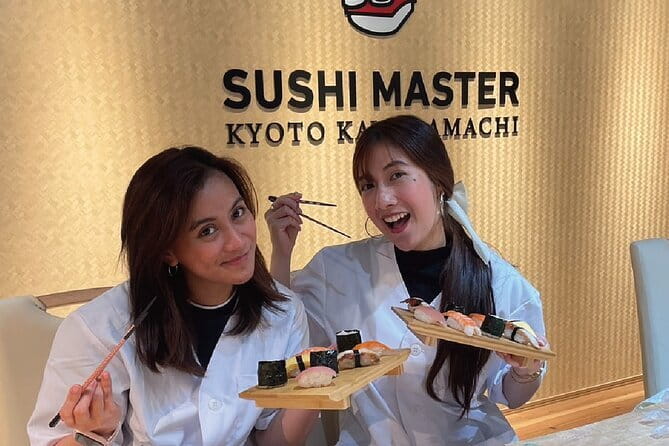
At $28.90 per person, you are paying for a structured lesson with real takeaways. What makes the value feel solid is that the price includes all fees and taxes, the tools for making your own tea, two cups of matcha from Uji, and two types of seasonal sweets.
A lot of tea experiences stop at a tasting. Here, you actually prepare matcha yourself, which is the difference between enjoying a cup and understanding how to reproduce what you liked.
You are also not guessing where the ingredient comes from. Knowing your matcha is from Uji, Kyoto gives you a direct thread to follow after the class, especially if you decide to buy matcha in the shop.
If you are on a Kyoto schedule that includes temple visits and walking days, this one-hour format is a good “reset.” You get culture, but you also get a comfortable, indoor break with a clear activity and guided learning.
Who should book this matcha ceremony, and who might not love it
This is a great pick if you want a cultural experience that stays practical. You learn tea etiquette, taste quality matcha, and make a cup you can talk about later, not just hold a souvenir photo.
It also works well for couples who want something calm and shared. The small-group size helps it feel personal, and the room rules encourage a quiet, respectful mood.
Families can consider it too, as long as the kids meet the age requirement. It is guided and hands-on, so older kids who like learning and doing may enjoy the process.
You might think twice if you hate rules about fragrance and behavior, or if you were expecting a private tea ceremony. Since the ceremony is group-based and the tea room is quiet by design, you should be the kind of guest who can follow directions and keep the atmosphere focused.
Should you book the Kangetsu matcha tea ceremony
If you want one of Kyoto’s most classic rituals with actual participation, I think this is an easy yes. You get the setting of a traditional townhouse, the core lesson of matcha etiquette, and the practical reward of making your own cup, with seasonal sweets finishing the experience.
Book it if you enjoy hands-on culture, you do not mind quiet instructions, and you are okay traveling to the Ninenzaka and Sannenzaka area. Also, check weather conditions before you go, since the experience can be affected by poor weather, and you will be offered a different date or a full refund.
FAQ
How long is the tea ceremony experience?
It runs about 50 minutes.
Where is the meeting point in Kyoto?
You meet at Tea Ceremony & Cultural Experience Kangetsu Kyoto, 日本文化体験教室 寒月 京都二年坂349-19 Masuyachō, Higashiyama Ward, Kyoto.
What is included in the $28.90 price?
The price includes all fees and taxes, the tools to make your own tea, two cups of high-quality matcha made in Uji, Kyoto, and two types of seasonal authentic Japanese sweets.
Is this a small group or large class?
It is a small group. The maximum size is 15 travelers.
Do I need to wear socks?
Yes. Socks are required in the tea room, and if you forget them you can purchase socks.
Can I wear perfume or strong fragrance?
No. Perfume is strictly prohibited because it can interfere with the smell of incense and tea in the tea room.
Is there a kimono option and are children allowed?
Kimono is not included, but you can rent a 2-piece kimono for 1,000 JPY. Children under 7 years old are not allowed to participate.
Newly listed around Kyoto
- Kyoto:Family-Friendly Kimono & Yukata Experience at WARGO★ 5.0 · 147 reviews
- Traditional Japanese Music show & Experience Tour in Kyoto★ 5.0 · 57 reviews
- Traditional Japanese Washi Papermaking- Kyoto morning★ 5.0 · 77 reviews
- The Kyoto VIP Experience!★ 5.0 · 20 reviews
- Tour in Kyoto with a Goverment Certified Tour Guide★ 3.5 · 117 reviews
- Kyoto: Golden Pavilion, Nijo Castle, Nishiki Market. Private★ 5.0 · 16 reviews
- A Unique Antique Kimono and Tea ceremony Experience in English★ 5.0 · 109 reviews
- TREASURES of Kyoto: Fushimi Inari, Kiyomizu Temple, and more!★ 5.0 · 20 reviews
Matcha & Tea Ceremony Sessions, compared.
Tea Ceremony in a Traditional Tea House in Kiyomizu
Read our review →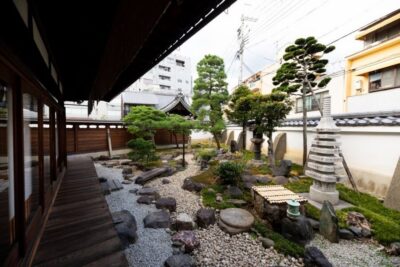
World Heritage Kyoto & Nara Uji Authentic Matcha Experience
Read our review →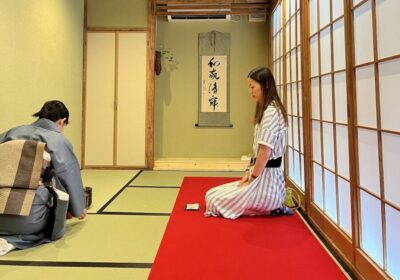
Browse the lists this tour appears in