
Review · MATCHA & TEA CEREMONY SESSIONS
Authentic Japanese tea tasting: sencha, matcha and gyokuro
Japan’s tea world is bigger than you think.
This 90-minute session in downtown Tokyo is a focused, small-group way to taste 12 authentic teas and learn what makes them different, not just what they taste like. I especially liked how the host kept things clear and friendly while guiding you through the differences between sencha, matcha, and gyokuro.
One thing to consider: it is not a hands-on workshop for beginners who want lots of free time to wander around a big tea house, because the format is tightly run and the session is only 90 minutes.
In This Review
- Key Takeaways Before You Go
- Why This Tea Tasting Feels Like Real Japanese Tea Culture
- What You Taste: Sencha, Matcha Powder, and Premium Gyokuro
- Sencha green tea: 7 types
- Matcha green tea powder: 4 types
- Premium grade Gyokuro green tea: 1 type
- The Real Learning: Why These Teas Taste Different
- 1) Leaf style changes the flavor path
- 2) Quality shows up as balance
- 3) Umami is the headline for many people
- 4) You learn a simple, drinkable routine
- The 90-Minute Session, Step by Step
- Step 1: Arriving at the apartment entrance
- Step 2: Settling into the tasting flow
- Step 3: Sencha tasting, 7 comparisons
- Step 4: Matcha tasting, plus the sweet pairing
- Step 5: The premium gyokuro finish
- Step 6: Time to ask questions
- Matcha and Sweets: Why the Pairing Is Part of the Point
- Family-Farm Sourcing and Expert Infusion: The Value of Taste Control
- Price and Logistics: Is $87 Worth It?
- Who This Tea Tasting Is Perfect For
- Practical Notes So You Get the Most From It
- Should You Book This Sencha, Matcha, and Gyokuro Tasting?
- FAQ
- How long is the tea tasting?
- How many teas will I taste?
- Is the class taught in English?
- Is it a group activity?
- Is food included?
- Where is the meeting point?
- Is the experience suitable for kids or pregnancy?
- What is the cancellation and booking policy?
Key Takeaways Before You Go
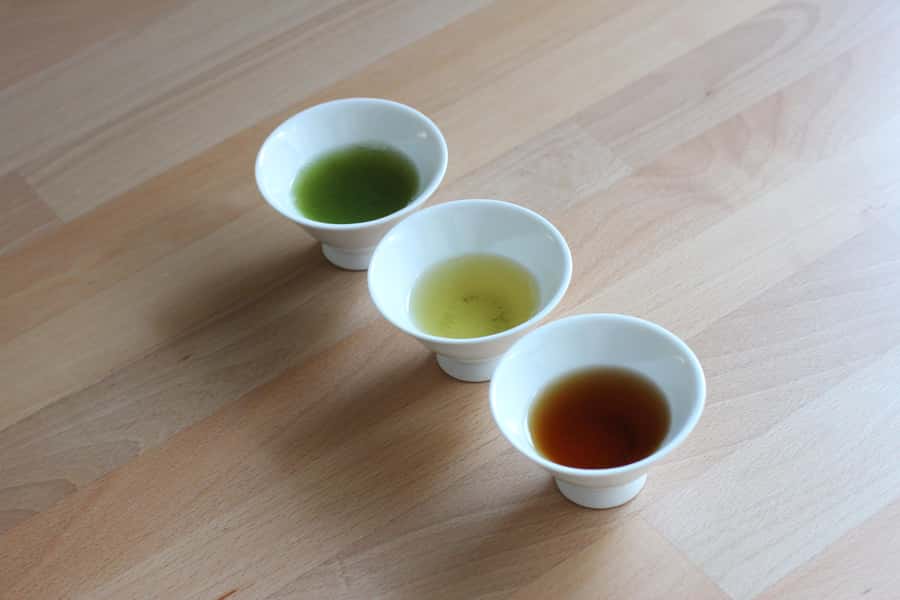
- 12 teas in 90 minutes: 7 sencha, 4 matcha, and 1 premium gyokuro, so you get real comparison.
- Family-farm sourcing: all teas come from family farms, not anonymous bulk lots.
- A tea expert runs the infusions: you taste the teas as they are meant to be brewed.
- Matcha pairing with traditional sweets: you learn how flavor changes when you add something sweet.
- Small group of 4: enough quiet to ask questions without the group feeling rushed.
Why This Tea Tasting Feels Like Real Japanese Tea Culture
Most tea tastings in Tokyo are either sales push, or they are too casual to teach you anything useful. This one is different because the goal is comparison. You taste multiple grades and types of Japanese tea, then you learn what to look for in the cup.
You are in a cozy apartment room in downtown Tokyo, not a loud restaurant. That matters. Tea is delicate. If you are distracted by noise, strong smells, or constant foot traffic, you miss the subtle differences between steep times, leaf grades, and how green tea characters change from type to type.
The host approach is also a big part of the value. Reviews consistently point to a welcoming, well-prepared guide who explains clearly and keeps the pace comfortable. That same tone shows up in how the session is organized, with time to taste, talk, and reset your palate between types.
More Food Tours in Tokyo
- Tokyo: Shinjuku Food Tour (13 Dishes at 4 Local Eateries)
★ 5.0 · 6,603 reviews - Tokyo Tsukiji Fish Market Food and Culture Walking Tour
★ 5.0 · 3,184 reviews - Tokyo: Shinjuku Food Tour (15 Dishes and 4 Eateries)
★ 4.9 · 2,033 reviews
What You Taste: Sencha, Matcha Powder, and Premium Gyokuro
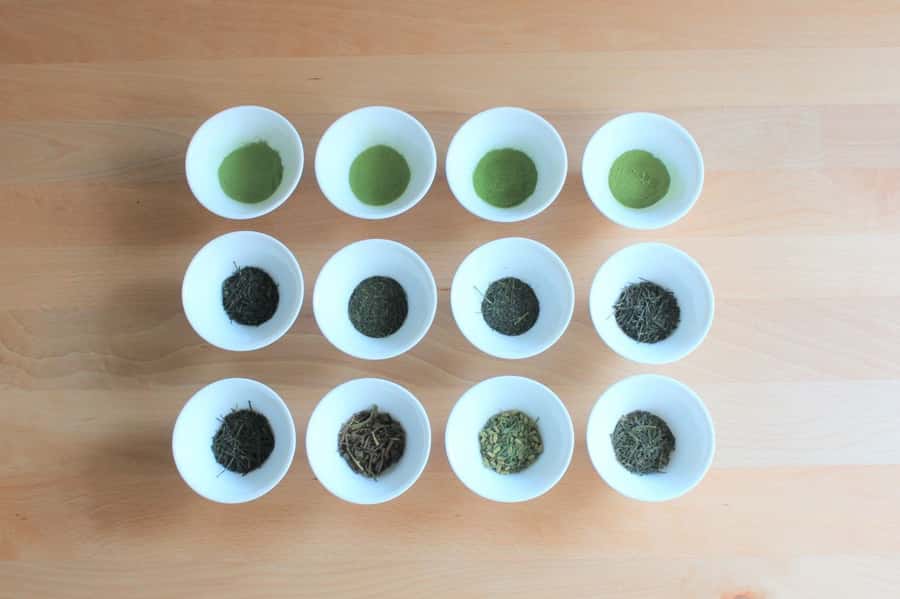
You will try 12 different teas, split across three categories.
Sencha green tea: 7 types
Sencha is the classic everyday green tea for many people in Japan. In a tasting setup like this, the fun is seeing how “sencha” can still taste very different depending on grade and processing details. Expect a range of green-leaning flavors, from more grassy to more umami-forward cups.
Because there are seven sencha options, you get a proper sense of how quality shows up. Lower grades tend to taste flatter, while higher grades often feel smoother, with a more cohesive balance of bitterness and sweetness.
Matcha green tea powder: 4 types
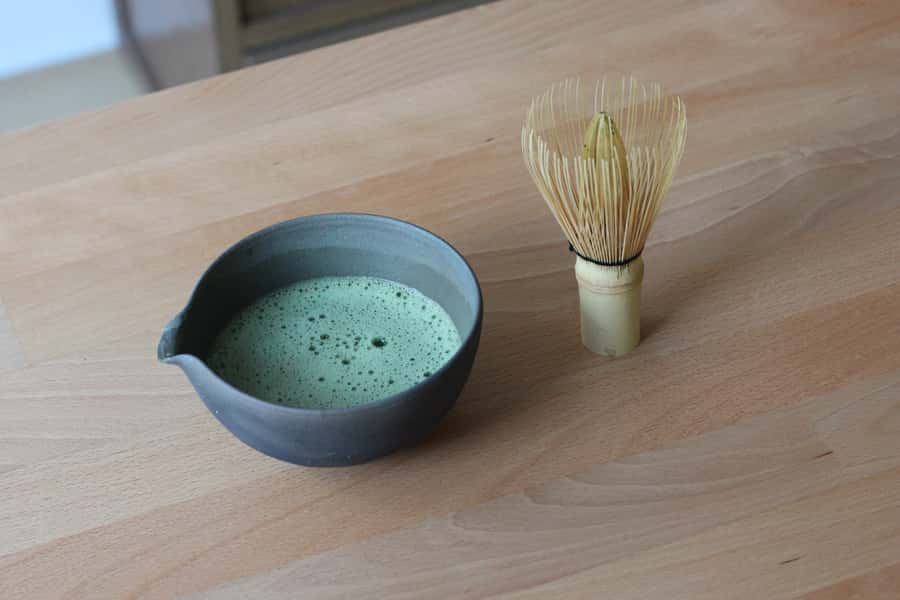
Matcha is different because you are tasting the leaf as powder. That changes everything. You are not steeping leaves in the same way you would with sencha. The mouthfeel can feel thicker, and the flavor often lands as more rounded umami with a gentle grassy edge, depending on the matcha grade.
Having four matcha types in one session is smart. It helps you learn what “good matcha” means in real taste terms, not just marketing words.
More Tea Ceremonies in Tokyo
- Matcha Making Class in Tokyo with Authentic Japanese Sweets Set
★ 5.0 · 744 reviews - Kimono Tea Ceremony at Tokyo, Asakusa Maikoya
★ 5.0 · 638 reviews - Tokyo: Traditional Tea Ceremony with a Tea Master
★ 5.0 · 528 reviews - Tokyo: Matcha Making Experience with Mochi Sweets in Asakusa
★ 4.9 · 388 reviews
Premium grade Gyokuro green tea: 1 type
Gyokuro is usually the star because it is often the smoothest and most umami-heavy style. Even though you only taste one gyokuro, the comparison still works because you have already trained your palate on sencha and matcha.
In general, gyokuro tends to feel sweeter and more savory than typical sencha. If your palate gets overwhelmed by bitterness in some green teas, gyokuro is a good reset.
The Real Learning: Why These Teas Taste Different
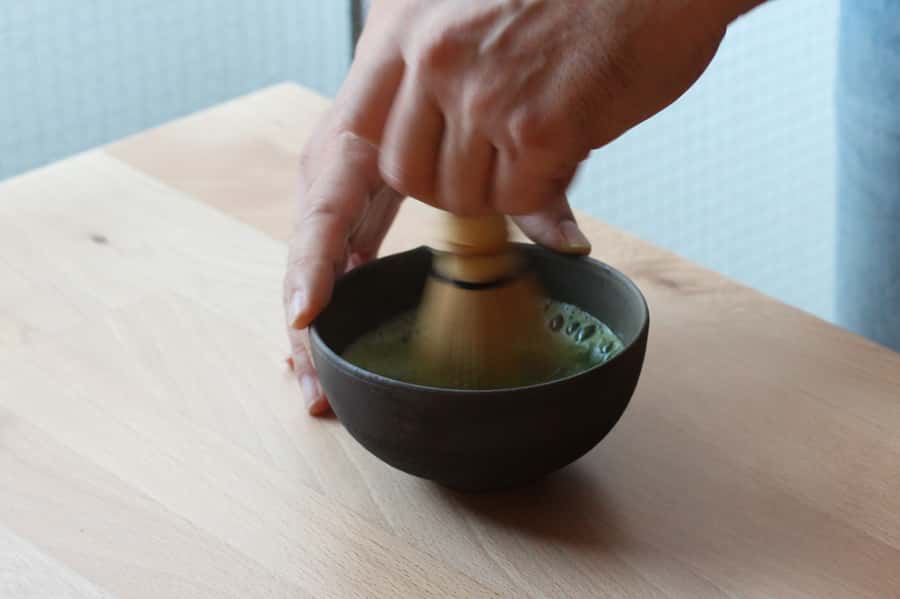
This tasting is built to help you connect flavor with method. You get an explanation of the history of Japanese tea and how it evolved, then you taste those ideas in your cup.
Here is what you can focus on during the session, so the learning sticks.
1) Leaf style changes the flavor path
Sencha is brewed from leaves. So you taste the extraction of leaf compounds in hot water. Matcha is powdered, so you taste more directly and often feel a fuller body. Gyokuro is still leaf-based, but it is usually handled in ways that create more sweetness and depth.
2) Quality shows up as balance
When you compare grades, you start noticing that the best cups do not just taste stronger. They taste more balanced. You get umami without sharp edges, and a finish that feels clean rather than harsh.
3) Umami is the headline for many people
One of the strongest highlights is the deep umami you can find in authentic Japanese tea. If you like savory flavors, this session will make you smile. Green tea umami is not the same as soy sauce umami, but the sensation of savory depth is real and easy to recognize once someone points it out.
4) You learn a simple, drinkable routine
Even if you are not seeking a full ceremony, you will get guidance for how to prepare and drink in a more intentional way. Reviews mention that people learned how to do it as a ceremony, so you come away with a practical routine you can repeat later at home.
The 90-Minute Session, Step by Step
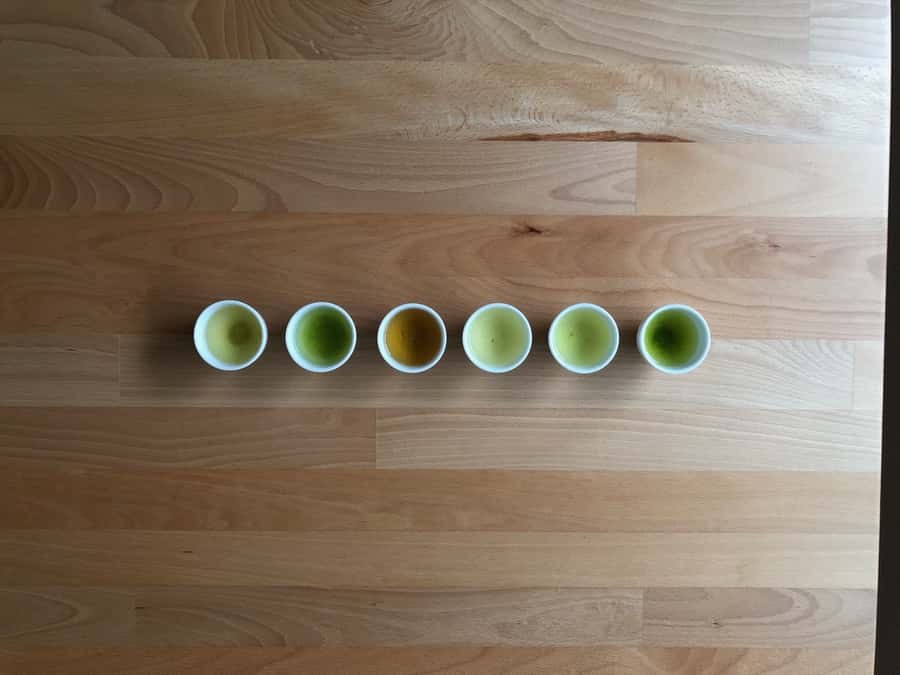
The format is short on purpose. In 90 minutes, you are not trying to become a tea master. You are trying to taste broadly, learn what you like, and leave with a mental checklist for future orders.
Step 1: Arriving at the apartment entrance
Meet at the apartment entrance. The instructions are specific: push 202 and then the bottom right button. It is a simple thing, but it can save you time if you arrive a few minutes early and want to avoid confusion.
Because it is an apartment setting, you will want to be mindful of noise and space. It is intimate, and the setup is designed for calm tasting.
Step 2: Settling into the tasting flow
Before the flight of teas starts, the host typically frames what you are tasting and what to pay attention to. This is where you get the story behind the experience, including how Japanese tea developed over time.
That matters more than you might think. If you understand where each tea type sits in the story, your brain links flavor to meaning, not just to a random sip.
Step 3: Sencha tasting, 7 comparisons
You will taste seven sencha green teas. This is where you learn the most “wow, they’re all sencha but not the same” moments.
A drawback here is also simple: sencha is sensitive to preparation, and taste impressions are personal. Some cups may feel more grassy, some more savory, depending on the grade. One review noted that enjoyment can vary by subjective taste. That is true for you too, so keep an open mind and focus on your preferences rather than chasing the strongest flavor.
Step 4: Matcha tasting, plus the sweet pairing
Then you move to matcha, with four different matcha powder types. This is followed by pairing matcha with small portions of Japanese traditional confectionary.
This part is fun because it teaches contrast. Matcha can taste grassy and savory on its own. With a sweet, it can feel softer and rounder, and the umami becomes easier to appreciate. If you love desserts, this segment is a strong reason to book.
Step 5: The premium gyokuro finish
Finally, you taste the premium grade gyokuro. Even though it is only one type, it works as a closing note. By the end, you will likely notice changes in your palate: less tolerance for harsh bitterness, more attention to smoothness and sweetness.
Step 6: Time to ask questions
Small group size means you can ask practical questions about what you liked and what to buy later. One review specifically praised being able to taste high quality teas before purchasing, which is exactly why the tasting is worth doing instead of guessing in a shop.
Also, one review mentions getting tea to bring home as a bonus. That may not be guaranteed, so treat it as a possible extra, not a certainty.
Matcha and Sweets: Why the Pairing Is Part of the Point
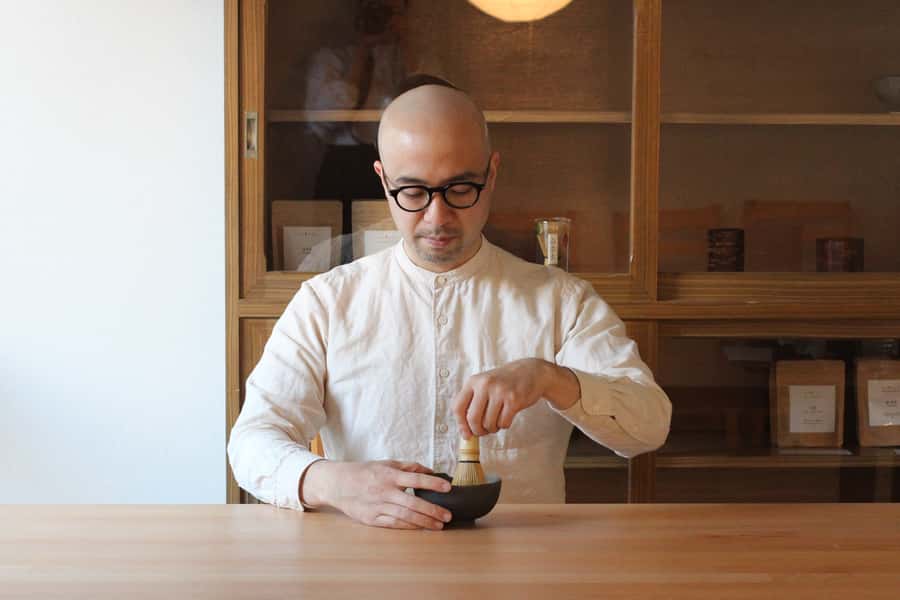
The tour includes pairing Japanese traditional confectionary with matcha green tea powder. This is not just for snacking.
Sweet foods change how you perceive bitterness and astringency. With matcha, the balance often shifts in a way that helps you detect quality. Higher quality matcha can feel more cohesive with the sweet, while lower quality can taste more harsh or thin once sugar enters the mix.
So while you are eating a small portion, you are also doing flavor training. You are learning how to order matcha in a real-life context, whether you drink it straight or after a sweet treat.
Family-Farm Sourcing and Expert Infusion: The Value of Taste Control
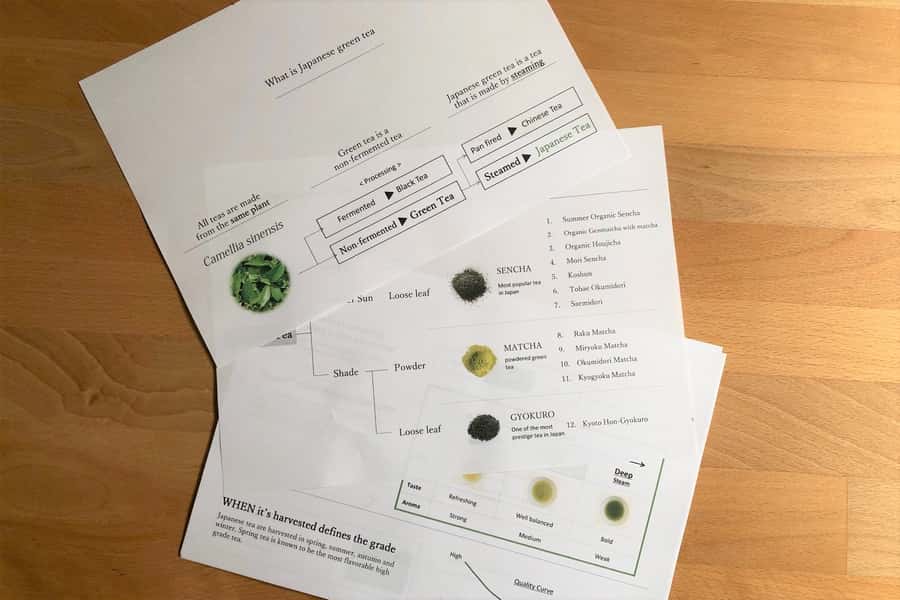
All teas are sourced from family farms. You are also tasting the teas as they are infused appropriately by a tea expert.
That combo is a big part of the value at this price point. Without expert handling, tea tastings often become a guessing game. If steep time or temperature is off, a good tea can taste dull, and a medium tea can taste harsh. Here, the session is designed to reduce those variables so you can judge the tea itself.
The other value is the range of grades. You go beyond one “premium” cup. You also taste daily tea and more premium hand-picked options. That gives you a true reference point for future shopping.
Price and Logistics: Is $87 Worth It?
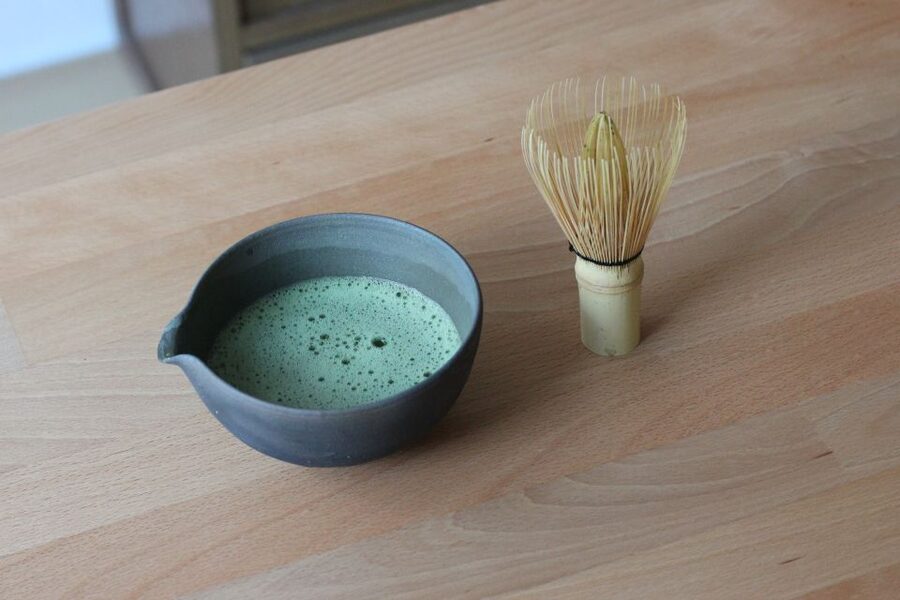
At $87 per person for a 90-minute session, it is not an impulse purchase. But it can be good value if you care about learning and you like green tea.
Here is the math that matters:
- You get 12 tastings, not one or two.
- The group is capped at 4 people, so the host can actually guide you.
- You also get pairing with traditional confectionary and explanations of tea history and how the teas evolved.
If you are the type of traveler who buys souvenirs without knowing what they are, this is a smart upgrade. Instead, you taste, compare, then you can purchase with confidence.
If your priority is sightseeing and you do not drink green tea, you might find it harder to justify the cost. Tea tastings are best when you already like the general flavor profile or you are curious enough to learn.
The provider for this experience is Okawari Inc, and the session is led in English.
Who This Tea Tasting Is Perfect For
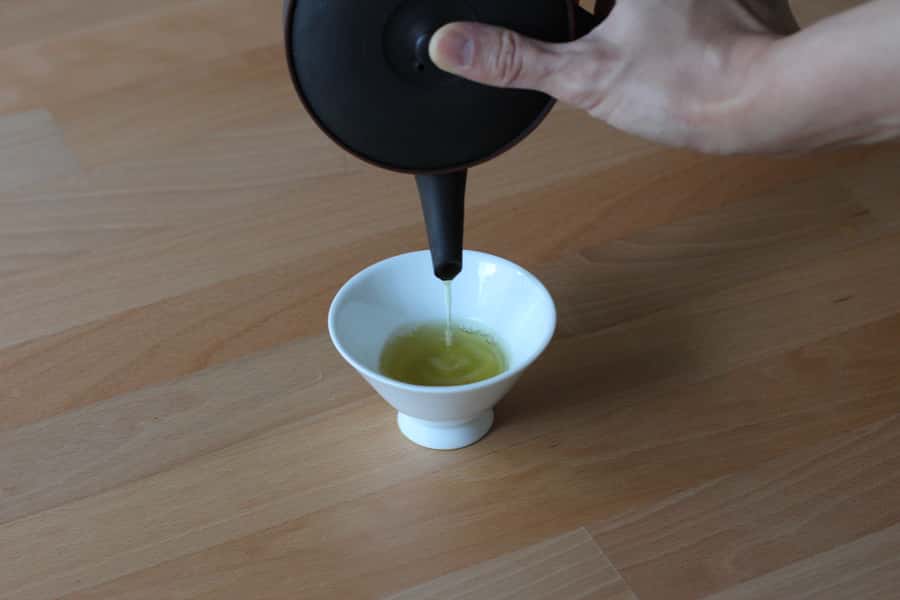
This experience is a strong fit if you want:
- A calm, seated activity in downtown Tokyo
- Real comparison tasting, not just a single drink
- A chance to learn the story behind tea types and grades
- A small group setting where questions are actually possible
It is also not for everyone. It is not suitable for pregnant women and children under 18, so plan accordingly.
If you are traveling solo, this can feel comfortable because you are not stuck in a large group. If you are traveling with friends, you may prefer it even more, because you can talk quietly about what each tea tastes like while the host explains the background.
Practical Notes So You Get the Most From It
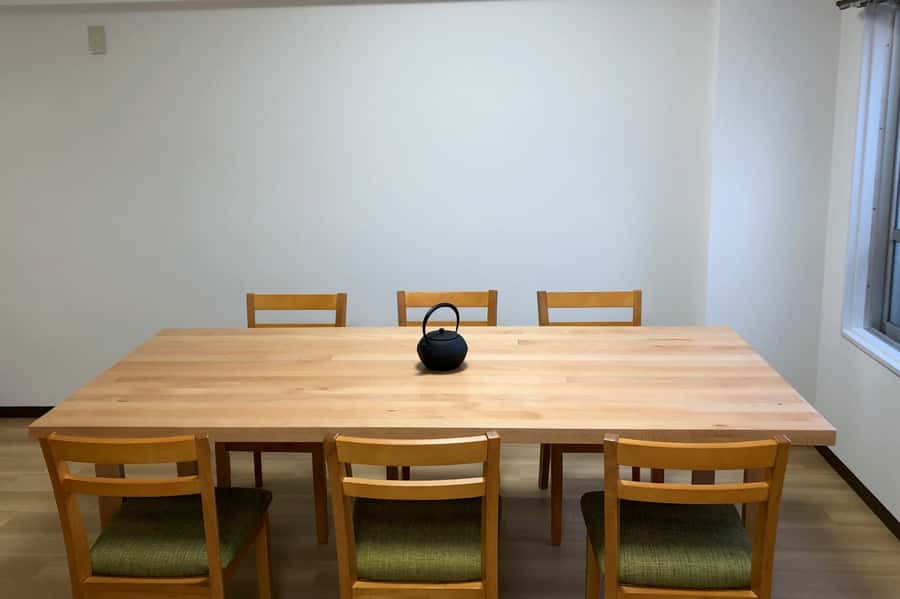
A tasting works best when you show up with curiosity and a clean palate.
- Eat lightly beforehand if you can. You will have sweets paired with matcha, so a full meal might mute some flavors.
- Pace yourself. If you try to rush, you will miss the difference between cups, especially among the sencha grades.
- Take notes. Even a few quick words like grassy, smooth, savory, or dry will help you remember what you want to buy later.
The session is English-led, so you will not be left guessing. And the small group format gives you breathing room to ask about brewing and what you liked.
Should You Book This Sencha, Matcha, and Gyokuro Tasting?
I think you should book if you want a structured, high-quality taste lesson in Japanese tea culture, without needing to already know every tea term. The biggest strengths are the 12-tea comparison, the family-farm sourcing, and the expert-led infusions that help you judge the cups fairly.
Skip it only if you are looking for a big sightseeing program, or you do not care much for green tea flavors. This is a tasting first. The reward is in the cup, the story, and the practical comparisons you take home.
If you do like green tea, this is one of those activities where you leave smarter, calmer, and with clearer ideas of what to order next.
FAQ
How long is the tea tasting?
The experience lasts 90 minutes.
How many teas will I taste?
You will taste 12 different authentic Japanese teas: 7 types of sencha green tea, 4 types of matcha green tea powder, and 1 premium grade gyokuro green tea.
Is the class taught in English?
Yes. The instructor is English-speaking.
Is it a group activity?
Yes, it is a small group limited to 4 participants.
Is food included?
Yes. You will pair the teas with small portions of traditional Japanese confectionary, including matcha green tea powder pairing.
Where is the meeting point?
Meet at the apartment entrance. Push 202 and then the bottom right button.
Is the experience suitable for kids or pregnancy?
No. It is not suitable for pregnant women or children under 18.
What is the cancellation and booking policy?
You can cancel up to 24 hours in advance for a full refund. You can also reserve now and pay later to keep your plans flexible.
More Food & Drink in Tokyo
- Tokyo: Tsukiji Fish Market Food and Walking tour
★ 5.0 · 1,724 reviews - Shinjuku Izakaya Food Tour
★ 5.0 · 1,041 reviews - Eat and Drink Like a Local: Tokyo Ueno Food Tour-Taverns&Ramen
★ 5.0 · 957 reviews - Tokyo: Shibuya Food Tour (13 dishes and 4 Eateries)
★ 5.0 · 770 reviews
Newly listed around Tokyo
- Tokyo private transfer for Yokohama Port★ 4.5 · 63 reviews
- Tokyo Allstar Food Tour★ 4.5 · 206 reviews
- Luxury Kimono Photoshoot at Ginza Tokyo★ 5.0 · 7 reviews
- Tokyo Art Aquarium Museum E-Ticket with optional Tokyo Metro Pass★ 5.0 · 17 reviews
- Tokyo: Best Ginza Food Tour at 3 Local Eateries★ 5.0 · 83 reviews
- Private One Day Nikko Tour with Bilingual driver★ 3.5 · 11 reviews
- PRIVATE tour in 180SX to Daikoku+++++★ 5.0 · 6 reviews
- Kabuki Talk★ 5.0 · 10 reviews
Matcha & Tea Ceremony Sessions, compared.
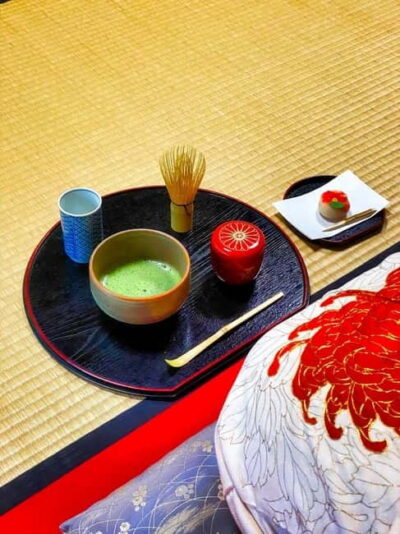
Tea Ceremony in a Traditional Tea House in Kiyomizu
Read our review →
World Heritage Kyoto & Nara Uji Authentic Matcha Experience
Read our review →
Browse the lists this tour appears in