
Review · MATCHA & TEA CEREMONY SESSIONS
Authentic Japanese tea tasting session: sencha, matcha, gyokuro
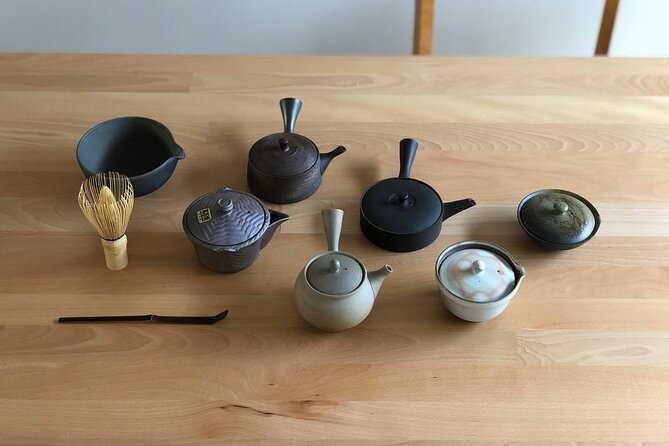
Tokyo can taste like homework, in a good way. At ShiZen Tea Experience, you compare sencha and gyokuro side-by-side while you learn how each tea is produced and why its flavor profile exists. It is very hands-on, which I love, and the history context keeps it from feeling like just sipping. One consideration: the teas are still caffeinated, so if you are caffeine sensitive, you need to flag that before the session.
The format is an easy, hour-and-a-half lesson in Koto City, starting at 1:30 pm, with a small group size (max 4) and a mobile ticket. Yosuke’s teaching style is organized and paced like a tasting, plus there is a handout you can follow as you go, which makes the experience feel practical instead of vague.
In This Review
- Key highlights worth your time
- ShiZen Tea Experience: tea tasting in Morishita, Tokyo
- Why this is not a tea ceremony, and why that matters
- Your tea lineup: sencha, matcha, gyokuro and more
- A guided tasting you can actually follow
- Sencha vs premium styles: tasting quality, not just categories
- Matcha in a tasting format: what you should listen for
- Gyokuro: the shaded tea lesson you can taste
- Temperature and production notes that change everything
- How history fits next to your tasting notes
- How long is this, and does it feel rushed?
- Price and value: is $90.80 reasonable for 12 teas?
- Logistics: getting there and planning the day
- Who should book this Japanese tea tasting class?
- Book it or pass: my decision guide
- FAQ
- What teas will I taste?
- How long is the session?
- Is this a tea ceremony?
- Where does the activity start?
- How much does it cost?
- What time does it start?
- Do I get a ticket on my phone?
- Is there a limit on group size?
- What if I’m caffeine sensitive?
- What is the cancellation policy?
Key highlights worth your time
- Small group (max 4) means you get time for questions and slower comparisons between cups
- Not a tea ceremony keeps the focus on flavor and facts, not choreography
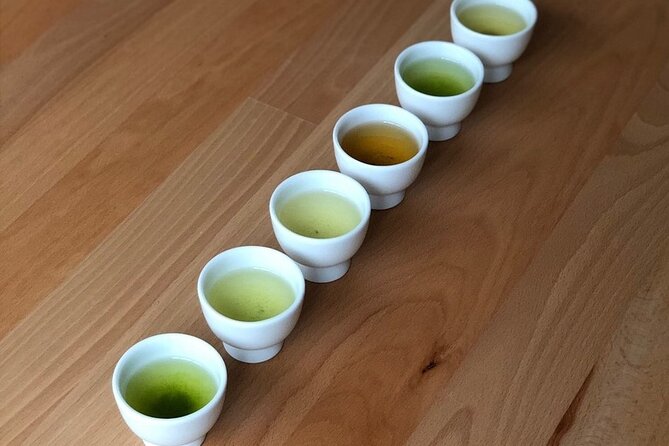
- A guided tasting flight helps you understand why differences between teas matter
- Daily vs premium green tea is built into the experience, so you can taste the quality gap
- Production and history explanations connect taste to farming, processing, and regional choices
- A take-home handout supports what you learn while the flavors are still fresh in your memory
ShiZen Tea Experience: tea tasting in Morishita, Tokyo
This is a Tokyo tea experience that feels unusually grounded. You are not floating through a museum-like room or doing a scripted photo moment. You are sitting down to taste Japanese green tea, and you are given a framework for noticing what you are actually tasting.
The meeting point is at ShiZen Tea Experience in Morishita, Koto City. The start time is 1:30 pm and the whole session runs about 1 hour 30 minutes. That timing is handy if you want something calm after a morning of sights, but before evening plans get serious.
You also get a mobile ticket. In a city where you may juggle subway apps and paper confirmations, this is one less thing to worry about.
More Food Tours in Tokyo
- Tokyo: Shinjuku Food Tour (13 Dishes at 4 Local Eateries)
★ 5.0 · 6,603 reviews - Tokyo Tsukiji Fish Market Food and Culture Walking Tour
★ 5.0 · 3,184 reviews - Tokyo: Shinjuku Food Tour (15 Dishes and 4 Eateries)
★ 4.9 · 2,033 reviews
Why this is not a tea ceremony, and why that matters
The experience is explicitly not a tea ceremony. That single detail changes the whole vibe.
Instead of focusing on ritual, posture, and presentation, this session is designed around three practical goals:
- Help you identify what makes different Japanese green teas taste different
- Explain how they are produced (the processing choices that shape flavor)
- Add the historical background so you know how each tea earned its place
If you love travel experiences that are part tasting, part class, and part story, this fits. You will likely get more “why” than “how elegant.” And if you are the kind of person who likes wine tastings, this has that same structure: you taste, you compare, and you learn what to notice.
Your tea lineup: sencha, matcha, gyokuro and more
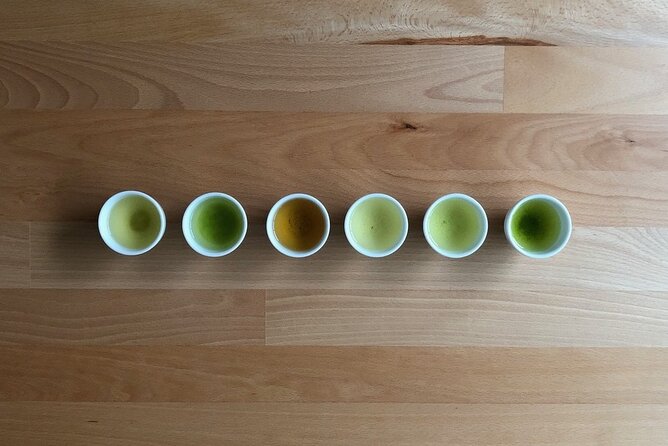
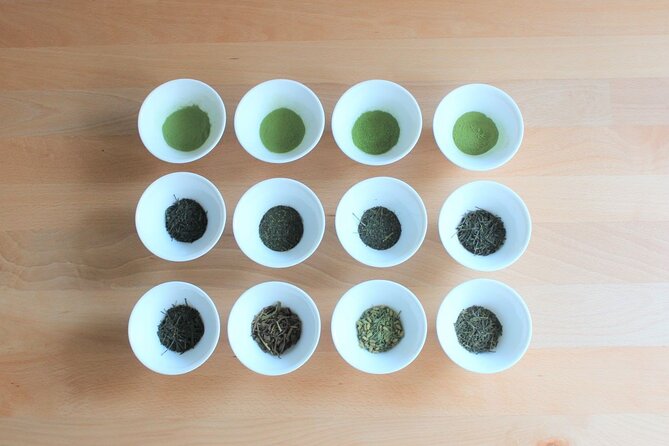
The overview says you will taste 12 different types of Japanese tea. The specific examples called out include sencha, matcha, and gyokuro. In other words, you are not just sampling random leaves. You are covering key styles that represent different production methods and quality levels.
One detail to keep in mind: a couple people have described tasting around 9 teas in their session. That does not automatically mean something went wrong. It can simply reflect how the session counted, how the flight was paced, or how variations were grouped. Either way, you should expect a guided sequence of multiple green teas that builds toward bigger understanding, not one or two quick cups and done.
A big part of the value here is that the tasting is paired with explanations. When you taste something new, it is easy to say, “That one is better.” It is harder to say why. This experience pushes you toward the “why.”
A guided tasting you can actually follow
This is one of those rare classes where the teaching seems built for clarity.
Yosuke uses methodical preparation steps, and the pacing is designed so you are not rushing through cups. Reviews mention a very structured approach and clear communication, which matters because Japanese green tea can be subtle. The differences can be easy to miss if you are not guided.
You also get a handout. One review specifically mentioned a 9-page handout you can follow as you sample. That is great for two reasons:
- You can remember what you learned once the flavors start blending in your mind
- You can take notes, so you do not rely only on memory
If you are the type who buys tea afterward, that handout helps you decide what to seek out later.
More Tea Ceremonies in Tokyo
- Matcha Making Class in Tokyo with Authentic Japanese Sweets Set
★ 5.0 · 744 reviews - Kimono Tea Ceremony at Tokyo, Asakusa Maikoya
★ 5.0 · 638 reviews - Tokyo: Traditional Tea Ceremony with a Tea Master
★ 5.0 · 528 reviews - Tokyo: Matcha Making Experience with Mochi Sweets in Asakusa
★ 4.9 · 388 reviews
Sencha vs premium styles: tasting quality, not just categories
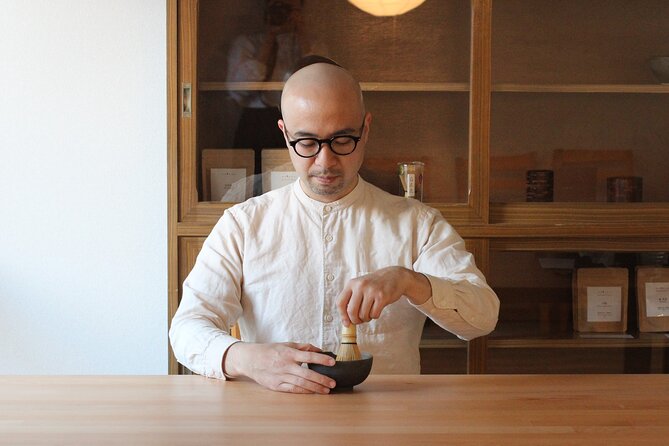
Sencha is the daily workhorse of Japanese green tea. It also happens to be a fantastic starting point for learning. You can taste how processing and grade influence aroma, sweetness, and any lingering bitterness.
Then the session moves into higher-end territory. The overview highlights both daily tea and premium tea, with premium selections that are unique even for locals. That is a powerful lesson because it gives you a real comparison, not just a textbook.
When you taste everyday tea and premium tea back-to-back, you start to understand that “good tea” is not a single flavor. It is a set of production decisions, leaf selection, and processing choices that create:
- more depth in aroma
- a smoother, longer finish
- less harshness, even when you notice strength
This is one of the biggest reasons I think this experience is worth the cost. You are buying contrast. Contrast is what makes learning stick.
Matcha in a tasting format: what you should listen for
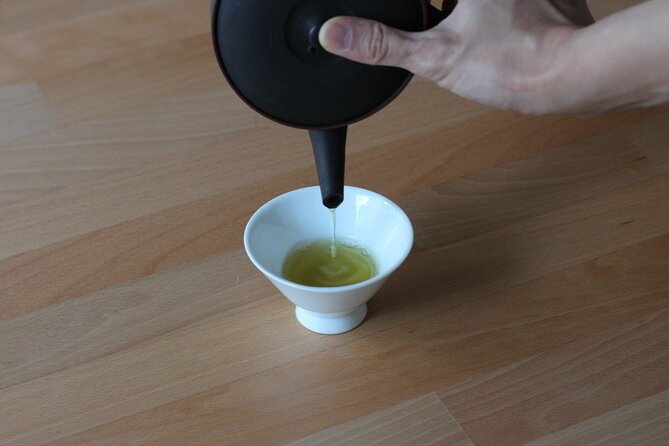
Matcha is the tea style most people recognize, but it is also the one people misunderstand. Many visitors think matcha is just “strong green tea.” In reality, matcha is about how it is made from powdered green tea leaves, and it tends to behave differently in flavor and texture than steeped teas.
In this session, matcha is included alongside sencha and gyokuro. That lineup matters because it forces you to compare across preparation styles. Powdered tea has a different mouthfeel and a different way of delivering flavor.
What to pay attention to during the matcha portion:
- How the aroma hits before you even taste
- Whether the flavor feels more rounded or more “bright”
- How it lingers in your mouth after swallowing
If you have ever wondered why people can taste “quality” in matcha, this is the kind of guided tasting that helps you sort that out.
Gyokuro: the shaded tea lesson you can taste
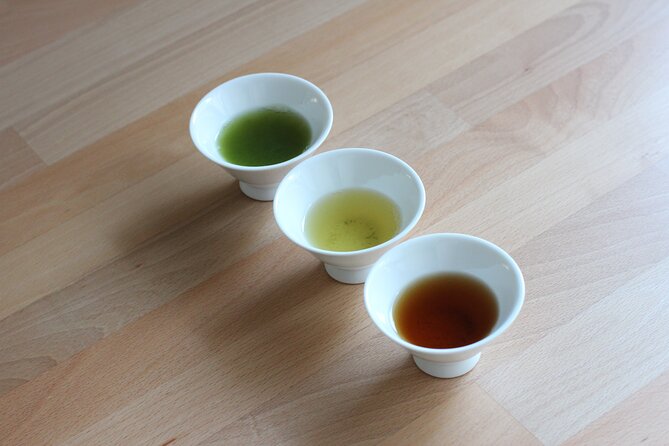
Gyokuro is often associated with shade-grown cultivation. The session’s inclusion of gyokuro is a smart teaching move because it is one of the clearest ways to experience how cultivation practices can shape flavor.
In a tasting class, gyokuro is where you start realizing the lesson is bigger than just learning names. It is about connecting farming and processing to what ends up in your cup.
When you taste gyokuro in this kind of guided format, you are not just drinking something pricey. You are learning how a premium grade can shift:
- sweetness perception
- umami-like depth
- the smoothness of the finish
That kind of understanding makes shopping for tea later much easier. Instead of buying by hype, you will know what type of character you are seeking.
Temperature and production notes that change everything
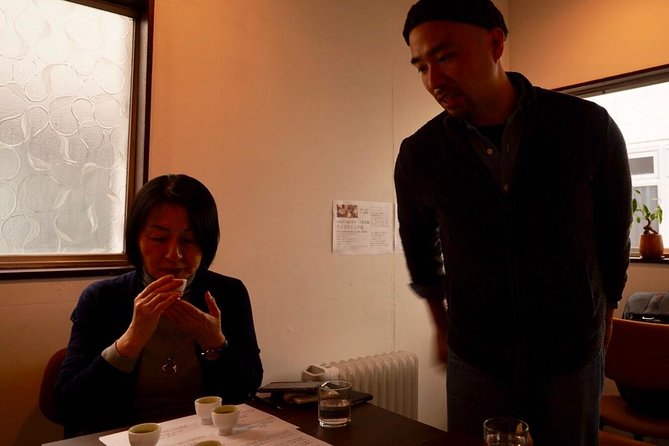
One review called out that you learn about plantation locations and temperature to be used for each kind of tea. Even without exact numbers on hand, that is a huge deal.
Tea temperature is not cosmetic. It affects extraction, bitterness, and the balance between aroma and taste. If you brew too hot, many green teas can taste harsher. If you brew too cool, they can taste flat or underdeveloped.
So, in practical terms, this experience gives you the kind of information that helps you reproduce the cup at home or in a hotel. It turns the tasting from a one-time event into a skill.
And when production notes come with history and regional differences, the learning feels earned. You are not memorizing trivia. You are learning how Japanese green tea became what it is.
How history fits next to your tasting notes
Japanese tea history can sound like background noise if it is delivered poorly. Here, the history is tied to what you are tasting and how it is made.
The overview promises explanation of each tea’s historical background and how it is produced. That linkage matters for two reasons.
First, it explains why certain tea styles became associated with quality, ritual, or daily life. Second, it gives you vocabulary. Once you have language for what you like, shopping is no longer a gamble.
This is also why the class is described as helping you understand the big picture of Japanese tea. The goal is not only to taste more cups. It is to build a mental map of types, styles, and what makes them different.
How long is this, and does it feel rushed?
It is about 1 hour 30 minutes. That is the sweet spot for a tasting class.
If you go too short, you might taste without absorbing. Too long, and you get numb to differences. This length allows for a guided flight across multiple teas without feeling like you are trapped there for half a day.
A maximum group size of 4 also helps the pace. You are not competing for air time, and the session can move at a human speed.
Price and value: is $90.80 reasonable for 12 teas?
At $90.80 per person, this is not a cheap lunch-table experience. But it is also not an overpriced souvenir workshop.
You are paying for several real things:
- Multiple guided tastings across different tea styles
- Explanations of production and history for each tea
- A structured approach with careful preparation steps
- Small group instruction (max 4)
- A handout you can use after the session
In other words, you are paying for interpretation. If you tried these teas on your own with no guidance, you might still taste the differences, but it would be much harder to learn what to buy next or how to brew it properly.
For me, that is the value equation. This class is built to help you become a better tea shopper and a better tea brewer, not just a person who drank tea one afternoon.
Logistics: getting there and planning the day
You meet at ShiZen Tea Experience in Morishita, Koto City. It is near public transportation, so it should be a straightforward add-on to a normal Tokyo day.
Start time is 1:30 pm. With an hour-and-a-half duration, you will likely be finished before late afternoon. That makes it easy to follow with:
- a neighborhood coffee break
- a light food stop nearby
- a museum or walk before dinner
Because it is a mobile ticket, be ready with your phone confirmation at check-in.
Who should book this Japanese tea tasting class?
This is a great fit if:
- You like tasting classes and want structure, not just sampling
- You care about production, quality, and what makes premium tea taste different
- You want sencha, matcha, and gyokuro in one place
- You enjoy food plus history, with an expert who can answer questions
It may be less ideal if:
- You are very sensitive to caffeine and did not plan ahead to inform the host
- You only want a quick, casual sip with zero learning component
- You prefer a traditional ceremony over a guided tasting lesson
Book it or pass: my decision guide
Book this if you want a tea experience that changes what you do next. You will leave with a clearer sense of the Japanese green tea “map,” plus practical knowledge like which factors matter and how temperature is used for different teas.
Pass if you are looking for a purely cultural ritual experience. This session focuses on taste, production, and history, and it is designed as a tasting class, not a formal ceremony.
If you are on the fence, the max-4 group size plus the structured handout makes it a low-risk bet for learning. For a tea-minded traveler in Tokyo, this is the kind of afternoon you will remember.
FAQ
What teas will I taste?
The experience includes Japanese tea varieties such as sencha, matcha, and gyokuro, and is described as covering 12 different types of Japanese tea overall.
How long is the session?
It runs about 1 hour 30 minutes.
Is this a tea ceremony?
No. This is not a tea ceremony. The focus is on tasting, how the tea is produced, and its history.
Where does the activity start?
The meeting point is ShiZen Tea Experience, 135-0004 Tokyo, Koto City, Morishita, 2-chōme 283 森下TMマンション 202.
How much does it cost?
The price is $90.80 per person.
What time does it start?
The start time is 1:30 pm.
Do I get a ticket on my phone?
Yes, it includes a mobile ticket.
Is there a limit on group size?
Yes. The maximum group size is 4 travelers.
What if I’m caffeine sensitive?
If you are caffeine sensitive, you should inform before the session.
What is the cancellation policy?
You can cancel for free up to 24 hours in advance for a full refund. If you cancel less than 24 hours before the start time, the amount paid is not refunded.
More Food & Drink in Tokyo
- Tokyo: Tsukiji Fish Market Food and Walking tour
★ 5.0 · 1,724 reviews - Shinjuku Izakaya Food Tour
★ 5.0 · 1,041 reviews - Eat and Drink Like a Local: Tokyo Ueno Food Tour-Taverns&Ramen
★ 5.0 · 957 reviews - Tokyo: Shibuya Food Tour (13 dishes and 4 Eateries)
★ 5.0 · 770 reviews
Newly listed around Tokyo
- Private Tokyo Food Tour – A Journey Through Time Through Food★ 5.0 · 36 reviews
- Private Tokyo Tour with Licensed Guide & Vehicle (Max 15 persons)★ 5.0 · 107 reviews
- Private Tokyo Custom Full-Day Tour by Chartered Vehicle★ 5.0 · 16 reviews
- Private Tokyo Custom Half-Day Tour by Chartered Vehicle★ 4.5 · 13 reviews
- Private Outstanding Nikko Tour with English Speaking Driver★ 4.0 · 11 reviews
- Private Sightseeing to Mt Fuji and Hakone with English Driver★ 5.0 · 51 reviews
- Private Snow Monkeys park Day Trip From Tokyo or Nagano★ 4.5 · 26 reviews
- 4 Day Tour – Mount. Fuji, Tokyo, Hakone, Kamakura and Yokohama★ 5.0 · 19 reviews
Matcha & Tea Ceremony Sessions, compared.
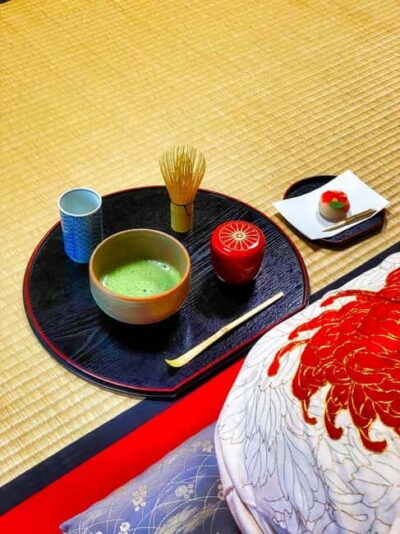
Tea Ceremony in a Traditional Tea House in Kiyomizu
Read our review →
World Heritage Kyoto & Nara Uji Authentic Matcha Experience
Read our review →
Browse the lists this tour appears in