Review · MORNING
Explore Hidden Alleyway with a Local Expert (Morning tour)
Kyoto feels bigger at 9am.
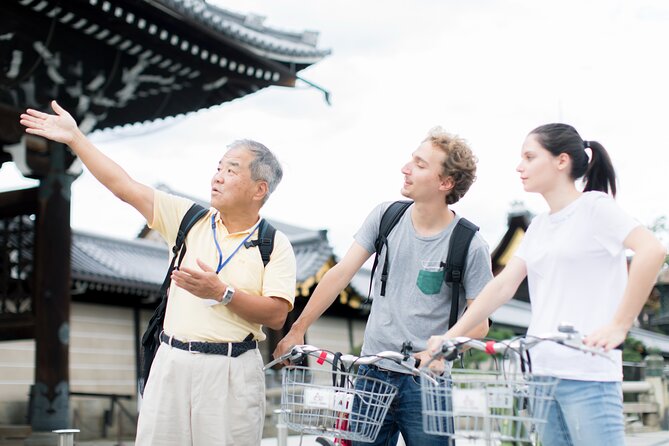
This morning e-bike tour is a smart way to see the parts that take forever on foot, with a guide and bike gear handled for you. I like that it keeps things stress-free (battery bike + equipment rental), and I also like the fact it is built around real backstreets, not just main roads. One thing to weigh, though: it is still biking, so you want to feel comfortable riding on city streets.
What really works for me is the mix of iconic sights and calmer lanes. You pedal through Gion and Miyagawacho, then swap gears to quieter spots like the willows near Tatsumi Bridge. Another plus: the private format means your group sets the pace, and you can ask questions without racing a big crowd.
My main caution is weather and comfort. The tour runs in rain, and while ponchos are provided and you can switch to a walking option with transit, being out on a wet morning can still be less fun than dry sidewalks. If you are a first-time rider, you may also want to take the training wheels out of your head and just practice a few minutes before rolling.
In This Review
- Key things to know before you ride
- Why a Morning E-Bike Tour Works So Well in Kyoto
- Meeting Point, Private Group Size, and the Bike Setup
- Stop 1: Miyagawacho Kaburenjo Alley and the Quiet Old-Kyoto Feeling
- Stop 2: Gion’s Maiko and Geiko Streets Without the Big-Crowd Chaos
- Stop 3: Tatsumi Bridge and the Willows Along the Water
- Stop 4: Kyoto Imperial Palace Cycling the Gravel Paths
- Stop 5: Kashiwayacho and a Relaxing Break by the Kamo River
- How 3 Hours Actually Feels on an E-Bike
- Price and Value, What You Get for About $103
- Rain Plan and Comfort Tips for a Smooth Morning
- Who This Tour Fits Best (and Who Might Want a Different Plan)
- Should You Book This Morning Kyoto E-Bike Tour?
- FAQ
- Where is the meeting point, and what time does the tour start?
- How long is the experience?
- Is this a private tour?
- What is included with the e-bike?
- Does the tour run in the rain?
- Are there age or height requirements to join?
Key things to know before you ride
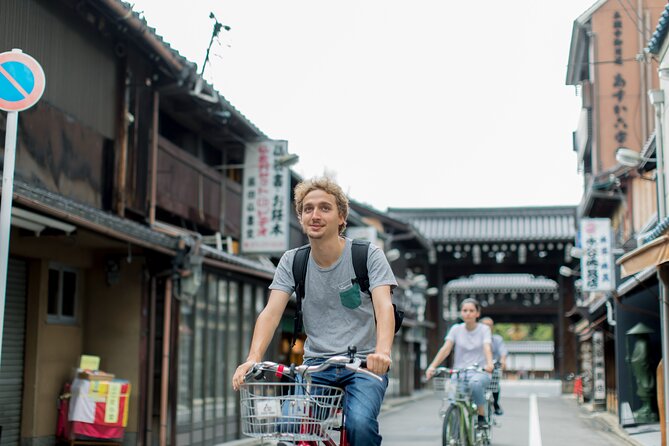
- Private, small-group format: typically 2 to 6 guests per guide, so the pace can match your group.
- E-bike makes distance doable: you cover multiple districts in about 3 hours without wearing yourself out.
- Backstreet focus: Miyagawacho’s wooden-house alley lanes, not just postcard streets.
- Seasonal-cultural mix: Kyoto Imperial Palace grounds plus a calm rest by the Kamo River.
- Guide Q&A is part of the value: guides like Rich-San, Yuichi, and Annie have been praised for answering questions.
Why a Morning E-Bike Tour Works So Well in Kyoto
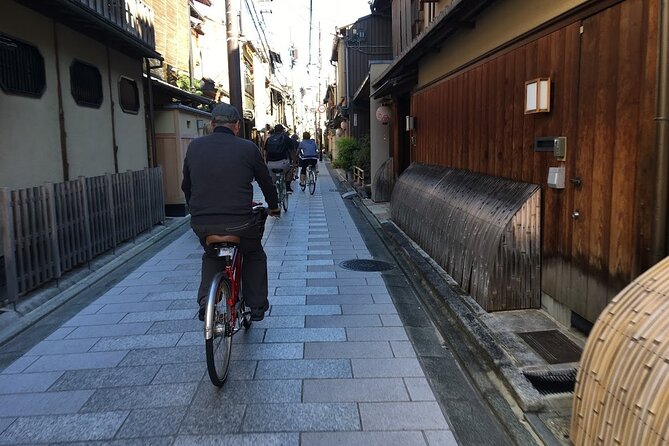
Kyoto can be deceptively big. On foot, you end up either sprinting between highlights or picking just a couple areas. On an e-bike with a local guide, you get a calmer rhythm, and your morning stays fun instead of turning into miles-and-maps math.
This tour is also timed for the kind of morning Kyoto does best. You start at 9:00am, and your route flows through geisha districts early enough to feel peaceful, not packed. The best part is that the ride supports the vibe: you glide along, stop when something matters, and keep moving without feeling rushed.
A few more Kyoto days to weigh up
- PERFECT KYOTO 1-Day Bus Tour
★ 5.0 · 13,518 reviews - Kyoto: Fushimi Inari, Kinkakuji, Bamboo Grove 1 Day Bus Tour
★ 4.8 · 4,316 reviews - Kyoto: Tea Ceremony in a Traditional Tea House in Kiyomizu
★ 4.9 · 3,519 reviews
Meeting Point, Private Group Size, and the Bike Setup
You meet at 552-13 Higashiaburanokōjichō, Shimogyo Ward, Kyoto (600-8235), and the tour ends back at the meeting point. The tour uses a mobile ticket, so you do not need to scramble for paper.
Because it is private, you do not share the ride with strangers. The structure is small and practical: each guide can accept 2 to 6 guests, and an extra guide can be arranged for groups of 7 to 12. Also, solo participants are not accepted, so this is best for pairs, friends, or small groups traveling together.
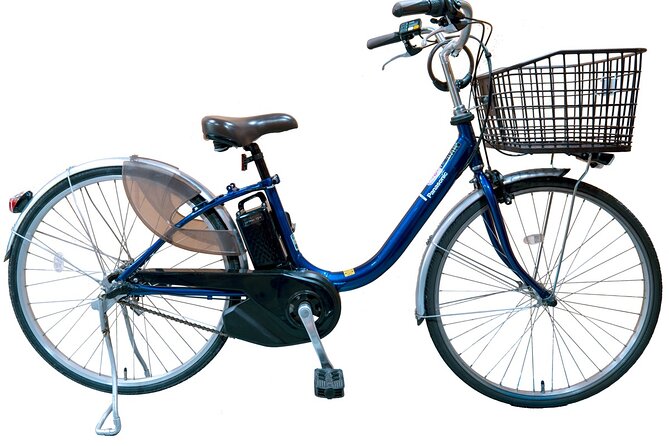
E-bike equipment rental is included, which matters more than it sounds. You save time and friction. Instead of shopping or hunting down rentals the night before, you show up, get fitted, and get to Kyoto’s streets.
Stop 1: Miyagawacho Kaburenjo Alley and the Quiet Old-Kyoto Feeling
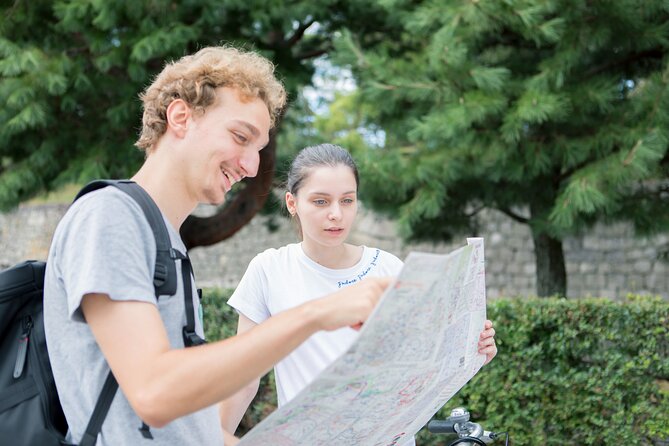
Your first stop is Miyagawacho Kaburenjo, one of Kyoto’s five major geisha districts. This is the area with a calm, old-time feel, and the layout helps: an alley lined with traditional wooden houses on both sides.
You get about 15 minutes here, and that is the right amount of time for this kind of stop. You are not trying to do a long sightseeing checklist. You slow down, look closely at the architecture, and let the lane feel do its job.
The only real drawback at this stop is how easy it is to overdo photos. If you spend too long at one angle, you can compress the rest of the route. I recommend a quick sweep first, then pause for a second look so you do not rush later.
Stop 2: Gion’s Maiko and Geiko Streets Without the Big-Crowd Chaos
Next is Gion, Kyoto’s best-known geisha district, with maiko girls and geiko women associated with the area. Even when you are not focusing on people, Gion teaches you something important about Kyoto: the city is built around relationships and routines, not just famous buildings.
You get another 15 minutes, and the emphasis is on the refined old-atmosphere you can still feel in the streets. With a guide, you also avoid the common problem of wandering around and accidentally missing the side lanes that give Gion its texture.
A practical note: Gion can get crowded. This tour’s private pacing helps, but you will still want to be respectful in tight lanes and keep your movements smooth around others.
A different sort of day in Japan:
- Kyoto Geisha Walking Tour: Gion District & Hidden Gems
★ 4.7 · 3,273 reviews - Kyoto: Tea Ceremony Ju-An at Jotokuji Temple
★ 4.9 · 3,207 reviews - Kyoto: 45-Minute Tea Ceremony Lesson Experience
★ 4.3 · 2,378 reviews - Kyoto: Gion Geisha District Walking Tour – Stories of Geisha
★ 4.7 · 2,187 reviews
Stop 3: Tatsumi Bridge and the Willows Along the Water
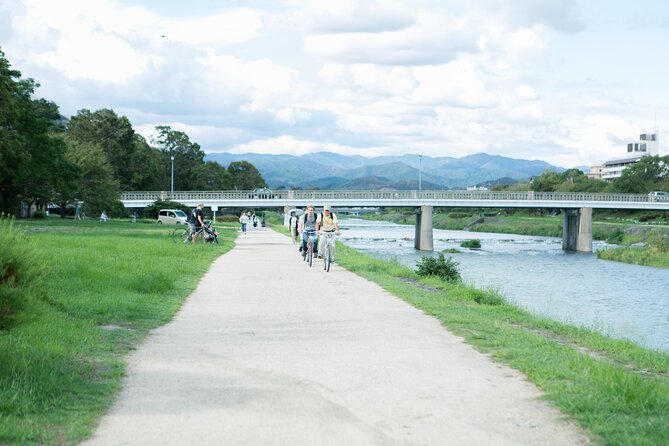
At Tatsumi Bridge, the scenery changes from district lanes to a gentler water-side walk. The route follows a path along a “limped” stream with willows swinging in the breeze, which makes the stop feel like a reset button.
You get 15 minutes, and that fits perfectly. This is not a long hike, and the point is atmosphere, not distance. You leave feeling less boxed-in by streets, and you are ready for the more formal grounds that come next.
If it is a hot morning, this is also where your legs get a mental break. You are still walking a little, but the tempo feels lighter.
Stop 4: Kyoto Imperial Palace Cycling the Gravel Paths
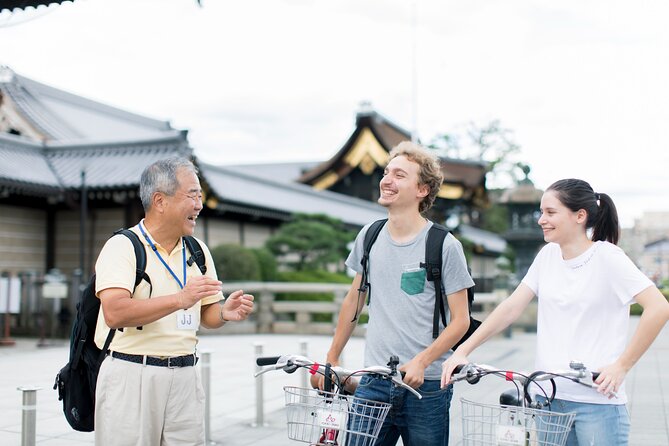
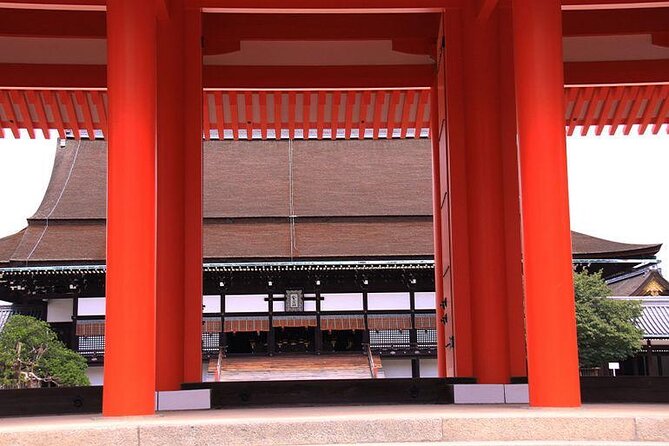
Then comes one of the best value-for-time moments on this tour: you cycle along the gravel paths at Kyoto Imperial Palace. The palace was once the residence of Japan’s Imperial Family, and today the grounds are open to the public as a national garden with seasonal flowers.
You spend about 20 minutes here, which is just enough to understand the scale without turning it into a half-day museum slog. Gravel paths change the feel of biking too. You slow down naturally, and you can take in the layout.
One consideration: a garden stop can be weather-dependent. If rain starts, the grounds and paths can feel slippery. That is when the guide’s handling of pacing and safety matters most, so trust the timing they set.
Stop 5: Kashiwayacho and a Relaxing Break by the Kamo River
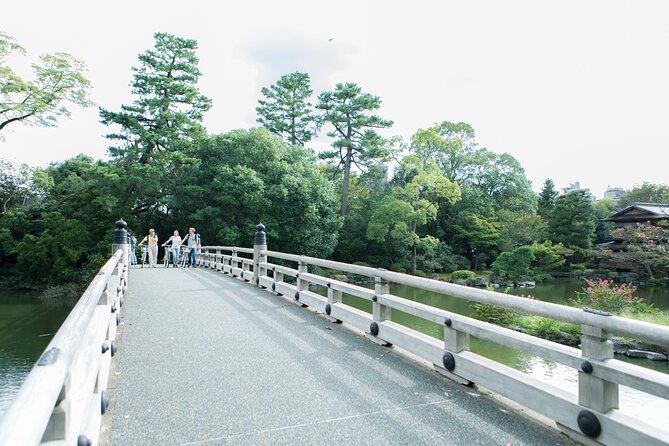
The final stop is Kashiwayacho, where you get to relax by the Kamo River. You have about 20 minutes here, and it is a smart ending. You have already seen geisha districts and the imperial gardens, so this is where you let the morning breathe.
This is also where the ride-to-rest balance is best. The battery helps you arrive with energy, and the river stop gives you a chance to cool down, grab water, and reset.
In at least some runs, groups have also asked for small extras like a coffee break, and guides have accommodated when timing allows. If that matters to you, ask calmly and early, not at the last minute.
How 3 Hours Actually Feels on an E-Bike
This is listed at about 3 hours, but the real question is how you experience those hours. With an e-bike, you do not spend that time stuck in logistics or moving between far-flung areas. You also avoid the slow burn that happens when you keep walking and walking, then realize you still have two major stops left.
The itinerary is built like a loop of short, meaningful stops. You stop for 15 minutes at Miyagawacho and Gion, another 15 minutes at Tatsumi Bridge, then 20 minutes at Kyoto Imperial Palace and 20 minutes at the river. The structure keeps attention high while still letting you pause and look.
On a hot day, this format is especially helpful. One of the strongest themes in the feedback is that the battery powered bike makes the ride comfortable even when walking would be draining.
Price and Value, What You Get for About $103
At $103.04 per person for roughly 3 hours, you are paying for more than transportation. You are paying for a local guide, bikes with equipment rental included, and a route design that links multiple areas into one smooth morning.
Is it expensive compared to a bus ride? Yes. But it can be a strong deal compared to the cost of rentals plus the time you would spend planning and navigating. The value shows up in the “no-map hassle” part, because the guide handles route flow and timing while you focus on seeing.
It also helps that the group size stays small. Private does not mean chaos or bargaining for attention. It means your guide can answer questions and adjust pacing, and you are not stuck waiting for a slow-moving pack.
Rain Plan and Comfort Tips for a Smooth Morning
The tour operates in rain, which is reassuring if your Kyoto weather is unpredictable. The options are practical: you can continue as usual with rain poncho (free), or switch to a walking tour using public transportation like bus or metro, with the tour fee included.
So you are not trapped in a bad-case scenario. Still, I would pack for wet conditions. Bring a small umbrella if you have one, wear shoes that grip well, and plan to keep your phone protected.
One more comfort tip: if you are not used to riding a bike, consider padded pants. That small choice can save you from a sore morning, and it makes the whole experience feel easier right from the first pedal.
Who This Tour Fits Best (and Who Might Want a Different Plan)
This tour is best for travelers who want a guided Kyoto morning without long distances on foot. If you are in your first or second day in Kyoto and want to get bearings fast, this format can help you understand where things are, how districts connect, and what Kyoto feels like at street level.
You also get the most out of it if you enjoy asking questions. Guides such as Rich-San, Yuichi, and Annie have been highlighted for answering questions and guiding with care. If you want context while you ride, that is exactly the point.
You should skip it or reconsider if you are not comfortable riding on city streets. There are also clear requirements for children: riders must be at least 10 years old, 145 cm or above, and able to ride a bicycle safely on the road without assistance.
Should You Book This Morning Kyoto E-Bike Tour?
Book it if you want an efficient, low-stress way to cover Miyagawacho, Gion, Kyoto Imperial Palace grounds, and the Kamo River in one morning. The e-bike plus equipment rental included setup makes it easy to get started, and the private small-group style means you can move at a pace that works.
Also book it if you care about “why this place matters.” The experience is built around short stops that actually teach you something, not just quick photo moments. If you want a calmer take on geisha districts and a scenic reset by the water, this route delivers.
Skip it if you hate biking or if rain would put you in a bad mood. While the rain plan is real and options exist, being out in wet weather is still wet weather.
If you can, reserve ahead. This tour averages booking about 47 days in advance, so early planning helps you lock in the morning slot you want.
FAQ
Where is the meeting point, and what time does the tour start?
The tour meets at 552-13 Higashiaburanokōjichō, Shimogyo Ward, Kyoto, 600-8235, Japan, and it starts at 9:00am. The tour ends back at the meeting point.
How long is the experience?
The e-bike tour lasts about 3 hours.
Is this a private tour?
Yes. It is private, meaning only your group participates. The tour accepts 2 to 6 guests per guide, and an extra guide can be arranged for groups of 7 to 12.
What is included with the e-bike?
Equipment rental is included, and you use an e-bike for the ride. The tour uses a mobile ticket.
Does the tour run in the rain?
Yes, it operates in rain. You can continue as usual with a rain poncho at no extra charge, or switch to a walking tour using bus or metro, which is included in the tour fee.
Are there age or height requirements to join?
Children must be at least 10 years old, at least 145 cm tall, and able to ride a bicycle safely on the road unassisted.
Newly listed around Kyoto
- Zen Meditation for Life in Kyoto★ 5.0 · 10 reviews
- Kyoto: Zen Meditation at a Private Temple with a Monk★ 5.0 · 25 reviews
- Kyoto Private Customizable Day Tour with Guide and Vehicle★ 5.0 · 52 reviews
- Private Wagyu Beef Tour with a Local Guide★ 5.0 · 6 reviews
- Kyoto: Gion Geisha District & Sake-in-Hand Walking Tour★ 5.0 · 37 reviews
- Your Private Vacation Photography Session In Kyoto★ 5.0 · 110 reviews
- Private Guided Traditional Buddhist Cooking in Japan★ 5.0 · 16 reviews
- Private Pewter Sake Cup Experience with a Kyoto Artisan★ 5.0 · 31 reviews
Morning, compared.
Kyoto Early Morning Tour with English-Speaking Guide
Read our review →Early Morning Tour with English-Speaking Guide
Read our review →
World Heritage Shirakawa-go Morning Guided Tour
Read our review →
Nara Early Morning Tour (Kyoto or Osaka Departure Available)
Read our review →
Hiroshima in a Nutshell: Morning Bike Adventure
Read our review →