
Review · WORKSHOPS
Itajime Shibori Scarf Class
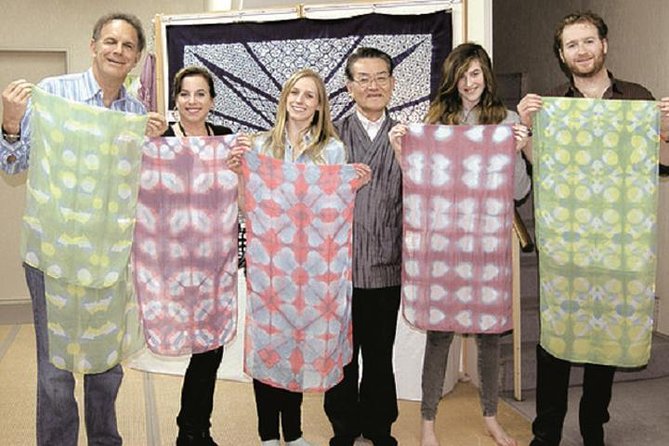
Your souvenir starts as cloth, not a factory item. The Itajime Shibori Scarf Class in Kyoto lets you get hands-on with a traditional dyeing method, guided step by step by the museum team. I love the practical itajime shibori approach, where you choose fabric and create your own scarf pattern using traditional tools.
I also love how the class is paired with a museum visit, so you are not just making something, you are understanding it. Expect time to see examples and learn about shibori, including what is on the 2nd floor exhibits, plus a film about the process while your scarf dries. One consideration is that the classroom is on the 2nd floor, and it can be a bit hard to spot from street level, so give yourself a little time to find the entrance.
In This Review
- Key Takeaways Before You Go
- What Is Itajime Shibori, and Why Your Scarf Feels Different?
- Kyoto Shibori Museum Timing: How the 30 to 60 Minutes Really Works
- Price and Value: Is $43.60 Worth It?
- Step 1 at the Museum: Seeing Shibori Before You Make It
- Step 2 of the Class: Picking Fabric and Colors That Fit You
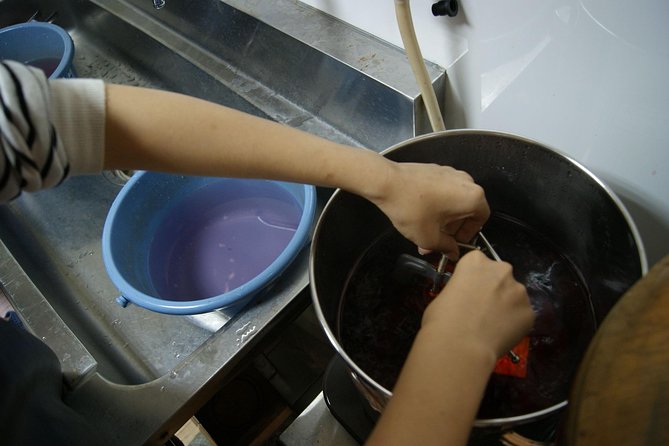
- Step 3: The Actual Itajime Shibori Scarf Making
- The Museum While Your Scarf Dries: 2nd Floor Exhibits and Process Film
- Finishing Touches: Dry, Pack, and Take Your Scarf Home
- Location and Getting There: Kyoto Shibori Museum Logistics
- Who This Class Is Perfect For (and Who Might Skip It)
- The Small Group Factor: Why Up to 10 People Matters
- Should You Book the Itajime Shibori Scarf Class?
- FAQ
- How long does the Itajime Shibori scarf class take?
- What is the price per person?
- Where does the class take place?
- Will I be able to visit the museum while I make the scarf?
- Is there a maximum group size?
- What will I make during the class?
- Can I choose the fabric for my scarf?
- What is the minimum age for this activity?
- Is it easy to get to by public transportation, and is parking available?
- What is the cancellation policy?
Key Takeaways Before You Go
- 30 to 60 minutes of hands-on scarf making at Kyoto Shibori Museum
- Choose from Japanese fabrics so your scarf feels more personal than a generic souvenir
- Small class size, up to 10 people, which keeps the attention on you
- 2nd floor museum displays and a process film while you wait for drying
- Take-home result with finishing touches, ready to carry after packaging
What Is Itajime Shibori, and Why Your Scarf Feels Different?

Shibori is Japan’s traditional method of dyeing cloth by shaping the fabric first, then applying dye so patterns form where the fabric has been bound, pressed, or secured. Itajime shibori is one of those techniques where controlled pressure and restraint create crisp, repeatable pattern effects. The class is a good introduction because it keeps the focus on what you can actually do with your own hands, not just what the process looks like in theory.
What makes it compelling is that you end with something wearable and giftable, while also learning why shibori matters in Japanese craft culture. The museum portion helps connect the scarf you made to the broader art form, so you do not walk away thinking it is just a craft activity.
A few more Kyoto days to weigh up
- PERFECT KYOTO 1-Day Bus Tour
★ 5.0 · 13,518 reviews - Kyoto: Fushimi Inari, Kinkakuji, Bamboo Grove 1 Day Bus Tour
★ 4.8 · 4,316 reviews - Kyoto: Tea Ceremony in a Traditional Tea House in Kiyomizu
★ 4.9 · 3,519 reviews
Kyoto Shibori Museum Timing: How the 30 to 60 Minutes Really Works
The scarf-making part runs about 30 to 60 minutes, and the overall experience includes a museum stop that is part of that time window (with an admission ticket included). In practice, the class is structured so you create the scarf, then you use the waiting time well.
Many people will like that pacing. You do not rush your dye steps, and you get something meaningful to do while your scarf dries. This is one of those “make, wait, learn” experiences that turns waiting into part of the fun.
Price and Value: Is $43.60 Worth It?
At $43.60 per person, this is priced like a hands-on workshop, not a high-end luxury experience. The value comes from three things you actually get: a teacher-led craft session, access to the museum with shibori displays, and a scarf you take home.
A big part of the cost tradeoff is time. You are spending about an hour total at the museum, and the payoff is a tangible souvenir plus a calmer cultural break from the heavier sightseeing days. If you want a Kyoto activity where the result is physical, and the explanation is part of it, this price makes sense.
Step 1 at the Museum: Seeing Shibori Before You Make It
Your main start point is Kyoto Shibori Museum, where you first get context for what you are about to do. Shibori is often described as one of Japan’s oldest dyeing methods, and that framing matters because it turns the scarf into a small piece of craft history instead of just a dyed fabric.
This is also where the experience helps you “read” the craft. Once you understand the idea of shaping fabric before dyeing, it becomes easier to appreciate why patterns look the way they do and why different shibori styles produce different effects.
A different sort of day in Japan:
- Kyoto Geisha Walking Tour: Gion District & Hidden Gems
★ 4.7 · 3,273 reviews - Kyoto: Tea Ceremony Ju-An at Jotokuji Temple
★ 4.9 · 3,207 reviews - Kyoto: 45-Minute Tea Ceremony Lesson Experience
★ 4.3 · 2,378 reviews - Kyoto: Gion Geisha District Walking Tour – Stories of Geisha
★ 4.7 · 2,187 reviews
Step 2 of the Class: Picking Fabric and Colors That Fit You
You choose from Japanese fabrics, which is a quieter but important detail. It means you are not stuck with whatever pre-made material is lying around. You get to think about what you want your scarf to look like before dye is applied.
The staff guide you through the setup and make it clear what you are doing and why. Several people mention the instructions are clear and the class is hands-on, which is exactly what you want when you are learning a technique you cannot fake from memory.
If you are traveling with kids, this “you choose, you do it” format is usually a win. One family highlight was that after finishing, a child received a certificate, which turns the end result into a little milestone photo moment.
Step 3: The Actual Itajime Shibori Scarf Making
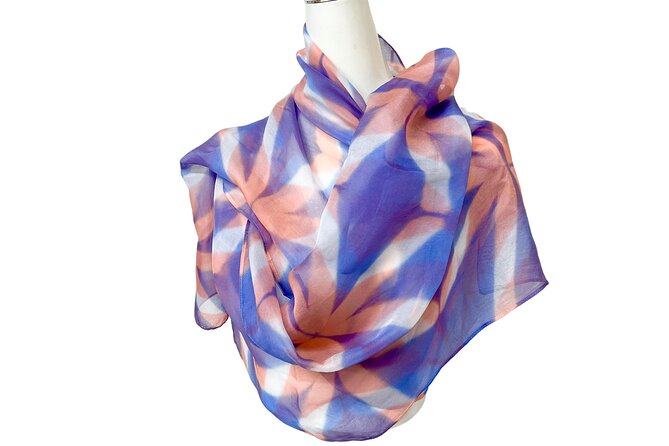
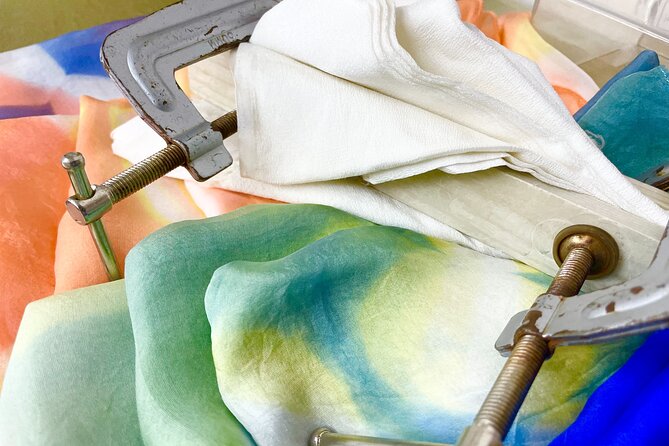
This is the heart of the experience: creating your scarf using traditional dyeing tools and the itajime shibori method. You are not expected to be an artist. The class is designed for most travelers who can participate, and the museum team provides the right mix of structure and help.
What I think you will appreciate is the teacher attention and the feel of a small studio environment. Reviews highlight patient guidance, including named staff like Kenji and instructor June, both described as kind and careful with the process. That matters because shibori outcomes depend on technique, and a little correction early can help you get a better final pattern.
You should also expect some waiting. The drying stage is real. But in this class, drying is not dead time.
The Museum While Your Scarf Dries: 2nd Floor Exhibits and Process Film

While your scarf dries, you get to explore the museum. This is not a quick glance and move on setup. People specifically mention the 2nd floor masterpieces and the fact that the museum displays are genuinely worth your time.
There is also a film about the shibori process, which helps connect the steps you just did with the wider craft. If you like learning how things work, this extra context is where the activity becomes more than a souvenir factory.
This portion is also part of what keeps the class relaxed. Instead of sprinting through a workshop, you get to slow down, look at the art, and then return to the moment when your scarf is ready.
Finishing Touches: Dry, Pack, and Take Your Scarf Home
When it is time to finish, the scarf is prepared so you can take it with you. Reviews mention that scarves are dried, packaged, and ready to go by the time people wrap up the museum time. That is a practical detail, because you do not want to carry a damp craft around Kyoto.
You also get the satisfaction of the full sequence: choosing your fabric, creating a pattern, seeing related art in the museum, and then taking the finished piece home. That round-trip flow is a big part of why people rate the experience so highly.
It is also worth noting that some people reported making more than one scarf in their session. The class length is flexible within the 30 to 60 minute range, and it sounds like the staff can help you maximize your time if you are interested.
Location and Getting There: Kyoto Shibori Museum Logistics
Kyoto Shibori Museum is in Kyoto and is described as near public transportation, so you should not need a car to make it work. Parking is limited to two car parking spaces plus bicycle parking, which suggests walking or transit is the smarter plan for most visitors.
One practical tip from real experiences: the classroom is on the 2nd floor and not always obvious from street level. When you arrive, give yourself extra minutes to locate the right staircase or entrance, especially if you are trying to connect this to other spots nearby.
Who This Class Is Perfect For (and Who Might Skip It)
This activity is a strong match for you if you want:
- A hands-on Kyoto craft with clear instruction
- A souvenir that feels personal because you choose fabric
- A learning component that explains shibori history and the process
It is also good for families. Multiple reviews mention kids and even teenagers enjoying the workshop, which usually means the pace and guidance are approachable.
You might skip it if you want a high-intensity sightseeing day, because the value here is in slowing down and learning. It is also not a good fit if you strongly dislike waiting for dye to set, since drying time is part of how the scarf becomes finished.
The Small Group Factor: Why Up to 10 People Matters
A maximum of 10 travelers keeps the vibe calm and gives the instructor time to watch what you are doing. In craft classes, small groups make a real difference because technique depends on tiny details. When staff can see your setup clearly, you get corrections in time.
That group size also helps the museum experience feel less crowded. You are not fighting through a tour bottleneck, and it is easier to take in the exhibits while you wait.
Should You Book the Itajime Shibori Scarf Class?
Book it if you want one meaningful Kyoto activity where you leave with something tangible and better context for what you made. The combination of hands-on itajime scarf making plus museum exhibits and process learning is exactly the kind of “do and understand” experience that tends to stick with you.
Skip it only if you prefer purely visual sightseeing with minimal instruction time. Otherwise, at $43.60 for a scarf you can carry home, plus a museum segment that is described as worth visiting, this is a practical, memorable cultural stop.
FAQ
How long does the Itajime Shibori scarf class take?
The class runs about 30 minutes to 1 hour.
What is the price per person?
The price is $43.60 per person.
Where does the class take place?
It takes place in Kyoto at the Kyoto Shibori Museum.
Will I be able to visit the museum while I make the scarf?
Yes. The experience includes a museum component, and the admission ticket is included.
Is there a maximum group size?
Yes. The class has a maximum of 10 travelers.
What will I make during the class?
You will make an itajime shibori scarf using traditional tools and fabrics, and you take it home.
Can I choose the fabric for my scarf?
Yes. You can choose from Japanese fabrics.
What is the minimum age for this activity?
The minimum age is 6 years old.
Is it easy to get to by public transportation, and is parking available?
It is near public transportation. There are two car parking spaces and bicycle parking spaces available.
What is the cancellation policy?
Free cancellation is available up to 24 hours in advance for a full refund. If you cancel less than 24 hours before the start time, you will not receive a refund.
Newly listed around Kyoto
- Zen Meditation for Life in Kyoto★ 5.0 · 10 reviews
- Kyoto: Zen Meditation at a Private Temple with a Monk★ 5.0 · 25 reviews
- Kyoto Private Customizable Day Tour with Guide and Vehicle★ 5.0 · 52 reviews
- Private Wagyu Beef Tour with a Local Guide★ 5.0 · 6 reviews
- Kyoto: Gion Geisha District & Sake-in-Hand Walking Tour★ 5.0 · 37 reviews
- Your Private Vacation Photography Session In Kyoto★ 5.0 · 110 reviews
- Private Guided Traditional Buddhist Cooking in Japan★ 5.0 · 16 reviews
- Private Pewter Sake Cup Experience with a Kyoto Artisan★ 5.0 · 31 reviews
Workshops, compared.
Sushi Making Tokyo Roll and Authentic Japanese Sushi Class
Read our review →
Roll and Authentic Sushi Making Class in Asakusa
Read our review →
Ramen Cooking Class at Ramen Factory in Kyoto
Read our review →
Sushi Making Class in a Happi Coat near a Famous Spot
Read our review →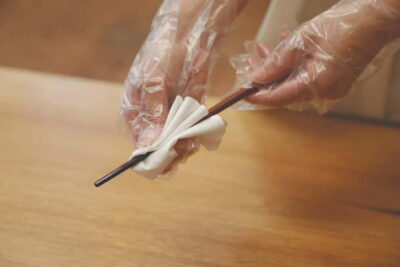

Tokyo Sushi Making Class in Tsukiji with Professional Chef
Read our review →
Ramen & Gyoza Cooking Class in Tokyo with Local Supermarket Visit
Read our review →Browse the lists this tour appears in