
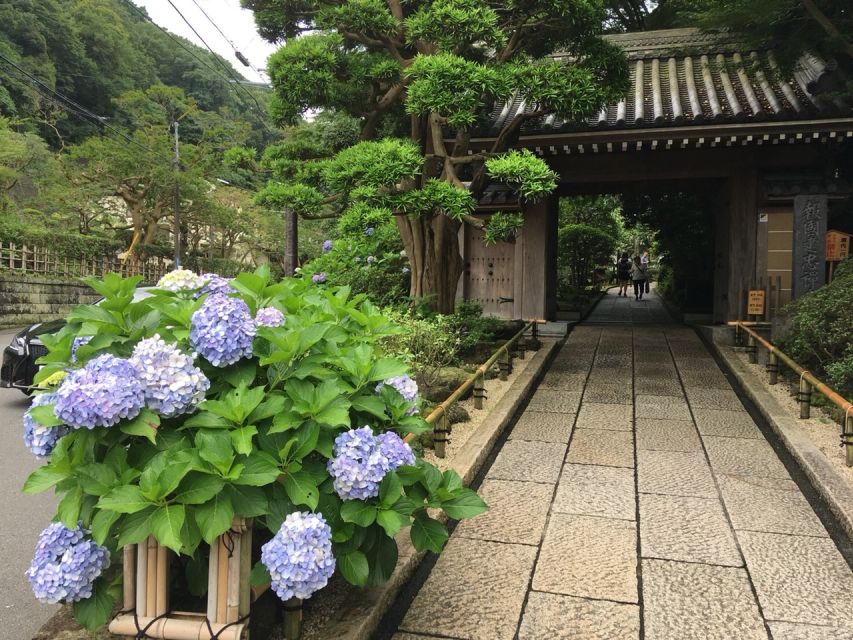
Review · HISTORICAL TOURS
Kamakura: Private History and Heritage Tour by Rickshaw
Kamakura clicks better at rickshaw speed. I like that this is a truly private, customizable tour where you control the pace, and I also love the chance to see the Great Buddha up close without feeling rushed. One possible drawback is that you are not picked up at your hotel, so you’ll want to plan how you get to the meeting point area.
For the most part, it is an easygoing day. Still, there is some walking involved (especially toward the shrine viewpoint), and the tour is not recommended if you have back problems or if you are in the first 16 weeks of pregnancy.
In This Review
- Key highlights to look for
- Why a private rickshaw works so well in Kamakura
- Meeting near Tsurugaoka Hachiman-gu, then getting the day rolling
- 45 to 3 hours 10 minutes, how each option changes the day
- The 45-minute core loop
- The 1 hour and 10 minute option with Hokokuji
- The 2 hour and 10 minute option with views and the Daibutsu
- The 3 hour and 10 minute option for the full set
- Otori Gate to Tsurugaoka Hachimangu, the heart of the town
- Hokokuji Temple gardens, why that detour is worth it
- The Daibutsu stop, seeing the Great Buddha up close
- Photo stops and the little keepsakes that make it feel complete
- Price and value, what your $51 gets you (and what it doesn’t)
- Comfort, access, and who should skip this plan
- Best fit for you, depending on what you want from Kamakura
- Should you book this Kamakura private history and heritage rickshaw tour?
- FAQ
- How long is the Kamakura private rickshaw history and heritage tour?
- What is included in the price?
- Where do I meet the guide?
- Is this tour private?
- What language is the live guide?
- Is the tour wheelchair accessible?
- Are selfie sticks allowed?
- How many people can ride per rickshaw?
- Is the tour appropriate for pregnant travelers?
- What are the rules for children and seating?
Key highlights to look for
- Private rickshaw, not a crowded group so you can ask questions and slow down for photos
- Multiple time options (45 to 190 minutes) lets you match the pace to your energy
- Close-up Daibutsu time as part of the longer tours
- Hokokuji gardens included on the middle-length option
- Tsurugaoka Hachimangu views when you climb up for the big look over the city
- Photo stops plus a postcard and sticker so you leave with keepsakes, not just pictures
Why a private rickshaw works so well in Kamakura
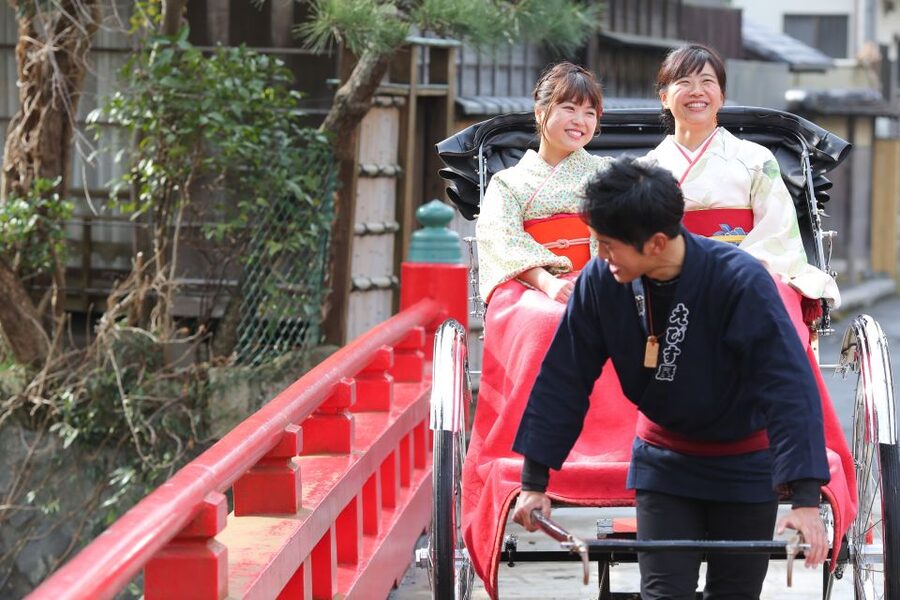
Kamakura is a place where small details matter. You’re dealing with old temple streets, shrine approaches, and tight lanes where a rickshaw can make the whole day feel smoother than on foot or on a bus.
A private rickshaw also changes the tone. Instead of following a fixed route, you get a guide who can adjust based on what you care about most, whether that is shrines, gardens, or simply capturing the best angle for photos. And because it is private, you can stop when something catches your eye.
Rickshaw travel also helps you see Kamakura in layers. You get the motion of the city, but you also spend time close to the monuments that actually define the area, like the Great Buddha and the main shrine area at Tsurugaoka Hachimangu.
A few more Kamakura days to weigh up
- Kamakura Historical Walking Tour with the Great Buddha
★ 5.0 · 129 reviews - World Heritage Shirakawa-go and Experience Tours from Kanazawa
★ 5.0 · 4,049 reviews - World Heritage Kyoto & Nara Uji Authentic Matcha Experience
★ 5.0 · 1,573 reviews
Meeting near Tsurugaoka Hachiman-gu, then getting the day rolling
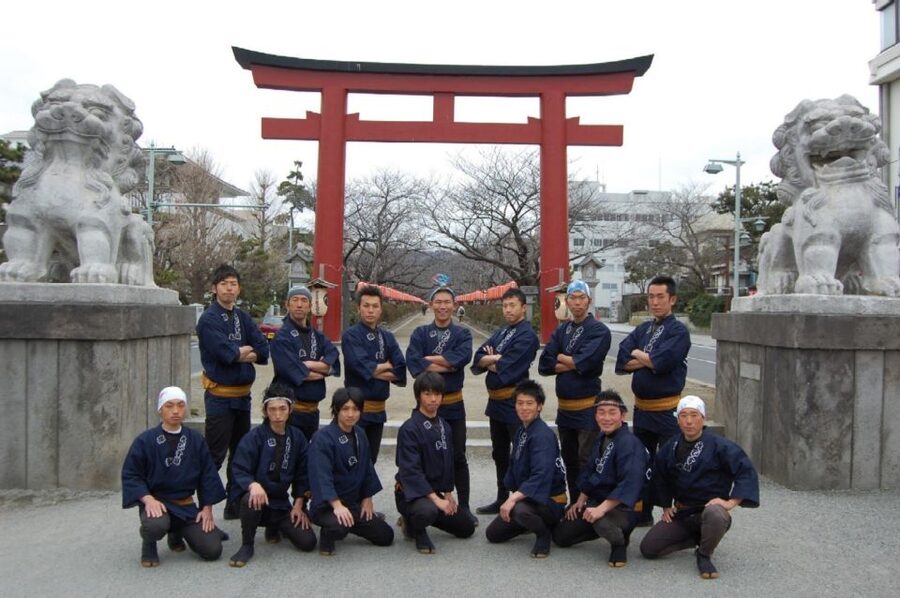
Your guide meets you just outside the office building, less than 90 meters down the street from Tsurugaoka Hachiman-gu Shrine. That is a handy setup because it places you right where the day’s story begins, and you spend less time hunting for the start.
If you are arriving by train, this location is generally easy to orient around. The key is to arrive a bit early, because you’ll likely want a minute to confirm you are at the right pickup point before your rickshaw is ready.
One small planning thought: since there is no hotel pickup, you should build time into your schedule to get to Kamakura before your tour start. It is not hard, but it is the kind of detail that keeps the day stress-free.
45 to 3 hours 10 minutes, how each option changes the day
This tour is built around four time lengths, and the difference is not minor. Each option decides how much you will walk, what you will see beyond the center, and whether you get the full set of Kamakura icons.
The 45-minute core loop
This is the best choice if you want the “starter pack” without committing to a long outing. You’ll ride through the center of town, passing Otori Gate and then going by Tsurugaoka Hachimangu Shrine. You’ll also return toward the station through quieter side streets, past temples with expansive grounds.
The upside here is efficiency. You get a strong introduction to Kamakura’s layout and the shrine area atmosphere without turning your whole day into logistics.
The tradeoff is that you do not reach the extra highlights like Hokokuji gardens or the full Daibutsu stop in this shortest option.
A different sort of day in Japan:
- Tokyo: Kamakura & Enoshima Day Trip including Temple Tickets
★ 4.5 · 1,375 reviews - From Tokyo: Kamakura & Enoshima 1-Day Bus Tour
★ 4.5 · 189 reviews - Kamakura Private Tour: Temples, Nature, and the Great Buddha
★ 5.0 · 121 reviews - From Tokyo: Kamakura Full Day Tour with a Local Expert Guide
★ 4.6 · 43 reviews
The 1 hour and 10 minute option with Hokokuji
Add a second layer to your day by including Hokokuji Temple. You’ll still cover the Tsurugaoka Hachimangu area, and you’ll also get time to wander through the famous gardens.
This is a smart sweet spot if you love Japanese garden design and want a calmer change of scenery. Gardens tend to reward slower looking, and the extra time makes it more than a quick photo stop.
The 2 hour and 10 minute option with views and the Daibutsu
This option is where Kamakura starts to feel like a full day, even if it is still relatively compact. You climb all the way up to Tsurugaoka Hachimangu Shrine and enjoy views over the city. You also visit the Daibutsu, the Great Buddha Statue.
If you want the iconic monument moment, this is the one to choose. The Great Buddha is the kind of sight that gets better the longer you look, because the details become clearer and the scale feels more real up close.
One consideration: the “climb up” for the shrine viewpoint means more walking than the shorter options. If you’re keeping an eye on comfort, plan accordingly.
The 3 hour and 10 minute option for the full set
This is the most complete version, combining everything above. You’ll do the center highlights, add Hokokuji gardens, go up for Tsurugaoka Hachimangu views, and include the Great Buddha.
This is your best pick if you want a single, guided “Kamakura overview” day that covers the major stops without you stitching together separate plans. It also gives your guide more flexibility to adjust for the rhythm of the day.
Otori Gate to Tsurugaoka Hachimangu, the heart of the town
On the shorter itineraries, you still pass Otori Gate and visit the Tsurugaoka Hachimangu Shrine area. That matters because it tells you where the historic Kamakura core begins, and it frames how the city’s spiritual sites connect.
Tsurugaoka Hachimangu is one of those places where your first impression sets the mood. From street-level approaches and temple grounds, the area feels grounded and traditional. Then, if you choose the longer option, you also get the payoff: climbing up and seeing views over the city.
When you get to the shrine area, take your time with the approach paths and the surrounding grounds. That is often where you notice the “heritage” feel of Kamakura, not just in the main structures.
Practical tip: wear shoes you can trust on uneven stone and temple steps. Even if the ride does a lot of the work, you will still want secure footing for the moments when you move on foot.
Hokokuji Temple gardens, why that detour is worth it
Hokokuji Temple comes with garden time on the 1 hour and 10 minute tour. This is a big deal because gardens change the tempo of the whole day.
Temple grounds can feel spacious and calm, but Japanese gardens add a different kind of structure. Even if you are not a garden expert, you’ll likely appreciate the way the views are composed and how the walk encourages looking in segments.
I like this stop for two reasons. First, it offers a quieter contrast to the busier shrine area. Second, it gives your guide a natural chance to talk about what you are seeing and why it looks the way it does.
If you are the type who enjoys slowing down, this option gives you that without requiring a multi-hour commitment.
The Daibutsu stop, seeing the Great Buddha up close
The Great Buddha Statue, the Daibutsu, is included on the longer tours, specifically the 2 hour and 10 minute option and the full 3 hour and 10 minute option. The highlight here is simple: you do not just pass by. You get time that is designed for a proper look, and the tour plan treats it as a centerpiece.
Seeing the Daibutsu up close is one of those experiences where photos help, but they do not replace the real scale. Up close, you notice surface details and the “presence” of the monument in a way that images cannot fully capture.
A practical note: you’ll likely want to factor in a bit of patience for the best photo angles. The tour includes photo stops, but you’ll still do best if you are ready to take shots while also stepping back to look.
Photo stops and the little keepsakes that make it feel complete
This tour includes photo stops and also provides a souvenir postcard and sticker. That might sound like a small extra, but it changes how you remember the day.
You get help turning your ride into story photos, not just random snapshots. That is especially useful in Kamakura, where the best angles often depend on getting the right spot at the right time, and where temples and shrine paths are easier to navigate with a guide.
One detail I really like from the experience reports is the friendly, chatty guidance some pullers provide. For example, Satoshi is described as pleasant and helpful, with info along the way and a good mood. If you get a guide with that kind of energy, the photo stops will feel fun instead of forced.
Also, selfie sticks are not allowed. So plan to shoot with your phone handheld, or use normal camera settings and rely on your guide to point you to the best places.
Price and value, what your $51 gets you (and what it doesn’t)
The price is listed at $51 per person, with tour durations ranging from 45 minutes to 190 minutes. For value, the key is what is included: you’re paying for a private rickshaw, guided heritage context, and built-in photo stops. You’re also getting a small physical keepsake.
Admission fees are not included, so you should expect to pay those at the sights as needed. Food and drinks are also not included, which matters if you choose the longest option, since you’ll likely want a break before the afternoon.
No hotel pickup is another value factor. You are essentially paying for the ride and guidance, not for door-to-door transport. You can still make the day easy, but you need to handle getting to Kamakura.
If you compare this to piecing together multiple transfers and self-guided stops, the private format is where the money often feels justified. It reduces decision fatigue and helps you cover the major Kamakura highlights on a schedule that fits your day.
Comfort, access, and who should skip this plan
This tour is wheelchair accessible and stroller-friendly, which is a big plus for many families and mobility needs. The rickshaws are also wide enough to think about spacing, since each rickshaw is 21.1 inches (74 centimeters) wide.
There is also a practical comfort note: sometimes it may be more comfortable to book individual rickshaws for each passenger, especially if you have more than one person who needs extra space. And keep in mind the max group size per rickshaw, which is up to 2 adults.
Child seating works a bit differently too. Up to 2 children aged 5 and under can ride with 2 adults if the children sit on an adult’s lap. If a child under 6 gets their own seat, they must pay adult price.
This is also not suitable for people with back problems, and it is not recommended for expecting mothers in the first 16 weeks of pregnancy. If either of those applies, it may be smarter to choose an option with less walking and no risk of uncomfortable seating.
Finally, no selfie sticks are allowed. That is worth remembering if you planned to travel with one.
Best fit for you, depending on what you want from Kamakura
If your goal is a guided overview with the big names covered, the 2 hour and 10 minute or 3 hour and 10 minute options are your best match. You’ll get Tsurugaoka Hachimangu, the uphill viewpoints, Hokokuji gardens (on the longer choices), and the Daibutsu.
If you have limited time and still want the essence of Kamakura, the 45-minute tour is a clean choice. You’ll see Otori Gate, the shrine area, and then cruise through side streets past temple grounds back toward the station area.
If you care most about quieter scenery and looking slowly, choose the 1 hour and 10 minute option for Hokokuji gardens. It adds calm, visual structure, and a different kind of Kamakura atmosphere.
This also suits you if you prefer privacy over following a group. A private group format means you can ask questions, stop for photos without negotiating with strangers, and keep a pace that fits your mood.
Should you book this Kamakura private history and heritage rickshaw tour?
I’d book it if you want a focused Kamakura day with major heritage stops, built-in photo moments, and the comfort of a guide handling the route. The private rickshaw format is especially valuable when you want to see the Great Buddha and also enjoy time in shrine and garden areas.
Skip or reconsider if you need hotel pickup, you’re depending on a strict low-walking plan, or you have back problems. Also, plan to handle your own timing to reach the meeting spot near Tsurugaoka Hachiman-gu, since that part is on you.
If you’re traveling as a couple or a small family, it is a practical way to get more meaning out of fewer stops. And if you like a friendly, story-driven guide, you’ll likely appreciate how the experience is designed to turn the sites into something you can actually connect to.
FAQ
How long is the Kamakura private rickshaw history and heritage tour?
It runs for 45 minutes, 1 hour and 10 minutes, 2 hours and 10 minutes, or 3 hours and 10 minutes, depending on the option you choose.
What is included in the price?
The tour includes a private rickshaw tour, photo stops, and a souvenir postcard and sticker. Admission fees, food, and drinks are not included.
Where do I meet the guide?
Your guide will wait just outside the office building, less than 90 meters down the street from Tsurugaoka Hachiman-gu Shrine.
Is this tour private?
Yes. It is a private group experience.
What language is the live guide?
The live tour guide language is Japanese.
Is the tour wheelchair accessible?
Yes. It is wheelchair accessible, and it is also stroller-friendly.
Are selfie sticks allowed?
No. Selfie sticks are not allowed.
How many people can ride per rickshaw?
Up to 2 adults can ride per rickshaw. Up to 2 children aged 5 and under can ride with 2 adults if they sit on an adult’s lap.
Is the tour appropriate for pregnant travelers?
It is not recommended for expecting mothers in the first 16 weeks of pregnancy.
What are the rules for children and seating?
Adult pricing applies to children aged 6 and over. If a child under 6 has their own seat (not on an adult’s lap), they must pay adult price.
Newly listed around Kamakura
- Kamakura Private Custom Tour with Local Guide★ 5.0 · 7 reviews
- Kamakura: Walking Tour through the City of Samurai★ 4.9 · 12 reviews
- Kamakura: Half day Walking tour & Japanese sweets★ 5.0 · 11 reviews
- Kamakura: Daibutsu Hiking Trail Tour with Local Guide★ 5.0 · 10 reviews
- Kamakura; First Samurai Capital walking tour★ 5.0 · 8 reviews
- Kamakura Half Day Tour with a Local Expert Guide★ 4.4 · 23 reviews
- Kamakura and Enoshima: Private Guided Day Tour with Vehicle★ 3.9 · 17 reviews
- Kamakura: A Journey Through Medieval Japan (Walking Tour)★ 4.9 · 26 reviews
Historical Tours, compared.
World Heritage Shirakawa-go and Experience Tours from Kanazawa
Read our review →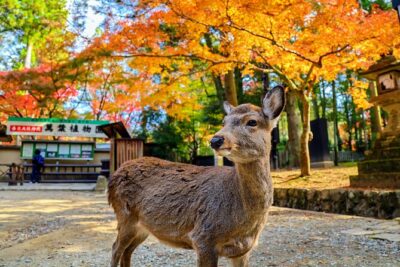
World Heritage Kyoto & Nara Uji Authentic Matcha Experience
Read our review →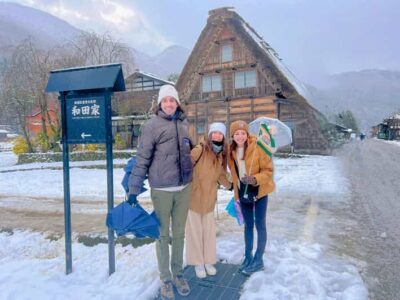
World Heritage Shirakawa-go Morning Guided Tour
Read our review →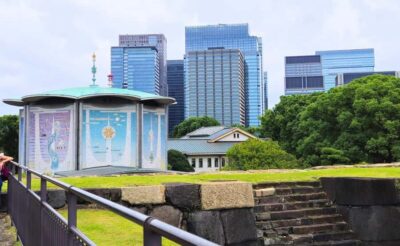
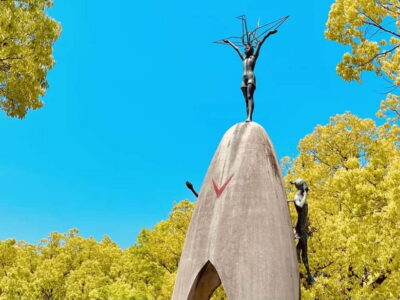
Hiroshima Historical Walking Tour – Why A-Bomb was Dropped
Read our review →
Hiroshima Peace (Heiwa) Walking Tour at World Heritage Sites
Read our review →
Yanaka Walking Tour: Historic and Traditional District of Tokyo
Read our review →
Shinjuku Historical Walking Tour & Secret Backstreets
Read our review →Browse the lists this tour appears in